
Last updated November 17, 2026
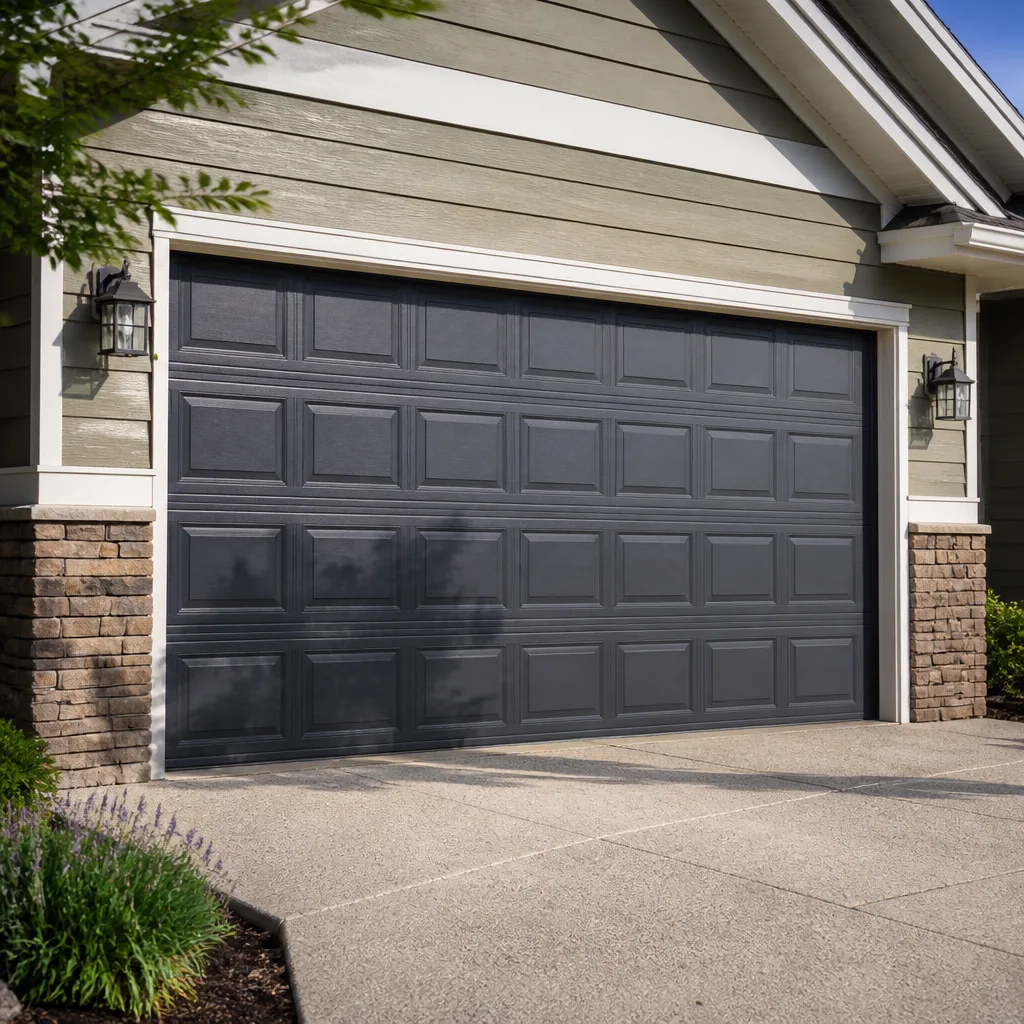 Raised-panel steel
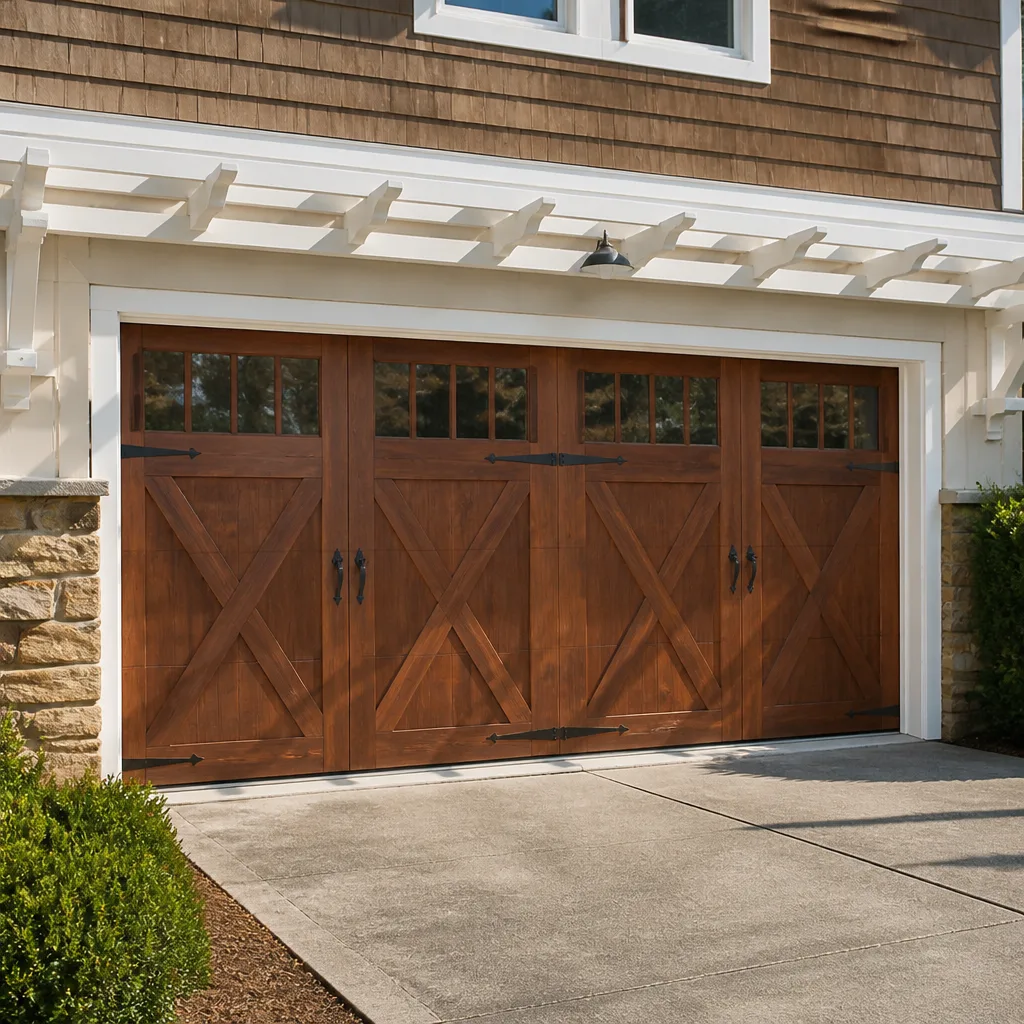 Carriage house
 Modern flush
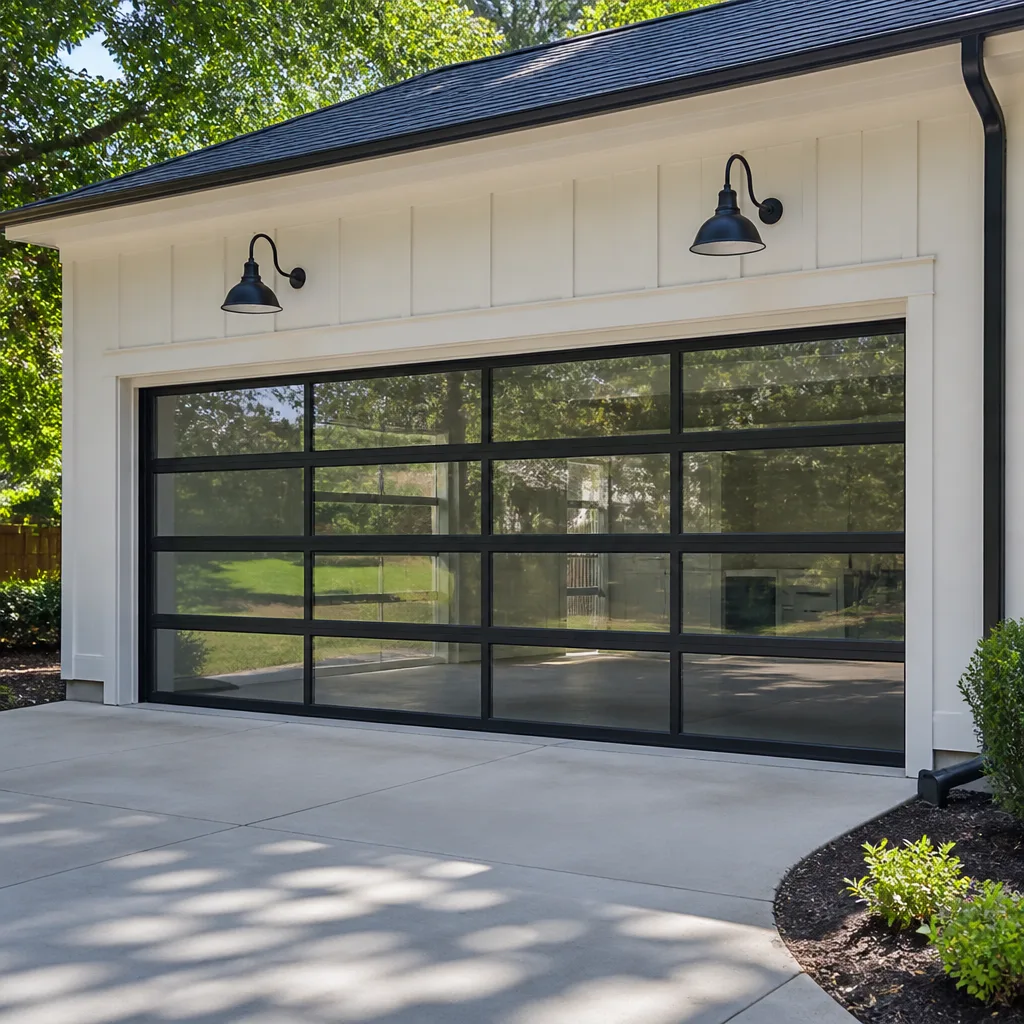 Full-view glass
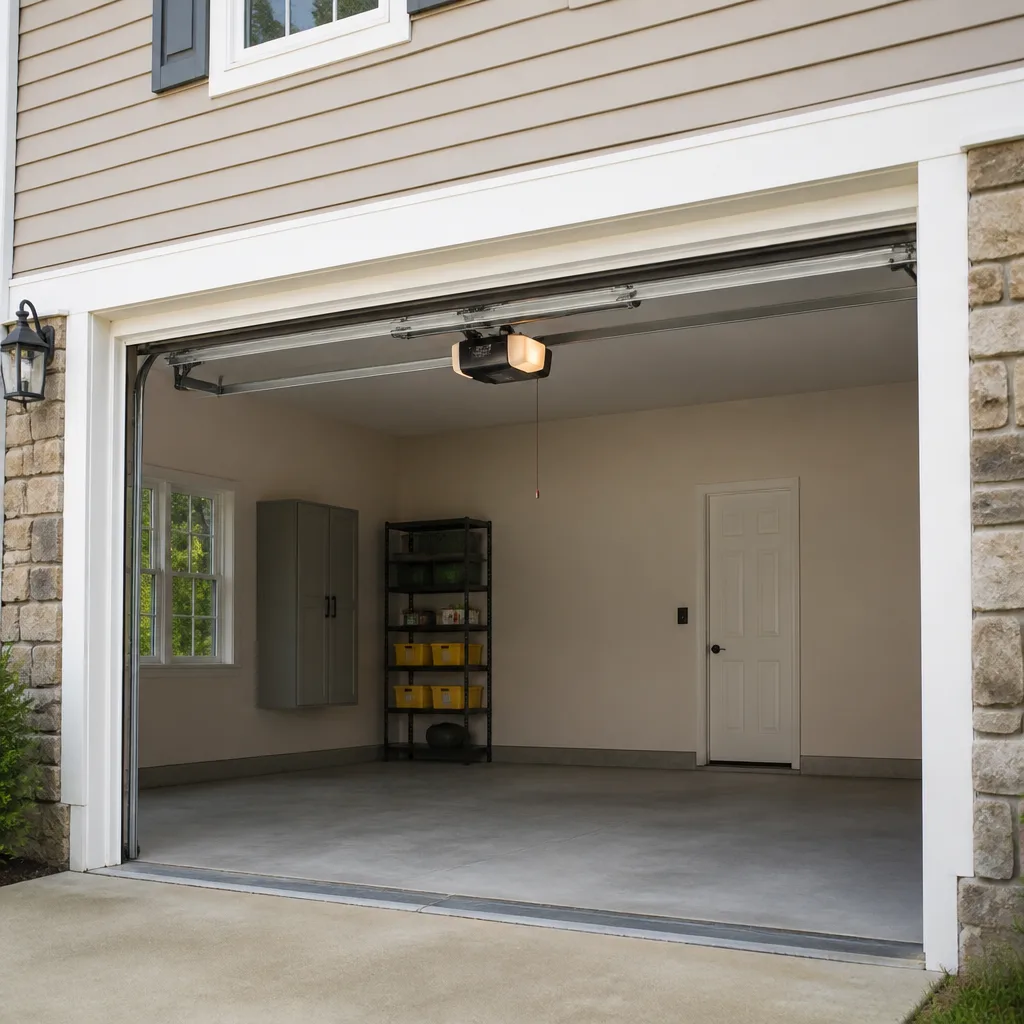 LiftMaster openers
 Chamberlain openers
Full 25-point door and opener safety check with every visit - springs, cables, rollers, tracks, and your LiftMaster or Chamberlain opener included
You get a price before we start. It does not change when the pro arrives.
Get your free estimateSeasonal Garage Door Care for Whitney: Year-Round Homeowner’s Guide
Most garage doors in the Whitney area fail in October, not August. That surprises people. The heat of summer doesn’t usually break a door outright; it quietly wears down weatherstripping, stretches cables, and dries out rollers over months of triple-digit afternoons. Then the first cool morning of fall arrives, the metal contracts, and a part that was already compromised finally gives way. The door that “worked fine all summer” suddenly won’t close. This guide walks you through the Whitney maintenance calendar the way we actually see it on service calls: heat prep, dust control, monsoon humidity, fall reset, and freeze care. You’ll learn what to check, when to check it, and what to leave to a technician.
Quick Answer
Garage door care in Whitney follows four distinct windows rather than four traditional seasons: pre-summer prep in May before temperatures cross 100°F, monsoon-transition attention in July and August, a full fall reset in October (the single most important service window on the Whitney calendar), and freeze prep in December and January. Cleaning tracks, treating seals, and re-lubricating with the right product for each window prevents most of the failures we see. The October check matters most because summer stress and fall contraction combine to snap weakened parts.
Styles & brands we work with
- Raised-panel steel
- Carriage house
- Modern flush
- Full-view glass
- LiftMaster openers
- Chamberlain openers
Table of Contents
- Why Whitney Doors Fail on a Different Calendar
- Pre-Summer Prep (May): Beating the Heat Before It Arrives
- Monsoon-Transition Care (July – August): Humidity and Desert Doors
- The Fall Reset (October): The Most Important Window
- Freeze Prep (December – January): Lubricants and the Cold
- Dust-Season Protocol: Clearing Grit Without Adding Moisture
- Your Year-at-a-Glance Maintenance Calendar
- What a Professional Seasonal Check Actually Covers
Why Whitney Doors Fail on a Different Calendar
Whitney doesn’t get four gentle seasons. It gets a long, brutal heat cycle that runs from late spring well into fall, a short but real freeze window in winter, a dust season driven by desert wind, and a monsoon transition that throws brief, intense humidity at hardware built for dry air. Each one stresses a different part of the door system, and each one is predictable.
The system on your door is a set of parts that expand, contract, dry out, and take on grit at different rates. Steel panels move with temperature. Cables carry enormous tension and stretch slightly over time. Rollers wear in their tracks. Weatherstripping is the part most homeowners forget about, and it’s the part the Whitney climate punishes hardest: summer sun bakes it brittle, monsoon humidity softens it, and the fall contraction tears it. In our experience, a door that’s never had a tune-up typically shows the accumulated damage of two or three missed seasonal windows at once.
What we’ve learned running calls across the Whitney area is that the calendar here is not the calendar the manufacturer printed on the box. The owner’s manual assumes mild seasons. Whitney has its own schedule, and the work of keeping a door reliable is largely the work of matching your maintenance to that schedule instead of a generic one. The good news is that most of the damage is preventable with a small amount of attention at the right time of year. The failures we see in October were set in motion in June. Whitney homeowners who catch them in May usually never see the bill.
Pre-Summer Prep (May): Beating the Heat Before It Arrives
May is the last comfortable month in Whitney before the heat settles in for the duration, which makes it the right time to inspect and treat the components that heat attacks first. Once temperatures cross 100°F consistently, both you and the hardware are working in less forgiving conditions, and small problems get expensive fast.
Heat does not attack your door evenly. It goes after specific parts in a specific order:
- Weatherstripping and bottom seals. Rubber and vinyl dry out and crack fastest in sustained heat. Check the bottom seal for brittleness by pressing it with your thumb; if it doesn’t spring back, it’s on its way out.
- Rollers. Plastic and nylon rollers wear and flatten under heat. Worn rollers make the door drag, and dragging stresses the opener.
- Cables. Steel cables under load will not fail from heat alone, but heat accelerates wear where they contact the drum. Frayed strands are a warning sign, not a DIY fix.
- Wood trim around the opening. Desert heat pulls moisture from wood, opening small gaps. Check trim in May before those gaps invite in dust and pests.
- The opener. LiftMaster and Chamberlain units in a hot garage work harder to move a stiff door. If your opener seems to labor in June, the door is usually the cause, not the motor.
Treat the tracks with a dry silicone spray, wipe them clean, and confirm the door balances: disconnect the opener and lift the door halfway. It should hold in place. If it drops or needs force, the springs or balance are off, and that’s a professional call. A proper tune-up in May often catches a worn roller or a cracked seal before summer does its work. If you’re already hearing grinding or the door seems heavier than it used to, schedule a garage door repair in Whitney before the heat peaks.
Monsoon-Transition Care (July – August): Humidity and Desert Doors
Whitney’s summer monsoon is brief, but it brings real humidity into a region built for dry air, and desert-acclimated doors react badly. Wooden bottom trim swells and shifts. Steel drums and hinges can develop surface rust where moisture lingers. Seals that were baked stiff in June soften in the humidity and start to lose their grip on the frame.
The instinct is to treat a humid spell like a wet climate problem and reach for heavy lubricants. Don’t. Parts that are used to dry air don’t respond well to a sudden layer of thick oil. The right approach during monsoon season is lighter and more frequent:
- Wipe outer metal surfaces and hinges with a dry cloth after heavy rain, and don’t let water sit in the tracks.
- Check bottom seals for curling or lifting after each humidity stretch; press them back into place and note any that stay loose.
- Inspect wood trim on the opening for swelling and small gaps. This is the month those appear.
- Listen for a change in the door’s sound. A door that runs quiet in June and starts to groan in August may be reporting a swollen frame or a loose hinge.
We’ve seen Cheney Street and Raintree-area homes develop bottom-trim swelling after a single monsoon week, usually because the trim was already dried out from May and the humidity finished the job. Catching those seals early is far cheaper than replacing a rusted or rotted bottom rail later. A garage door opener in Whitney that begins reversing for no obvious reason in late summer often traces back to a swollen or misaligned seal making the door think it’s hit an obstruction.
The Fall Reset (October): The Most Important Window
October is the single most important service window on the Whitney calendar. Summer has just finished running the door through months of heat stress, and the first real cool mornings cause metal to contract and parts to shrink slightly. That contraction finds every weak link summer left behind. The door that made it through August without complaint is the one most likely to fail now, and it fails because the damage was already there.
A full October check should cover the whole system, not just the obvious parts:
- Cables and springs. Look for frayed strands on cables and check springs for gaps, rust, or fatigue. Springs and cables are under extreme tension and are not a DIY inspection beyond a visual check. Do not touch them; call a trained technician.
- Rollers and hinges. Replace any rollers that are flat-spotted or worn, and tighten or replace loose hinges.
- Weatherstripping. The bottom seal and side seals should still make contact with the frame. If you can see daylight or feel a draft, they’ve given out.
- Balance and tension. With the opener disconnected, the door should lift and lower smoothly and hold halfway. If it doesn’t, the balance is off.
- The opener and safety reversal. Test the reversal feature with a small object under the door. If the door doesn’t reverse, the safety sensor or opener needs service.
Most October failures, in our experience, are parts that were already worn going into summer. A door that snaps a cable or spring in the first cool week of October usually had compromised hardware in July. Scheduling a repair before fall sets in, or a tune-up in late September, means the contraction finds sound parts. This is also the month to have the door professionally checked if you’ve never had it serviced, because the pattern we see most often starts here in Whitney.
Freeze Prep (December – January): Lubricants and the Cold
Whitney does freeze in winter, and it does so just briefly and sharply enough to matter. The freeze window is short, but it catches doors and their lubrication off guard, because the products that work perfectly in summer can thicken or congeal when the overnight temperature drops below freezing.
The change you want to make is simple: standard lubricants thicken when it’s cold, and the door’s rollers, hinges, and tracks start to drag. A thick drag is hard on the opener, and it can make a door slow or jerky in the morning. In freeze season, the right product matters as much as the application. Use a cold-friendly, dry silicone or the lubricant the manufacturer specifies for colder temperatures, and keep the tracks clean and dry, not heavily oiled. Oil in the tracks holds grit when it’s dry, and grit plus cold is a bad combination.
Cold also finds weakened parts. A cable or spring that was already compromised in October is more likely to fail in the first freeze, because the metal contracts further and the tension shifts. If you skipped the fall reset, January is the time to get the door checked. This is also when a garage door opener’s internal lubrication and the condition of the door matter most: a LiftMaster or Genie unit trying to move a stiff, cold door will strain and eventually stop. Freeze prep in Whitney is less about the cold itself and more about making sure the door is easy to move when it arrives.
Dust-Season Protocol: Clearing Grit Without Adding Moisture
Desert dust is the quiet enemy of a garage door in the Whitney area. Wind-driven grit settles into the tracks and works its way into rollers and hinges, and because desert grit is often alkaline, it can corrode metal faster than ordinary dirt if it’s allowed to sit. Cleaning it out is a matter of routine, not emergency.
The mistake to avoid is reaching for a wet rag or a hose and introducing moisture, which on dry-air hardware can start corrosion in the very places you were trying to protect. A wet track that dried with grit in it just turns the grit into a paste that packs into the rollers. The better routine is dry cleaning:
- Brush the tracks with a dry brush or use a shop vacuum with a narrow attachment to pull grit out of the channel.
- Wipe the rollers and hinges with a dry cloth, and check for grit that has packed in.
- Apply a light dry silicone spray only where the manufacturer specifies it, not in the tracks themselves.
- Repeat after any dusty stretch or wind event. If the door starts to feel rough or sounds gritty, it’s time to clean.
If the tracks have picked up corrosion from packed alkaline grit, don’t scrub at them with an abrasive; take the door in for service. Rollers and hinges exposed to this seasonal grit typically wear faster than they would elsewhere. The dust-season routine is a few minutes a month and it prevents a lot of wear over the year. If you ever notice a door that drags or a track that looks rusted, call before the next dust event, and a repair can usually address it before the challenge of fall sets in.
Your Year-at-a-Glance Maintenance Calendar
Here’s the Whitney calendar condensed into a single view you can keep:
- May: Inspect and treat weatherstripping, rollers, trim, and the opener before heat arrives. Clean and dry-lubricate the tracks.
- June – August: Watch bottom seals and wooden trim for swelling during monsoon humidity. Keep the tracks dry and wipe hinges after heavy rain.
- Late September – October: The big check. Have the whole system inspected for worn rollers, cables, springs, seals, balance, and opener reversal before the cool weather settles in.
- November: A quiet month. Clear any grit and listen for the season’s first change in the door’s sound.
- December – January: Switch to cold-friendly lubrication, and get an inspection if the fall check was skipped.
- February – April: Between the freeze and the heat, clear dust from tracks, check hinges, and prepare for May.
If you do nothing else, do the October reset. It is the check that catches the damage summer did and the contraction is about to reveal. If the calendar feels like a lot of work, that’s the point at which our tune-up helps: a garage door installation in Whitney handled properly starts with a door that’s correctly measured and installed, then maintained on this schedule.
What a Professional Seasonal Check Actually Covers
A seasonal check is designed to catch problems that a homeowner can’t safely inspect. A proper check covers the full system:
- Cables and springs. High-tension components that can release violently if handled wrong; inspected for fraying, rust, gap, or fatigue, not adjusted by hand.
- Rollers, hinges, and drums. Worn parts replaced so the door runs quiet.
- Weatherstripping and bottom seal. Replaced if contact is lost.
- Balance and tension. The door should move smoothly and hold in place with the opener disconnected.
- Opener and safety reversal. A unit from LiftMaster or Chamberlain tested for correct reversal and proper force limits.
We bring the right parts on the truck so most of this is finished in one visit. If the door needs a full opener replacement, we state the flat price before work starts. The 90-Day Done Right Promise backs every job in writing, and a live person answers the phone around the clock, including nights and weekends. The Mainspring Garage Door Co. Whitney home page has the full picture of what we do.
Common Mistakes to Avoid
- Waiting for a failure instead of catching it in October. Most Whitney doors that fail do so in the first cool weeks of fall. The damage was already there in summer; the fall check is where you catch it before it costs you.
- Oiling the tracks. Oil in the tracks holds desert grit and grinds the rollers. Clean tracks and dry silicone where specified is the right approach. Wet lubrication in a dusty climate is the wrong one.
- Touching cables or springs. These carry the door’s weight under extreme tension and can cause serious injury if handled incorrectly. Watch them, don’t work on them. Call a trained technician.
- Using summer lubricants in winter. The same product that runs smooth in July can congeal below freezing, making the door drag and the opener strain. Switch to cold-friendly lubrication for the freeze window.
- Ignoring bottom seals after the monsoon. Softened seals lose contact with the frame and let in dust and pests. Check them after each humidity stretch and replace them when they no longer touch.
- Skipping the safety reversal test. It’s a two-minute check and it protects everyone in the household. Test it every season and never let a door operate with a failing sensor.
- Assuming a new opener fixes a heavy door. Most “weak” openers are actually struggling with a stiff, unbalanced door. Fix the door and the opener usually recovers. Replacing the motor first rarely solves the problem.
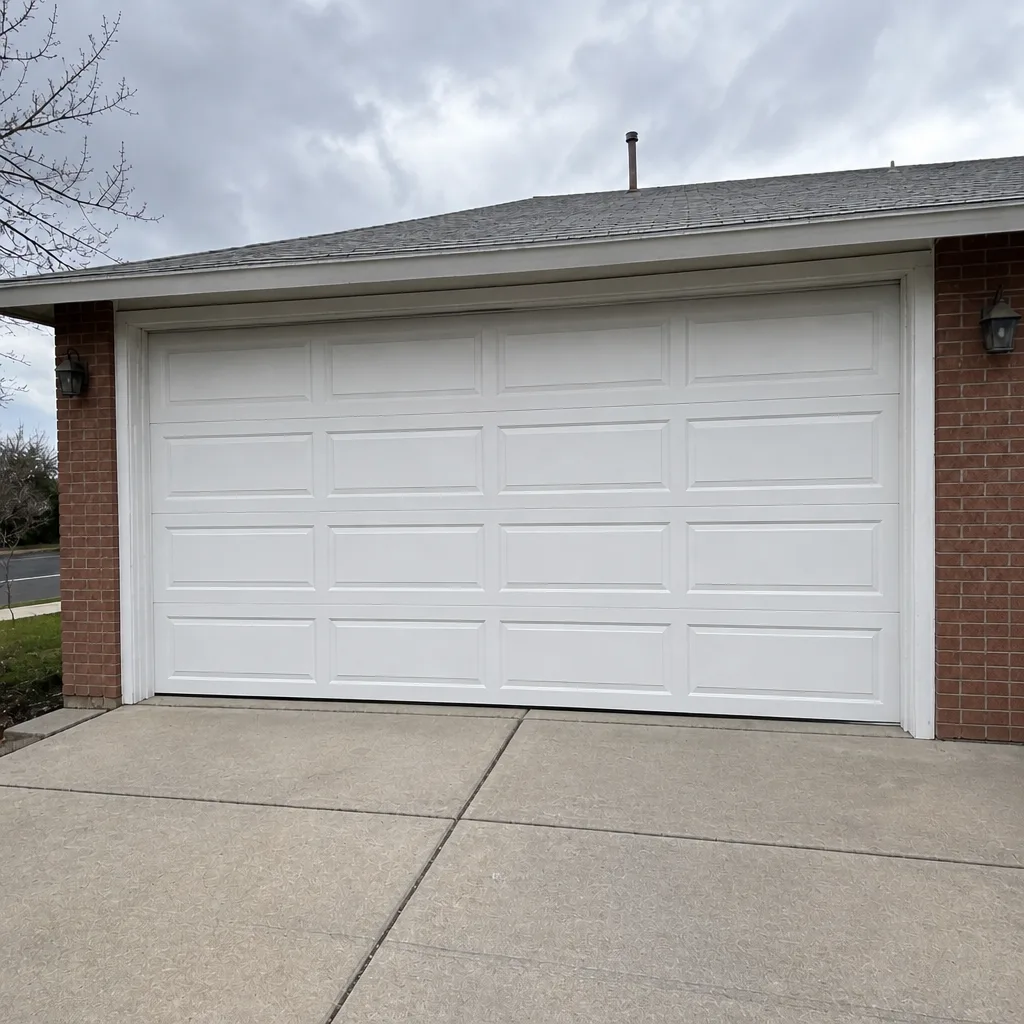
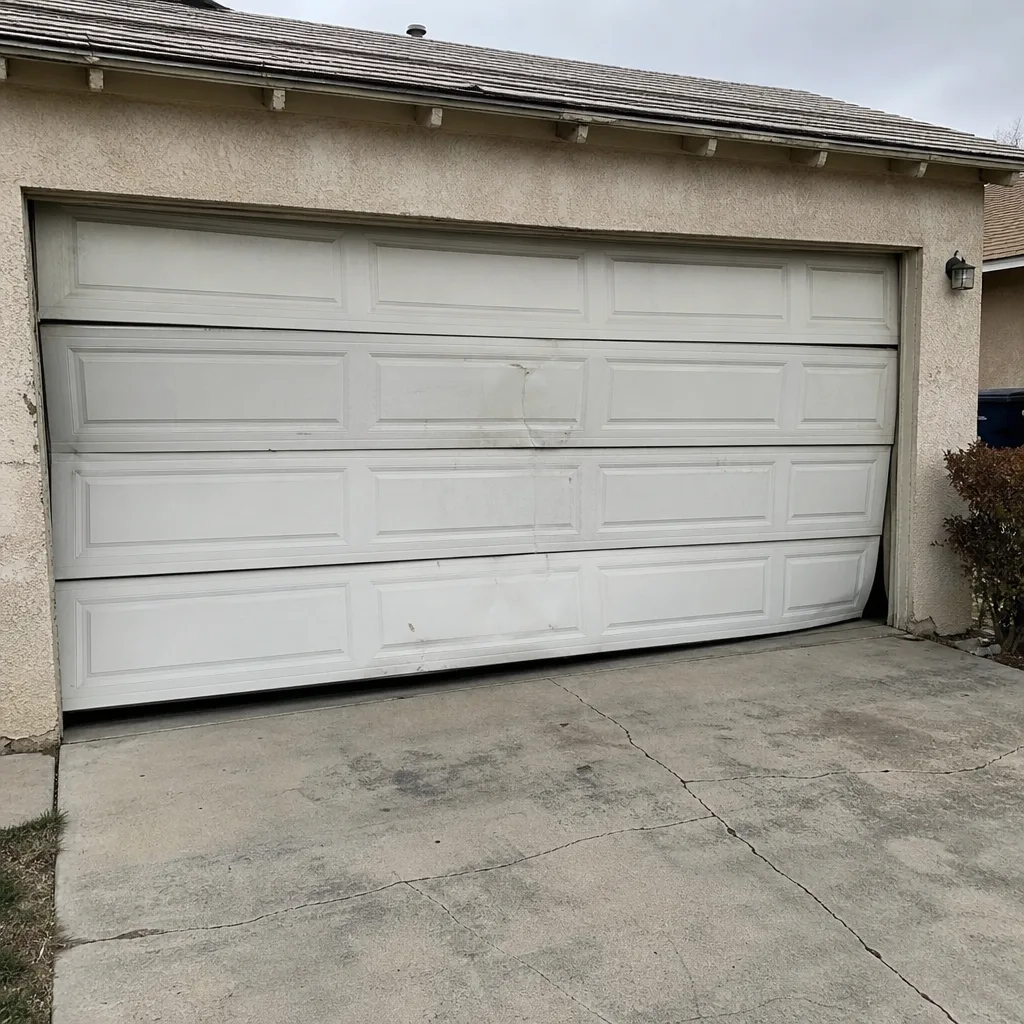
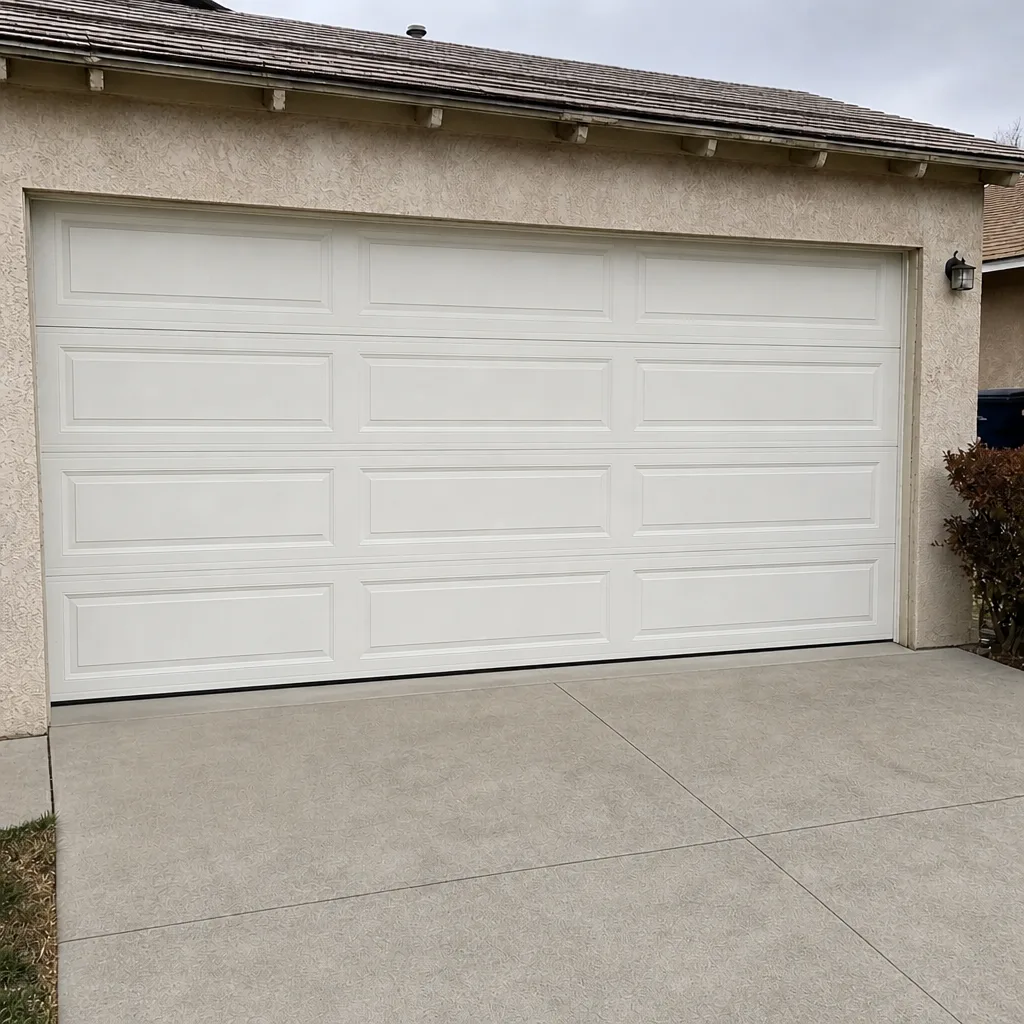
See the difference
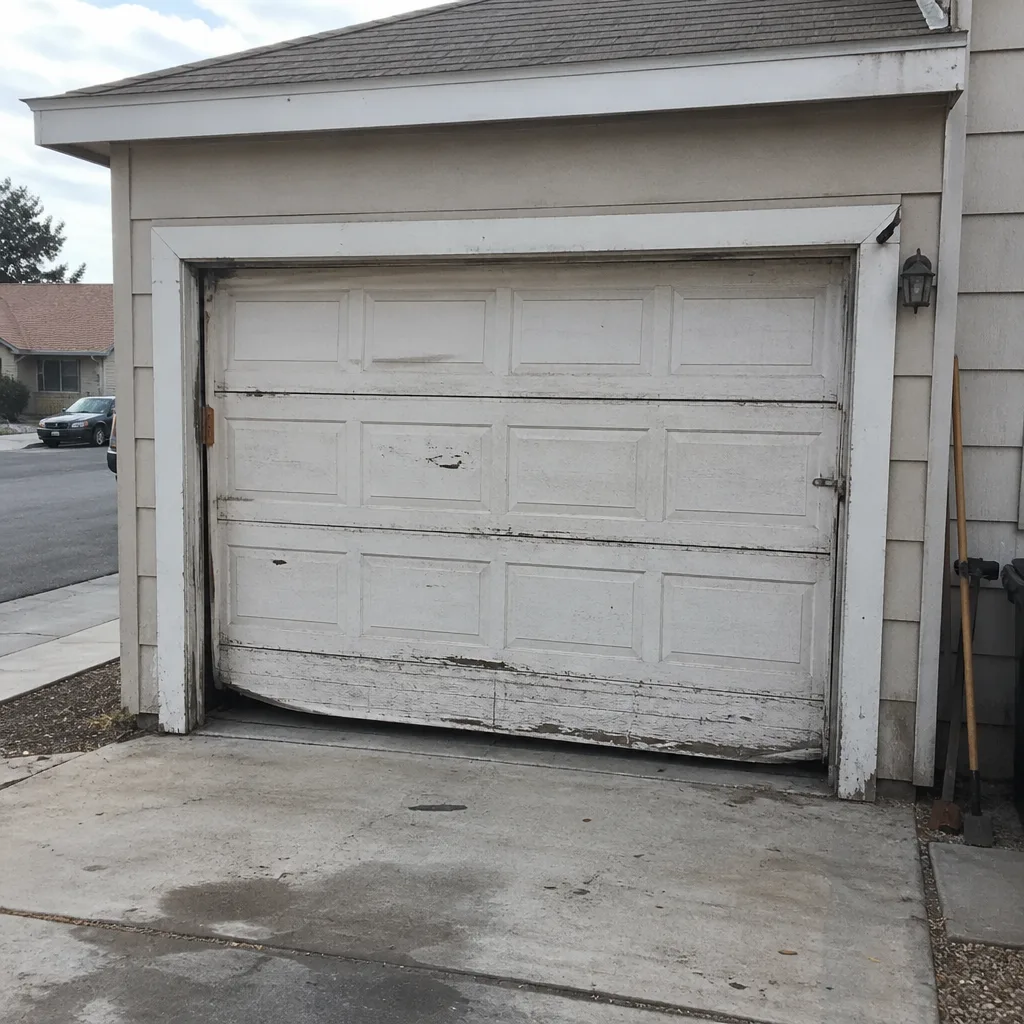 Before
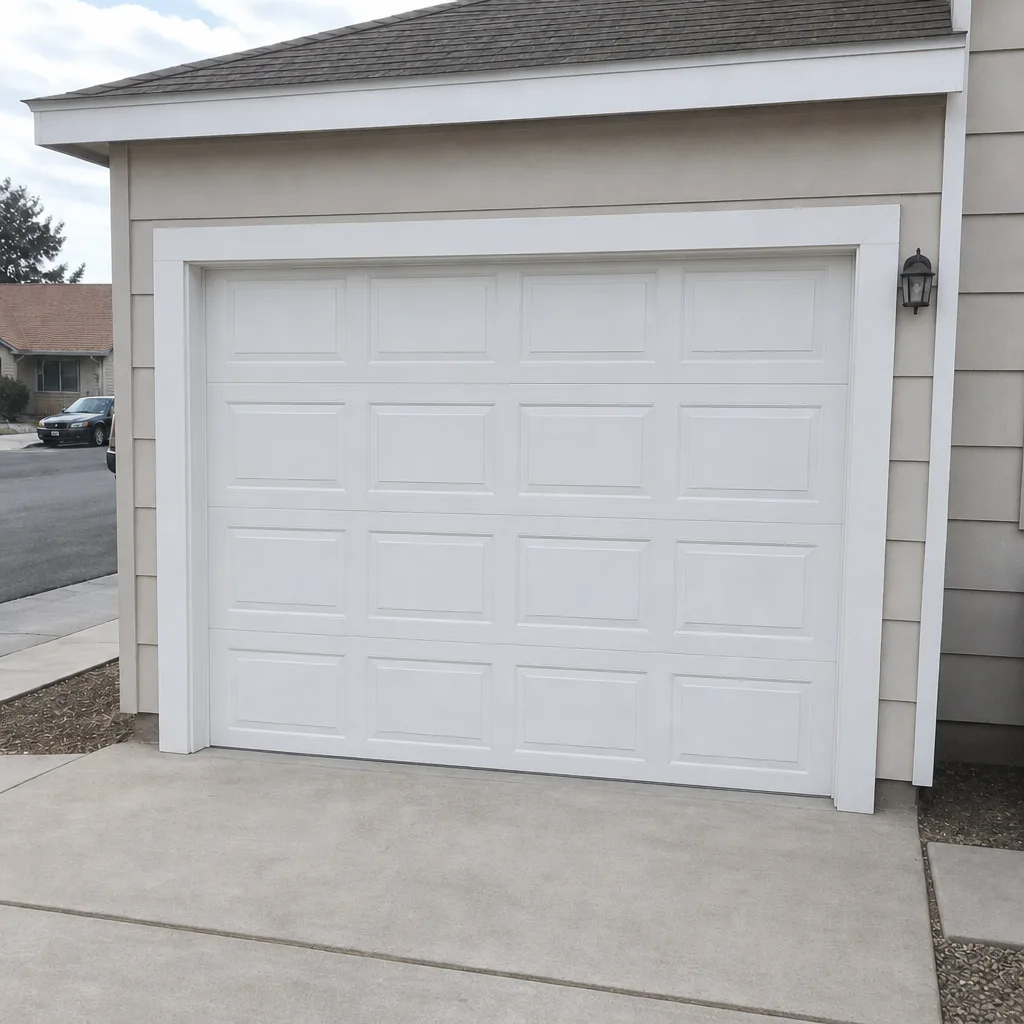 After
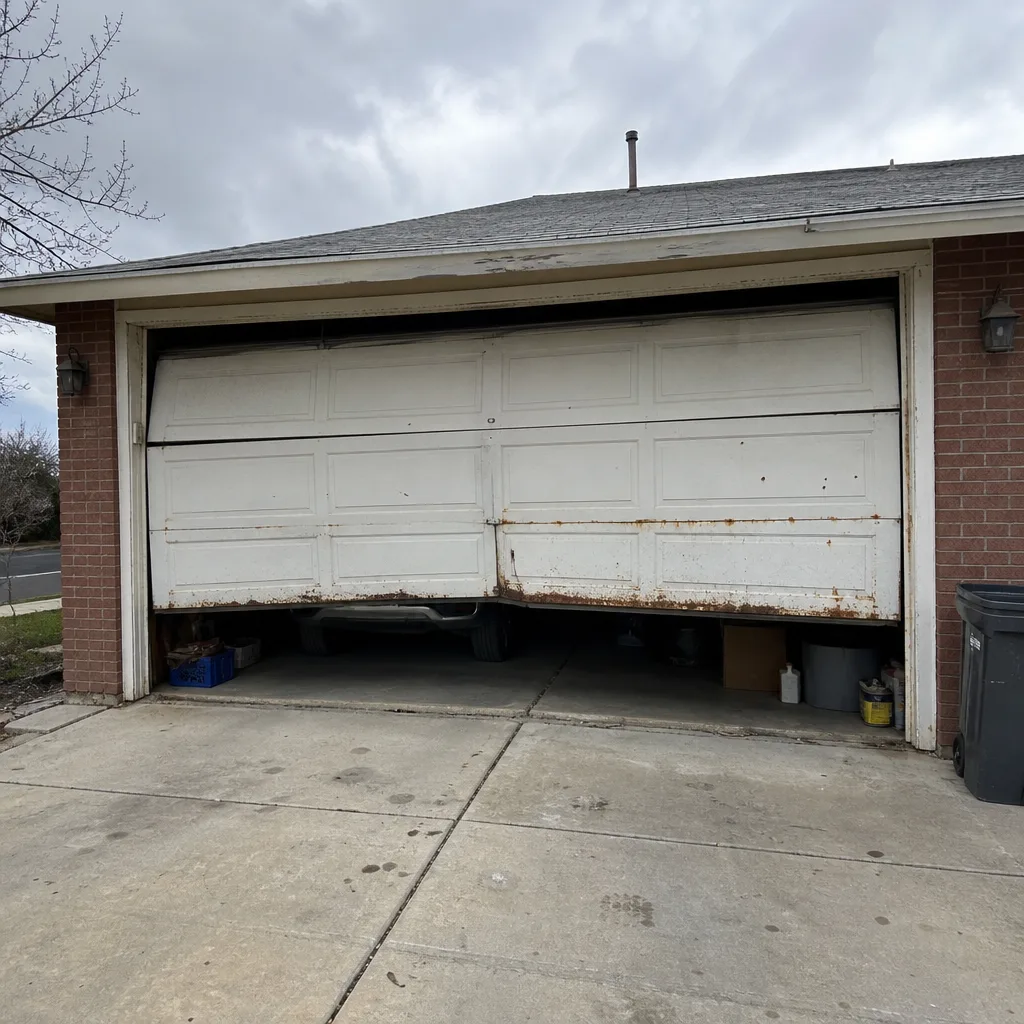 Before
 After
 Before
 After
When to Call a Professional
Some seasonal work belongs to you: cleaning tracks, checking seals, and testing the safety reversal. Some belongs to a technician. Call if the door is hard to lift, drops or won’t hold halfway, jerks or slams, or if you see frayed cables or a spring with a visible gap. Call if the door reverses without obstruction, or if the opener hums but the door doesn’t move. Call after any dust event that leaves grit packed in the tracks, before the challenge of the next season compounds it. Whitney homeowners with a door that failed in a previous year without service are the ones who most need the October check. If a part looks dangerous, don’t touch it; a trained professional handles springs and cables safely. Mainspring Garage Door Co. Whitney offers free estimates in Whitney, call (844) 797-9248.
Frequently Asked Questions
October is the most important service window in Whitney. Summer heat has already done its wear, and the first cool mornings in October cause metal to contract and expose weakened parts. The door that survived the summer is the one most likely to fail now. A second important window is May, before temperatures cross 100°F, which is when you inspect seals and rollers and dry-lubricate the tracks. These two windows do most of the work of keeping a door reliable through the year. Call (844) 797-9248 for an exact quote on a seasonal check; estimates are free.
A light dry silicone application on rollers, hinges, and moving metal surfaces once a season is right for most Whitney homes. Tracks should be cleaned of dust and not heavily oiled. In winter, switch to cold-friendly lubrication. The key is product choice, not how often: the same lubricant that runs smooth in summer can thicken below freezing. If you’re unsure which product your door’s manufacturer specifies, a technician can check it during a tune-up. Call (844) 797-9248 to schedule.
Because summer heat degrades the door silently. Weatherstripping dries out, cables stretch, and rollers wear over months of heat, but the door keeps working. The first cool morning in fall contracts the metal and snaps the weakened part. The failure looks sudden, but the damage accumulated over the summer. A fall check catches it first. If your door failed this way, a garage door repair in Whitney can usually set it right. Call (844) 797-9248 for a free estimate.
Wind-driven desert grit settles into the tracks and rollers, and because it’s often alkaline it corrodes metal faster than ordinary dirt. The right routine is dry: brush or vacuum the tracks, wipe rollers and hinges, and apply a light dry silicone only where specified. Don’t use a wet rag or hose, which starts corrosion in the very places you’re trying to protect. Clean after any dusty stretch, and if the tracks start to look rusted or the door drags, call for service.
Before temperatures cross 100°F, check the bottom seal and weatherstripping for brittleness, inspect rollers for flat spots, look at wooden trim for small gaps, and confirm the door balances. Disconnect the opener and lift the door halfway; it should hold in place. If it doesn’t, spring or balance work is needed, and that’s a professional job. Clean the tracks and dry-lubricate with silicone. These few steps prevent most of the heat damage we see across Whitney. Call (844) 797-9248 for a tune-up before the heat.
Yes. Our technicians are state-licensed, insured, and background-checked, trained as journeymen under our K.E.Y.S. values code, with up to 10 years of experience. We arrive with springs, cables, and opener parts on the truck so most jobs are finished in a single visit, and the flat price is stated before any work begins. Every completed job is covered by our 90-Day Done Right Promise, in writing. Call (844) 797-9248 for a free estimate.
The Bottom Line
Whitney’s climate runs on a different calendar than the manufacturer’s manual, and the maintenance that keeps a garage door reliable is matched to that calendar. The most important window is the October reset, because summer heat does its damage quietly and cool-weather contraction finds every weak spot. May prep prevents the heat damage, monsoon checks protect seals and trim, freeze prep swaps in cold-friendly lubrication, and dust-season cleaning keeps alkaline grit out of the tracks without adding moisture. Do the October check, stay ahead of the seasons, and the door runs quiet through the whole year. When a part looks dangerous, call a professional. Mainspring Garage Door Co. Whitney is here when you need us.
If your door is due for a seasonal check, or you’d like a free estimate on any repair or tune-up, call (844) 797-9248. We’ll quote the flat price before any work starts.
Written by the team at Mainspring Garage Door Co. Whitney.