
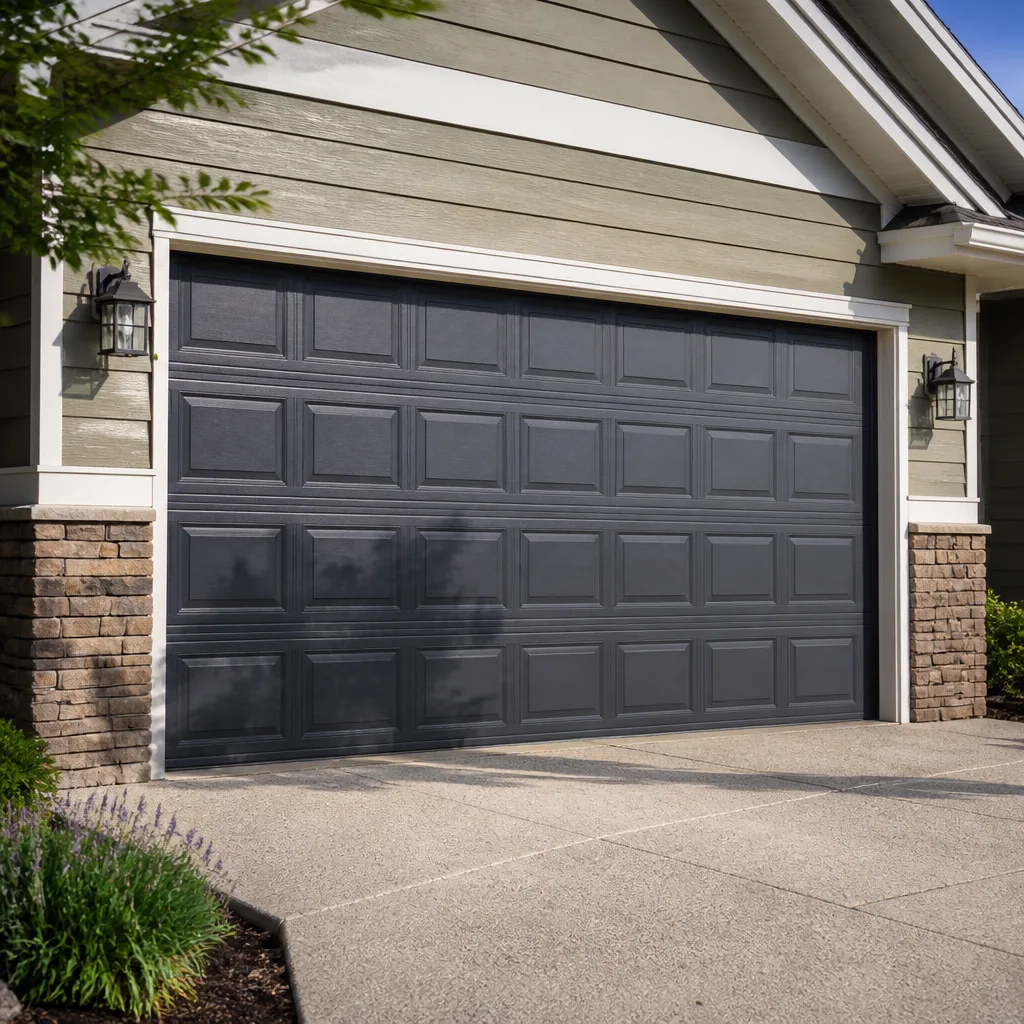
 Raised-panel steel
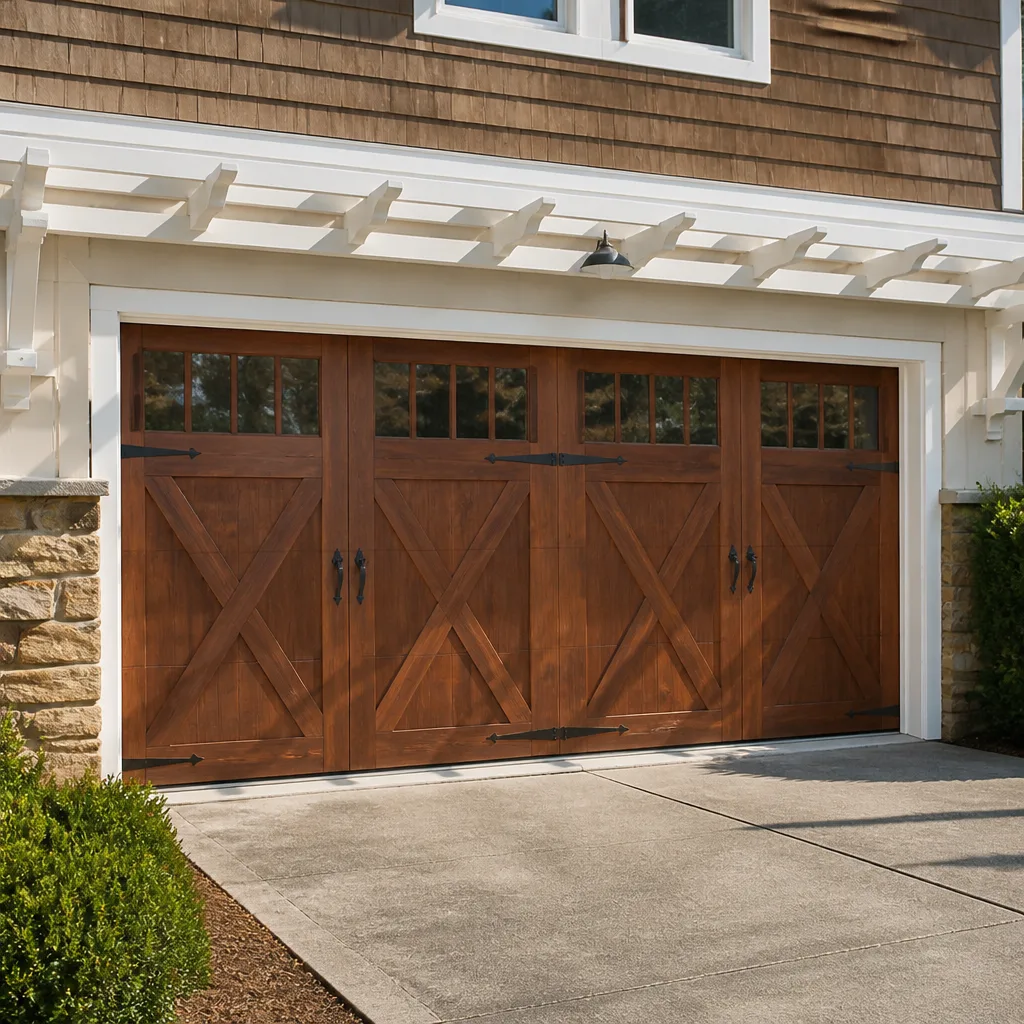 Carriage house
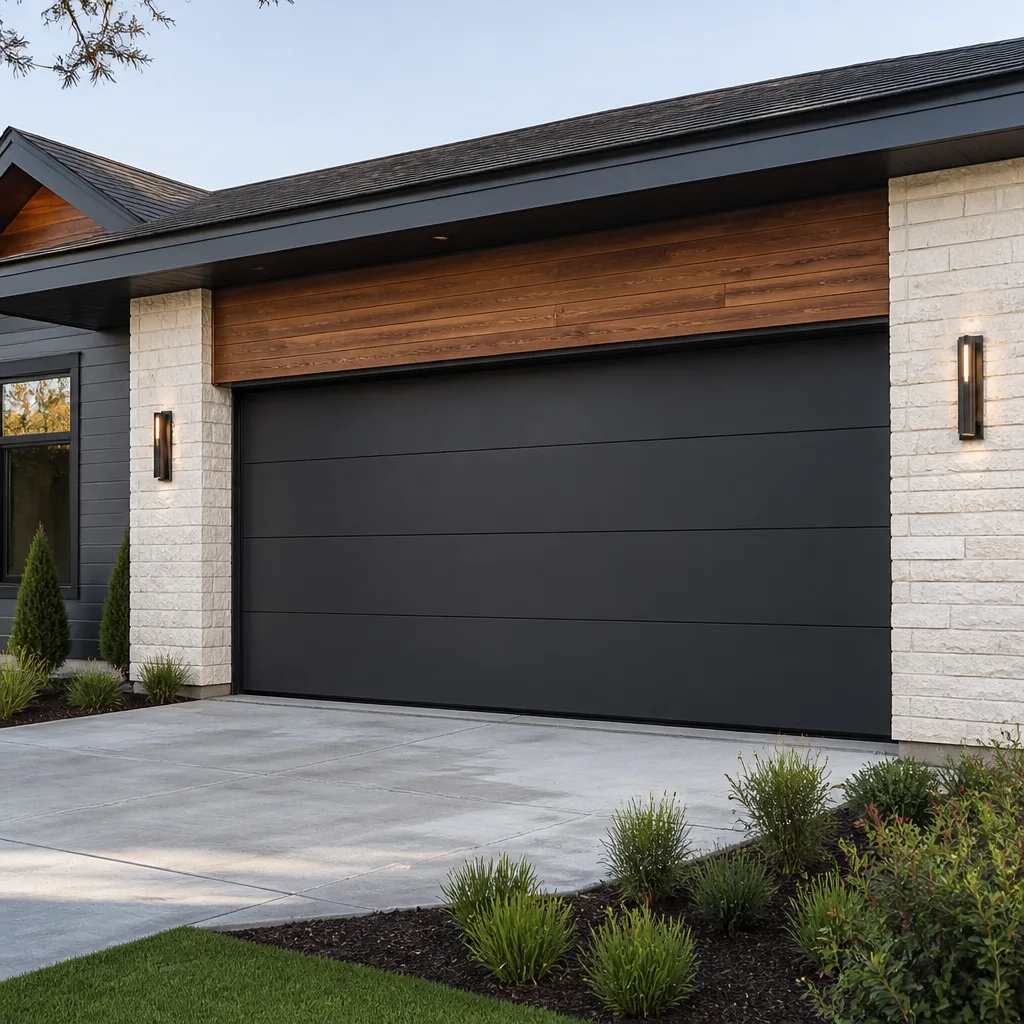 Modern flush
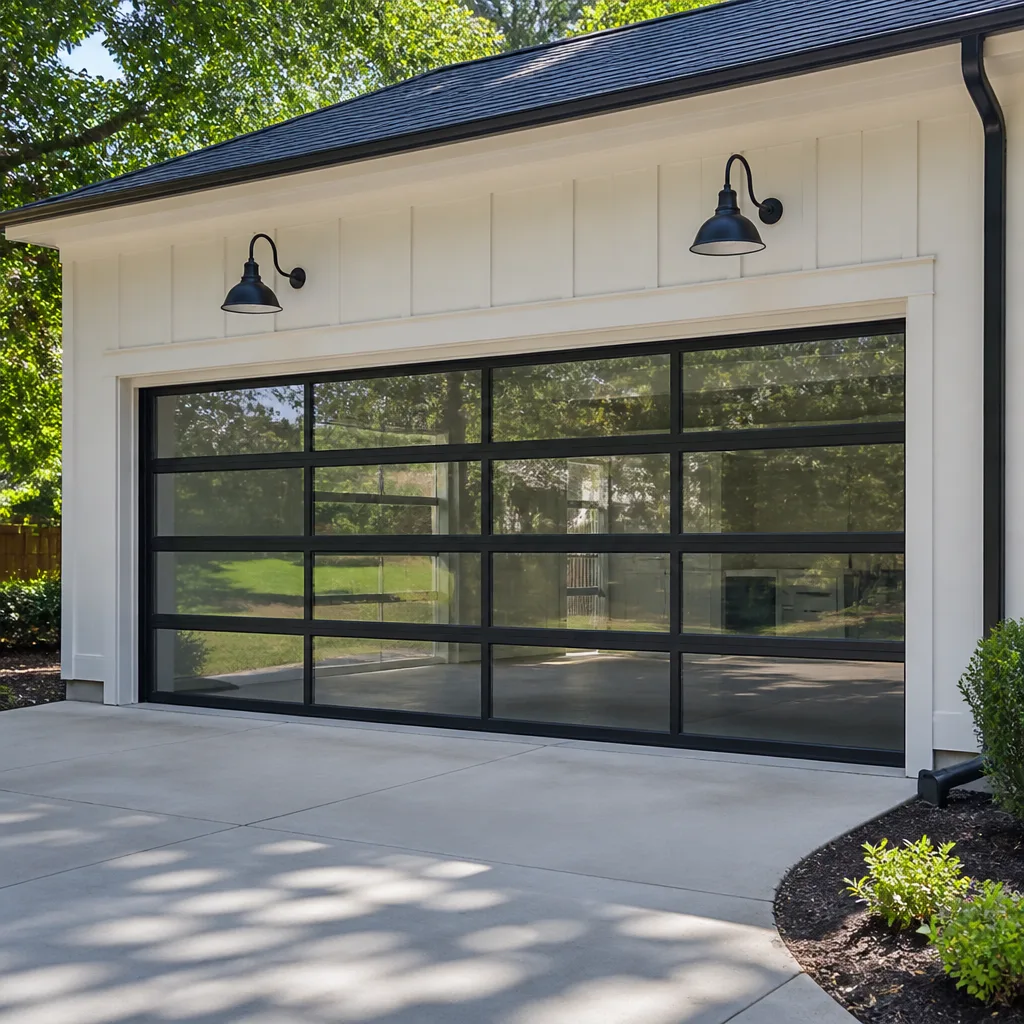 Full-view glass
 LiftMaster openers
 Chamberlain openers
Full 25-point door and opener safety check with every visit - springs, cables, rollers, tracks, and your LiftMaster or Chamberlain opener included
You get a price before we start. It does not change when the pro arrives.
Get your free estimateStyles & brands we work with
- Raised-panel steel
- Carriage house
- Modern flush
- Full-view glass
- LiftMaster openers
- Chamberlain openers
See the difference
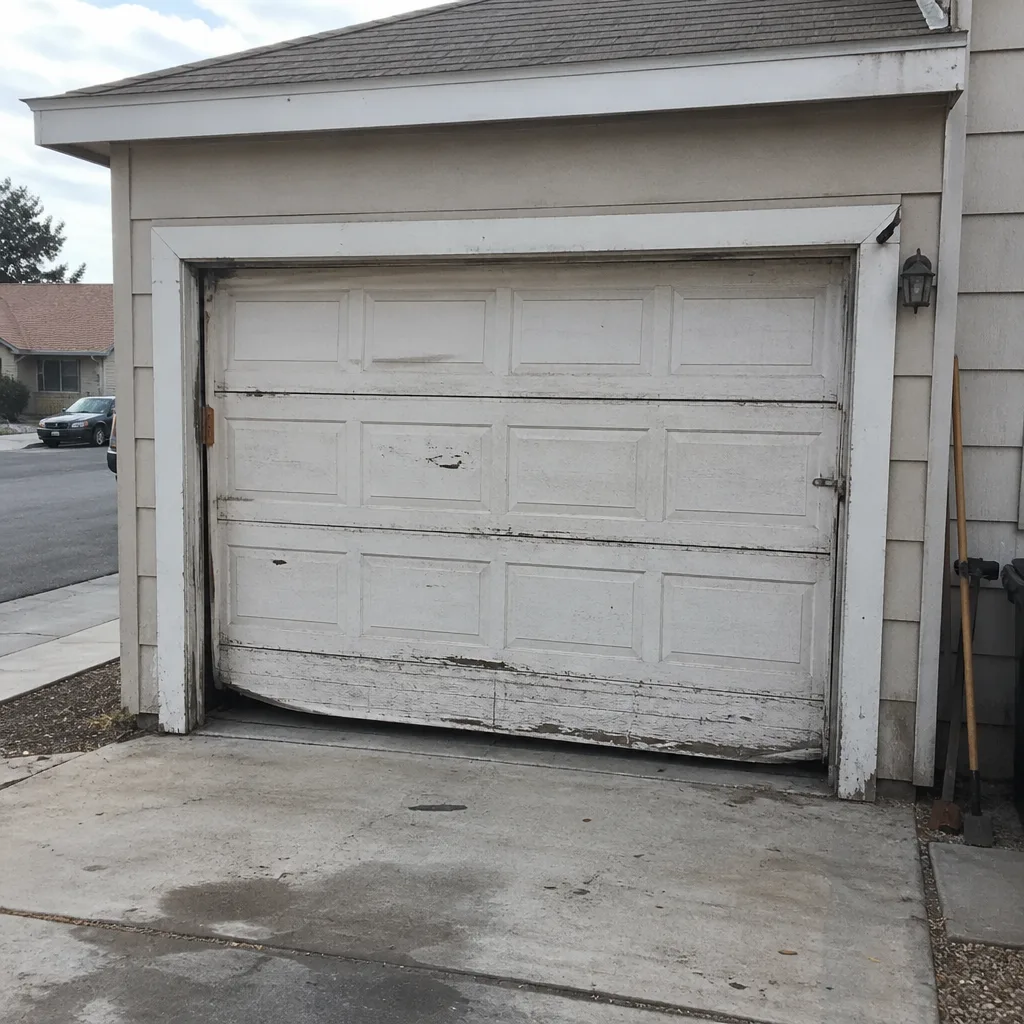 Before
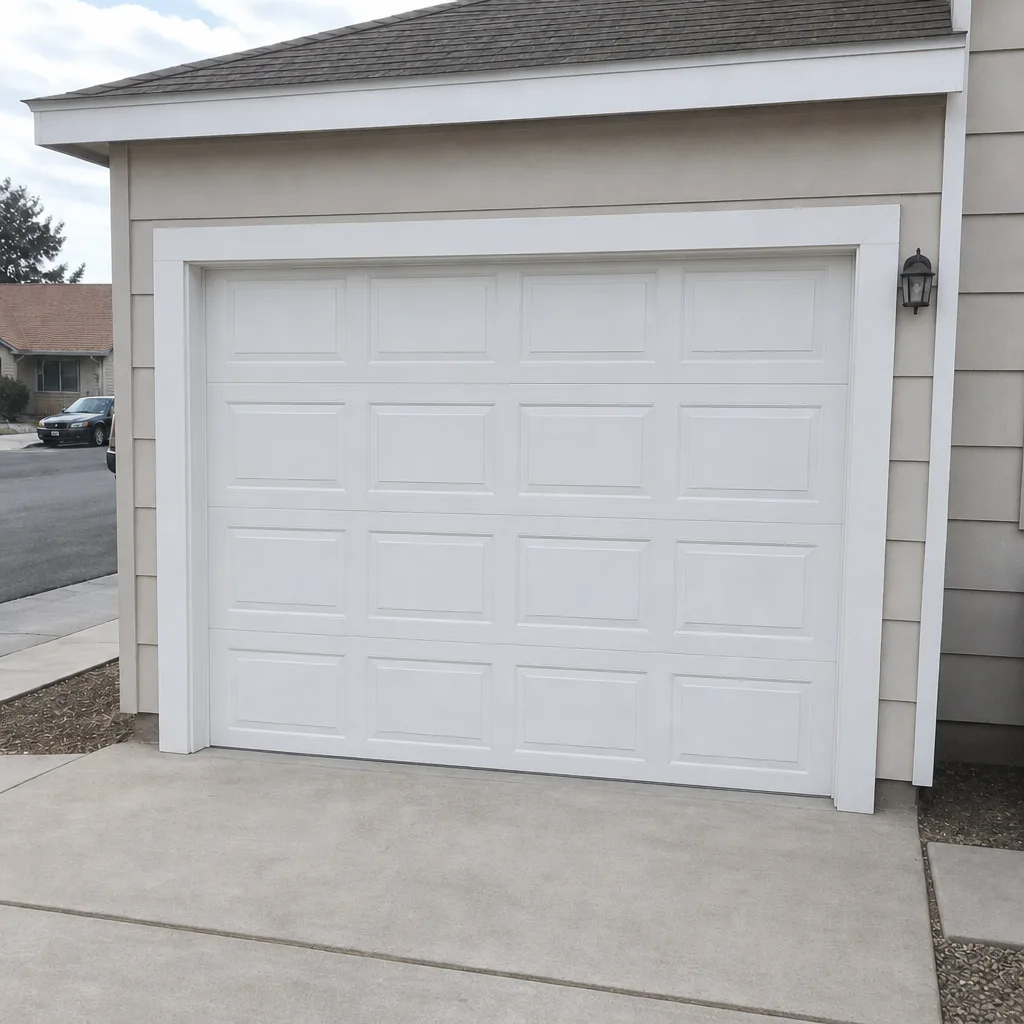 After
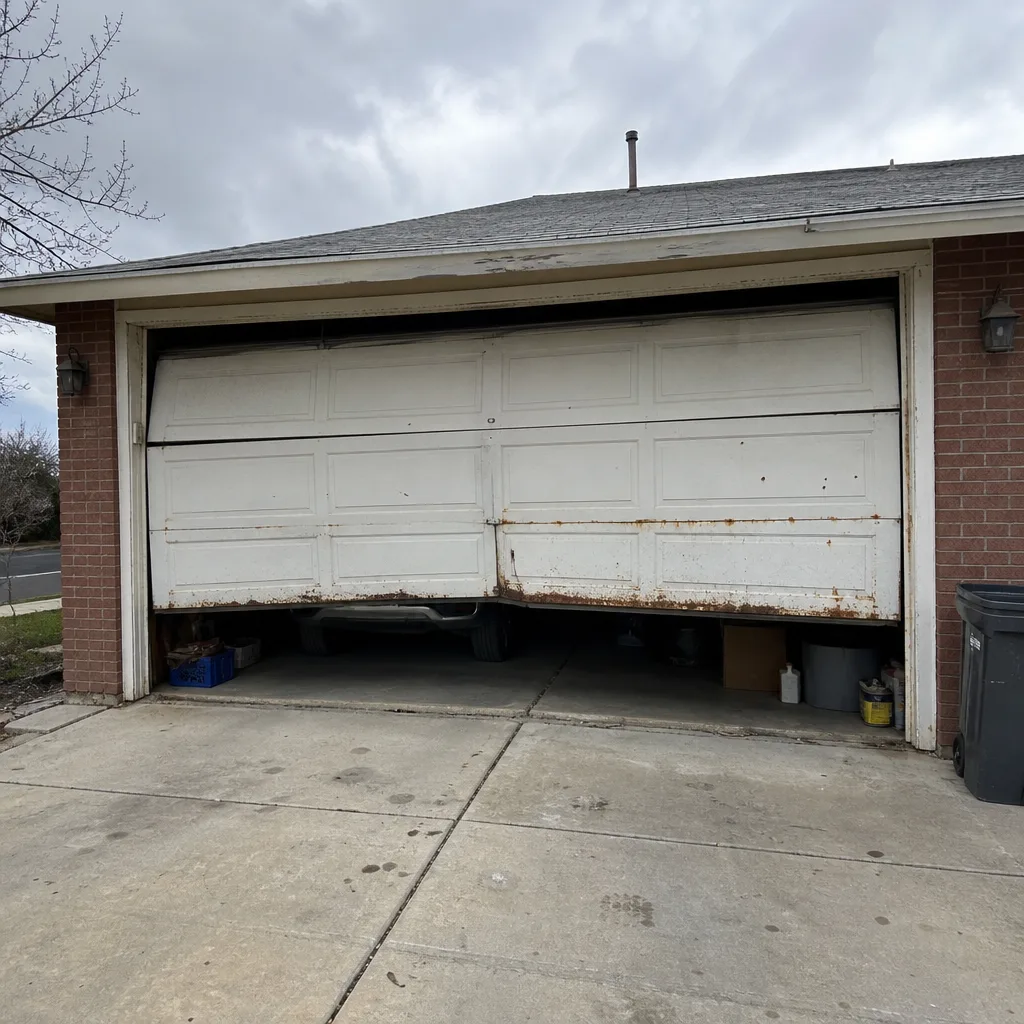 Before
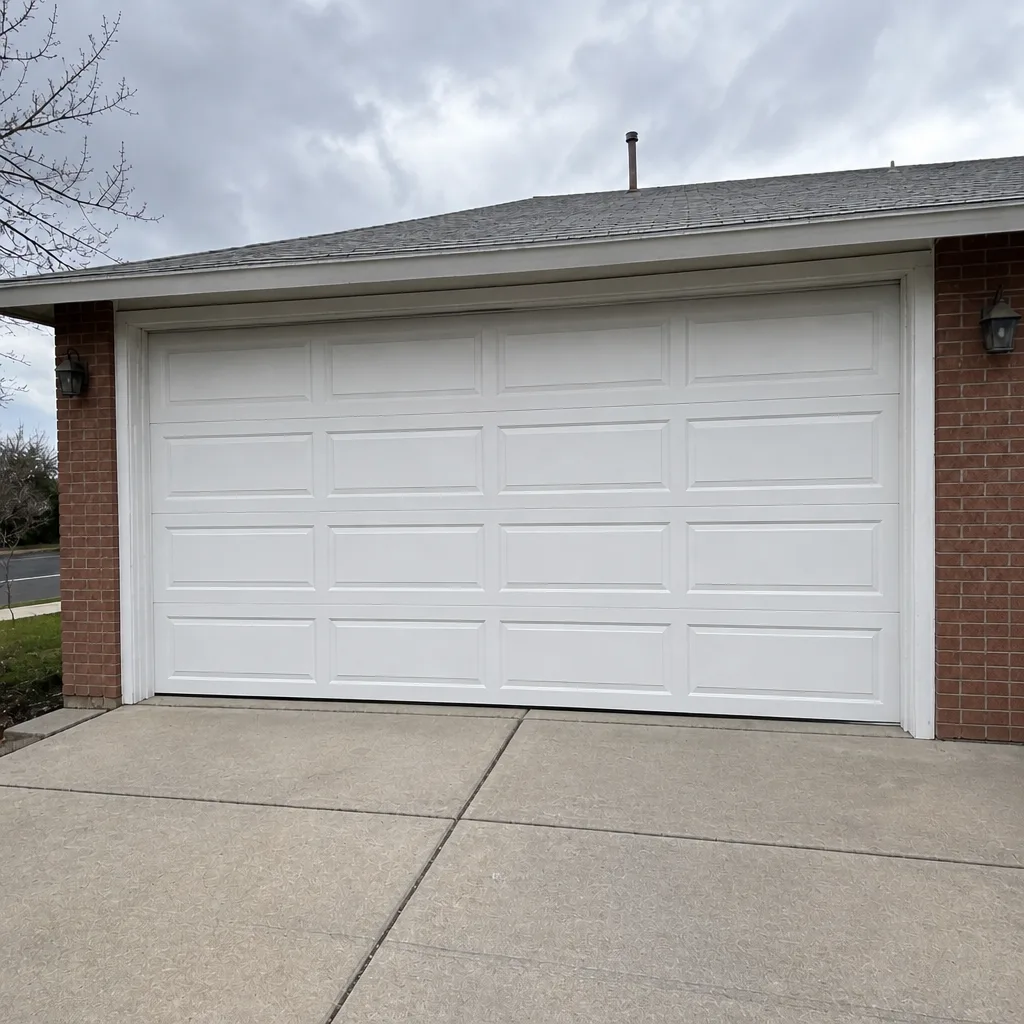 After
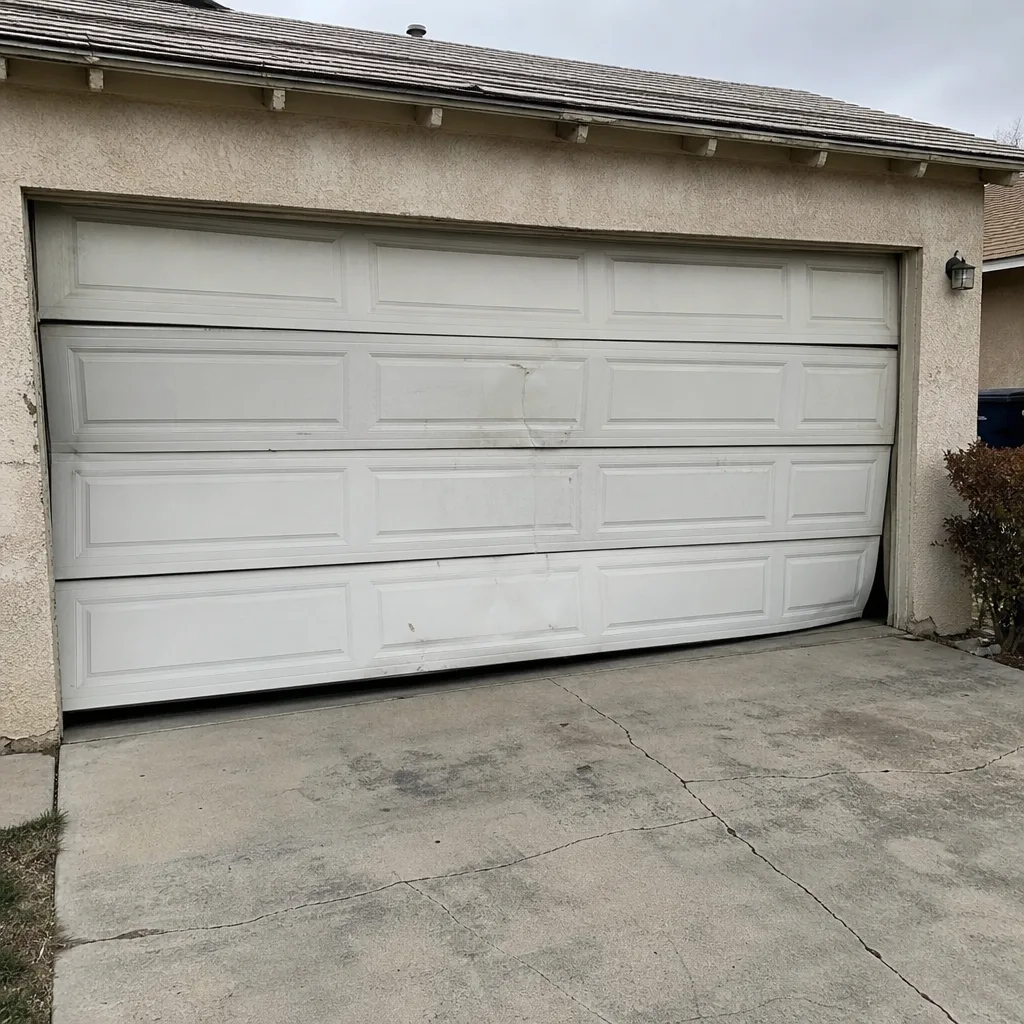 Before
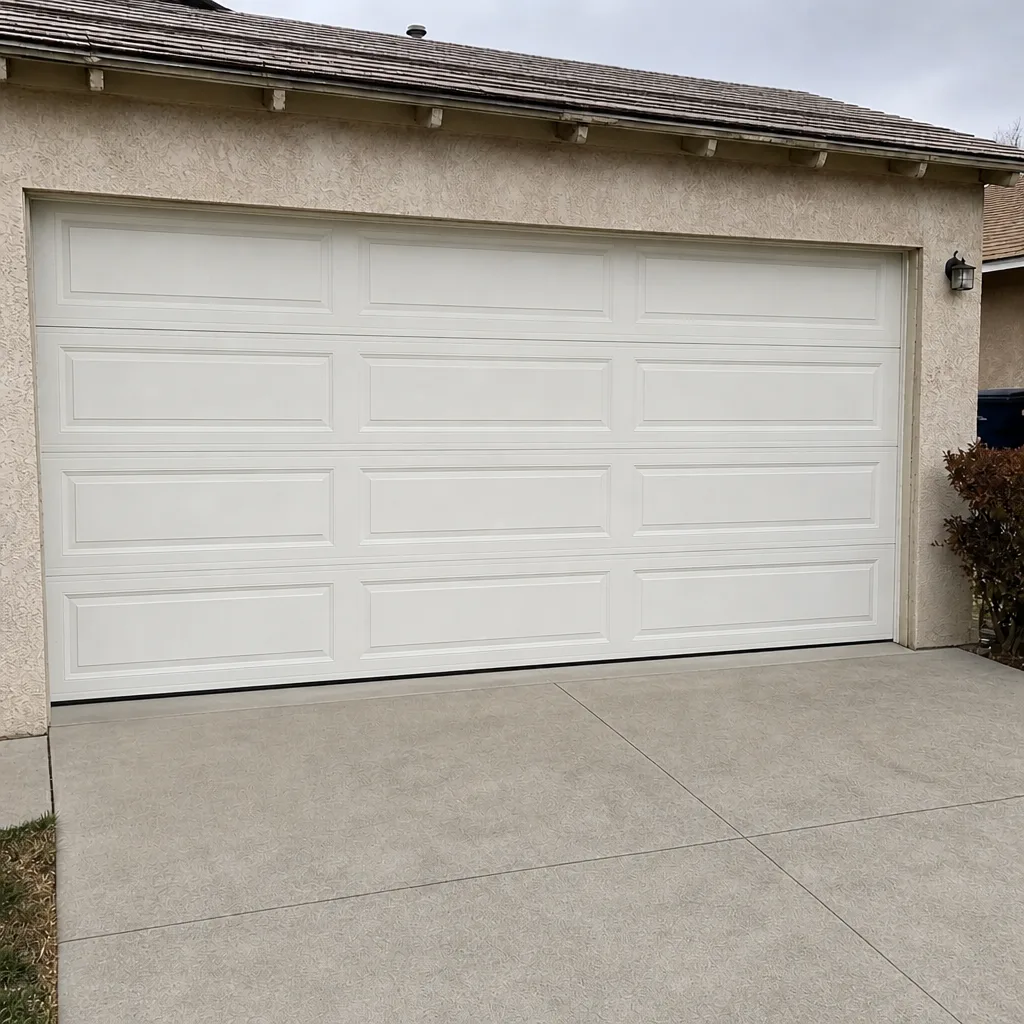 After
Garage Door Maintenance in Whitney, NV: The Desert Calendar That Actually Works
Maintenance tips for garage doors in desert heat start with one correction: check your door more often than a generic quarterly schedule tells you. In Whitney, where summer highs regularly pass 105°F, lubricant burns off rollers and hinges in weeks, and vinyl seals on west-facing doors go brittle inside two seasons. If your door groans, slams, or runs rough, the fix is usually simple and cheap – but the timing matters. Call (844) 797-9248 and we’ll walk you through what your door actually needs.
Key Takeaways
- Lubricate every 6-8 weeks in summer, not every 3 months.
- Use silicone spray, not white-lithium grease, above 100°F.
- Inspect bottom seals on west-facing doors every 8-10 months.
- Watch plastic rollers and photo-eye lenses – they fail first.
A chain-drive opener on a west-facing garage here hits metal temperatures above 130°F on a July afternoon. The white-lithium grease you applied in spring is gone by August, and what’s left has turned into grit. That’s not a defect in the opener. It’s the climate doing what it does.
Why Standard Maintenance Schedules Miss the Mark in Whitney
Most garage door checklists were written for temperate climates with mild summers and regular rain. Whitney sits in an arid valley with intense UV, alkaline dust, and a short window of cold nights that stress springs in a different way. The generic “lubricate twice a year, inspect annually” plan was never built for this.
Whitney is almost entirely 1990s and 2000s master-planned tract construction. The builder-grade steel doors that went up then – mostly 16×7 and 8×7 sectional panels on chain-drive openers – are still on the same houses today, and many original owners are still in those homes 25 years on. That means original torsion springs, plastic rollers, and first-generation openers are all reaching end-of-life on the same schedule. Whole streets fail together.
When we replace a snapped torsion spring on one cul-de-sac, we often hear from a dozen neighbors within weeks. Same builder, same install date, same spring cycle count. It’s not bad luck. It’s batch failure in slow motion.
The Two-Schedule System for a Desert Garage Door
Instead of a quarterly checklist, we recommend two focused inspections per year, timed to the seasons that actually stress the door.
- Spring pre-heat check (April or early May). Before the first round of 100°F days, check seals, rollers, hinges, and lubricant. Look for hardening on the bottom seal, cracking on plastic rollers, and any place where grease has dried out. Re-lube with silicone spray.
- Fall post-summer inspection (October). After the heat has done its work, check for panel warpage, seal shrinkage, and photo-eye alignment drift. Metal expands and contracts across the summer, so photo-eyes that worked fine in March are off by a half-inch in October and the door refuses to close.
Between these two visits, do a quick visual scan every 6-8 weeks in summer. A door isn’t a set-and-forget piece of equipment – it’s a spring under several hundred pounds of tension, and heat makes that tension less predictable.
The Three Parts That Fail Fastest in Whitney Heat
In our work on builder-grade steel doors across Whitney, the same three parts come up over and over. Each one has a check you can do without tools.
- Plastic rollers. UV cracks them from the outside in. Look for hairline splits on the roller body or gray powdery texture on the surface. If a roller looks chalky, it’s done. Roller replacement runs $110-$220.
- Vinyl bottom seals. Heat hardens the seal until it gaps at the floor. Run your hand along the bottom on a cool morning – if you can see daylight or feel warm air coming through, the seal is failing. West-facing doors need seal inspection every 8-10 months here, not once a year.
- Photo-eye lenses. The small sensors near the floor get hazed by fine dust and sun exposure over time. Wipe the lenses with a soft cloth, then check that the small indicator light on each one is steady. If it’s blinking, alignment has drifted. If it stays off, the eye has failed.
For a homeowner comfortable on a step stool, all three of these checks take five minutes and no tools. Anything involving the spring, cables, or track alignment is a different matter – see the safety note below.
Lubricant Choice Is a Climate Decision
Silicone spray outperforms white-lithium grease above 100°F. That’s the whole tip, but it deserves an explanation because so many homeowners were taught to use white grease and then wonder why their door runs rough by August.
White-lithium grease attracts the fine alkaline dust that blows off the valley floor in spring. That dust binds to the grease and turns it into a grinding paste that wears rollers and hinge pivots faster than dry metal would. Silicone spray doesn’t attract dust the same way, doesn’t cook off at the temperatures a black steel door reaches in July, and stays where you put it. Use it on roller stems, hinge pivots, and the torsion spring coils. Do not use it on the photo-eye lenses or the opener’s drive rail – that rail wants a specific lubricant from the manufacturer.
If your opener is a Craftsman or Wayne Dalton unit that has never been serviced, the drive gear inside the housing is likely due for a look too. Opener repair runs $120-$320; opening installation runs $250-$550. A tech can tell you in five minutes whether a noisy opener needs grease, a gear kit, or replacement.
What to Check Yourself – and What to Leave Alone
Here’s the line we draw, and it’s the same line every time.
Safe for you to check: the bottom seal, the roller condition, the photo-eye indicator lights, the way the door balances when you lift it by hand to about waist height, and whether the opener reverses when the door meets an object.
Call us for: anything involving the torsion spring, the lift cables, the track that holds the door, or the mounting brackets at the top of the frame. A torsion spring is holding the entire weight of the door under tension – several hundred pounds in the case of a two-car door. When it releases, it releases instantly. There is no safe homeowner version of “adjusting” a spring, and we don’t recommend watching a video and trying. Cable repair at $130-$250 and spring repair at $180-$340 are not expenses worth risking an injury to shortcut.
Track realignment ($120-$240) belongs on the pro side of the line too. A bent track can drop the door, and the fix requires a trained eye to see whether the bend came from impact or from the panel warping under heat. That distinction matters – one is a $150 fix, the other points to a panel that will keep pulling at the track until it’s replaced. Panel replacement runs $250-$500.
When a Maintenance Visit Turns Into a Same-Visit Fix
Nothing is more frustrating than paying for a tune-up and hearing “we’ll need to order that part.” Our technicians trained under the K.E.Y.S. values code – Krafted right, Every time, Your home first, Standing Behind it – stock replacement rollers, seals, cables, and common opener parts on the truck. When a tune-up uncovers a failing part, it gets fixed the same visit.
Every job is covered by our 90-Day Done Right Promise. If the work isn’t right, we come back at no charge – stated in writing, no arguing.
| Service | Range |
|---|---|
| Roller replacement | $110-$220 |
| Cable repair | $130-$250 |
| Spring repair | $180-$340 |
| Track realignment | $120-$240 |
| Panel replacement | $250-$500 |
| Opener repair | $120-$320 |
A seasonal tune-up is $89, and it’s the cheapest way to catch the small stuff before it becomes a $340 spring job. Seniors and veterans get a permanent 5% discount. Any repair over $250 knocks off $50, and you can request a free second opinion on any written estimate from another shop – we’re happy to look.
A Quick Note on Whitney’s Batch-Failure Pattern
If your door was built in the late 1990s or early 2000s and you’re on a Whitney street where neighbors have been replacing springs, ask your tech to check the cycle count on yours. When one spring on a block goes, the others aren’t far behind. Same builder, same install date, same number of open-and-close cycles. Getting ahead of it with a maintenance visit costs less than getting caught mid-week with a car stuck inside. A home maintenance habit that includes a spring check every fall saves real money here.
FAQs
Every 6-8 weeks during summer, and every 3-4 months the rest of the year. Desert heat cooks off lubricant far faster than a temperate climate does, and the fine alkaline dust that blows through Whitney in spring turns grease into a grinding paste if left too long. Stick with silicone spray rather than white-lithium grease. If you’d like us to do it and check the moving parts in one trip, call (844) 797-9248.
Afternoon sun angles in the Las Vegas Valley hit a west garage face directly for 4-5 hours a day, and that exposure bakes vinyl bottom seals brittle within two seasons. Most Whitney homes need seal inspection every 8-10 months, not once a year. If you see daylight under the door on a cool morning, the seal is already failing. Call us for an exact quote and we’ll bring the replacement on the truck.
Usually not; it’s almost always the photo-eye sensors, and nine times out of ten the fix is a quick realignment or a wipe-down of the lenses. If the lights are steady but the door still won’t close, the opener’s logic board or the travel limits may have drifted, which is a tech job. Call (844) 797-9248 and we can talk through it before rolling a truck.
Repair almost always wins if the panels are straight and the springs were replaced recently. A single panel swap runs $250-$500, and a fresh roller set is $110-$220 – that’s a fraction of new door installation at $700-$2,200. Replacement makes sense when panels are warped beyond realignment or a retrofit to an insulated door is on the table. A free estimate is the honest way to compare. Call (844) 797-9248.
If You’d Rather Have Someone Look at It
Most Whitney maintenance issues are small – a roller, a seal, a half-inch of photo-eye drift – and catching them early is the whole game. If you’d rather not climb the step stool, Mainspring Garage Door Co. Whitney offers a no-pressure assessment in Whitney. Call (844) 797-9248. Upfront pricing. No surprises on the bill.
Written by the team at Mainspring Garage Door Co. Whitney, serving Whitney, NV.