
Last updated November 17, 2026
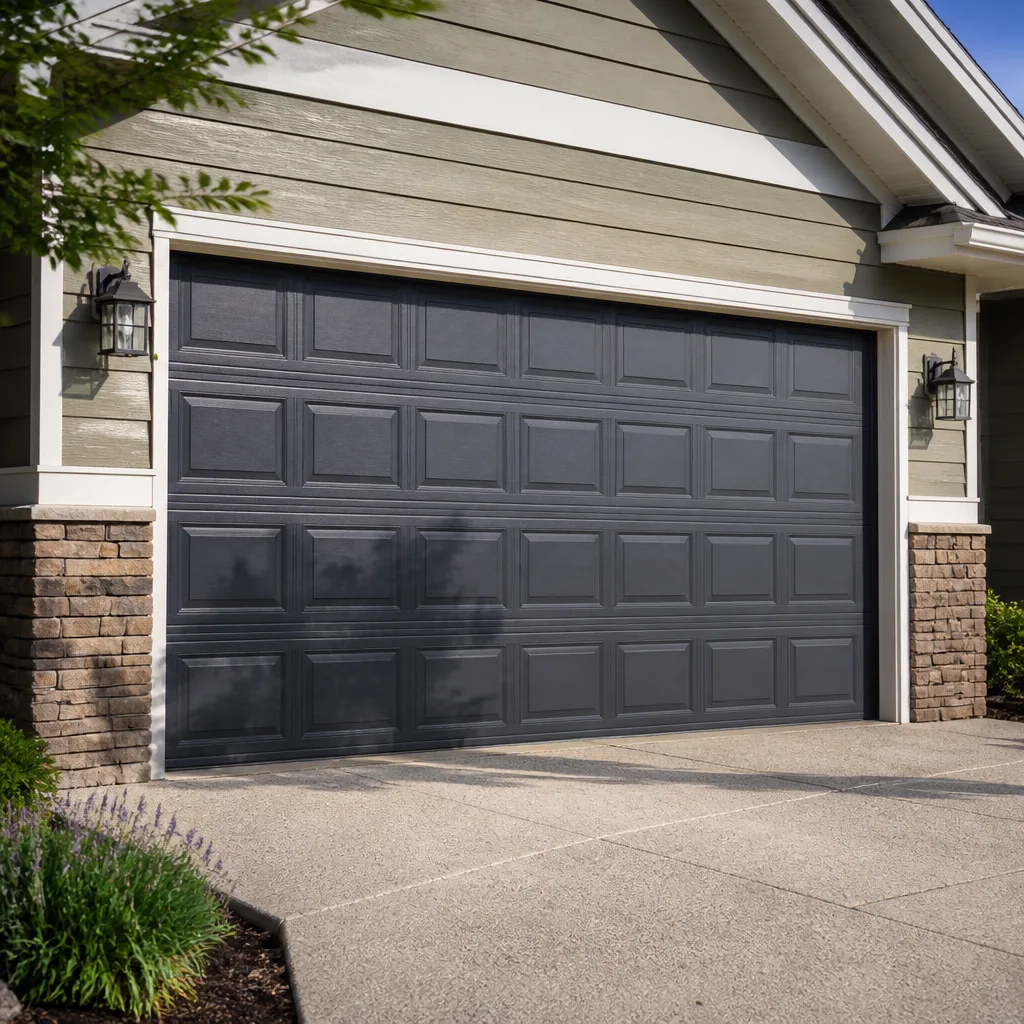 Raised-panel steel
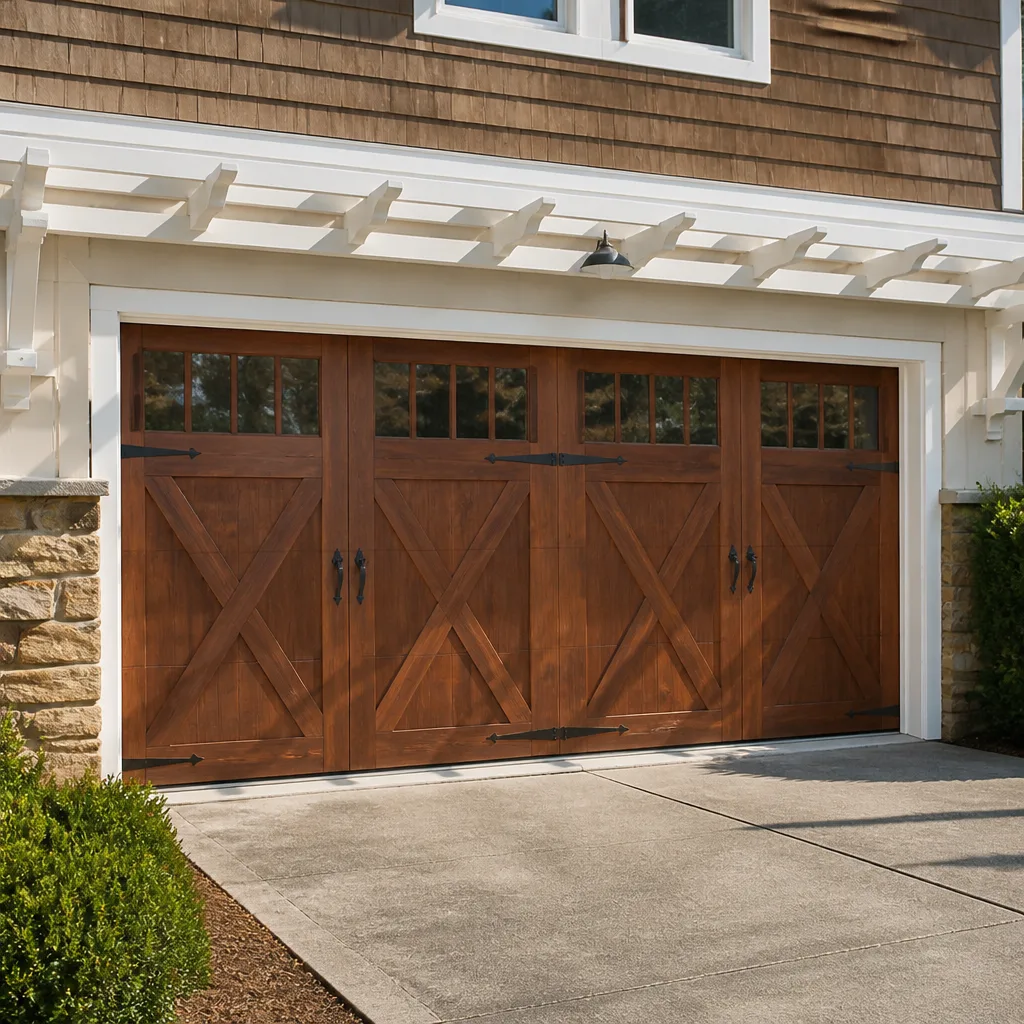 Carriage house
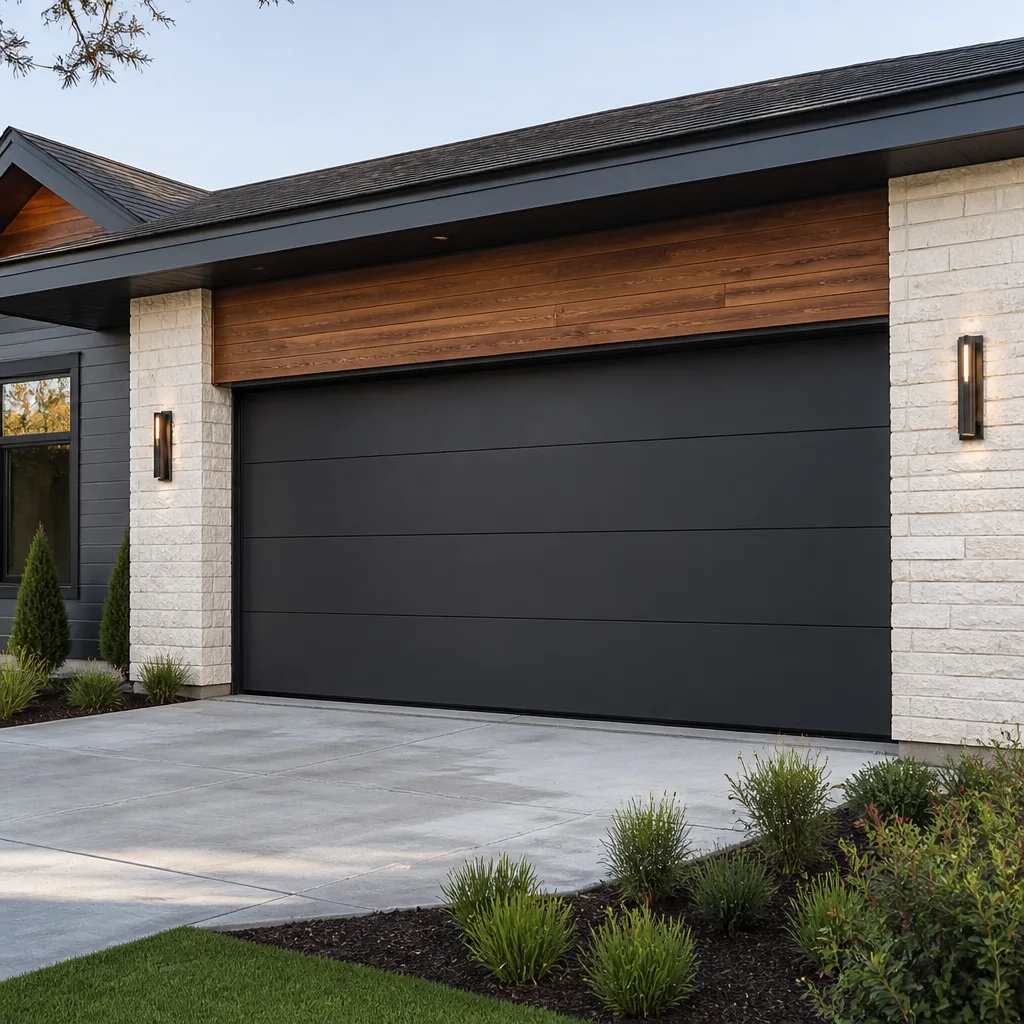 Modern flush
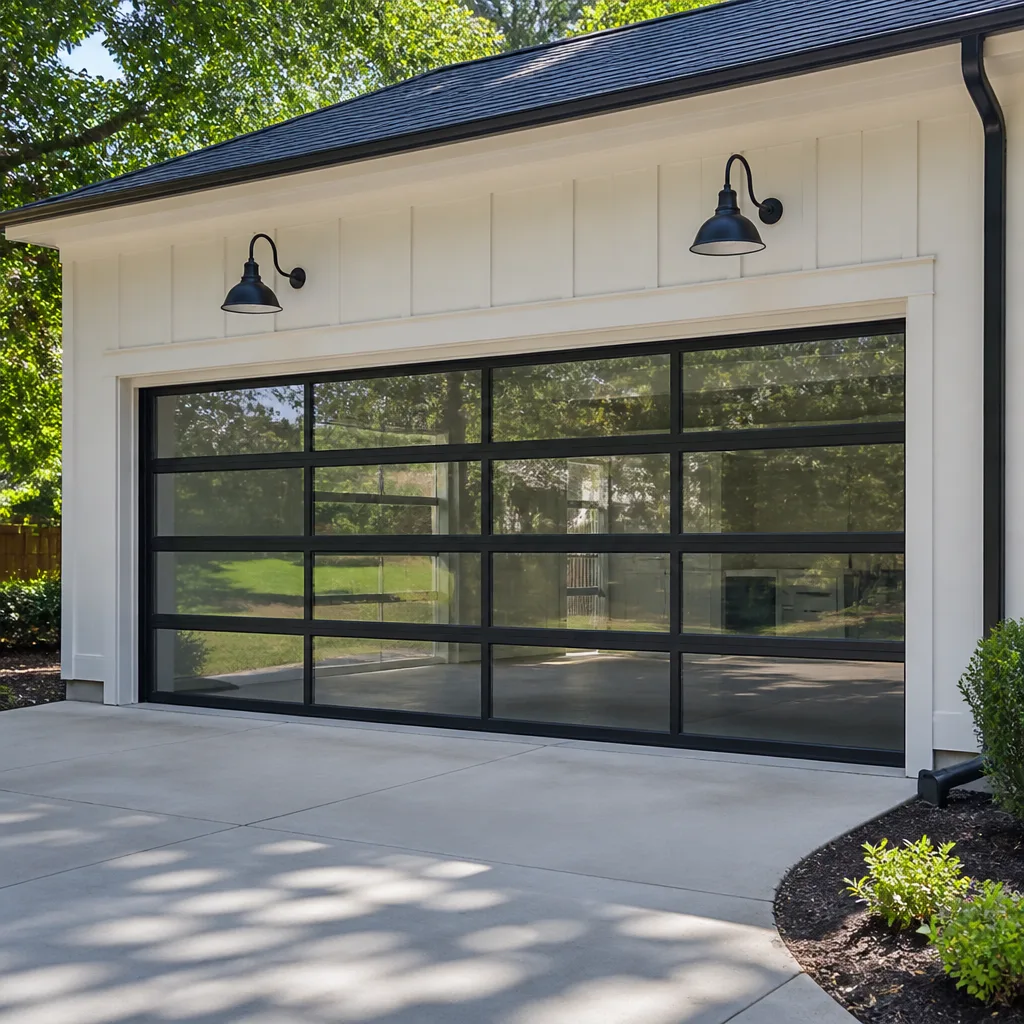 Full-view glass
 LiftMaster openers
 Chamberlain openers
Full 25-point door and opener safety check with every visit - springs, cables, rollers, tracks, and your LiftMaster or Chamberlain opener included
You get a price before we start. It does not change when the pro arrives.
Get your free estimateEmergency Garage Door Warning Signs Every Homeowner Should Know
A garage door cable doesn’t snap without warning. It announces itself first with a grinding-and-slack sound during the last few inches of closing, usually weeks before it fails. The homeowner who hears that and thinks the old door is just being weird is the homeowner who calls us at midnight. In our experience, the warning almost always shows up in a different part of the system than the part that eventually breaks, which is exactly why it gets missed. This guide walks through the sounds, the seasonal visual clues, and a 20-second door bounce test that together predict most emergency failures in Whitney and anywhere else with real summer heat. You’ll learn what to listen for, what to check, and what you can leave alone.
Quick Answer
The five warning signs that most reliably precede an emergency garage door failure are: a grinding or snapping sound during the last few inches of close, a visibly sagging or uneven door, a cable with rust blooms or slack visible at the drum, a torsion spring that has lost its dark grease sheen, and a manual door that feels heavy or drops when raised halfway. Any one of these means the door should be checked by a trained technician before you keep using it daily.
Styles & brands we work with
- Raised-panel steel
- Carriage house
- Modern flush
- Full-view glass
- LiftMaster openers
- Chamberlain openers
Table of Contents
- The Cross-System Warning Pattern Most Homeowners Miss
- The Five Sounds That Predict Failure Within 30 Days
- Seasonal Visual Signs: Rust, Grease, and Heat
- The Door Bounce Test: 20-Second Pass/Fail Check
- False Alarms: What Isn’t Actually an Emergency
- Why Whitney Heat and Desert Dust Change the Timeline
- Brand-Specific Clues: Genie, Clopay, and Wayne Dalton
- When to Call a Professional
The Cross-System Warning Pattern Most Homeowners Miss
Here’s the pattern that costs homeowners the most money: the symptom and the failure live in different parts. A failing torsion spring almost never announces itself at the spring. It shows up as the opener working harder than it should. The motor strains, the door closes with a shudder, and the light on the unit flickers. Homeowners blame the opener. They call us for an opener problem and find a spring that has lost half its tension.
The cable pattern is the same shape. A cable rarely snaps clean. First it slips a loop off the drum, and the door goes slightly crooked. One side rides higher than the other by half an inch or so. The door drags on the weather seal on one side. Then one morning, it snaps entirely, and you’re looking at a door that won’t open and a coil of steel cable on the floor.
This is why the checklist matters. When you look at your door, you’re not looking for the failed part. You’re looking for the earliest symptom in the chain.
The three early cross-system signals
- Opener strain with no obvious door problem. The motor whines louder than it did a year ago. The chain or belt vibrates. This is a spring losing tension, not an opener failing.
- Door alignment drift. Stand inside the garage and watch the gap between the door and the frame as it closes. It should be even. If one side closes first or leaves a wider gap, that’s a cable or drum issue developing.
- Weather seal drag on one side. The rubber strip at the bottom grabs on one corner. It looks cosmetic. It usually isn’t.
If any of those ring true, a same-day inspection is worth the call. For a closer look at what a proper diagnostic covers, see our Garage Door Repair in Whitney page.
The Five Sounds That Predict Failure Within 30 Days
Sound is the earliest warning your door gives you. Not every noise is dangerous, but these five have earned their reputation. If you hear any of them, close the door once, leave it, and call before you cycle it again.
- The grind-and-snap at the end of close. A low grinding followed by a metallic snap just before the door seats. This is a fraying cable passing through the drum. It usually means 2 to 4 weeks.
- The single loud bang from inside the wall. Not a rattle. A sharp bang like a firecracker, followed by the door suddenly becoming heavy. That’s a torsion spring breaking. It is already an emergency by the time you hear it.
- The rhythmic thunk-thunk on the way up. A dull thump repeating at a steady interval. That’s a bent roller or a worn hinge. It won’t fail today, but it accelerates wear on the track and the opener.
- The high-pitched squeal that gets worse in heat. Dry torsion spring coils or dry rollers. Left alone, the spring wears unevenly and snaps early. In Whitney’s summer, we hear this one constantly from April through September.
- The chain rattle that wasn’t there before. A Genie or LiftMaster opener that suddenly rattles has slack in the chain or a loosening sprocket. It’s not an emergency, but it’s a sign the opener is compensating for door weight it wasn’t designed to carry.
If two or more of these overlap, the door is closer to failure than the calendar suggests. Most of the emergency calls we take in Whitney start with a sound the homeowner heard weeks earlier and dismissed.
Seasonal Visual Signs: Rust, Grease, and Heat
The warning signs many homeowners walk past every day are the seasonal ones. They’re not dramatic, and they don’t announce themselves, but they set the timeline for failure.
Spring: rust blooms on cables
Cables don’t fail from age alone. They fail from corrosion that reduces the load they can carry. In desert-climate towns like Whitney, we see a specific pattern in late spring: fine orange blooms appear on the cable near the drum. That’s rust from condensation that forms on cold mornings and dries by afternoon. A cable with rust blooms has lost strength. It’s the most common warning sign we find on doors where the owner is surprised by a snap.
Summer: grease separation on springs
A torsion spring is packed with dark grease at the factory. In summer heat, that grease separates from the coil and leaves dry patches. Dry coils flex unevenly and lose tension faster. In Whitney, we routinely see springs fail two to three seasons earlier than the household calendar would suggest because the grease was never refreshed. A quick visual check works: run a finger along the coil. If it comes away dry and gray rather than dark and slick, the spring is wearing.
Fall and winter: door weld cracks
Temperature swings from 40s to 70s in a single day crack the welds at the door’s bottom bracket and hinge plates. Look for hairline cracks at the corners. A cracked weld on a Clopay or Amarr door is a structural warning, not a cosmetic one.
The Door Bounce Test: 20-Second Pass/Fail Check
This is the single most useful check a homeowner can run. It takes 20 seconds and reliably predicts spring failure before it becomes an emergency. Do it once every three months, and honestly, do it before you call us for a tune-up.
Safety note first: garage doors weigh between 120 and 350 pounds, carried entirely by the springs and cables. Never put your hands between door sections, near the torsion bar, or anywhere near the cables. Never try to adjust a spring yourself. High-tension springs and cables can cause severe injury in a fraction of a second. This test is a check, not a repair.
How to run it
- Close the door completely.
- Pull the red emergency release handle to disconnect the opener. The door should be fully down.
- Stand to the side of the door (not under it) and lift the door with two hands to about waist height.
- Let go. Watch what the door does.
Pass/fail criteria
- Pass: The door stays at waist height, or drifts slowly, evenly, and settles without dropping.
- Fail (spring issue): The door drops quickly when released, or is much heavier than it should be. That’s a spring that has lost tension or one that is about to break.
- Fail (cable issue): The door rises crooked, or one side binds as you lift. That’s a cable or drum problem.
Reconnect the opener afterward and cycle the door once to seat the carriage. If the door failed the test, stop using it and call for an inspection. Our team handles these same-day throughout the area, and we’ll give you a flat price before any work starts.
False Alarms: What Isn’t Actually an Emergency
Not every warning justifies a midnight call. Sorting false alarms from real ones matters, because the homeowner who panics about the slow opener may spend three weeks chasing a cosmetic issue while the actual spring warning goes unnoticed. Here’s how to prioritize.
- A slow-moving opener is usually a symptom, not an emergency. If the door opens and closes but takes longer, it’s most likely an opener setting, a worn gear, or a chain that needs tightening. It’s worth a call, but not tonight. Our Garage Door Opener in Whitney page covers what a proper diagnosis covers.
- A slight door wobble during travel is often a worn roller. One roller might cost $8 to replace. Left alone, the wobble accelerates and by fall it can bend a track. It’s a schedule-it call, not a drop-everything call.
- A small gap at the weather seal is cosmetic. A seal gap lets in dust but doesn’t threaten the springs or cables. It’s a seasonal tune-up item.
- A noisy door that still passes the bounce test is almost always a lubrication issue. A $5 can of white lithium grease on the rollers and hinges quiets it for months.
The line that matters: if the bounce test passes and the door moves smoothly, you have a maintenance item. If the bounce test fails, you have an emergency waiting to happen. Don’t confuse the two. Or, if you’d like a second opinion on a written estimate, we do that at no charge. It’s a standing offer.
Why Whitney Heat and Desert Dust Change the Timeline
Garage door failures don’t run on a universal clock. They run on local climate. Whitney’s combination of summer highs well above 100 degrees, cold desert nights, and windblown dust accelerates wear on specific parts and leaves others alone.
Springs wear faster here. Torsion springs are rated in cycles (usually 10,000 for standard, 15,000 for heavy-duty). Whitney heat breaks down factory grease faster than a coastal climate, so cycles are lost in smaller increments, not bigger ones. A spring rated for 10,000 cycles in a coastal market may only see 7,000 before failure in a Whitney garage that faces west.
Cables corrode in a pattern we don’t see in wetter towns. Desert condensation, not rain, is the culprit. Cold mornings leave moisture on the steel; it dries by 10 a.m.; the process repeats for years. The blooms we see in spring are the tip of the corrosion we find underneath.
Dust accelerates roller wear. Windblown grit collects on the rollers and hinges. That grit turns into an abrasive paste that wears the bearings faster than clean lubrication would allow. In Whitney neighborhoods facing open desert on the west side of town, we find rollers worn out years ahead of a household calendar’s expectation. An $89 seasonal tune-up addresses all of this, and it’s one of the cheapest calls we make.
If you’ve been putting off a tune-up for a couple of seasons, now is a good time. Same-day scheduling is available across Whitney and the surrounding area.
Brand-Specific Clues: Genie, Clopay, and Wayne Dalton
Different brands fail in specific patterns, and knowing yours helps you read the warning signs earlier. This is general information, not a substitute for a professional inspection, but it lets you watch for the right clues.
- Genie openers tend to throw a chain-slip code or a rapid chain rattle when the door weight increases. If your Genie opener is suddenly rattling, that’s a door-weight signal, usually a worn spring.
- Clopay doors often develop a low-frequency hum in the bottom section when a bottom bracket starts loosening. If you hear a hum during lift that wasn’t there before, have the bracket checked before it fails.
- Wayne Dalton doors with the TorqueMaster spring system can lose tension gradually with little audible warning. The bounce test is the most reliable check for those, and it’s worth running quarterly.
We work on Genie, Clopay, and Wayne Dalton every week. We also service LiftMaster, Chamberlain, Amarr, Craftsman, and Raynor. If you’re considering replacing a worn door altogether, our team walks you through options and quotes them in writing before you commit. See our Garage Door Installation in Whitney page for what a replacement involves. Replacing the door isn’t the same job as repairing it, so don’t let anyone talk you into a new door when a single spring repair would do.
Common Mistakes to Avoid
- Guessing at the part from the symptom. A straining opener is almost always a spring problem, not an opener problem. Replacing the opener to fix a door issue wastes money and doesn’t solve the failure.
- Greasing a spring that’s already failing. Fresh grease on a spring that’s about to break just hides the warning. If the door fails the bounce test, grease does nothing.
- Ignoring a slightly crooked door. That half-inch drift you see in the morning is the first sign of a cable issue. It’s the single most-missed warning in Whitney garages.
- Running the door “just once more.” A door that fails the bounce test should not be cycled. Every extra cycle increases the risk of the spring or cable letting go while someone is underneath.
- Treating summer squeal as normal. Heat squeal is friction, and friction means wear. Left alone, it wears out rollers and springs early.
- DIY spring or cable work. High-tension springs and cables can cause serious injury in a fraction of a second. This is one thing to call a trained technician for, every time.
- Calling the cheapest bid and getting the second trip. A shop that doesn’t carry the right springs and cables makes a first visit, orders parts, and comes back. We arrive with the parts on the truck so most jobs finish in a single visit.
See the difference
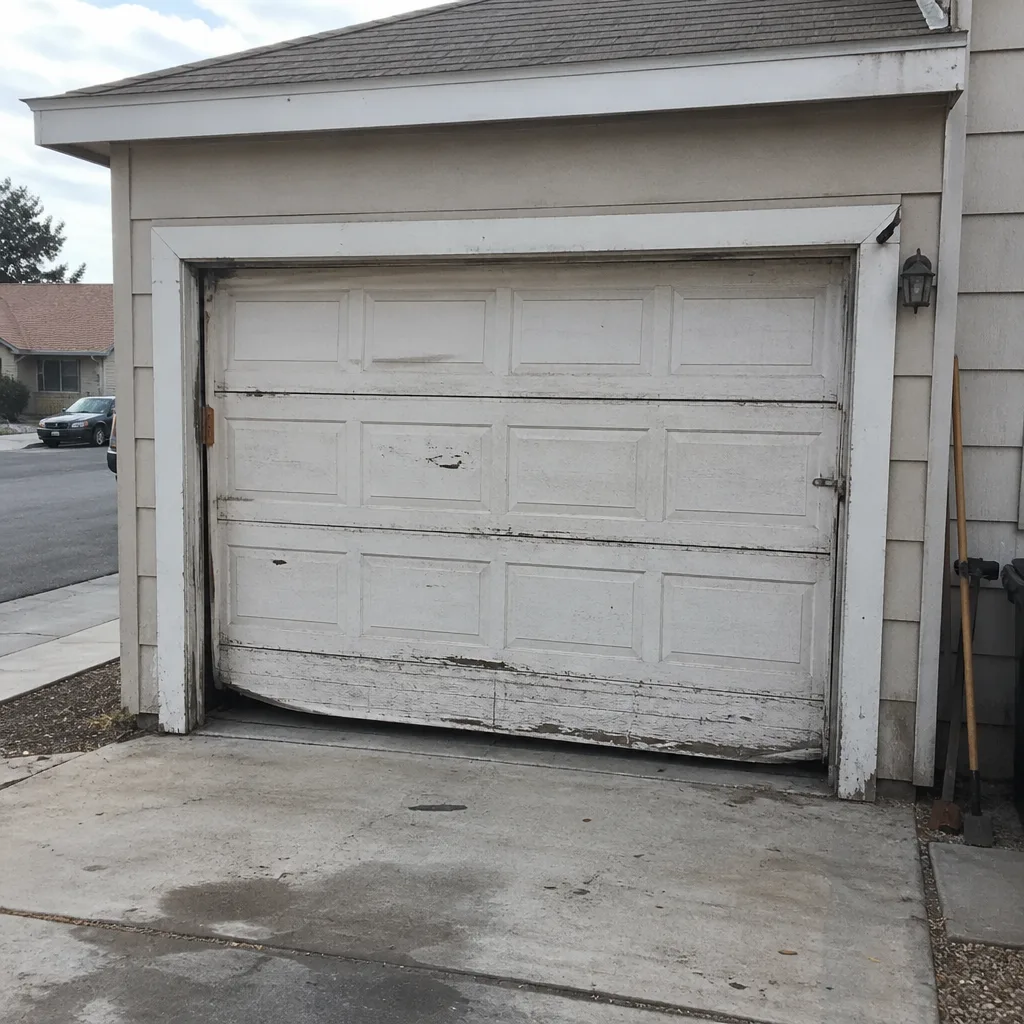 Before
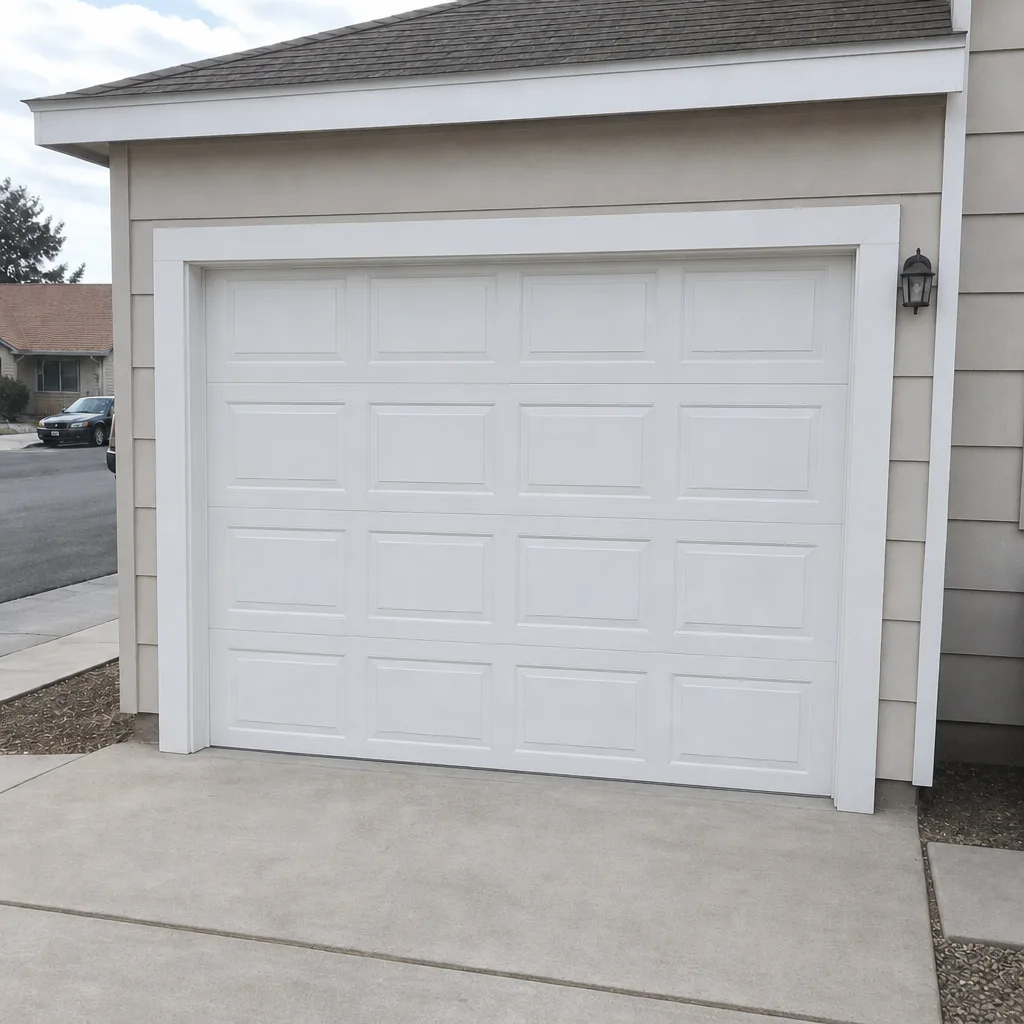 After
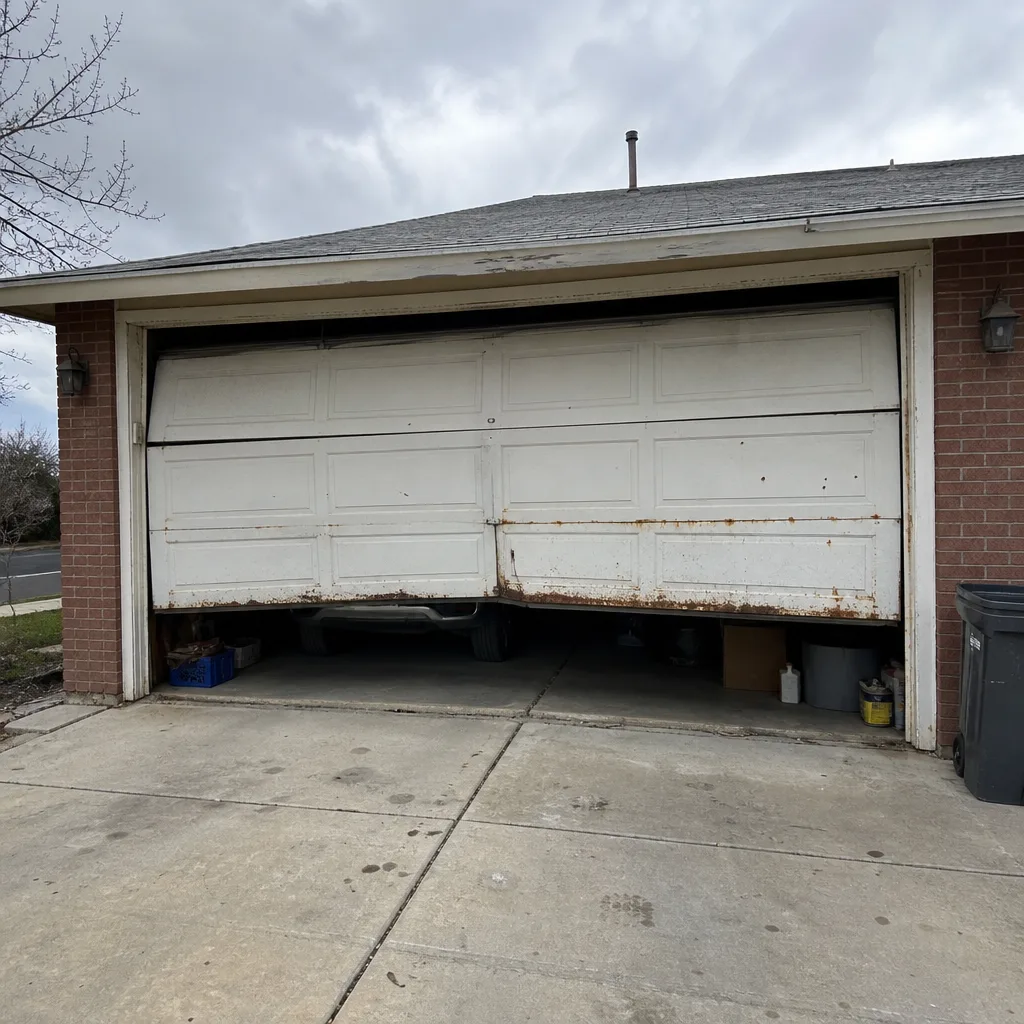 Before
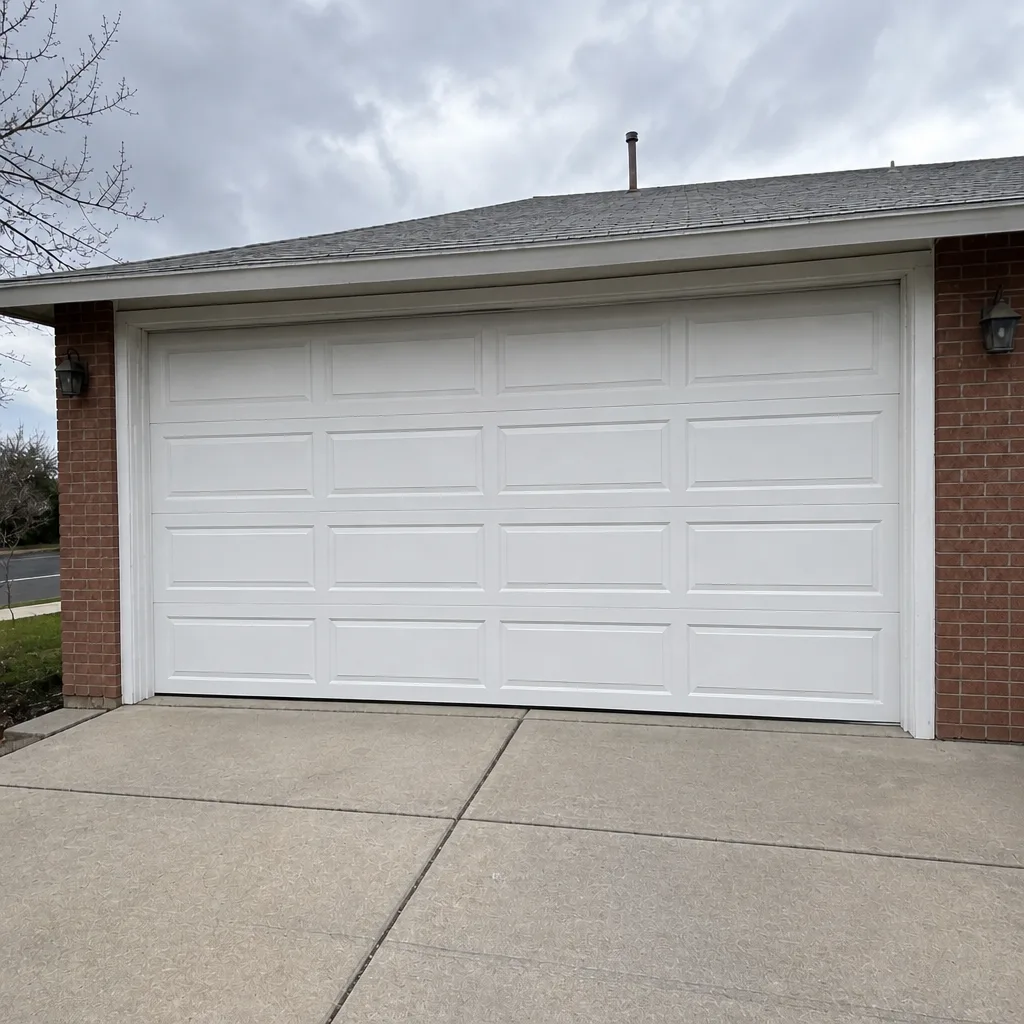 After
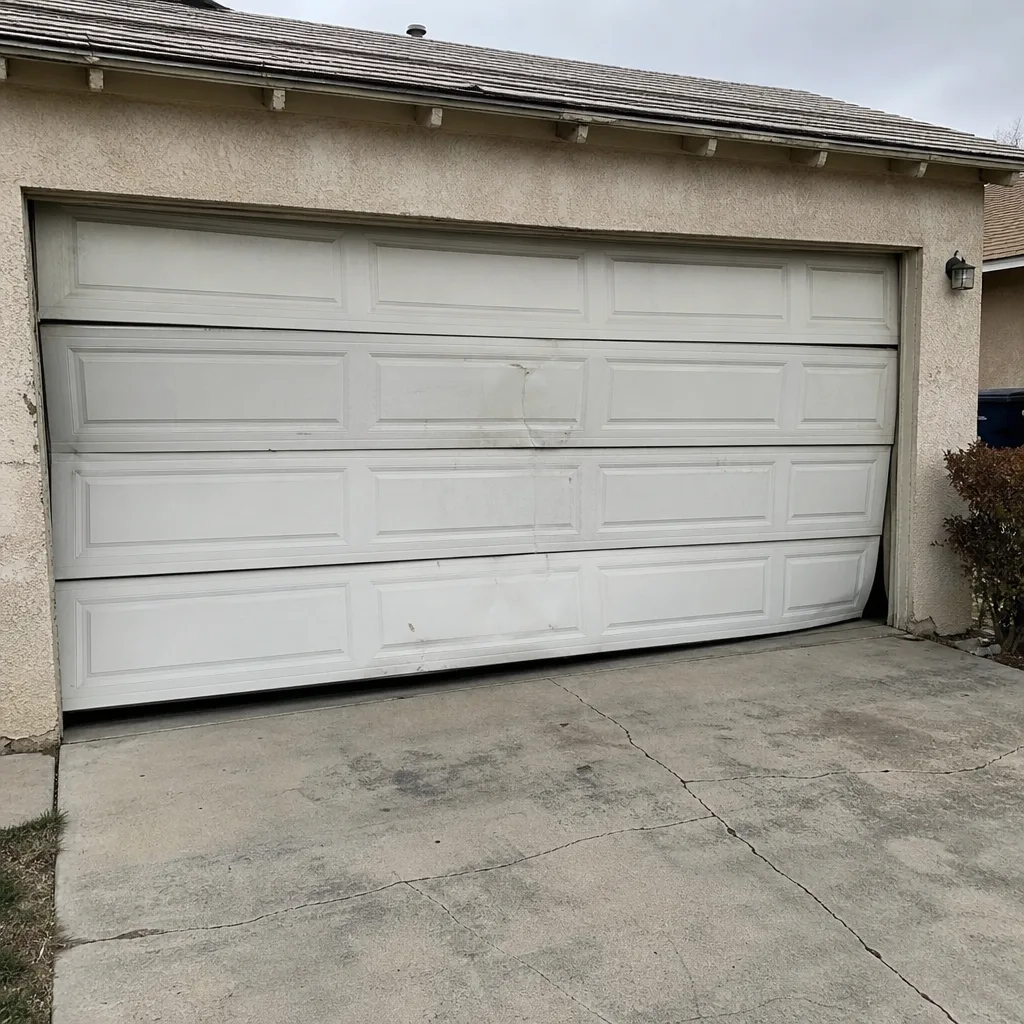 Before
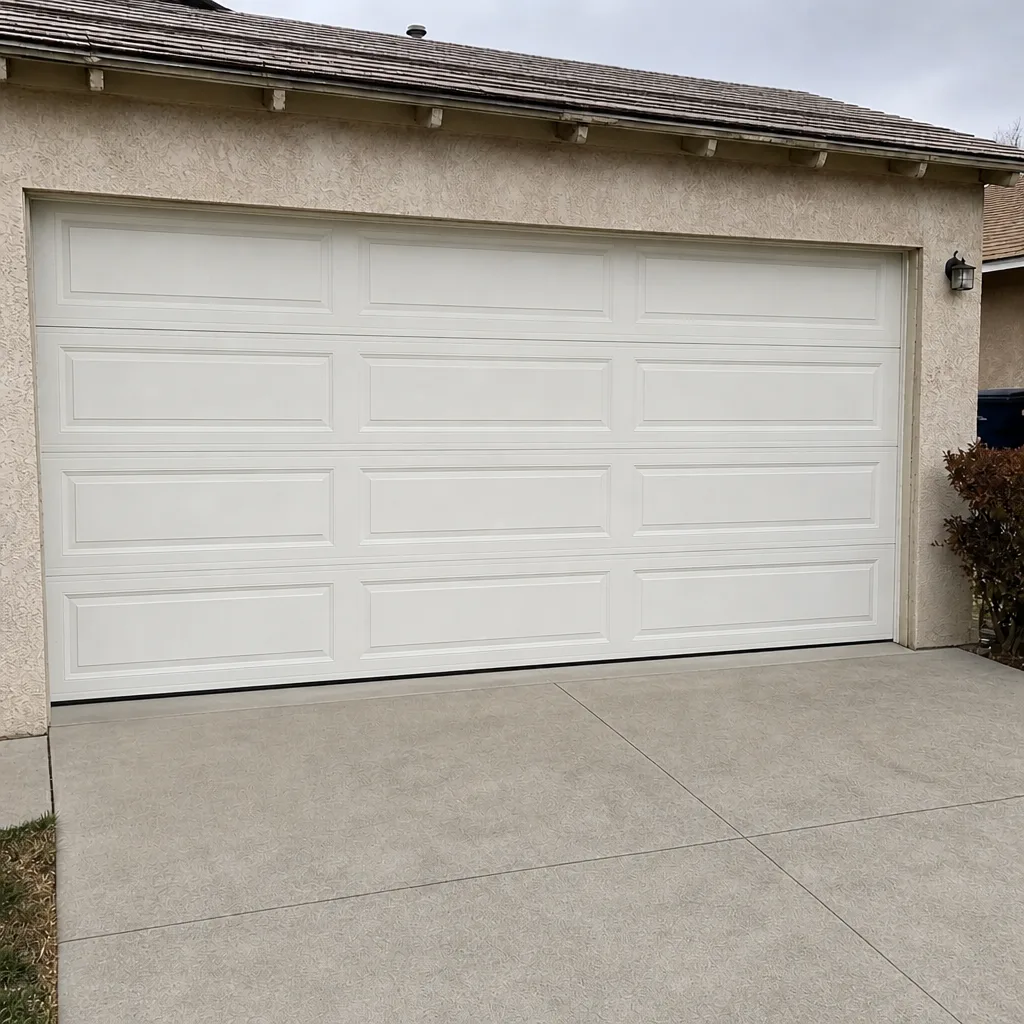 After
When to Call a Professional
Call a professional the moment the door does any of these things: it fails the bounce test; the spring has visibly snapped; a cable is slack or rust-bloomed at the drum; the door hangs crooked or binds on one side; the door drops when released from waist height; or the opener hums but the door doesn’t move. In each of those cases, exercising the door further increases the risk of the spring or cable letting go while someone is underneath. The early warning signs in this guide are worth acting on before the emergency, which is why a routine check is a smart call, not a cautious one.
Mainspring Garage Door Co. Whitney home connects you with trained local technicians who diagnose spring, cable, and opener problems on the same visit. Flat prices are quoted and agreed before any work starts. The 90-Day Done Right Promise covers every job in writing. For a free estimate in Whitney, call (844) 797-9248. Our technicians have up to 10 years of experience, and we answer the phone live, 24/7.
Frequently Asked Questions
The earliest reliable signs are a grinding or snapping sound during the last inches of close, a door that fails the bounce test by dropping when released, and a cable with rust blooms near the drum. Most emergency failures we see in Whitney started with one of those three signals, usually two to four weeks before the actual break. Call (844) 797-9248 for an inspection and an exact quote. Estimates are free.
Most emergency repairs – a broken torsion spring, a snapped cable, or a roller and hinge replacement – run between $180 and $420 depending on the part. Flat prices are quoted and agreed before any work begins, so you know the number before the job starts. Standing offers apply: $50 off any repair over $250, $89 seasonal tune-up, and a permanent 5% discount for seniors and veterans. Call (844) 797-9248 for an exact figure – estimates are free.
Yes. Emergency calls in Whitney get same-day response, and the phone is answered by a live person around the clock, including nights, weekends, and holidays. Call (844) 797-9248 and a technician will be scheduled as soon as possible. Don’t run the opener repeatedly while you wait – a failed spring or slack cable can compound the damage.
No. The flat price is stated before any work begins and agreed with you, so the invoice matches the quote. If, once on-site, we find additional work is needed, we quote it and agree it before continuing – no surprises on the bill. Call (844) 797-9248 to set up a free estimate.
Yes. Technicians are state-licensed, insured, and background-checked. They arrive in uniform, and every completed job is covered in writing by the 90-Day Done Right Promise: if the work isn’t right, we come back at no charge.
Run the bounce test once every three months, and check the cable and spring for rust or dry patches at the same time – quarterly checks catch most failures before they become emergencies in Whitney’s climate. A professional tune-up once a year catches what a homeowner check misses.
The Bottom Line
Emergency garage door failures in Whitney almost always have warning signs, and they almost always show up in a different part of the system than the failure. The pattern holds: a failing spring appears as an opener strain, and a failing cable appears as a door that drifts out of alignment. The five sounds in this guide, the seasonal rust and grease clues, and the 20-second bounce test together catch most failures before they become emergencies. Run the bounce test once a quarter. Act on the warning signs. Skip the cosmetic issues, and pull the emergency release on the ones that matter. And when the pattern shows up, call a professional. Springs and cables that hold a 120-to-350-pound door are not a DIY fix.
Call Mainspring Garage Door Co. Whitney at (844) 797-9248 for a free estimate. A live person answers every call, and the flat price is quoted before any work begins.
Written by the team at Mainspring Garage Door Co. Whitney.