
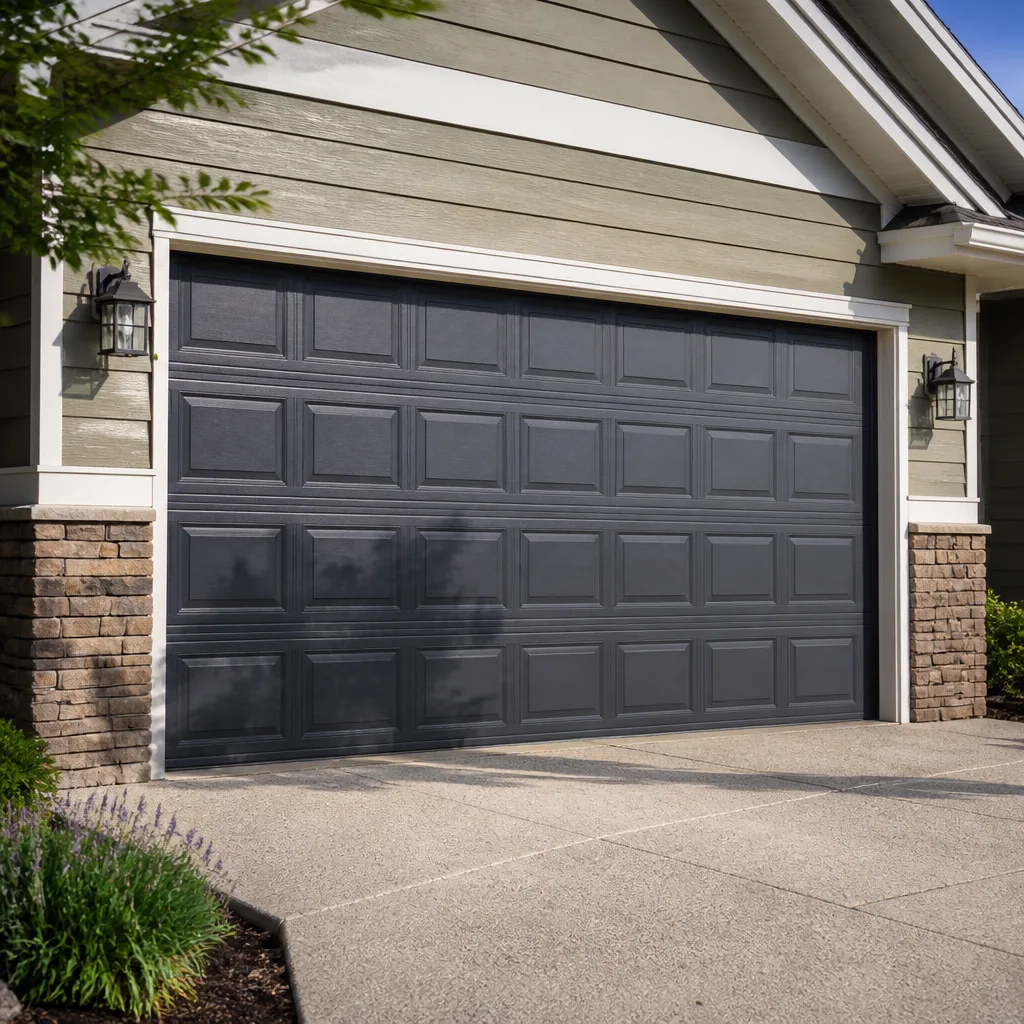
 Raised-panel steel
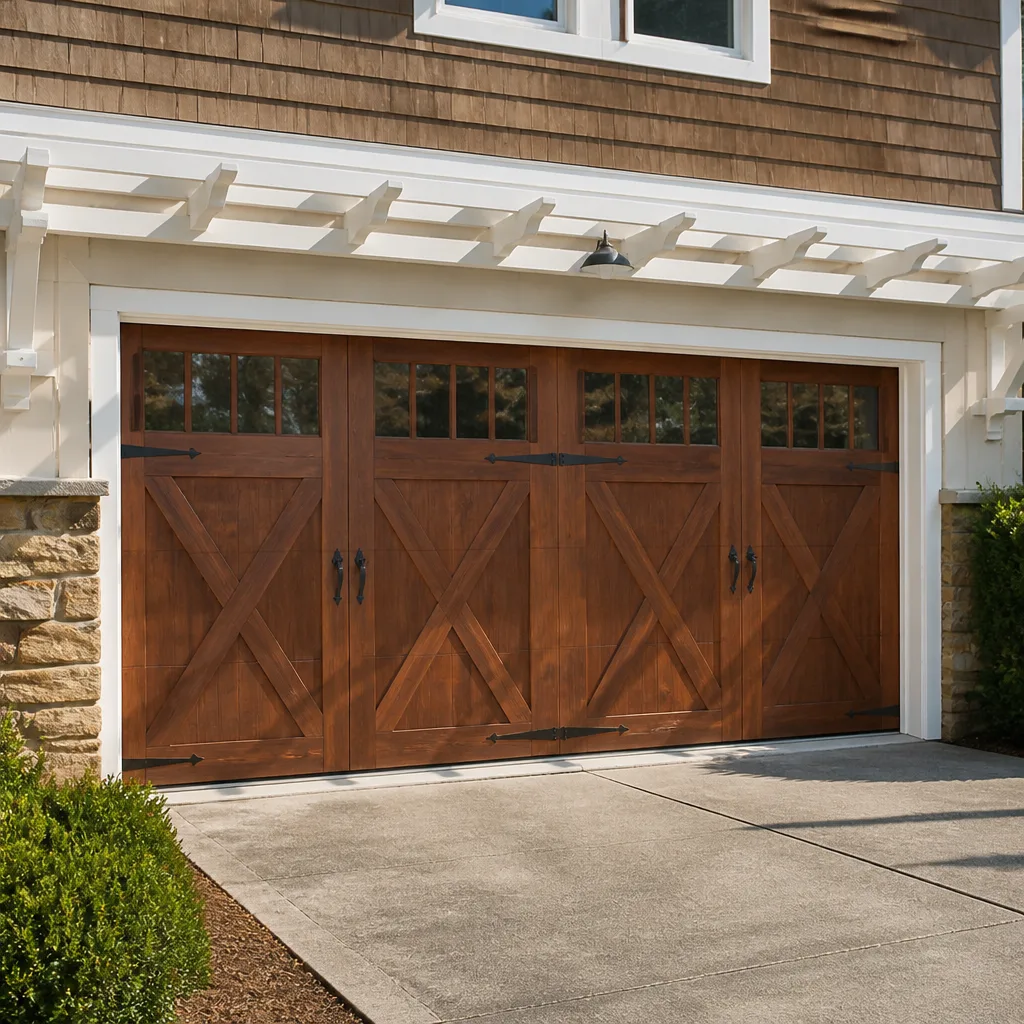 Carriage house
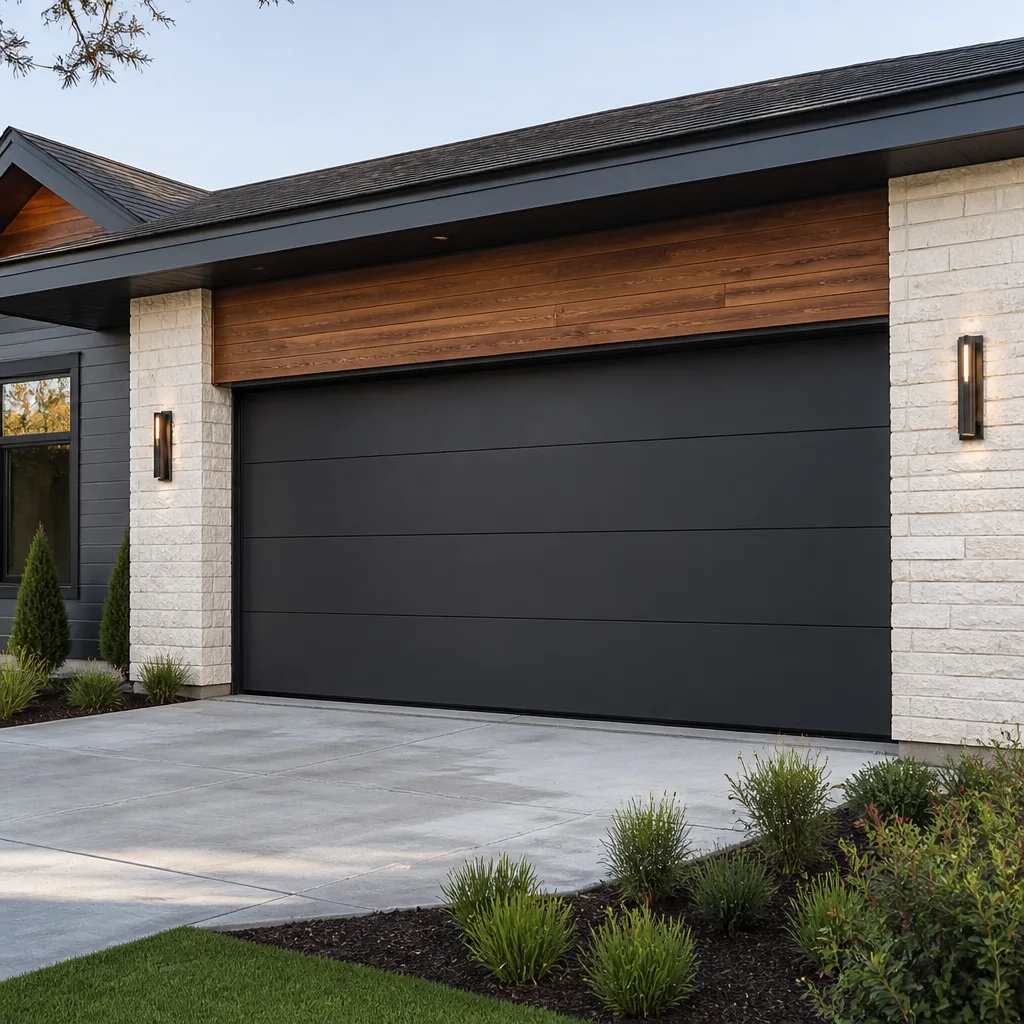 Modern flush
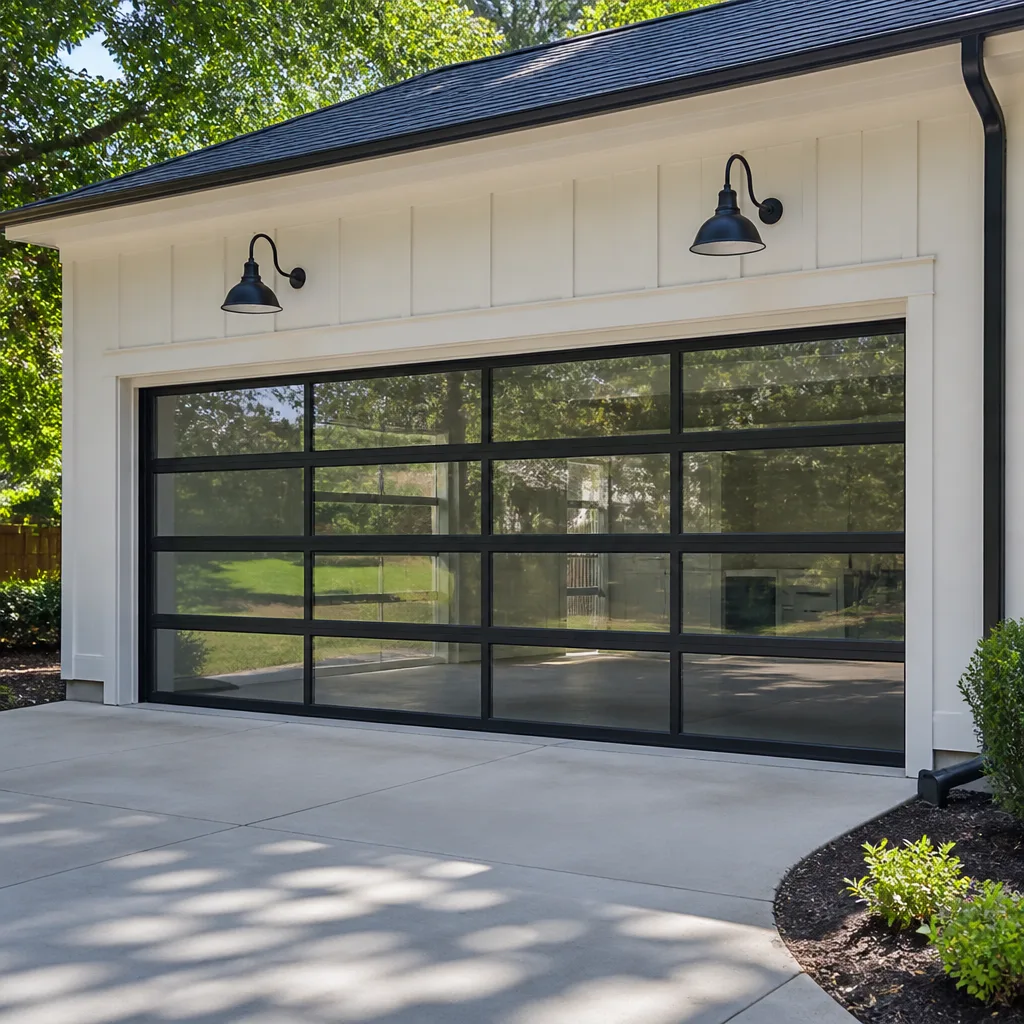 Full-view glass
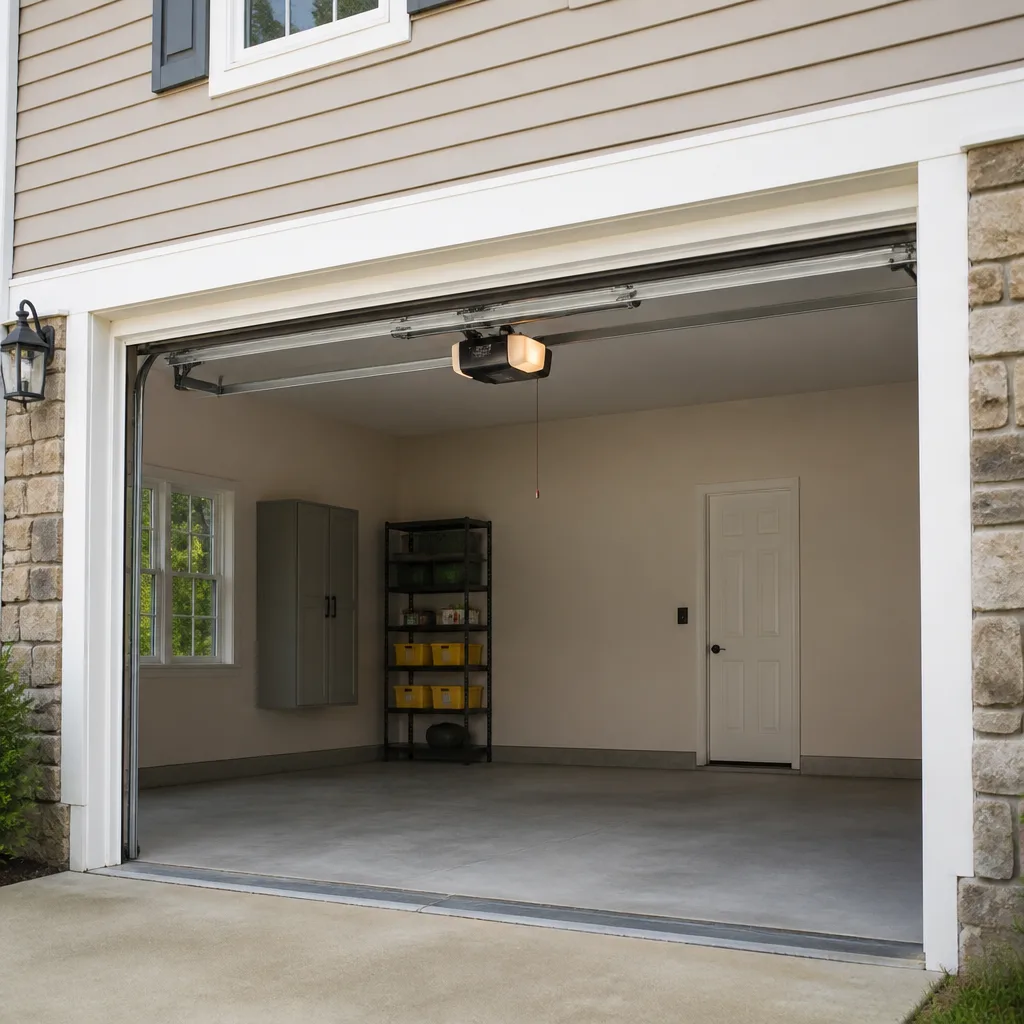 LiftMaster openers
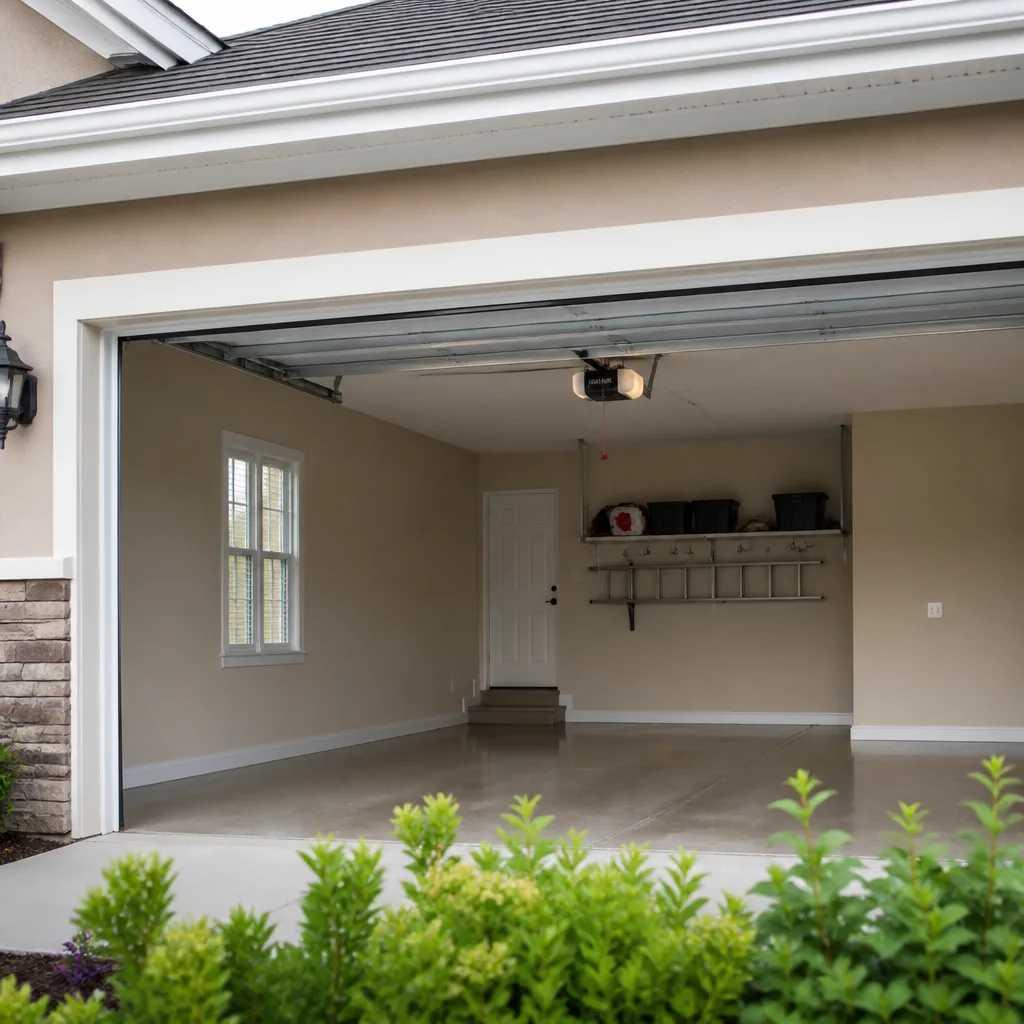 Chamberlain openers
Full 25-point door and opener safety check with every visit - springs, cables, rollers, tracks, and your LiftMaster or Chamberlain opener included
You get a price before we start. It does not change when the pro arrives.
Get your free estimateStyles & brands we work with
- Raised-panel steel
- Carriage house
- Modern flush
- Full-view glass
- LiftMaster openers
- Chamberlain openers
See the difference
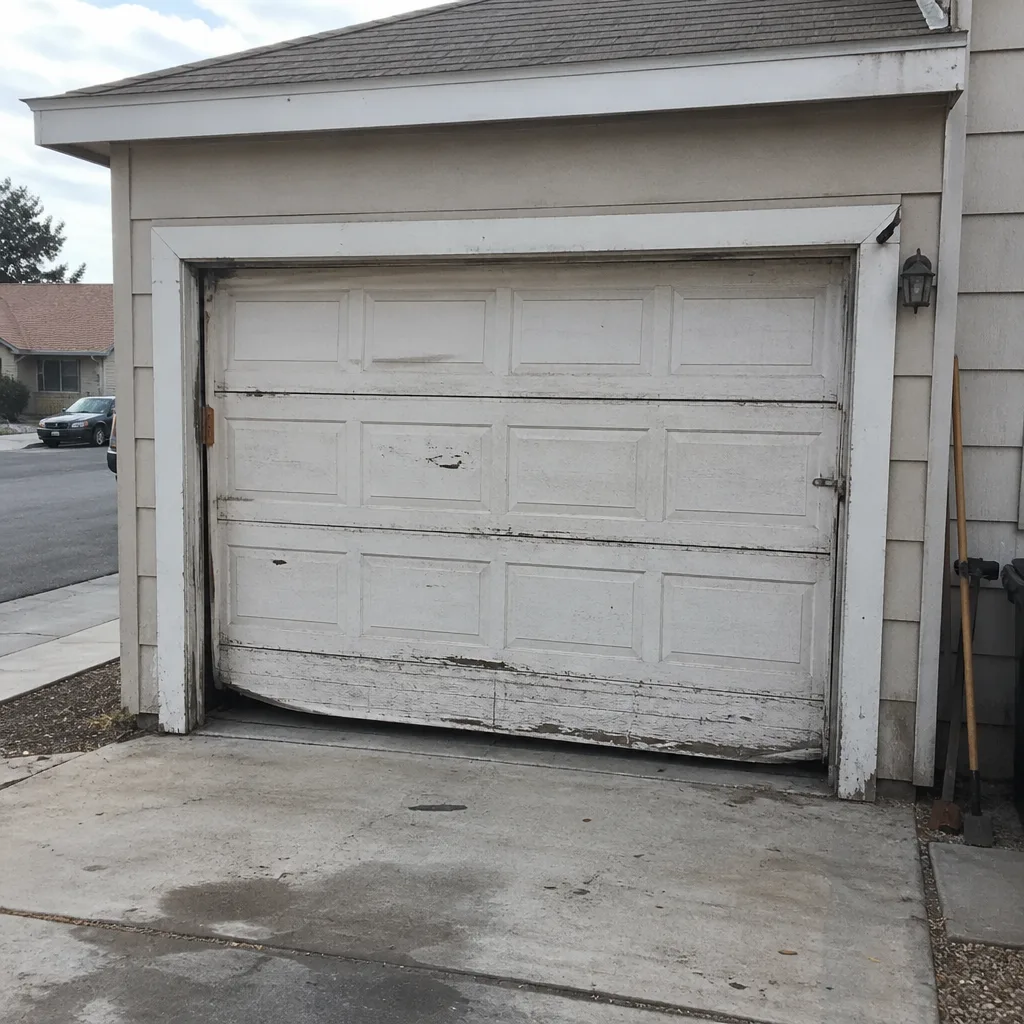 Before
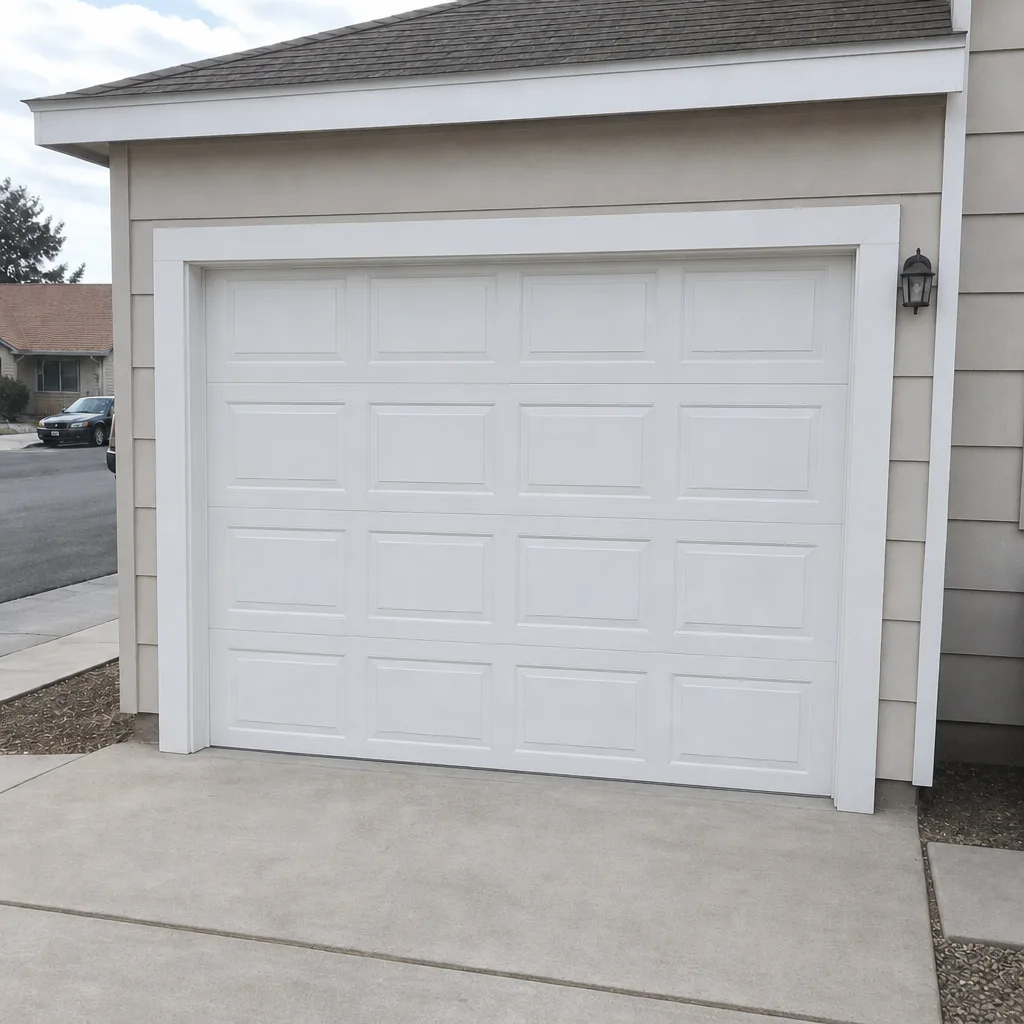 After
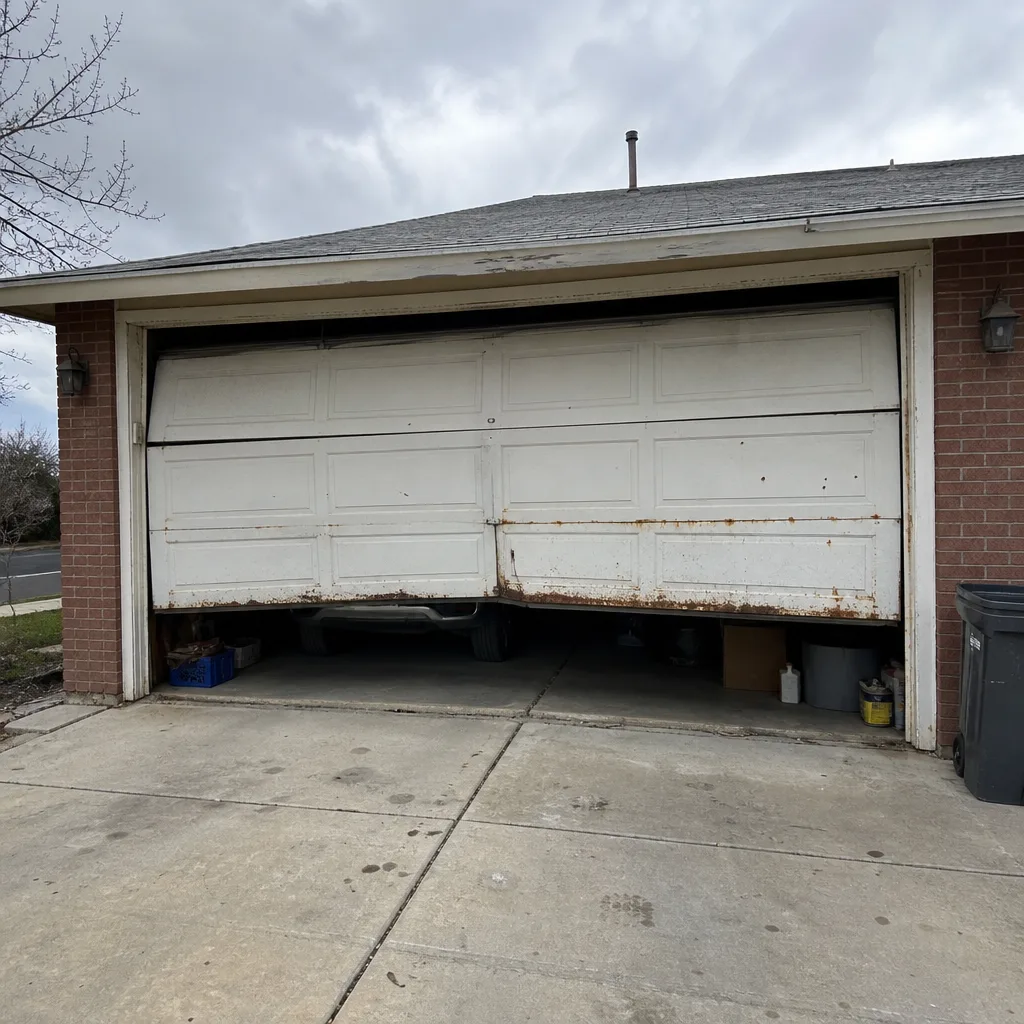 Before
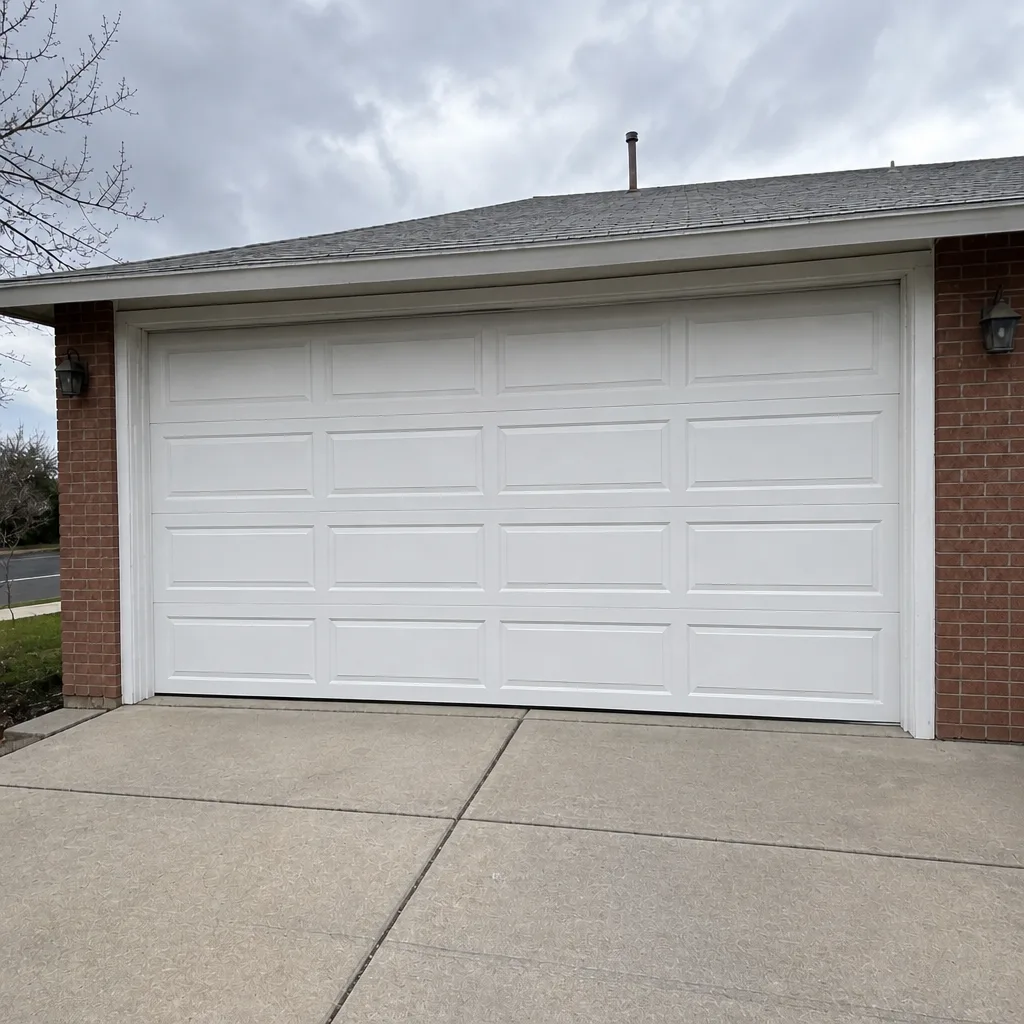 After
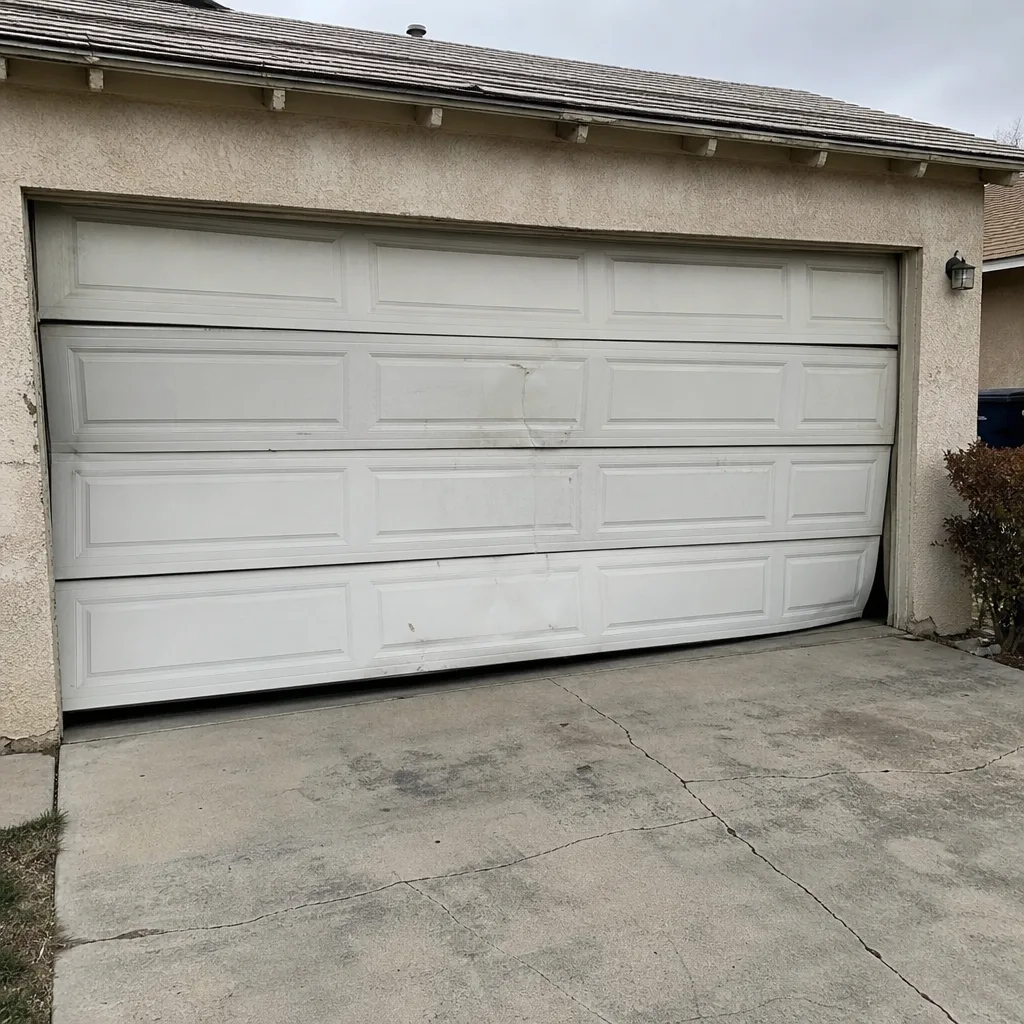 Before
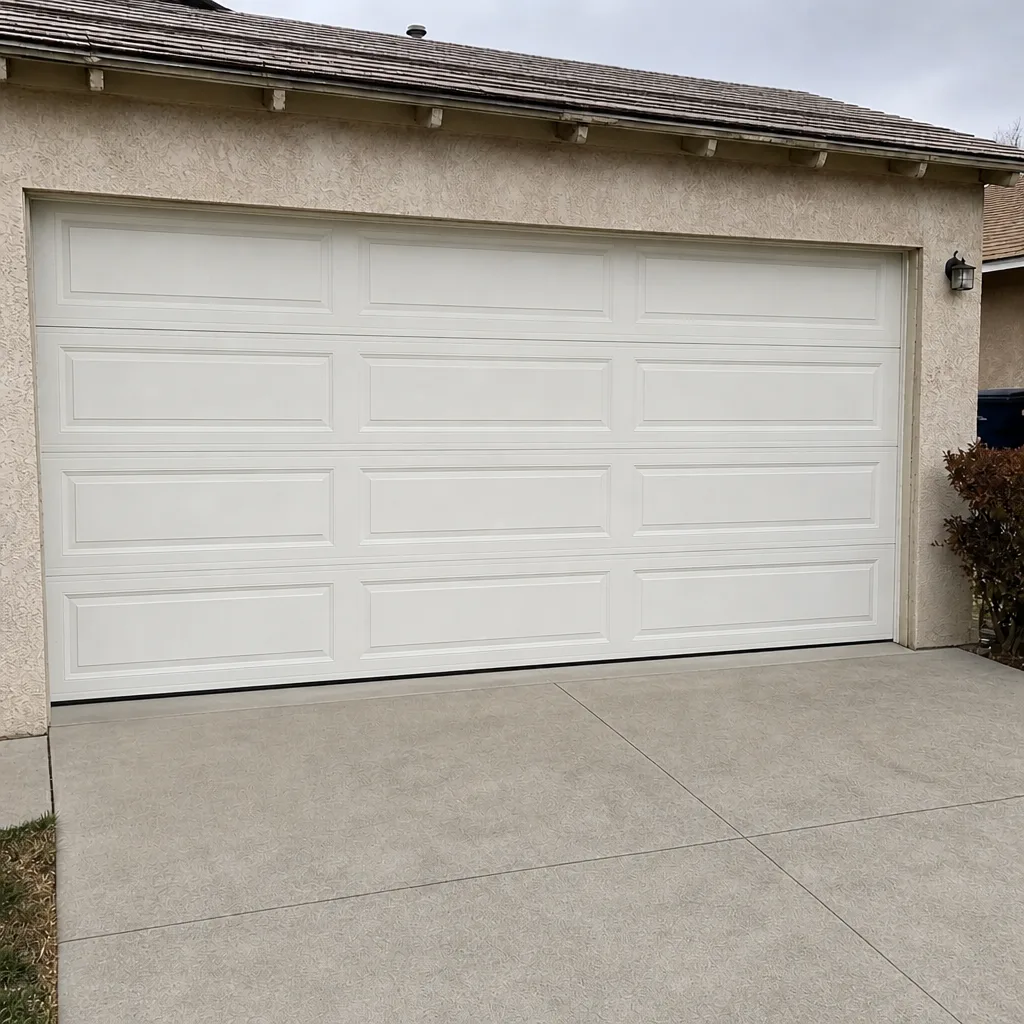 After
Garage Door Won’t Close in Whitney, NV? Here’s What’s Usually Wrong
The most likely cause of a garage door that won’t close in Whitney is a misaligned or sun-blinded photo-eye sensor, followed by a heat-warped bottom seal dragging on the concrete. If the door closes fine when you pull the emergency release but stops under power, the trouble is electronic or resistance – not an obstruction on the floor. Before you wipe the sensors down a third time, know this: in Whitney’s summer heat, the sensor is often the messenger, not the culprit. Call Mainspring Garage Door Co. Whitney at (844) 797-9248 and a live person will help you sort it out.
Your Whitney garage door won’t close in August, the floor is clear, and the light on the opener is blinking. Before you wipe the sensors again, check whether the sun is hitting them directly.
Key Takeaways
- Direct late-afternoon sun on a west-facing Whitney garage can blind the receiving photo eye and stop the door – a documented solar-interference problem most troubleshooting guides skip.
- UV in the Las Vegas Valley clouds and cracks plastic sensor lenses over time, scattering the beam even in shade.
- Heat-warped bottom seals on builder-grade steel doors can trigger the opener’s force limit and reverse the door mid-travel, looking exactly like a sensor fault.
- If it closes on manual release but not under power, the problem is electronic or mechanical resistance.
- Our technicians arrive with springs, cables, sensors, and openers already on the truck, so most jobs finish in a single visit.
Why Whitney Doors Fail Differently in June, July, and August
Whitney is an unincorporated Las Vegas Valley suburb built almost entirely on 1990s to mid-2000s master-planned tract construction. The housing stock is stucco-clad single-family homes with two- and three-car garages and original builder-grade sectional steel doors – 16×7 and 8×7 – plus some 1980s infill and a large stock of apartments and mobile homes along the Boulder Highway corridor. Because whole streets went up within months of each other by the same builders, doors here tend to reach end-of-life on the same schedule. One snapped torsion spring on a cul-de-sac often signals a dozen neighbors within weeks.
Summer changes the picture. Highs routinely exceed 105°F, the valley is arid with intense UV and dust, and steel doors get hot enough to warp panels and degrade vinyl weather seals. Lubricant cooks off hinges and rollers, and opener electronics fail faster. Winter nights near freezing and spring winds add stress on springs and alignment. None of that stops a homeowner from assuming the sensor is dirty – which is why so many Whitney callers have already cleaned theirs five times before they reach us.
What to Look For Before You Call: A Side-by-Side of the Three Most Common Causes
A door that won’t close looks the same from the driver’s seat no matter what’s actually wrong. The trick is narrowing it fast. Here’s how the three usual suspects compare.
| Cause | What you’ll notice | Quickest test | Typical Whitney cost |
|---|---|---|---|
| Sun-blinded photo eye | Fails only in late afternoon on the west-facing side; works fine in morning shade | Shade the receiving sensor with your hand – if the door moves, you’ve found it | Sensor realignment or $15 sensor set, done within a standard Garage Door Repair visit |
| UV-cracked or clouded sensor lens | Fails in any light, especially after years of direct sun | Look closely at the small lens cover – clouded or crazed plastic means replacement | Sensor set replacement, usually rolled into a $150-$600 repair |
| Heat-warped bottom seal dragging | Door moves a few inches then reverses; seal looks wavy or compressed | Disconnect the opener (pull the release) and lift the door by hand while running a hand along the bottom seal | Seal/adjustment visit, typically $150-$300 |
That third row catches Whitney homeowners more often than you’d think. Builder-grade steel doors from the late ’90s have been baking on south- and west-facing elevations for over two decades. The vinyl bottom seal sags and hardens, then drags on the concrete when the door closes. The opener reads that resistance as a load, hits its force limit, and reverses. It sounds and looks exactly like a sensor trip – same blinking light, same frustration. Running a hand along the bottom seal while the opener is disengaged identifies this in about 30 seconds.
West-facing garages are the worst offenders. Direct late-afternoon sunlight falls on the receiving photo eye, which reads as a continuous blocked beam. Technicians call this solar interference, and it’s real, documented, and almost entirely absent from the DIY guides that tell you to “clean the sensors.” A sensor that works perfectly at 9 a.m. and fails at 5 p.m. is not dirty – it’s sun-struck.
Run This Numbered Check Before You Pick Up the Phone
- Look at the wall-mounted sensor LEDs. Solid on both sides usually means aligned; a blinking or off light points to the sensor side. If one is out, the beam isn’t landing.
- Shade the receiving eye with your hand. If the door closes while your hand blocks the sun, it’s solar interference – not a trip hazard.
- Disengage the opener by pulling the red emergency release cord, then lift the door by hand. It should rise smoothly and stay up. A door that fights you, or won’t hold, has a spring, cable, or balance problem – stop there and call.
- Walk the bottom seal with your hand while the door is disengaged. A wavy, hardened, or dragging seal is a common summer item in Whitney.
- Check the opener light codes. LiftMaster and Chamberlain units blink a set number of times to flag sensor, force, or travel-limit faults. Note the count – it saves our phone staff time.
If it closes on manual release but not under power, you’ve already narrowed the diagnosis to electronics or mechanical resistance, and the problem is likely not the obstruction every guide points you toward. That’s the fastest single test you can do, and it’s exactly what Mainspring’s live phone staff will walk you through at no charge.
When a “Won’t Close” Problem Is Worth a Call
Some causes are for a homeowner with a cleaning cloth and 10 free minutes. Others are for a trained technician. A sensor that’s merely dusty or bumped is a five-minute fix. But a door that won’t close because of a snapped spring, a frayed cable, or a door that’s come off its track is a different situation – those components are under extreme tension and are genuinely dangerous to touch. High-tension torsion springs and lift cables store enough force to cause serious injury, and we always recommend a trained professional for anything involving them. Don’t try to loosen, adjust, or remove a spring or cable yourself.
The underlying cause also matters for security. A door that won’t close is a real gap in your home’s perimeter – not just an irritant – and a homeowner parked in the driveway at 9 p.m. needs a real conversation, not a callback queue. Mainspring answers every call with a live person, 24/7, including nights, weekends, and holidays. Because our trucks carry springs, cables, sensors, and openers, the technician who shows up for a south-facing Whitney door with a dragging seal usually finishes it in one visit. Our technicians have up to 10 years of experience and are background-checked, uniformed, and factory-familiar with LiftMaster, Chamberlain, Genie, and Clopay equipment.
Mainspring is named for the spring that carries a door’s entire weight – a fitting name for a trade shop. Since 1984, we’ve backed every completed job with the 90-Day Done Right Promise: if the work isn’t right, we come back at no charge, in writing, with no argument. The flat price is stated before we touch the door, so there are no surprises on the bill. Standing offers include $50 off any repair over $250, a free second opinion on any written estimate, an $89 seasonal tune-up, and a permanent 5% discount for seniors and veterans.
What a Sensor or Seal Repair Typically Costs in Whitney
You’ll want a sense of the range before anyone knocks. Whitney market pricing for the fixes behind a door that won’t close:
- Sensor realignment or replacement: usually folded into a $150-$600 general repair; a sensor set itself is a small part, the visit is the cost.
- Spring Repair: $180-$340. If the door lifts hard or won’t hold, this is often the real driver.
- Cable Repair: $130-$250. A frayed or slack cable can trigger force-limit reversal.
- Opener Repair: $120-$320. Logic board, travel limits, or force settings.
- Opener Installation: $250-$550 if the unit is past saving – a belt-drive LiftMaster or Chamberlain runs quieter than the first-generation chain units common on Whitney streets.
- Panel Replacement: $250-$500. Sun-warped steel panels on west-facing garages are a recurring Whitney item.
- Track Realignment: $120-$240.
- Roller Replacement: $110-$220.
- New Door Installation: $700-$2,200 if the door has reached the end of its service life.
Exact pricing depends on the door, the opener, and what the technician finds. The one firm promise: you hear the flat price before any work starts, and it doesn’t change when the job is done. For a fuller look at what a visit covers, see our Garage Door Repair in Whitney page.
FAQs
Because late-afternoon sun is likely blinding your photo-eye sensor. On west-facing Whitney garages, the receiving eye gets direct sun at roughly 4 to 6 p.m., reads it as a continuous blocked beam, and stops the door. Shade the sensor with your hand – if the door closes, it’s solar interference, not a dirty sensor. Call (844) 797-9248 and we’ll confirm on the phone at no charge.
Most sensor, seal, and adjustment visits fall inside a $150-$600 repair range, while a spring fix runs $180-$340 and a cable fix $130-$250. Sensor realignment is often the smallest line on the bill; a dragging bottom seal or force-limit issue nudges it up. Call (844) 797-9248 for an exact quote – estimates are free, and the price is stated before any work begins.
Yes – our phone line is answered by a live person 24/7, and because our trucks carry the sensors, springs, cables, and openers that fix most “won’t close” problems, a technician usually resolves it in one visit. A garage stuck open is a security gap, so we treat it as a priority. Call (844) 797-9248 and we’ll schedule you.
Almost never. A door that won’t close is nearly always a sensor, seal, spring, cable, or opener issue that’s cheaper to repair than replace – the $700-$2,200 new-door range only makes sense when panels are warped past correction or the door is beyond repair. Have us look before you decide. Call (844) 797-9248 for a free second opinion on any written estimate.
If You’d Rather Have It Looked At
If you’d rather have it looked at, Mainspring Garage Door Co. Whitney offers a no-pressure assessment in Whitney – we’ll tell you what’s wrong, what it costs, and whether a repair is all you need. One call, a live person, and a flat price before we start. Call (844) 797-9248 for a free estimate.
Written by the team at Mainspring Garage Door Co. Whitney, serving Whitney, NV.