
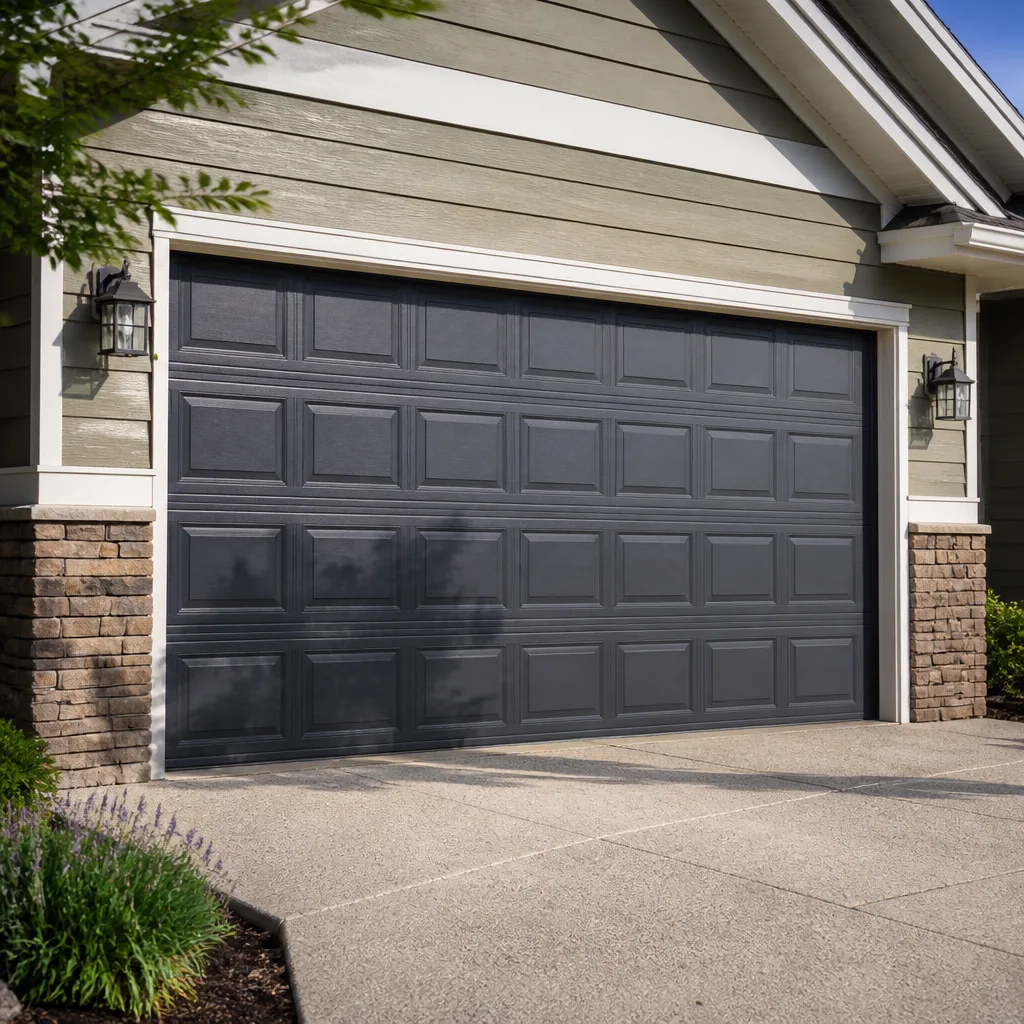
 Raised-panel steel
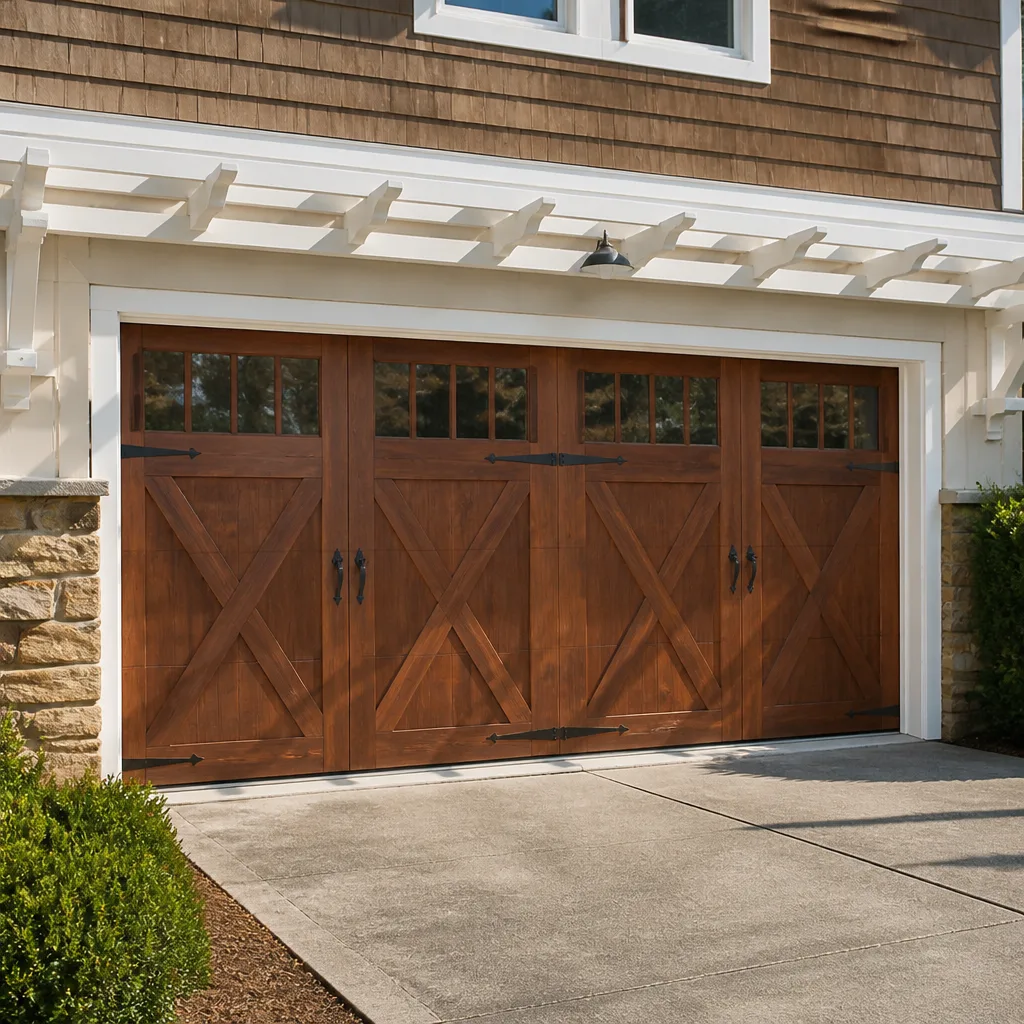 Carriage house
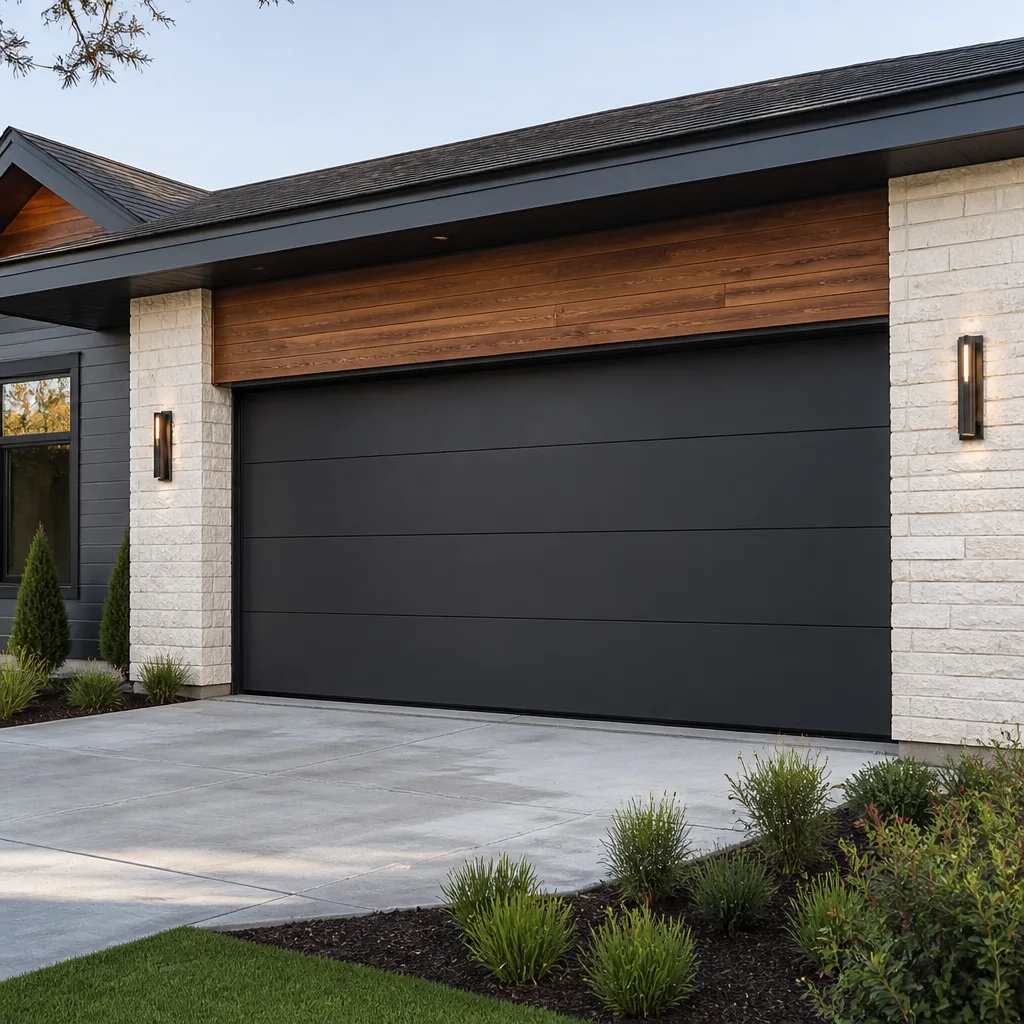 Modern flush
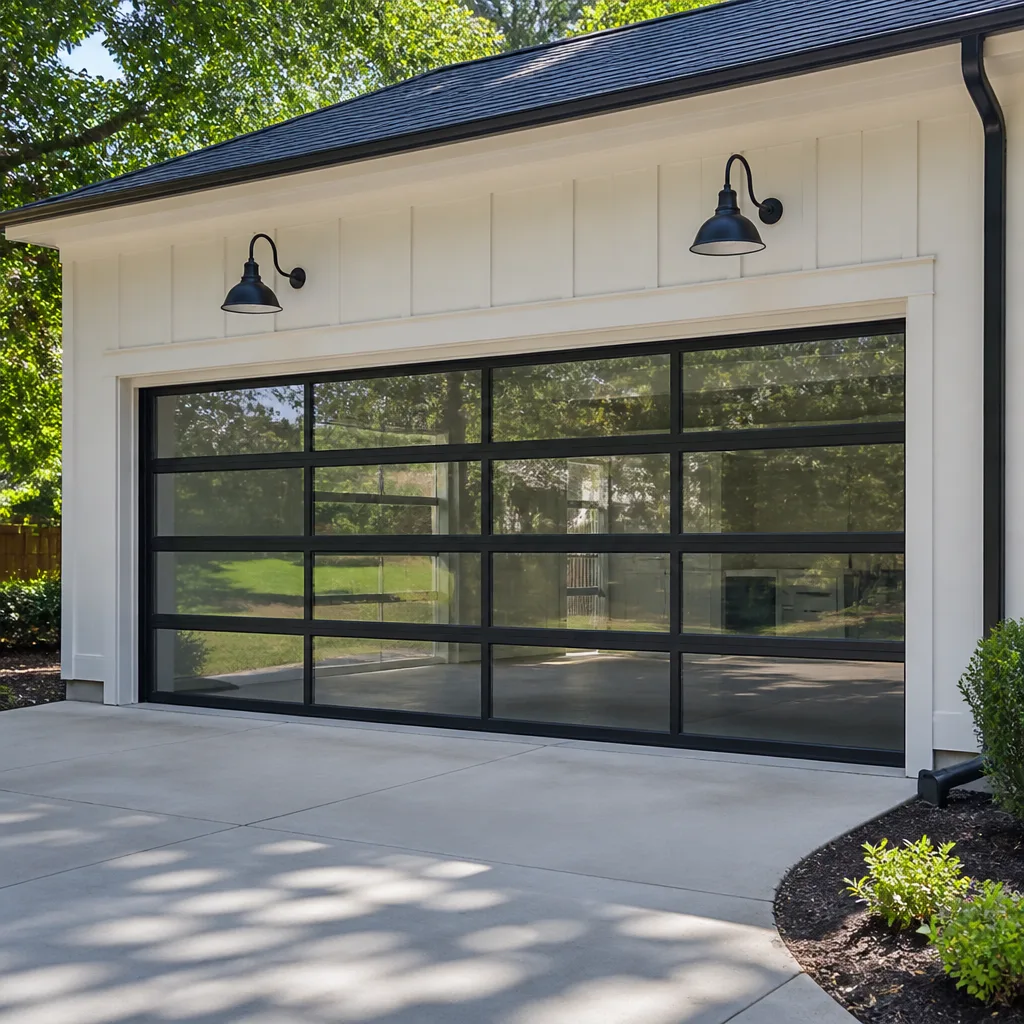 Full-view glass
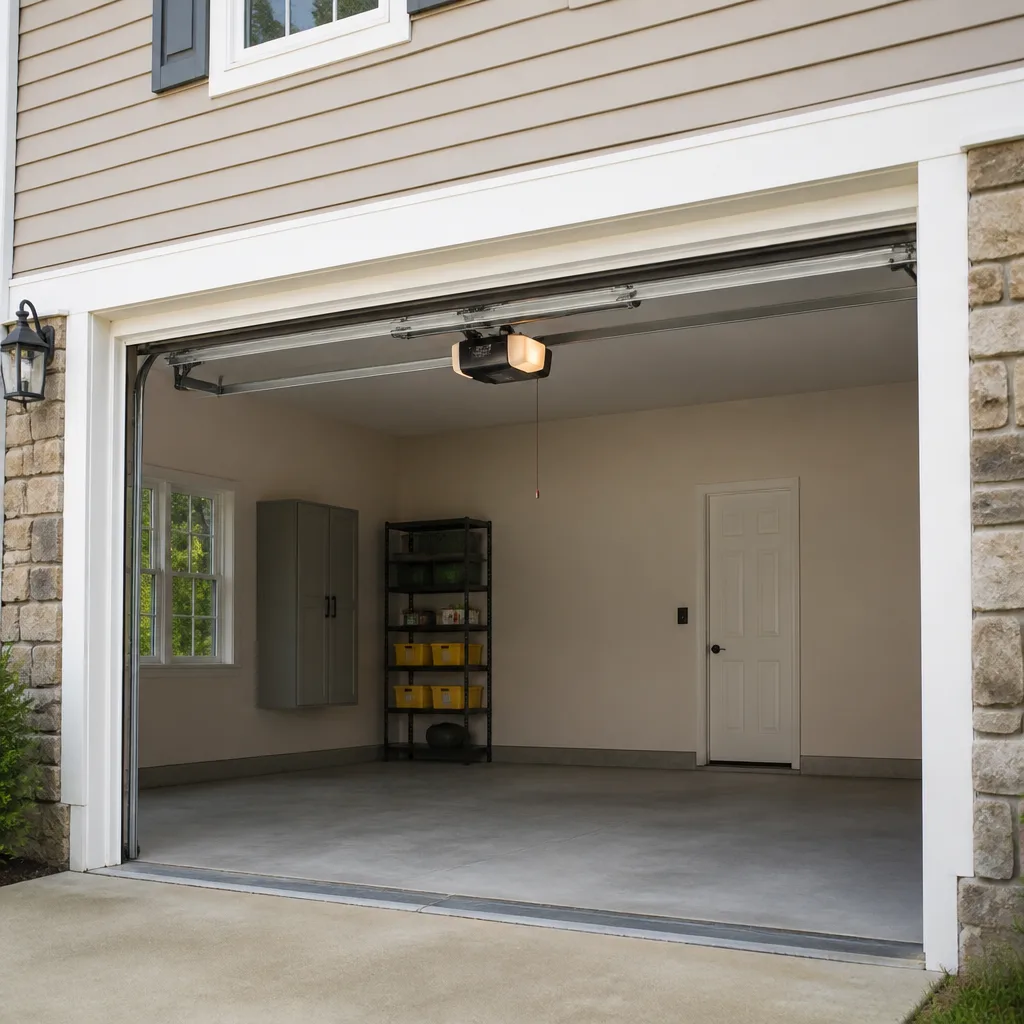 LiftMaster openers
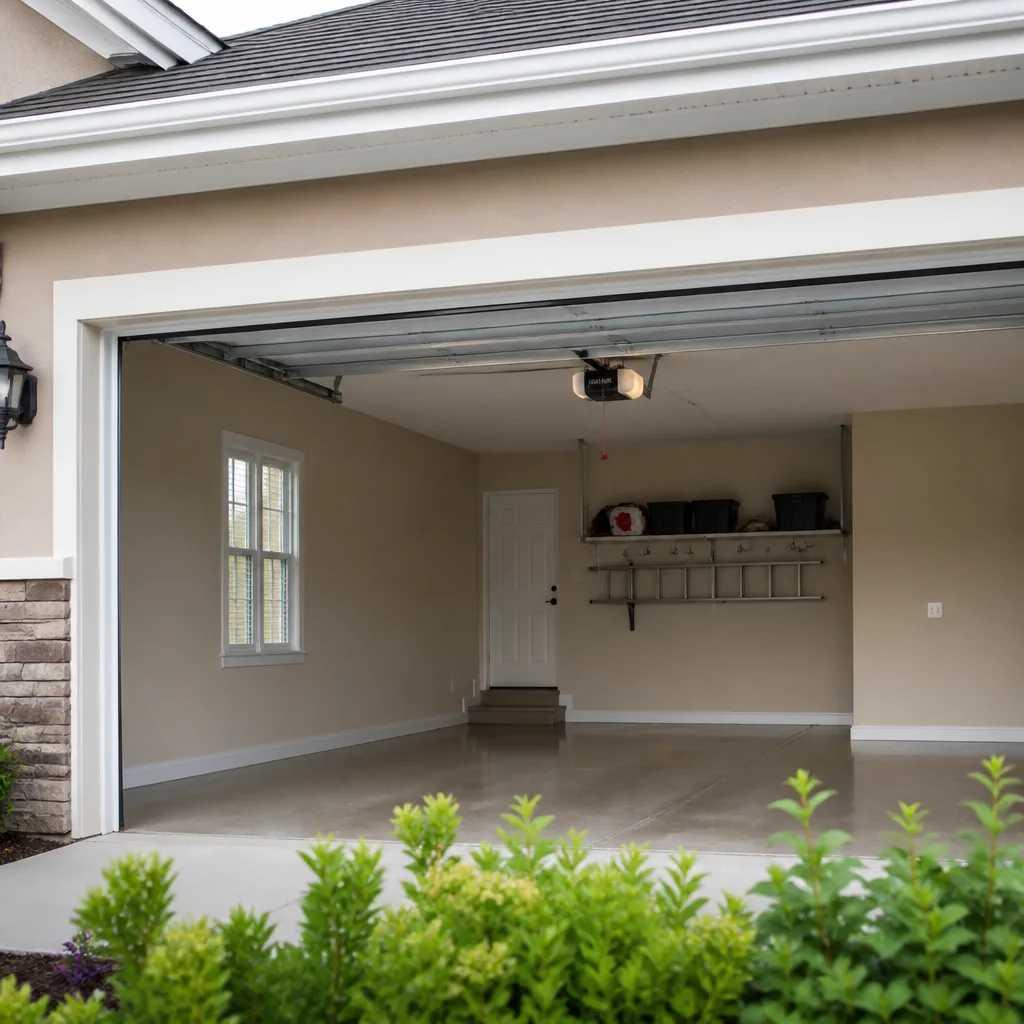 Chamberlain openers
Full 25-point door and opener safety check with every visit - springs, cables, rollers, tracks, and your LiftMaster or Chamberlain opener included
You get a price before we start. It does not change when the pro arrives.
Get your free estimateStyles & brands we work with
- Raised-panel steel
- Carriage house
- Modern flush
- Full-view glass
- LiftMaster openers
- Chamberlain openers
See the difference
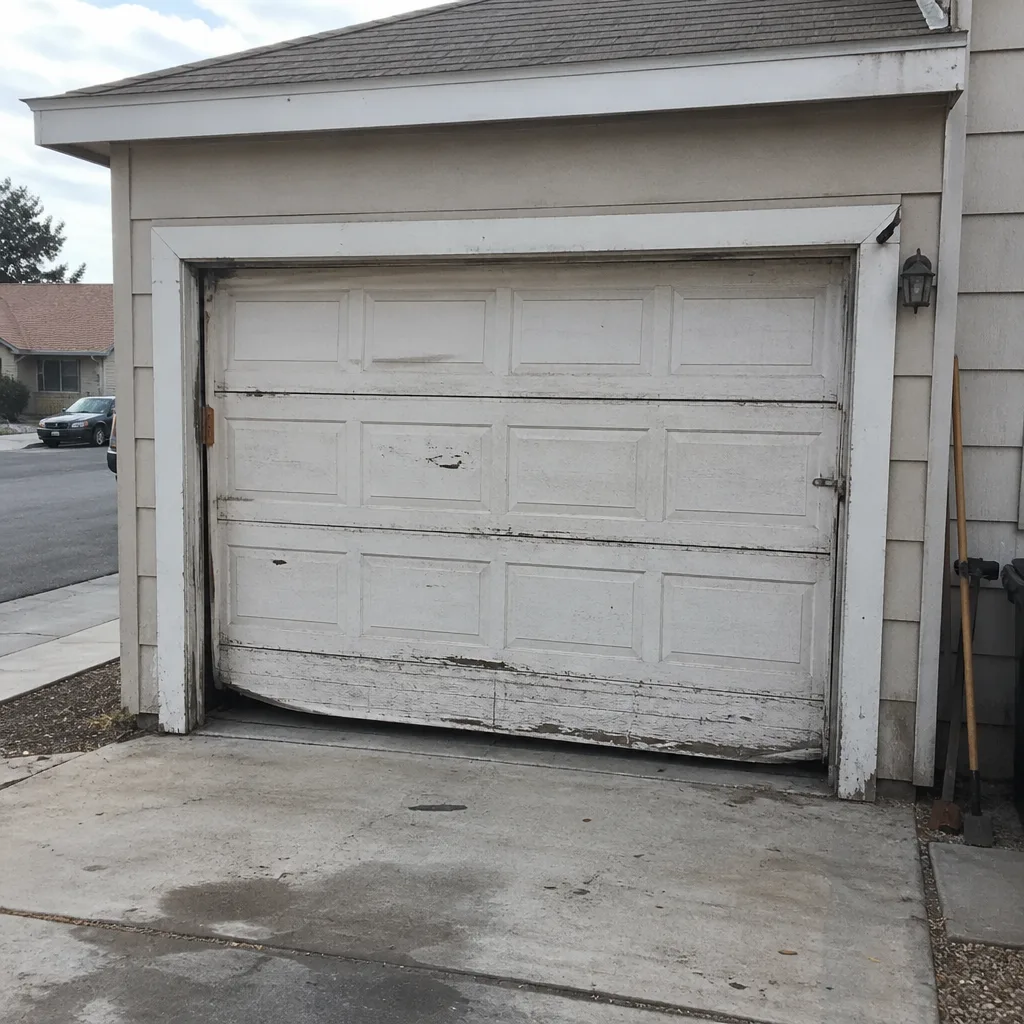 Before
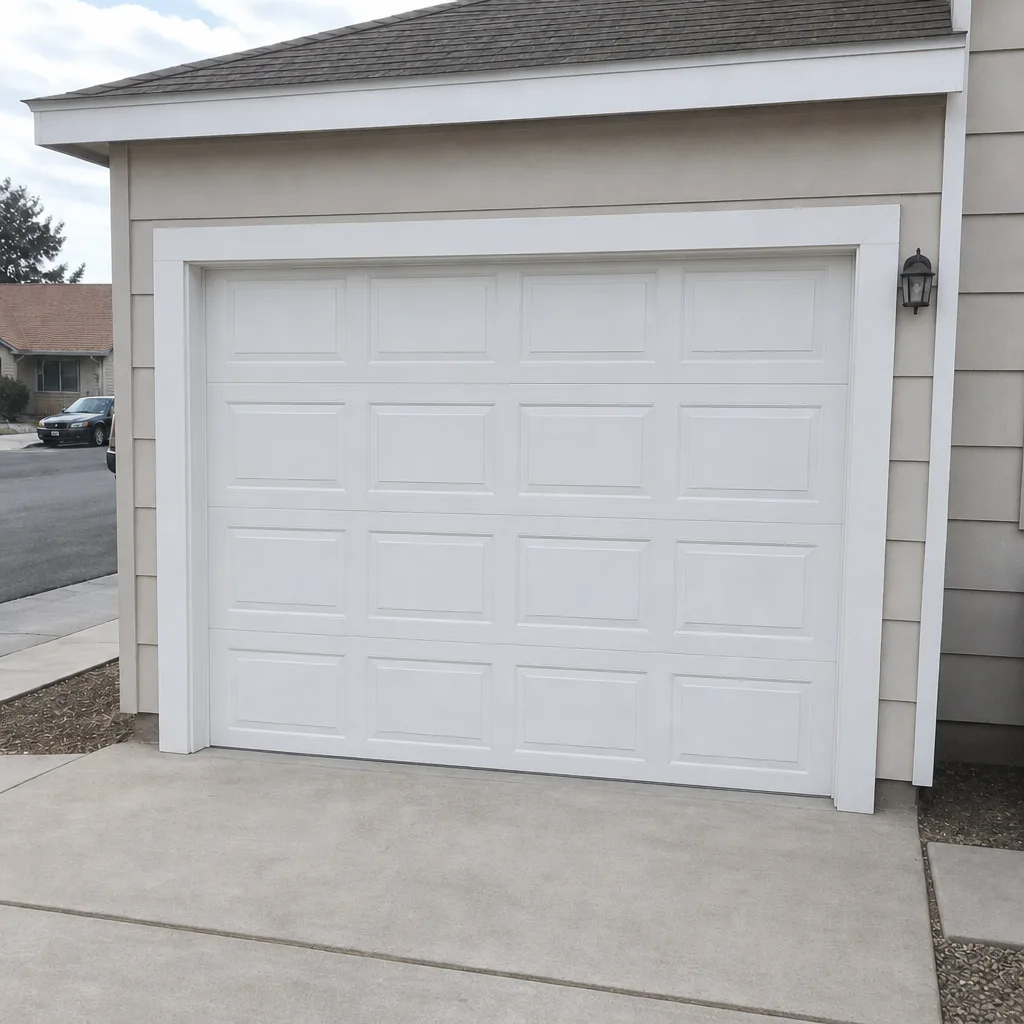 After
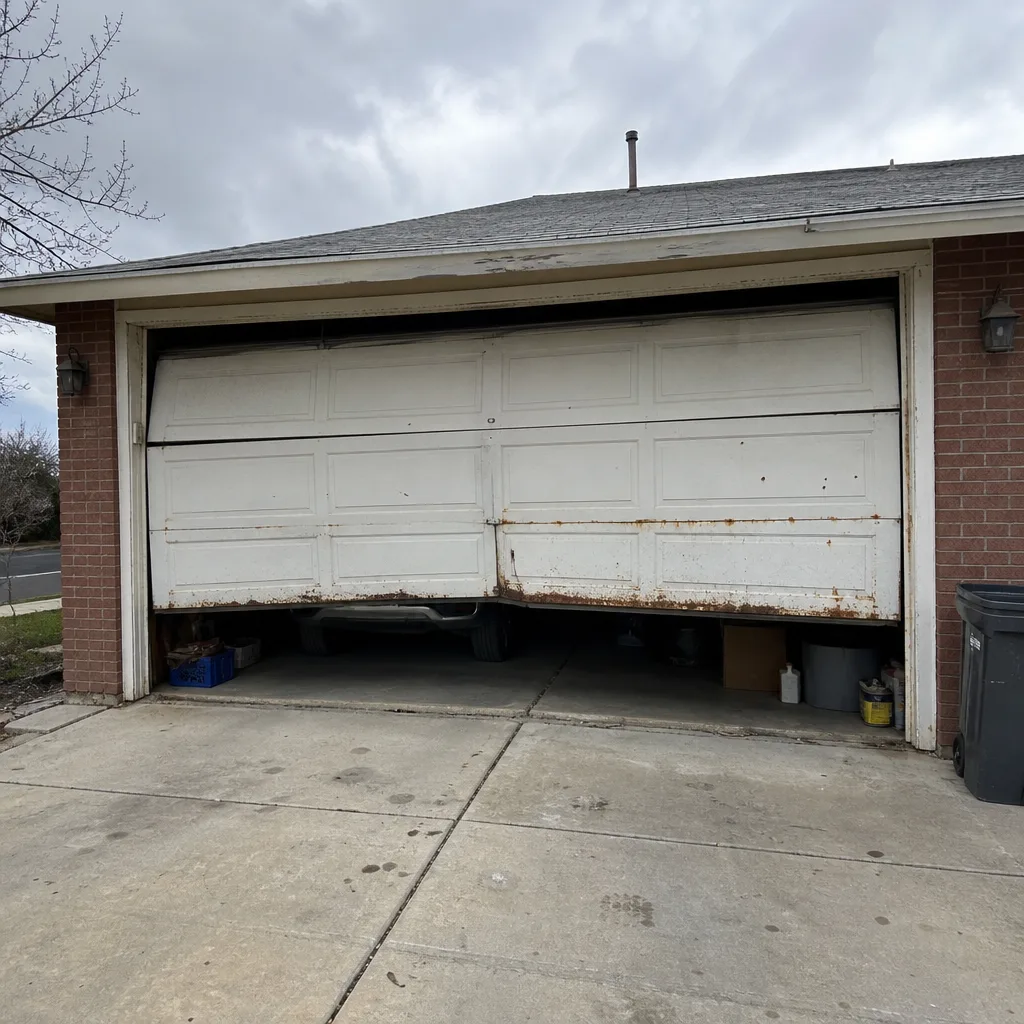 Before
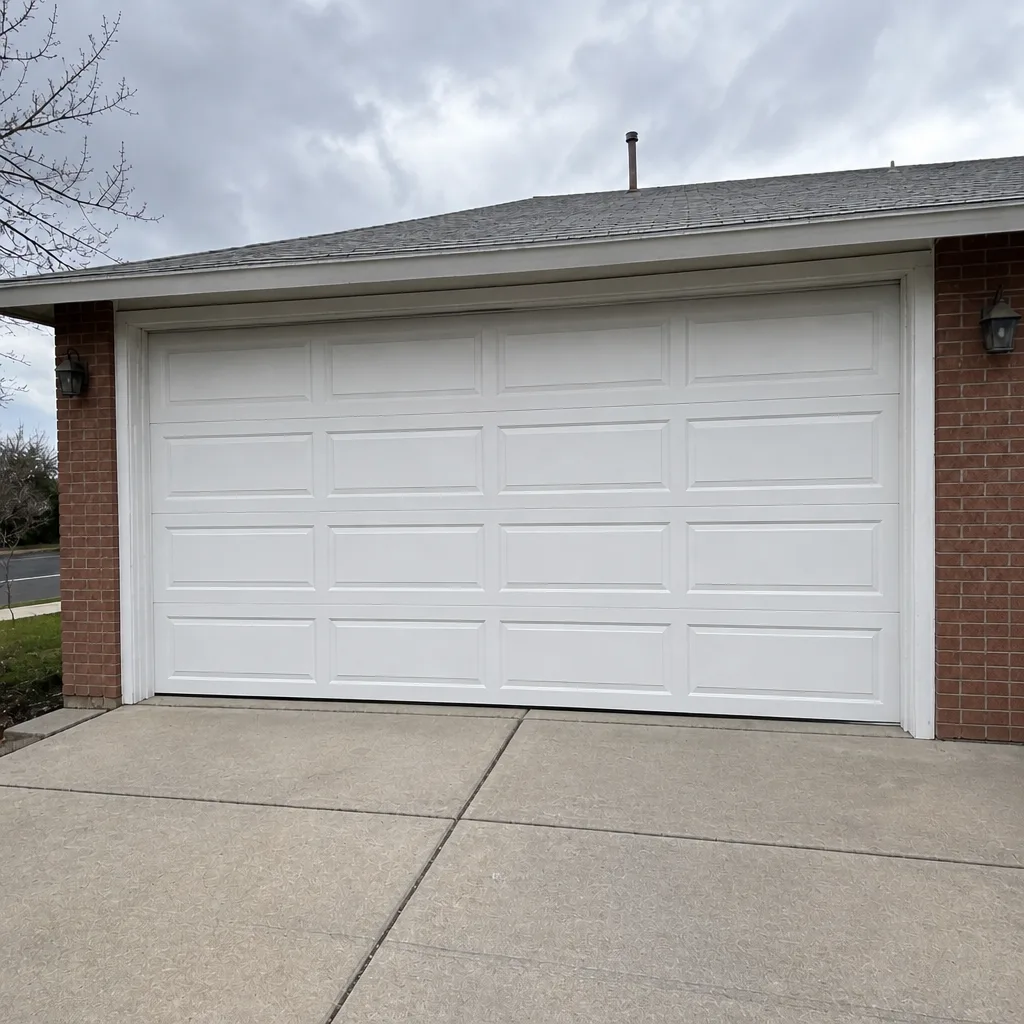 After
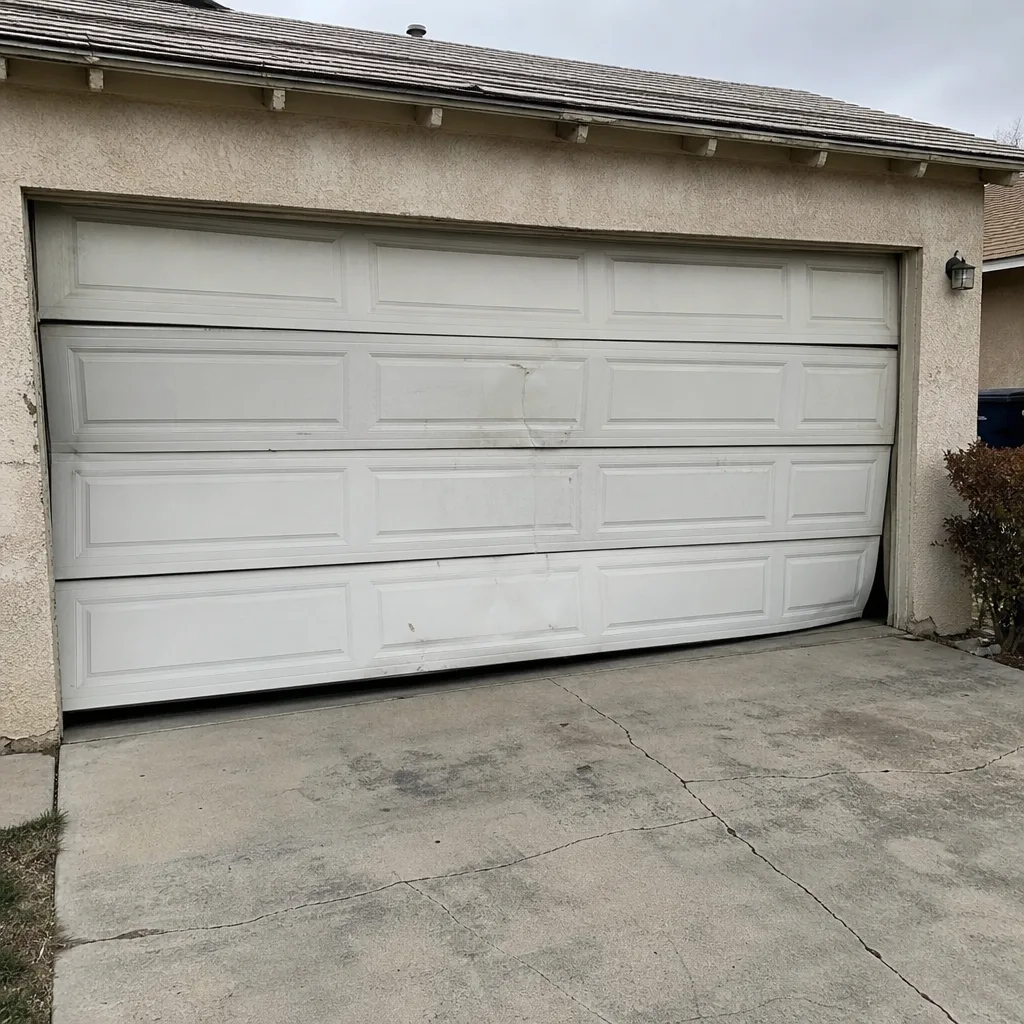 Before
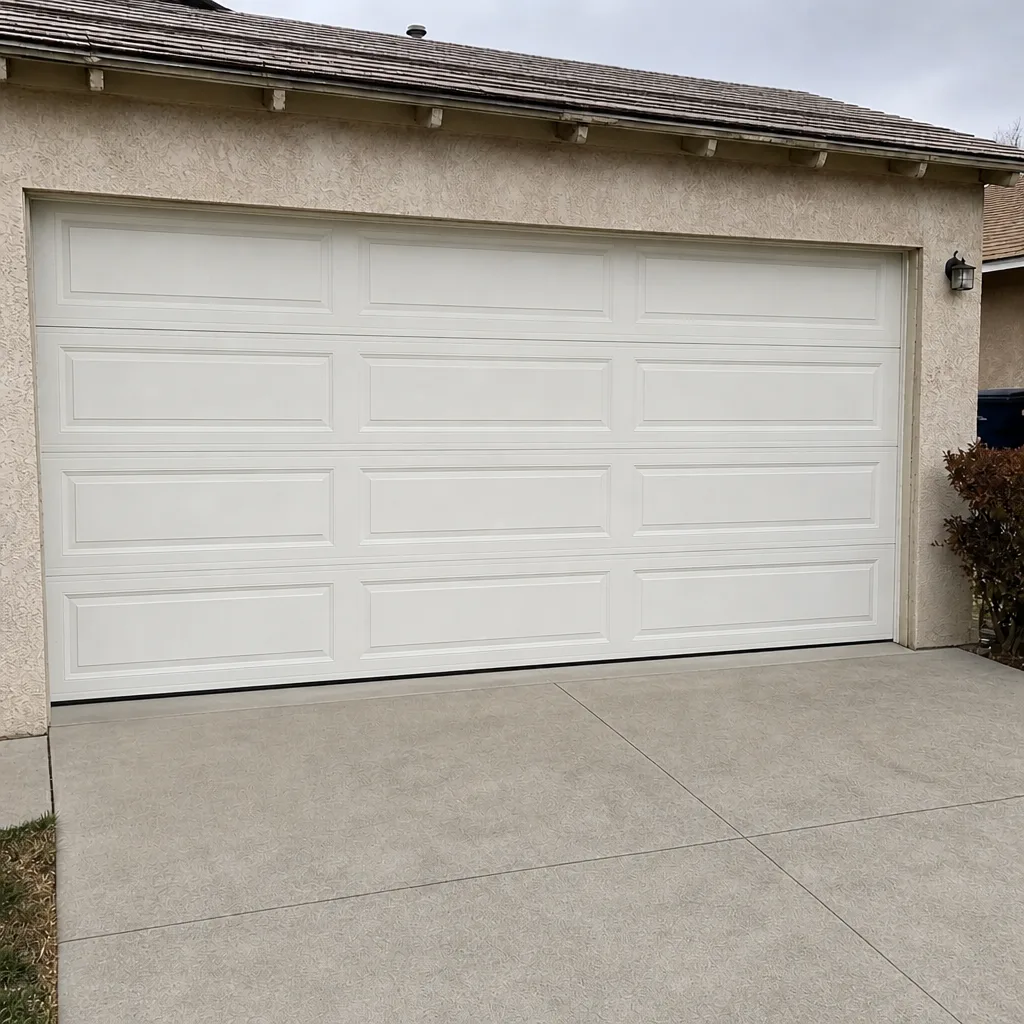 After
How to Program a Garage Door Opener in Whitney, NV (And Why Your Car’s HomeLink May Not Work)
Pairing a new opener to a remote takes about 30 seconds: press the Learn button on the opener, then press the remote button twice within 30 seconds, and the opener confirms with a click or a blinking light. That’s the short answer. The part most guides skip is what comes next. If your Whitney home was built before 2002 and your car has a HomeLink button on the visor, pairing that car to a modern rolling-code opener is a different problem entirely, and the installation manual rarely mentions it.
Whitney is an unincorporated Las Vegas Valley suburb built almost entirely during the 1990s and early 2000s master-planned tract boom. Whole streets went up within months of each other, which means builder-grade steel doors, plastic rollers, and first-generation chain-drive openers all hit end-of-life on roughly the same schedule. Original owners are still in those same houses today, upgrading to belt-drive openers that run quiet against the desert heat. When we swap in a new unit, the remote programming is the easy part. The car is where things get interesting.
Key Takeaways
- Standard remote and keypad pairing takes under a minute on most openers.
- Cars built before roughly 2005 often can’t speak to rolling-code openers without a compatibility bridge module.
- Older wall-button wiring is usually fine, but proprietary safety-sensor panels from the old unit often need replacement.
- Our technicians program remotes, keypad, and your car’s HomeLink as part of the install visit, at no separate fee.
Why Your Car’s HomeLink Won’t Pair to a New Opener
This is the compatibility gap. HomeLink systems factory-installed in vehicles before about 2005 typically use a fixed-code protocol, the same frequency band as the 1990s openers they were built to talk to. Modern openers use rolling-code technology, which changes the security code with every use so a neighbor’s remote can’t clone it. A fixed-code car and a rolling-code opener are on the same frequency but speak different languages. Pressing the pairing buttons all afternoon won’t bridge that.
The fix is a HomeLink compatibility bridge module. It’s a small external device that translates rolling-code signals into the fixed-code format an older car expects. Two things about it matter for Whitney homeowners. First, it’s a separate purchase, usually $30 to $60, and it isn’t bundled with the opener. Second, generic programming guides leave it out entirely, so people spend an evening convinced their vehicle is broken when the actual issue is a $40 part they didn’t know existed.
If your car is a 2006 or newer model, it almost certainly handles rolling code natively and you can skip the module. Check the vehicle manual before buying one. If you’re not sure whether your car is fixed-code or rolling-code, our team can tell you over the phone from the year, make, and model, and we keep bridge modules on the truck for exactly this situation. Calls are answered by a live person at (844) 797-9248, nights and weekends included.
The Whitney-Specific Detail Nobody Warns You About
Here’s where Whitney’s housing stock changes the job. When you buy a new opener for a 1998-built tract home, you’re usually reusing the wiring and wall button that came with the original builder-grade unit. Sometimes that’s fine. Sometimes it isn’t, and you won’t know which until you’re already in the garage with the new opener on the rail.
If the wall button is a simple momentary switch, two wires, no electronics, it will work with any new opener. If it’s a proprietary safety panel from the old unit, one with its own logic board or sensor connections, it generally won’t talk to a modern opener and needs replacement. That changes the installation scope, sometimes by $40 in parts and sometimes by a good deal more, depending on how the old unit was wired.
A practical way to know which you have: pull the wall button off its bracket and look at the back. Two bare wires and nothing else means you’re in the easy case. A ribbon cable, circuit board, or anything that looks like a small computer means it needs replacing. Sort this before you buy the opener, not after.
There’s also the heat. Whitney summers routinely push past 105°F, and a garage that’s been closed up all day can run hotter still. The Learn button on most openers has a short pairing window, and it isn’t generous in that kind of heat. Having the manual open to the correct page, and the remote in your hand ready to go, before you walk into the garage is worth more than it sounds. Otherwise you’re fumbling for the right button while the timer runs out, and the opener clicks off before you’ve pressed anything.
Programming the Keypad (Do It the Same Day)
A keypad is a separate process from a remote, and it’s the one people skip. Then a remote battery dies, the car is at the shop, and someone is standing outside locked out of their own garage at 7 a.m.
The general sequence for a keypad on a rolling-code opener:
- Press the Learn button on the opener and release it. The indicator light will blink or click.
- Within 30 seconds, enter your chosen 4-digit PIN on the keypad, then press and hold the Enter or Send button.
- Watch for the opener to click or the light bulb to flash twice, confirming the keypad is paired.
- Test the keypad from outside with the door closed before calling it done.
Keypads vary more than remotes do. Craftsman and Genie keypads sometimes need the PIN entered twice during setup, and universal keypads may need a separate learn sequence first. If the opener won’t confirm after two attempts, stop and check the model. For more on diagnosing a keypad or remote that won’t take hold, see our Garage Door Opener Repair & Installation in Whitney page.
What Programming a Full Setup Actually Costs in Whitney
| Service | Typical Range (Whitney) |
|---|---|
| Opener installation (including full programming of remotes, keypad, and vehicle) | $250-$550 |
| Opener repair | $120-$320 |
| HomeLink compatibility bridge module (parts only) | $30-$60 |
That programmer fee you might have heard about? We don’t charge one. Full commissioning, all remotes, one keypad, and your car’s HomeLink, is included in the flat installation price. When we can, we do the whole thing in one visit because the necessary parts are already on the truck. If we need to order a specific bridge module for an older vehicle, we tell you before we start, not after.
We’ve been answering the phone since 1984, and the work is backed the same way it always has been: a 90-Day Done Right Promise, in writing on every job. If something isn’t right, we come back and make it right, no paperwork and no arguing. Our technicians have up to 10 years of experience, are background-checked, and are trained as journeymen. We’re factory-familiar with Amarr, Wayne Dalton, Craftsman, Raynor, and most other major brands.
Do I Need a Professional, or Can I Do This Myself?
Remote and keypad programming is a homeowner job, and most people get it on the first or second try. What sits underneath those remotes is a different matter. Torsion springs, cables, and the high-tension assemblies that hold a door’s weight are not something to take on at home. A spring under load can cause serious injury if handled without the right tools and training. If your issue isn’t pairing but a door that’s heavy, crooked, or won’t respond to any remote, that’s a signal to stop and call rather than to keep troubleshooting. Diagnosing it safely is the work.
FAQs
The simplest test is the vehicle’s model year: cars built roughly 2006 or later almost always handle rolling-code openers natively, while cars from before 2005 often need a HomeLink compatibility bridge module. If your car is from the early to mid-2000s and the pairing fails, the module is the usual fix, not a broken opener. Call us with your year, make, and model and we can usually tell you which side of that line you’re on.
A failed pairing usually comes down to timing or a weak remote battery. The Learn button on most openers only accepts a remote press within about 30 seconds, and in a hot Whitney garage that window feels shorter than it reads. Replace the remote battery first, then try the pairing again with the manual open and the remote already in hand. If it still won’t take, the remote may be from a different generation than the opener, or the opener’s receiver board may need repair.
Opener installation in Whitney typically runs $250 to $550, and that range includes programming your remotes, keypad, and car. We state the flat price upfront before any work starts, so the bill doesn’t grow after the fact. If your car needs a bridge module, that’s a separate small parts cost we’ll quote in advance.
Old fixed-code remotes won’t work with a new rolling-code opener, and that includes the unit that was in your car when you bought it. The new opener should come with at least one fresh remote, and any extra remotes need to match the new unit’s protocol. We can program the remotes we supply and tell you what kind of extras your opener will accept.
If all of this sounds like more than you want to sort through on a Saturday morning, that’s fine. Programming a new opener, especially with an older car, a builder-era wall button, and a garage that’s been baking in the sun all day, is exactly the kind of job that’s easier once and done. Mainspring Garage Door Co. Whitney offers a no-pressure assessment in Whitney. Clear on what’s needed, clear on the price, and we leave with everything paired. Call (844) 797-9248 for a free estimate.
Written by the team at Mainspring Garage Door Co. Whitney, serving Whitney, NV.