
Last updated November 17, 2026
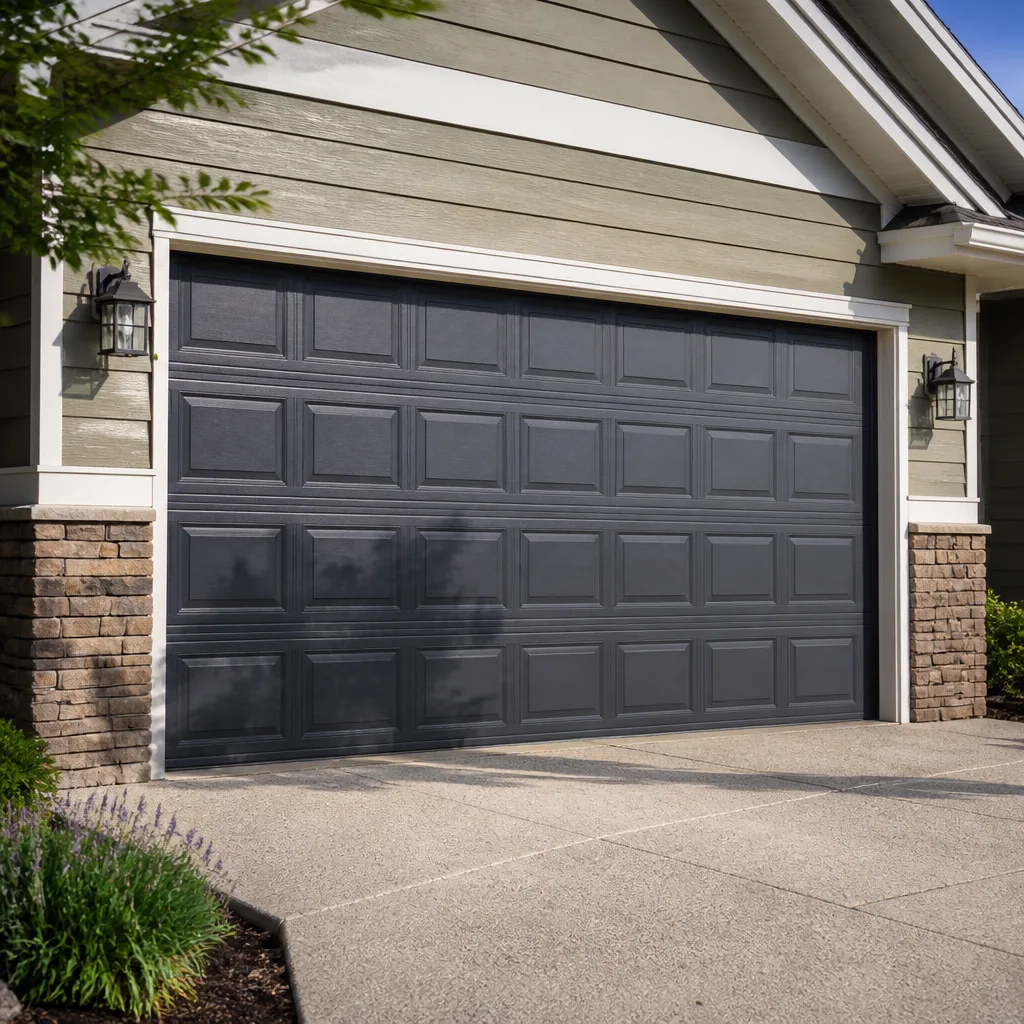 Raised-panel steel
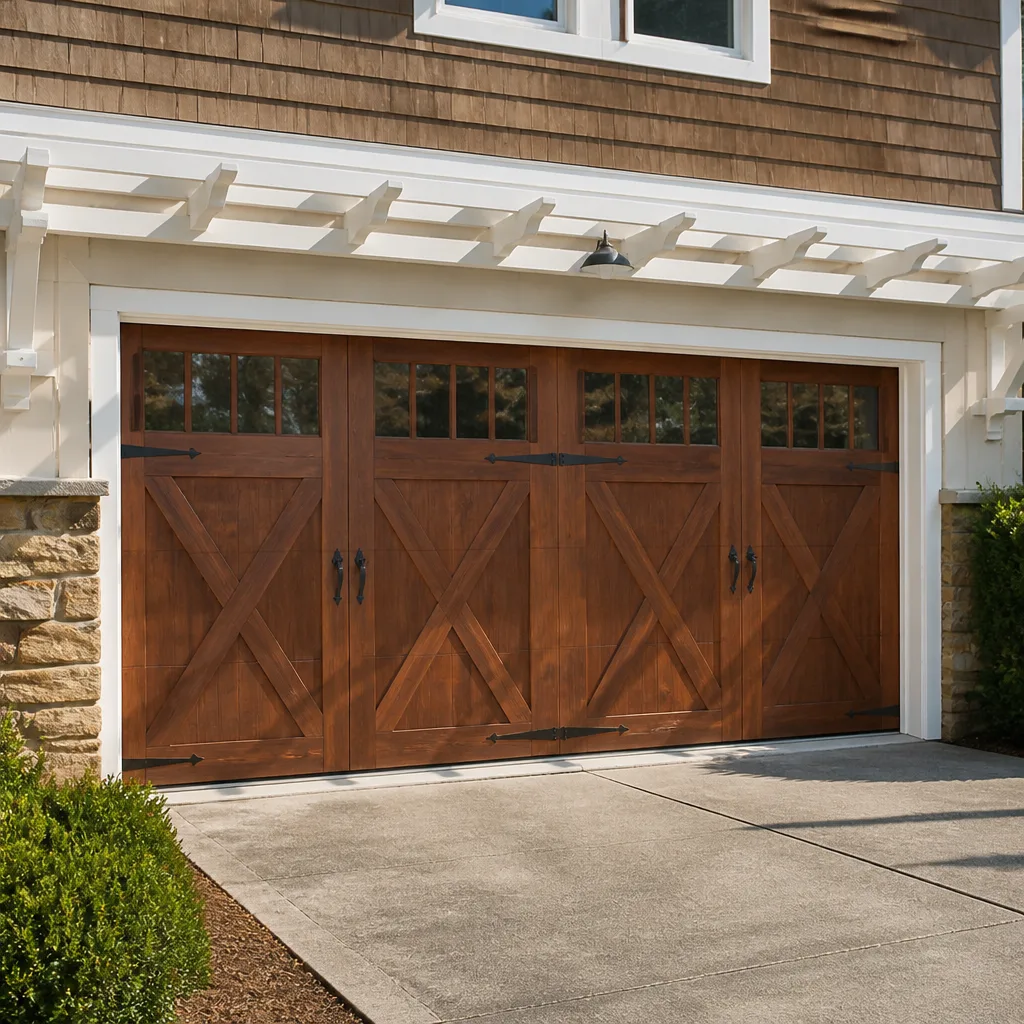 Carriage house
 Modern flush
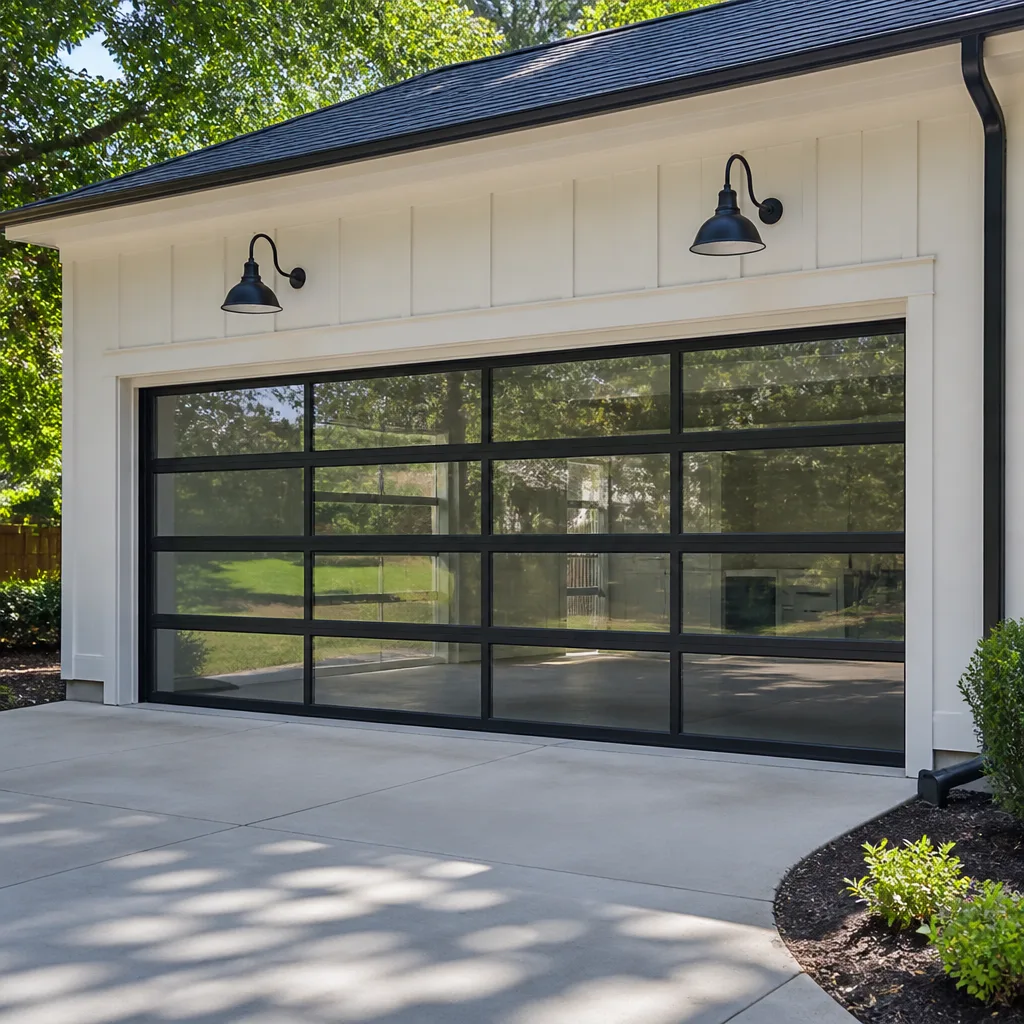 Full-view glass
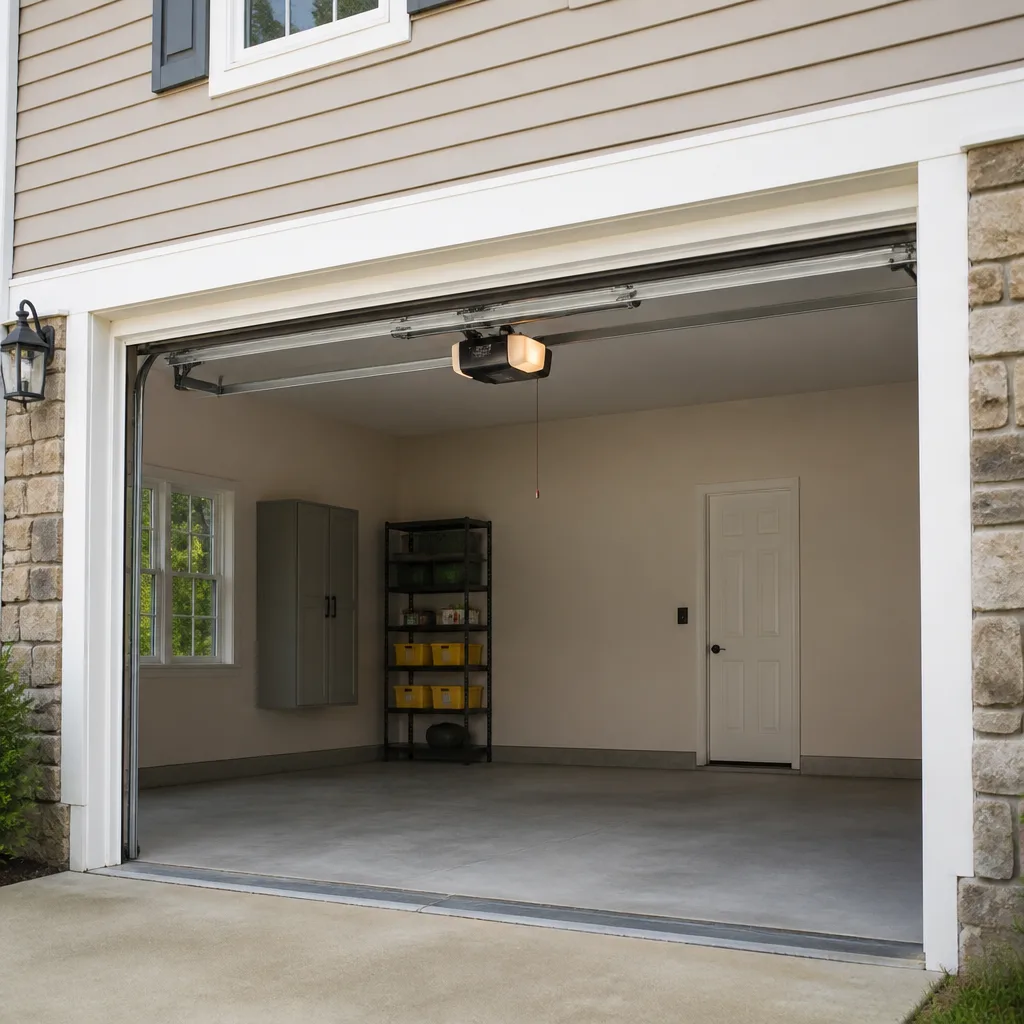 LiftMaster openers
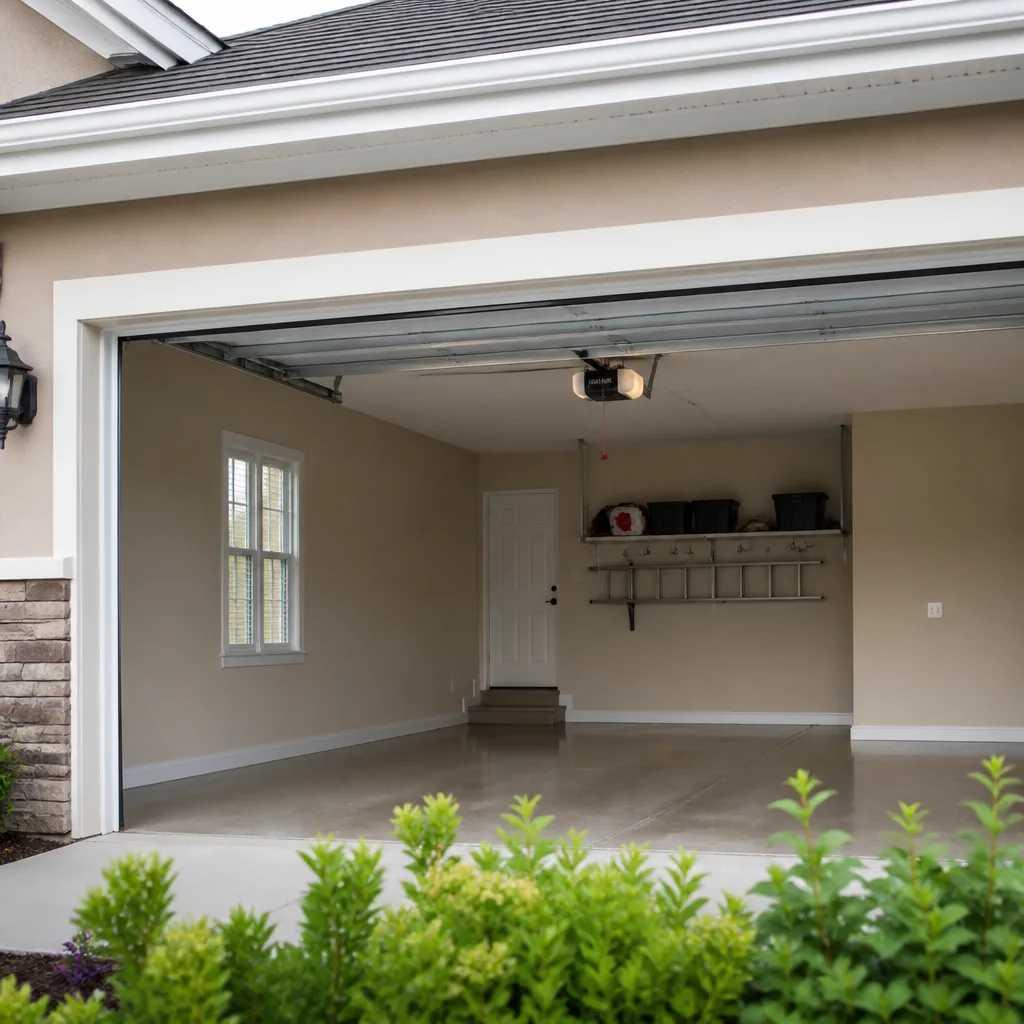 Chamberlain openers
Full 25-point door and opener safety check with every visit - springs, cables, rollers, tracks, and your LiftMaster or Chamberlain opener included
You get a price before we start. It does not change when the pro arrives.
Get your free estimateDIY vs Professional Garage Door Installation: What’s Safe to Do Yourself
A motivated homeowner with a helper and a free weekend can hang the panels, set the tracks, and wire an opener. That part is real, and we won’t pretend otherwise. The step that cannot be improvised is calculating and setting spring tension for a door’s exact weight, a number that changes with every panel material and size combination. Get it wrong and you’ve built a machine that stores enough energy to hurt someone. This guide breaks a full installation into phases, rates each one honestly for difficulty and risk, explains why spring tension resists eyeballing, and covers what Nevada permits require before you decide. We do this work every week in Whitney, and we’d rather you make an informed call than a confident mistake.
Quick Answer
Hanging panels, mounting tracks, and connecting an opener are achievable for a careful homeowner with the right tools. Spring tensioning and header load calculation are not: they require matching the spring to the door’s measured weight and verifying that the framing above the opening can carry the load. In Whitney, permit and inspection rules also mean a DIY installation can complicate a future home sale. Many homeowners do the labor-heavy phases themselves and bring in a technician for the spring and safety setup.
Styles & brands we work with
- Raised-panel steel
- Carriage house
- Modern flush
- Full-view glass
- LiftMaster openers
- Chamberlain openers
Table of Contents
- The Full Installation, Phase by Phase
- Why Spring Tension Can’t Be Eyeballed
- Header Load Calculation: The Step Nobody Talks About
- Tools You Own, Tools You Rent, Tools You Can’t Buy
- Nevada Permits, Inspections, and Selling Your Home
- The Hybrid Approach: Cut Labor Cost, Keep the Dangerous Work Professional
- Signs You Should Stop and Call
- Frequently Asked Questions
The Full Installation, Phase by Phase
A sectional garage door installation breaks into seven distinct phases. Some are carpentry. Some are electrical. Two of them are genuinely dangerous. Here’s the honest rating for each, based on what we see on jobs around Whitney.
- Removal of the old door and hardware. Moderate difficulty, low-to-moderate risk. The old springs must be relieved of tension before anything comes apart. If you’re not sure how to safely de-tension a spring, stop here.
- Verify the opening and header. Low physical effort, high consequence if skipped. Measure the rough opening for width and height, check that it’s square, and confirm the framing above can carry the door’s weight. Covered in detail below.
- Assemble and hang the panels. Moderate difficulty, low risk with two people. Panels are heavy and awkward but not dangerous when handled by two adults. Clopay and Amarr panels, common in Whitney homes, arrive with clear assembly instructions.
- Install vertical and horizontal tracks. Moderate difficulty, low risk. Plumb and level matter more than most people expect. A track out of square by a quarter inch will make the door bind within a season.
- Install the torsion bar, springs, and cables. High difficulty, high risk. This is the line. Torsion springs are under enormous tension once wound and are the single most dangerous component on the whole assembly.
- Mount and wire the opener. Moderate difficulty, low-to-moderate risk. Wiring a LiftMaster or Chamberlain opener to an existing circuit is straightforward for someone comfortable with basic electrical work. Running new dedicated circuits is a licensed electrician’s job.
- Balance, test, and set safety features. Moderate difficulty, low risk but high importance. The door must balance at the halfway point, the photo-eye sensors must trip correctly, and the auto-reverse must engage on contact. Failing to test these is how doors become hazards.
Three phases are safe for a skilled homeowner. Two are borderline. Two are not for amateurs under any circumstances. If you want the full picture of what a professional installation involves from start to finish, our Garage Door Installation in Whitney page walks through the process.
Why Spring Tension Can’t Be Eyeballed
Every garage door balances on springs calibrated to its exact weight. A single-car steel door might weigh 130 pounds. The same size door in insulated composite could weigh 250. Add glass, change the panel gauge, switch from aluminum to wood, and the number moves again. The spring has to be sized and wound to match the door in front of you, not the door in the catalog.
The physics are unforgiving. A torsion spring stores energy proportional to how far it’s wound. Set it too tight and the door won’t close properly, the opener strains, and the spring fatigues years early. Set it too loose and the door crashes down under its own weight. Set it wildly wrong and the spring can break under load, sending hardware across the garage at force no one wants to be near.
Professional installers use a spring calculation chart, a door weight, and a tension gauge. They also know the difference between a left-wound and right-wound spring, the correct number of turns for a given drum size, and how to de-tension safely if the door doesn’t balance. In Whitney, we see doors installed by homeowners where the spring was guessed at, and the symptoms show up within a year: uneven wear on the rollers, a door that slams on the last six inches, or an opener that burns out its motor well before its time.
This is where we draw a hard line. We won’t walk a homeowner through winding a torsion spring. The risk of a serious hand or arm injury is real, and no savings justify it. If you want to see how spring work fits into a full Garage Door Repair in Whitney visit, that page covers what we actually do on a spring call.
Header Load Calculation: The Step Nobody Talks About
The header is the beam of framing directly above your garage opening. It carries the weight of the wall above the door, and on many homes it also carries the load transferred from the roof. When a new door is heavier than the one it replaces, the header may need reinforcement or replacement before anything hangs from it.
This is where DIY installations fail quietly. The old door comes down, the new one goes up, and everything looks fine for a year or two. Then the header sags, the tracks go out of alignment, and the door starts rubbing. In Whitney’s older neighborhoods, we’ve seen headers on original construction that were sized for a lightweight aluminum door and would need reinforcing for a modern insulated steel door of the same dimensions.
A load calculation means checking span, species and grade of lumber, and what’s bearing on the header. It’s not a step a homeowner can eyeball. When your door is ordered, the supplier can tell you the weight of the exact model. Take that number to a contractor or a structural engineer and confirm the header can carry it. If it can’t, you’re looking at a framing repair before an installation.
This phase is also the one that tends to get skipped when homeowners use the hybrid approach. If you’re doing your own panel work, get the header checked first. It’s the one piece of the job that costs very little to verify and a great deal to fix later.
Tools You Own, Tools You Rent, Tools You Can’t Buy
Most of the installation uses tools a competent homeowner already has or can borrow. The specialized gear is the sticking point.
Tools you probably own:
- Tape measure, level, and a good square
- Drill and impact driver with a full bit set
- Wrenches and socket set (the door hardware uses standard hex and adjustable bolts)
- Ladder tall enough to reach the header and track hangers safely
- Two sawhorses and a helper’s pair of hands
Tools you can rent from a local equipment yard:
- A door jack or panel lift for moving panels solo (worth the rental fee; panels are heavy and awkward)
- A hammer drill if the tracks need anchoring into masonry
Tools you can’t buy at a consumer store:
- Torsion spring winding bars (the correct diameter and length for your spring) are sold to the trade, not the public, in most markets. Some supply houses will sell them, but selling a tool is not the same as teaching the technique.
- A spring tension gauge calibrated for door springs
- The spring calculation reference charts used to match a spring to a door’s weight and drum size
Those three items in the last list are the reason we tell homeowners not to attempt the spring phase. The tool exists. The knowledge required to use it safely is not something you pick up from a video. Our Garage Door Opener in Whitney page covers the electrical side similarly: the wiring itself is basic, but the safety sensor setup needs testing that most DIY installs skip.
Nevada Permits, Inspections, and Selling Your Home
In Whitney and the surrounding unincorporated Clark County areas, a like-for-like garage door replacement (same size, same opening) generally does not require a permit. Changing the size of the opening, adding a new opening, or altering the framing above the door typically does. That’s where a DIY installation can become a legal problem.
Here’s what matters for homeowners planning to stay put: any structural change to the header or opening should be permitted and inspected, and the inspection record becomes part of the property’s history. When you eventually sell, a buyer’s inspector will note unpermitted structural work, and it can stall a sale or force a retroactive permit at your expense.
We’ve walked away from more than one Whitney job where a homeowner had installed a heavier door into an unmodified opening and the framing needed work to bring it right. The cost to fix unpermitted work is almost always higher than permitting it correctly from the start. If your installation touches the header, the opening size, or the wiring, call the county before you swing a hammer. The permit office can tell you in ten minutes whether your specific job needs a permit, and that’s the cheapest call you’ll make all year.
Our Mainspring Garage Door Co. Whitney home page has the contact information for our team, and we’re glad to look at a permit question with you even before you’ve decided on a door.
The Hybrid Approach: Cut Labor Cost, Keep the Dangerous Work Professional
Many Whitney homeowners we work with take a middle path. They handle the phases that require time and a helper, and they bring in a technician for the spring and safety work. Done right, this can save a meaningful chunk of the labor cost without exposing anyone in the household to spring risk.
What you can do yourself:
- Remove the old door and hardware (after a technician has de-tensioned the springs)
- Verify the rough opening and confirm the header load with a qualified contractor
- Assemble and hang the panels with a helper
- Mount the vertical and horizontal tracks (plumb and level)
- Mount the opener to the ceiling (wiring should be checked by an electrician if new circuits are needed)
What a technician should do:
- Measure the finished door weight and select the correct springs
- Install and tension the torsion springs and cables
- Balance the door, adjust the tracks, and set the opener limits
- Test the photo-eye sensors and the auto-reverse
Call us to schedule the spring phase, and be honest about what you’ve already done. We’d rather inspect your work up front than discover a problem after we’ve set the tension. Our team has up to 10 years of experience with every major brand (LiftMaster, Chamberlain, Genie, Clopay), and we’ve seen every hybrid configuration you can imagine. We’ll tell you plainly what’s safe to keep and what needs redoing. The 90-Day Done Right Promise applies to any work we touch: if it’s not right, we come back, no arguing.
Signs You Should Stop and Call
There’s a point in any installation where continuing is the wrong call. Watch for these signs and stop when they appear:
- The door doesn’t balance at the halfway point. If it drops or rises after you release it, the springs are wrong for the door. Do not adjust the opener to compensate.
- The tracks aren’t plumb. A track out of square by more than a quarter inch will bind within weeks. Re-mount or call a pro.
- The spring is the wrong size for the door weight. If your supplier gave you a spring and you don’t know the door’s exact weight, stop. Don’t guess the winding.
- The header sags or the opening is out of square. This is a structural question, not a garage door question. Call a contractor or engineer.
- You can’t reach the torsion bar safely. If you need a ladder on top of anything to reach the spring, the geometry is unsafe.
- The opener’s auto-reverse doesn’t engage on contact. Do not use the door until this is fixed; it’s a crushing hazard.
- The photo-eye sensors can’t be aligned. They sit low where kids and pets move. Misalignment means the door can close on them.
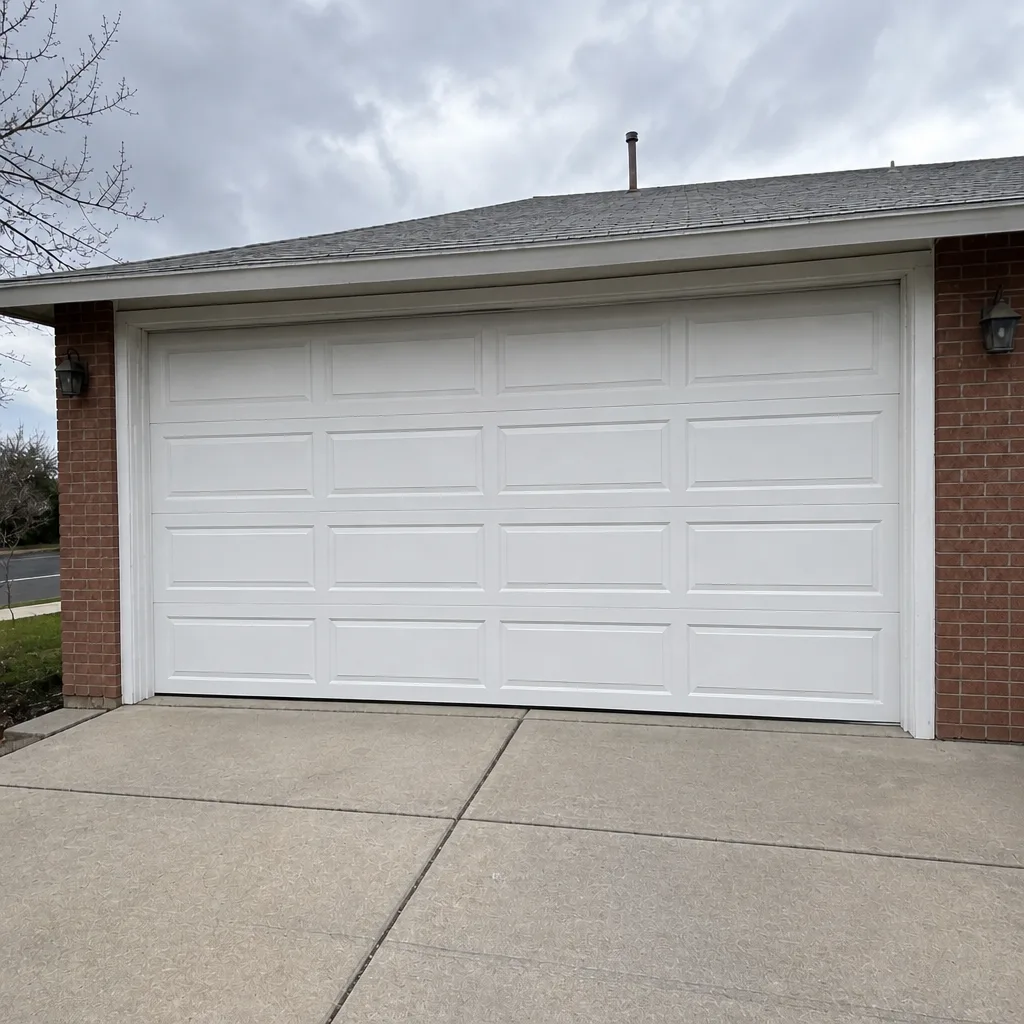
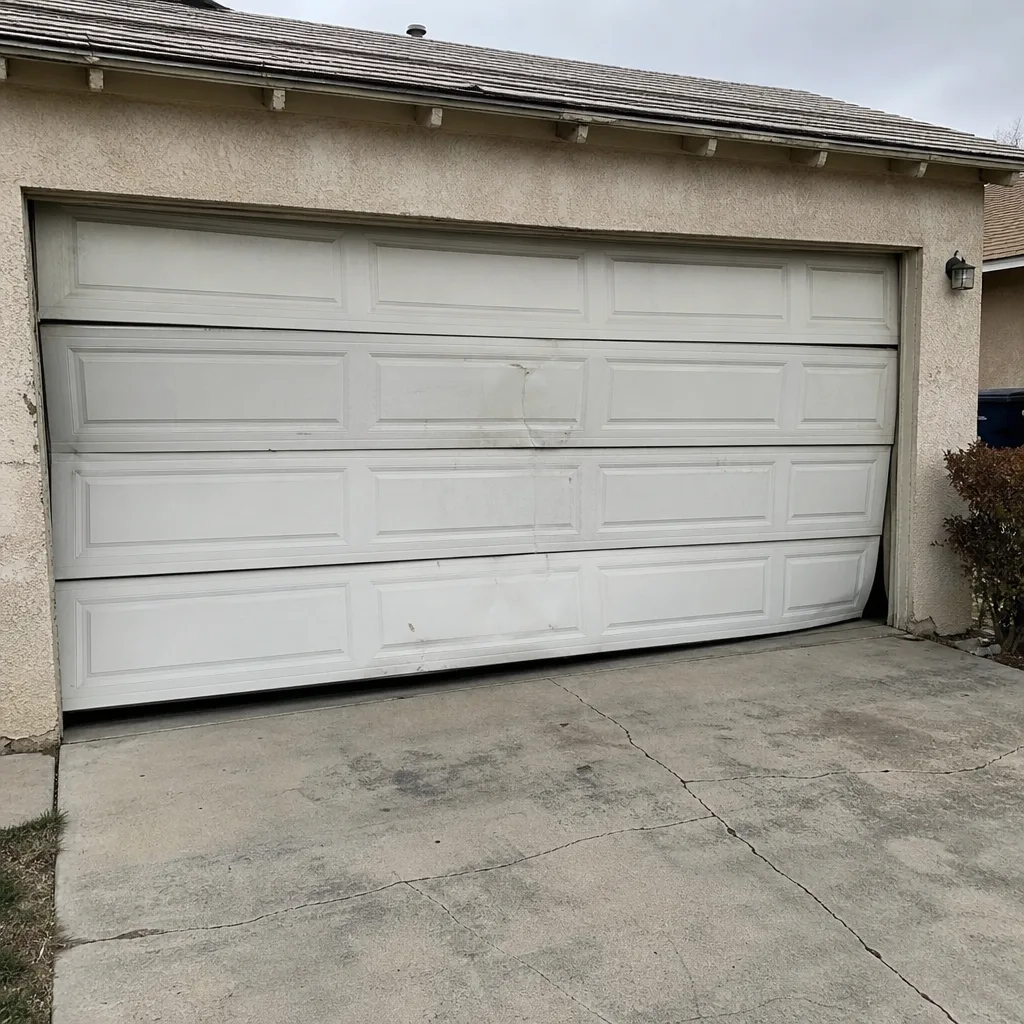
See the difference
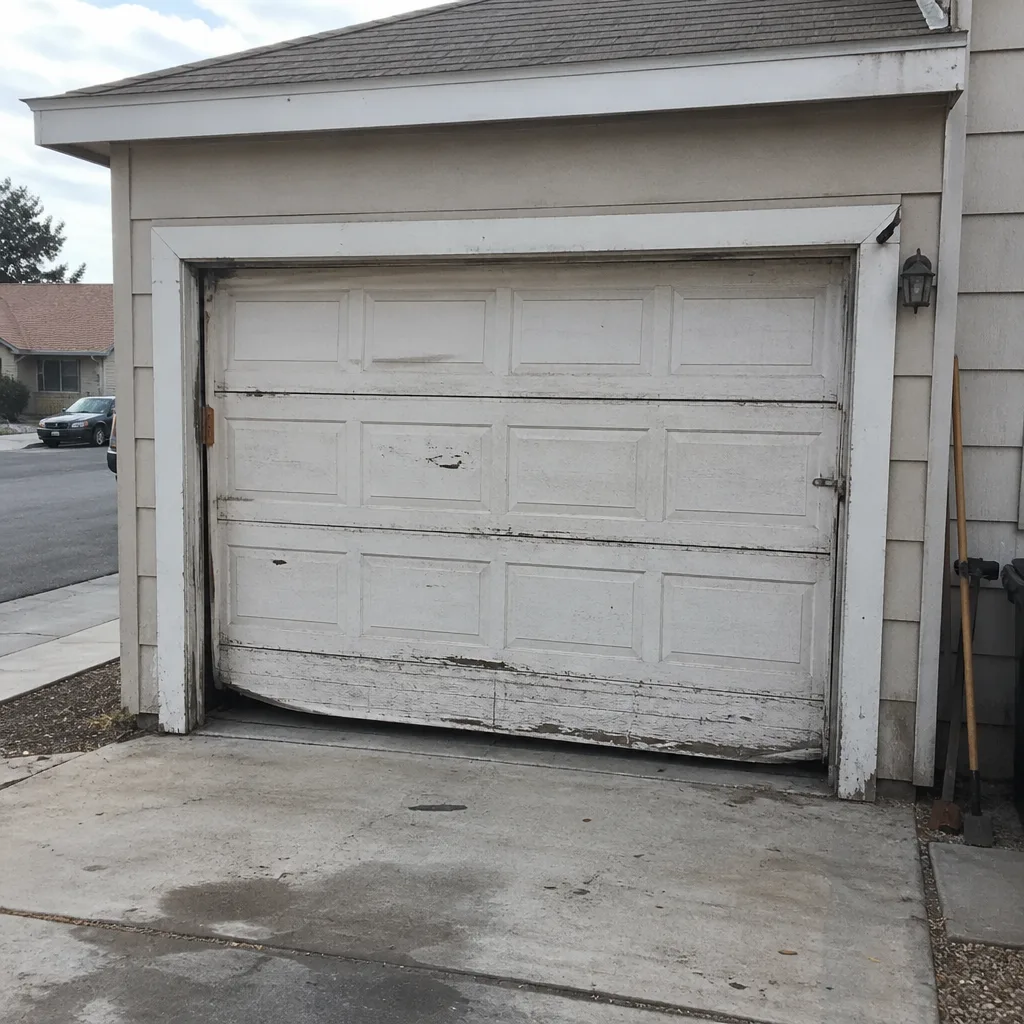 Before
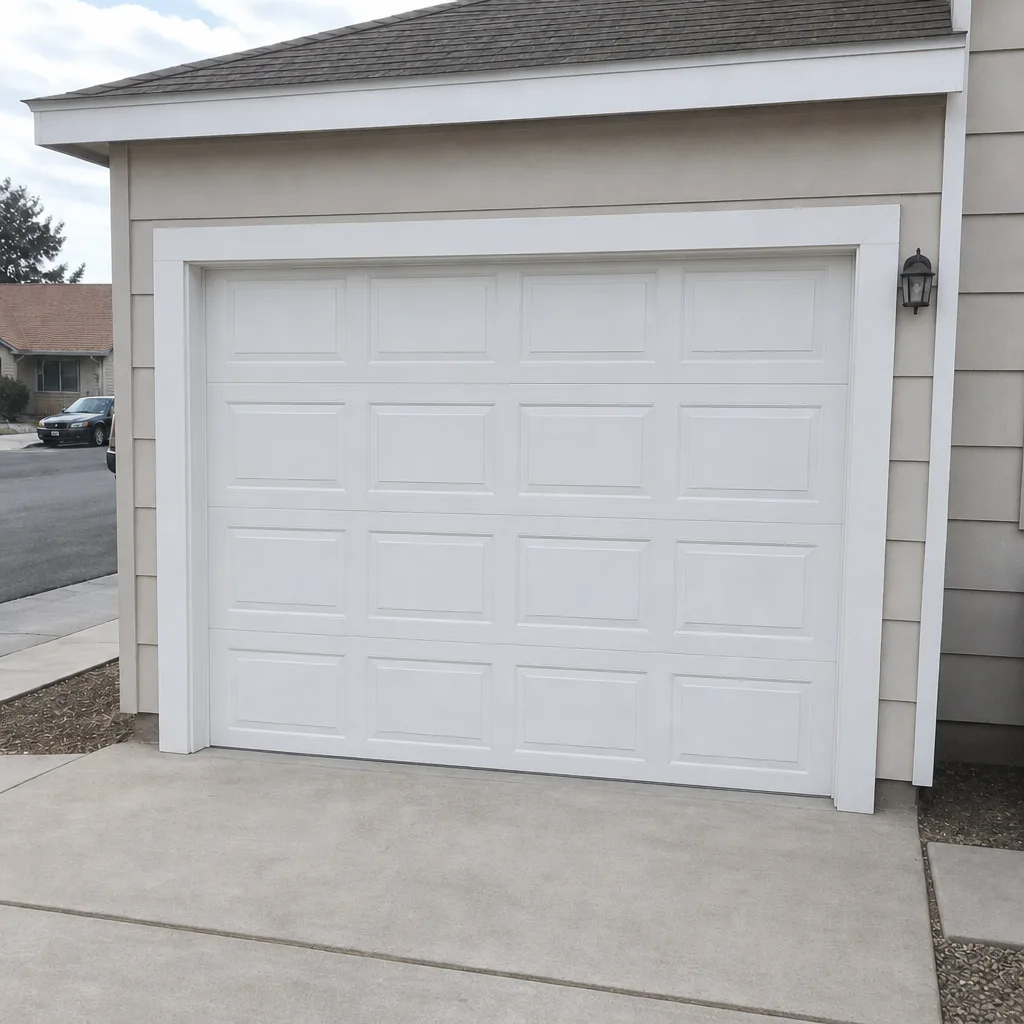 After
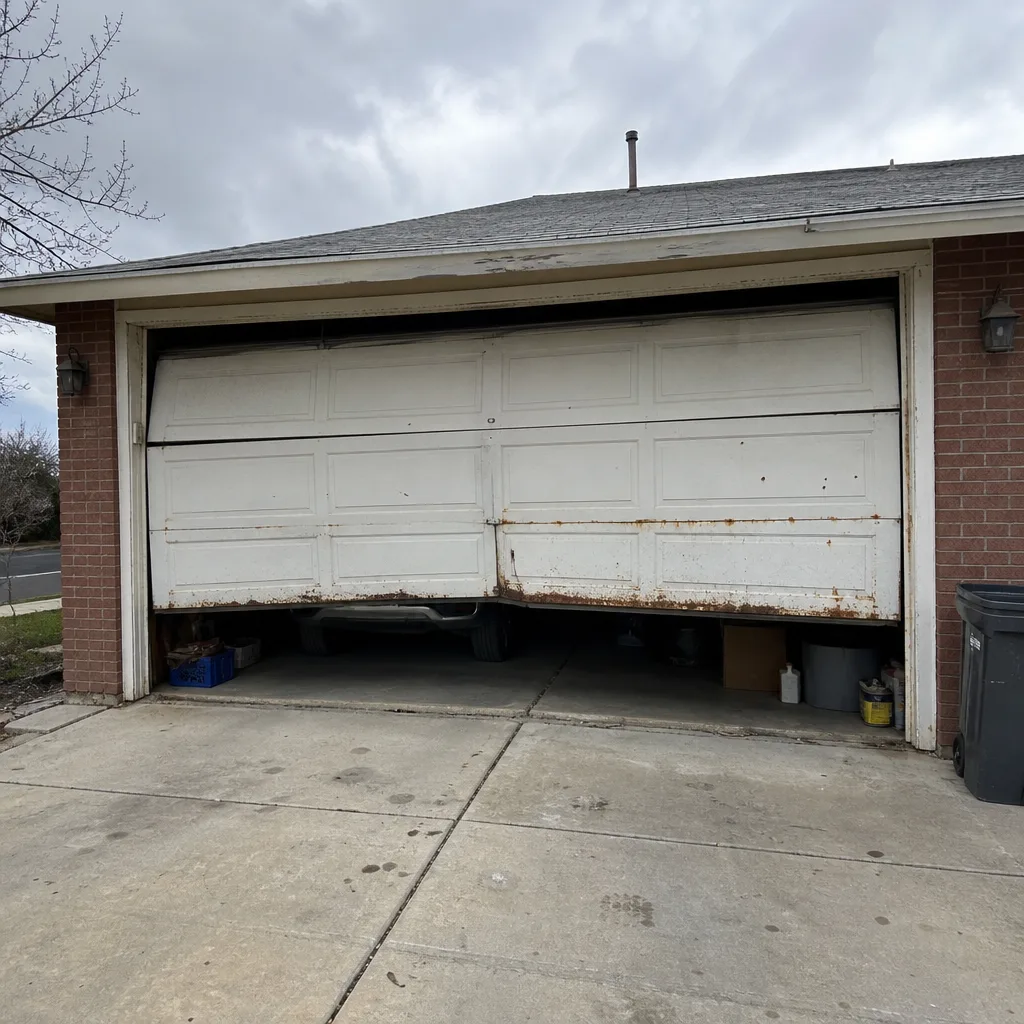 Before
 After
 Before
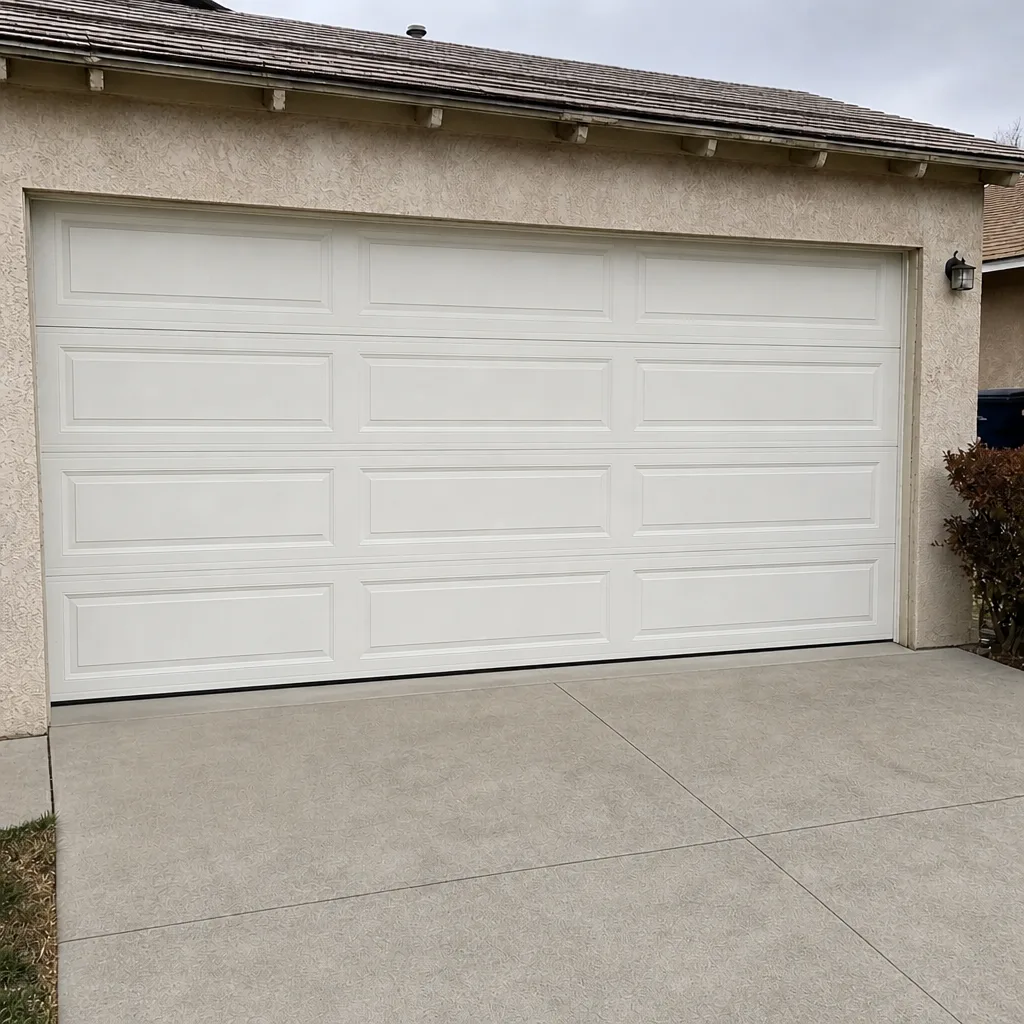 After
When to Call a Professional
Call a professional the moment your job involves spring work, header reinforcement, an opening size change, new electrical circuits, or any sign of structural concerns. This is not a decision about your skill level; it’s a decision about the risk and the permit record. Spring tensioning alone sends people to the emergency room every year, and header problems are the kind that look fine until they don’t. Mainspring Garage Door Co. Whitney offers free estimates in Whitney. Call (844) 797-9248 and we’ll look at your project, tell you what’s safe for you to handle, and quote the work that isn’t. Every flat price is stated before any work begins, so there are no surprises on the bill.
Frequently Asked Questions
Legally, yes, in most cases if you own and occupy the home. Like-for-like replacements in Whitney usually don’t require a permit. But if the opening size or the header framing changes, a permit and inspection are typically required, and unpermitted structural work can complicate a home sale. Confirm with the county permit office before you start.
No. Torsion springs store enough energy to cause serious injury, and the correct tension depends on the door’s exact weight. Professional installers use a spring chart and a tension gauge that aren’t generally available to homeowners. This is the one phase we won’t walk anyone through; call us instead.
Clopay and Amarr residential doors come with clear assembly instructions and standardized track hardware that a careful homeowner can follow. LiftMaster and Chamberlain openers are common and well-documented. Even so, the brand doesn’t change the spring risk or the header question, and those are the two steps that matter most.
Yes, and many Whitney homeowners do. Panels, tracks, and opener mounting can be done by a skilled homeowner with a helper. Bringing in a technician for the spring sizing, tensioning, and safety testing keeps the dangerous work off your plate. We’ll quote the spring phase on its own and inspect your work up front.
The header may need reinforcement, and the springs and opener must be sized for the new weight. We’ve seen this go wrong in older Whitney homes more than once. Have a contractor check the header and give you the door weight before you hang anything. Our Garage Door Repair in Whitney team sees the results of this mistake every year.
Yes. We quote full installations and we quote the spring and safety phase on its own for homeowners doing the rest of the work. The flat price is stated before work begins, most jobs are done in a single visit, and every job is covered by the 90-Day Done Right Promise in writing. For an overview of our full installation service, see our Garage Door Installation in Whitney page, or call us for a free estimate. We also carry Garage Door Opener in Whitney service for the electrical side.
The Bottom Line
A full garage door installation is more achievable for a skilled homeowner than many tradespeople will admit: the panels, tracks, and opener wiring are straightforward with a helper and a weekend. Two steps do not belong in DIY territory, and our position on them is firm. Spring tensioning depends on a door weight and a spring calculation that can’t be eyeballed, and header load calculation determines whether the frame above your opening can safely carry the new door. Cross both lines off your DIY plan and either hire them out or hand off the whole job. Either way, get the header checked first, confirm the permit question in Whitney, and don’t guess on a spring. A square deal on an installation today is cheaper than fixing a sagging header or a hospital visit tomorrow.
Call Mainspring Garage Door Co. Whitney at (844) 797-9248 for a free estimate. We answer every call with a live person, 24/7, and the flat price is agreed before any work starts.
Written by the team at Mainspring Garage Door Co. Whitney.