
Last updated November 17, 2026
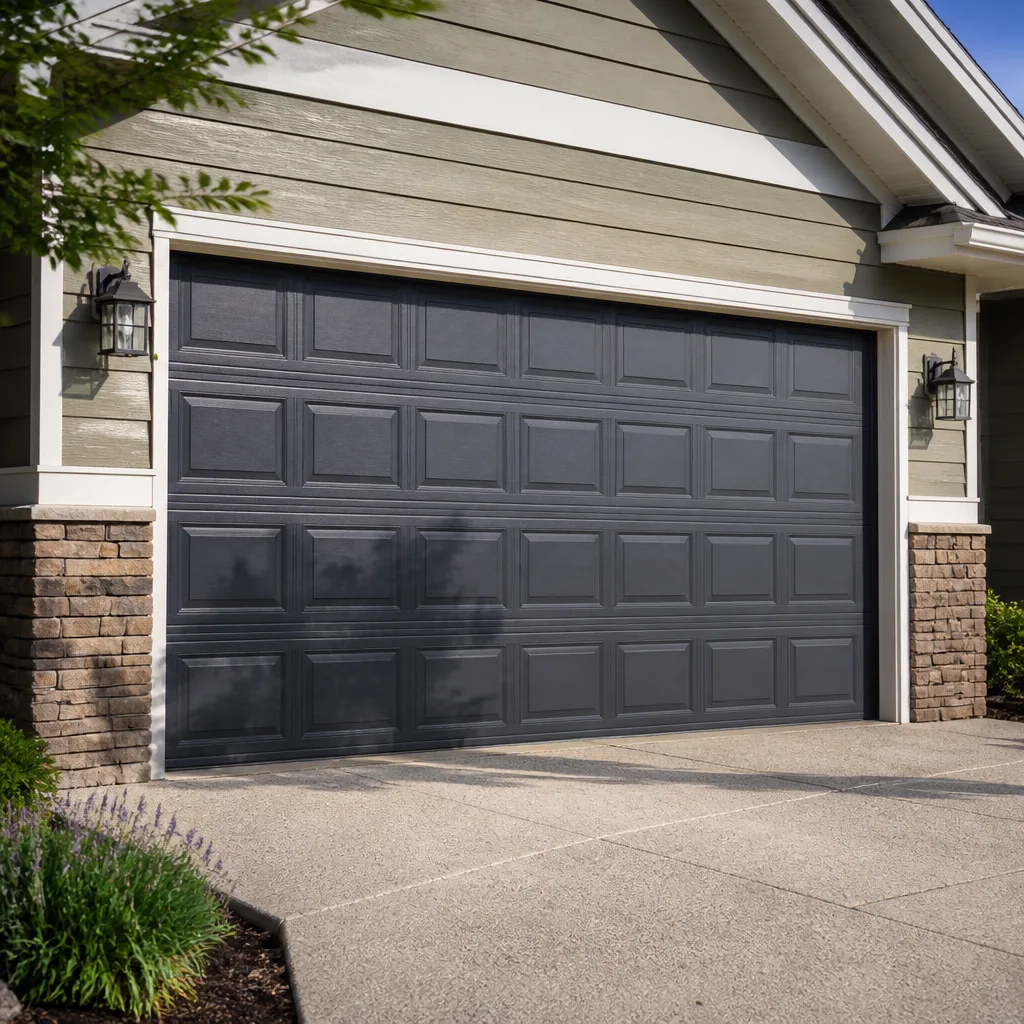 Raised-panel steel
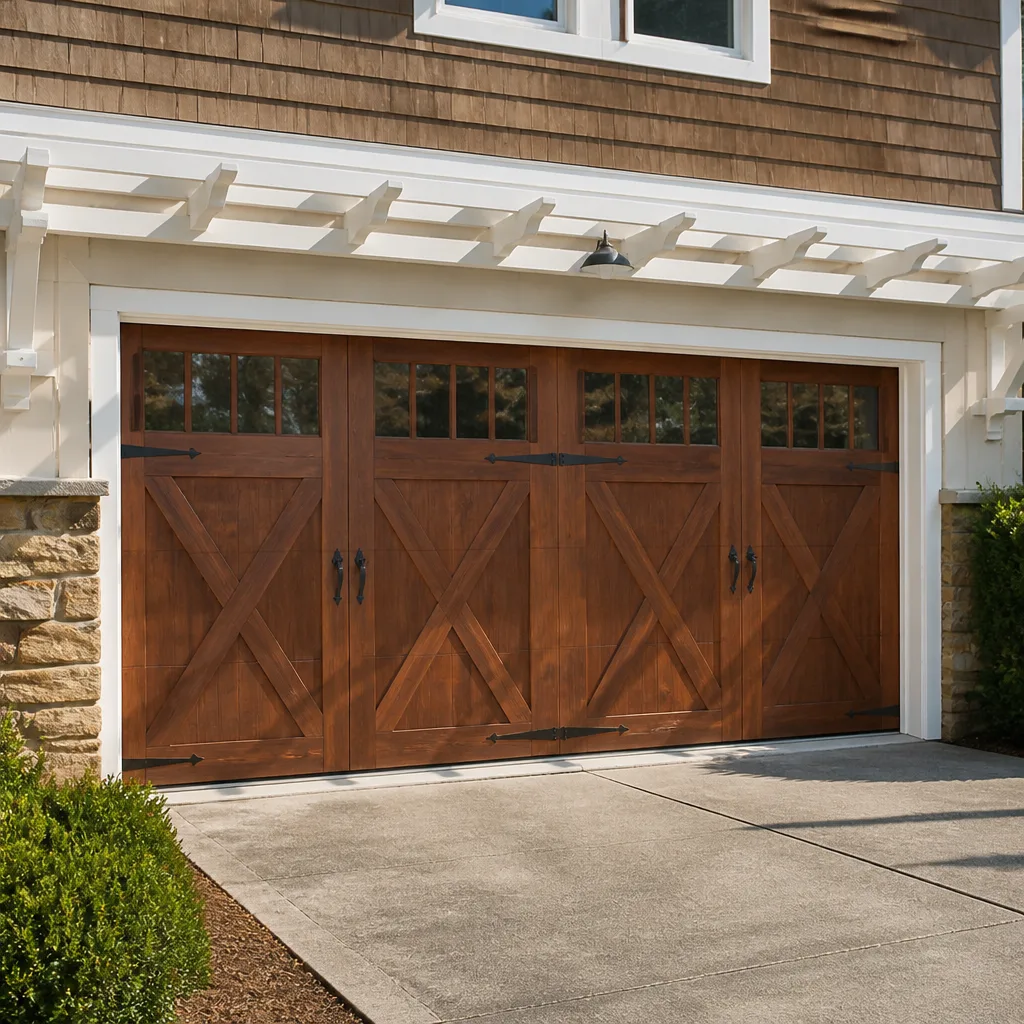 Carriage house
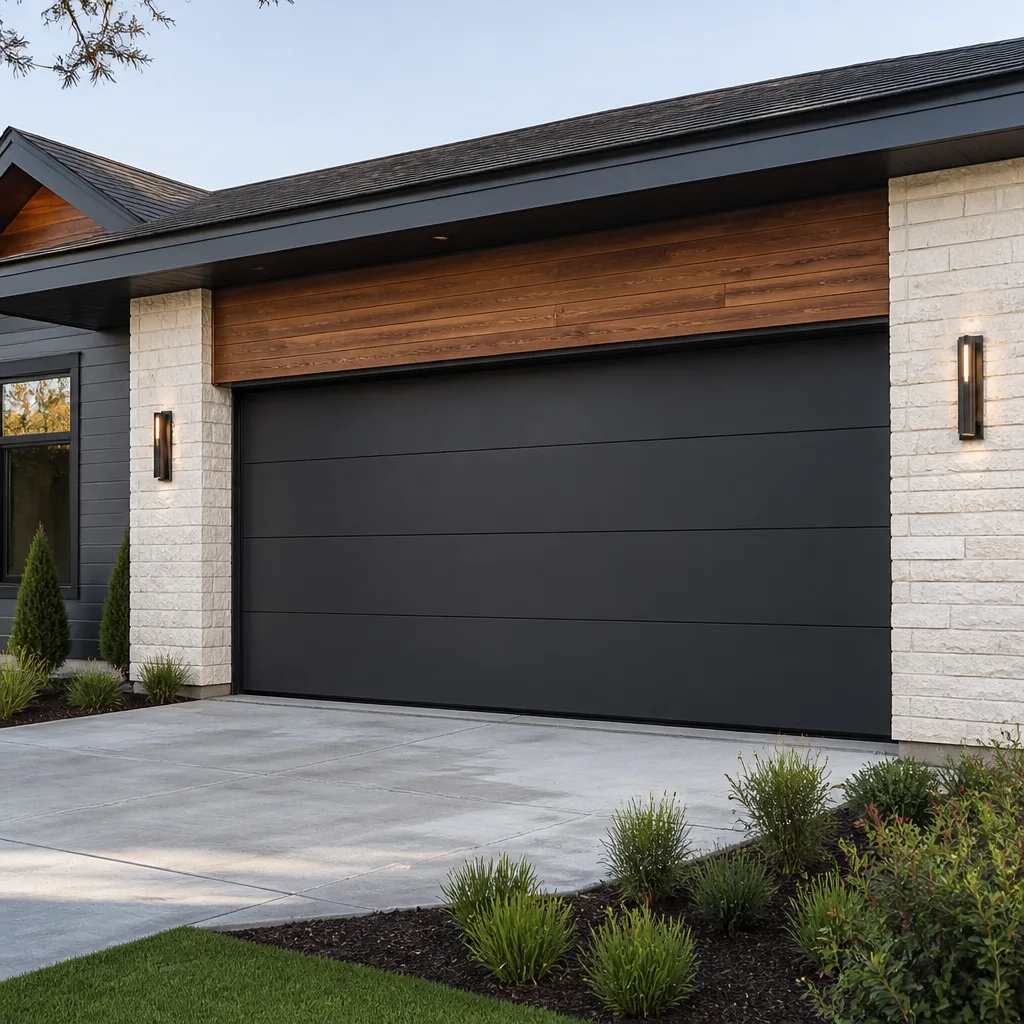 Modern flush
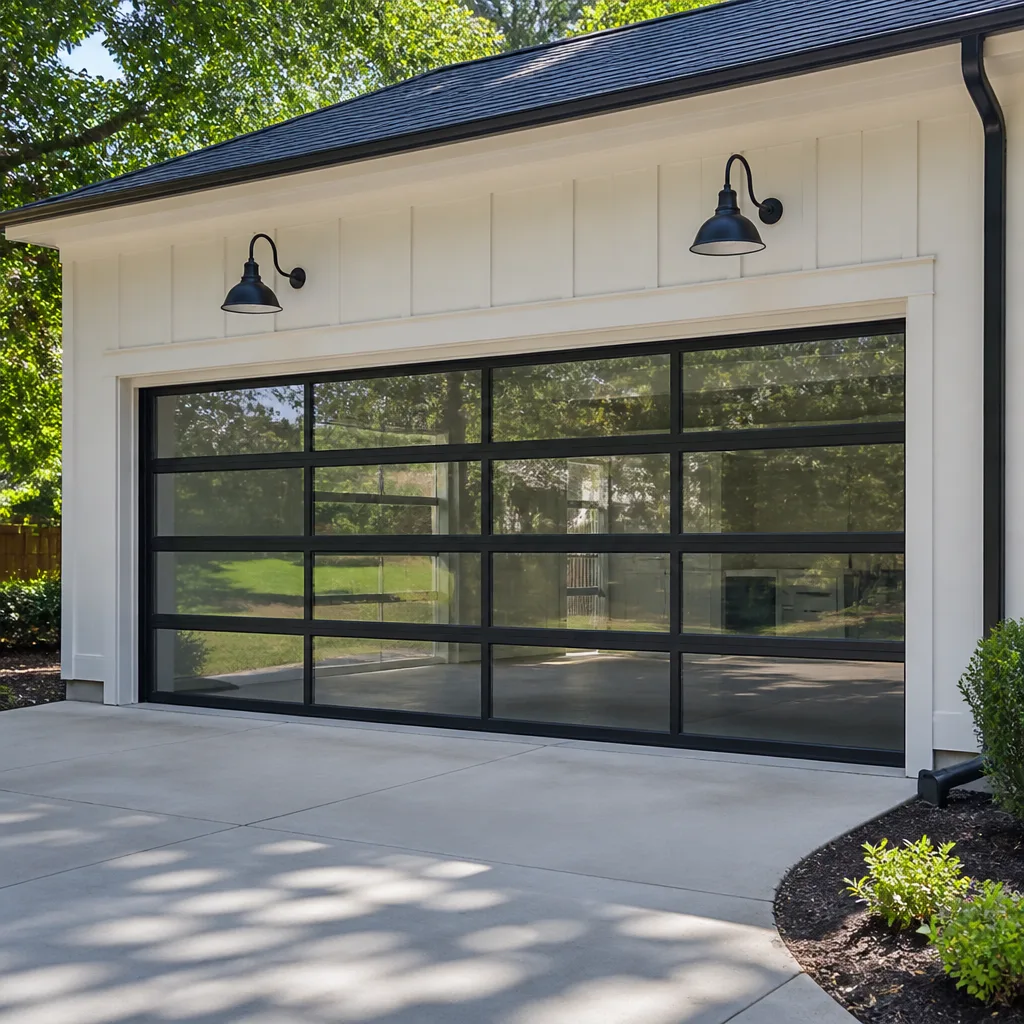 Full-view glass
 LiftMaster openers
 Chamberlain openers
Full 25-point door and opener safety check with every visit - springs, cables, rollers, tracks, and your LiftMaster or Chamberlain opener included
You get a price before we start. It does not change when the pro arrives.
Get your free estimateDIY vs Professional Garage Door Parts: What’s Safe to Do Yourself
A wound torsion spring holds enough stored energy to move a two-ton door with one hand, and enough to do serious damage if it lets go the wrong way. Think of it as a loaded firearm bolted to the wall above the door – pointed at whoever releases it wrong. That single fact is a better guide than any skill-level quiz you’ll find online. It’s not about whether you own the right wrenches. It’s about whether the part in front of you is holding energy. In this guide, we’ll split every common garage door part into two bins – stored-energy and passive – walk through the exact steps for the parts you can safely handle, and show you plainly when a professional call in Whitney is the cheaper road.
Quick Answer
Anything under mechanical tension or electrical load – torsion springs, extension springs, cables, bottom brackets – is professional territory, full stop. Passive parts like weatherstripping, rollers on a door with the tension already off, and photo-eye alignment are safe to handle for most homeowners. The dividing line isn’t skill; it’s stored energy. If a part is holding force back or completing a circuit, call a trained technician.
Styles & brands we work with
- Raised-panel steel
- Carriage house
- Modern flush
- Full-view glass
- LiftMaster openers
- Chamberlain openers
Table of Contents
- What Counts as a Stored-Energy Part?
- What Counts as a Passive Part?
- Why the Bottom Bracket Is Also a No-Touch Zone
- How to Safely Work on a Door With the Tension Removed
- The Opener: Boards and Resets vs. Wiring and Motor Work
- When DIY Saves Real Money vs. When It Costs More
- Common Mistakes to Avoid
- When to Call a Professional
What Counts as a Stored-Energy Part?
Every part holding a load belongs in the professional-only column. That’s the honest dividing line, and we’ve seen it hold true across every brand we work on – Clopay, Amarr, LiftMaster, Chamberlain, Genie, Wayne Dalton, and the rest.
Stored-energy parts include:
- Torsion springs – the horizontal coil above the door. Held under hundreds of pounds of tension, released with matching bars, never by hand.
- Extension springs – the coils that run beside the track on older doors. They need safety cables because a failed one becomes a projectile.
- Lift cables – the braided steel that wraps the drum. A slipping cable can slice through a glove and a hand.
- Bottom brackets – the steel plate at the door’s base that anchors the cable. More on why below.
- Center bearing plates and drums – the assembly that holds the shaft and the cable. Removing one releases tension stored elsewhere.
Spring failures are more common in Whitney than in cooler parts of the valley. We regularly see winter and spring failures here because the swing between summer highs and cold desert nights works the metal harder than a stable climate does. That constant cycling is one reason a spring that looked fine in October can shear in February.
None of these parts are safer because you watched a video. Torsion springs alone need two proper winding bars, a working knowledge of wire gauge, and the stamina to hold tension while working. We don’t hand that job to anyone without training, and we’d encourage you not to either.
What Counts as a Passive Part?
Passive parts aren’t holding energy. They’re bolted in place, clipped on, or simply guide the door. These are the jobs most homeowners can finish on a Saturday without a service call.
Safe-to-tackle parts include:
- Weatherstripping – the rubber seal along the bottom edge and the frames. Pull the old strip, slide on the new, done.
- Rollers (on a door with tension removed) – nylon rollers wear out and rattle. Replace them only after the door is fully down with the tension off.
- Photo-eye alignment – if the door reverses for no reason, the small sensors at the base may be knocked out of line or dusty.
- Hinges and handle hardware – plain metal bolts, no tension.
- Light bulbs in the opener housing – swap in the right wattage and skip the guesswork.
Whitney homes sit close to open desert and wind-blown dust, so bottom seals and side weatherstripping wear faster than in sheltered neighborhoods. A worn bottom seal lets the desert heat and grit into the garage, and it also strains the opener as the door drags. If your weatherstripping is cracked or missing chunks, that’s a low-risk job to take on yourself.
One caution: passive on a slack door isn’t passive on a tensioned one. Never slide under a raised door to swap a roller. Handle rollers only after the door is fully lowered and the tension is off.
Why the Bottom Bracket Is Also a No-Touch Zone
Here’s the part most guides skip. The bottom bracket looks like ordinary hardware, so homeowners treat it that way and get hurt. It isn’t ordinary. The bottom bracket is the anchor point where the lift cable ties into the door. That cable is holding the full tension of the spring system. Loosen the bracket and the cable can release with enough force to fracture a wrist or worse.
In our experience, this is the single most misunderstood part in the trade. People read that springs are dangerous and stop there. But the bracket at the bottom of the door is the second half of the same energy loop. It’s on the same system. Treat it the same way.
How to recognize the safe and unsafe versions:
- A bottom roller bracket that only holds a roller can sometimes be swapped if the door is fully down and the cable isn’t threaded through it – but check with a technician first if you’re uncertain.
- A bottom bracket with the cable attached is never DIY. That bracket is holding tension, no matter how the door looks.
- If the cable runs through the bracket, or the bracket has a slot with the cable end resting in it, stop and call.
We’ve seen doors in Whitney where a homeowner removed the bottom bracket to fix a bent roller and the cable let go, bending the door panel and stripping the bracket track on the way down. Repairing that damage cost more than the original service call would have by a wide margin.
This is where our no-surprises pricing matters. If you call because you’re unsure about a bottom bracket, the price is agreed before anyone touches it. You’ll know the number up front.
How to Safely Work on a Door With the Tension Removed
Some jobs become safe once the energy is off the system. The trick is not to remove the tension yourself – that’s the professional’s job. But if the door is fully closed, the springs are unwound, or a technician has already relieved the tension, you can handle the passive parts with care.
Follow these steps whenever you’re working on a door that could be under load:
- Close the door completely. The door needs to be fully down and resting on the floor before you touch anything.
- Disconnect the opener. Pull the red emergency release handle so the opener isn’t holding the door. You’ll hear the trolley disengage.
- Confirm the door isn’t holding itself open. Lift the door a hand’s width and let it go. If it stays up, the springs are still tensioned and you should stop.
- Lock the door down. A pair of locking pliers on the track just above the bottom roller keeps the door from rising unexpectedly.
- Wear eye protection and gloves. Cables can snap; dust and grit will fall from the tracks.
- Work only on passive parts. Weatherstripping, a roller with the tension off, or a photo-eye you can realign with a finger or a cloth. Nothing else.
- Reconnect and test. Re-engage the opener, run the door through one full cycle, and watch the reversal test.
If a door in Whitney isn’t behaving after you finish – binds, stalls, or reverses without reason – stop fighting it. The next part to check is usually a tensioned one, and that’s where the phone comes out. Our team can handle garage door repair in Whitney and confirm the system is right without guesswork.
The Opener: Boards and Resets vs. Wiring and Motor Work
Opener work sits on the same dividing line. Logic-board troubleshooting and simple resets are reasonable DIY territory. Wiring, capacitors, and motor work are not – those carry mains voltage, and the capacitors can hold a charge even after the power is off.
What’s fair to try yourself:
- A full reset. Kill power at the breaker for thirty seconds, restore it, and see if the opener clears the fault on its own.
- Photo-eye alignment. Check both sensors are pointed at each other, clean the lenses, and look for a blinking indicator light.
- Remote and keypad battery swaps. Plain and simple.
- A known-good logic board swap on a plug-in module. Only if the board is a clearly labeled plug-in type on your Genie or Chamberlain opener and you’ve confirmed the fault matches the manufacturer’s code chart.
What’s not fair to try:
- Opening the motor housing to check a capacitor or the drive gear.
- Rewiring anything inside the opener or the wall control wiring.
- Replacing a hard-wired board on a Chamberlain or LiftMaster unit that requires splicing.
The honest rule: if you have to open the housing and touch a wire, call a technician. We’ve seen Whitney openers damaged by a DIY board swap gone wrong – a crossed lead caused a short that killed the unit and the wall control together. The garage door opener in Whitney work our team does is a straightforward job, and it’s covered by our 90-Day Done Right Promise.
When DIY Saves Real Money vs. When It Costs More
Here’s the honest cost comparison. Some DIY projects save you real money. Others cost you more than a professional call would have, once a botched attempt has to be undone.
A quick look at the typical ranges (Whitney market, 2026):
- Weatherstripping replacement – parts run $20 – $60 for a standard single-car door. Hiring a pro usually runs $90 – $160. DIY saves the labor. A well-spent Saturday.
- Roller replacement – a set of nylon rollers runs $30 – $60. A pro replacement is typically $120 – $200. DIY saves the labor but only if you can safely take the tension off first – and that part rarely is DIY-safe.
- Torsion spring replacement – professional service typically runs $220 – $380 for a standard door. DIY attempts can cost far more in emergency calls, door damage, and medical bills. This is where the cost comparison falls apart, in favor of professional.
- Cable replacement – professional service typically runs $150 – $280. A snapped cable under load can cause thousands in damage to the door and the frame.
- Opener board swap – a board is $40 – $120 in parts. A misdiagnosed board and a failed install can double that with the cost of a full opener replacement.
Two factors settle it. First, the second visit. If a DIY fix fails, you often pay twice – the part plus the pro call – so the savings evaporate. Second, the safe range. If you need to touch a spring, a cable, or the bottom bracket, the money saved isn’t worth the risk to your hands and your door.
We keep a $50 Off Any Repair Over $250 standing offer and a free second opinion on any written estimate, and the flat price is always agreed before any work begins. So the final bill is not a mystery. If you want to compare, our estimate is free. Call (844) 797-9248.
Common Mistakes to Avoid
- Touching a bottom bracket as if it were ordinary hardware. The cable anchor is part of the energy system. It’s not a hinge. Leave it alone.
- Winding a spring by “feel.” Torsion springs need a torque calibration and two bars. Snapping a winding bar can throw it across a Whitney garage.
- Replacing extension springs without safety cables. A retired extension spring can fire off the track. Every new spring needs a cable rated for the load.
- Working on a door that isn’t fully closed. Whether to lift a door for access is a habit worth breaking. Always lower it first.
- Swapping the opener board without confirming the fault. A reset clears many phantom faults. Test it before you spend on parts.
- Ignoring the desert dust. Whitney weather strips and seals wear down in the wind-blown grit. Inspect them once a year and stay ahead of it.
- Cutting your own safety margin. Working on a ladder or under a raised door to save fifteen minutes. The door weighs what it weighs; gravity doesn’t care how confident you feel.
When to Call a Professional
Call us when the part is holding energy or current: torsion and extension springs, lift cables, bottom brackets, drums, and center bearings. Call when the opener needs the housing opened, the wiring touched, or the motor checked. Call when a Whitney door won’t run through a clean full cycle or reverses without reason after a reset. Call when the door is bent, off-track, or sitting crooked – that usually means stress concentrated where it shouldn’t be.
And call if you’re unsure. Uncertainty is the honest signal. If you can’t say with confidence whether a part is under tension, treat it as if it is.
Mainspring Garage Door Co. Whitney offers free estimates in Whitney – call (844) 797-9248. A live person answers, day or night, and the flat price is stated before any work begins.
See the difference
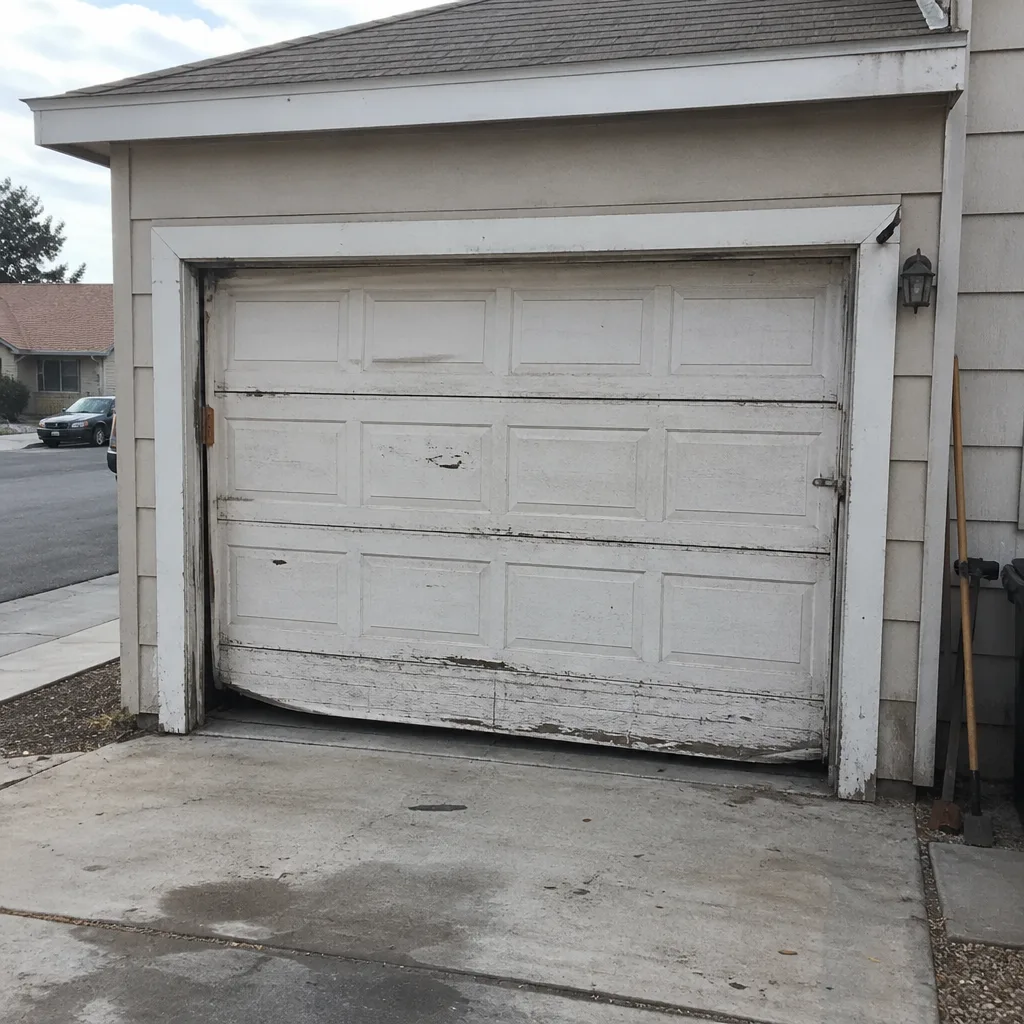 Before
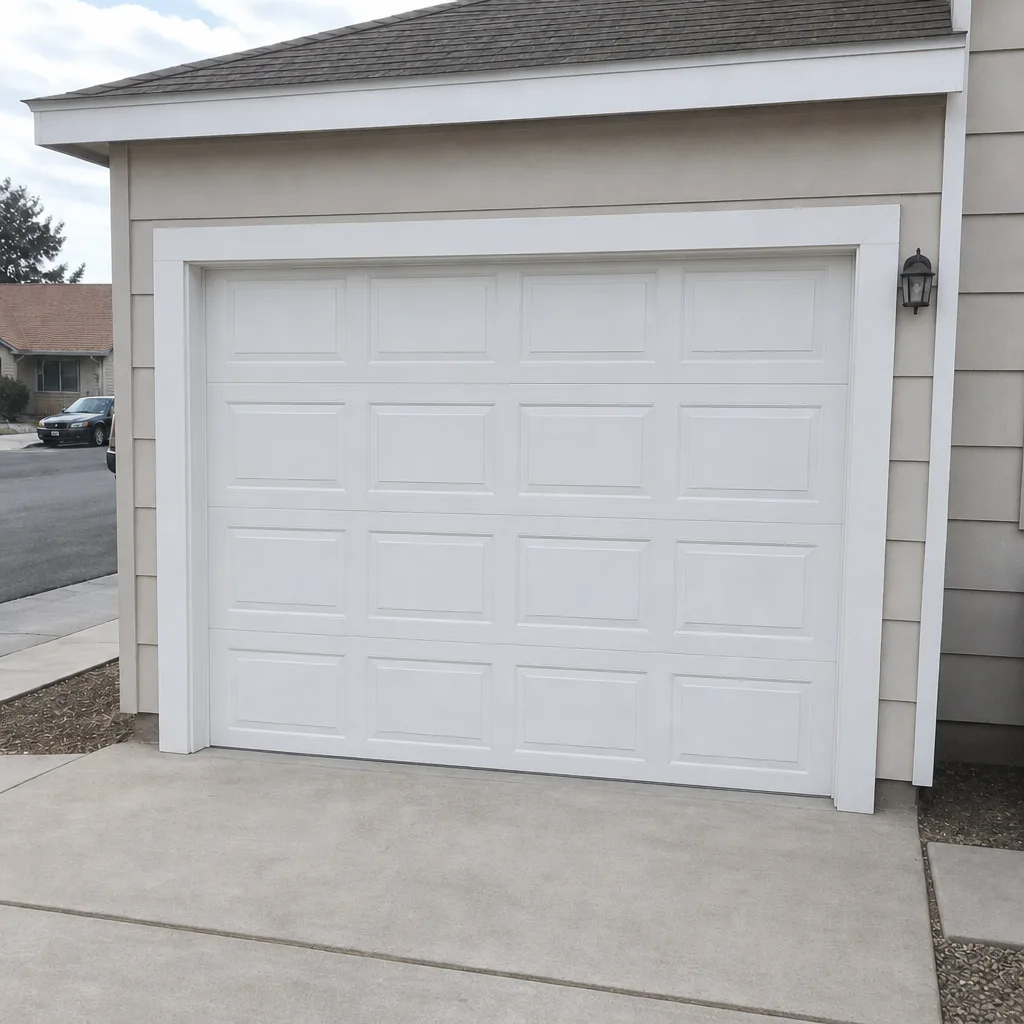 After
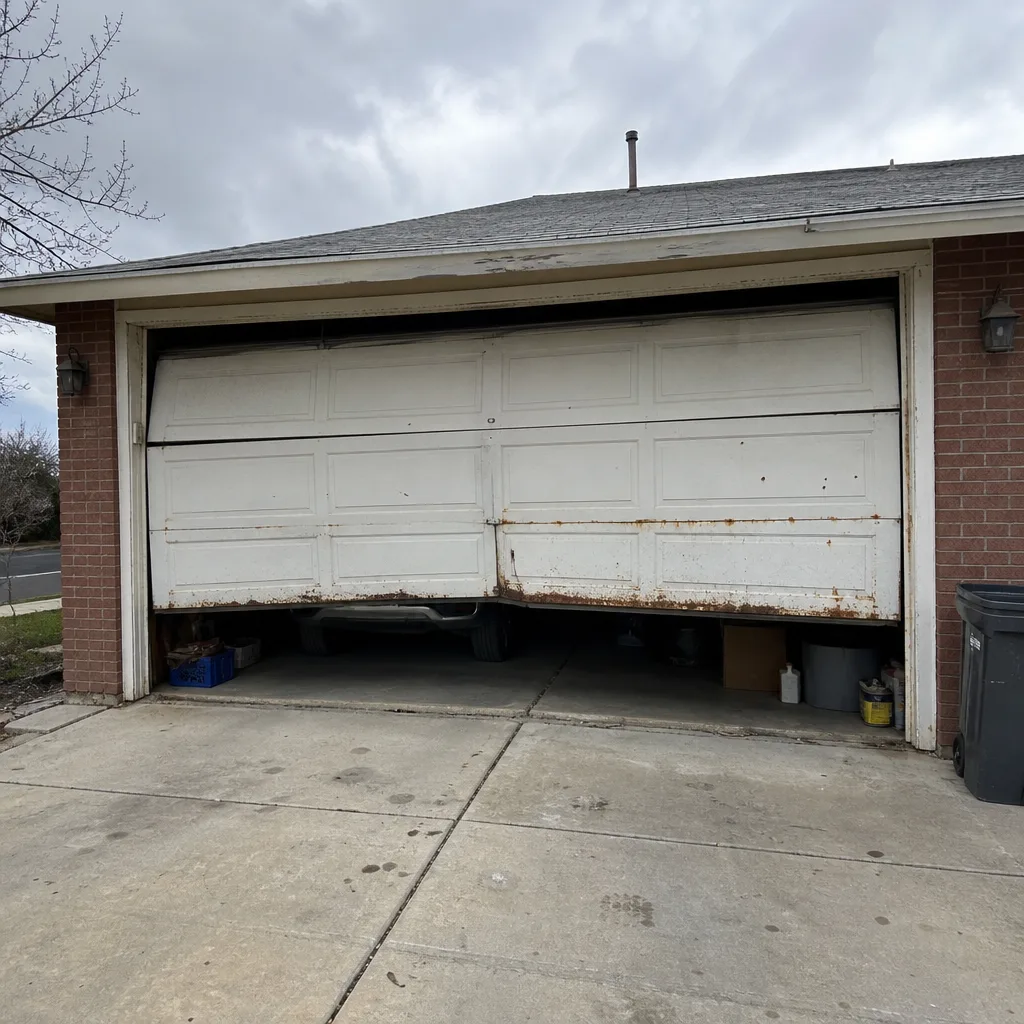 Before
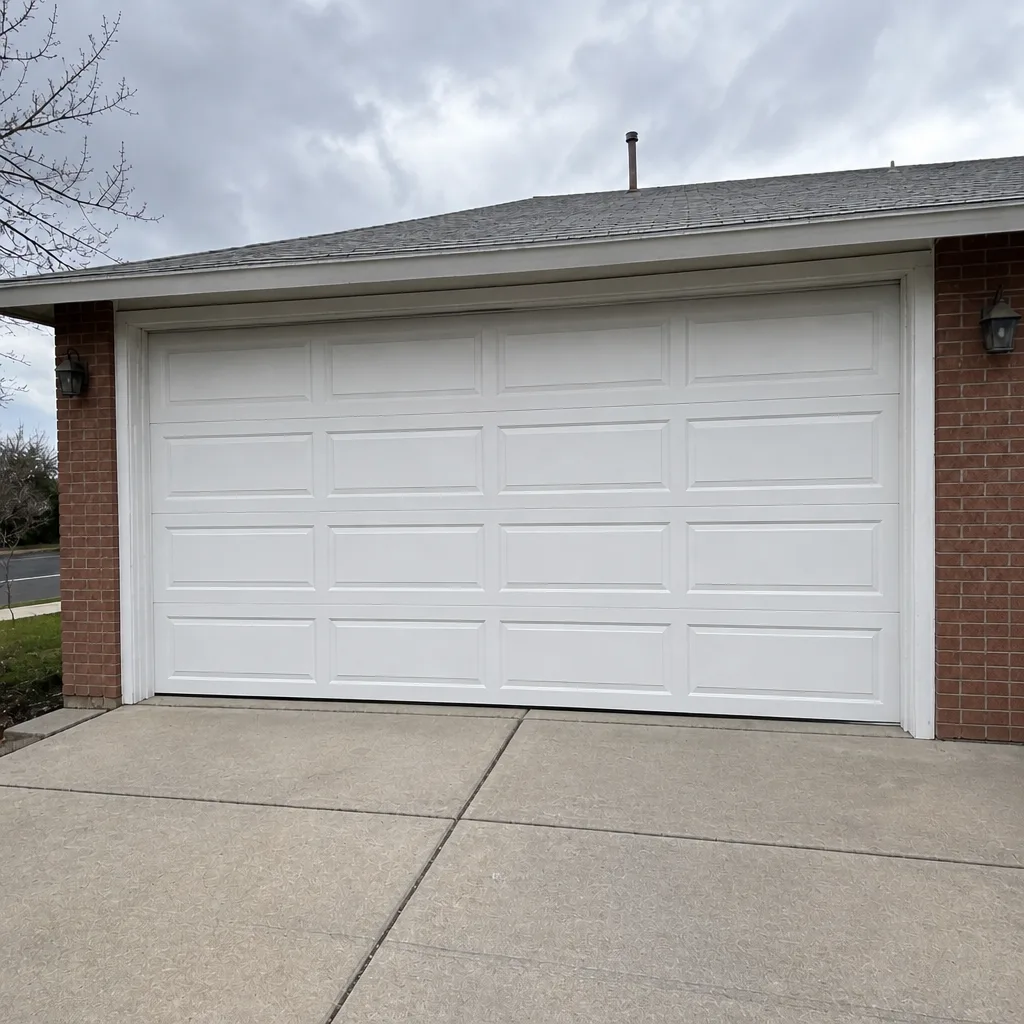 After
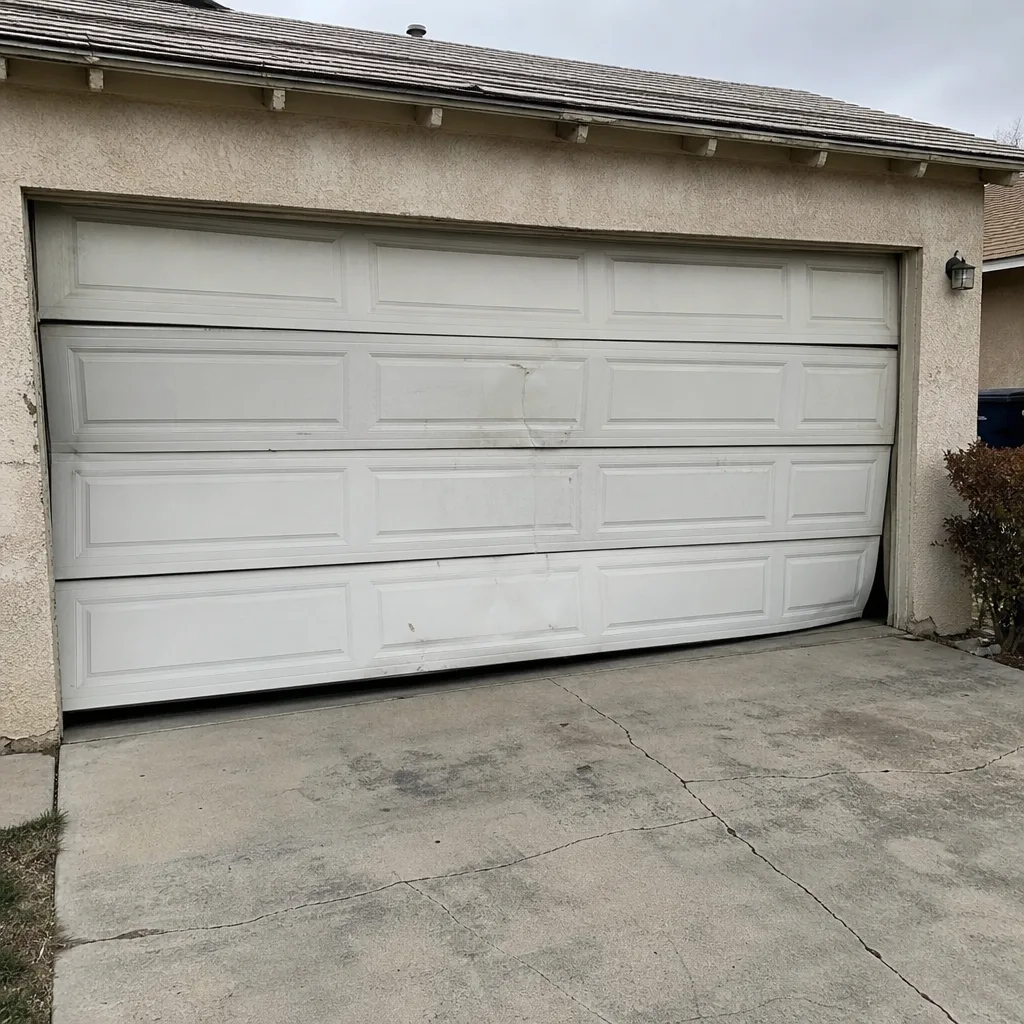 Before
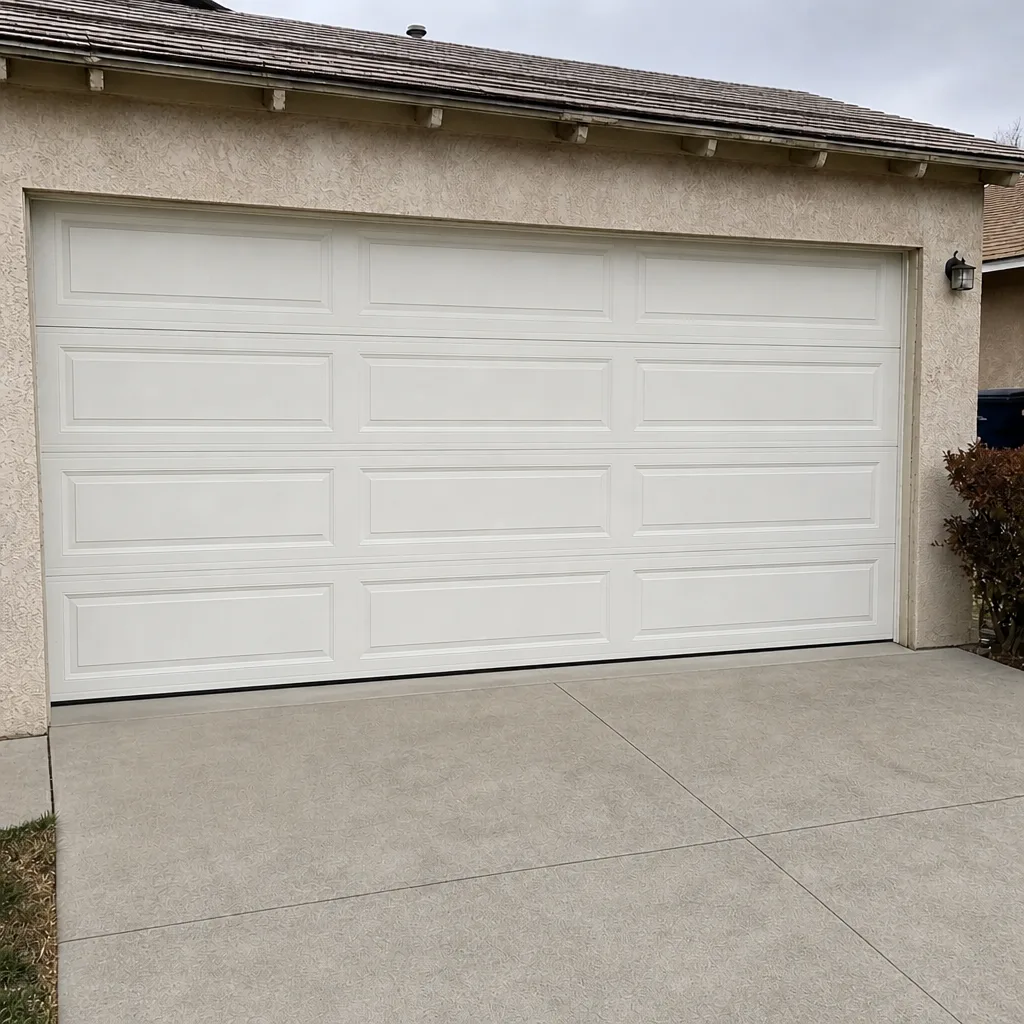 After
Frequently Asked Questions
No. Garage door springs are under several hundred pounds of tension, and a released spring can shatter bones or worse. Cables, bottom brackets, and any part holding stored energy belong to a trained technician. Call (844) 797-9248 for a free estimate.
Weatherstripping, bottom seals, hinges, a handle, and photo-eye alignment are safe for most homeowners. Rollers can be replaced yourself only when the door is fully down and the tension is off – otherwise, call a professional. Even a small job gets the right diagnosis on the phone before you start.
Many repairs can be done in a single visit because technicians arrive with springs, cables, and opener parts already on the truck. Call (844) 797-9248 and we’ll tell you honestly what we can do and when.
No. The flat price is quoted and agreed before any work starts, so the number you hear is the number you pay. The only changes would come from work you approve in advance. Call (844) 797-9248 for a free estimate.
Yes. Our technicians are background-checked and insured, and they train as journeymen under the K.E.Y.S. values code. Every job carries our 90-Day Done Right Promise in writing. If it isn’t right, we come back at no charge. Call us to book a Whitney visit.
Only if it’s a clearly labeled plug-in module and you’ve confirmed the fault against the manufacturer’s code chart. A reset first is always worth trying. If the board is hard-wired or the motor needs opening, that’s professional work – the capacitor can hold a charge. Call (844) 797-9248 for a free second opinion on any written estimate. For a new door rather than a repair, see our garage door installation in Whitney page.
The Bottom Line
The DIY-or-not question comes down to stored energy. Springs, cables, bottom brackets, and drums are always professional territory – not because you lack skill, but because those parts are holding force that will release no matter how carefully you work. Weatherstripping, seals, hinges, and photo-eye alignment are safe for most homeowners to handle. Opener resets are fair game; the housing and wiring are not.
If you’re unsure where a part falls, treat it as tensioned and call. At the end of the day, the flat price is agreed before we start, the 90-Day Done Right Promise is in writing, and a live person answers the phone. That’s the square deal we offer every Whitney homeowner.
For a free estimate or a second opinion on any written quote, call (844) 797-9248. You can also start at our Mainspring Garage Door Co. Whitney home page.
Written by the team at Mainspring Garage Door Co. Whitney.