
Last updated November 17, 2026
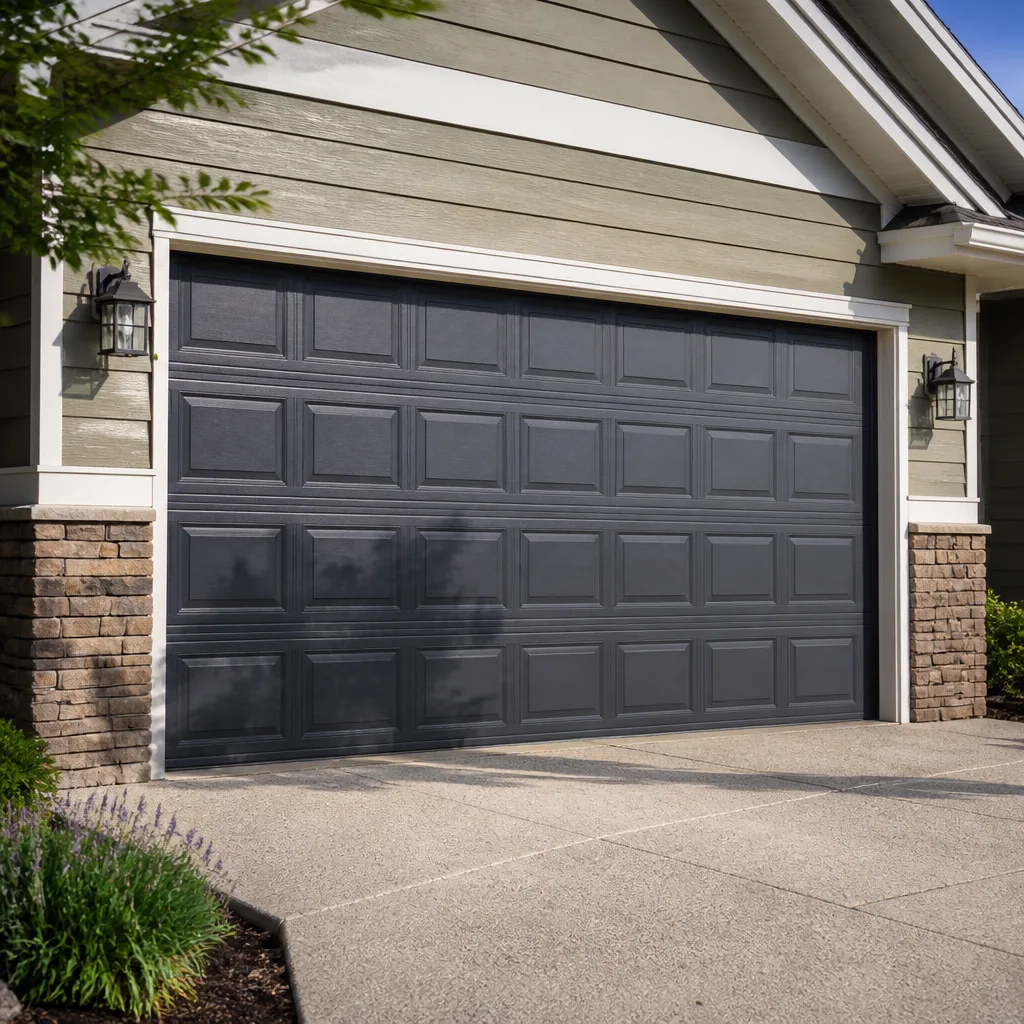 Raised-panel steel
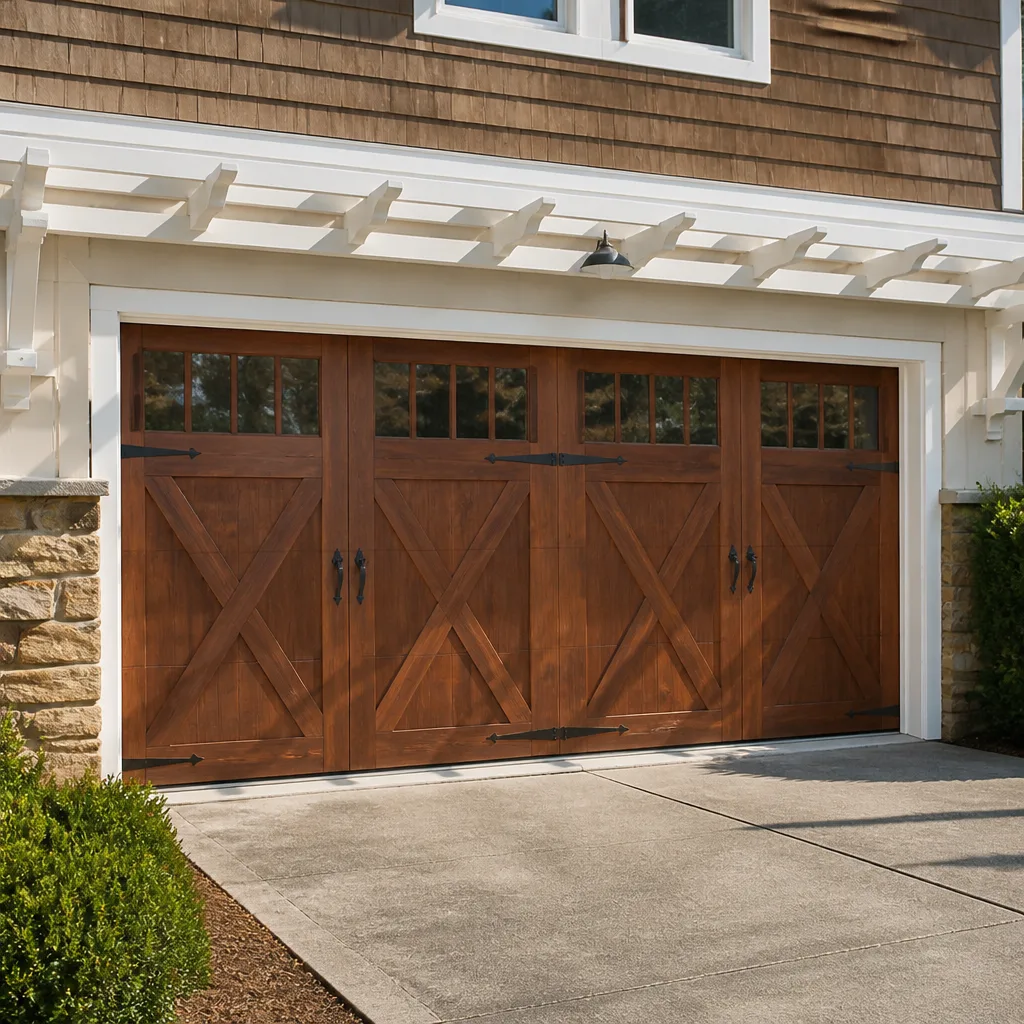 Carriage house
 Modern flush
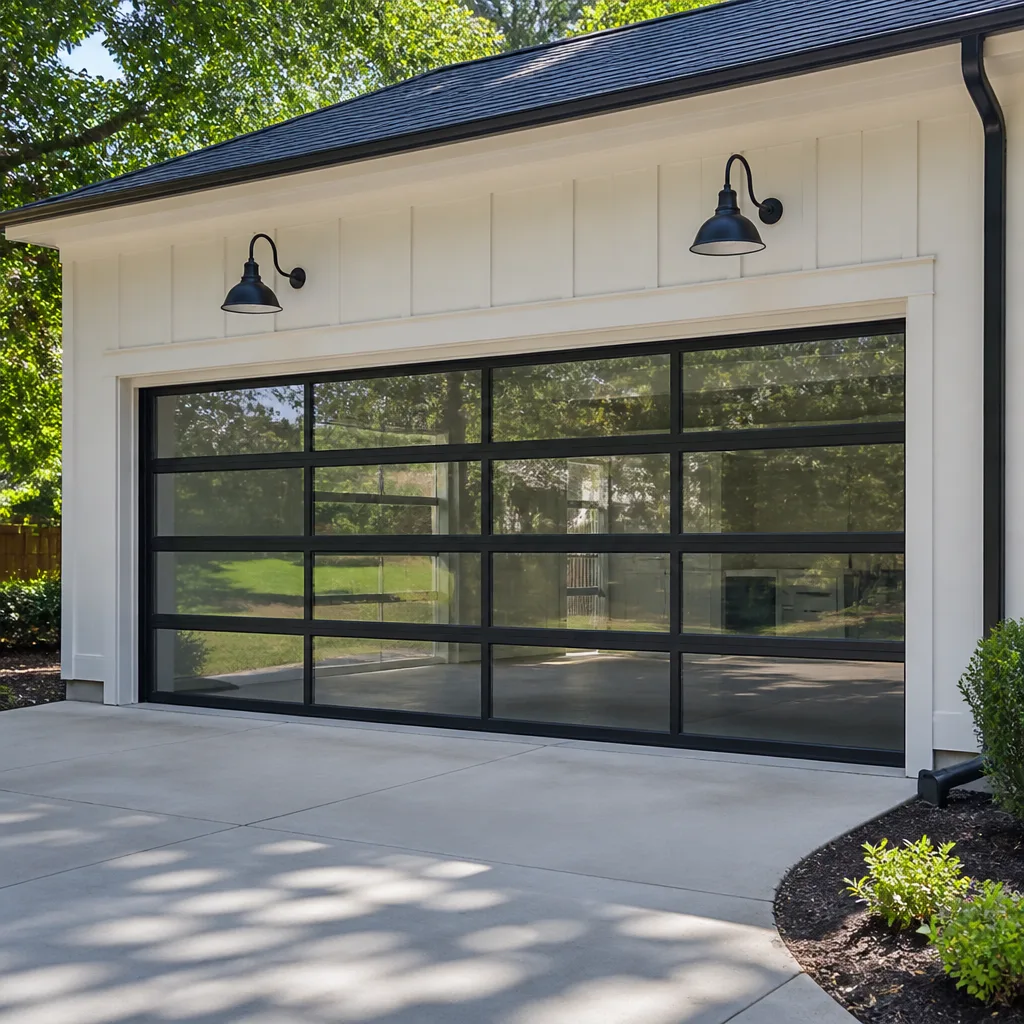 Full-view glass
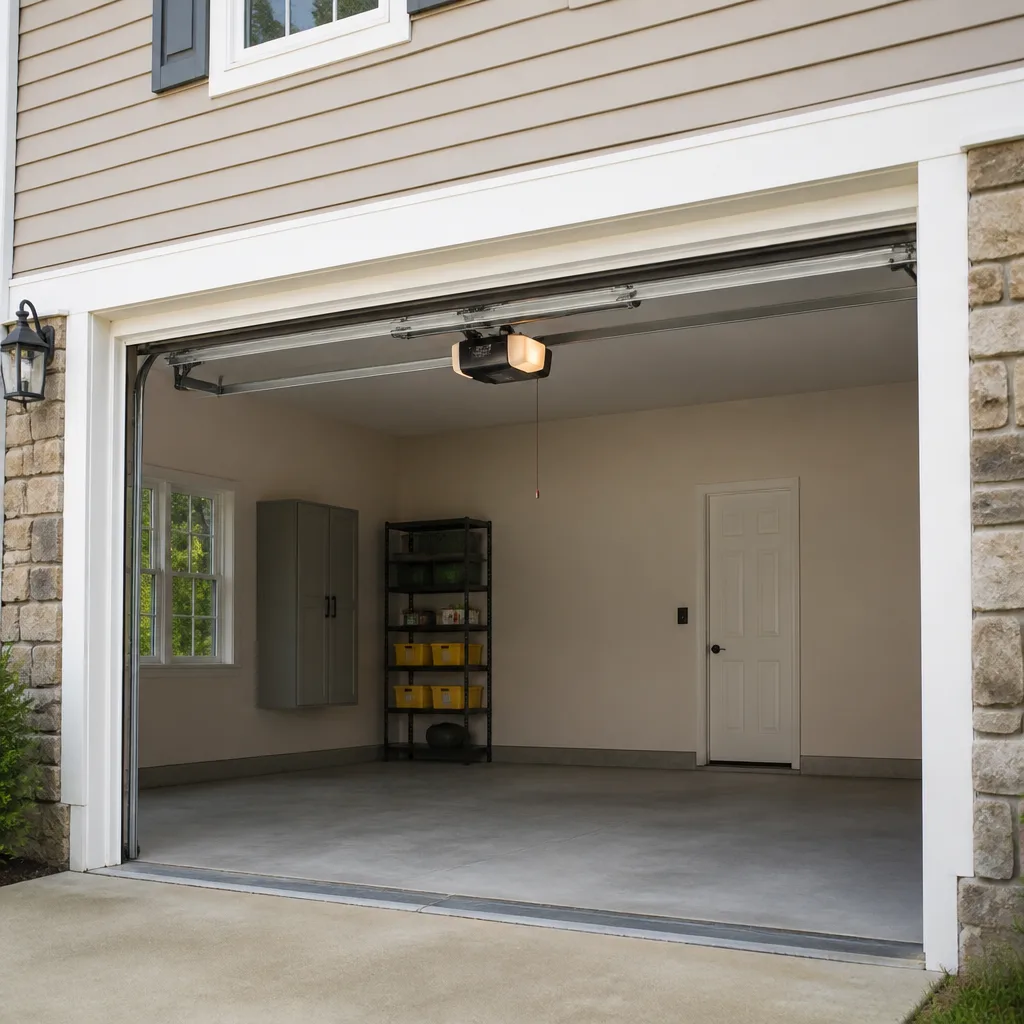 LiftMaster openers
 Chamberlain openers
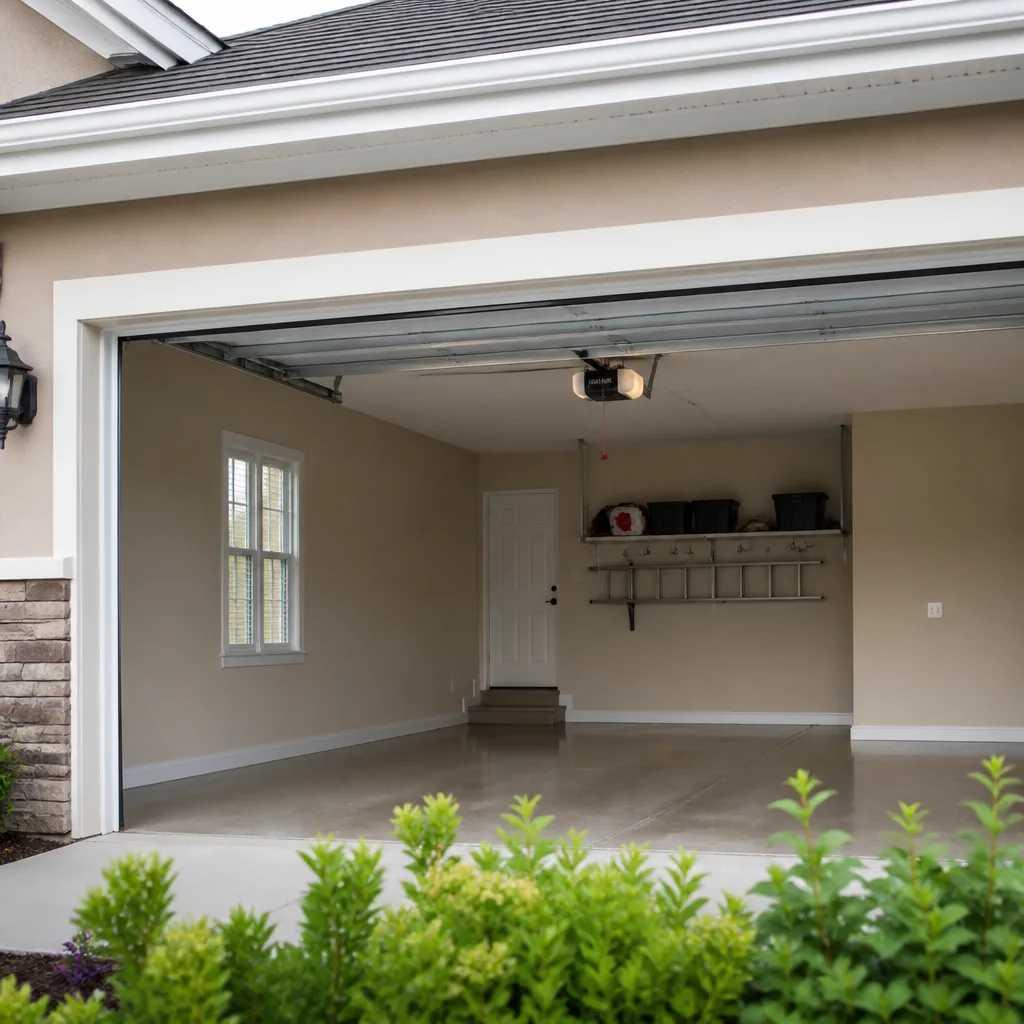
Full 25-point door and opener safety check with every visit - springs, cables, rollers, tracks, and your LiftMaster or Chamberlain opener included
You get a price before we start. It does not change when the pro arrives.
Get your free estimateGarage Door Opener Maintenance Schedule: What to Do and When
The part that usually ends an opener’s life isn’t the motor. It’s the drive gear, a nylon or steel component that grinds itself smooth because nobody ever greased it. We’ve pulled plenty of units out of Whitney garages that still had a perfectly good motor and a gear box full of powder. A four-dollar tube of white lithium grease, applied once a year, is often the difference between replacing an opener at eight years and getting eighteen out of it. This guide lays out what to do monthly, every six months, and annually, with the drive-specific details most schedules leave out.
Quick Answer
A garage door opener needs three tiers of attention: a visual inspection and remote test every month, lubrication and a force test every six months, and a full travel-limit calibration with a hardware torque check once a year. The two tasks that matter most for longevity are drive lubrication and the force test, because they’re the ones that catch wear before it becomes a replacement.
Styles & brands we work with
- Raised-panel steel
- Carriage house
- Modern flush
- Full-view glass
- LiftMaster openers
- Chamberlain openers
Table of Contents
- Why the Drive System Fails Before the Motor Does
- Monthly: What to Check in Five Minutes
- Every Six Months: Lubrication and the Force Test
- Annually: Travel Limits and Hardware Torque
- Chain, Belt, and Screw Drives: Different Schedules, Different Parts
- How Whitney’s Dust and Temperature Swings Change the Schedule
- Five Signs Maintenance Was Deferred Too Long
- Common Mistakes to Avoid
Why the Drive System Fails Before the Motor Does
An opener motor is a simple, overbuilt thing. It spins a shaft. What fails is everything downstream of that shaft: the drive gear, the trolley, the rail bushings, the chain or belt itself. These parts wear against each other millions of times over a decade, and every one of them depends on lubrication and correct force settings to wear slowly rather than quickly.
The drive gear takes the worst of it. On a typical residential unit, that gear meshes with a worm shaft every time the door moves, and if the grease film breaks down, the gear teeth shear off one by one. You won’t notice until the opener starts making a grinding sound and the door stops responding. By then the gear is gone.
The force setting is the second silent killer. Openers are rated to push and pull a certain amount of resistance. When that setting drifts too high, the opener keeps forcing a door that’s binding or a track that’s out of alignment, and it does so with more torque than the drive was designed for. The result is accelerated gear wear, stripped trolley teeth, and eventually a motor that overheats. A correct force setting is what tells you the door itself is running clean.
This is why our approach to garage door opener service in Whitney starts with the drive and the force calibration, not the motor. The motor is rarely the problem.
Monthly: What to Check in Five Minutes
Monthly checks aren’t maintenance in the repair sense. They’re early warning. Five minutes on the first of the month catches the small stuff before it becomes a service call.
- Run the door and listen. A healthy opener has a steady, low hum. Grinding, rattling, or a labored groan means something is binding or wearing.
- Watch the door travel. It should move smoothly from fully closed to fully open without jerking, stalling, or speeding up at the end.
- Test the safety reverse. Put a two-by-four flat on the floor in the door’s path and close the door. It should reverse on contact. If it doesn’t, stop using the opener until it’s corrected.
- Test the photo-eye safety sensors. Wave an object across the beam at the bottom of the tracks. The door should reverse. Clear any dust or cobwebs off the lenses, which accumulate fast in Whitney’s dry conditions.
- Test the remote and wall button. Both should respond from across the garage and from the driveway. A remote that only works up close needs a battery or a re-pair.
- Look at the rail and brackets. A quick visual scan for loose bolts, sagging rails, or frayed cables. Don’t tighten anything yourself if the door is under spring tension.
Monthly checks take less time than walking to the mailbox. They’re also the cheapest insurance you’ll ever buy on a garage door opener. If a month’s check turns up something, that’s the moment to call, not after the door stops working entirely.
Every Six Months: Lubrication and the Force Test
This is where the real maintenance happens. Twice a year, in spring and fall, you do the two tasks that determine how long the unit lasts: lubricate the drive and run the force test.
Lubrication: what to grease and what to leave alone
Use white lithium grease on the drive gear, the worm shaft, and the rail. Use a silicone or lithium spray on the hinges, rollers, and torsion springs. Do not use WD-40 as a lubricant; it’s a solvent and it will strip the factory grease off the drive. Do not grease the tracks themselves. Tracks are meant to stay dry so the rollers can roll rather than slide.
On a chain drive, the chain itself gets a light coat of chain lubricant. On a belt drive, leave the belt alone unless it’s visibly dry or frayed. On a screw drive, the threaded rod needs a lithium grease coat once or twice a year, depending on how often the door runs.
The cardboard force test
Openers have a built-in force adjustment that most homeowners never touch. You can test whether it’s set correctly with a piece of cardboard.
- Disconnect the opener from the door using the manual release pull cord.
- Place a piece of corrugated cardboard flat on the floor in the center of the door’s travel path.
- Reconnect the opener and run the door closed.
- The door should contact the cardboard and reverse immediately. If it presses down on the cardboard before reversing, the force setting is too high.
A failing result means the opener is pushing harder than it should. That extra force goes straight into the drive gear, the trolley, and the door’s own hardware. It also means the door may not reverse on a person, a pet, or a bicycle. Don’t adjust the force setting by guesswork; it’s a calibration that needs the right tools and a clear understanding of the door’s balance. Our garage door repair team in Whitney handles force calibration as part of a standard service call, and it’s one of the reasons we recommend a proper tune-up rather than a homeowner guess.
Annually: Travel Limits and Hardware Torque
Once a year, the opener needs a full calibration and the hardware needs to be checked for torque. This is the task that separates a ten-year opener from an eighteen-year one.
Travel limit calibration
The travel limits tell the opener where “fully open” and “fully closed” are. Over time those settings drift, and a door that used to stop flush with the floor now stops two inches short, or slams into the ground. Drift happens because the door’s own springs lose tension, the tracks settle, and the opener’s internal limit switches wear. Recalibrating the limits restores the door’s correct travel and takes the strain off the drive.
Torque check on the rail and brackets
The rail brackets, the header bracket, and the door arm all loosen over time from the vibration of daily use. A loose header bracket can let the whole rail sag, which throws off the drive alignment and puts lateral stress on the gear. Every bolt on the rail assembly should be checked and torqued to spec once a year. This is also the time to inspect the springs and cables, which are under extreme tension and should only be examined, never adjusted, by a trained technician.
We treat the annual service as the anchor of the schedule. It’s also the best time to catch a failing part before it fails on a Sunday morning. For homeowners in Whitney who want the annual work done correctly, our tune-up covers the full calibration and torque check. See what a new garage door installation in Whitney includes if you’re weighing repair against replacement.
Chain, Belt, and Screw Drives: Different Schedules, Different Parts
A generic maintenance schedule treats all openers the same. That’s a mistake. Each drive type has its own wear pattern, and the right schedule reflects it.
Chain drive
Chain drives are the workhorses. They’re loud, they’re strong, and they last. The chain itself needs lubrication every six months, and the chain tension needs checking annually. A chain that’s too loose slaps the rail and accelerates wear on the sprocket; too tight, and it strains the motor. Chain drives are common in Whitney garages because they handle the temperature swings well, as long as the lubrication stays current.
Belt drive
Belt drives run quiet, which makes them popular in homes with bedrooms over the garage. The trade-off is that belts wear. The belt itself doesn’t need grease, but the pulleys and the drive gear do. Belt tension should be checked annually, and a frayed or glazed belt should be replaced rather than tightened. Belt drives are what we see most often in newer Whitney construction.
Screw drive
Screw drives use a threaded rod that turns to move the trolley. The rod needs a lithium grease coat every six months; a dry screw drive is the fastest-wearing opener on the market. Screw drives are less common but show up on some older Whitney homes and on heavier doors where the extra push matters.
If you’re not sure which drive you have, lift the light cover on the opener and look: a chain of metal links, a ribbed rubber belt, or a threaded steel rod. That’s your schedule. Our team works on LiftMaster, Chamberlain, Genie, Craftsman, and the other major brands, so whichever drive you have, we’ve serviced it before. A Mainspring Garage Door Co. Whitney home visit covers all three drive types.
How Whitney’s Dust and Temperature Swings Change the Schedule
Whitney’s climate is hard on garage door hardware in ways that a national maintenance chart won’t mention. The desert dust that settles on everything here works its way into the drive gear housing, the rail bushings, and the photo-eye lenses. It acts like a mild abrasive, and it breaks down grease faster than you’d expect. That alone justifies greasing the drive on the early side of the six-month window rather than the late side.
The temperature swings matter just as much. Whitney summers push garage interiors well past 100 degrees, and winters drop into the 30s at night. That daily expansion and contraction works on every bolt and bracket in the opener assembly, which is why the annual torque check isn’t optional here; it’s the single most-skipped task that causes rail sag and drive misalignment. The springs and cables, meanwhile, cycle through tension changes that accelerate wear, and the force setting that was correct in January may be too high by July.
We’ve seen this pattern repeatedly. In Whitney, we regularly see drive gears fail in early summer, not because the opener was abused but because a spring tune-up was skipped in the fall and the opener spent the winter compensating for a door that had gone slightly out of balance. That’s an avoidable failure.
The practical adjustment: grease the drive in spring before the heat arrives, run the force test again in fall when the temperatures drop, and don’t skip the torque check. Dust and heat are the two local conditions that turn a fifteen-year opener into a nine-year one.
Five Signs Maintenance Was Deferred Too Long
Sometimes the schedule gets away from you. That’s fine, as long as you recognize when it’s time for a service call rather than another lubrication cycle. These are the five signs we treat as the point of no return.
- The door reverses on its own. If the door goes down partway and reverses without anything in its path, the force setting or the limit switch has drifted. That’s a calibration issue, not a lubrication one.
- Grinding or a loud metal-on-metal sound. The drive gear is wearing. Grease won’t fix a gear that’s already shedding teeth; it needs replacing.
- The opener runs but the door doesn’t move. The trolley has stripped or the drive has failed internally. This is a part replacement, not a tune-up.
- The door is visibly out of balance. Lift the door halfway by hand with the opener disconnected. It should stay put. If it drops or rises on its own, the springs are the problem, and running the opener against unbalanced springs accelerates wear on everything.
- More than two years since the last professional service. At that point the annual calibration and torque check are overdue, and the force setting is almost certainly off. A service call is cheaper than a replacement.
Any of these signs means the door needs a technician, not a tube of grease. The springs and cables in particular are under enough tension to cause serious injury, and they should never be adjusted by a homeowner. Our technicians are trained to handle them safely and will tell you plainly what the door needs before any work begins.
Common Mistakes to Avoid
- Using WD-40 on the drive gear. It’s a solvent, not a lubricant. It strips the factory grease and leaves the gear running dry, which is the exact condition that destroys it.
- Greasing the tracks. Tracks are meant to stay dry. Grease on the tracks collects dust, and in Whitney that means a sticky track within weeks. Rollers roll; they don’t slide.
- Adjusting the force setting by feel. Turning the force screw until the door “seems right” is how openers end up pushing through resistance they were never rated for. The cardboard test exists for a reason; use it, and call a professional if the result fails.
- Skipping the annual torque check. A loose header bracket lets the rail sag, and a sagging rail wears the drive gear unevenly. It’s a two-minute check that prevents a two-hundred-dollar repair.
- Ignoring the door’s balance. If the door doesn’t hold itself halfway up, the springs need attention. Running a tired opener against unbalanced springs is the most common cause of premature failure we see in Whitney.
- Assuming the safety reverse still works. It’s the one check that protects people and pets. Test it monthly with a two-by-four; if it fails, stop using the opener until it’s fixed.
- Treating every opener the same. A belt drive and a screw drive have different schedules. Applying a chain-drive routine to a screw drive leaves the threaded rod dry and wears it out fast.
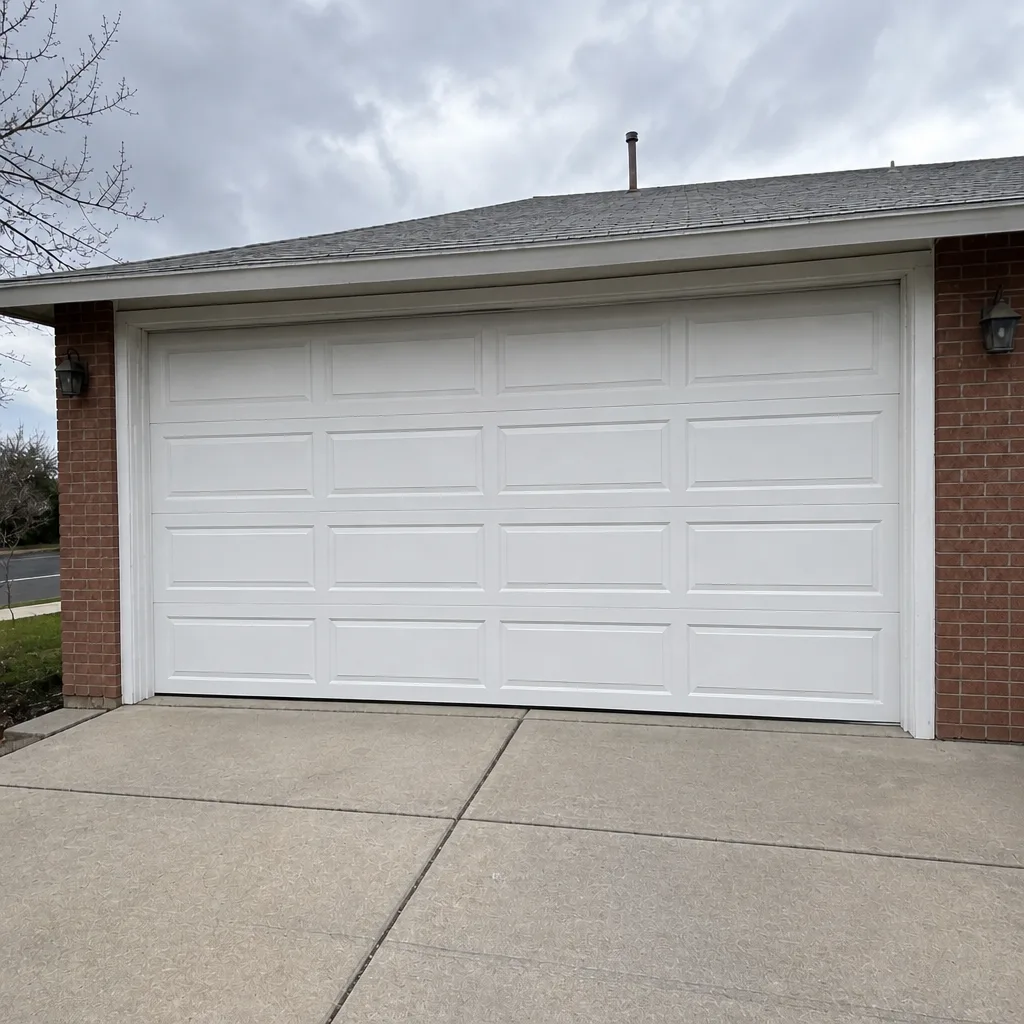
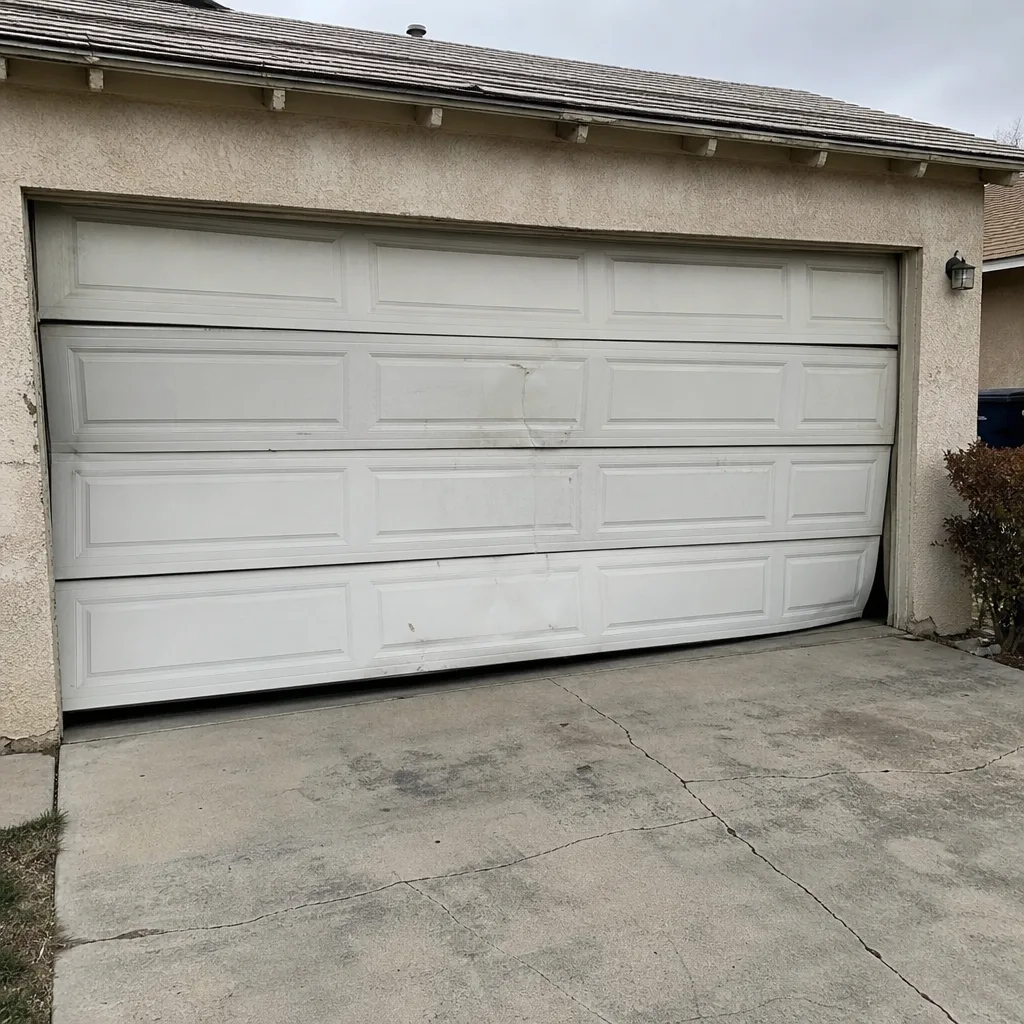
See the difference
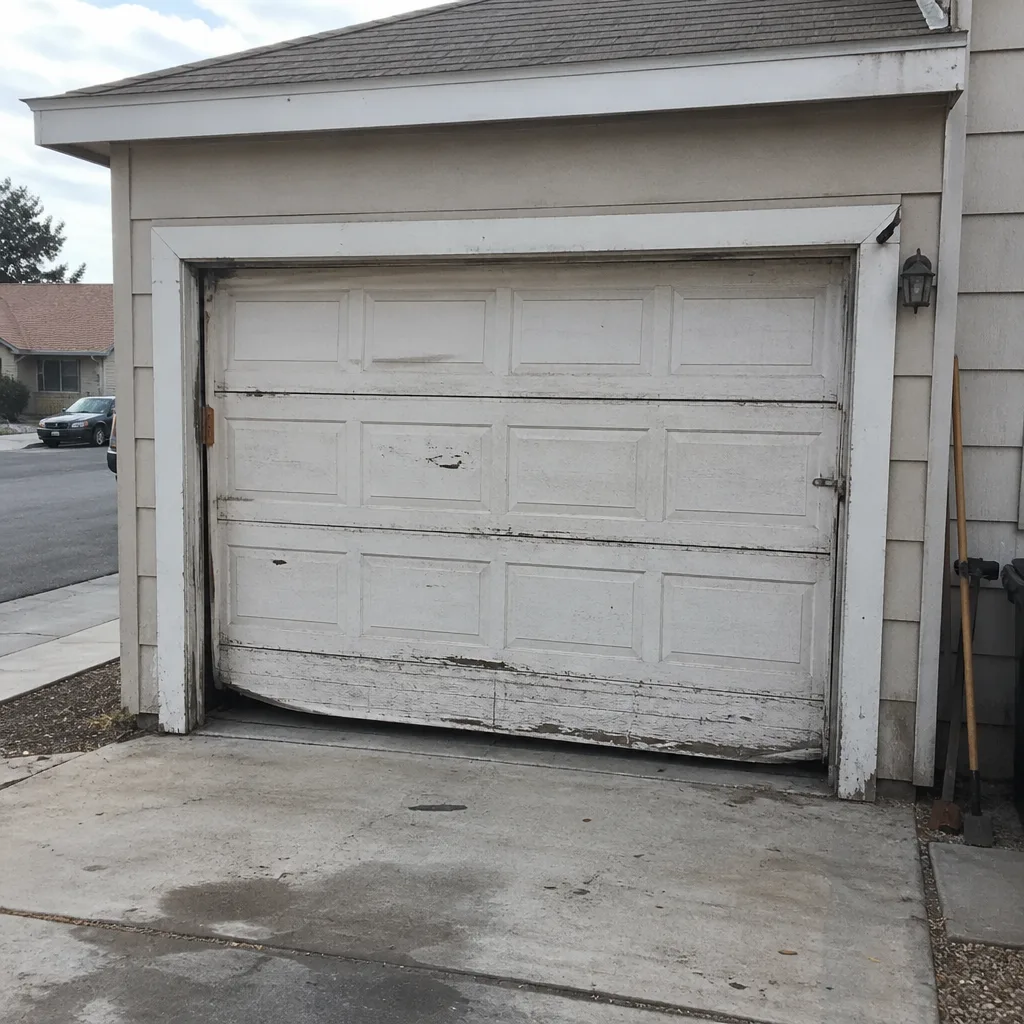 Before
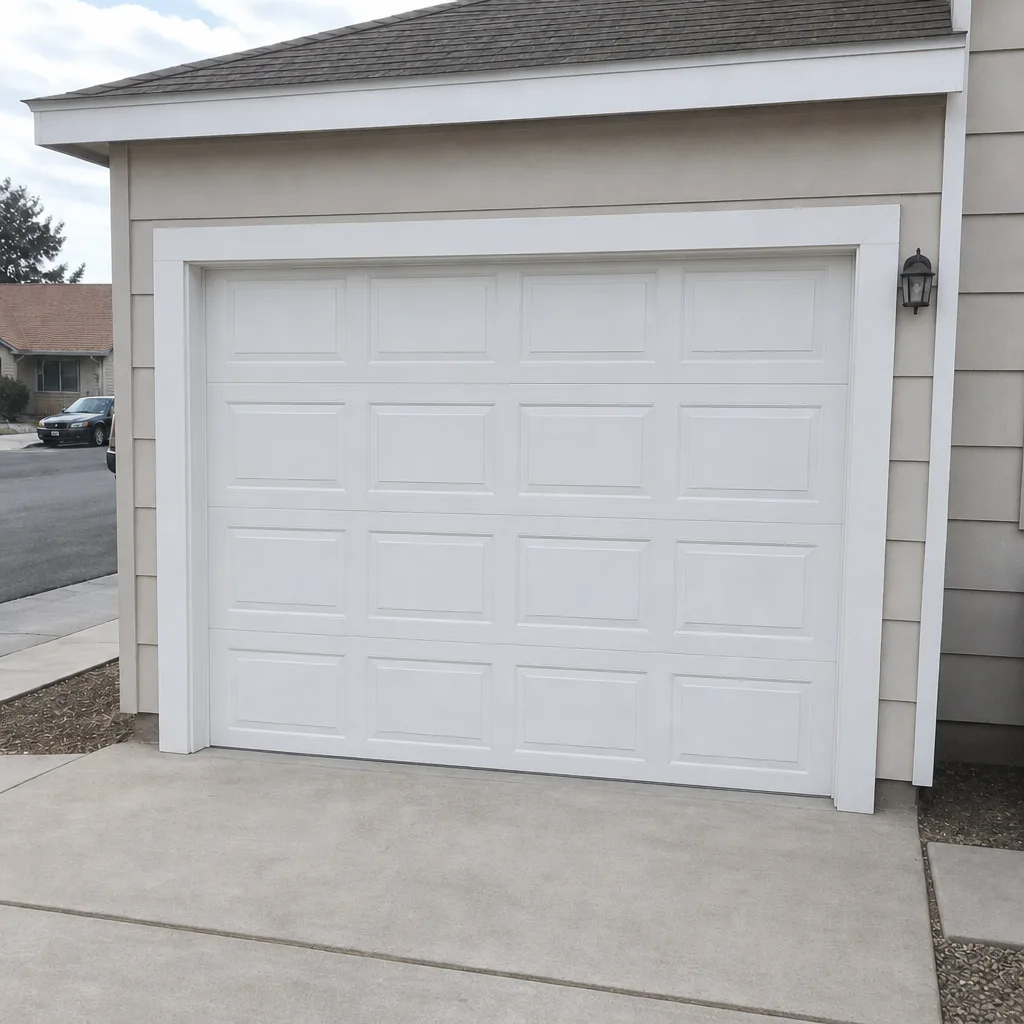 After
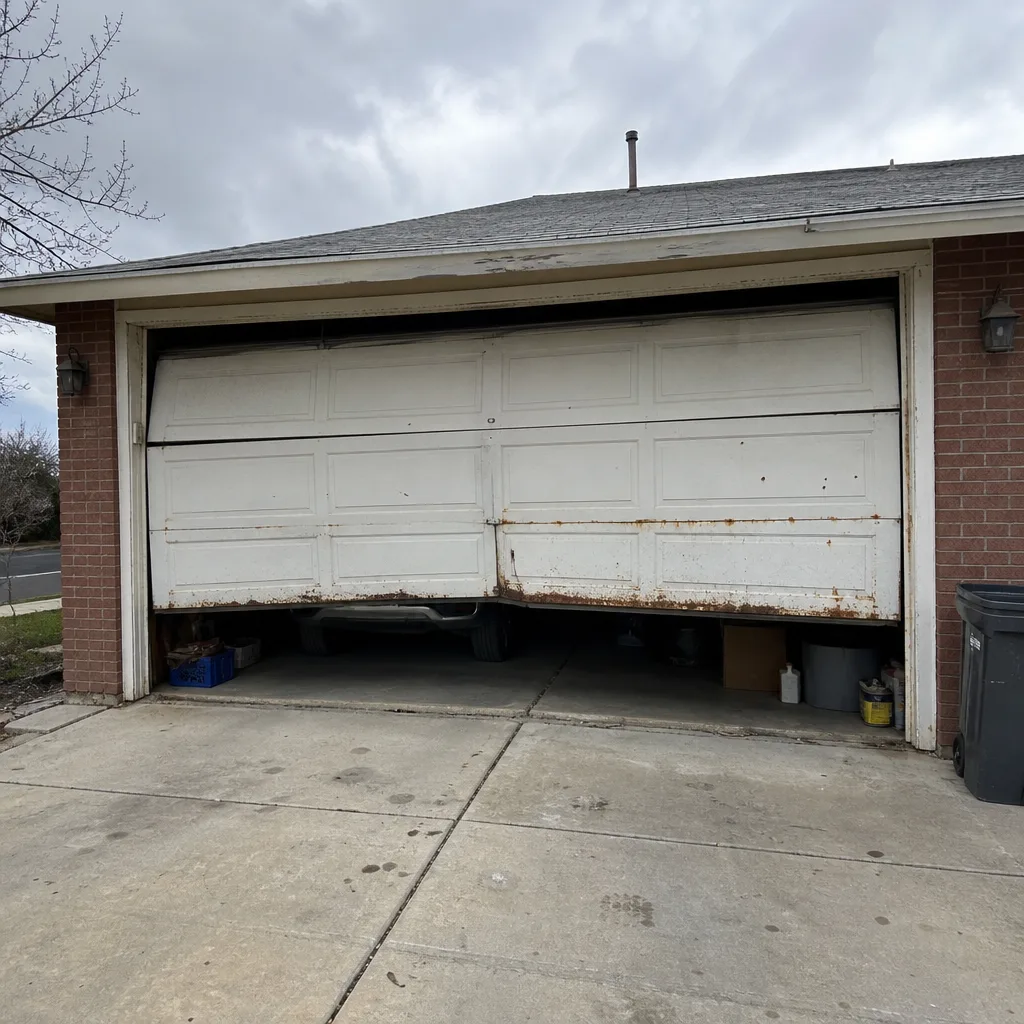 Before
 After
 Before
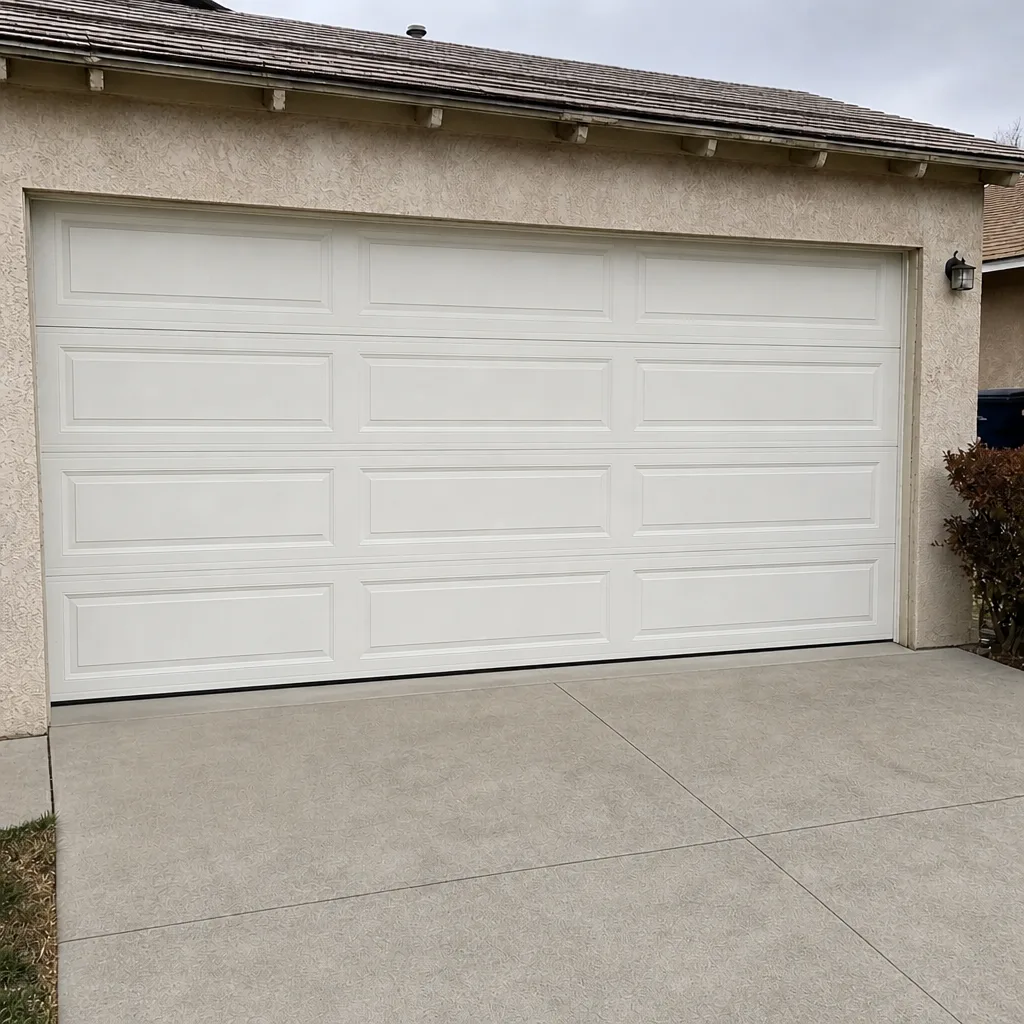 After
When to Call a Professional
Some maintenance is a homeowner’s job: the monthly visual check, the remote test, the cardboard force test, and a light coat of grease. Other work belongs to a technician. Call a professional when the door reverses on its own, when you hear grinding, when the door is out of balance, when the springs or cables look worn, or when it’s been more than two years since a full calibration. The force setting, travel limits, and torque check all need the right tools and a clear read on the door’s condition. Mainspring Garage Door Co. Whitney offers free estimates in Whitney, and our technicians arrive with the parts on hand so most tune-ups and repairs finish in a single visit. The flat price is quoted before any work starts, and every job is backed by our 90-Day Done Right Promise. Call (844) 797-9248 to schedule a tune-up or a free estimate.
Frequently Asked Questions
Twice a year for lubrication and a force test, and once a year for a full travel-limit calibration and hardware torque check. Monthly visual checks catch problems between service visits. In Whitney, the spring and fall service dates matter most because the temperature swings affect the force setting.
Our seasonal tune-up is $89 flat, and it covers lubrication, the force test, travel-limit calibration, and the hardware torque check. Repairs beyond the tune-up are quoted before any work starts, and we offer $50 off any repair over $250. Call (844) 797-9248 for an exact quote; estimates are free.
Yes, for the drive gear and the rail. White lithium grease on the drive, a light chain lubricant on a chain drive, and nothing on a belt. Leave the tracks dry, never use WD-40 as a lubricant, and don’t touch the springs or cables. If the door is out of balance or the force test fails, that’s a call to a professional.
It means the opener is pushing harder than it should to move the door, and that extra force goes straight into the drive gear and the door’s hardware. It also means the door may not reverse on a person or pet. A failed force test is a sign of a worn drive, an out-of-balance door, or a drifted limit setting, and it needs a technician rather than another grease cycle.
With the schedule in this guide, most residential openers run fifteen to eighteen years. Without it, the drive gear wears out in eight to ten. Whitney’s dust and temperature swings pull the timeline toward the low end if lubrication and torque checks are skipped.
Yes. We’re factory-familiar with LiftMaster, Chamberlain, Genie, Craftsman, and the other major brands, and our technicians have up to 10 years of experience on all three drive types. Call (844) 797-9248 and we’ll tell you what your opener needs before any work begins.
The Bottom Line
The schedule that keeps an opener alive is simple: monthly visual checks, twice-yearly lubrication and a force test, and one annual calibration with a torque check. The two tasks that decide whether you replace an opener at eight years or eighteen are drive lubrication and the force test, and both are cheap. In Whitney, the dust and heat make the schedule a little tighter, so grease the drive in spring and recheck the force in fall. Do that, and the opener stays out of your way for a long time. If the schedule has slipped or the door is showing any of the five warning signs, call (844) 797-9248 for a free estimate. The price is quoted and agreed before any work starts.
Written by the team at Mainspring Garage Door Co. Whitney.