
Last updated November 17, 2026
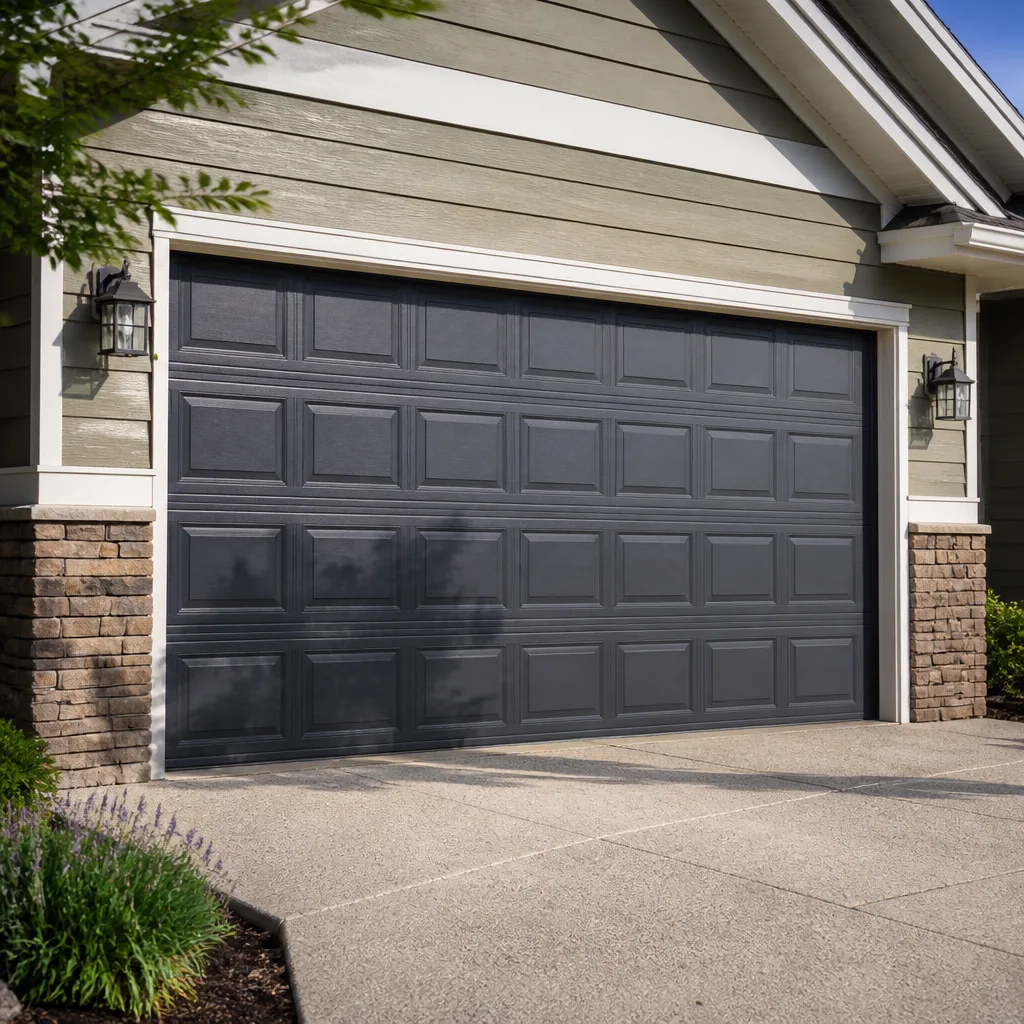 Raised-panel steel
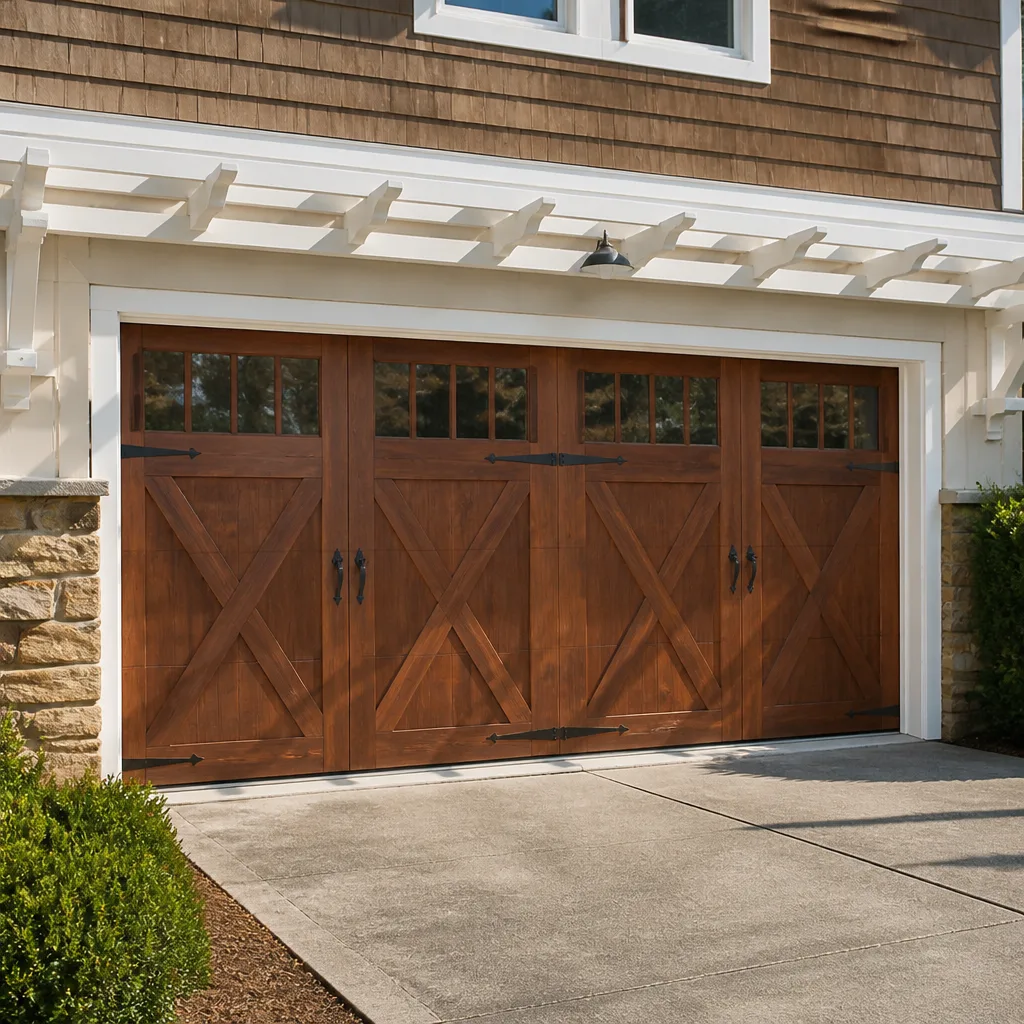 Carriage house
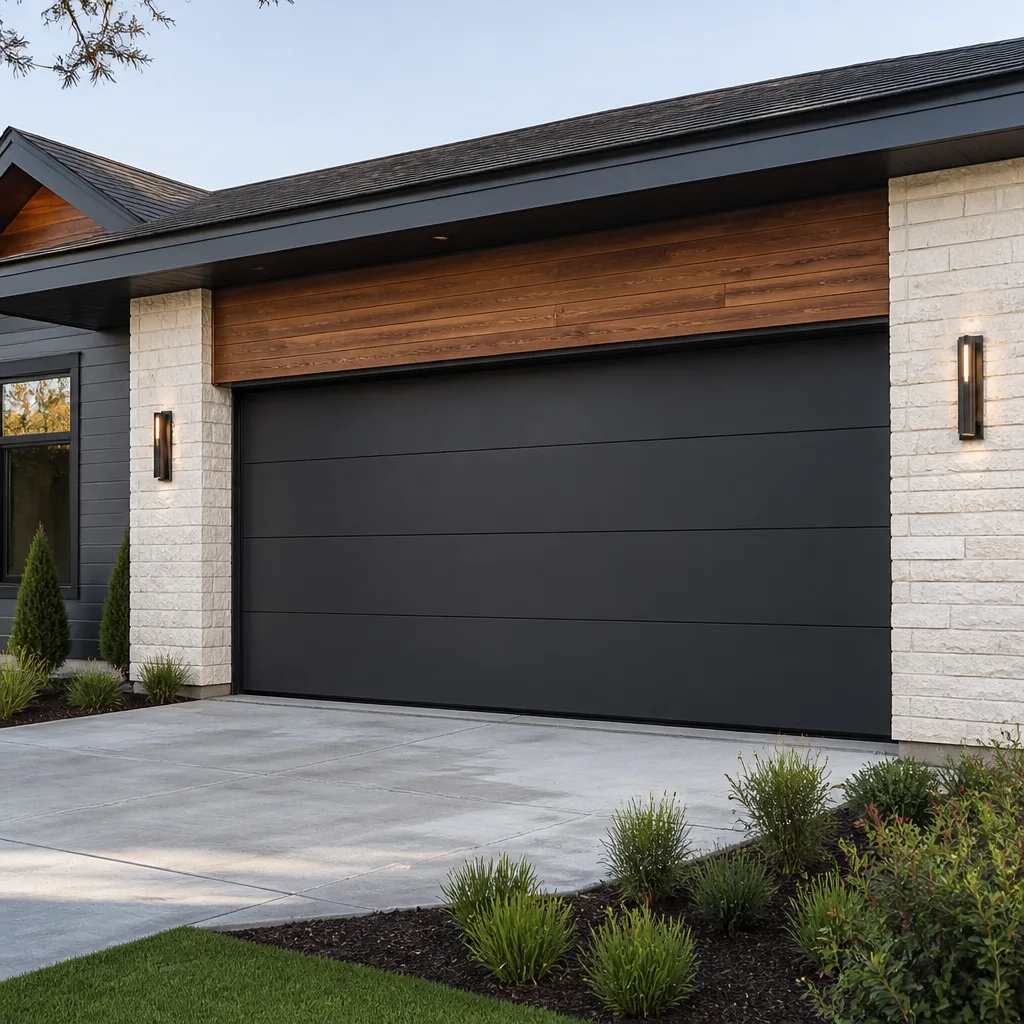 Modern flush
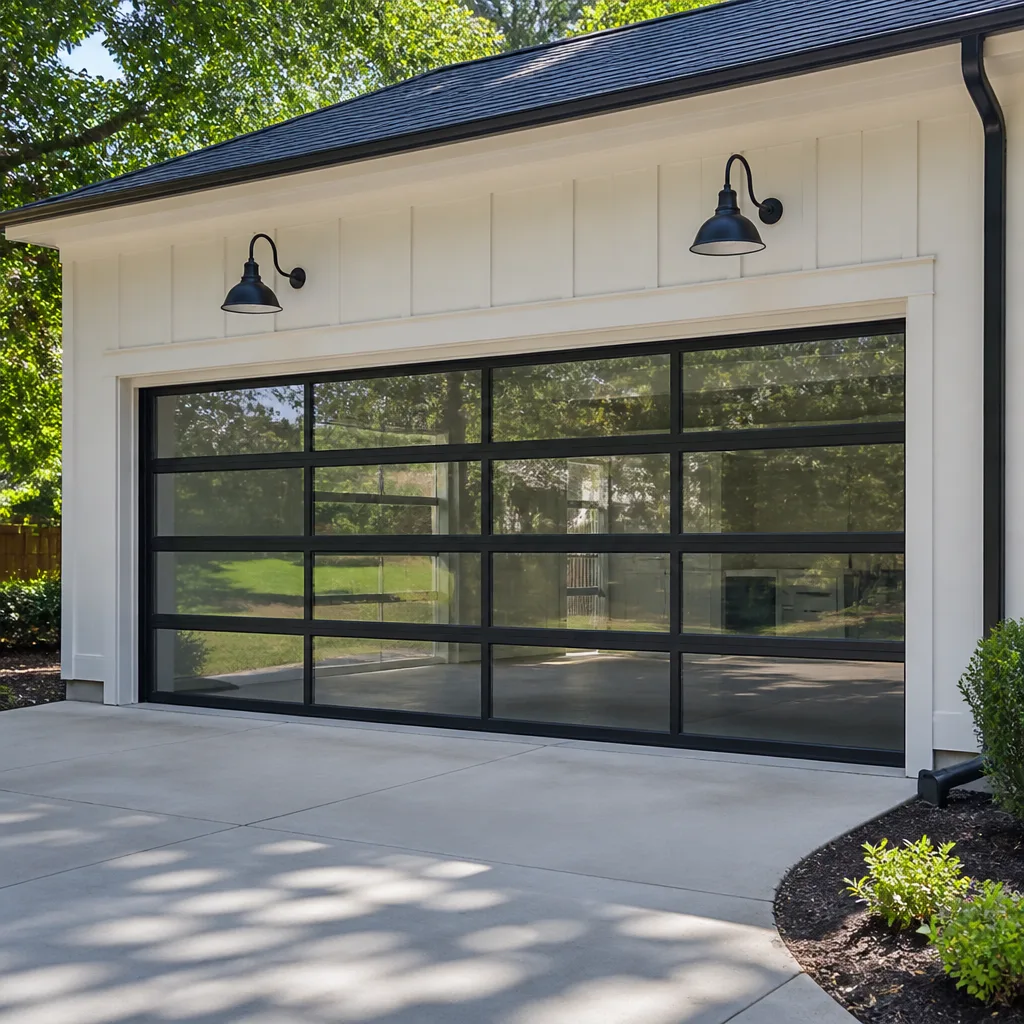 Full-view glass
 LiftMaster openers
 Chamberlain openers
Full 25-point door and opener safety check with every visit - springs, cables, rollers, tracks, and your LiftMaster or Chamberlain opener included
You get a price before we start. It does not change when the pro arrives.
Get your free estimateGarage Door Parts Maintenance Schedule: What to Do and When
The average garage door cycles about 1,500 times a year. At that rate, a neglected steel roller wears out roughly 40% faster than one that gets a drop of lubricant twice a year. But here’s what we see most often in Whitney: homeowners oil the track, the one part that should stay dry, and skip the rollers entirely. That single mistake quietly ages the bottom seal, strains the opener, and shortens the life of parts that cost real money to replace. This guide ranks every major garage door part by failure cost and consequence, then maps maintenance to that rank. You’ll finish knowing what to check, when to check it, and what to leave to a trained technician.
Quick Answer
Maintain garage door parts by frequency tied to failure cost: lubricate rollers, hinges, and the spring once or twice a year; inspect cables and the manual balance twice a year; and leave torsion spring replacement, cable swaps, and opener wiring to a trained technician. Never lubricate the track or the bottom seal. Cycled parts like rollers and hinges wear on a count of uses, while time-loaded parts like springs and cables degrade on a clock that Nevada’s dust and temperature swings speed up.
Styles & brands we work with
- Raised-panel steel
- Carriage house
- Modern flush
- Full-view glass
- LiftMaster openers
- Chamberlain openers
Table of Contents
- Rank Every Part by Failure Cost, Not by Month
- Time-Clock Parts vs. Cycle-Count Parts
- The Track Mistake: Why Oil Is the Wrong Tool There
- The Two-Minute Balance Test to Run Twice a Year
- A Numbered Annual Maintenance Walkthrough
- How Whitney Dust and Temperature Swing Hit Both Clocks
- The Printable Log to Tape Inside Your Garage
- Where the Danger Lives: Springs and Cables
Rank Every Part by Failure Cost, Not by Month
Most schedules hand you a quarterly grid that treats a 90-second sensor wipe the same as a $400 spring failure. That’s backwards. The smart way to sequence maintenance is by what a part costs to replace and what happens when it fails. Here’s how the major garage door parts stack up, from highest failure cost and consequence to lowest.
- Torsion springs – Highest cost and highest consequence. A failed spring means no lift and, if it breaks while you’re under it, real injury risk. Defer maintenance at your peril.
- Cables – High cost, high consequence. A snapped cable can whip loose under load. Inspect, never handle.
- Opener and control board – High replacement cost. Wears on cycles and electronics, not on grease.
- Rollers and hinges – Moderate cost but the parts that quietly strain everything above them. Lubrication here protects the whole system.
- Bottom seal and weatherstripping – Low cost, but a crusty seal lets in dust and drags on the opener.
- Photo-eye sensors and safety reverse – Cheapest to fix, most important to check. A dirty safety eye is a 90-second correction.
- Tracks – Rarely replaced. They need cleaning and alignment checks, not oil.
When you rank by consequence, the schedule rewrites itself. Springs and cables get professional eyes at least annually. Rollers and hinges get lubrication you can do yourself. Sensors get checked monthly because they’re free to check and cheap to fix. That’s the whole logic, and it beats a generic grid every time.
Time-Clock Parts vs. Cycle-Count Parts
Here’s a distinction that changes how you think about your door. Some parts wear on a clock and some wear on a count of uses, and they don’t degrade at the same rate. A torsion spring that sits in a door used twice a day still weakens over years, whether or not the door turns. A roller wears by the number of rotations, so a busy household outwears a quiet one on the same calendar interval.
The two categories need different questions. For time-clock parts, ask: how long has it been? For cycle-count parts, ask: how many times a day does this door move, and how does it sound? A household running the door eight times a day will wear its rollers and hinges faster than a neighbor who leaves twice. Same Whitney block, same door brand, different maintenance rhythm.
Our rule of thumb for a typical door cycling four to six times a day:
- Lubricate rollers, hinges, and spring: twice a year, or once a year if the door is light-use.
- Inspect cables and hardware: twice a year, always visually, never by hand.
- Run the balance test: twice a year, spring and fall.
- Test the safety reverse: monthly.
- Professional tune-up: once a year, ideally before summer heat peaks.
Parts on the clock – springs and cables – get attention because time marches whether the door moves or not. Parts on the count get attention because every cycle is a withdrawal from their lifespan. Mapping frequency to the right clock is where most schedules quietly fail.
The Track Mistake: Why Oil Is the Wrong Tool There
This is the most common error we correct on service calls. Homeowners reach for a can of spray and coat the vertical and horizontal tracks, thinking they’re lubricating the door. They’re not. They’re creating a sticky surface that collects Nevada dust and grit, which then grinds against the rollers and drags on the bottom seal every time the door travels.
A track is a guide, not a bearing. It should be clean and dry. The friction that matters lives in the rollers and hinges, which roll and pivot and genuinely need lubricant. When you oil the track instead:
- Dust binds to the film. Whitney’s dry, windy stretches coat that oil in grit within days.
- Rollers skid rather than roll. A roller sliding along a greased track wears flat spots and strains the opener.
- The bottom seal drags. A gummy track pulls on the seal as the door closes, tearing the edge and letting in air and debris.
- Grit reaches the bearings. The abrasive paste migrates to the roller stems and hinge pins, accelerating the wear you were trying to prevent.
A dry track is what you want. Wipe it clean, check that it’s straight, and put your lubricant where it belongs: the roller bearings, the hinge pivot points, and a light coat on the torsion spring coils. That’s the correction. The greasy track you’ve been “protecting” has been aging your door.
The Two-Minute Balance Test to Run Twice a Year
Before any technician visit and twice a year on your own, run this check. It tells you whether the door’s weight is carried properly or whether the springs are quietly giving out. A balanced door should hold where you leave it. An unbalanced one is a warning.
- Disconnect the opener. Pull the manual release cord so the door hangs free of the trolley. The door should now move by hand.
- Raise the door to about waist height. Lift it slowly. It should feel light, not heavy. If you’re straining, the spring has lost tension or a cable is off.
- Let go. A properly balanced door stays where you put it. A door that slides down on its own has weak springs; one that rises on its own has excess tension.
- Reconnect the release. Re-engage the trolley and test that the opener lifts and lowers smoothly.
Do this twice a year, before the cooling season and before the heat. If the door won’t hold, don’t adjust anything yourself. The spring tension behind that symptom is stored energy, and it can release without warning. That’s a call.
A Numbered Annual Maintenance Walkthrough
Once a year, run the door through a full sequence. It takes about twenty minutes and catches most problems early.
- Step back and look. With the door closed, glance along the bottom seal for gaps and across the panel faces for sagging or a bent track.
- Lubricate the moving parts. A few drops on each roller bearing, a light touch on each hinge pivot, and a coat on the spring coils. Skip the track.
- Wipe the tracks clean. A dry cloth or a rag with a touch of solvent removes the grit. Check that they’re straight with a quick eye down the rail.
- Test the safety reverse. With the door closing, pass an object through the beam of the photo-eye sensors. The door should reverse on contact.
- Run the balance test above. It’s the fastest read on the springs and cables.
- Listen. Open and close the door slowly. Grinding, squealing, or a door that jerks points to a specific part.
- Log the date and every part replaced so you can see patterns over years.
That’s the annual core. Our team at Mainspring Garage Door Co. Whitney home runs this same sequence on every seasonal tune-up, and it’s why we catch small problems before they become single-visit repairs.
How Whitney Dust and Temperature Swing Hit Both Clocks
Whitney’s climate puts extra pressure on both clocks. Summers run hot enough that steel tracks expand and contract through the day, and the swing from dawn to late afternoon can work a fastener loose over a season. Dust arrives on dry afternoons and settles in every open bearing and on every greased surface that isn’t wiped. Winter nights cool the steel again, and the cycle repeats.
What that means in practice: cycle-count parts wear faster here because grit grinds against the rollers, and time-clock parts age faster because temperature swing works the spring and cable under changing tension. A door that would get a full-stretch season elsewhere needs its lubrication and cleanup twice a year in Whitney to hold up the same way. The dry track we recommend isn’t just good practice – it’s how you keep grit from becoming an abrasive paste on a windy block.
We also see it in the seals. Whitney’s hot, dry air hardens the bottom seal and weatherstripping faster than in cooler climates. A brittle seal cracks, drags, and lets air and dust under the door. Checking the seal every year, and replacing it when it hardens, protects the rollers and the opener. Small habits, done on schedule, are what keep a door running quiet through a Whitney summer.
The Printable Log to Tape Inside Your Garage
Nobody remembers when they last lubricated the rollers. That’s the whole problem with a “do it twice a year” schedule – it lives in memory until it doesn’t. Tape a simple log inside the garage, near the wall control, and let the door hold you to it. Here’s a layout you can copy onto a single page:
- Headers: Date | Task | Part(s) involved | Notes
- Twice a year: Lubricated rollers and hinges – which doors, how many drops
- Twice a year: Ran balance test – did the door hold?
- Monthly: Tested safety reverse – pass or re-test needed
- Annually: Professional tune-up – parts replaced, technician notes
- As needed: Seal replacement, sensor cleaning, remote battery
Tape it up where you’ll see it. When you replace a spring or a cable, log the date and the part. Over a couple of years, the log shows you a pattern: which parts keep coming up, whether you’re on the cycle or time clock, and when it’s time to look at the whole system. It’s the cheapest maintenance tool there is.
Where the Danger Lives: Springs and Cables
Garage doors are the largest moving object in most homes, and two of their parts store serious force. Torsion springs carry the door’s entire weight under tension, and cables run that tension through the system. When either fails, it can release without warning. Both are parts where a trained technician should do the work, and both are parts we’d rather inspect than see you handle. For a deeper look at what repair work actually involves, see our guide to Garage Door Repair in Whitney.
What you can safely do: watch the springs during the balance test for a gap or a snapped coil, and look at the cables for fraying, kinks, or a cable off its drum. That’s inspection, not repair. If a spring has failed or a cable looks damaged, stop using the door and call a professional. Nothing in this guide walks you through spring or cable work for good reason. That’s where the injury lives.
Common Mistakes to Avoid
- Oiling the track. It collects Whitney dust and grit and grinds your rollers and bottom seal. The track should be clean and dry.
- Skipping the rollers. Most schedules say “lubricate the door” and leave it vague. Name the parts: roller bearings, hinge pivots, spring coils.
- Adjusting spring tension by hand. The stored energy in a torsion spring can cause serious injury. Leave tension changes to a trained technician.
- Ignoring a slow balance test. A door that drifts to the floor during the hold test is telling you a spring is weak. Catch it before it fails.
- Not testing the safety reverse for months. A dirty photo-eye sensor is a 90-second fix. It becomes a real risk if it stays dirty.
- Letting a brittle seal ride through another Whitney summer. Hardened weatherstripping drags on the door and lets in grit that ages the rollers.
- Keeping maintenance in your head. A tape-it-up log beats memory every time. Write down each service and each part replaced.
See the difference
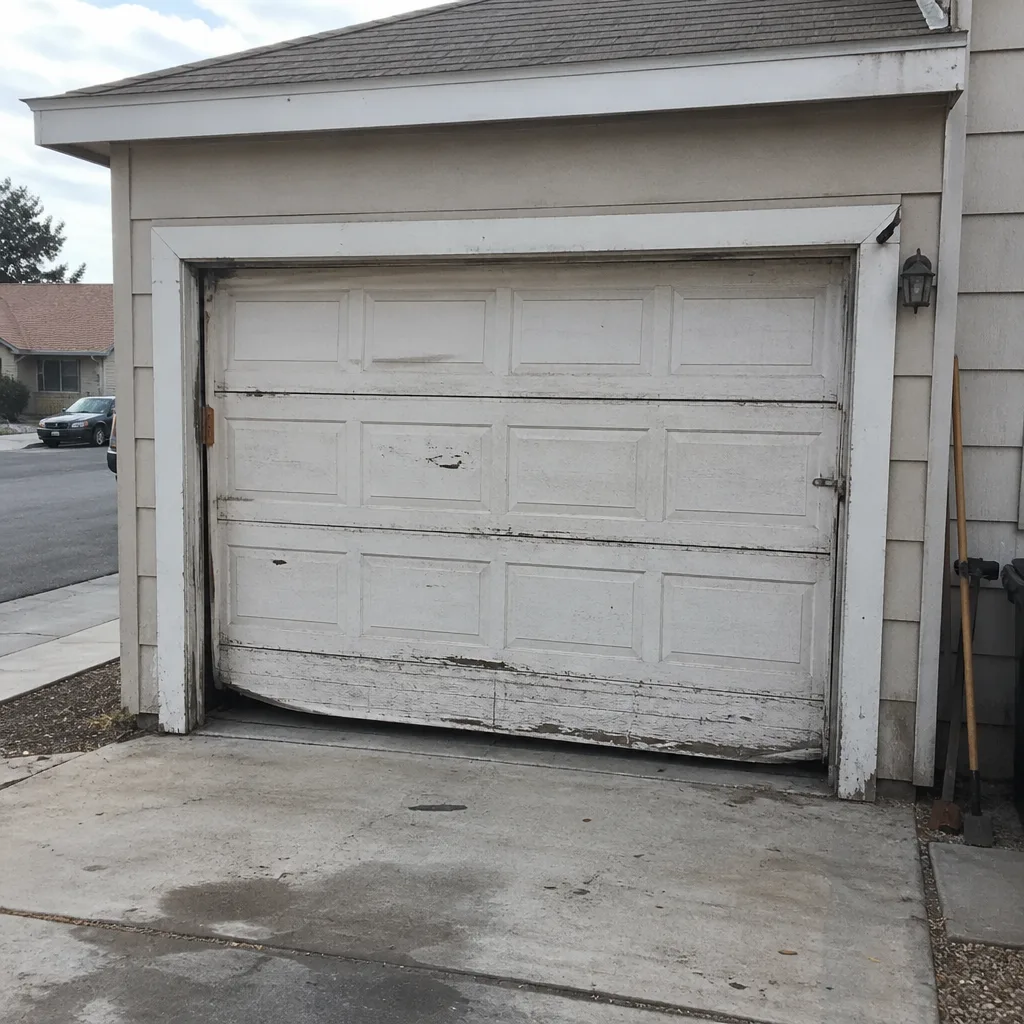 Before
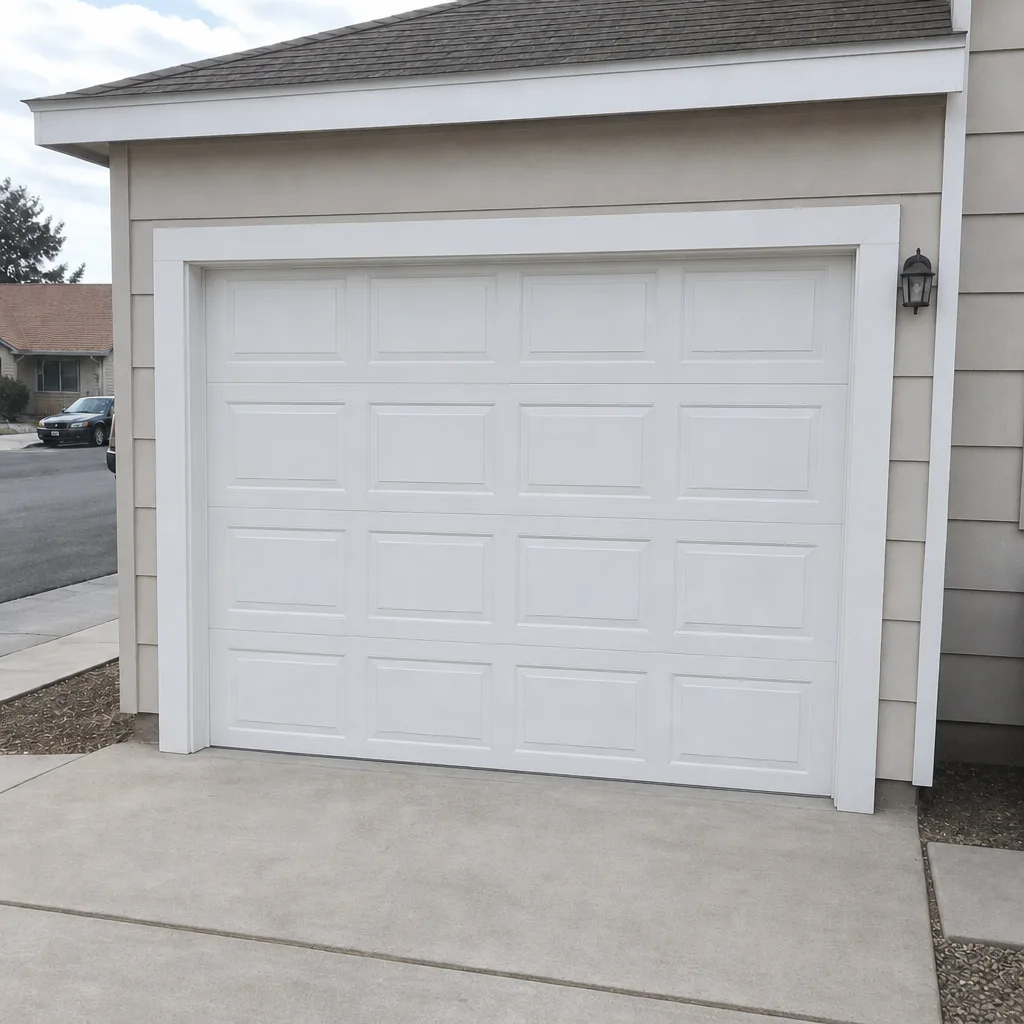 After
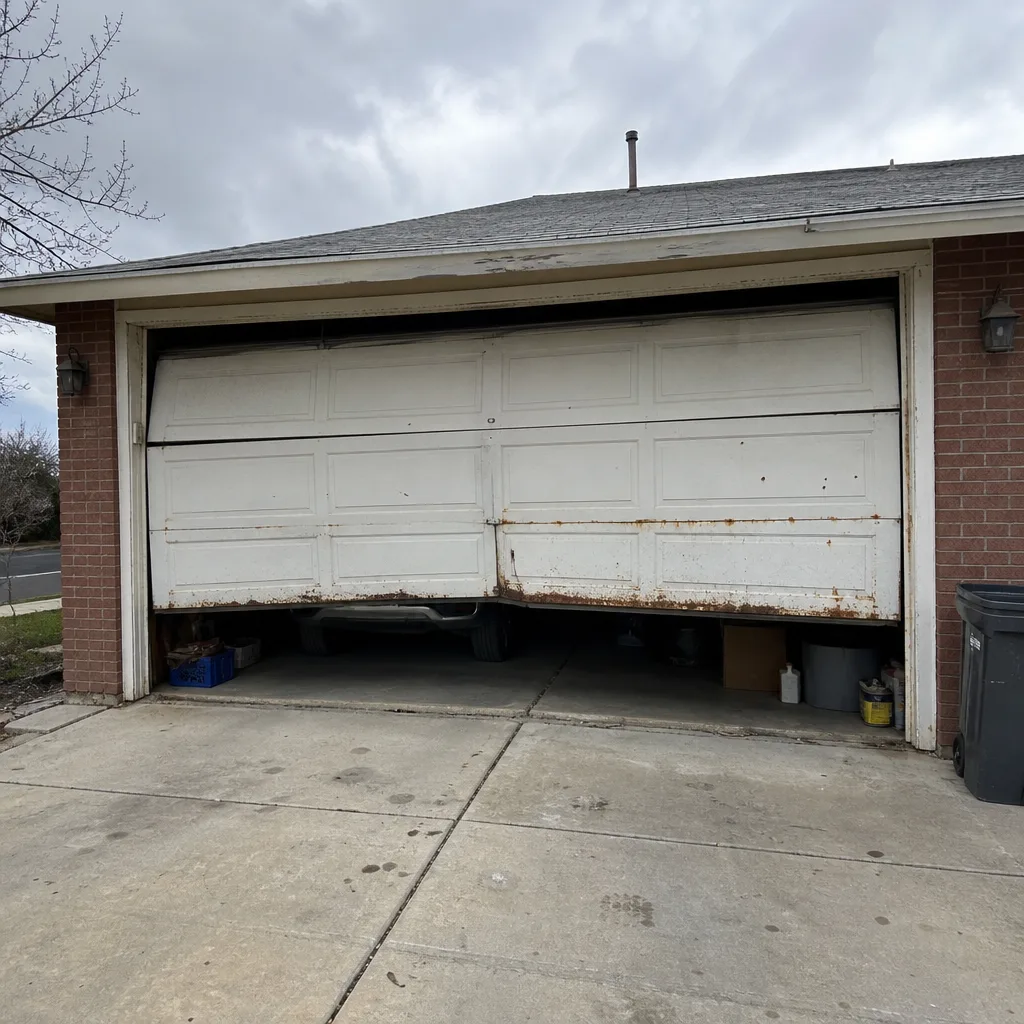 Before
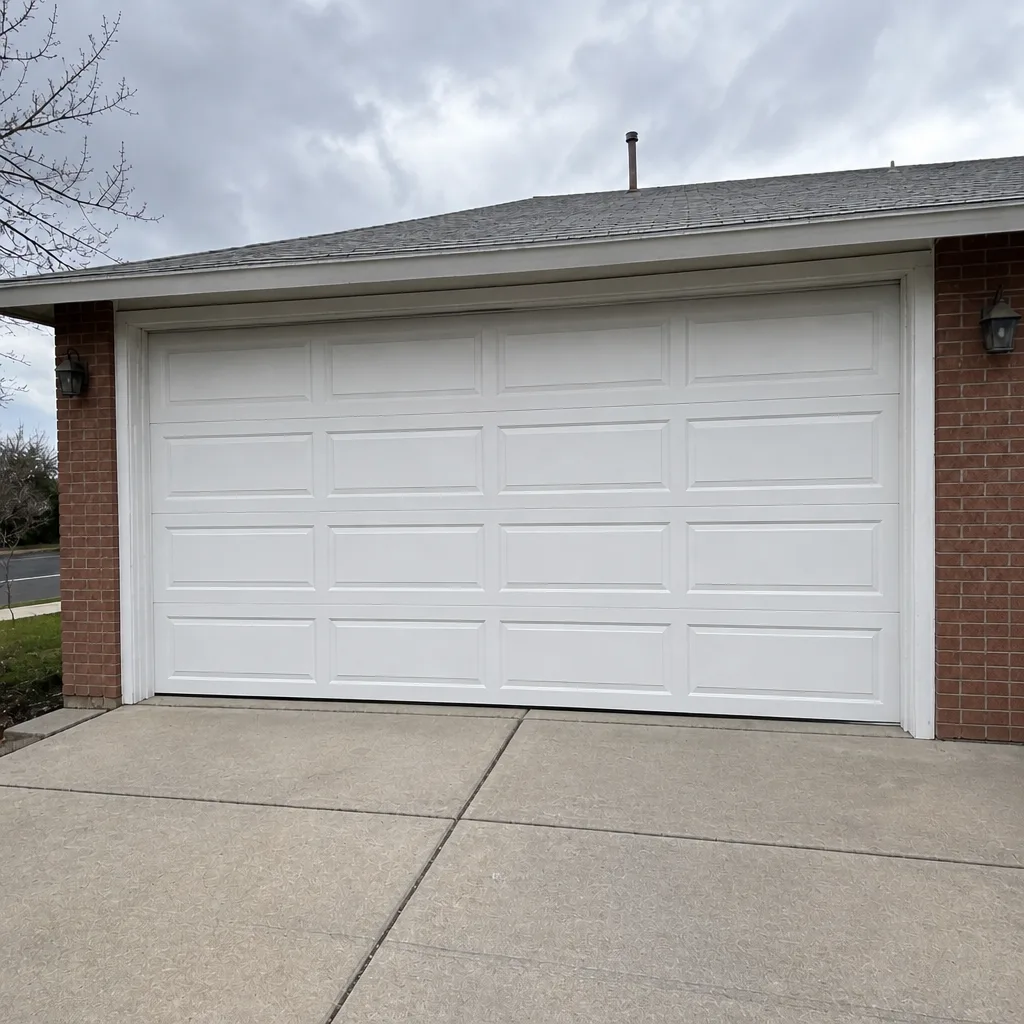 After
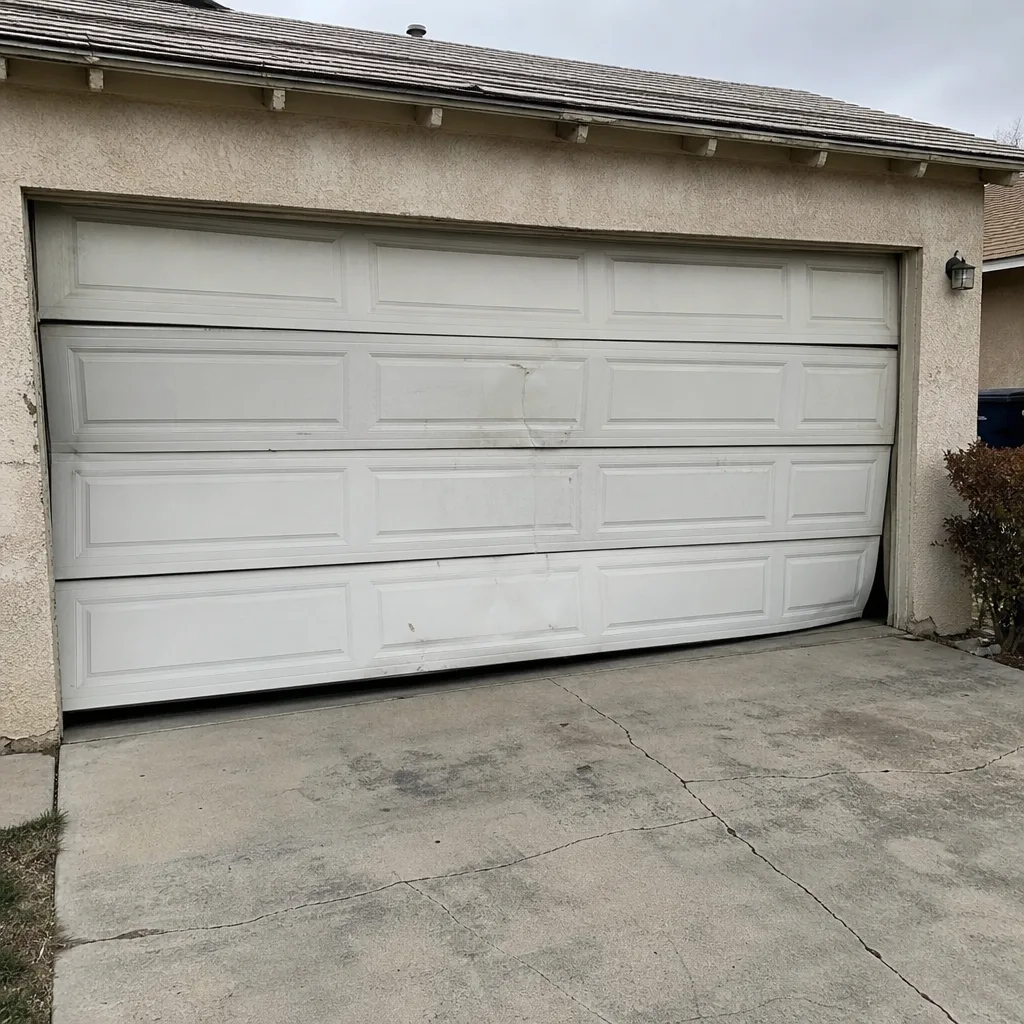 Before
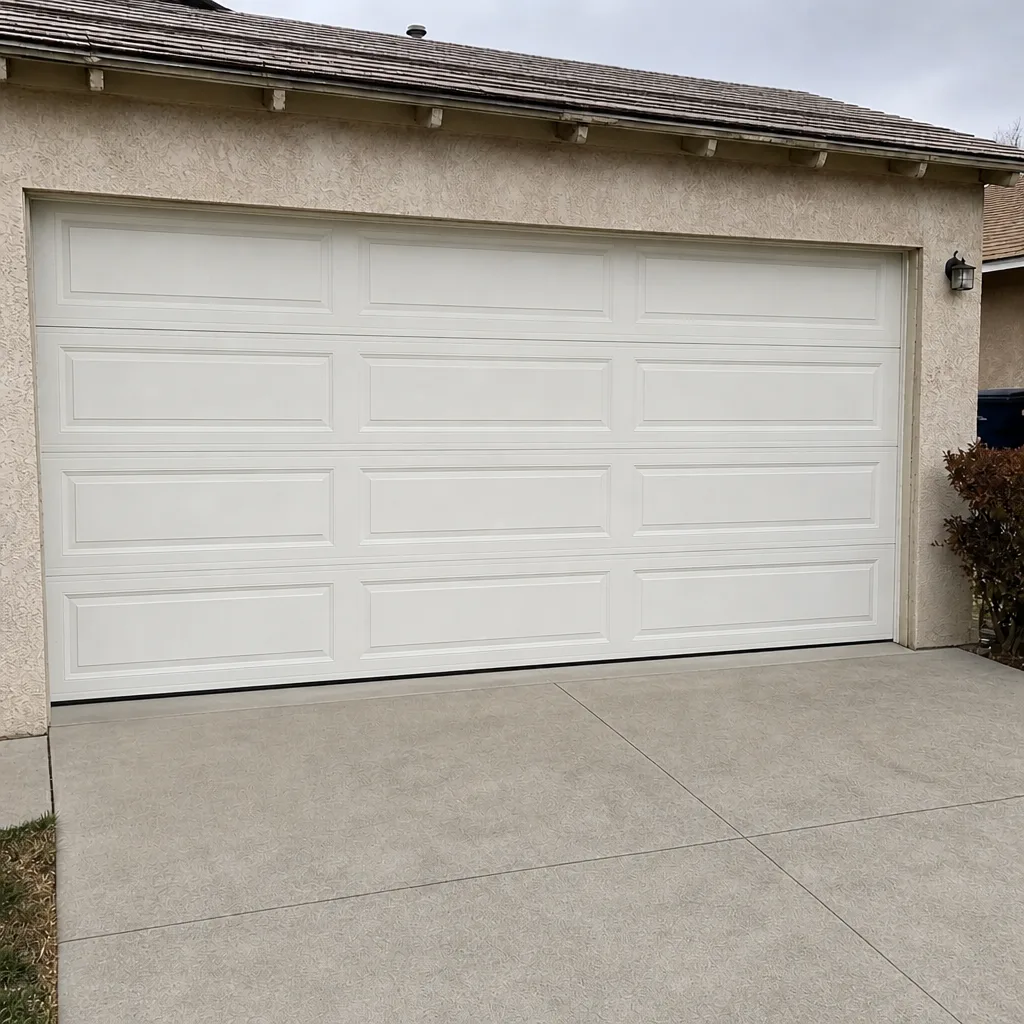 After
When to Call a Professional
Some symptoms say “check it yourself” and some say “call.” A door that grinds on one side, a spring with a visible gap, a cable that looks frayed or off its drum, a door that jerks or won’t reverse on contact – those are professional territory. A door that only needs a bit of lubricant or a wiped sensor is not. If you’ve run the balance test and the door won’t hold, stop using it and get a technician out. Mainspring Garage Door Co. Whitney offers free estimates in Whitney – call (844) 797-9248, and we’ll tell you plainly what needs doing and what the price is before any work begins.
Frequently Asked Questions
Twice a year for a door that cycles four to six times a day, once a year for a light-use door. A few drops on each roller bearing and a light touch on each hinge pivot is enough. In Whitney’s dusty climate, twice a year keeps grit from grinding the parts you’re trying to protect – call (844) 797-9248 for a tune-up if you’d rather we handle it.
They think it’s the moving part that needs lubricant, but the track is a guide and should stay clean and dry. Oil on the track collects dust and grit, which then grinds against the rollers and drags on the bottom seal. Lubricate the rollers and hinges, not the track.
It’s a two-minute check where you disconnect the opener, lift the door to waist height, and let go. Run it twice a year, before and after the summer heat. A door that holds is balanced; a door that slides down has weak springs. If it won’t hold, don’t adjust anything – call us at (844) 797-9248 for an estimate.
Springs and cables degrade on a clock – time passes whether the door moves or not. Rollers and hinges degrade on a cycle count, so busy households wear them faster. Both kinds need attention, and Whitney’s dust and temperature swing speed up both clocks.
No. The torsion spring carries the entire weight of the door under tension, and a release can cause serious injury. Springs and cables are technician work. If you suspect a spring problem, call a trained professional – our team at Garage Door Repair in Whitney handles spring and cable service, and we’ll quote you before any work begins.
Our seasonal tune-up is $89, and current standing offers include $50 off any repair over $250. The price is quoted before any work starts, so there are no surprises on the bill. Call (844) 797-9248 for a free estimate.
The Bottom Line
A good maintenance schedule sequences tasks by what a part costs to replace, not by calendar month. Springs and cables get professional attention because they carry the door’s weight and fail dangerously. Rollers and hinges get lubrication because they wear on cycles and quietly age everything above them. The track stays dry. The safety reverse gets tested monthly, and the balance test runs twice a year. Tape a log inside the garage and let it hold you to the rhythm. A few small habits, done on time, keep a door running quiet through a Whitney summer – and that’s a square deal on the work.
Contact
If your door needs a professional eye, a tune-up, or a part replaced, call Mainspring Garage Door Co. Whitney at (844) 797-9248 for a free estimate. Today’s price is quoted before any work begins, and every completed job is backed by our 90-Day Done Right Promise.
Written by the team at Mainspring Garage Door Co. Whitney.