
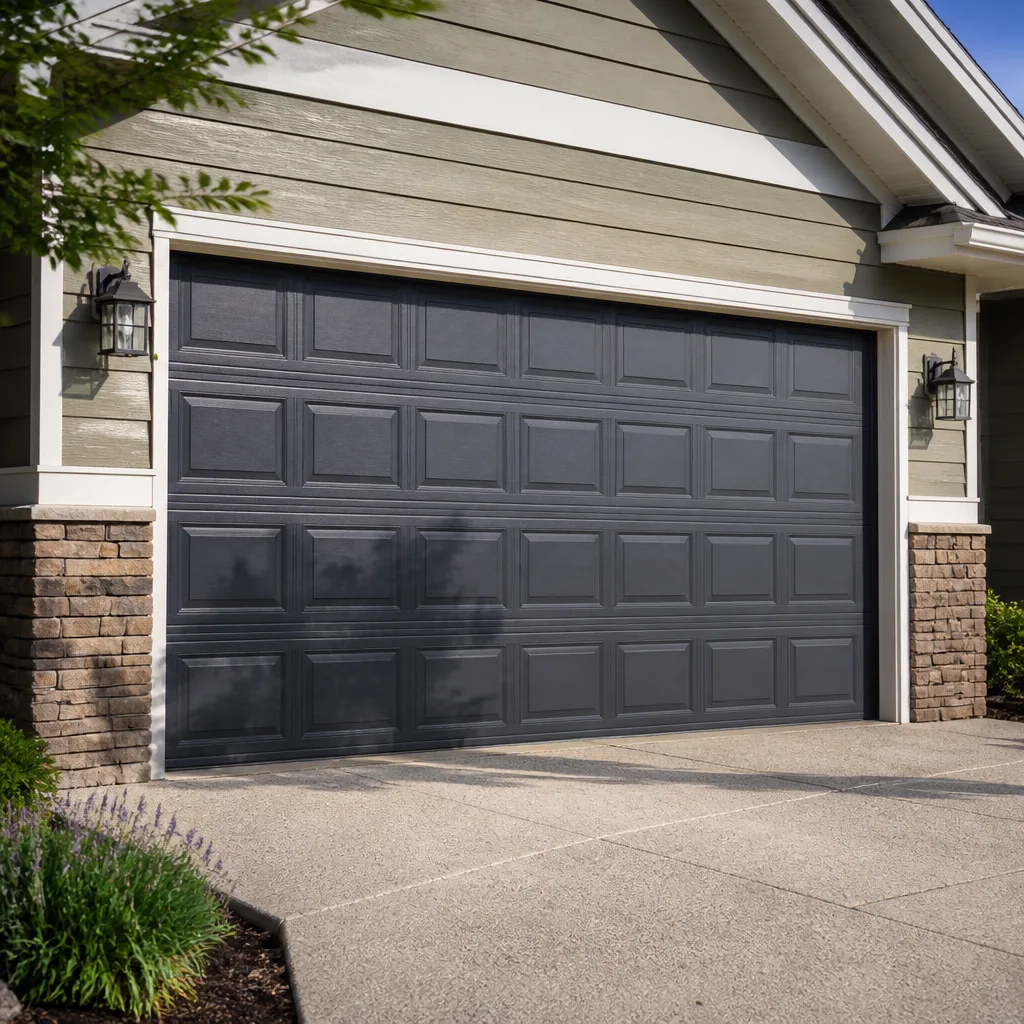
 Raised-panel steel
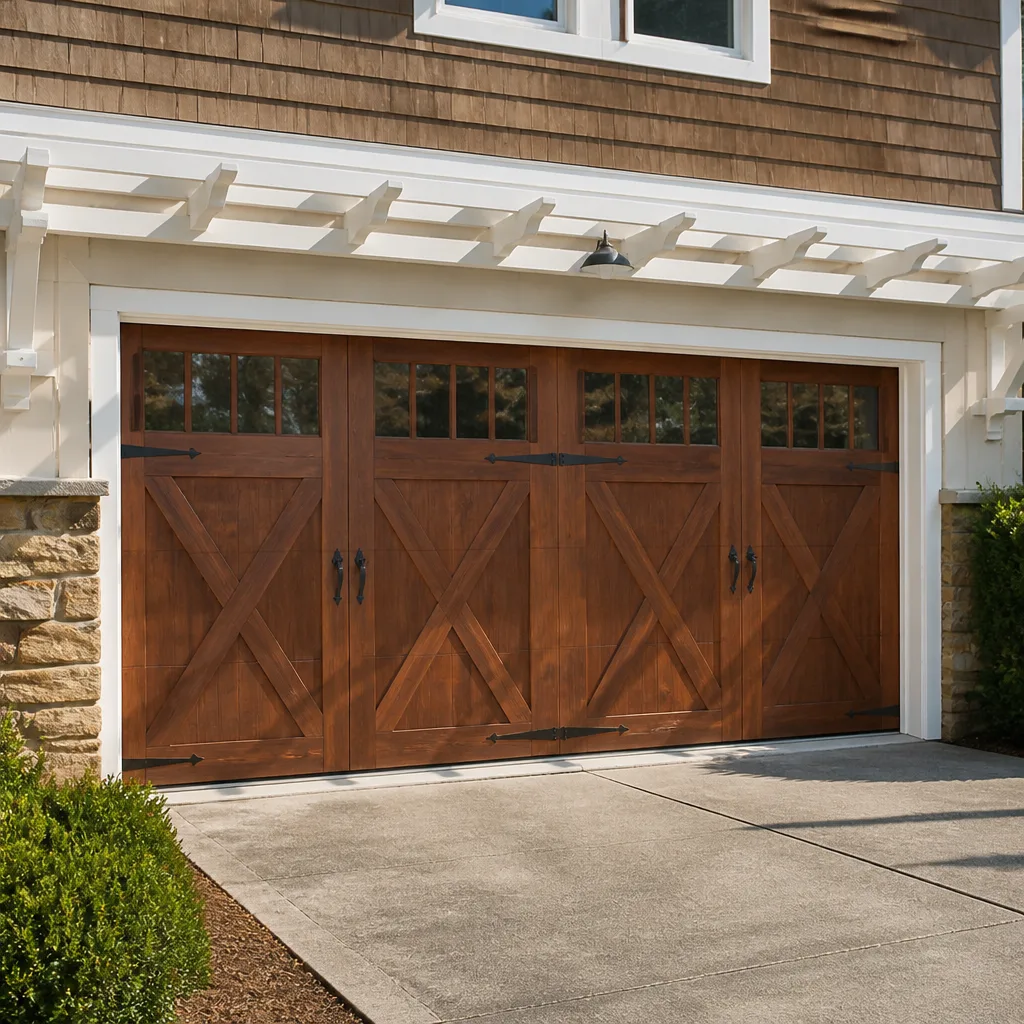 Carriage house
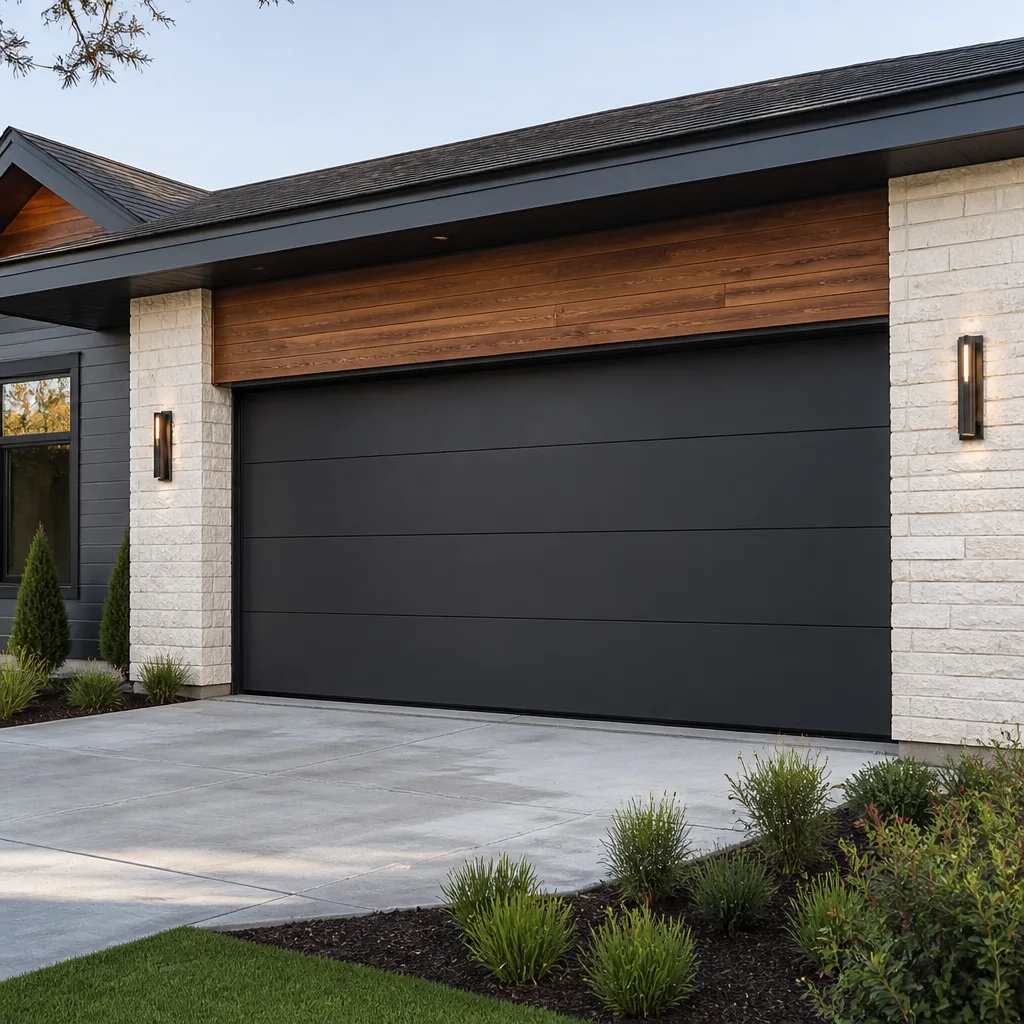 Modern flush
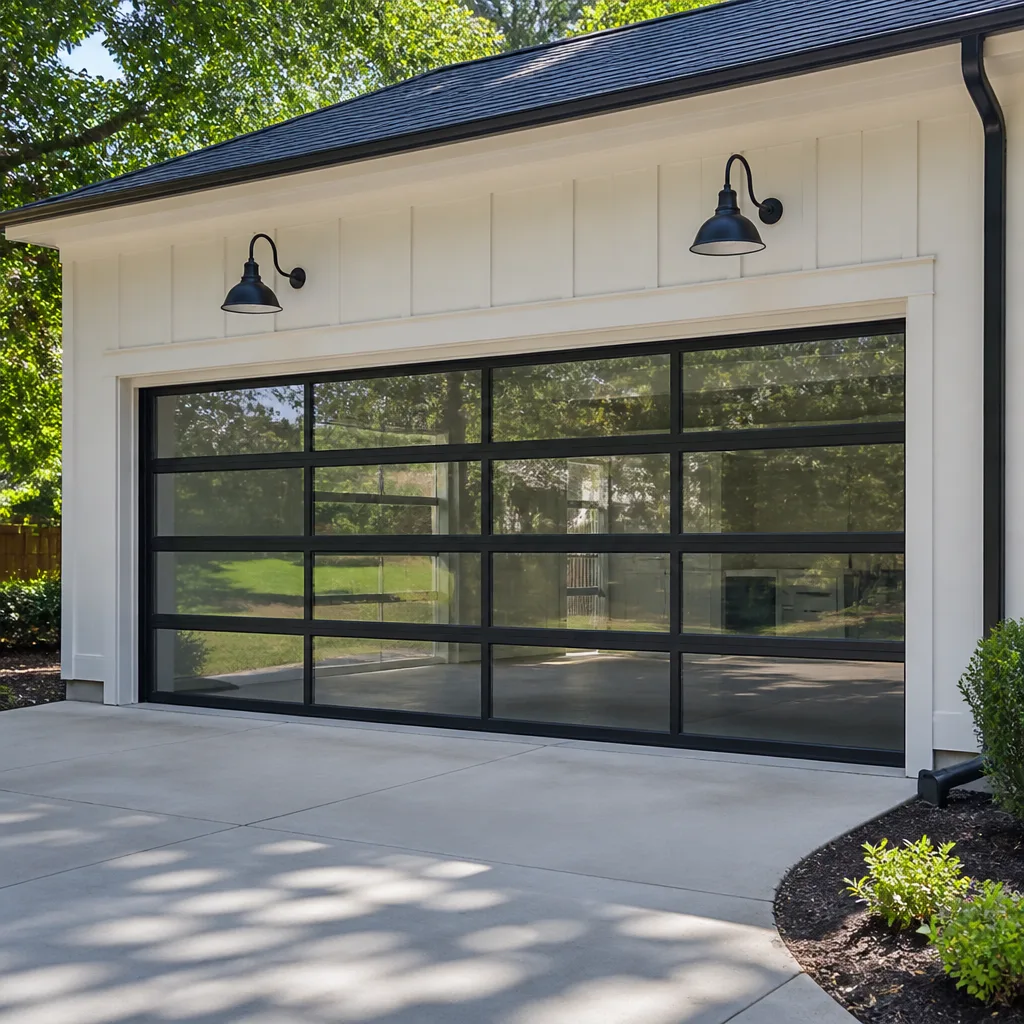 Full-view glass
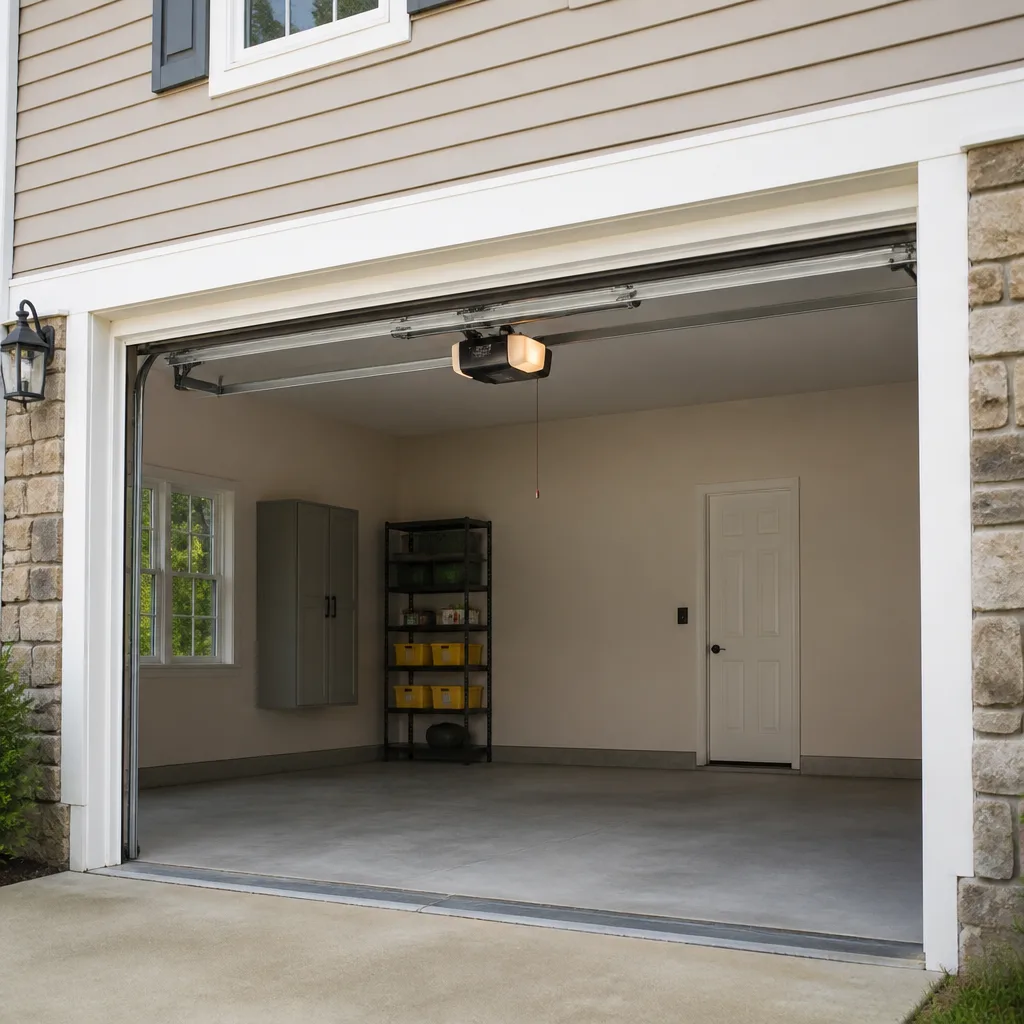 LiftMaster openers
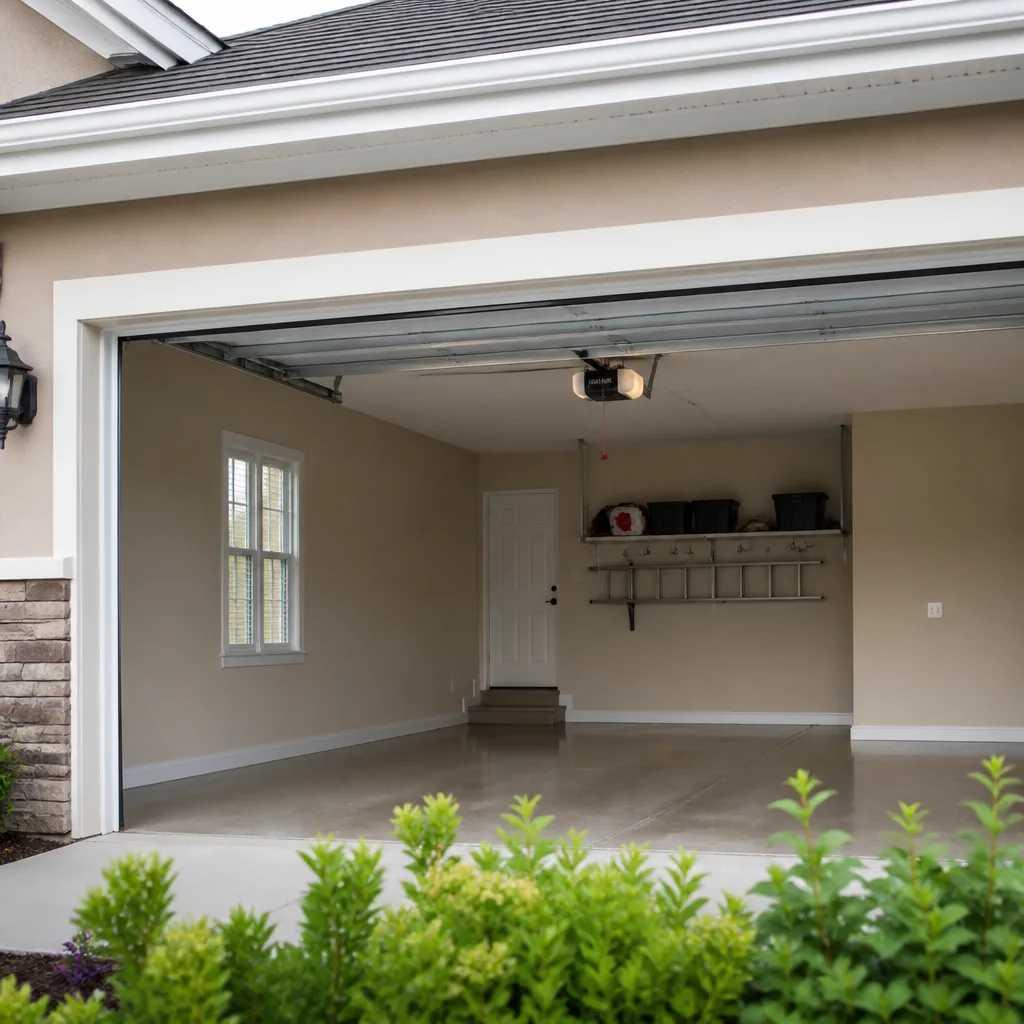 Chamberlain openers
Full 25-point door and opener safety check with every visit - springs, cables, rollers, tracks, and your LiftMaster or Chamberlain opener included
You get a price before we start. It does not change when the pro arrives.
Get your free estimateStyles & brands we work with
- Raised-panel steel
- Carriage house
- Modern flush
- Full-view glass
- LiftMaster openers
- Chamberlain openers
See the difference
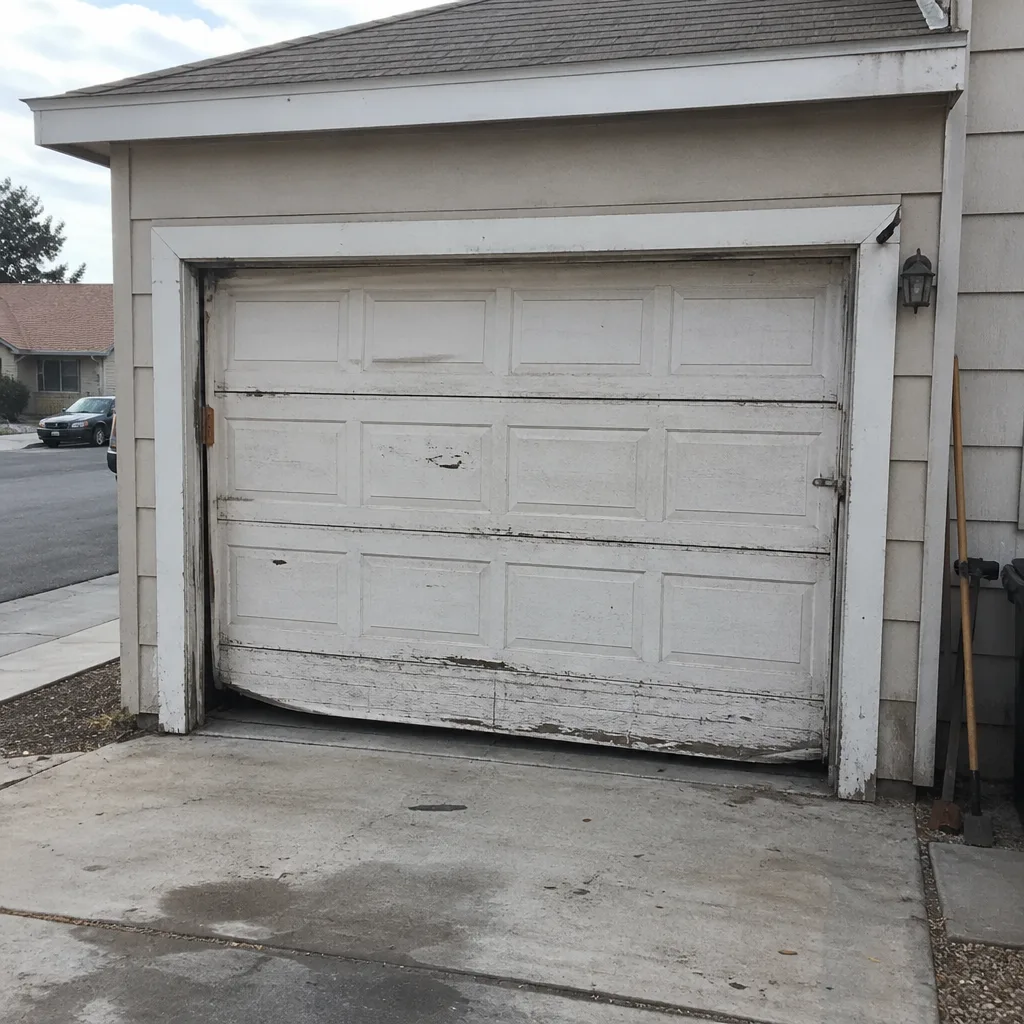 Before
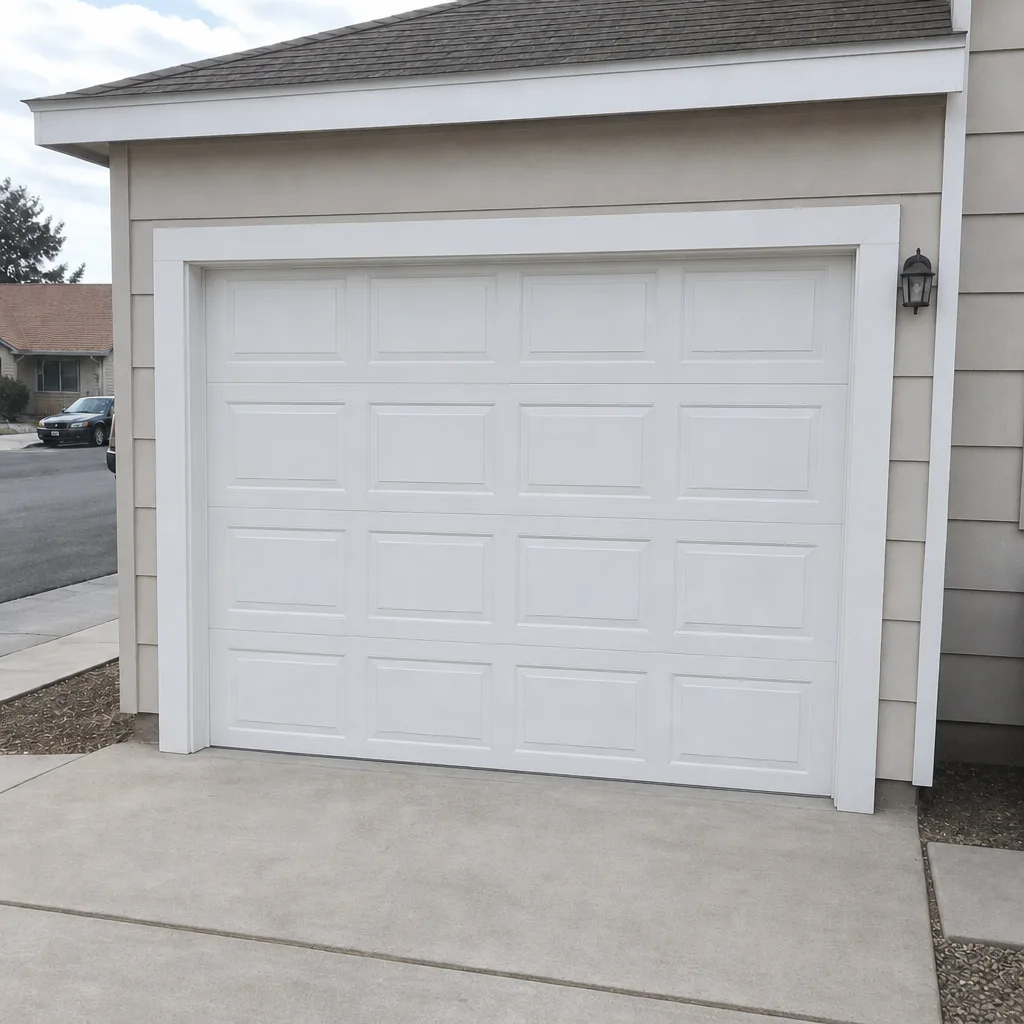 After
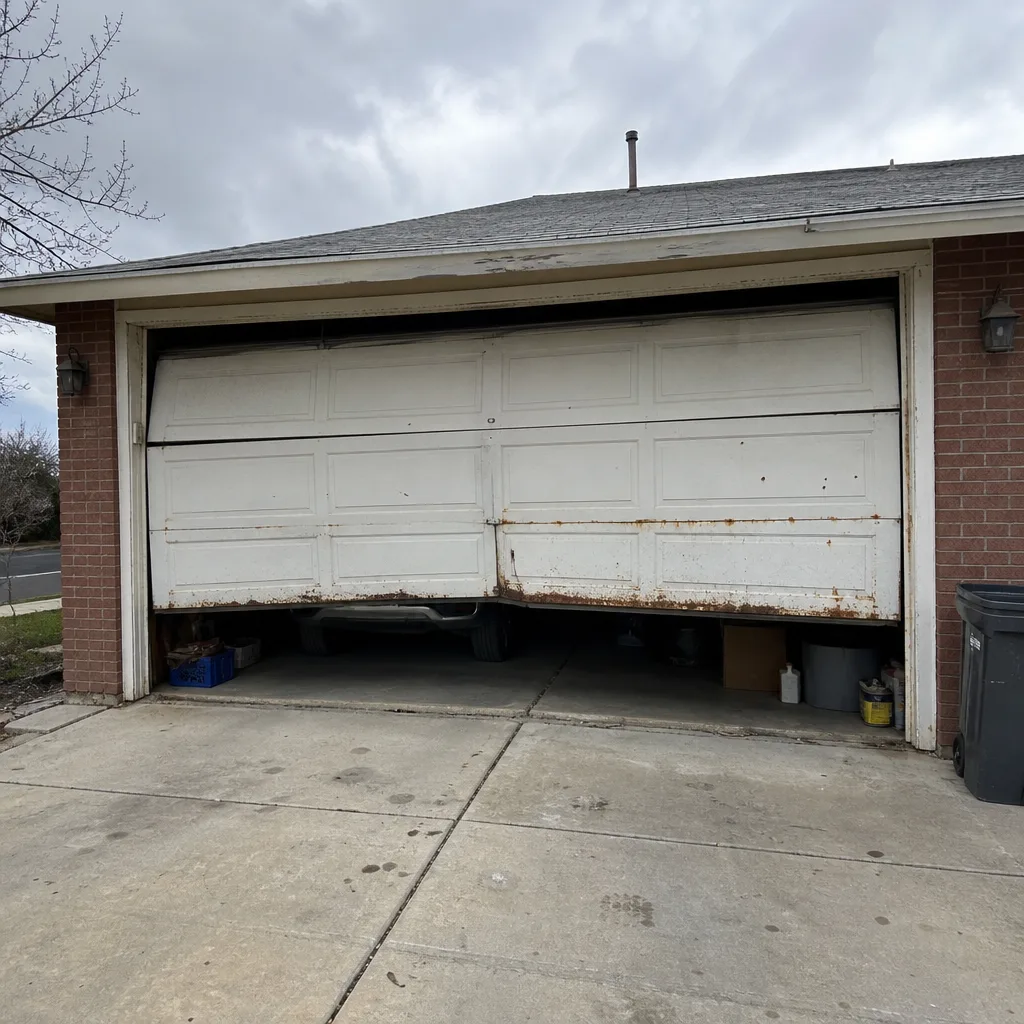 Before
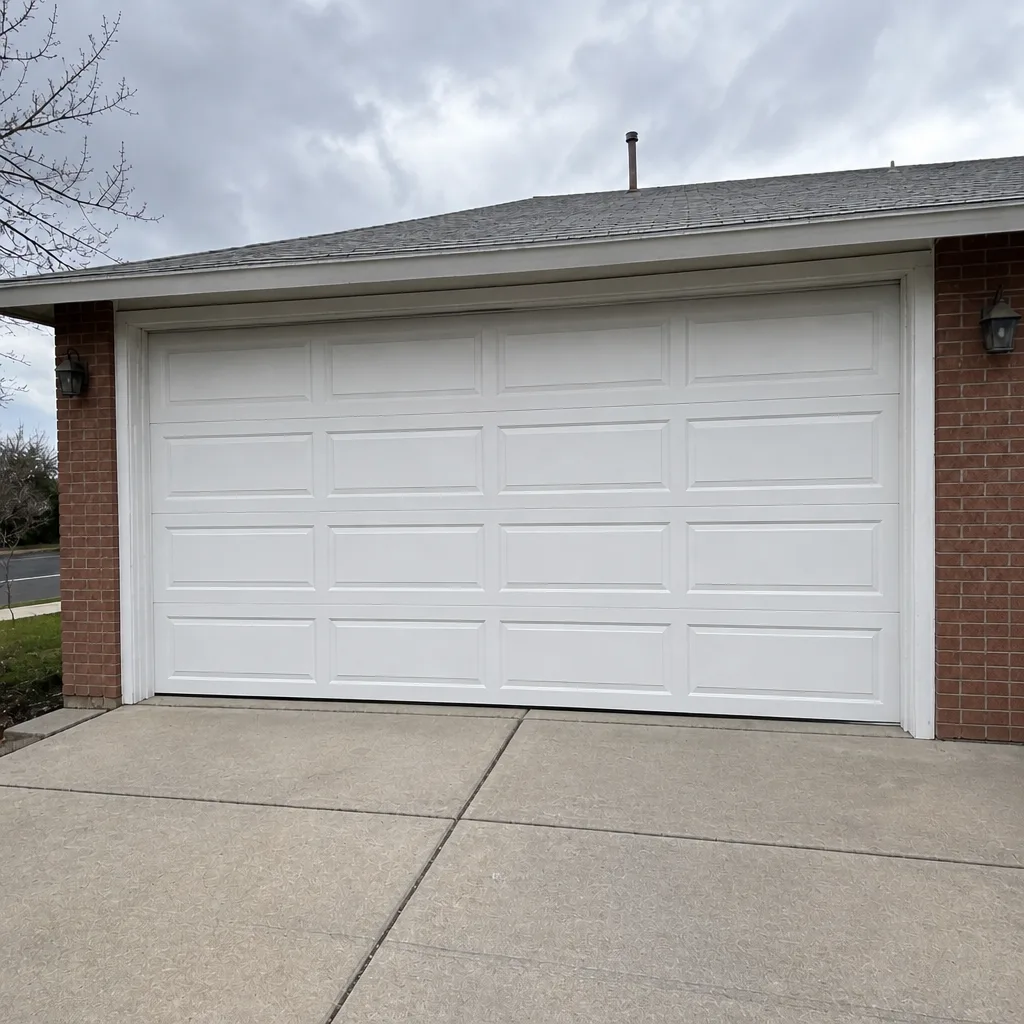 After
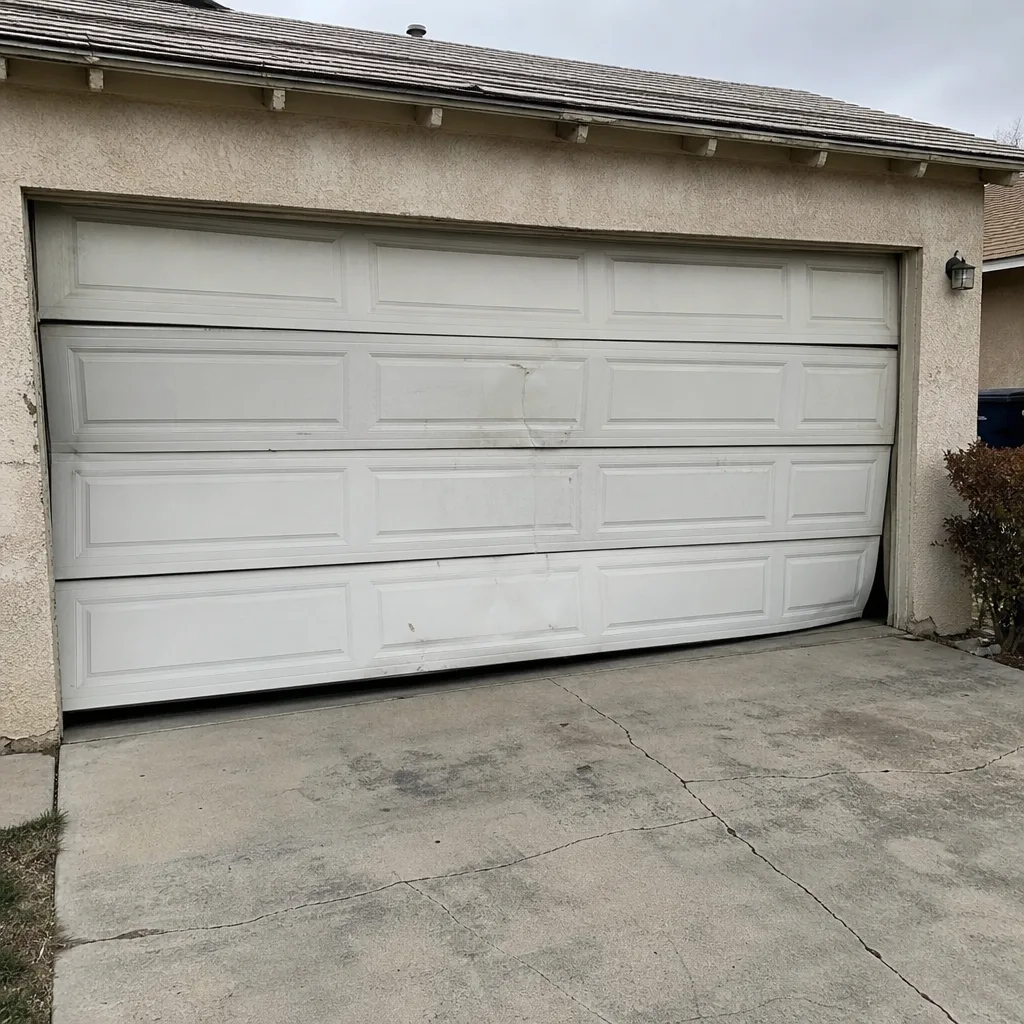 Before
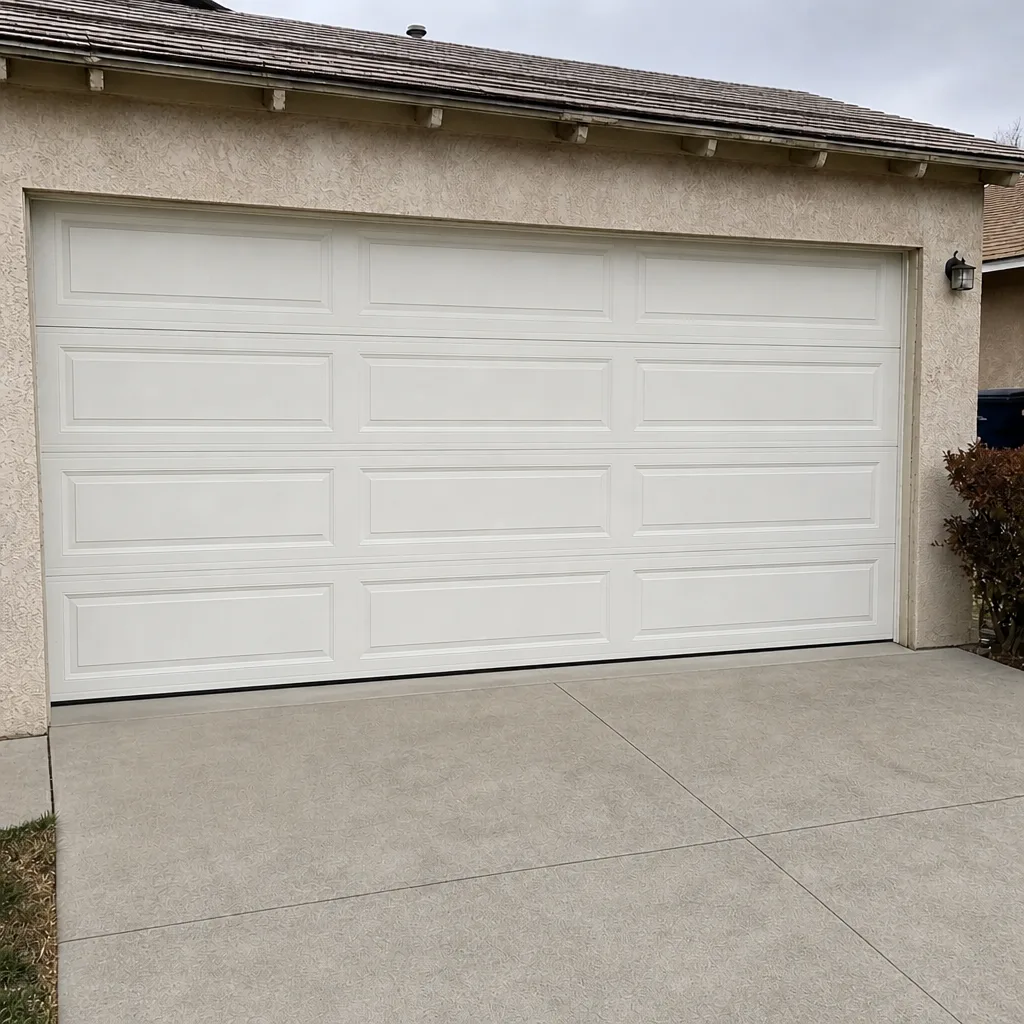 After
Why Does My Garage Door Reverse in Whitney, NV? The Heat Answer Most Guides Skip
If your garage door reverses on the way down, the short answer is that something is telling the opener the door is meeting too much resistance, or the safety beam is interrupted. In Whitney, that “something” is usually the opener’s force-limit sensor tripping because your steel door has gotten harder to move in the heat, not a blocked photo eye. When metal tracks expand in 110°F July afternoons and dried-out rollers add drag, the door’s travel resistance climbs past what the opener is set to allow. The opener reads that as an obstruction and reverses. It’s a safety feature doing its job. If you want the cause pinned down rather than guessed at, call Mainspring Garage Door Co. Whitney at (844) 797-9248 and we’ll walk you through it.
We’re Mainspring Garage Door Co. Whitney, and reversing doors are one of the calls we get most once the valley heats up.
Why Heat Changes What Your Door Is Doing
Most online guides start with the photo eyes, and sometimes they’re right. But in the desert, heat is often the first place to look, because it changes the door’s mechanics before it touches anything electronic.
Steel tracks expand when they’re hot. On a door that’s already running a little tight from worn plastic rollers or a track that’s slightly bowed, that expansion can be just enough to push travel resistance past the opener’s force-limit setting. The door isn’t blocked by anything you can see. It’s just harder to move than the opener thinks it should be. That’s the whole secret behind “it worked fine in March and reverses every afternoon in July.”
Around here the housing stock makes this worse. Whitney went up almost entirely as 1990s and early-2000s master-planned tract construction, with original builder-grade sectional steel doors and first-generation chain-drive openers still on a lot of homes. When the doors on your street were all installed within a few years of each other, they tend to reach end-of-life at the same time. That’s why one neighbor’s reversing door is often the first of many on the block.
The Four Things We Actually Check First
Before anyone touches a sensor setting, we diagnose what’s making the door hard to move. Adjusting force limits upward to override friction can mask a real safety problem, and a live technician on site can tell the difference in ways a DIY guide can’t. Here’s the order we work through:
- Lubrication and roller stems. Desert summers cook the lubricant off hinges and roller stems. Friction climbs, resistance climbs, and the force limit trips. A high-temp silicone spray applied to hinges and rollers each spring is the cheapest fix in this list and often the whole answer.
- Track alignment and roller condition. Worn plastic rollers and a bowed track combine with thermal expansion to make a tight door tighter. Realigning a track runs $120-$240 in this market. Replacing rollers runs $110-$220.
- Photo-eye housings on west-facing garages. Afternoon sun heats eye housings and their mounting brackets, and the expansion can shift the aim or fog the lens. That’s a different failure than “something is blocking the beam,” and it shows up mostly on garages facing the western sky.
- Opener logic board age. A 25-year-old chain-drive with a first-generation board loses sensitivity calibration over time. Heat speeds that drift up, so force and travel limits wander. On hardware that old, a new opener is sometimes the honest answer rather than chasing adjustments. Opener installation in this market runs $250-$550.
What Reversing-Door Repairs Cost in Whitney
Pricing depends on which cause you’re dealing with, but here’s what the work typically runs in this part of the valley. Every job starts with the flat price stated before any work begins, so there are no surprises on the bill.
| Repair | Typical Range |
|---|---|
| Opener Repair | $120-$320 |
| Roller Replacement | $110-$220 |
| Track Realignment | $120-$240 |
| Cable Repair | $130-$250 |
| Spring Repair | $180-$340 |
| Opener Installation | $250-$550 |
| Garage Door Repair (general) | $150-$600 |
Notice that a lubrication and adjustment service isn’t on that table, because it’s usually folded into a tune-up. Our seasonal tune-up is $89, and for most Whitney homeowners it’s the single best defense against a summer of reversing doors. If you’re weighing it out, we also do $50 off any repair over $250 and a free second opinion on any written estimate. Seniors and veterans get a standing 5% discount.
What to Check Before You Call (Without Getting Hurt)
A few careful checks can point you toward the cause, and none of them involve putting your hands near the spring, cables, or the door’s moving parts under tension.
- Try the door in the morning and again in late afternoon. If it opens fine cool and reverses hot, the force limit and thermal expansion are your problem.
- Look at the photo eyes. If the little indicator light is off or flickering, clean the lenses and check that they’re aimed at each other.
- Run a fingertip along the track where the rollers sit. Bumps or tight spots suggest a bow, and a bow plus heat makes a tight door.
- Listen. Grinding or squealing means something is dry or worn and needs attention before it fails outright.
What you shouldn’t do is crank the force limit up to make the door close. A spring, cable, or track that’s genuinely failing can drop a door panel, and high-tension hardware is not something to work on yourself. That part is for a trained technician. If you have a book estimate from someone else and want a second look, our Garage Door Repair team will give it, free.
Telling a Heat Problem From a Spring Problem
Here’s the operator detail worth knowing: not every reversing door is a sensor or a force-limit issue. Some are a snapped or weakening torsion spring, and springs in this climate get worked hard. Spring repair runs $180-$340 in this market, and many Whitney doors are still on their original springs from a couple of decades ago. When a spring sags, the opener has to lift more weight than it was balanced for, and the door can reverse on the way up or come down too hard on the way down. A technician can tell the difference in a few minutes. If you’re not sure, that’s one call worth making.
When we do the diagnosis, most jobs finish in a single visit because the common parts, springs, cables, rollers, and opener components, come out on the truck. Brands are family here too. We work on Raynor, LiftMaster, Chamberlain, and Genie systems, and most major names besides.
FAQs
That’s the force-limit sensor doing its safety job. An opener is set to reverse when it meets resistance, and in Whitney’s heat the door’s own friction can rise above that threshold without anything being in the way. Lubrication, roller condition, and track alignment are the usual culprits. Call (844) 797-9248 if it keeps happening.
Because heat is the variable. Metal tracks expand and lubricant thins out through the day, so the door is harder to move by late afternoon. A door that works cold and reverses hot points straight at force limits and friction. Call (844) 797-9248 and we’ll look at it before it becomes a bigger job.
We’d advise against it. Raising the force limit to override a friction problem can mask a failing spring, track, or cable, and that’s a genuine safety risk. Tension hardware is dangerous to handle, so a trained technician should diagnose the mechanical cause before anyone touches a setting. Estimates are free at (844) 797-9248.
Repair usually wins on anything under roughly 15 years old, and opener repair in Whitney runs $120-$320 against $250-$550 for new installation. But on a first-generation chain-drive with a drifting logic board, replacement is often the honest call. Call (844) 797-9248 for an exact quote.
Get It Looked At Before the Heat Gets Worse
If you’d rather have it looked at, Mainspring Garage Door Co. Whitney offers a no-pressure assessment in Whitney. We answer the phone live around the clock, we state the flat price before any work begins, and every job comes with our 90-Day Done Right Promise in writing. Call (844) 797-9248 for a free estimate, or start at our home page.
Written by the team at Mainspring Garage Door Co. Whitney, serving Whitney, NV.