
Last updated November 17, 2026
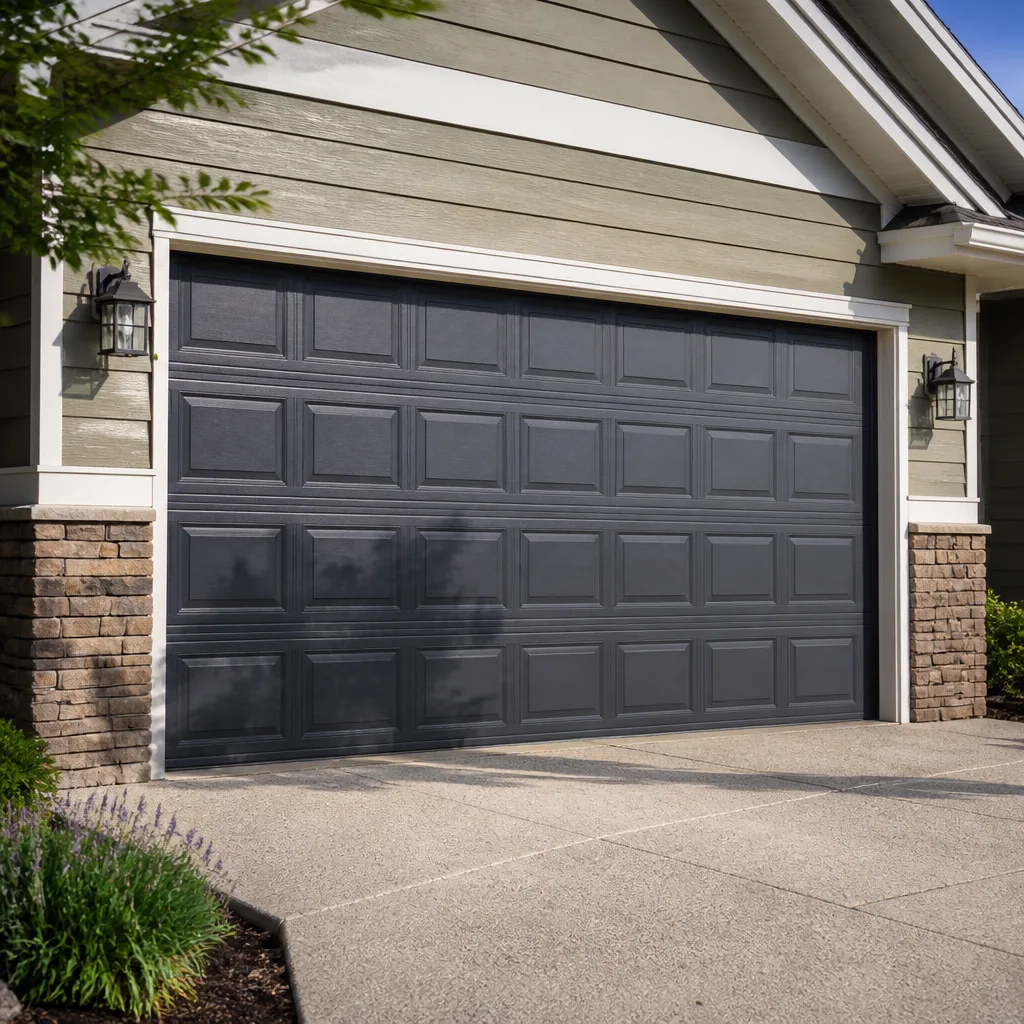 Raised-panel steel
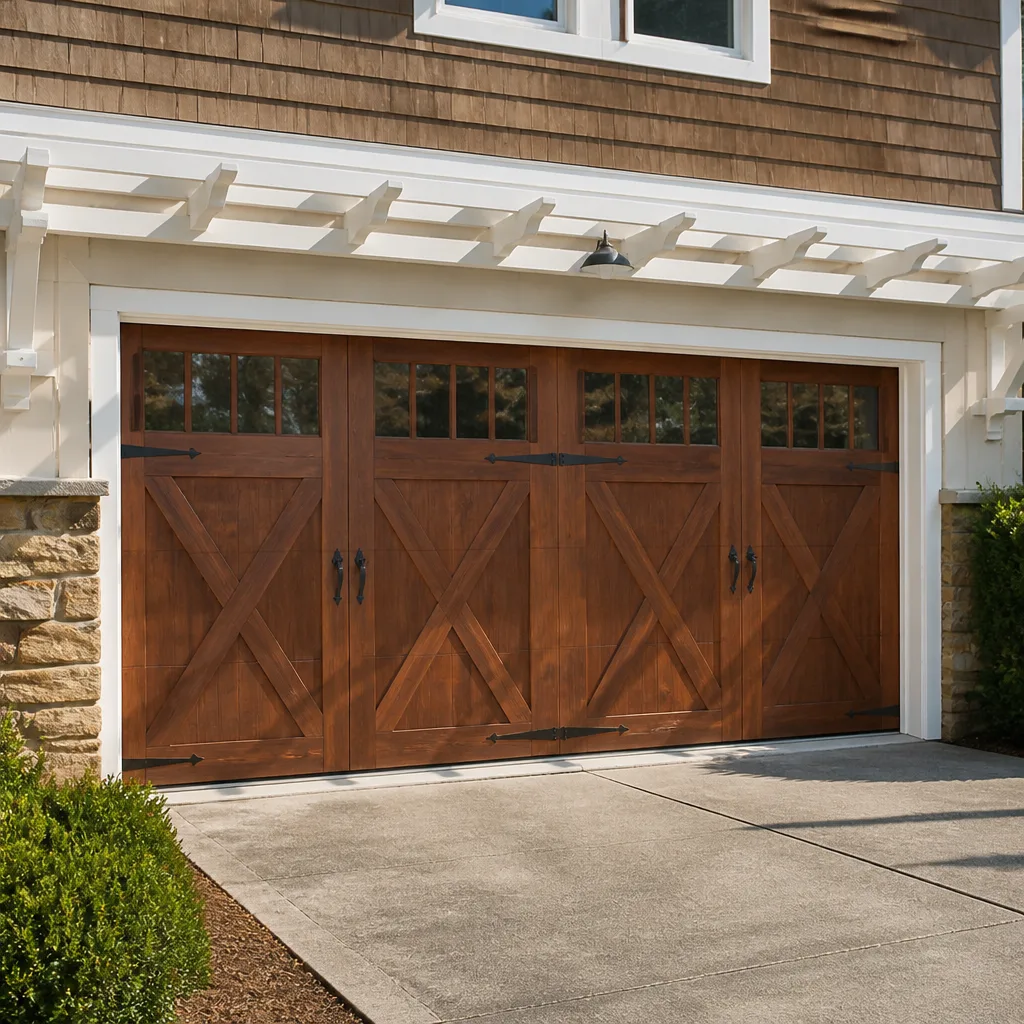 Carriage house
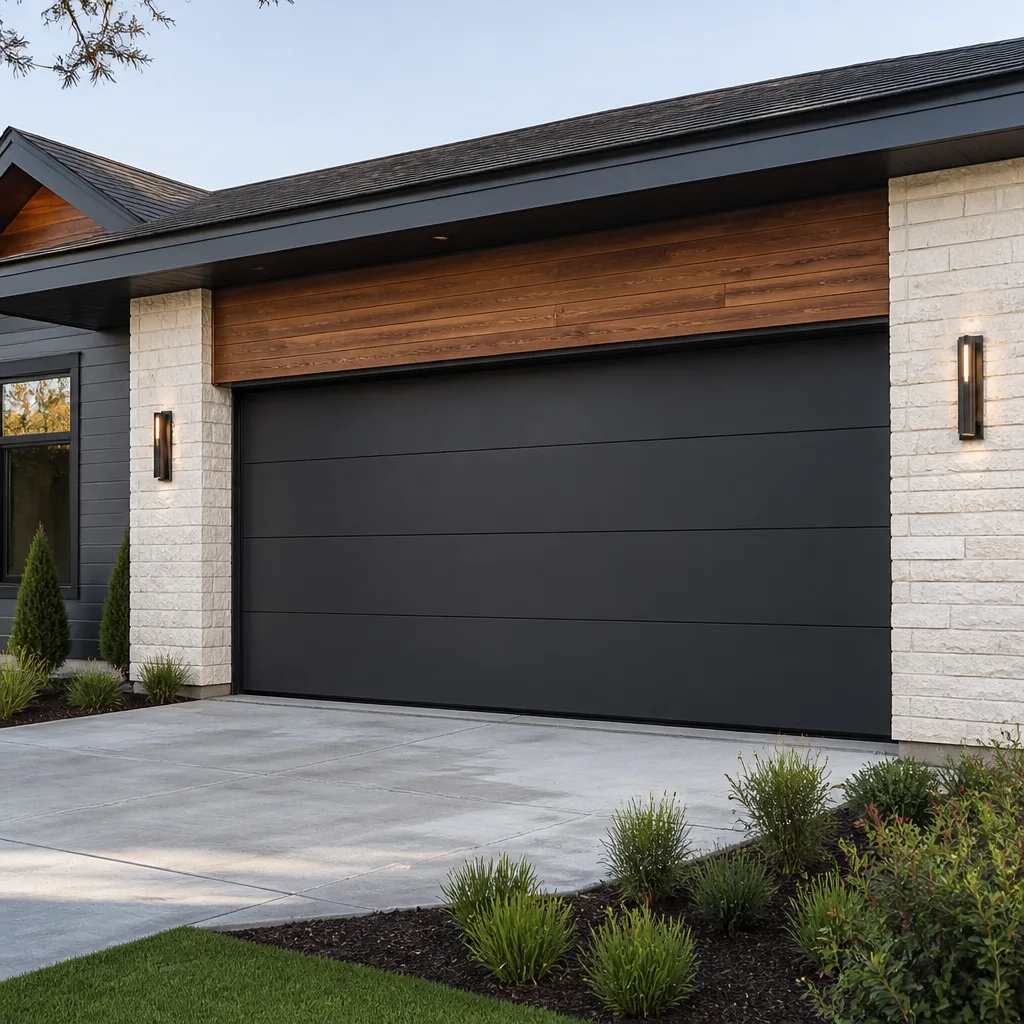 Modern flush
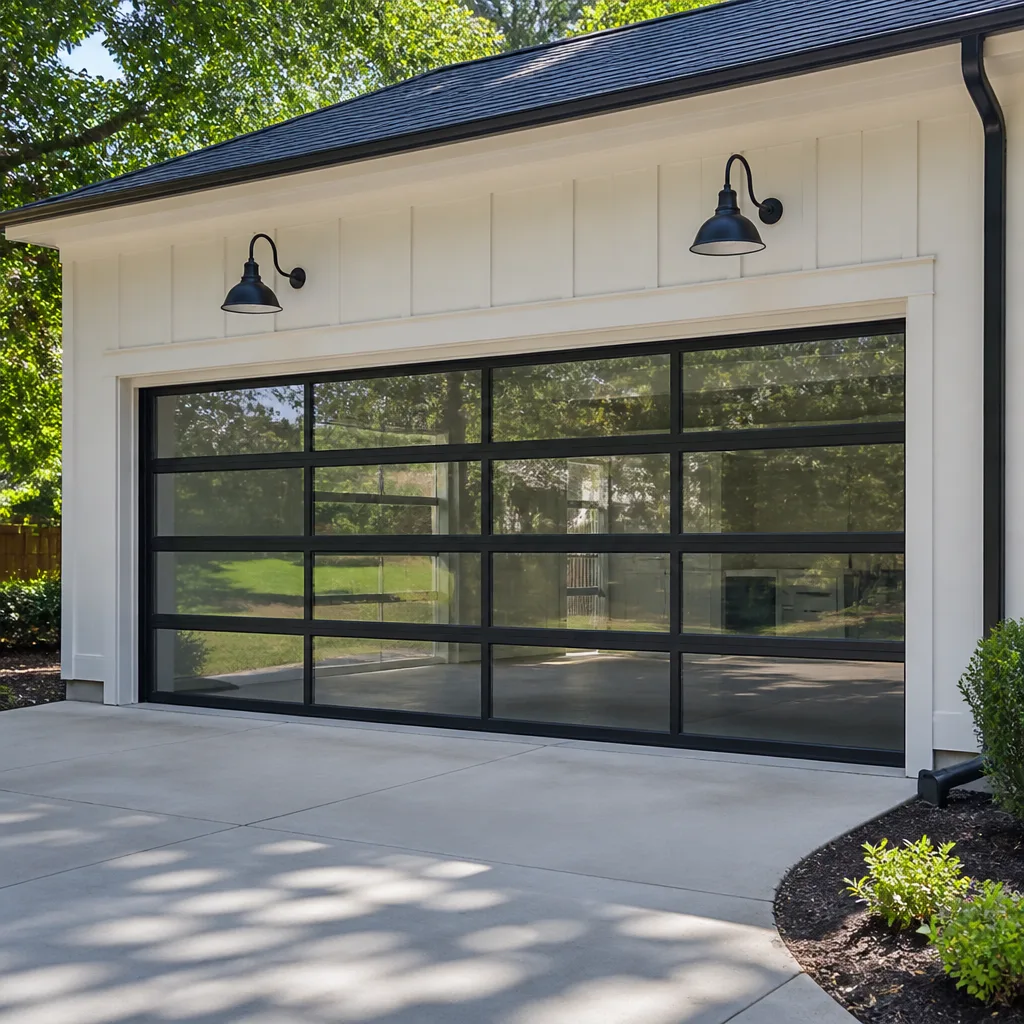 Full-view glass
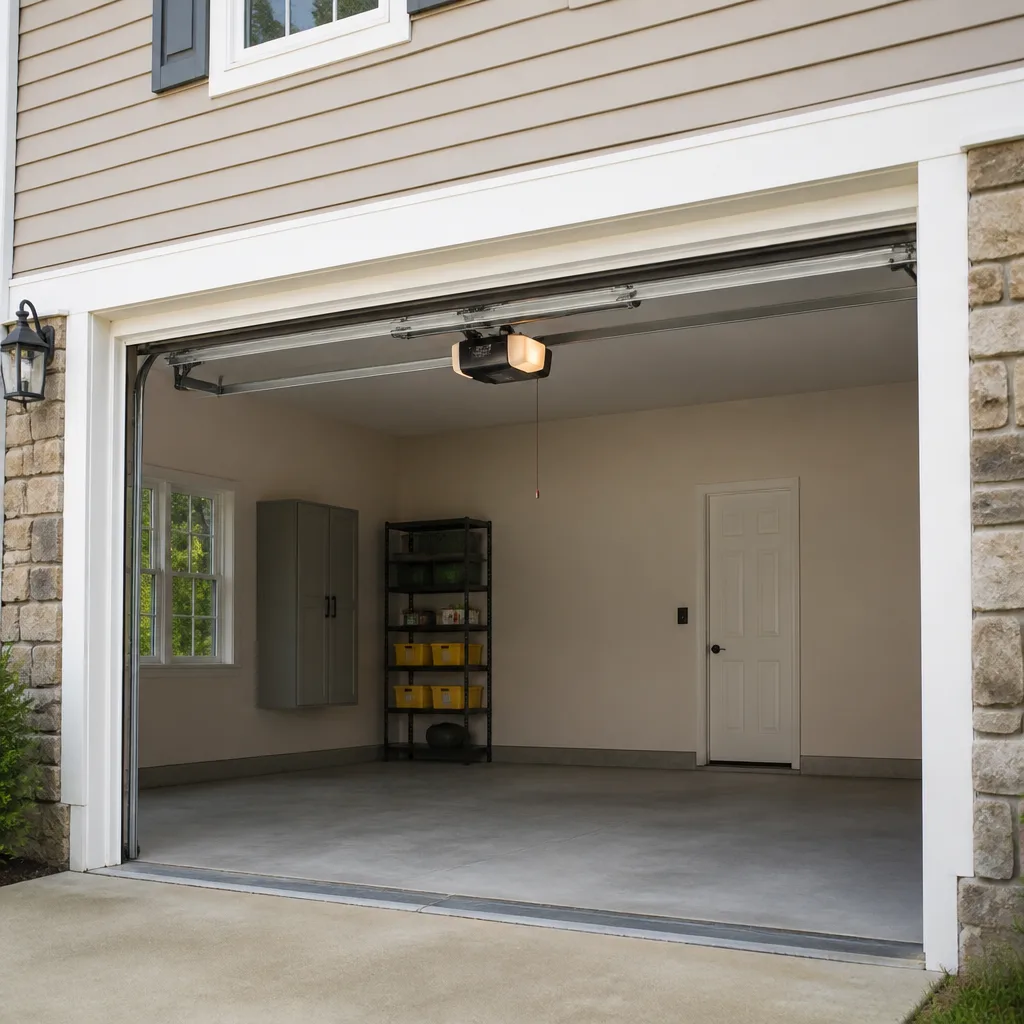 LiftMaster openers
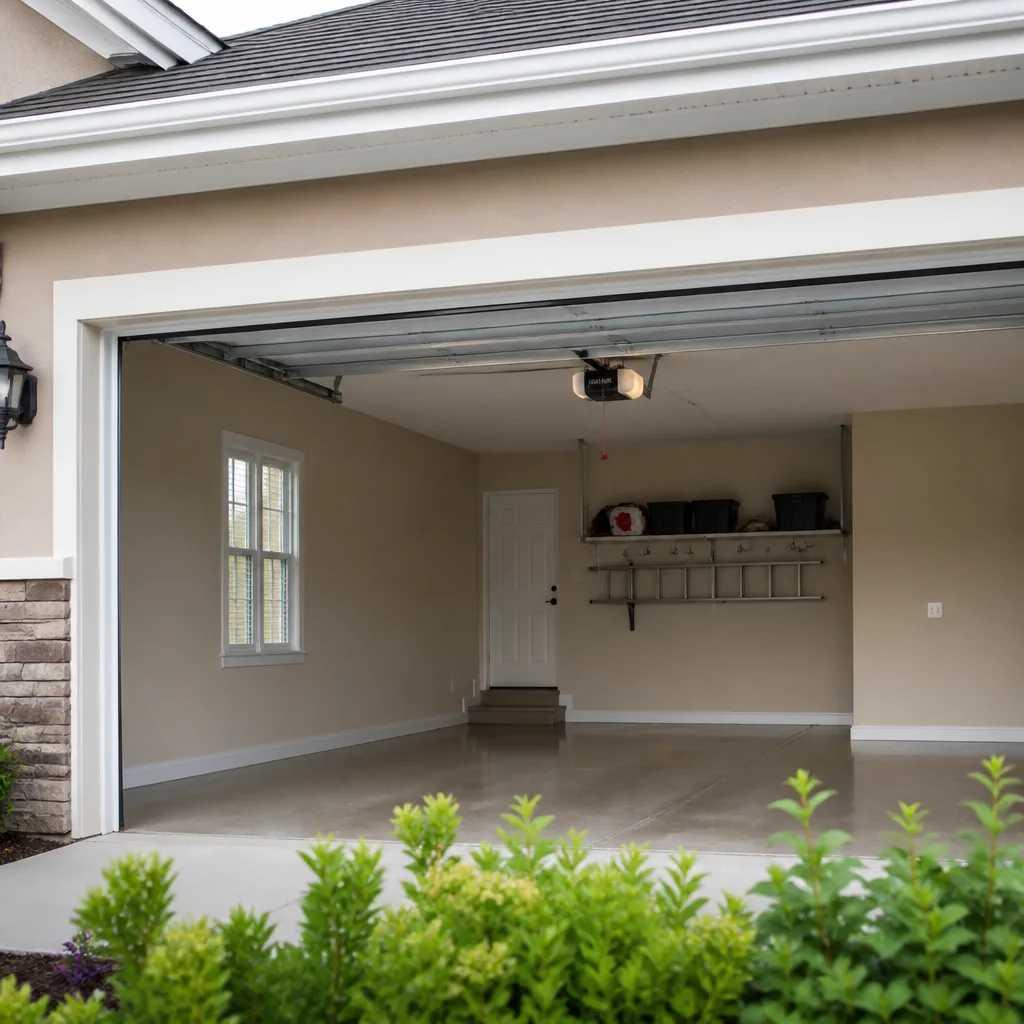 Chamberlain openers
Full 25-point door and opener safety check with every visit - springs, cables, rollers, tracks, and your LiftMaster or Chamberlain opener included
You get a price before we start. It does not change when the pro arrives.
Get your free estimateThe Complete Guide to Garage Door in Whitney
A steel garage door panel left in direct Nevada sun can reach 160°F by mid-afternoon. Manufacturers’ warranty charts don’t account for that, and they don’t account for the 40°F swings Whitney sees between a January dawn and a January afternoon either. Combined, those two forces wear out springs, weatherstripping, and opener gears faster here than the same components wear out in coastal California or humid climates back east. This guide covers what actually fails first on Whitney doors, which materials survive the alkaline Mojave dust and which don’t, what a fair local price looks like for every major service, and how to tell a square quote from a low-ball one before you sign anything.
Quick Answer
In Whitney, garage door problems are driven less by age than by environment: extreme summer heat, wide daily temperature swings, and alkaline dust load every component harder than the national averages assume. Torsion springs typically fail first, followed by weatherstripping, rollers, and opener gears. A fair local range runs from around $125 for a tune-up to $2,800+ for a full insulated door installation, and any contractor who can’t explain local labor and parts realities in their quote is guessing.
Styles & brands we work with
- Raised-panel steel
- Carriage house
- Modern flush
- Full-view glass
- LiftMaster openers
- Chamberlain openers
Table of Contents
- Why Whitney Doors Fail Differently
- How the Desert Temperature Swing Stresses Springs
- Which Materials Survive Whitney Dust and Heat
- The Parts That Fail First on Whitney-Area Doors
- What Every Major Service Should Cost in Whitney
- How to Read a Quote: Local Reality vs. Bait Pricing
- A Maintenance Schedule Built for Whitney
- Repair or Replace? Deciding on an Aging Whitney Door
Why Whitney Doors Fail Differently
Whitney sits in the Mojave high-desert band, and that means your garage door operates in conditions that most garage door guides, written for the Midwest or the coasts, simply ignore. Summer afternoons regularly climb past 100°F. Winter nights drop into the 30s. Steel expands in the afternoon, contracts by midnight, and does it again the next day, roughly 180 days a year.
What does that do to a door?
- Springs work harder. A torsion spring is a coiled strip of steel designed to store and release energy precisely. Every cycle – every up and every down – flexes it. Every temperature swing adds microscopic stress. Springs in Whitney reach their fatigue limit faster than the national charts predict.
- Weatherstripping dries and cracks. The rubber or vinyl seal at the bottom and sides of the door bakes in sun and dries in low humidity. Within two summers it hardens, cracks, and stops sealing, which lets dust and pests in.
- Dust gets into everything. Mojave dust is fine and slightly alkaline, which means it acts like a mild abrasive on rollers, hinges, and the opener’s moving parts. Ungreased tracks fill with grit and the opener motor has to work harder every cycle.
- Openers strain. When the door is heavier than it should be – because the springs have weakened, or the rollers are dry – the opener draws more current and runs hotter. Heat is the leading cause of opener motor failure nationwide, and Whitney’s ambient summer heat pushes it over the edge sooner.
None of this is dramatic. It’s a slow, predictable pattern. But the pattern is different enough that the advice you’d get from a national how-to site will be two or three years off for a Whitney door.
How the Desert Temperature Swing Stresses Springs
Whitney’s diurnal temperature range frequently tops 40°F – 35°F at dawn, 82°F by afternoon is a mild spring day here. In summer the swing is often wider. That range does something specifically to torsion springs that coastal or humid climates don’t do.
Every temperature drop causes the steel spring to contract slightly. Every rise causes it to expand. A torsion spring that would see a handful of these cycles per month in San Diego sees them daily in Whitney, and the effect compounds with the load cycles from normal daily use. In our experience, springs here often show fatigue in five to seven years where the same spring in a coastal climate would be expected to last ten to twelve.
There’s a second effect that catches homeowners by surprise. Spring failure almost never happens while you’re standing in the garage watching. It happens overnight, on the coldest night of a cold snap, when the metal is at its most brittle and the door is at rest. That’s why so many Whitney service calls are some version of “I came out this morning and the door wouldn’t go up.”
If you suspect a spring is near the end of its life – the door feels unusually heavy when you lift it by hand, the opener sounds labored, or you’re hearing a periodic clang from the torsion bar – have it checked before it breaks. Spring and cable work is genuinely dangerous; a torsion spring under load can release with enough force to break bones or worse, and it should only be handled by a trained technician with the right wound-spring tools. Our Garage Door Repair in Whitney team sees this pattern weekly.
Which Materials Survive Whitney Dust and Heat
Material choice in Whitney is not about looks first. It’s about survivability. Here’s how the common options hold up against alkaline dust and desert heat.
Steel, 24-gauge vs. 26-gauge
Steel is the standard for good reason. It’s strong, holds paint, and repels dust that would stain wood. The gauge matters. 26-gauge steel panels are thinner, cheaper, and more prone to flexing and denting as the metal expands and contracts. 24-gauge (or heavier) holds shape better across heat cycles and resists the flexing that eventually works loose at the hinges and rollers. Amarr and Raynor both make 24-gauge residential doors in the Whitney market, and they’re the ones we’d point to first for a hall this hot.
Aluminum
Aluminum doesn’t rust, which sounds like a win in a dusty climate. In practice, aluminum is softer than steel and dents more easily, and thin aluminum panels warp at summer temperatures. It’s fine for a decorative lightweight door on a shaded garage, less so for the west-facing door taking the full afternoon sun.
Wood and wood composite
Solid wood is beautiful and wrong for Whitney. The same dry air that keeps your skin comfortable pulls moisture out of wood and cracks it, and the sun bleaches and warps the panels within a few summers. Wood composites with a stable engineered core fare better, but they still need refinishing more often here than the manufacturer’s installation instructions suggest. If you love the look, plan on annual maintenance, not once-every-few-years.
Insulated vs. non-insulated
This one isn’t just about temperature in the garage. An insulated door is heavier, which means it needs a properly sized spring and a stronger opener. When a homeowner buys an insulated door without upgrading the opener, the motor burns out faster. Insulation helps in Whitney, but it needs to be matched to the hardware, and any honest quote will say so.
The Parts That Fail First on Whitney-Area Doors
Across local service calls, the same parts come up again and again in roughly the same order. If you’re trying to predict what’s next on your own door, this is the list.
- Torsion springs. First, by a wide margin. Heat fatigue, temperature cycling, and normal use combine to shorten spring life. If your door is five to seven years old and the springs are original, they’re on borrowed time.
- Bottom weatherstripping and side seals. Second. Sun damage and dry air make the seal brittle and shrink it away from the frame. Cheap to replace, and leaving it unreplaced lets dust, water, and pests in.
- Rollers and hinges. The dust layer in Whitney tracks and hinge points acts like a grinding paste. Nylon rollers last longer than steel rollers here; steel rollers on an uncleaned track start squealing within a few seasons.
- Opener drive gears and logic boards. Gears wear from the added load of a heavier door and from motor heat. Logic boards fall to power surges (common in the desert) and aging capacitors. LiftMaster and Chamberlain openers fare well, but even good openers need a properly balanced door behind them.
- Cables. Cables fray with age and load. They should be inspected every couple of years. A frayed cable is a safety issue, not a maintenance deferment.
- Panel warping. The outer panel on a sun-exposed door eventually warps or dents. This is usually cosmetic before it’s functional, but it can affect door balance.
The pattern matters because it tells you where to spend preventive dollars. A $89 tune-up that catches a worn roller and a brittle seal is far cheaper than the same tune-up three months after a spring snapped.
What Every Major Service Should Cost in Whitney
Here’s the honest range for Whitney-area garage door work. These are the numbers a fair contractor should be working from, and a quote that lands far outside them deserves a hard look at exactly what’s included.
- Seasonal tune-up and inspection: $89 to $150. Includes balance check, lubrication, roller and spring inspection, and a written report.
- Weatherstripping replacement (bottom seal): $100 to $200.
- Roller replacement (set of 10-12): $125 to $250.
- Single torsion spring replacement: $180 to $340, depending on door weight and spring size.
- Both springs replaced together: $300 to $550. (Replacing them together is standard practice – they’re the same age and wear the same way.)
- Cable replacement (pair): $180 to $320.
- Hinge replacement (typical set): $100 to $200.
- Opener replacement (belt or chain drive, standard duty): $400 to $750 installed.
- Opener replacement (smart or heavy-duty): $550 to $950 installed.
- New door installation, single-car, non-insulated steel: $900 to $1,600.
- New door installation, double-car, insulated steel: $1,800 to $3,200.
- Custom or carriage-style door installation: $2,500 to $5,500+.
Two things matter as much as the numbers themselves. First, the price you agree to is the price you pay – the flat figure should be stated before any work begins, not after the panel is off. Second, on repair work you should never get a number over the phone that isn’t confirmed by an in-person inspection; on installation work, you should get a written quote after a proper measure, because doors come in specific sizes and the wrong size is a re-order.
For a closer look at the installation side, our Garage Door Installation in Whitney page lays out the factors that push a project toward the high or low end of those ranges. Current standing offers at Mainspring Garage Door Co. Whitney include $50 off any repair over $250, a free second opinion on any written estimate from another contractor, and a permanent 5% discount for seniors and veterans.
How to Read a Quote: Local Reality vs. Bait Pricing
A low-ball quote is expensive in a way that isn’t obvious at first. It’s usually the number that gets the truck in the driveway, and then the technician “discovers” a problem that adds another $400 to the bill. The way to protect yourself is to read the quote before you sign it.
Here’s how to spot the difference:
- Does the quote name the parts? A real quote says “one 0.218 x 1.75 x 30″ torsion spring” or “set of ten nylon rollers, 2-inch” or “LiftMaster 8500W with battery backup.” A bait quote says “spring repair, $99.”
- Is the labor included or separate? Whitney-area labor runs higher than people expect on garage doors because the work is specialized and the round trip is real. A quote that doesn’t mention labor either has hidden it in the parts price or is planning to add it.
- Does the price change once they’re in your garage? A fair contractor will inspect first, then quote a flat price that doesn’t change. If the figure moves after the work begins, ask why before the technician picks up another tool.
- Is the warranty in writing? A 90-day written promise is real. A verbal “we’ll be back if there’s a problem” is not.
- Is the quote measured or estimated? On a new door install, a real contractor measures the opening, the headroom, the backroom, and the side clearance. An estimate given over the phone without a measure is a guess dressed up as a quote.
The cheapest quote in Whitney is almost never the cheapest job. A square quote is priced for the actual conditions here – local labor rates, local part availability, and the wear that a Whitney door actually sees – and a contractor who quotes below those realities is either cutting corners or planning to add them back later.
A Maintenance Schedule Built for Whitney
Garage doors don’t need much, but Whitney’s climate asks for more than the standard advice. Here’s a schedule that reflects the conditions.
- Monthly: Wipe or blow out the tracks. Alkaline dust builds up here faster than in most places, and grit is what wears rollers.
- Monthly: Test the safety reversal. Put a small box or board under the door, close it, and confirm the door reverses on contact. This is a five-minute check that prevents the worst kind of accident.
- Every three months: Lubricate hinges, rollers, and the spring with a silicone-based garage door lubricant (not WD-40, which attracts dust).
- Twice a year: Have the balance checked. Disconnect the opener and lift the door by hand. It should lift easily and stay open around four feet off the ground. If it won’t, the springs or the balance are off.
- Twice a year: Inspect the weatherstripping. If it’s cracked, hardened, or pulling away from the frame, replace it. This is one of the cheapest fixes that keeps dust and pests out and preserves the door.
- Annually: Full professional inspection. Have a technician check the springs, cables, opener drive, and mounting hardware. This is when a worn cable or a tired spring gets caught before it fails.
For the opener specifically, our Garage Door Opener in Whitney team handles annual safety and force-limit checks as part of tune-up work. If your opener is more than ten years old, the check should include the force limits and the logic board condition, not just the drive gear.
Repair or Replace? Deciding on an Aging Whitney Door
Homeowners often ask whether it’s time to replace the whole door or keep repairing it. The math depends on three things: the age of the door, the cost of the current repair versus a new door, and whether the door’s material is failing across the whole panel or in one spot.
A simple rule: if you’ve spent more than half the cost of a new door on repairs in the past five years, replacement is usually the better call. If the door is ten years or older and still has its original springs, hinges, and rollers, you’re about to replace them one at a time anyway, and a new door with fresh hardware can reset the clock.
For a door that’s still structurally sound, a repair and a fresh set of springs, rollers, and seals will get another eight to ten years. In Whitney, that’s usually the smarter play – the panels aren’t the part that fails first here; the hardware is. The exception is a door that has warped panels or a persistent balance problem. If the door won’t stay balanced after new springs, the panels themselves are likely the issue, and no amount of repair will fix that.
If you’re weighing the two, ask for both numbers in writing. Mainspring Garage Door Co. Whitney offers free estimates on both repair and replacement, and a free second opinion on any written estimate you’ve already received. A second opinion that agrees with your first quote is worth just as much as one that disagrees – both tell you something real.
Common Mistakes to Avoid
- Ignoring the springs until they snap. In Whitney, springs fatigue in five to seven years, not the national average of ten to twelve. If you’ve owned the door for that long without a spring inspection, you’re gambling. A five-minute check now beats a morning call from a broken door.
- Using the wrong lubricant. Standard WD-40 is fine for a squeak in the moment and bad for a garage door long-term because it attracts dust. The alkaline dust in Whitney already acts like sandpaper; don’t add adhesive to it. Use a silicone or lithium garage door lubricant instead.
- Buying a heavy insulated door without upgrading the opener. An insulated door weighs significantly more than the one it replaced, and the opener that was sized for the old door will burn out faster. Any honest quote on an insulated door will include the opener evaluation.
- Accepting a phone quote as final. A price given over the phone without an inspection is a placeholder. If the technician arrives and “discovers” a problem that raises the price, you’re already sitting with the door open and the clock running. Ask for a flat price after inspection, before work begins.
- Choosng a door on looks alone. A beautiful wood door will look tired in three Whitney summers. 24-gauge steel and a properly finished wood composite hold up in this climate; thinner materials don’t.
- Skipping the seasonal tune-up because the door still opens. A door that opens is not a door that’s safe. A worn cable, a tired spring, and an aging opener all keep opening right up to the moment they stop. The $89 tune-up catches what the door won’t tell you.
- Assuming the bottom seal is a small thing. A brittle, cracked bottom seal is one of the fastest ways to let dust and pests into a Whitney garage. It’s a cheap replacement that gets postponed for no good reason.
See the difference
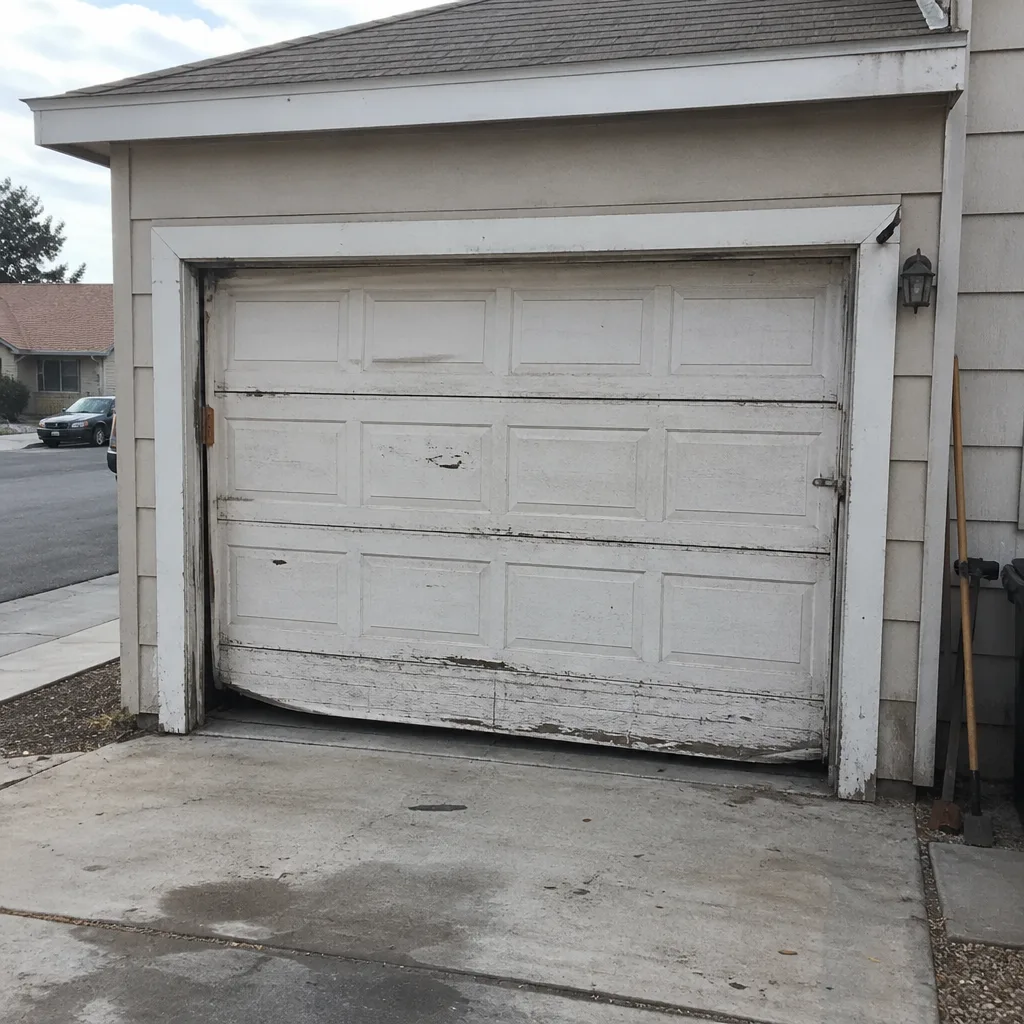 Before
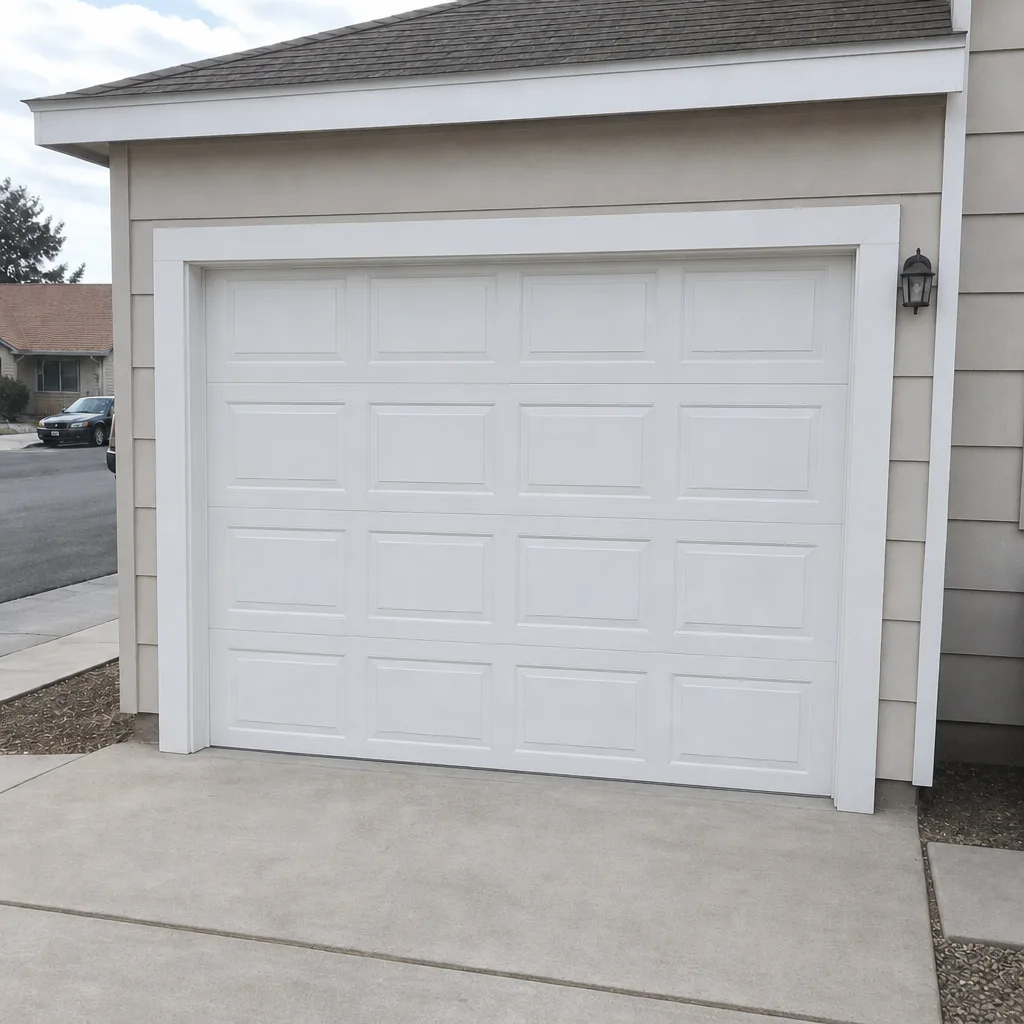 After
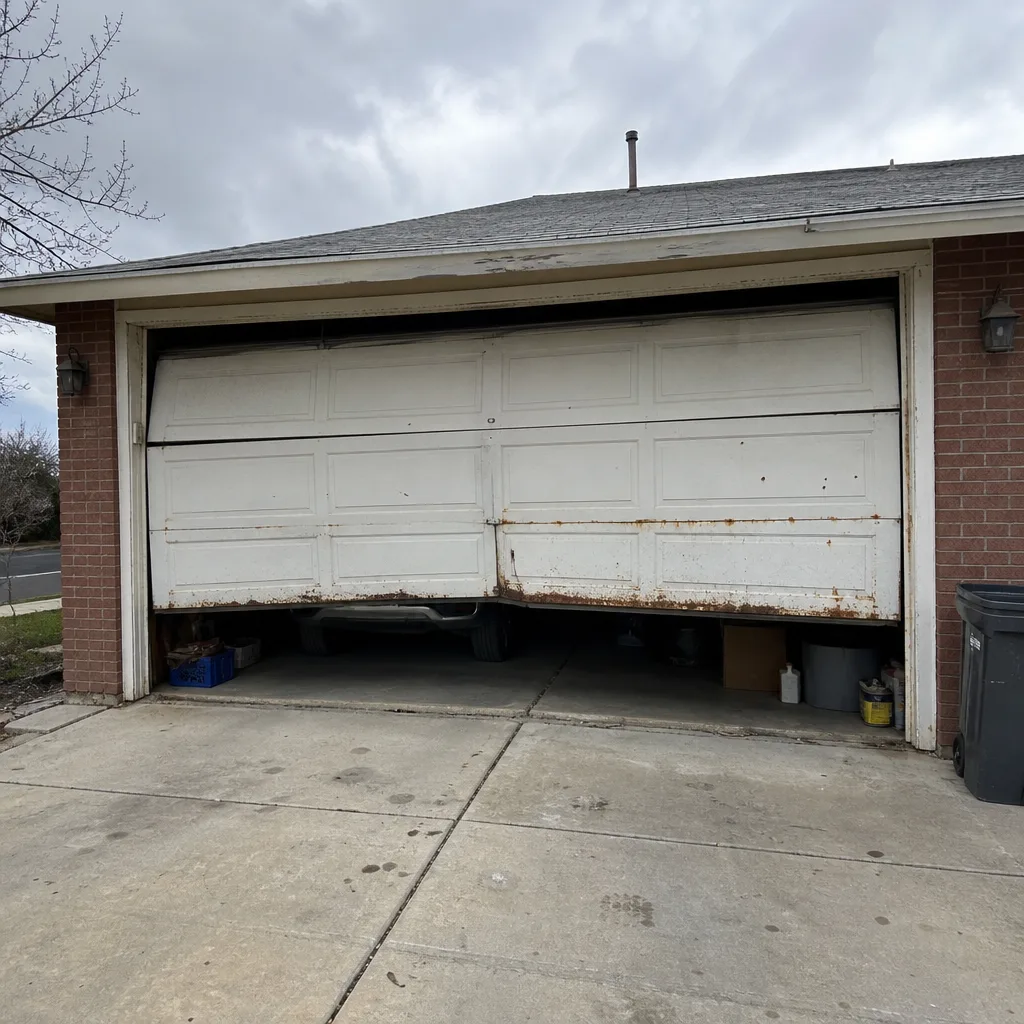 Before
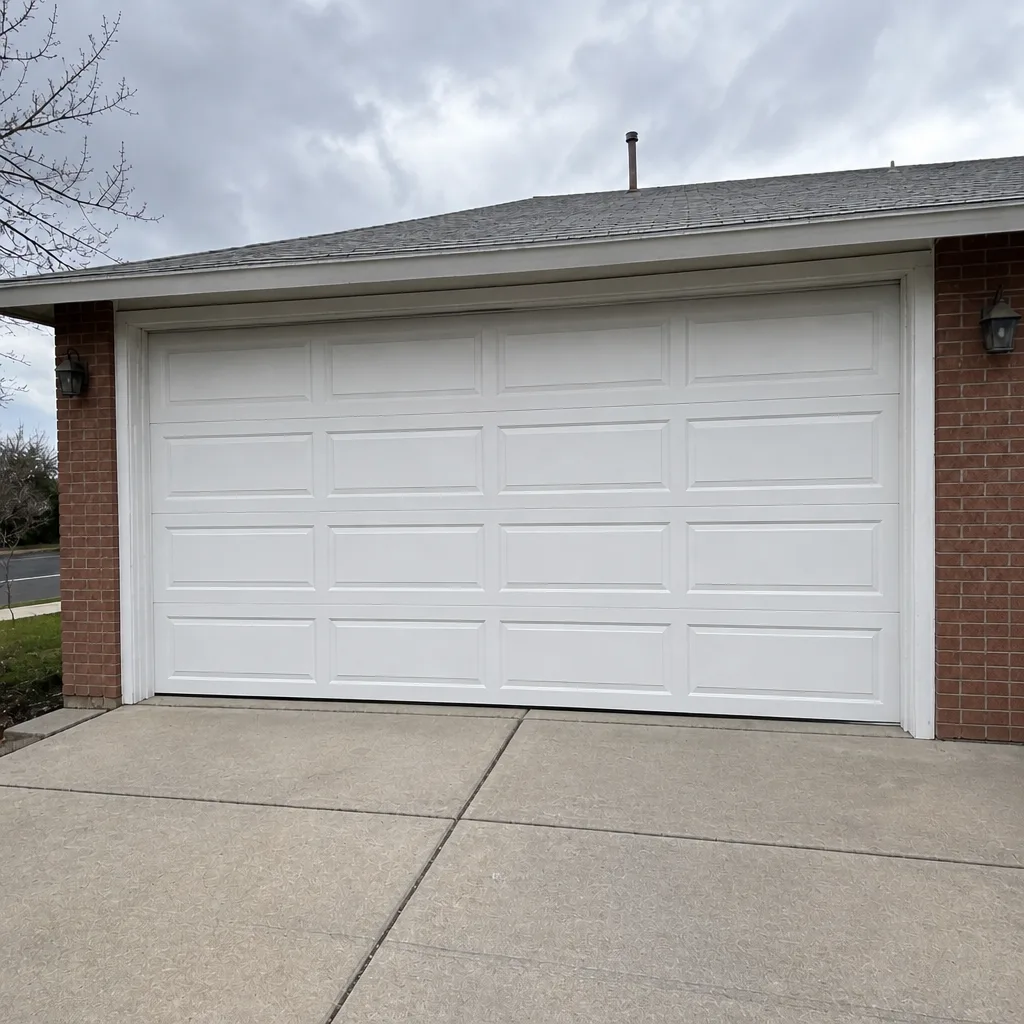 After
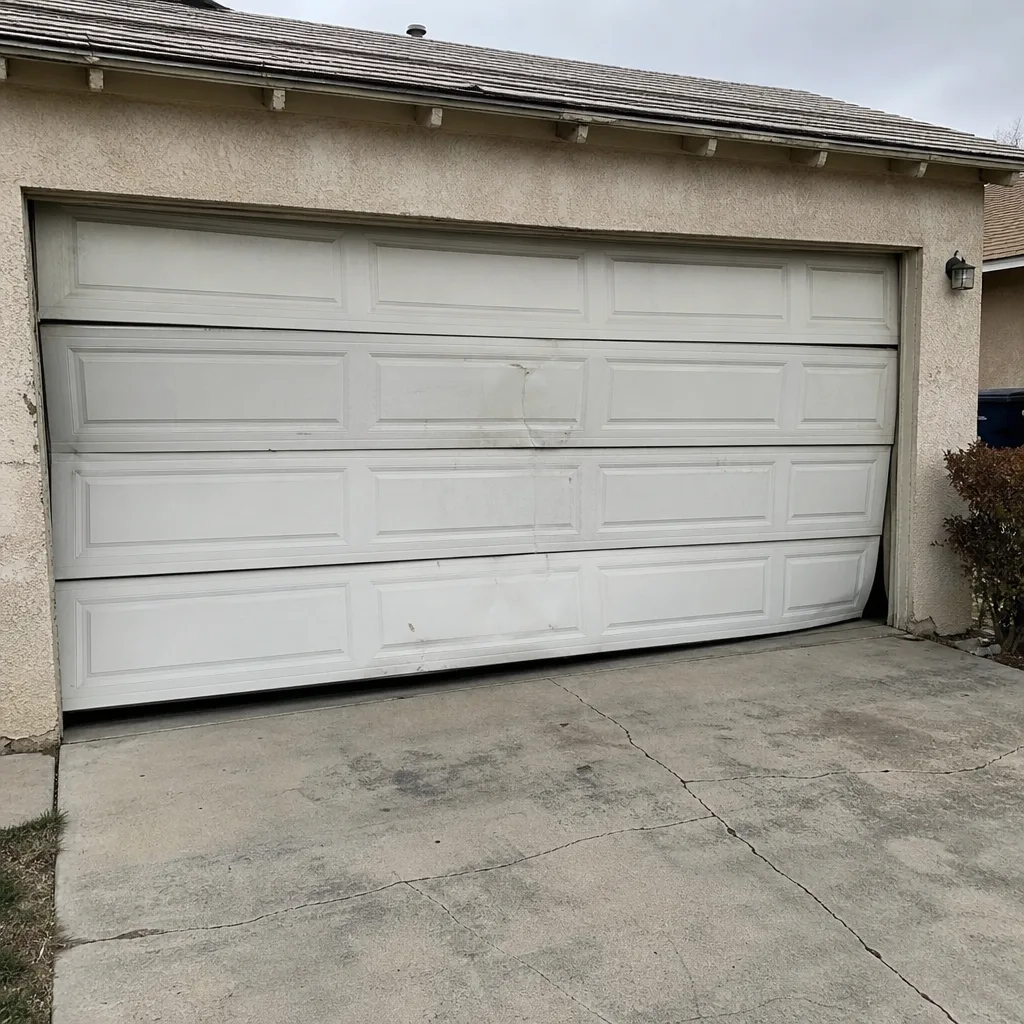 Before
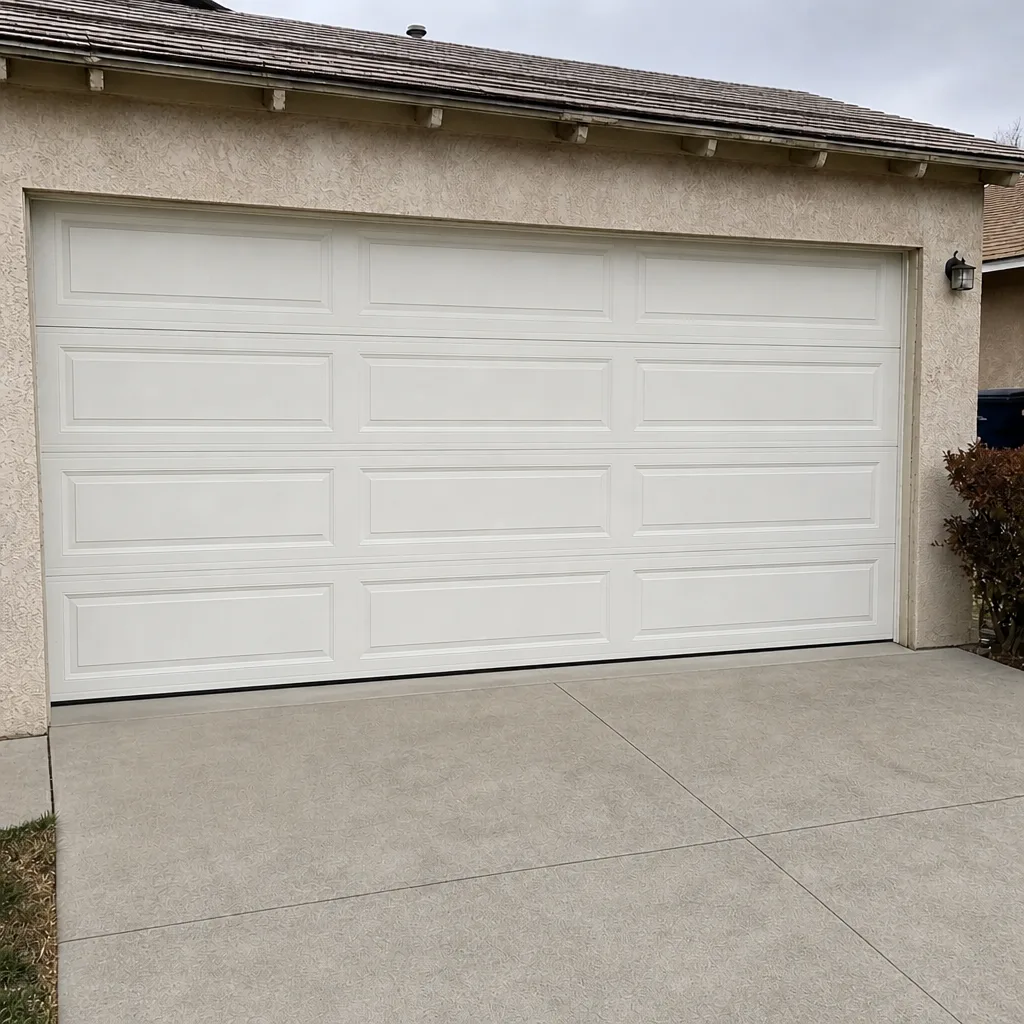 After
When to Call a Professional
Some garage door work is genuinely a professional job and shouldn’t be attempted as DIY. Torsion spring and cable work tops the list – a spring under load can injure or kill if it releases unexpectedly, and the tools needed to wind it safely are not what you have in a home toolbox. Beyond that, call a professional if you notice any of the following: the door won’t reverse when it hits an obstacle, the door is visibly off-track, the door will not stay balanced when lifted by hand, a cable is frayed or hanging slack, the opener hums but doesn’t move the door, or the door has fallen more than once on its own. Any of those is a safety concern, not a repair you should defer.
Mainspring Garage Door Co. Whitney offers free estimates in Whitney, and a live person answers the phone around the clock. Call (844) 797-9248 for a free estimate or a second opinion on any quote you already have.
Frequently Asked Questions
In Whitney, most common repairs fall between $180 and $400, with a torsion spring replacement running $180 to $340 and both springs together usually landing between $300 and $550. Cables, rollers, and weatherstripping are typically less. You’ll get a flat price stated before the work begins, so there are no surprises on the bill. Call (844) 797-9248 for an exact quote – estimates are free.
Torsion springs in Whitney see wider temperature swings and more heat cycles than springs in coastal or humid climates, and both accelerate metal fatigue. Local springs commonly show fatigue in five to seven years versus ten to twelve in milder climates. If your door is in that range, have the springs inspected before they break.
Yes – broken springs, snapped cables, and doors that won’t open are treated as priority calls, and we answer the phone 24/7. We won’t promise a same-day repair on a job we haven’t seen, but a live person will assess it with you on the call and dispatch accordingly. Call (844) 797-9248 and we’ll give you the next available time.
No. Our process is inspection first, then a flat price stated before any work begins, and the price you agree to is the price you pay. If something materially different is discovered during the inspection, we stop and talk it through with you before any work begins. Call (844) 797-9248 for a free estimate.
Our technicians are background-checked, and every job is covered by our 90-Day Done Right Promise in writing – if the work isn’t right, we come back at no charge. The technicians have up to 10 years of experience. Call (844) 797-9248 with any questions about coverage or credentials.
Once a year is the baseline, and twice a year is better for doors in full afternoon sun. Our $89 seasonal tune-up includes a balance check, lubrication, roller and spring inspection, and a written report. Between tune-ups, wipe your tracks monthly and test the safety reversal every month or so.
The Bottom Line
Whitney’s high-desert climate changes the maintenance math on every garage door in the area. Springs fatigue years sooner than national averages predict. Weatherstripping hardens and cracks faster. Alkaline dust wears rollers and hinges that would last twice as long in a milder climate. The good news is that the pattern is predictable: a seasonal tune-up, a clean track, the right lubricant, and an honest inspection on the parts that matter most will keep a Whitney door running for years past the point it would have failed without care. And when something does fail – a spring, a cable, an opener – get a flat price in writing before the work starts. That’s the difference between a square deal and a surprise on the bill.
Mainspring Garage Door Co. Whitney answers the phone around the clock, arrives with the right parts on the truck, and finishes most jobs in a single visit. Every job is backed by the 90-Day Done Right Promise. Call (844) 797-9248 for a free estimate, a second opinion on any written quote, or a straight answer about what your door actually needs. You can start with a look at our Mainspring Garage Door Co. Whitney home, take a closer look at our repair service, or review our installation service and opener service pages before you call. We’ll be there when we say.
Written by the team at Mainspring Garage Door Co. Whitney.