
Last updated November 17, 2026
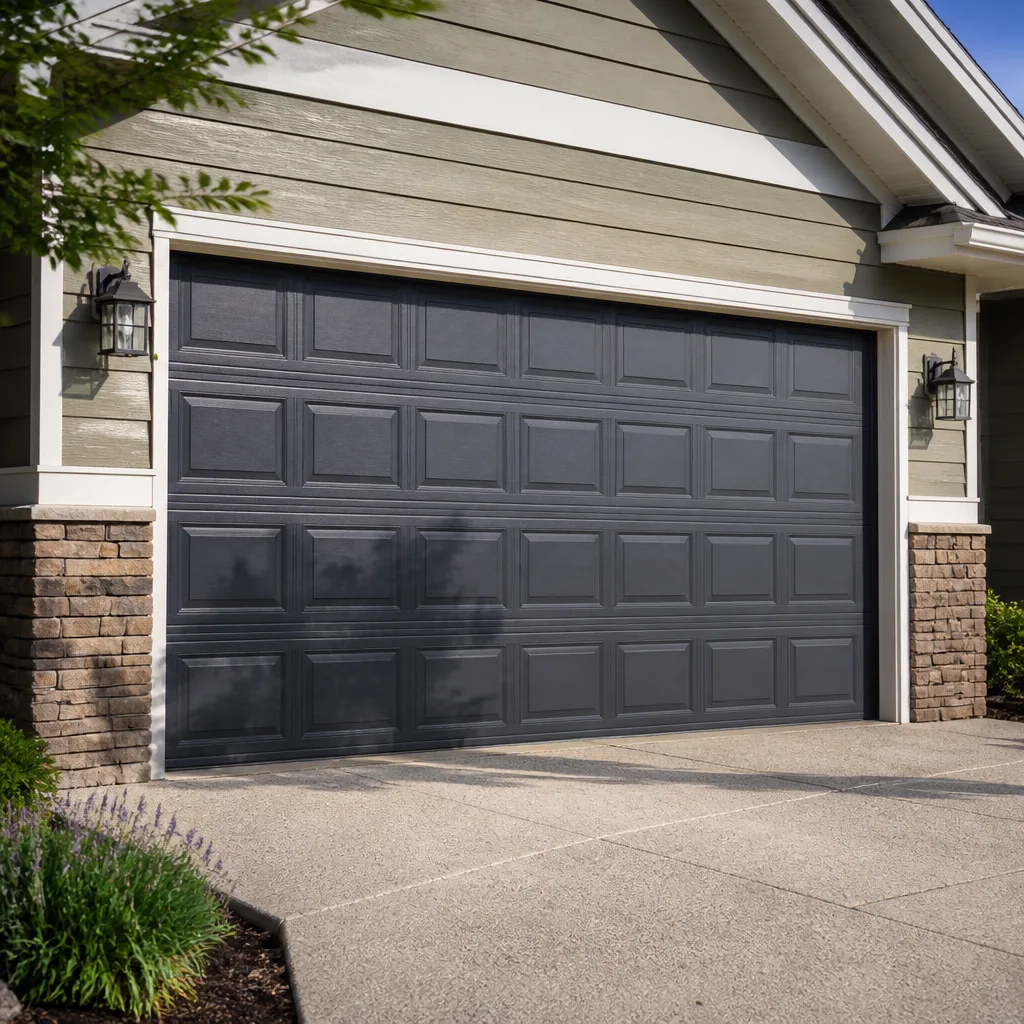 Raised-panel steel
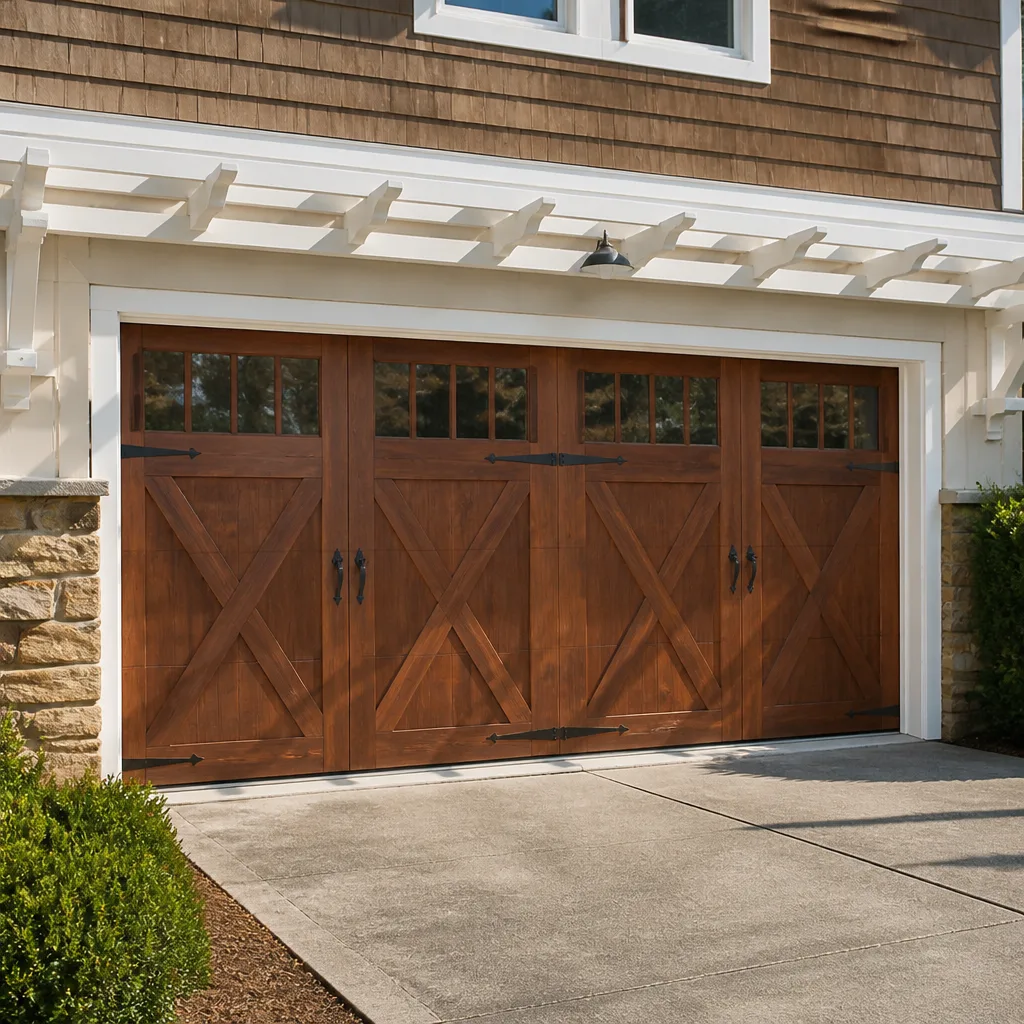 Carriage house
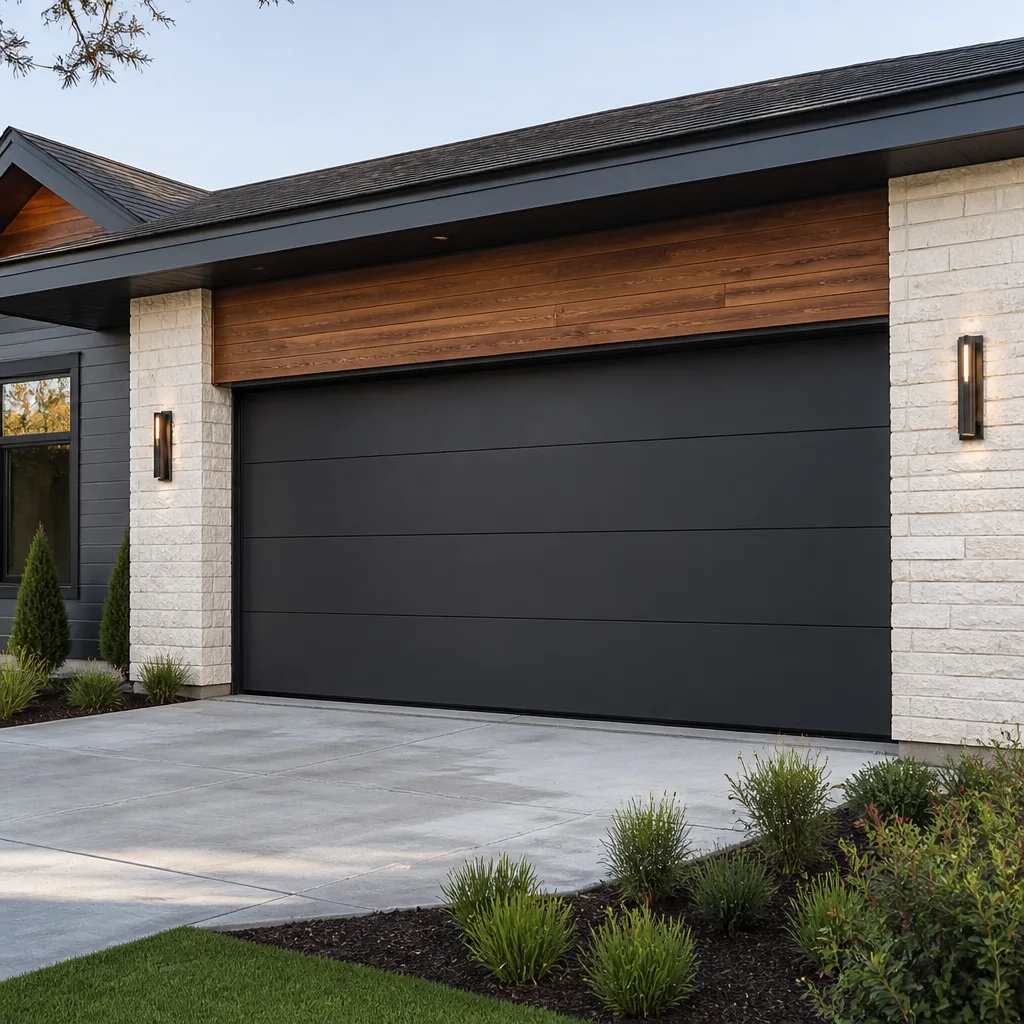 Modern flush
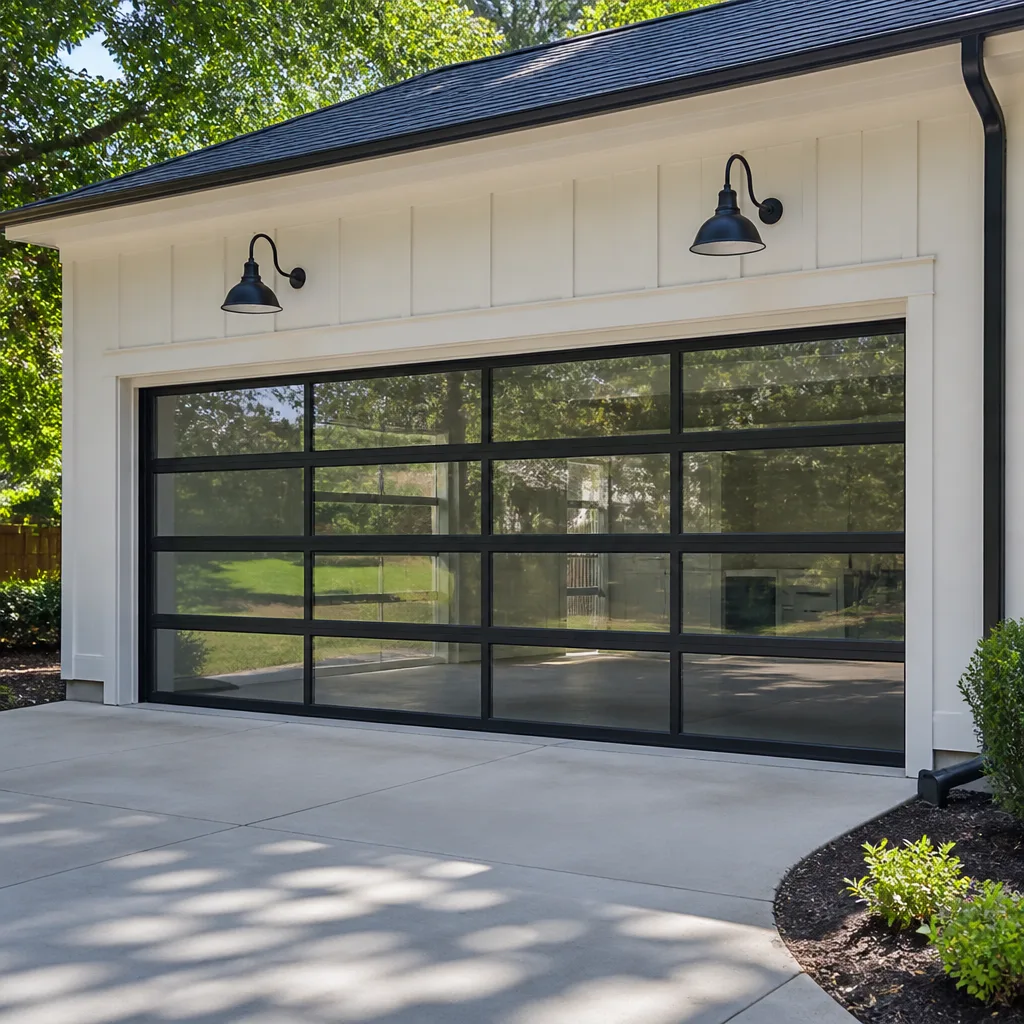 Full-view glass
 LiftMaster openers
 Chamberlain openers
Full 25-point door and opener safety check with every visit - springs, cables, rollers, tracks, and your LiftMaster or Chamberlain opener included
You get a price before we start. It does not change when the pro arrives.
Get your free estimateEmergency Garage Door Troubleshooting: Common Problems and How to Fix Them
Roughly one in four after-hours garage door service calls is solved by a technician flipping a wall switch that got bumped to vacation mode. The fix takes ten seconds. The call still costs a service fee. This guide exists to prevent that. Most homeowners assume the worst when a door stops responding, then either overpay for a repair they never needed or hurt themselves attempting one they shouldn’t have. We’ve walked through hundreds of these calls in Whitney, and the pattern is remarkably consistent: the simple causes get overlooked, and the dangerous ones get attempted by hand. Below is the decision tree we’d walk you through at your own door, starting from the visible symptom and ending at the point where you should put the tools down and call.
Quick Answer
Emergency garage door troubleshooting starts with the simplest cause and works outward: check the wall switch for vacation mode, check the photo-eye alignment, then test whether the door is locked or the spring is broken. If the door is off-track, stuck partially open, or making a loud snap-bang noise, stop and call a professional – those four symptoms point to spring, cable, or track failures that are dangerous to touch. A trained technician can confirm the diagnosis and quote a flat price before any work begins.
Styles & brands we work with
- Raised-panel steel
- Carriage house
- Modern flush
- Full-view glass
- LiftMaster openers
- Chamberlain openers
Table of Contents
- Start With the Symptom: A Troubleshooting Decision Tree
- The Vacation Lock Confusion That Generates Panicked Calls
- Photo-Eye Misalignment: The 60-Second Fix
- The Broken Spring Test You Can Do Without Touching the Spring
- Why You Should Never Force an Off-Track Door by Hand
- Why Your Door Reverses Before Closing
- Opener Trouble: When the Door Is Fine but the Motor Isn’t
- Common Mistakes to Avoid
Start With the Symptom: A Troubleshooting Decision Tree
When a garage door fails, the fastest path to the right answer is to name the symptom out loud, then work backward. Six symptom categories cover nearly every emergency call we run in Whitney. Read the one that matches your situation and stop where it says to stop.
- Door won’t move at all. Check the wall switch, then the remote battery, then the wall lock or vacation mode. If all three are fine and the door still won’t respond, the opener may have lost power or the motor may have failed. Call for a diagnosis.
- Door won’t close (or reverses immediately). Look at the small photo-eye lens on each side of the door track. Wipe them, check for obstructions, and realign. Most of these resolve in under a minute.
- Door is off-track or crooked. Stop. Do not run the opener. Do not force the door by hand. This is a professional call, and forcing it makes the repair more expensive.
- A loud snap, bang, or ping was heard, then the door wouldn’t open. Suspect a broken torsion spring or a snapped cable. Do not attempt to open the door – the openers can pull with enough force to drop a door on a person or vehicle.
- Door closes then reverses halfway down. Clear the path of the photo-eye, then check the close-force limit. If it persists, the travel limit or force setting needs adjustment.
- Door opens but won’t close fully, leaving a gap. Check the travel limit switch on the opener and the down-limit setting. Sometimes the issue is a misaligned track, which is a professional repair.
The pattern to internalize: if the symptom is “motion,” start with switches. If the symptom is “reverse,” start with photo-eyes. If the symptom is “sound” or “sag,” start with the spring and stop touching it. In Whitney, we see this decision tree resolve more than half of callers’ issues before a truck ever rolls.
The Vacation Lock Confusion That Generates Panicked Calls
The vacation lock – sometimes labeled “vacation mode” or shown as a small padlock icon on the wall console – is the most-misdiagnosed garage door failure we encounter. A homeowner returns from a trip, presses the remote, and nothing happens. The opener light blinks. There’s no noise from the motor. Panic sets in about a burglary, a power surge, a dead opener, and the call goes out as an emergency.
Nine times out of ten, someone accidentally pressed the lock button on the wall console, or a child bumped it while cleaning, or a piece of luggage slid against the wall unit on the way back in. The opener intentionally ignores remote commands in that state, which is the whole point of vacation mode: you can leave on a two-week trip and know the door won’t open if a neighbor’s spare remote gets found.
How to identify it in poor garage lighting
Garage lighting is often the problem. A single bulb on the opener with the sun streaming through the side window makes wall switches hard to read. Use your phone’s flashlight. On most LiftMaster and Chamberlain wall consoles, the lock button sits at the bottom or side and shows a small padlock icon. When engaged, an LED next to it lights up – but only if the console is receiving power.
- Look at the wall console. Is a small LED lit next to a padlock icon? If yes, press and hold that button for two to three seconds. The LED should turn off and the remote will work again.
- Check for a physical slide lock on the door itself – a bar that slides into the track. Some older doors use a manual barrel bolt. If engaged, the opener will strain or fault out.
- Look at the opener head for a small blinking LED pattern. A fast blink is often a lock signal, a slow blink is often a safety-sensor fault.
- Try the wall console button (not the remote). If the door opens from the wall switch but not the remote, you’re almost certainly in vacation mode.
The fix takes about ten seconds. It’s worth knowing before you call anyone, in Whitney or anywhere else. If the lock isn’t engaged and the door still won’t move, that’s a real fault and worth a diagnostic visit. We answer the phone at (844) 797-9248 around the clock and can talk you through the check in real time.
Photo-Eye Misalignment: The 60-Second Fix
The two small lenses mounted near the floor on each side of the door track are the safety photo-eye system. One shoots an infrared beam; the other receives it. If the beam is broken, the opener assumes something is under the door and refuses to close. The door may open fine, but every close command gets reversed within a second or two.
This single fault accounts for a large share of “my door won’t close” emergency calls. The fix usually requires no tools at all.
- Locate the two photo-eye lenses. They’re usually about 6 inches off the floor, mounted on the track or the door jamb.
- Look for an LED on each lens. On most Chamberlain and Genie models, a steady light on both means the alignment is good. A blinking light on one or off on both means a fault or misalignment.
- Wipe both lenses with a dry cloth. Dust, spiderwebs, and in Whitney’s case, fine desert dust that accumulates on the lens face, can block the beam.
- Look for obstructions: a trash can, a bicycle wheel, a garden hose pushed against the track, a bag of fertilizer, or a fallen leaf that drifted in through an open side door.
- Gently nudge each lens back into alignment, pointing straight at its partner. Some mounts are on brackets that swivel by hand. Others screw into the track and need a small adjustment.
- Press the wall button to close. If the door closes without reversing, you’re done.
If the LED on one eye stays dark even after wiping and realigning, the lens itself may have failed, which is a quick swap. That’s an opener-level repair we can finish in one visit. What we ask homeowners not to do is bypass the photo-eye system by taping the lenses together or jumpering the wires – that removes a safety device that has prevented serious injuries for decades. The eyes exist because a closing garage door can crush what it doesn’t see.
The Broken Spring Test You Can Do Without Touching the Spring
Torsion springs carry the entire weight of the door – several hundred pounds on a double-wide Whitney door. They are under extreme tension. Touching them without training is how people lose fingers. Extension springs are also dangerous and can whip a cable across the garage if they snap. So how do you confirm a broken spring without going near it? You watch and listen.
The visual test
Look up at the torsion bar (the horizontal steel shaft above the door). The spring is coiled around it. A healthy spring is a continuous coil. A broken spring shows an obvious gap, usually a clean split with a section of coil hanging slightly out of place. It’s visible from the ground with a flashlight, without climbing anything. Extension springs run along the top track on each side – a broken one will visibly dangle or have a separated coil.
The manual release test
This test confirms the diagnosis without touching the spring itself:
- Stand inside the garage, with the door closed.
- Pull the red emergency release handle hanging from the opener trolley. This disconnects the door from the opener.
- Lift the door by the bottom panel handle about a foot. A door with an intact spring should lift with steady, moderate force and hold roughly where you let go, or drift slightly.
- A door with a broken spring will feel impossibly heavy – two hands and real effort – and will drop back to closed as soon as you stop lifting.
- Carefully let the door down. Re-engage the release by lifting it back up until the trolley clicks into the carriage. Do not force this; a door with a broken spring should not be re-engaged – leave it down and call.
If the door fails the manual release test, the spring is almost certainly broken. Do not run the opener. Do not try to lift the door fully. Call for a repair. In Whitney, we regularly see spring failures cluster in late spring and early fall, when the desert temperature swings from cool nights to hot afternoons and the steel fatigues faster than in milder climates. A spring that’s been in place for years can fail on a random Tuesday without warning.
Why You Should Never Force an Off-Track Door by Hand
An off-track door has one or more rollers that have jumped out of the vertical or horizontal track. The door hangs crooked, binds, or refuses to move. The instinct – push it back into place, get it closed so the house is secure – is exactly the wrong move.
The reason is mechanical. When a door comes off-track, the tension in the torsion spring and the tension in the lift cables are no longer balanced by the door’s normal travel path. Forcing the door can:
- Snap a lift cable. A cable under tension snaps with a whip that can cut through clothing and skin. It’s a common injury we see from attempted off-track fixes.
- Bend or crease door panels. Aluminum and steel panels crease at the hinge points when forced. A repairable off-track becomes a full panel replacement.
- Damage the track and hinges. Forcing a roller sideways can spread the track channel or snap a hinge, which multiplies the repair cost.
- Drop the door. A door that comes fully off both tracks can crush whatever is under it. This is the single most dangerous outcome and the reason off-track work is a professional call, no exception.
What to do instead: leave the door exactly where it is. Don’t run the opener – it will try to pull the door and worsen the bind. If the door is partially open and the house needs securing, close and lock the interior door to the garage and call. When we send a technician, they’ll inspect the track, cables, and hinges together. In most cases the fix is track realignment plus a roller or hinge swap, done in one visit because the truck carries the parts. That’s the reason we keep our trucks stocked – the wait-for-parts second trip is the most common complaint we hear about other companies in Whitney.
Why Your Door Reverses Before Closing
A door that starts to close and then pops back up is usually reporting a safety fault. The opener is designed to reverse when anything is detected in the path. Four common causes, in order of likelihood:
- Photo-eye obstruction or misalignment. Already covered. Check this first – it resolves the majority of reverse-on-close calls.
- Something on the door’s path. A child’s toy, a broom, a snow shovel, a delivery box – the openers are sensitive enough to detect them on the way down.
- Close-force limit set too low. The opener measures resistance and reverses if it meets more than the setting allows. Cold weather stiffens the door’s rollers and grease, which can push a borderline setting over the edge. In Whitney’s mild winters this is less common, but a dry, unlubricated track can cause the same problem any time of year.
- Track or roller binding. If the door binds partway down, the opener reads it as an obstruction and reverses. This is a mechanical issue – track, rollers, or hinges – that a professional should diagnose.
We don’t recommend adjusting the close-force limit yourself beyond what the manual specifies. Setting the force too high removes the safety feature that stops the door if it meets a person or pet. The right move is to clear the path, clean the eyes, lubricate the rollers and hinges with a proper garage door lubricant (not WD-40), and if the door still reverses, call for a look. A technician will check the force and travel limits against the door’s actual weight.
Opener Trouble: When the Door Is Fine but the Motor Isn’t
Sometimes the door moves fine by hand but the opener won’t drive it. That’s an opener problem, not a door problem, and the troubleshooting follows a different path.
- Dead remote. Replace the battery first (CR2032 or A23 on most Chamberlain and Genie remotes). If a second remote also fails, the issue is the opener receiver, not the remote.
- Wall console dead. Check the low-voltage wire running from the opener head to the wall console. A loose connection at either end is common, especially if the wire was stapled too tight during install.
- Opener runs but door doesn’t move. The trolley has likely disconnected from the carriage. Pull the release handle and manually re-engage: lift the door until the trolley clicks into the carriage.
- Opener light flashes a code. LiftMaster and Chamberlain openers use a diagnostic blink pattern on the head unit. Count the blinks and the code points to a specific fault. Genie models vary. A quick call can help you read the pattern.
- Opener hums but doesn’t move the door. Usually a stripped gear in the opener or a failed capacitor. On a unit past 12-15 years, replacement is often more economical than repair.
If you’re replacing the opener, we install LiftMaster and Chamberlain units most often in Whitney because the parts stay available and the remotes are straightforward for a household to manage. If you’re weighing repair versus replacement, our Garage Door Opener in Whitney page covers the trade-offs, and we’ll give you a free second opinion on any written estimate from another company.
Common Mistakes to Avoid
- Calling for service before checking vacation mode. The lock button on the wall console gets bumped constantly, especially by children and pets. Check it before you call – it costs nothing and it might be the entire fix.
- Taping or jumpering the photo-eyes. Never bypass the safety sensors to force a door closed. They exist because a garage door can crush a person, a pet, or a bicycle. A taped sensor is a serious injury waiting to happen.
- Forcing an off-track door back into the track by hand. Cables under tension can snap, panels can crease, and the door can drop. Leave it where it sits and call.
- Running the opener on a broken spring. The opener will strain to lift a door the spring was carrying. It will strip its own gears and can slam the door down. Stop the opener and disconnect it.
- Greasing the track. Lubricant goes on the rollers, hinges, and spring coils – never in the track channel. Grease in the track collects Whitney’s fine desert dust into an abrasive paste that wears the rollers faster.
- Adjusting the close-force limit past the manual spec. The opener’s force limit is a safety feature, not a tuning knob. Raising it past spec can make the door hazardous to children and pets.
- Hiring the cheapest bid on emergency work. Emergency pricing draws out-of-area crews who don’t stock parts and won’t be in town when the follow-up call comes. Ask who’s coming back if it isn’t right, and get the answer in writing.
See the difference
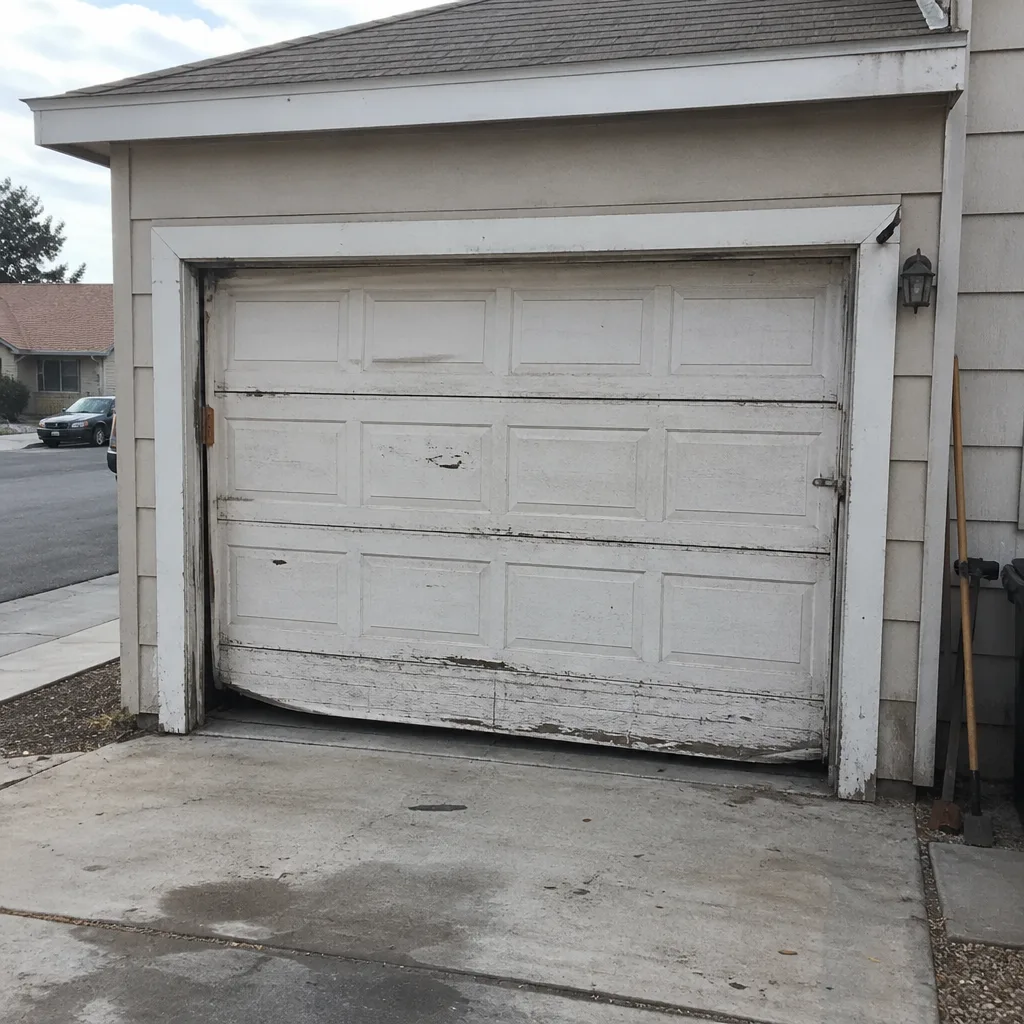 Before
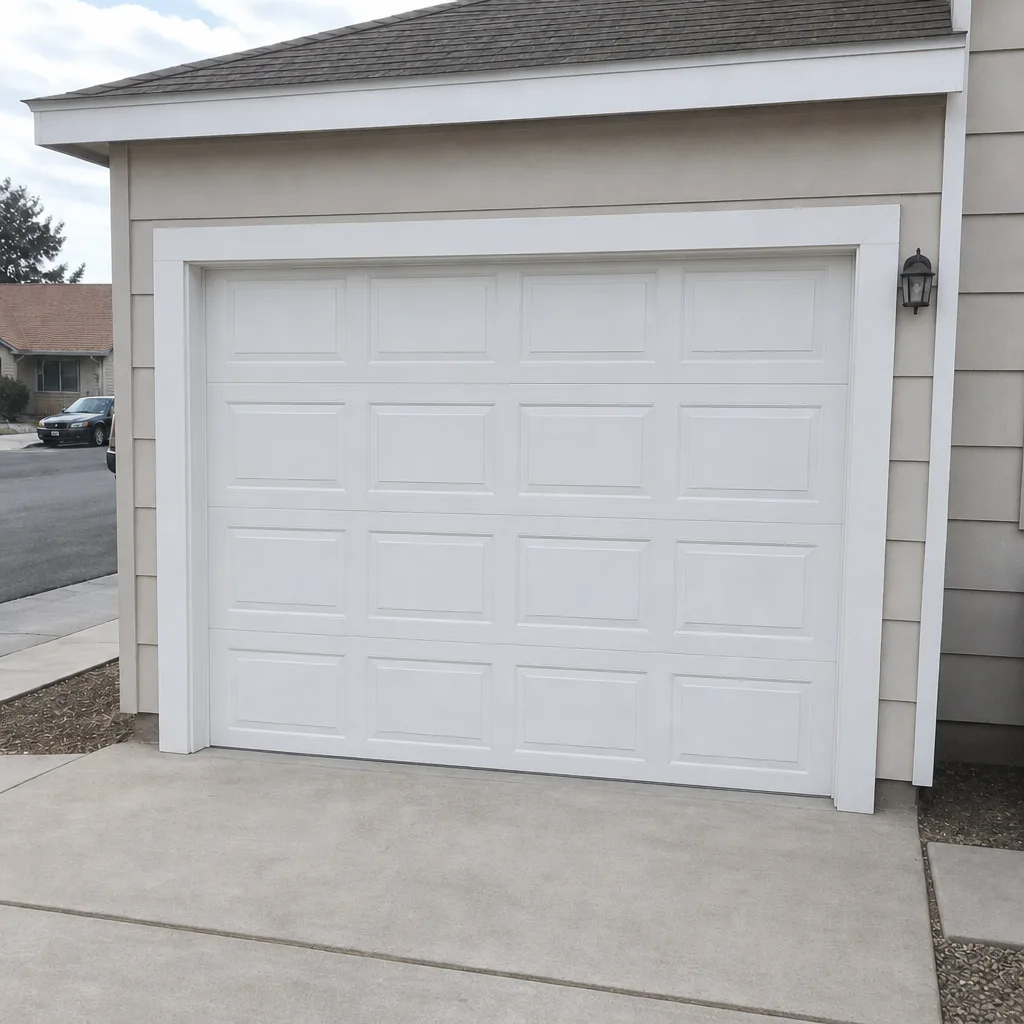 After
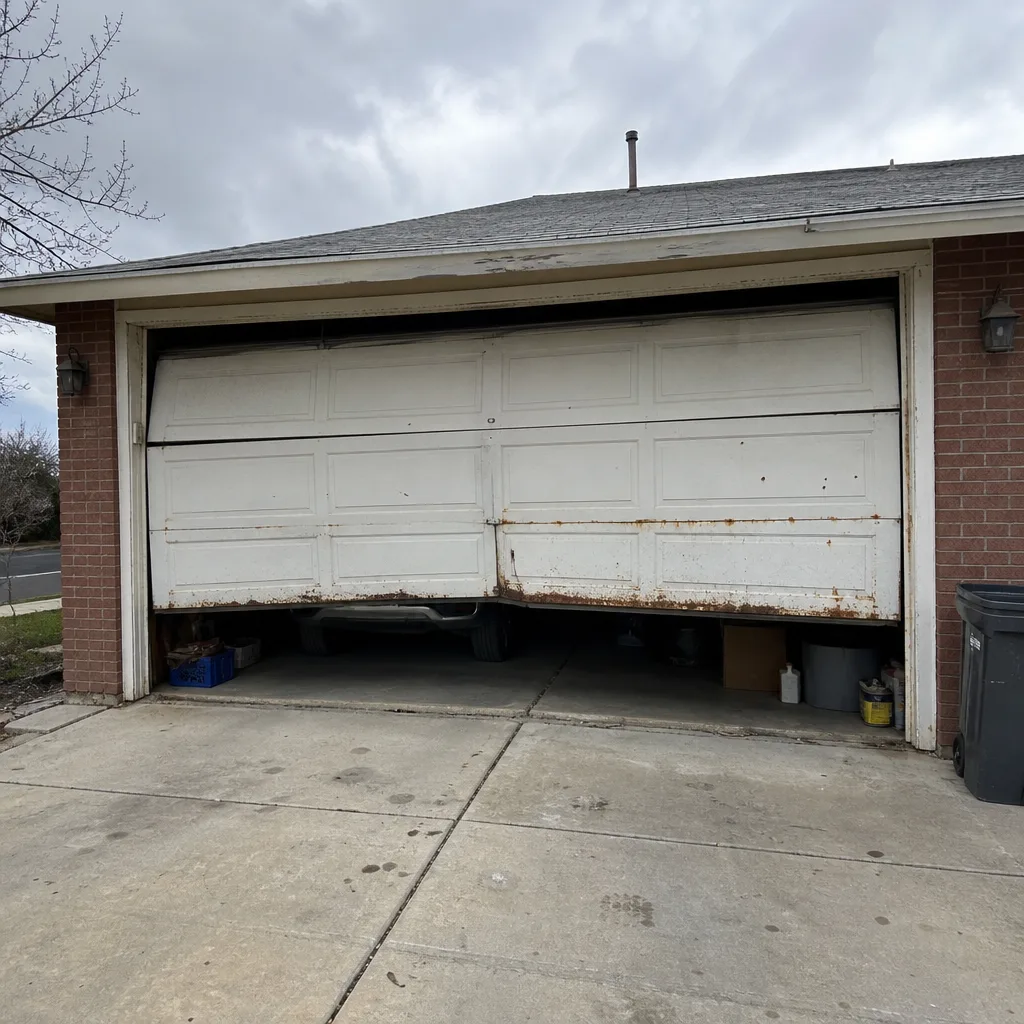 Before
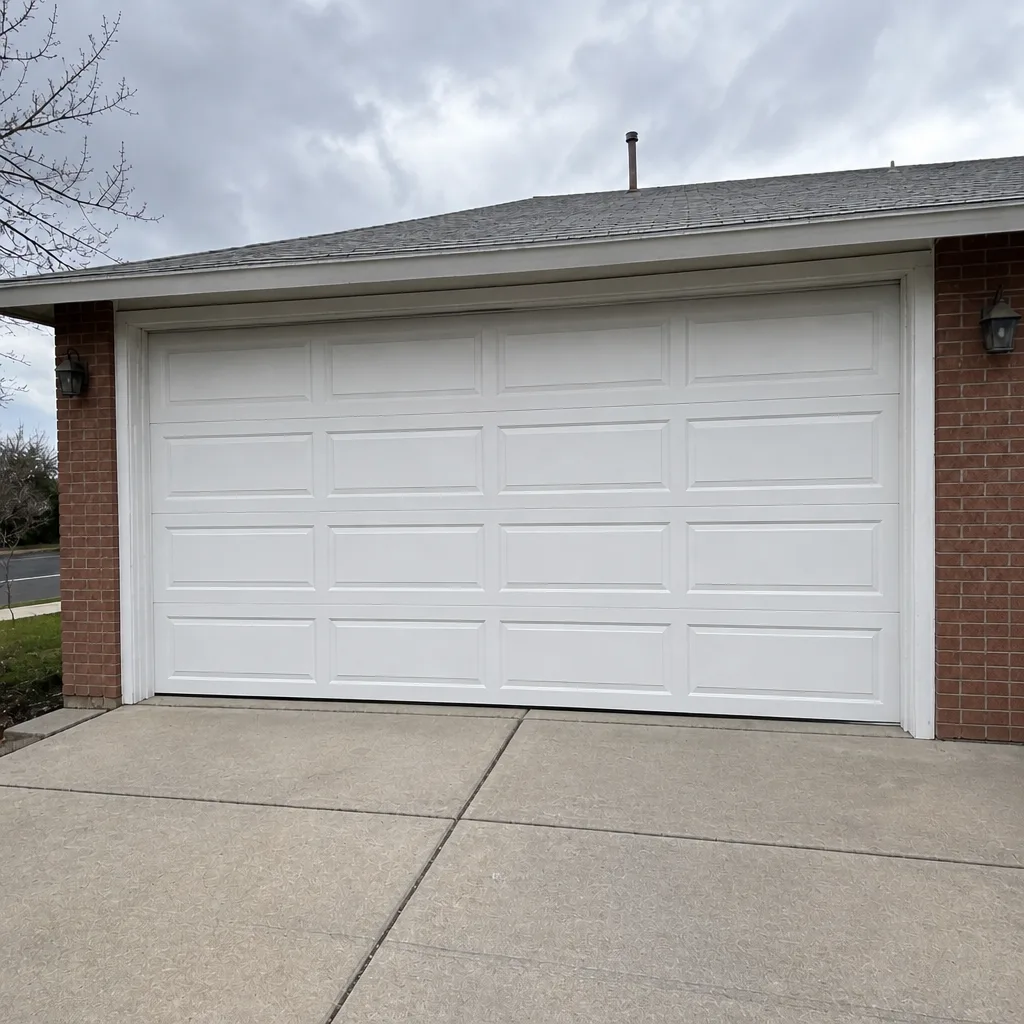 After
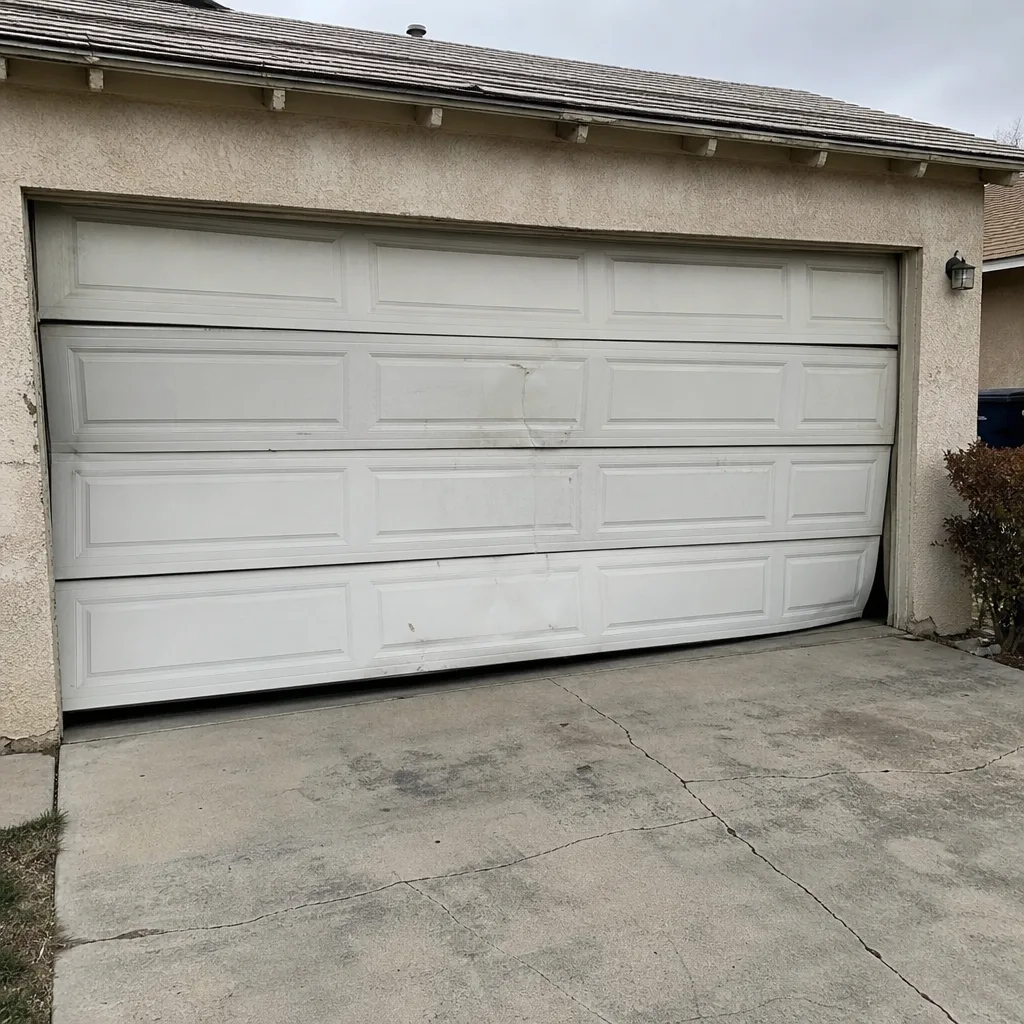 Before
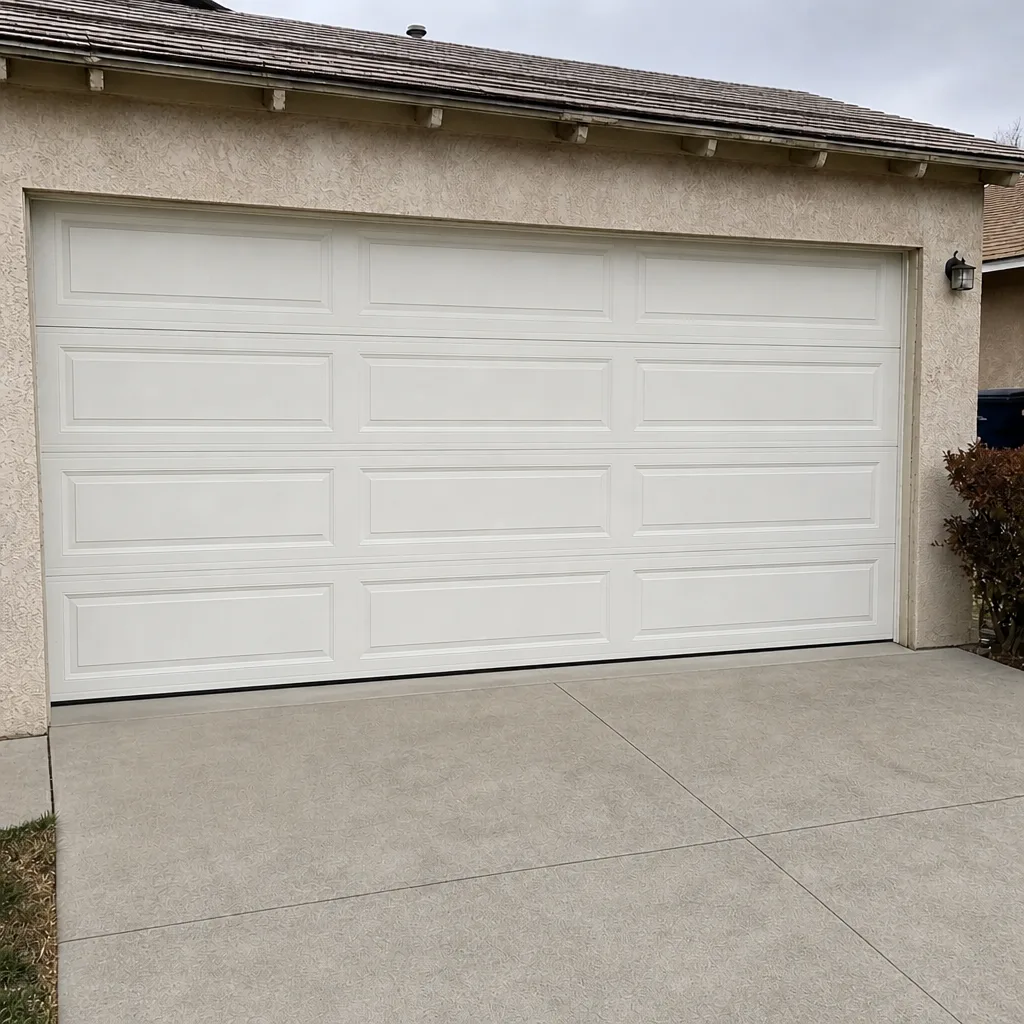 After
When to Call a Professional
Put the tools down and call when any of these are true: the door is off-track, one side is sagging or crooked, you’ve heard a loud snap or bang from the spring area, the door won’t stay open on manual release, a cable is loose or hanging, the door has dropped or is hanging from the opener, or the opener runs but the door strains. If you’re unsure and the situation involves the spring, cable, or track, call. There’s nothing on that list worth the risk of a hand injury or a dropped door. Mainspring Garage Door Co. Whitney offers free estimates in Whitney – call (844) 797-9248. Every call reaches a live person, day or night, including weekends and holidays. If a technician comes out, the flat price is quoted and agreed before any work begins, so there are no surprises on the bill.
Frequently Asked Questions
Check the wall console for the vacation lock first. A small padlock icon with an LED lit next to it means the opener is intentionally ignoring remotes. Press and hold that button for two to three seconds. If the LED goes off and the remote works, you’re done. If the lock isn’t engaged, move on to the photo-eyes and the manual release test. Call (844) 797-9248 if you want to walk through it with someone.
Yes and no. It’s not a fire-level emergency, but the door should not be used until the spring is repaired – running the opener on a broken spring damages the opener and can drop the door. Barricade the door, disconnect the opener with the red release handle, and call for repair. In Whitney, most spring replacements can be scheduled within a day, and same-day service is often available.
No. The flat price is quoted and agreed before any work begins. If the technician finds a second issue during the job, they’ll stop and quote it separately rather than add it to the bill. Every completed job in Whitney carries our 90-Day Done Right Promise: if it isn’t right, we come back at no charge, in writing, with no argument.
For emergency calls – door stuck open, off-track, broken spring, or hanging – we aim for same-day response. Whitney is a tight service area, so dispatch windows are usually short. Calls are answered by a live person around the clock. Call (844) 797-9248 and we’ll tell you the soonest available time before you commit to anything.
Yes. Every technician is background-checked and uniformed, and our technicians have up to 10 years of experience. The crew is trained under our K.E.Y.S. values code – Krafted right, Every time, Your home first, Standing behind it – and every job carries the 90-Day Done Right Promise in writing.
Desert temperature swings are the cause. Whitney garages hit 100+ degrees in summer afternoons and cool by 30 to 40 degrees overnight. Steel torsion springs fatigue faster under repeated thermal cycles than in a mild coastal climate. A spring that’s nearing end of life often fails in the first cool week or the first warm week of the season. A seasonal tune-up catches the fatigue early – our $89 Seasonal Tune-Up checks spring tension, cables, rollers, and opener force before a failure strands you.
The Bottom Line
Most emergency garage door calls are one of six problems, and three of those you can fix in under a minute at the wall console or the photo-eyes. Start with the symptom, work outward, and stop the moment the spring, cable, or track is involved. The fixes you can do safely are worth doing; the ones you can’t are worth calling in. Mainspring Garage Door Co. Whitney has been the shop local homeowners call since 1984 because the price is stated before the work, most jobs finish in one visit, and every job stands behind a written 90-Day Done Right Promise. If you’re in Whitney and the door is stuck, call (844) 797-9248 – a free estimate is one call away, and a live person answers every time.
For more on our services, start at the Mainspring Garage Door Co. Whitney home, or go straight to Garage Door Repair in Whitney for repair specifics. If you’re weighing a new door rather than a repair, our Garage Door Installation in Whitney page covers models, measurements, and the install process. We service every major brand, including Clopay and Amarr doors and Chamberlain and Genie openers, and we’re factory-familiar with each.
Written by the team at Mainspring Garage Door Co. Whitney.