
Last updated November 17, 2026
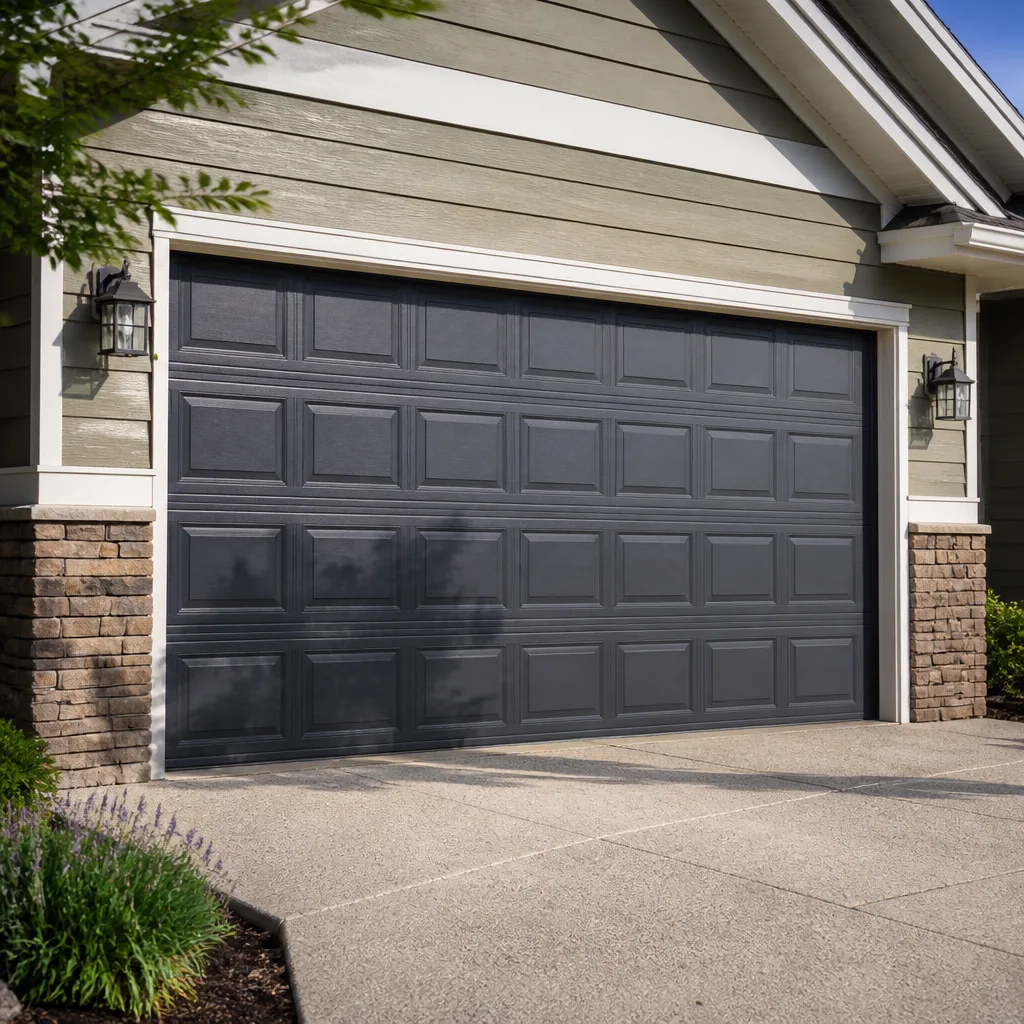 Raised-panel steel
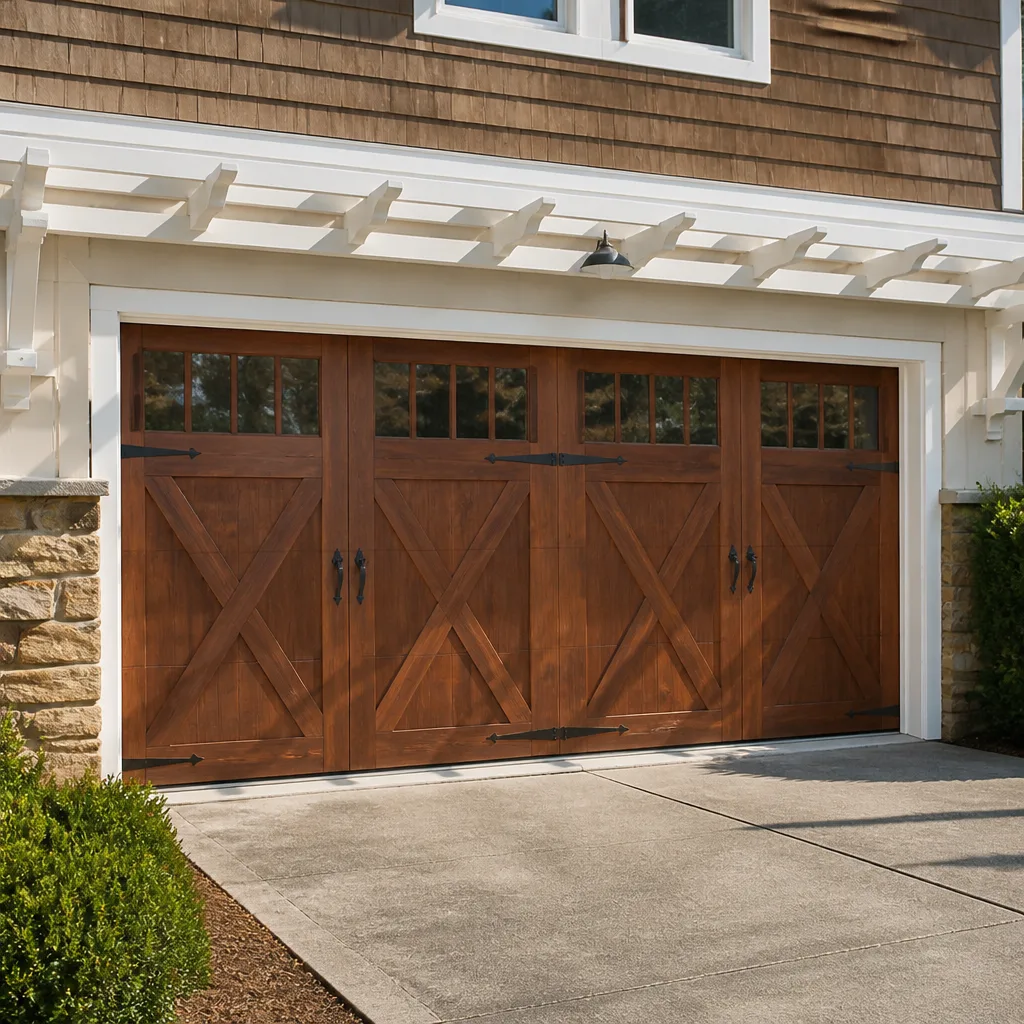 Carriage house
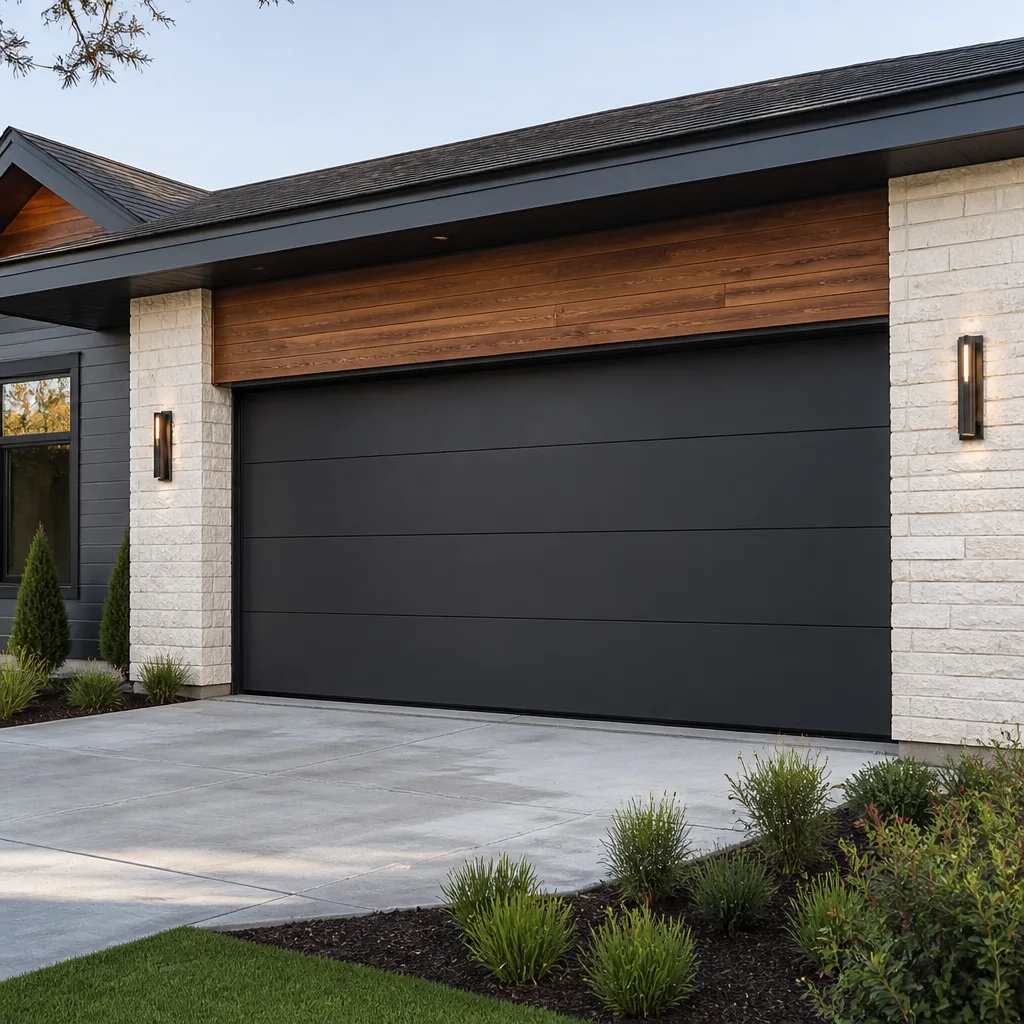 Modern flush
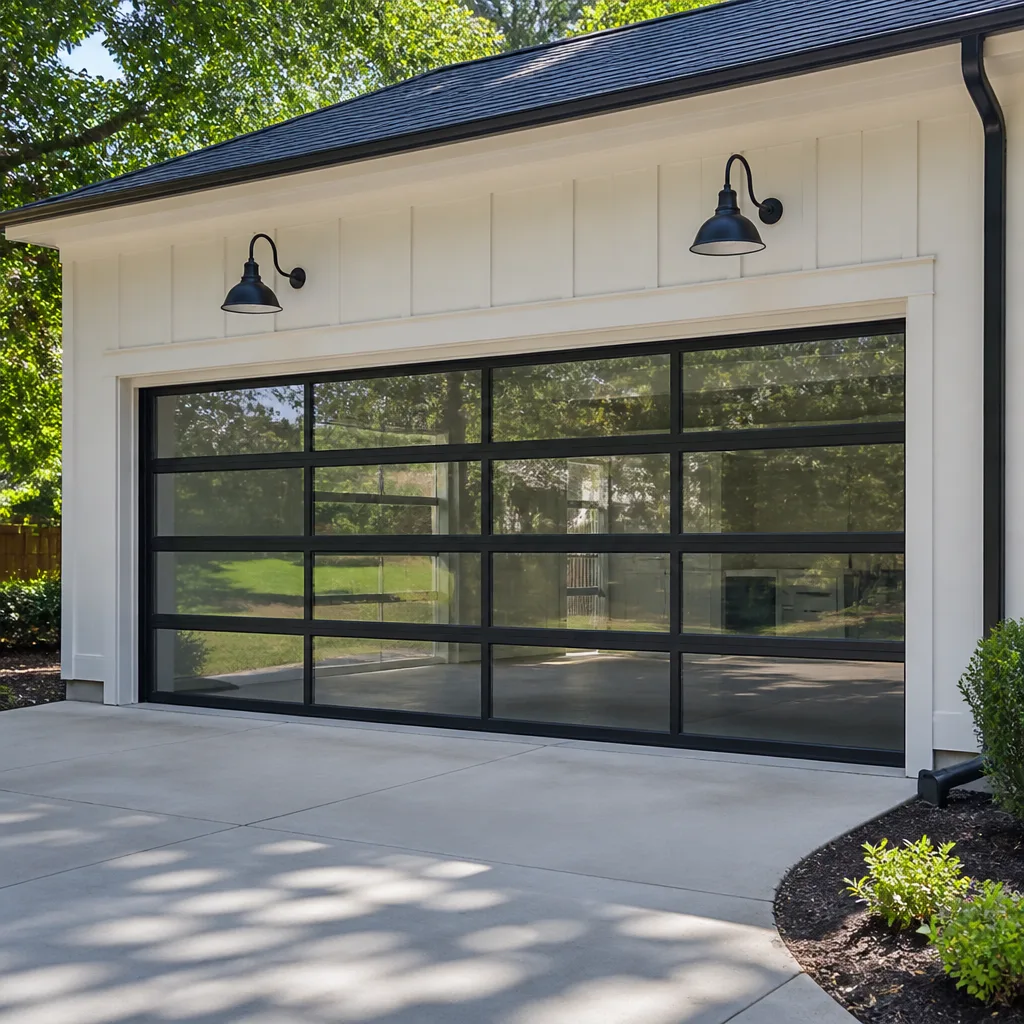 Full-view glass
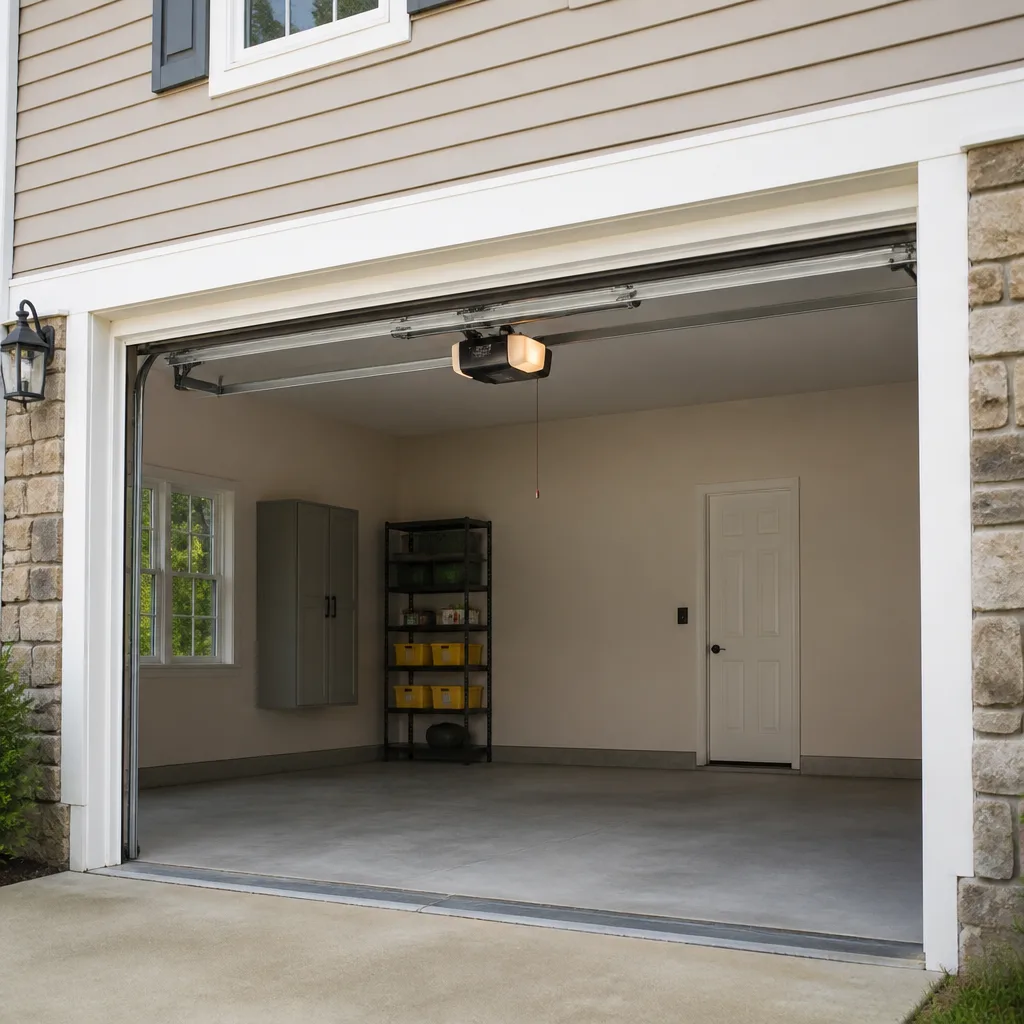 LiftMaster openers
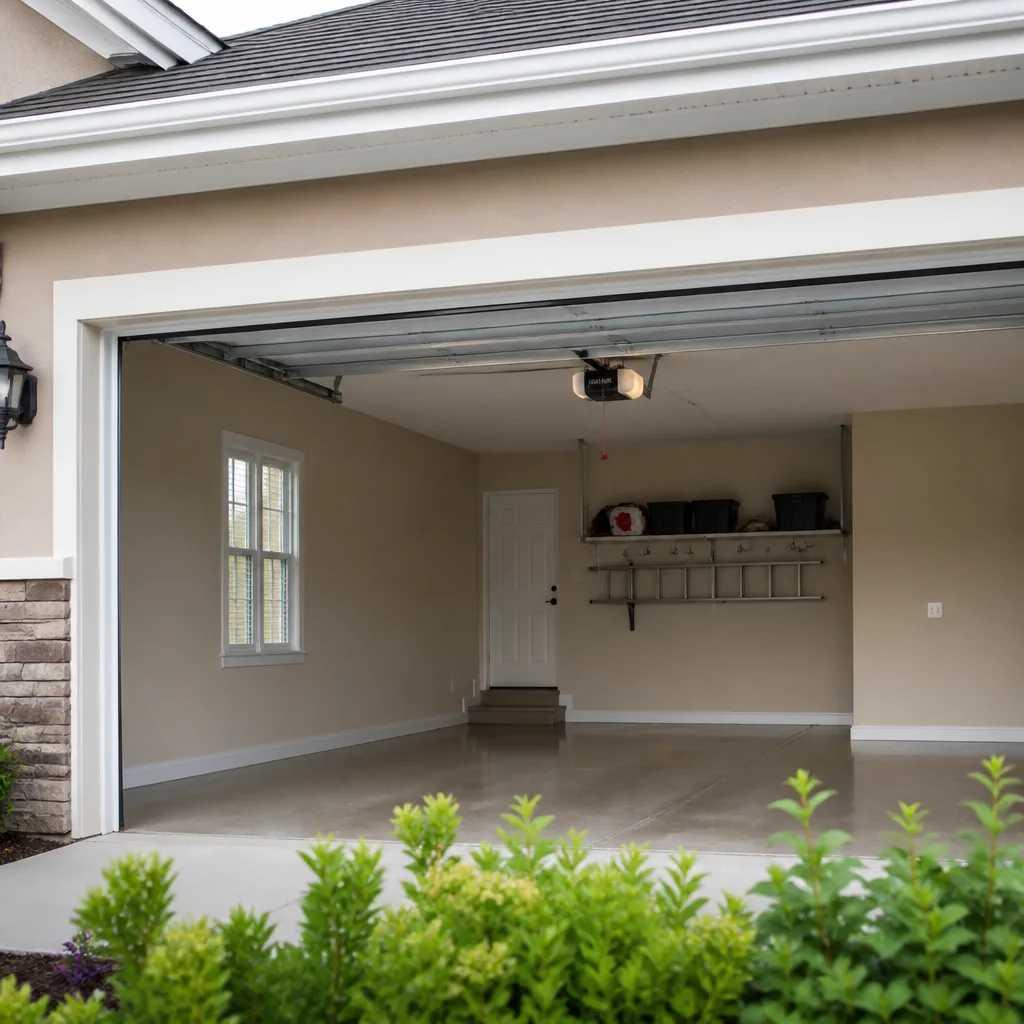 Chamberlain openers
Full 25-point door and opener safety check with every visit - springs, cables, rollers, tracks, and your LiftMaster or Chamberlain opener included
You get a price before we start. It does not change when the pro arrives.
Get your free estimateHow Long Does Garage Door Installation Take? Timelines and What to Expect
Here’s a number most homeowners never hear: roughly one in three “same-day” garage door installations takes more than one visit. The extra trip isn’t the installer’s travel time. It’s a part that wasn’t on the truck, a spring chosen wrong for the climate, or a measurement that came up short. That callback costs you half a day you hadn’t planned on. This guide walks through each phase of a real installation with honest time ranges, what separates a clean one-visit job from a multi-day mess, and what you can do before the crew pulls up to keep the schedule tight. We’ve done this work across Whitney long enough to know exactly where the delays hide.
Quick Answer
A standard single-car garage door installation takes about 3 to 4 hours. A double-car door runs 4 to 5 hours, and a complex setup with custom sizing or a new opener adds another hour or two. The bigger question isn’t the install time. It’s whether the job finishes in one visit, and that depends almost entirely on whether the technician arrives with every part already on the truck. In our experience, a properly stocked crew finishes the vast majority of Whitney installations in a single visit.
Styles & brands we work with
- Raised-panel steel
- Carriage house
- Modern flush
- Full-view glass
- LiftMaster openers
- Chamberlain openers
Table of Contents
- What the installation actually involves: a phase-by-phase breakdown
- Why a stocked truck eliminates the main cause of multi-day jobs
- How Whitney’s high-desert swings affect spring selection
- What to do before the crew arrives
- Single-car vs. double-car timelines
- What genuinely adds complexity (and what doesn’t)
- Does adding an opener change the timeline?
- Common mistakes to avoid
- When to call a professional
What the installation actually involves: a phase-by-phase breakdown
Most installers quote a single block of time, but the work breaks into distinct phases, and each one has its own honest range. When a crew tells you four hours, here’s what fills those four hours. Understanding the order helps you spot trouble early and ask better questions before the appointment.
- Old door removal (20 to 45 minutes). The old panels come down, then the track and hardware. A door that’s been sitting in a Whitney garage for twenty years may have rusted bolts and stripped brackets, which pushes toward the top of that range. Removal is usually the fastest phase when the old door was installed correctly to begin with.
- Header preparation (15 to 30 minutes). The crew checks the header and jambs for rot, sag, or out-of-square framing. This is where surprises hide. A rotting header on a high-desert home that sees hard afternoon sun is not unusual, and it has to be addressed before the new track goes up.
- Panel stacking and assembly (45 to 75 minutes). The new sections get stacked, hinged, and set into the vertical track, then the horizontal track goes in. This phase is methodical. Rushing it is how doors end up squealing three months later.
- Spring and cable tensioning (30 to 45 minutes). This is the most safety-critical phase. The springs carry the entire weight of the door, and cables hold it in balance. Get the tension wrong and the door is dangerous or won’t stay up.
- Opener rail alignment (30 to 50 minutes, if an opener is being installed or replaced). The rail gets mounted to the header, the motor set above the door, and the travel limits dialed in so the door opens and closes to the right point without slamming.
- Testing and adjustment (20 to 30 minutes). The crew runs the door multiple times, checks the balance, tests the safety reverse, and makes final adjustments to the track, springs, and opener.
Add those ranges up and a single-car door lands at three to four hours, a double-car at four to five. The range isn’t inflation. It reflects real differences in what the crew finds when they get there. In Whitney, a home that’s been through twenty summers of 100-degree heat and cold winter nights tends to show it in the hardware.
Why a stocked truck eliminates the main cause of multi-day jobs
Ask any homeowner who’s been through a two-visit installation and they’ll tell you the same story. The crew showed up, pulled the old door down, got partway through, and then discovered they needed a specific spring, a bracket, or a piece of hardware that wasn’t on the truck. That’s a trip to a supplier and a rescheduled second visit. Your garage sits open for a day or three, and your planning goes out the window.
The fix isn’t more careful scheduling. It’s a truck that already carries the parts. A crew that rolls in with common spring sizes, brackets, hinges, cables, and openers on board doesn’t have to leave for anything. The job stays on track. That’s the difference between a four-hour appointment and a four-hour appointment plus a callback the following week.
Here’s what belongs on a properly stocked truck before the crew ever leaves the shop:
- Common torsion and extension spring sizes for both single and double doors
- Center bearings, end plates, and flag brackets
- Hinges, rollers, and track sections
- Lift cables and drum assemblies
- At least one common residential opener and rail kit
- A weather-seal and bottom-rubber assortment
When a truck is stocked with this hardware, an installer can respond to what they actually find on site rather than what they hoped to find. That matters in a place like Whitney, where homes range from original 1980s builds to newer construction and the hardware needs shift noticeably between them. If you want the full picture of what a replacement involves from start to finish, our page on Garage Door Installation in Whitney walks through the options and materials in detail.
How Whitney’s high-desert swings affect spring selection
Here’s a detail most installation timelines ignore: the spring you choose on day one decides whether you’re calling someone back in six months. Whitney’s climate makes that decision more important than it is in a mild coastal city. Summer afternoons push past 100 degrees. Winter nights drop near freezing. That’s a swing of 70 degrees or more within the same year, and every one of those swings runs through your garage door springs.
Torsion springs are rated for a specific number of cycles. Every time the door opens and closes, the springs flex and relax. Heat and cold change the metal’s tolerance over time. A spring that’s undersized for the door’s actual weight, or that’s rated for the wrong climate band, will fatigue early. What you get is a spring that sags or snaps well before its rated cycle count, and the door starts feeling heavy or won’t stay up. That’s a callback six months down the road, and it has nothing to do with the installer’s skill. It’s a specification error made on day one.
A technician working regularly in Whitney knows to weigh the door, match the spring to the actual load, and choose a cycle rating that holds up to the local swing. That isn’t a marketing talking point. It’s a sizing step, and it happens in about five minutes during the install. Skipping it costs you a service call later. The Garage Door Repair in Whitney work we handle most often includes spring failures that trace back to this exact problem: a spring that was never right for the climate it lives in.
If you’re replacing an older door and keeping the original springs, ask about a cycle rating upgrade. The extra cost upfront is small compared to a spring replacement in two years. High-cycle springs are not a gimmick in a desert climate. They’re part of doing the job right.
What to do before the crew arrives
A few minutes of prep on your end can shave time off the appointment and prevent the crew from having to move things around. None of it is complicated. It just has to happen before they pull up, not after.
- Clear the garage bay. Move the car out and clear the floor under and around the door. A crew that has to shift boxes, bikes, and a snowblower before they can set a ladder loses time they can’t get back, and it’s a real tripping hazard.
- Confirm the door’s width and height. Measure the opening itself, then measure the door panel. If you’re replacing a door, the measurements should match. If they don’t, tell the crew before they arrive so they can bring the right materials.
- Check the headroom above the door. Standard headroom is about 12 inches between the top of the door and the ceiling. Low-headroom setups are workable but need different track and a low-clearance spring setup, and it’s better to know that ahead of time.
- Know your opener situation. If you’re keeping an existing opener, note the brand and model. If you’re replacing it, mention that when you book. Our page on Garage Door Opener in Whitney covers what to expect when the opener is part of the job.
- Clear the driveway approach. The crew needs space to pull a truck close to the garage, unload panels, and set up. A car parked in the driveway costs five minutes at the start of the visit.
The one thing you should not do is try to open the door or work on the springs and cables yourself before the crew arrives. Torsion springs under tension can cause serious injury, and cables can snap suddenly. Leave the door closed and let the installation crew handle it. That’s a safety line we don’t cross.
Single-car vs. double-car timelines
The difference between a single-car and a double-car installation comes down to door size and weight, not complexity. A single-car door is typically 8 or 9 feet wide. A double-car door runs 16 feet. The extra width means more panels, a heavier door, and a spring system sized for that extra load. That’s the whole story, but the time shift is real.
- Single-car door (8 to 9 feet wide): 3 to 4 hours. One technician can usually handle the door themselves; a helper shaves time during panel setting.
- Double-car door (16 feet wide): 4 to 5 hours. Two people are the norm. Panels are longer and heavier, and the spring setup is more involved.
- Oversized or custom door: 5 to 6 hours. A 10-foot or wider door, or a custom panel arrangement, needs more time for alignment and tensioning.
In Whitney, most homes have at least one double-car garage, and a fair number have a single-car door on the side. If you’re replacing both at once, the crew can often sequence the work to save an hour on the second door, once the tools are out and the site is set up. Ask about a combined visit when you book.
What genuinely adds complexity (and what doesn’t)
Homeowners worry about a lot of things that turn out not to add time. A prepared crew handles most surprises without drama. Here’s the honest separation between real complexity and noise.
What adds real time
- A rotted or out-of-square header. If the framing above the door is compromised, it has to be repaired before the new track mounts. Add an hour or schedule a follow-up with a framer.
- Low headroom. Restrictive headroom requires a low-clearance track and spring configuration. Not a deal-breaker, but it’s a different install pattern.
- A door that won’t come down cleanly. An old door that was installed badly, or one with rusted or stripped hardware, takes longer to remove.
- Custom sizing. A non-standard door width or height requires panels that are cut or ordered, and that’s a scheduling matter more than installation time.
What doesn’t add time
- A standard double-car door. As long as the truck has the right panels, two people handle it in the standard window.
- An existing opener. If it’s functioning and compatible, the door installs around it.
- Brand loyalty. A technician who’s familiar with Clopay, Amarr, Genie, and Wayne Dalton won’t slow down because you have a specific brand in mind. Our team works with all of those and the fit is part of the plan, not an afterthought.
- An old concrete floor. The floor being a little uneven is normal and gets handled during track alignment.
Does adding an opener change the timeline?
Adding or replacing a LiftMaster, Chamberlain, or Genie opener alongside a new door adds about 30 to 50 minutes to the job. That’s the honest number. The opener installation involves mounting the rail to the header, setting the motor above the door, tying in the safety reverse sensors, and dialing in the travel limits so the door closes fully without crushing. None of that is dramatic, but it’s real work and it has to be done right.
The one thing that can extend this is if the existing wiring or outlet isn’t where it needs to be. Garages built in the 1980s sometimes have the outlet in an awkward spot, and if the opener needs to plug in somewhere else, an electrician may be involved. That’s not the garage door installer’s job, and we don’t touch panel work. Flag it early when you book if the outlet is in an unusual spot.
If the opener is working and compatible with the new door, keeping it is usually the right call. A well-maintained opener often has years of service left, and there’s no reason to replace it just because the door changed. If you’re unsure, a second opinion from a qualified technician is a quick way to find out. Our team is happy to give one, and we offer a free second opinion on any written estimate so you can compare without pressure.
Common mistakes to avoid
A bad installation doesn’t announce itself on day one. It shows up six months later as a noise, a sag, or a door that won’t balance. These are the mistakes we see most often in Whitney.
- Choosing the cheapest bid without asking about spring sizing. If a quote doesn’t mention weighing the door or matching the spring to its actual load, the spring was probably pulled off a shelf rather than chosen for your door. That’s a callback waiting to happen.
- Assuming “same-day” means “one visit.” Ask directly whether the parts will be on the truck before the crew arrives. A “yes” with a specific answer (springs, brackets, openers) is very different from a “yes” that turns into a callback.
- Not measuring the opening before ordering a door. In older Whitney homes, the opening and the original door can differ by half an inch after years of settling. That half-inch matters, and a measurement error is one of the most common causes of a second visit.
- Keeping an old opener without checking compatibility. A 15-year-old opener paired with a new door can cause jerking, extra wear on the hardware, or safety reverse problems. Have it checked before the install.
- Leaving the bay cluttered on install day. Crews lose time moving boxes and equipment, and it adds risk when panels have to be set down. Clearing the bay beforehand is the single easiest time-saver.
- Ignoring the safety reverse test after the install. It takes 30 seconds. A door that doesn’t reverse when it meets an obstacle is a hazard, and it’s part of every install we finish.
- Skipping the seasonal tune-up after the install. A new door still needs balance, track, and lubrication checks. We offer an $89 seasonal tune-up that catches small issues before they become service calls.
When to call a professional
Some jobs genuinely call for a trained technician and some don’t. A dragging door, a door that comes off its track, springs that have snapped or sagged, and any cable that’s visibly frayed are on the “call” list. Springs and cables carry thousands of pounds of stored tension, and the failure mode is violent. That’s not a job for a homeowner with a pair of gloves. Doors that won’t stay up, doors that reverse immediately on closing, and opener motors that run but don’t move the door also need a professional eye. If your garage door is older than 15 years and the hardware looks original, a technician can tell you whether the door needs replacement or targeted repair. In many Whitney garages, the door itself has plenty of life left even when the springs, cables, and brackets don’t. Mainspring Garage Door Co. Whitney offers free estimates in Whitney. Call (844) 797-9248 to schedule one. Our phone line is answered by a live person, day or night.
See the difference
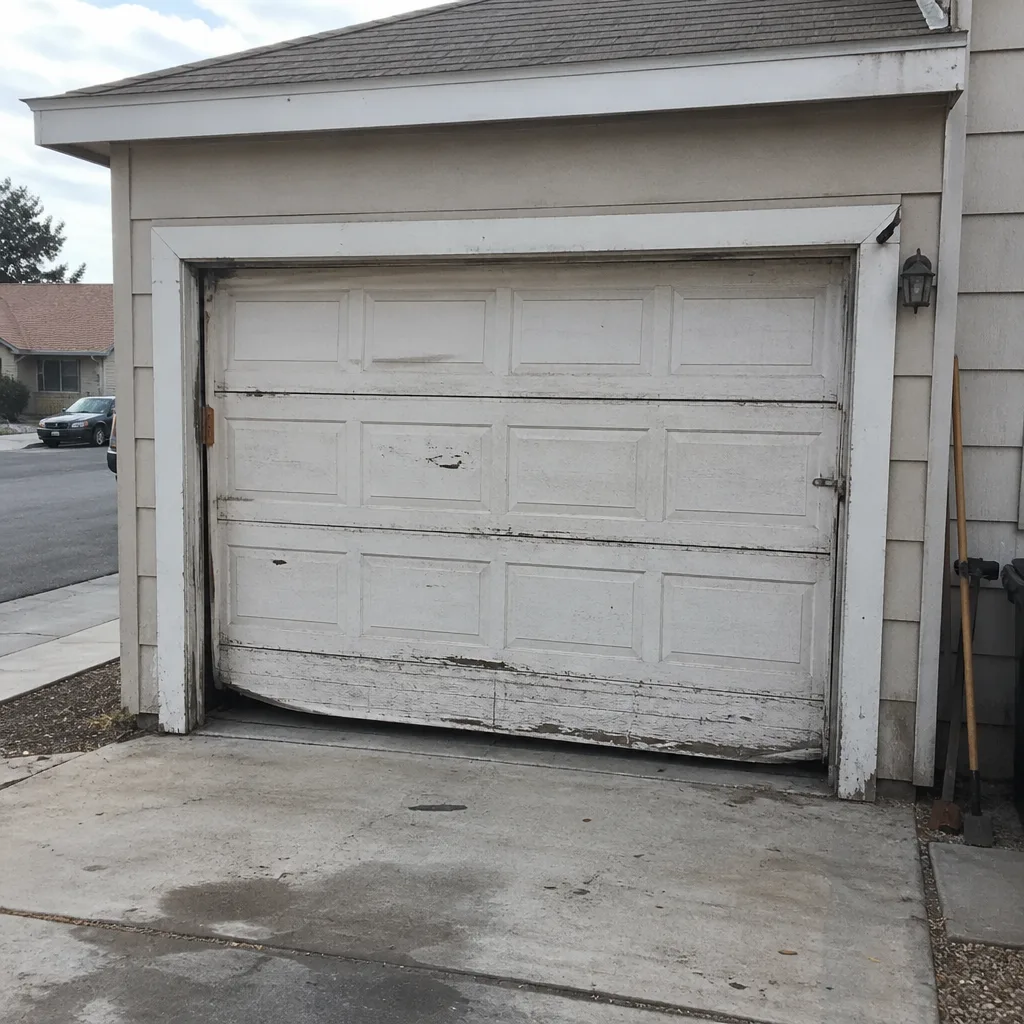 Before
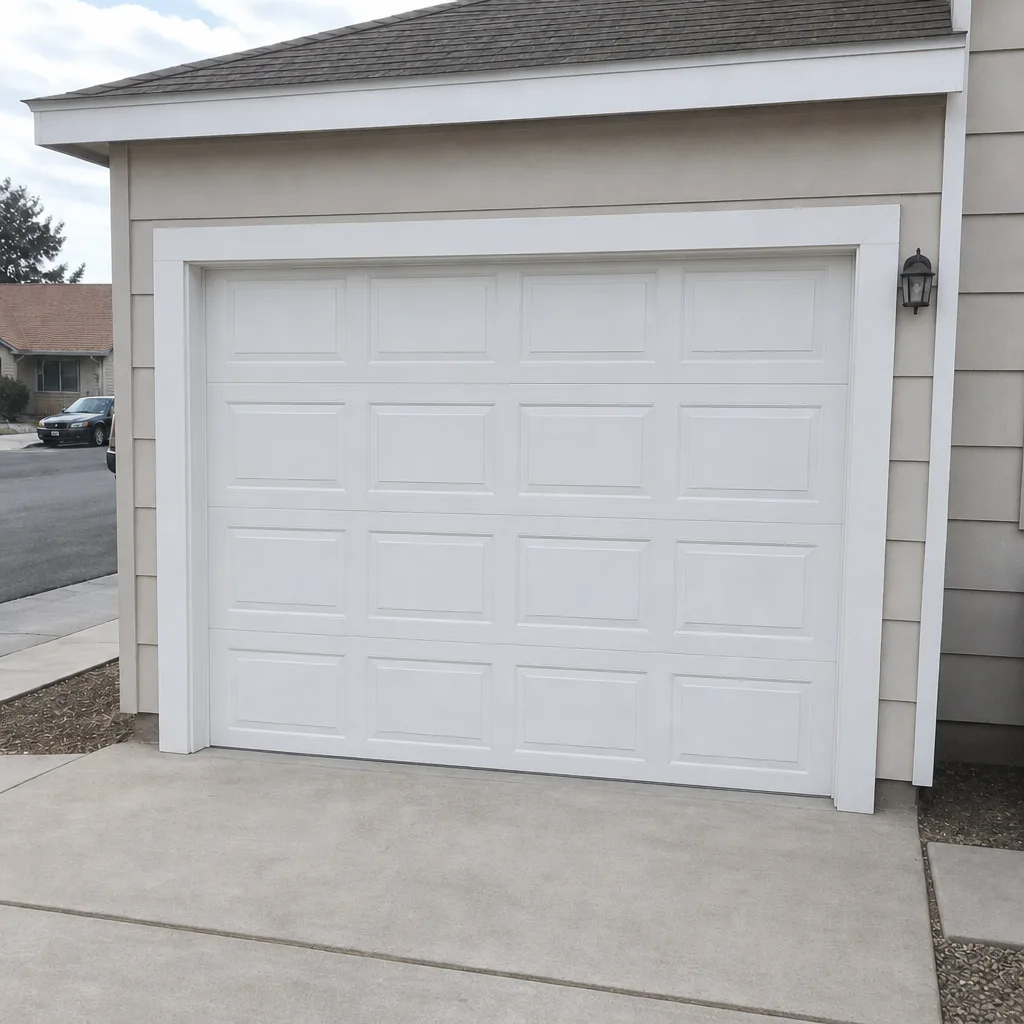 After
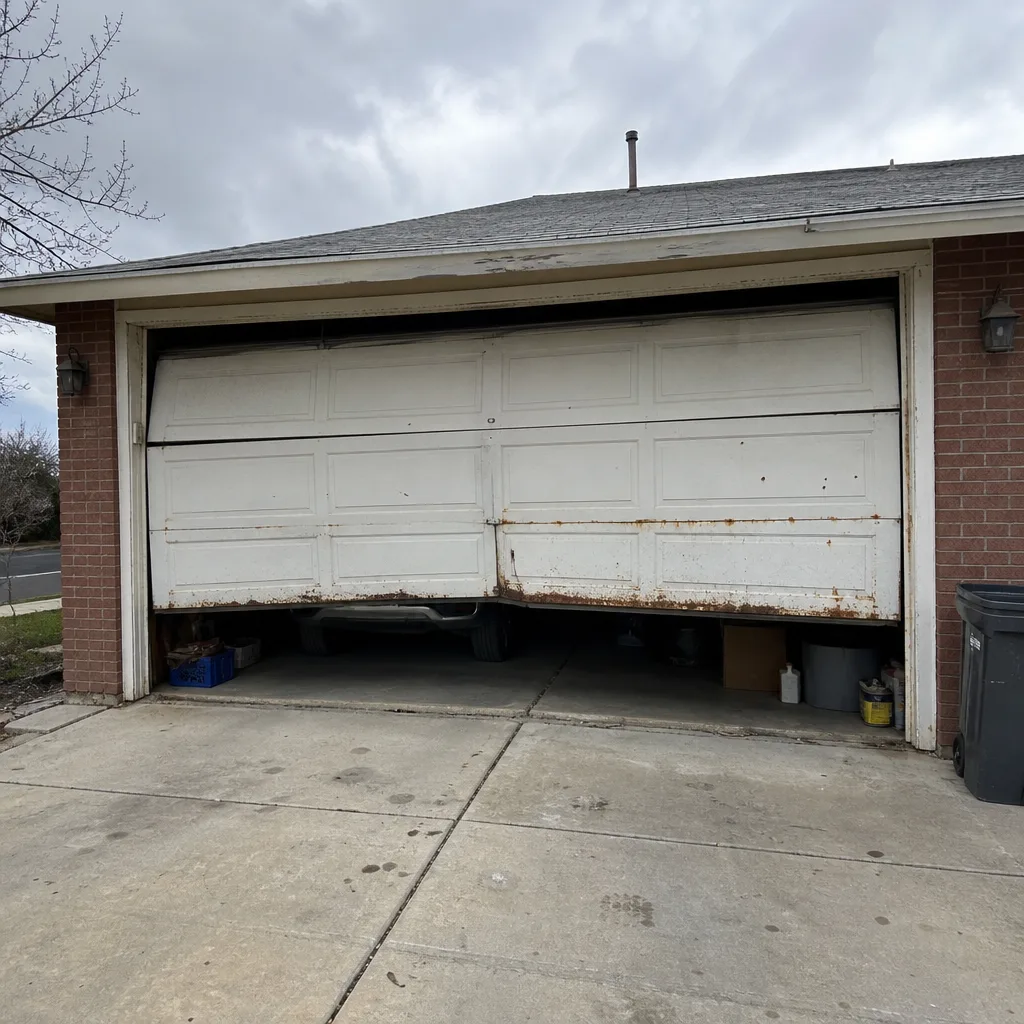 Before
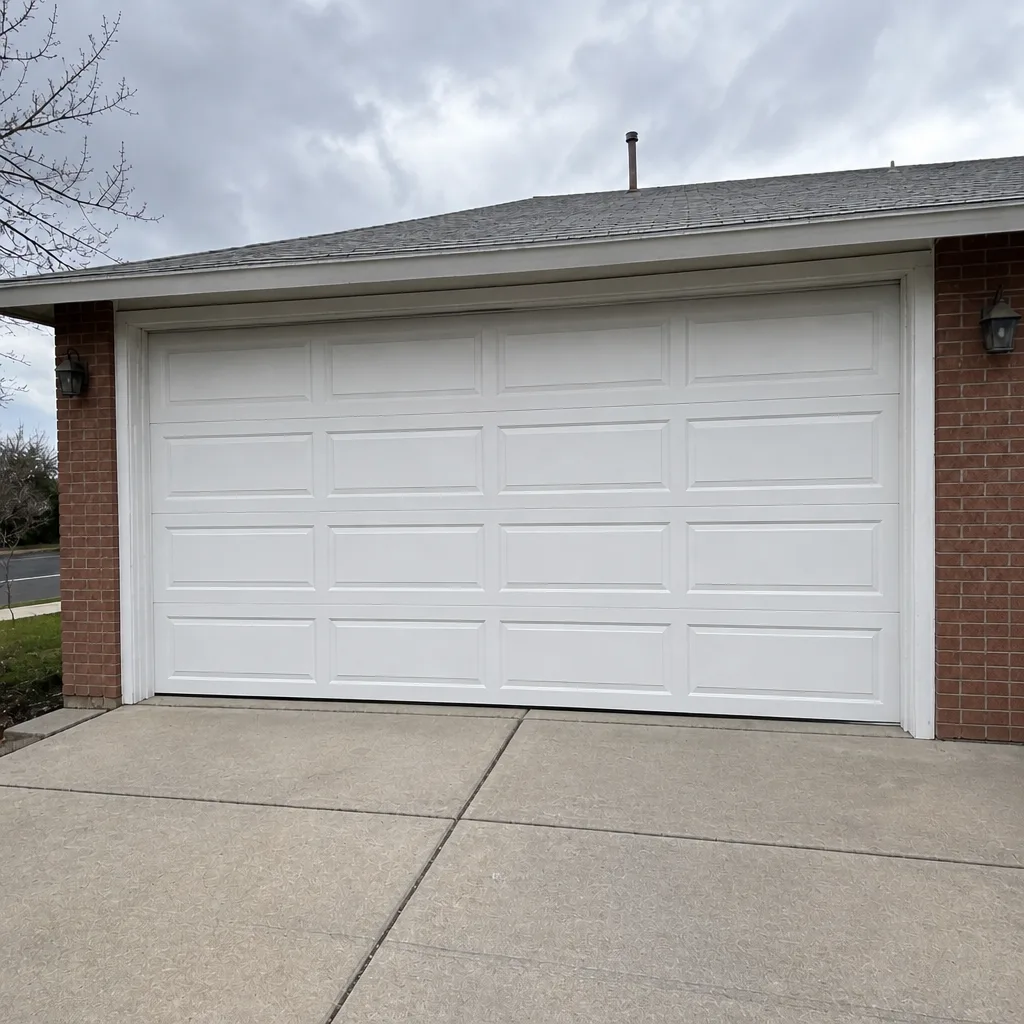 After
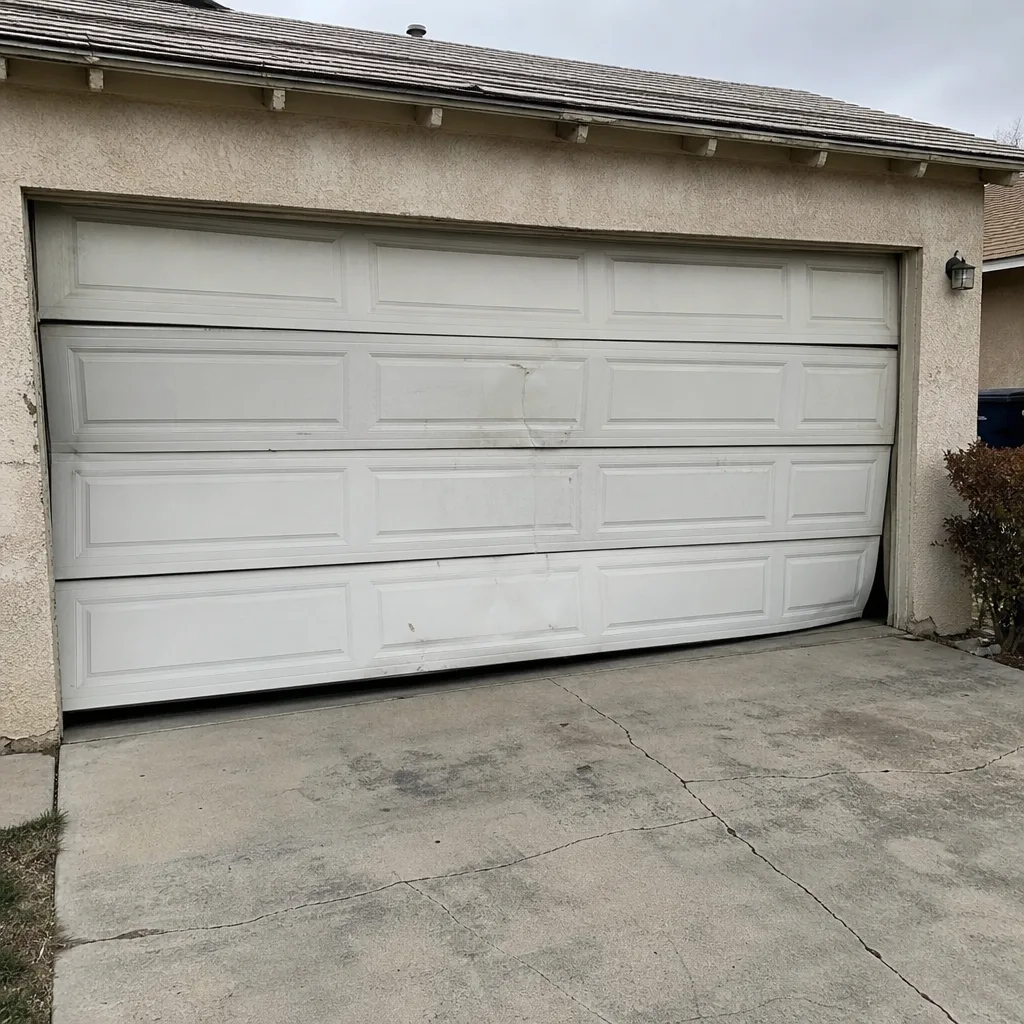 Before
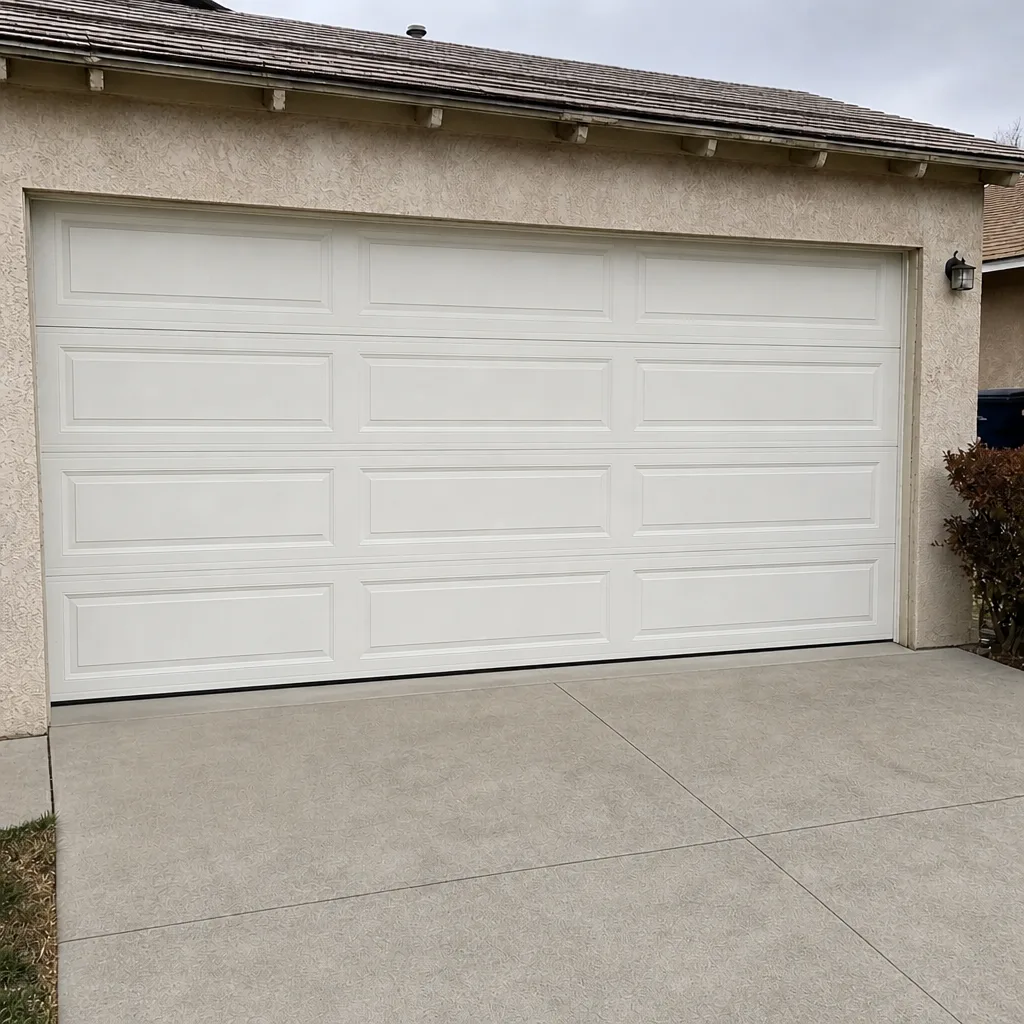 After
Frequently Asked Questions
A single-car door takes about 3 to 4 hours and a double-car door takes 4 to 5 hours, in the Whitney area, assuming the technician arrives with the parts on the truck. Add 30 to 50 minutes if a new opener is part of the job, and up to an hour if the header needs repair. The install time isn’t the number to worry about; a one-visit job is.
No, and any installer who promises same-day installation should make you pause. Installation is measured, ordered, and scheduled. The right timeline is: measure, order the door and materials, schedule the install, finish in one visit. Same-day response belongs on repair and emergency calls, not on a new door. That’s a distinction worth knowing.
No. Our flat price is stated before any work begins, and that’s the number you’ll see on the bill. If the crew uncovers something that genuinely changes the scope (like a rotted header), we stop, explain it, and re-quote before proceeding. You decide. You’ll never get a surprise on the bill for work you didn’t approve.
Our technicians are background-checked, uniformed, and trained as journeymen. Every completed job is covered by our 90-Day Done Right Promise, in writing. If something isn’t right, we come back at no charge, no arguing. That promise stands behind the work on every job.
The number one cause is a missing part. A spring that wasn’t on the truck, a bracket the crew had to order, or a door panel that was the wrong size. The second cause is a measurement error caught on-site. Both are avoidable when the technician arrives with the parts already on the truck and the measurements confirmed ahead of time. In our experience, most installs finish in a single visit.
Yes, it’s best to be home. You’ll want to see the finished result, approve any on-the-spot adjustment, and walk through the operation of the door and opener. The crew also needs access to the garage and driveway. It’s usually a three-to-four hour commitment on your end, and it’s worth it to see the door operate before the crew leaves.
The Bottom Line
A garage door installation takes three to five hours, and the honest timeline is one visit from a crew that shows up with every part already on the truck. The phases matter (removal, header prep, panel stacking, spring tensioning, opener alignment), but they’re predictable when the measurement is right and the spring is matched to the door’s weight and Whitney’s climate swing. Prep your garage bay, confirm your measurement, and ask the installer whether the parts will be on the truck before they arrive. A square deal from a crew that stands behind the work is worth more than a low bid that comes back in six months. Mainspring Garage Door Co. Whitney handles installation, repair, and opener service across Whitney and the surrounding area, and we’re proud to do it with a 90-Day Done Right Promise on every job. Call (844) 797-9248 for a free estimate and to schedule a measurement, and we’ll be there when we say.
Written by the team at Mainspring Garage Door Co. Whitney.