
Last updated November 17, 2026
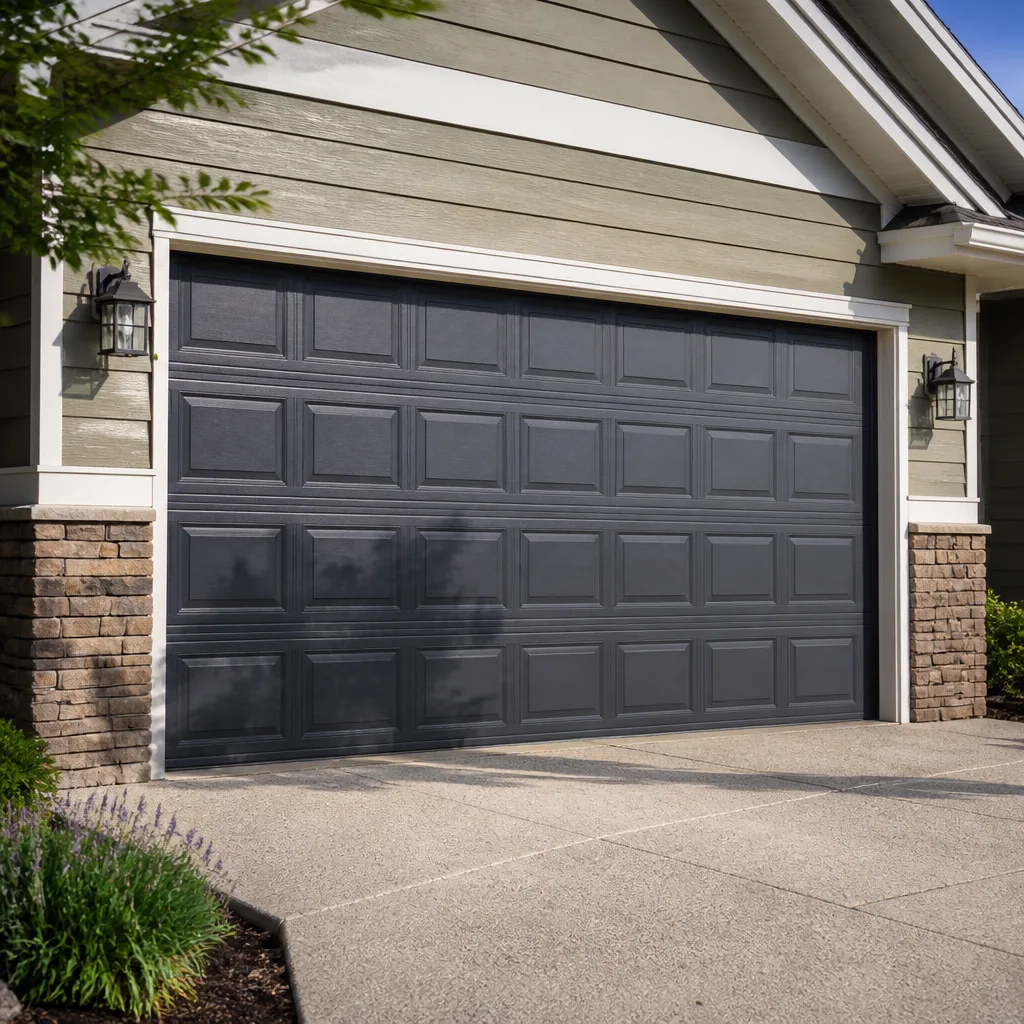 Raised-panel steel
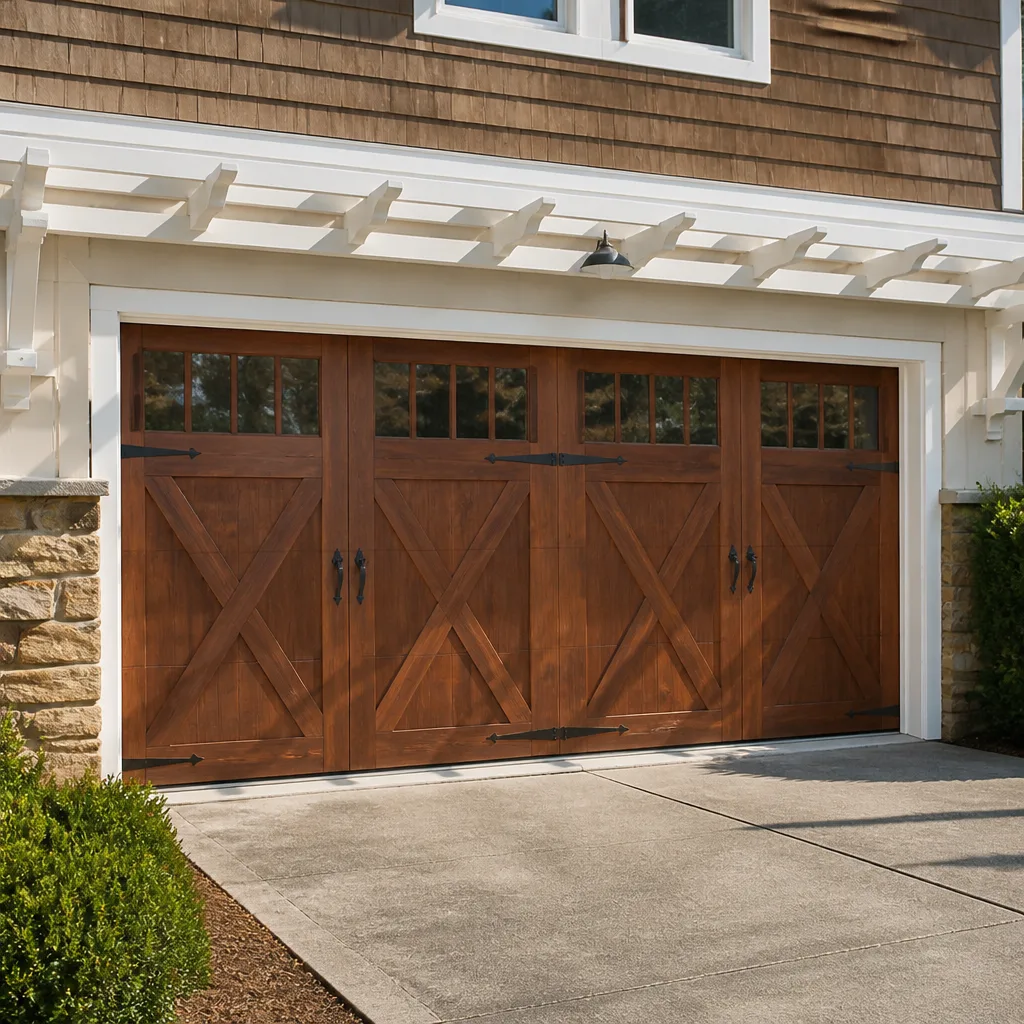 Carriage house
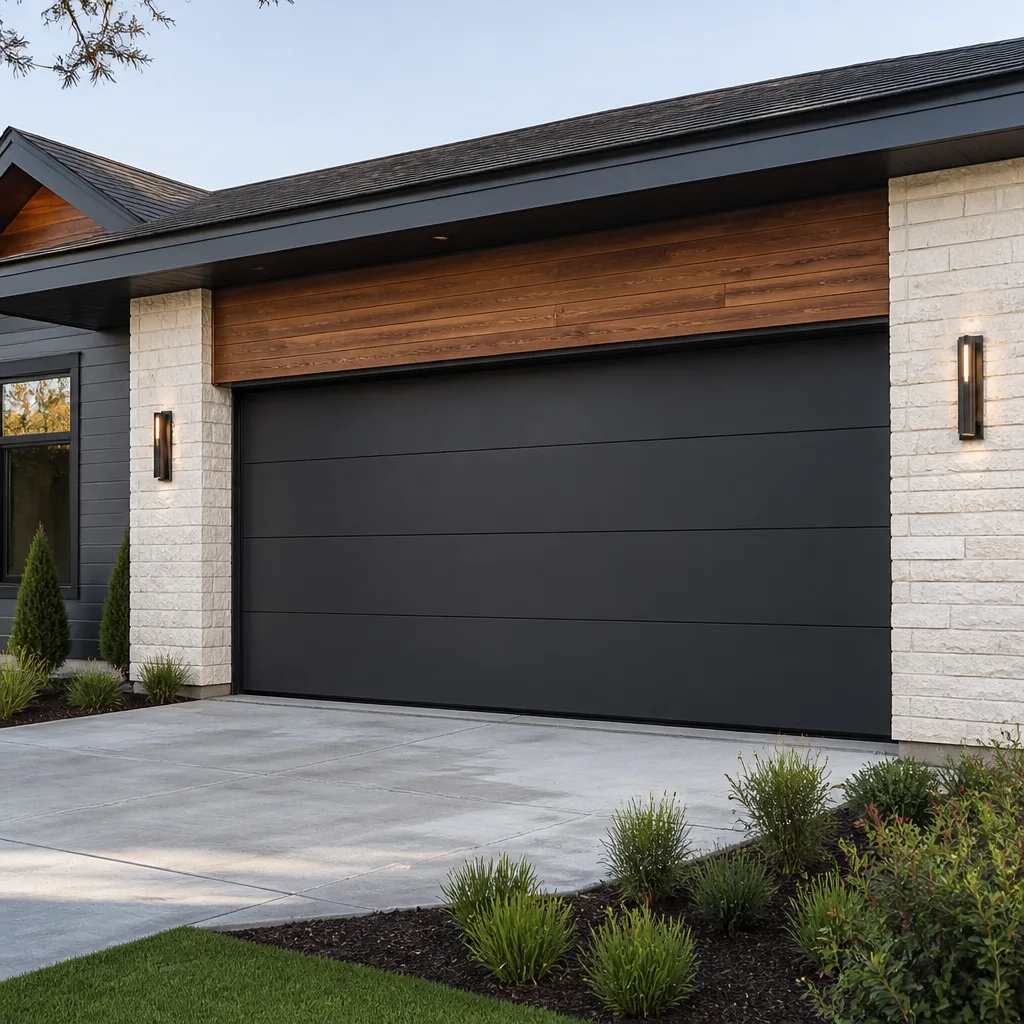 Modern flush
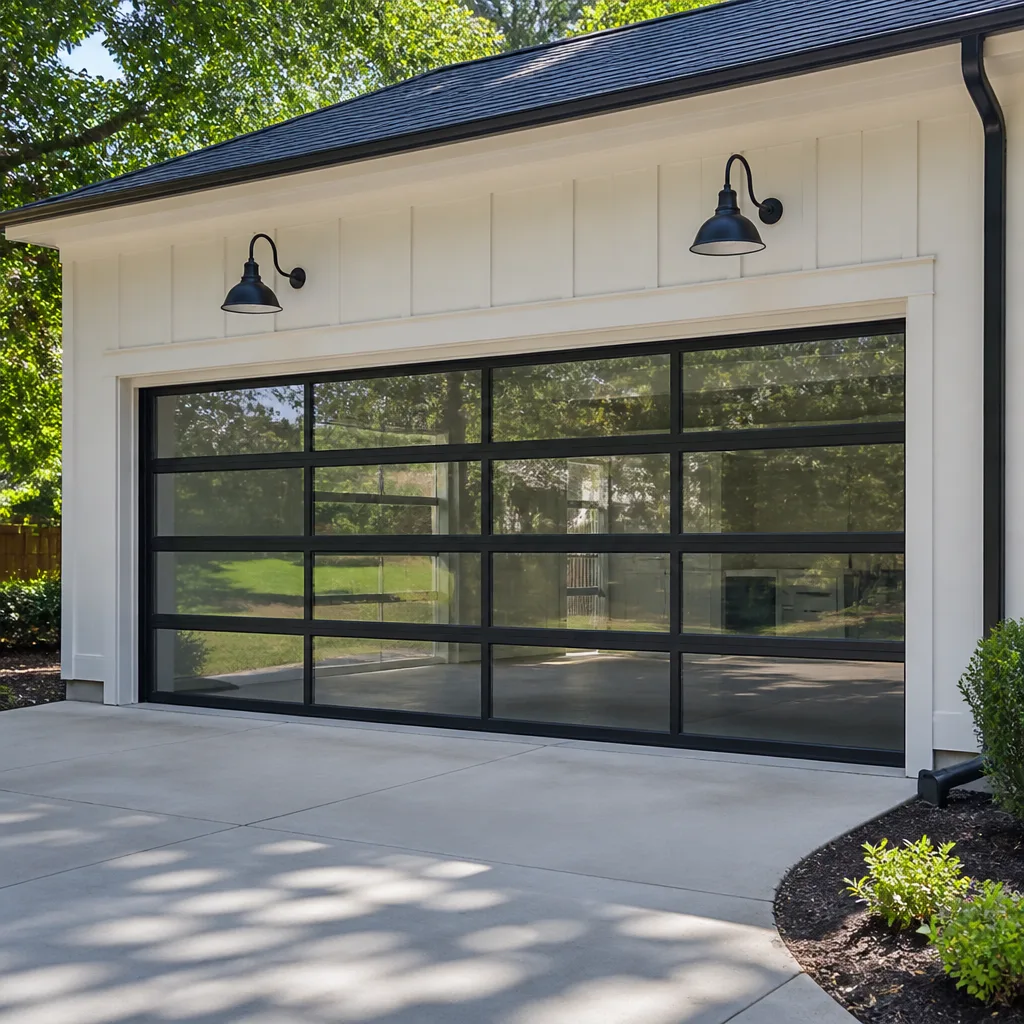 Full-view glass
 LiftMaster openers
 Chamberlain openers
Full 25-point door and opener safety check with every visit - springs, cables, rollers, tracks, and your LiftMaster or Chamberlain opener included
You get a price before we start. It does not change when the pro arrives.
Get your free estimateGarage Door Repair Warning Signs Every Homeowner Should Know
A door that takes two seconds longer to open than it did six months ago is not “getting old.” In our experience, it is a torsion spring that has lost measurable tension and may be 60 to 90 days from snapping, based on typical coil-fatigue curves we see on doors across Whitney. The costliest repairs we’re called out for almost always had warning signs the homeowner noticed but didn’t recognize as significant. This guide ranks eight observable signs by urgency, explains the failure each one predicts, and shows you how to document what you’re seeing so you get an accurate estimate before anyone touches the door.
Quick Answer
The eight warning signs that most often precede a major garage door repair are: a door that opens slower than it used to, grinding or popping sounds, a door that sags to one side, frayed or kinked cables, a bent or rusted track, a remote that works only up close, a door that reverses before closing, and a visible gap between door sections. Signs that appear in pairs are the most urgent, because a second symptom usually means the first component has already begun to fail and is now stressing the parts around it.
Styles & brands we work with
- Raised-panel steel
- Carriage house
- Modern flush
- Full-view glass
- LiftMaster openers
- Chamberlain openers
Table of Contents
- The Eight Warning Signs, Ranked by Urgency
- Normal Aging Sounds vs. Pre-Failure Sounds
- The 90-Second Visual Asymmetry Test
- Why Warning Signs Appear in Clusters
- How to Document What You’re Seeing
- What Typical Repairs Cost
- Common Mistakes to Avoid
- When to Call a Professional
The Eight Warning Signs, Ranked by Urgency
Not every symptom requires the same response. We rank these from “act today” to “schedule soon” because the consequence of waiting differs depending on which component is telling you something.
Act Today (Do Not Operate the Door)
- Frayed, kinked, or visibly damaged cable. A cable under tension that has begun to fray can snap without warning, and the door can drop. Stop using the door, keep cars and people clear, and call for service.
- A door that has come off one track or hangs visibly crooked. This is a door that could fall. Leave it where it is until a technician confirms it’s safe to operate.
- A loud bang from the ceiling followed by the door not opening. That’s a spring break, and it is not a do-it-yourself fix. The torsion spring carries the entire weight of the door, and a snapped coil or an improperly tensioned replacement can cause serious injury. This is the one repair we always recommend leaving to a trained professional.
Act This Week
- Grinding, popping, or scraping during travel. Usually a roller or bearing wearing out, or a track out of alignment. Left alone, a worn roller can chew the track and turn a small repair into a larger one.
- A door that closes partway and reverses. Often the safety sensors or the travel limits are out of adjustment. It’s a small fix, but it leaves the door unreliable for anyone pulling in at night.
- A remote or keypad that only works when you’re right up close. Failing opener logic board or a weak receiver. Fixable, and worth handling before the opener stops responding entirely.
Schedule Soon
- A door that sags to one side, or a visible gap between panels. Usually a cable or spring has stretched or lost balance. The asymmetry test below will tell you how serious it is.
- A door that opens noticeably slower than it did six months ago. This is the quiet one. A torsion spring losing tension doesn’t announce itself, but the extra second of travel is measurable, and it is often the first sign that a break is coming.
Normal Aging Sounds vs. Pre-Failure Sounds
“Just a garage door noise” is how small problems become expensive ones. The distinction is concrete: normal sounds are steady, pre-failure sounds change.
- Normal: A low hum from the opener, a soft whir from the rollers, a light clatter as the door travels down the track. These sounds stay the same week to week.
- Pre-failure: A rhythmic squeak that gets louder at the same point in the door’s travel (a worn roller or bearing). A popping sound toward the top of the door (spring or drum). A scraping that starts at one end of the track (misalignment). A rattle that wasn’t there last month (loosening hinges or a loose panel).
The tell is change, not volume. Any new sound, or any familiar sound that has shifted in pitch or timing, deserves a look. If you want to understand what normally drives those changes, our page on Garage Door Repair in Whitney covers the most common repairs we quote.
The 90-Second Visual Asymmetry Test
This test takes a minute and a half and reveals most hidden balance and cable problems before they cause a failure. It’s a visual check, not a repair; do not attempt to adjust a spring or cable yourself.
- Close the door and stand inside the garage. Look up at the horizontal track sections on both sides. They should sit at the same height. A visible difference suggests a track or cable problem.
- Look at the gap between the door panel and the jamb on each side. The gap should be roughly equal. A gap that’s wider on one side means the door has shifted.
- Check the bottom seal. The seal should meet the floor evenly. If one corner sits high or low, that’s an asymmetry signal.
- Run the door up two feet and stop it. Look at the cable on each side. The tension should feel similar, and the cable should run cleanly through the drum with no fraying or kinks.
- Listen during the travel. Any scrape, pop, or uneven speed that repeats at the same point is a note to take.
If two or more of these checks turn up something, treat that door as needing service now rather than later.
Why Warning Signs Appear in Clusters
Garage doors are a system. Springs, cables, track, and rollers all carry load together. When one component starts to fail, the ones around it pick up the strain. That’s why a single symptom is often a small starting point, but two symptoms appearing within a few weeks of each other usually means the failure is already underway.
Here’s a pattern we see often in Whitney: a door starts taking longer to open (spring fatigue), then a few weeks later the opener starts grinding. The spring was the cause; the scratching opener is the symptom. A homeowner who calls at the first sign gets a straightforward repair. One who waits until the second sign is now dealing with a strained opener, and the bill reflects it.
When a second symptom shows up beside the first, treat the whole door as needing evaluation, not just the newest symptom. A proper inspection should cover the balance, the cables, the drums, the rollers, and the opener. We’re factory-familiar with the major brands we see most in Whitney, including Clopay, Amarr, and Wayne Dalton, so the parts for most jobs are already on the truck.
How to Document What You’re Seeing
You’ll get a faster and more accurate estimate if you can show a technician what you saw before they arrive. It takes five minutes.
- Photograph the symptom. The sagging corner, the frayed cable, the crooked gap, the panel seam. Take the photo in daylight with the door opened about a foot so the components are visible.
- Photograph the label. Inside the garage door, on the jamb or the door itself, there’s usually a sticker with the model, serial, and manufacture information. That single photo tells the technician which parts to bring.
- Note when the symptom started. “About three weeks ago” is more useful than “a while.” Dates help distinguish normal wear from a changing failure.
- Write down any sounds. When the sound happens (open, close, partway), and whether it’s constant or at the same point.
- Check the opener label. LiftMaster, Chamberlain, Genie, and Craftsman units all have model numbers. Send them with your photos.
- Do not photograph the torsion spring close up while the door is under tension. That’s a stuck-point close, and the angle isn’t worth the risk.
What Typical Repairs Cost
Exact pricing depends on the door and the part, but knowing the ballpark helps you decide whether to wait. Here are the ranges we typically quote. The price is stated and agreed before any work begins, so there’s no surprise on the bill.
| Repair | Typical Range |
|---|---|
| Roller or hinge replacement | $90 – $220 |
| Safety sensor or travel limit adjustment | $110 – $180 |
| Opener logic board or remote receiver | $140 – $320 |
| Torsion spring replacement (single door) | $180 – $340 |
| Cable replacement (per side) | $120 – $260 |
| Track realignment | $150 – $300 |
| Full tune-up and safety check | $89 (standing offer) |
If a written estimate from another shop seems high, we’ll give a free second opinion on it. And any repair over $250 comes with $50 off. The 90-Day Done Right Promise backs every completed job in writing: if the work isn’t right, we come back at no charge.
When the door itself is reaching the end of its life rather than just needing a repair, our page on Garage Door Installation in Whitney walks through what a replacement involves and how the scheduling works.
Common Mistakes to Avoid
- Ignoring the “slower to open” symptom as aging. It is the earliest signal of spring fatigue, and it’s cheap to address early. Wait, and the repair usually grows.
- Using a no-name handyman for a torsion spring. The spring carries the door’s full weight. It requires the right wind count, the right cable tension, and a professional’s training. This is not a job for a general handyman.
- Spraying WD-40 on the torsion spring to quiet a squeak. It attracts dust and grime, which accelerates wear. Use a proper garage-door lubricant on the hinges and rollers instead.
- Repeatedly resetting the opener when the door reverses. A door that reverses is usually telling you about a sensor issue or a misaligned track. Resetting the opener over and over doesn’t fix either, and it may hide a bigger problem.
- Assuming a single symptom will stay a single symptom. As the guide explains, failures cluster. When a second symptom shows, the door is in service now, not later.
- Photos taken at night with the door closed. A technician can’t read what they can’t see. Take photos in daylight with the door partly open and the components visible.
- Waiting on a Whitney winter or monsoon season. Whitney’s summer heat and winter cold swings are both hard on springs and cables. The signs you see in one season often get worse in the next. The right time to fix a slow door is before the season changes.
When to Call a Professional
Call us today if any of these apply: a frayed or damaged cable, a door hanging off track, a loud bang followed by a door that won’t open, or a visible gap between panels you can see from inside the garage. These are the situations where waiting is not just expensive; they’re the ones where a door could drop.
For everything else, schedule a service call at your convenience. A worn roller, a balky opener, a door that reverses when closing, or a slow travel you’ve noticed for a few weeks: all worth a call now. Mainspring Garage Door Co. Whitney offers free estimates in Whitney. Call (844) 797-9248 and we’ll tell you how soon we can be out and what it will cost before we start. You can also start with Garage Door Opener in Whitney if you’re unsure whether the issue is the opener or the door itself.
See the difference
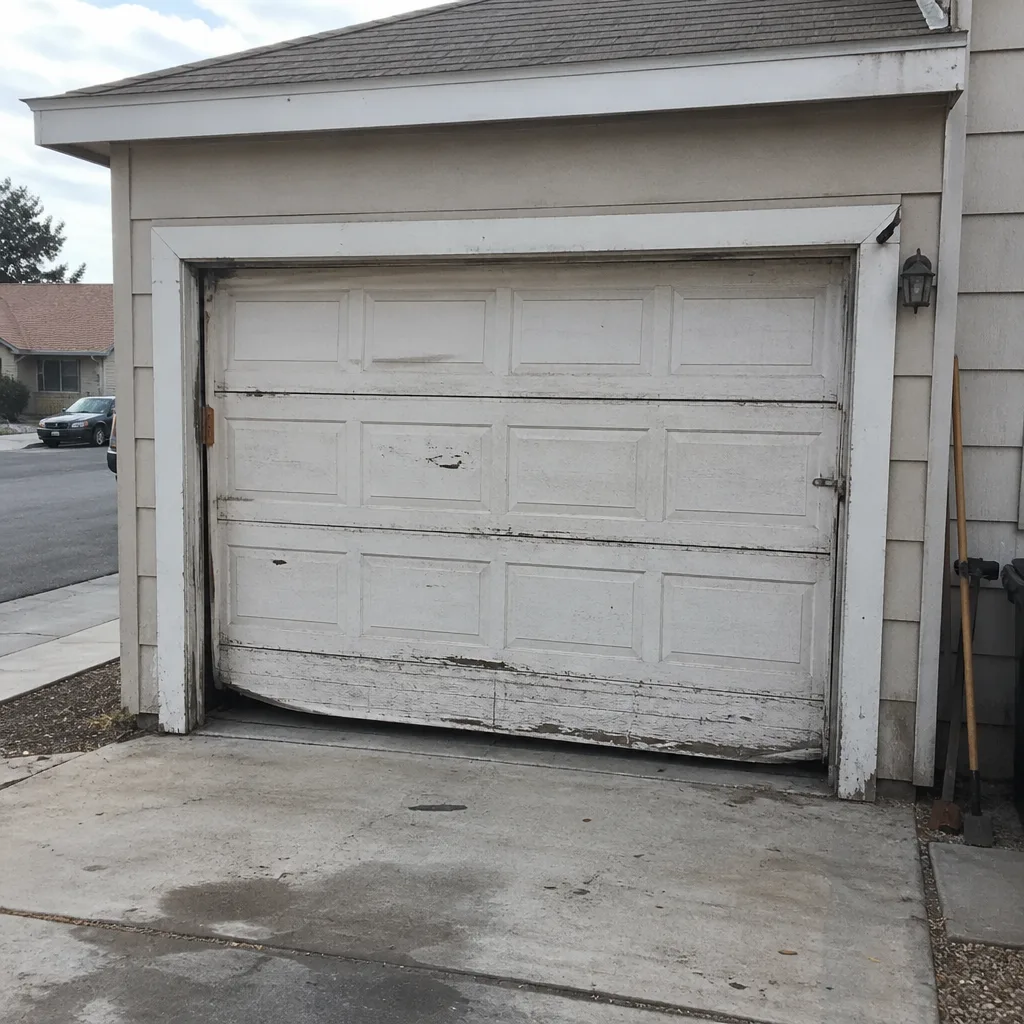 Before
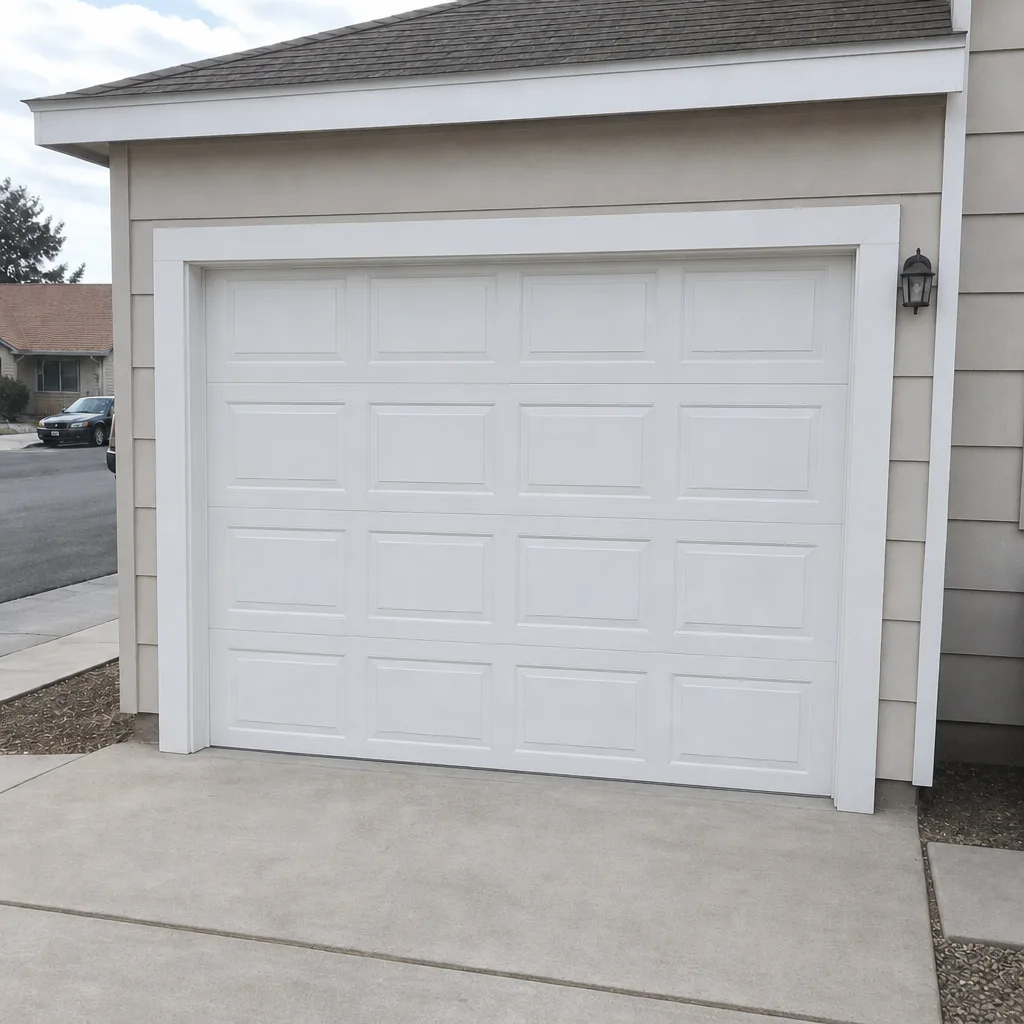 After
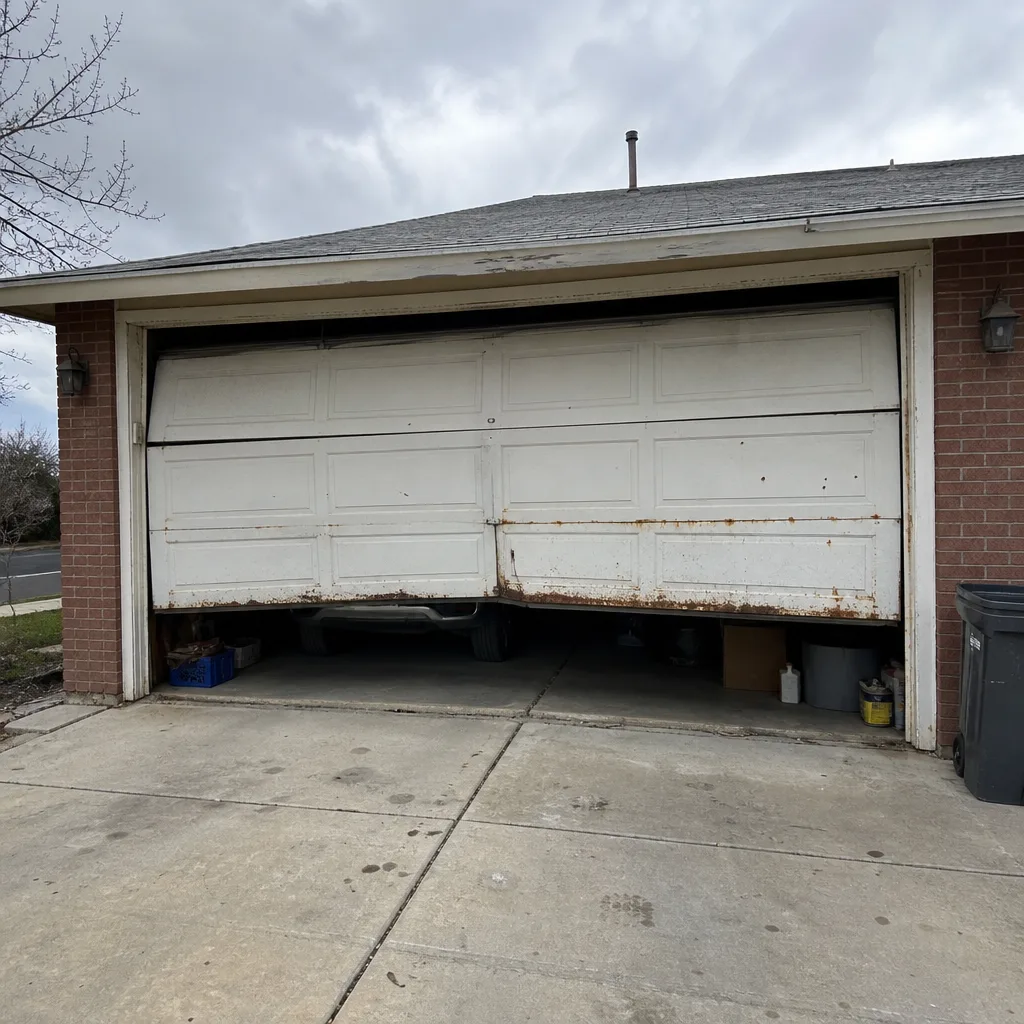 Before
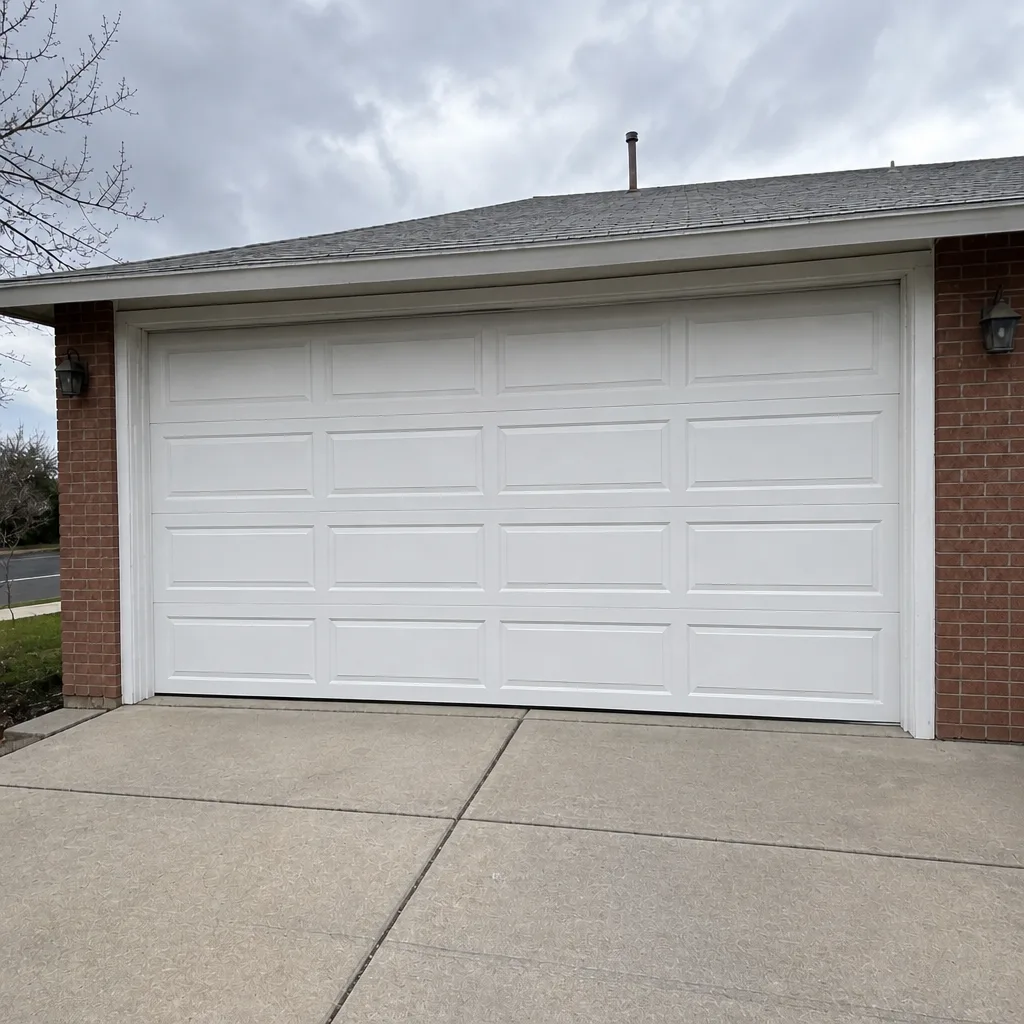 After
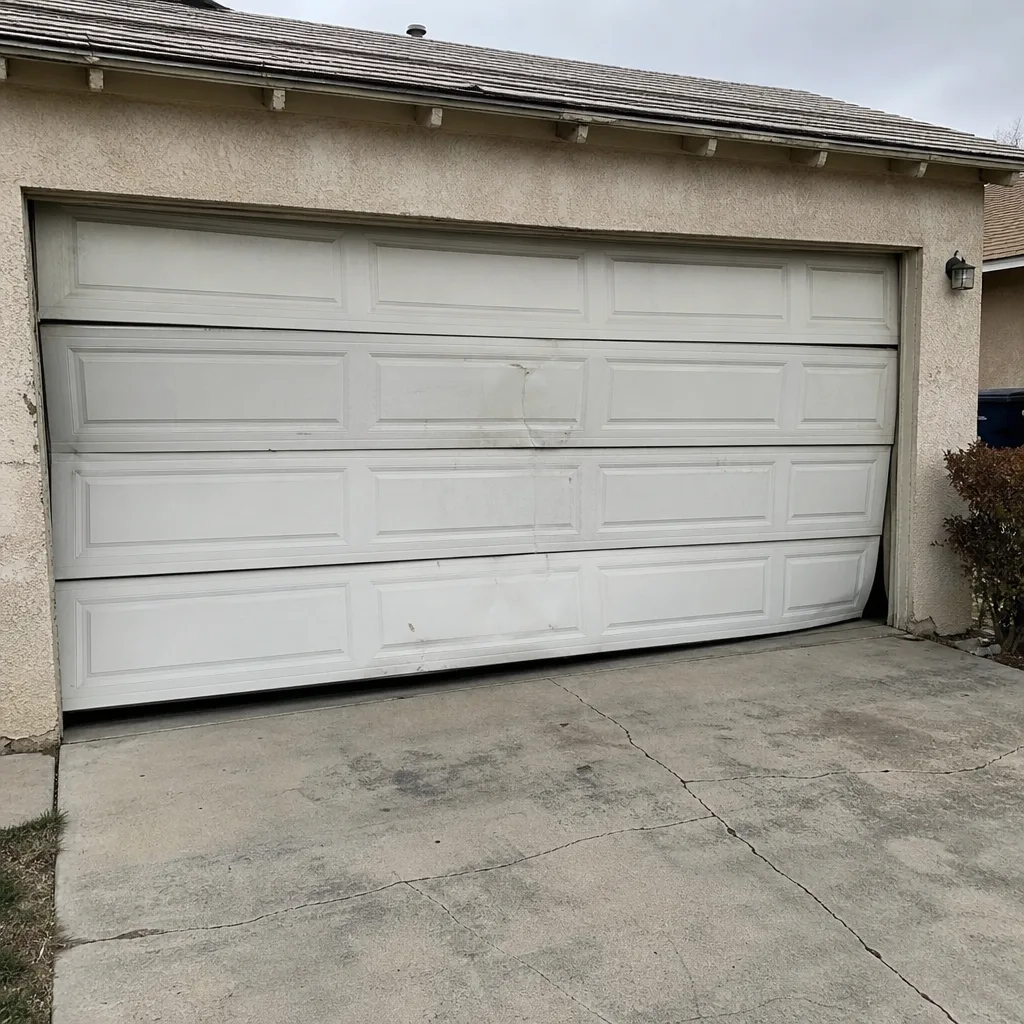 Before
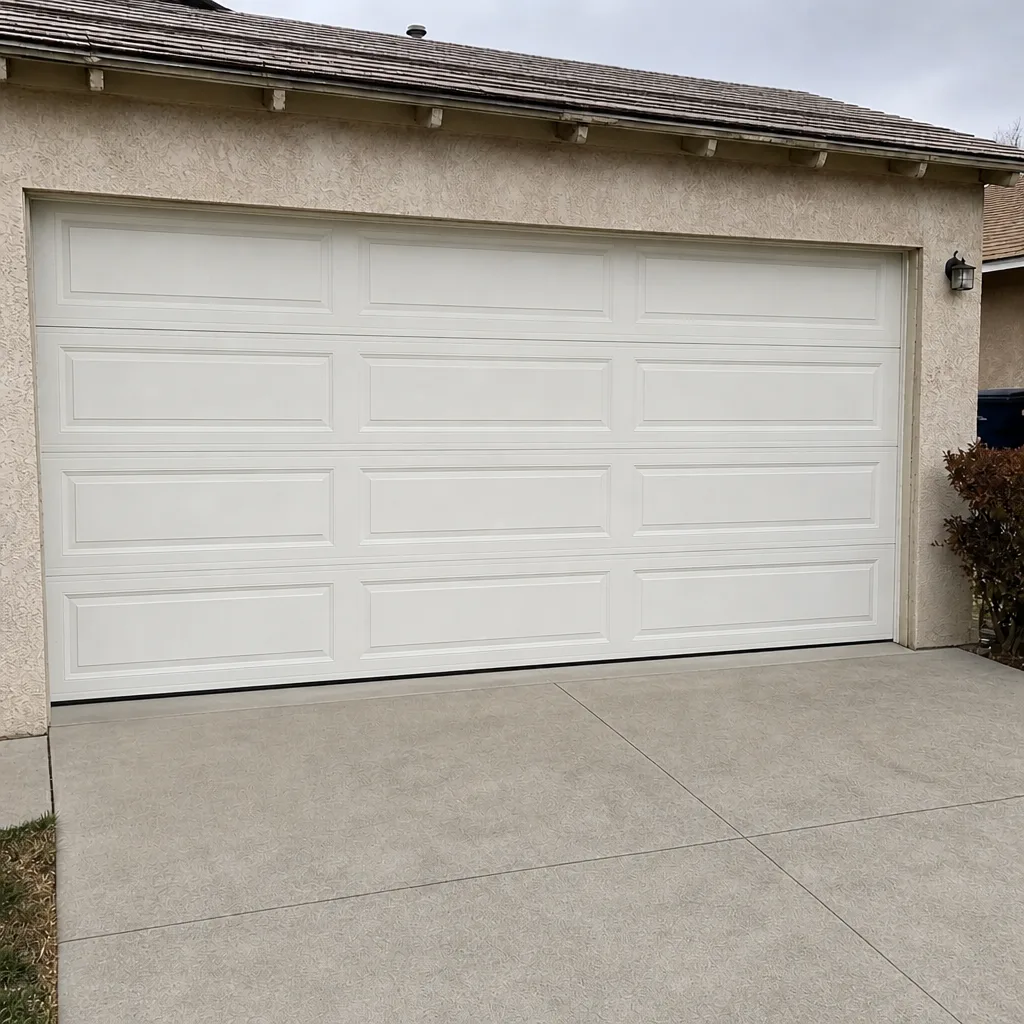 After
Frequently Asked Questions
The most reliable signs are a door that opens slower than it did six months ago, a visible twist or gap in the spring, and a popping sound toward the top of the door during travel. If you see two or more of these, treat it as urgent and have it inspected before the spring snaps. Call (844) 797-9248 for a free estimate.
No. A torsion spring is under enough tension to cause serious injury if it releases, and a replacement requires proper winding, cable tension, and door balance. This is one repair we always recommend a trained professional perform. It’s also why we stock springs on the truck so the job usually finishes in a single visit.
A crooked door usually means a cable or spring has stretched or lost balance, or a track has shifted. Use the asymmetry test in this guide: compare the gap at the jamb on each side and look at the horizontal track. If the difference is visible, stop using the door and call for a service appointment.
Sometimes. Steady, unchanging noise is normal. A new sound, or a familiar sound that’s changed in pitch or timing, is a warning. If you can point to the point in travel where it happens, that’s a strong sign of a worn roller, bearing, or track issue.
A single torsion spring replacement, the most common repair we quote, typically runs $180 – $340 depending on the door. A roller and hinge replacement runs $90 – $220, and a full tune-up ($89) covers adjustment and wear items. We state and agree the flat price before any work begins, so the bill matches the quote.
Yes. Every completed job is covered by the 90-Day Done Right Promise: if the work isn’t right, we return at no charge, and it’s stated in writing on every job. Our technicians are background-checked and trained as journeymen with up to 10 years of experience.
The Bottom Line
The most expensive garage door repairs start with a warning sign the homeowner noticed and shrugged off. Watch for these eight: slow travel, new sounds, a crooked door, frayed cables, a bent track, a weak remote, a door that reverses, and a visible gap. When one sign shows up, schedule it. When two or more appear together, treat it as urgent. Call us a live person answers every call, 24/7 at (844) 797-9248. We’ll quote a flat price before we start, and the 90-Day Done Right Promise backs the work in writing.
Written by the team at Mainspring Garage Door Co. Whitney.