
Last updated November 17, 2026
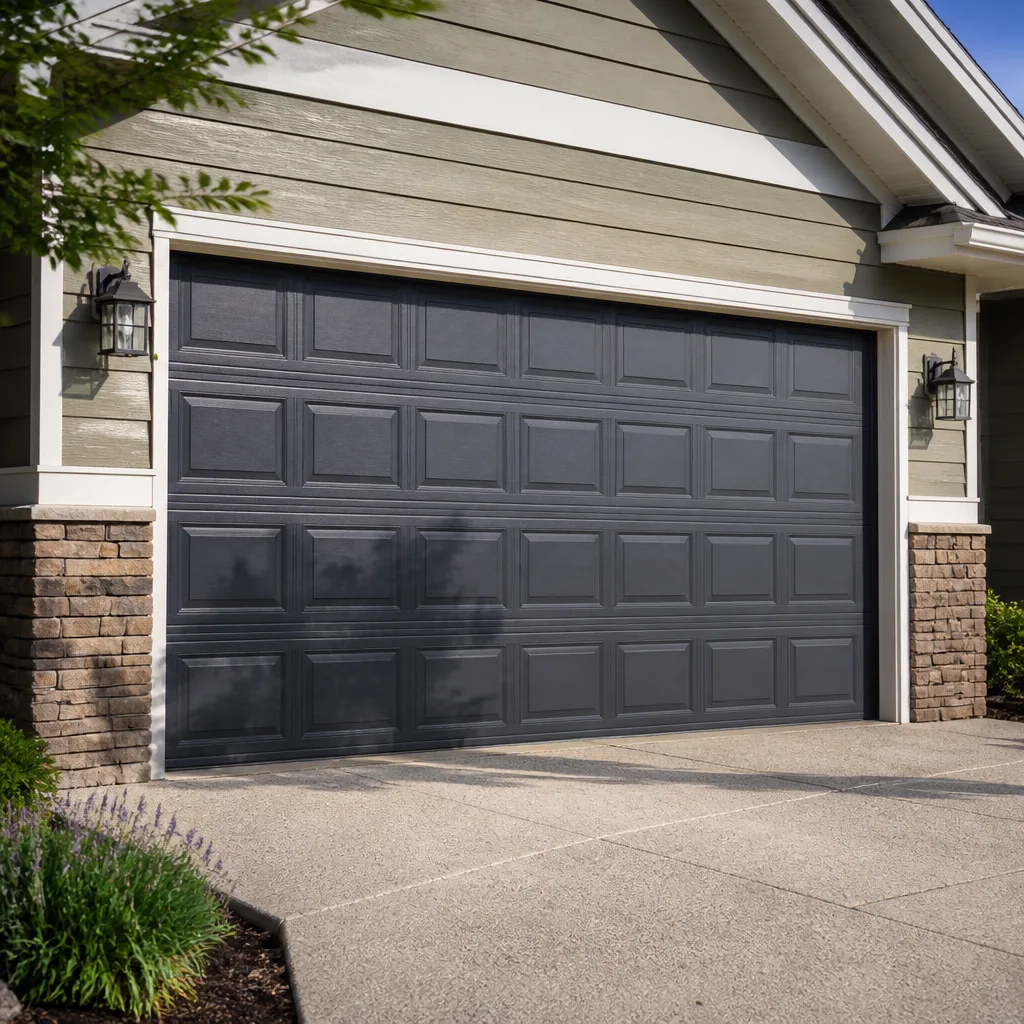 Raised-panel steel
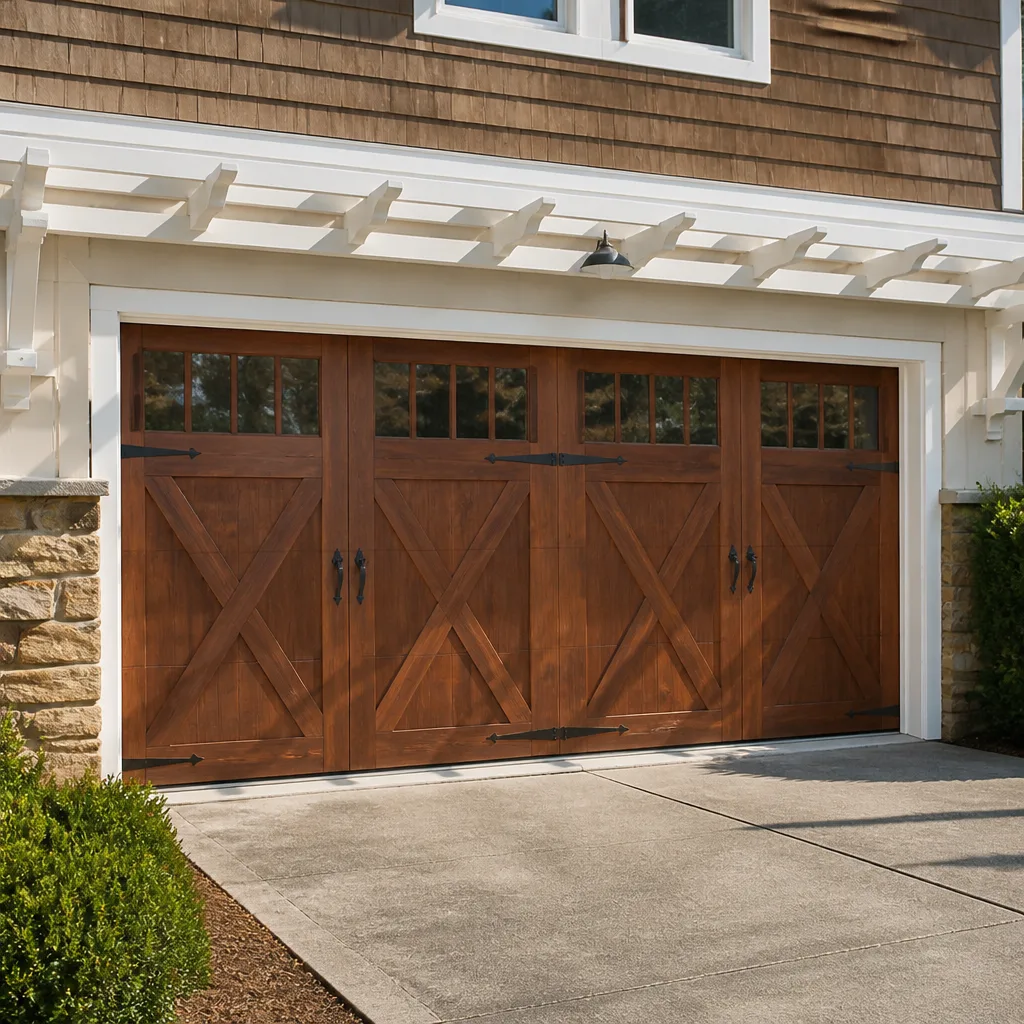 Carriage house
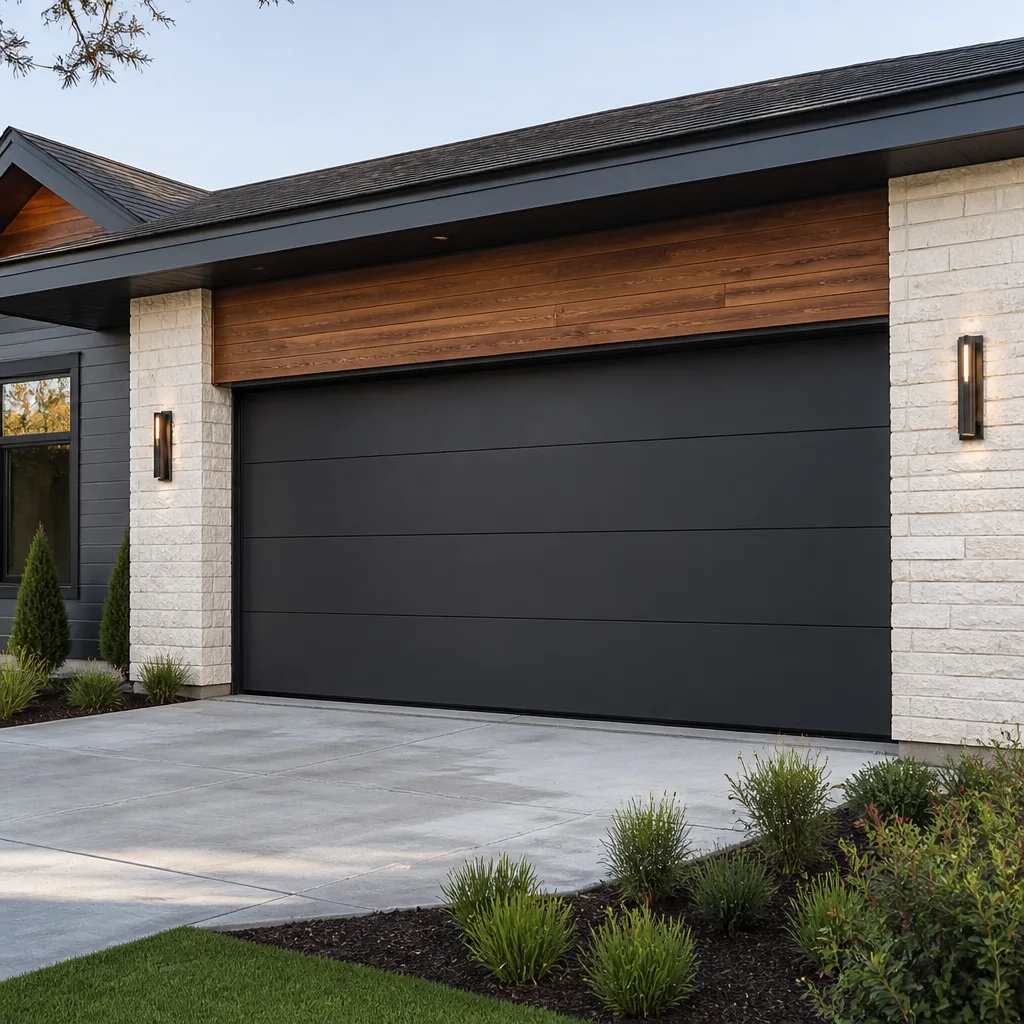 Modern flush
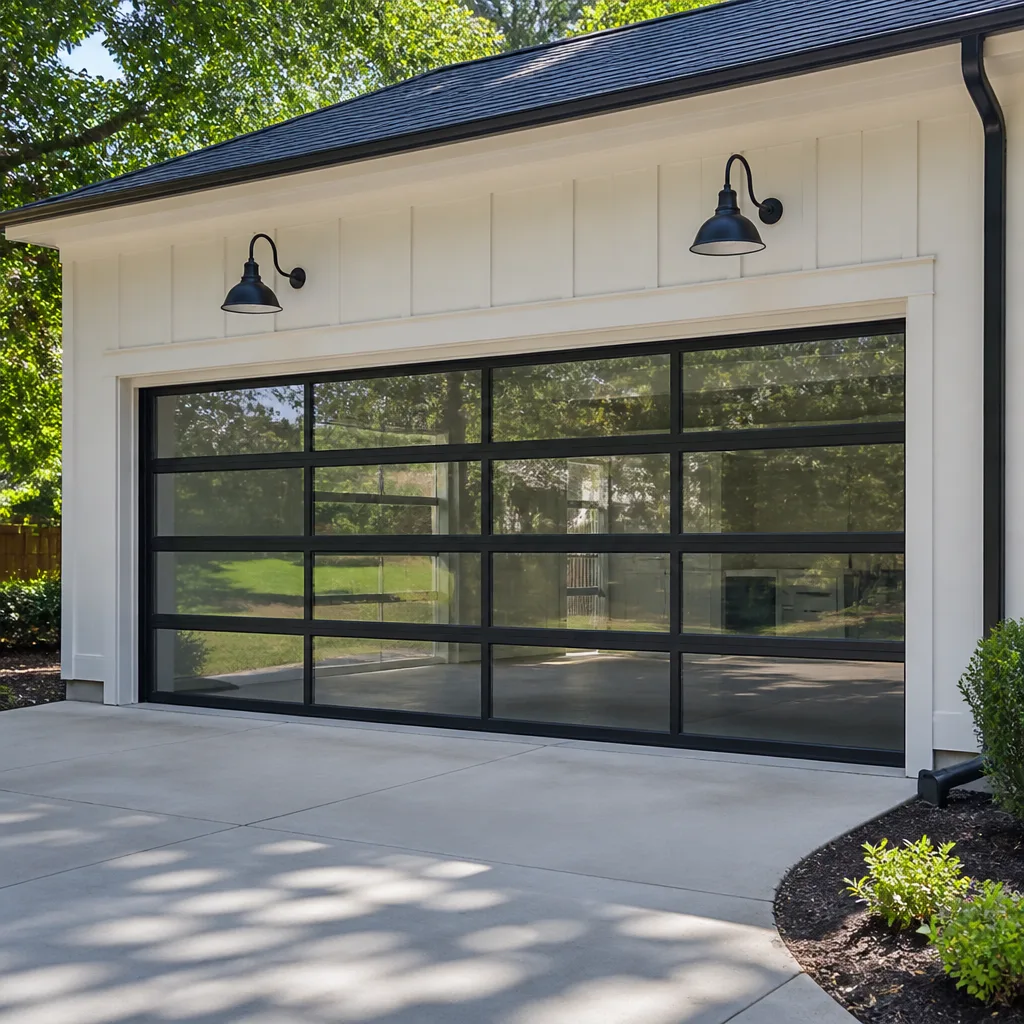 Full-view glass
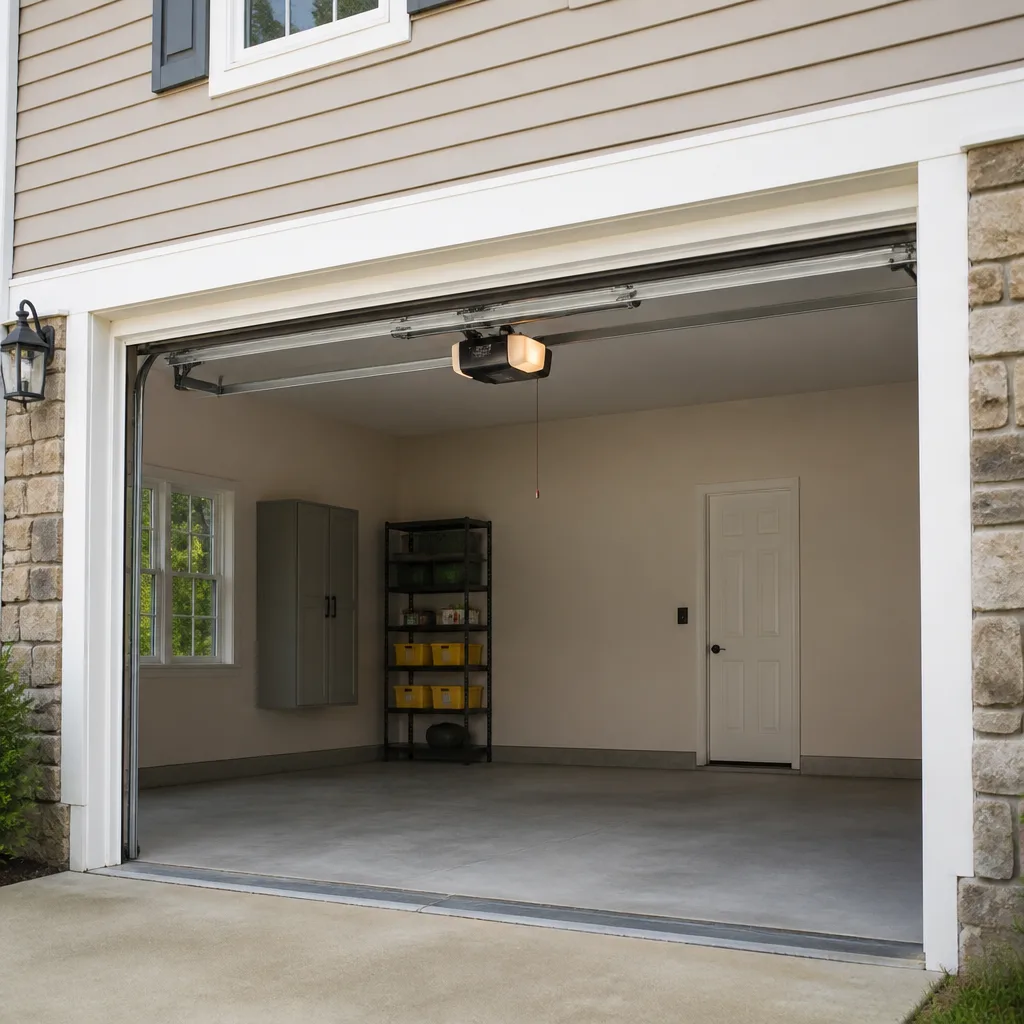 LiftMaster openers
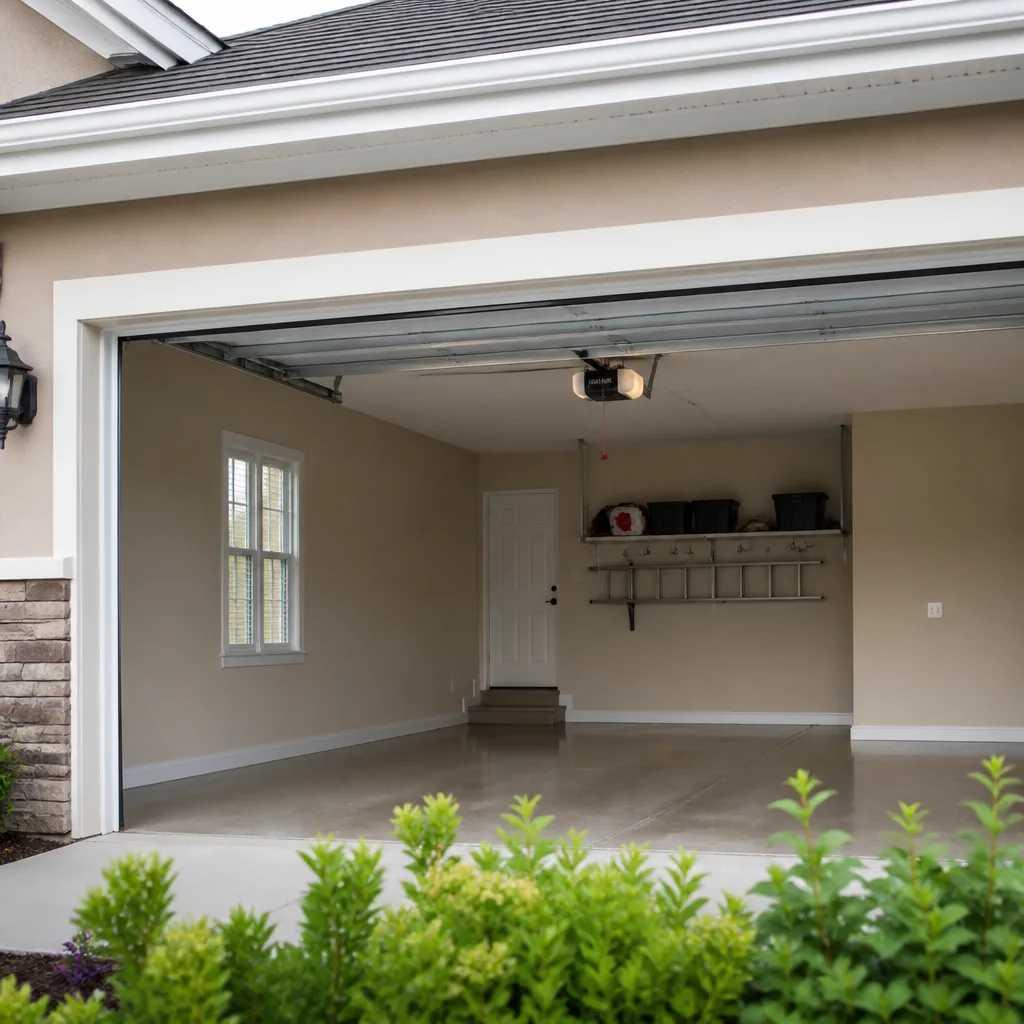 Chamberlain openers
Full 25-point door and opener safety check with every visit - springs, cables, rollers, tracks, and your LiftMaster or Chamberlain opener included
You get a price before we start. It does not change when the pro arrives.
Get your free estimateGarage Door Parts Troubleshooting: Common Problems and How to Fix Them
A snapped cable is almost never the root cause of a garage door failure. It is usually the result: a weakened spring shifted load onto the cable asymmetrically until the cable gave out. Replace the cable without addressing the spring, and the new cable follows the same path. In Whitney, we’ve walked into plenty of garages where two parts failed within six months because only the second one got fixed. This guide is built around failure patterns, not individual parts, so you can figure out what actually happened before a wrench comes out. You’ll learn the four main failure patterns, the visual inspection sequence a technician follows, and which parts are safe to replace yourself.
Quick Answer
Most garage door problems fall into four patterns: asymmetric movement (cable, drum, or one-side spring), complete refusal (spring failure, cable off the drum, or track obstruction), grinding or scraping (worn rollers, misaligned track, or debris), and excessive noise (loose hardware, worn hinges, or dry lubrication points). Identify the pattern first, then trace it to the root part. Springs, cables, and bottom brackets under tension should always be handled by a trained technician.
Styles & brands we work with
- Raised-panel steel
- Carriage house
- Modern flush
- Full-view glass
- LiftMaster openers
- Chamberlain openers
Table of Contents
- The Cascade Effect: Why One Failure Causes Others
- Asymmetric Movement: The Cable and Drum Pattern
- Complete Refusal: When the Door Won’t Budge
- Grinding and Scraping: Rollers, Track, and Debris
- Excessive Noise: What the Sound Tells You
- The Visual Inspection Sequence
- Common Misdiagnoses
- What You Can Replace Yourself vs. What You Shouldn’t
The Cascade Effect: Why One Failure Causes Others
A garage door system is a load-sharing mechanism. The torsion spring carries the door’s weight; the cables pull evenly on both bottom brackets; the rollers track inside the rails; the opener lifts a door that should already feel nearly weightless. When one part leaves its design envelope, the others take on stress they were never meant to carry. That’s why a single part failing often leads to a second one following within months. It’s also why a proper full inspection after any failure matters more than swapping the broken part and walking away.
Here’s how the cascade usually plays out:
- Spring weakens or breaks. The opener now lifts the full door weight alone. The drive gear wears, the motor runs hot, and the cables suddenly carry a load they were never rated for.
- Cable frays or jumps the drum. The door hangs off-kilter. One side’s rollers now bear twice the friction, and the track on that side warps or loosens from its brackets.
- Roller seizes. The hinge bends from constant drag, the track develops a kink, and the door starts scraping on one corner every cycle.
- Hinge loosens. The panel behind it rattles against its neighbor, the section fasteners work themselves free over time, and eventually the panel warps.
We’ve seen this consistently in older Whitney neighborhoods where doors are 15 to 25 years old. One spring lets go, the homeowner replaces just the spring, and four months later the opener’s gear strips because it had already been compensating for a half-dead spring for two years and nobody looked at it. The right response after any part failure is a full inspection of the whole load path, not a spot fix. That’s a big part of how our Mainspring Garage Door Co. Whitney home approach works: the technician assesses the full system before quoting anything.
Asymmetric Movement: The Cable and Drum Pattern
If the door rises crooked, one side higher than the other, or if you hear a cable slap against the track on only one side, you’re looking at an asymmetric movement pattern. This almost always traces to one of three parts: a frayed or jumped cable, a drum that’s slipped out of its mounting, or a broken spring on one side of a two-spring system. Two-spring doors are common in Whitney, and when one breaks the other keeps working, so the door moves unevenly without fully refusing. Homeowners often think “half-broken” means “still usable.” It doesn’t. Running a two-spring door with one spring intact overloads the surviving spring, and the second one usually fails within a few weeks.
Tracing this pattern:
- Look at the torsion bar above the door. One spring coiled tight and one hanging slack means the second is broken.
- Examine both cables where they meet the drum. A cable off its groove on one drum causes the door to hang sideways.
- Check the cable ends at the bottom brackets. Fraying here means the steel is fatigued and due for replacement.
- If the door is visually level but still moving rough, the issue may be inside the drum or in a roller. Stop cycling the door and call for a service visit.
Cables are always under extreme tension. A snapped cable can whip across the garage with enough force to break a windshield or worse. Stop running the door the moment you see a slack or coiled cable hanging near the drum. For a Whitney home with a modern Chamberlain or Genie opener, the opener will sometimes try to force a stuck door and burn out its capacitor, adding an unrelated repair to the bill. Our Garage Door Repair in Whitney team carries cables, drums, and springs on the truck so most of these jobs are finished in one visit.
Complete Refusal: When the Door Won’t Budge
A door that won’t open at all narrows to three causes fast: a broken spring, a cable that’s jumped the drum and jammed the system, or a track obstruction heavy enough to bind the door. If you hear the opener motor run but the door doesn’t move, the spring is the usual suspect. If the motor hums and clicks off, that’s a jam or obstruction. If the door moves a few inches and stops, the opener’s force setting or the safety reverse is tripping, and the cause is usually mechanical, not electronic.
Here’s the sequence to run before calling:
- Pull the emergency release. It’s the red rope in the center of the track. If the door is spring-broken, don’t do this while standing under the door; the door is heavy without spring support.
- Look at the springs. One clean break in the coil is the tell. Springs are dangerous under tension, so observe only, don’t touch.
- Check the photo-eye safety sensors. A blinking LED on either sensor means an obstruction in the beam or a misaligned lens. Clean the lens and try again.
- Inspect the track at floor level. Debris, a bent kick plate, or a toy wedged in the rail can bind the door. Clear it and cycle once.
- Listen to the opener. A relay click but no motor sound points at a dead capacitor; a motor sound with no door movement points at the spring or a broken winding shaft.
Springs are the single most dangerous component in the system, and this is where we push hardest: don’t touch them. A torsion spring can carry hundreds of pounds of stored energy, and a wrong move with a winding bar is a hospital visit. In Whitney we’ve replaced springs on doors that a homeowner had already tried to diagnose with a pry bar, and it never saves money. Our technicians bring up to 10 years of experience to this exact call. When you’re ready to schedule, our Garage Door Opener in Whitney page covers how we diagnose opener-specific symptoms that overlap with spring failures.
Grinding and Scraping: Rollers, Track, and Debris
Grinding is a friction signal. Something is rubbing that shouldn’t be. Nine out of ten times it’s a seized roller, a track that’s out of alignment, or a piece of debris riding in the channel. The sound is usually worst at the start and finish of travel, when one corner of the door is lifting off or settling back into the floor. If the grinding is constant across the whole cycle, the track is the likely culprit. If it’s intermittent, suspect a roller.
Rollers are the cheapest and most repairable part in this list. Nylon rollers cost a few dollars each and last 8 to 10 years in a dry climate like Whitney’s. Steel rollers last longer but run louder and rust faster when humidity spikes after a rare rain. If the grinding has been going on more than a month, the track is often already bent at the point where the bad roller was riding. That means the fix is a roller swap plus a track adjustment, not just one or the other.
Track misalignment shows up as the door scraping one side while running clean on the other. Whitney’s housing stock includes a lot of doors where the original install didn’t perfectly level the vertical track, and decades of settling have made it worse. A track that’s out of plumb by a quarter inch will drag the door against the frame until the weatherstripping wears through. If you’re already thinking about the door as a whole, it may be time to look at Garage Door Installation in Whitney rather than piecemeal repairs; a 20-year-old door with three failing systems is often cheaper to replace than to keep patching.
Excessive Noise: What the Sound Tells You
A door that suddenly gets loud is trying to tell you something specific. Loose hardware rattles in a dry metallic way. Worn hinges squeal at the pivot points. Rollers on their way out produce a low grinding rumble combined with a rattle. A spring that’s lost its lubrication makes a sharp slipping sound at the end of travel. The sound matches the failing part if you listen carefully.
Common culprits and what they sound like:
- Loose bolts and nuts – metallic rattle that seems to come from everywhere at once. A 3/8-inch wrench and 10 minutes along the hinges and brackets usually silences half of it.
- Worn hinges – squeal at the 90-degree mark. Hinges wear faster on doors above 8 feet because the load at each hinge is higher.
- Seized rollers – grinding rumble that grows louder at speed. Nylon rollers wear out; steel rollers seize when the bearings dry out.
- Dry torsion spring – sharp slip-and-click at the end of the cycle. A spring that hasn’t been lubricated in three years will run louder and wear faster.
- Loose opener chain or belt – slapping noise from the overhead rail.
Our $89 seasonal tune-up exists specifically for this pattern. The technician lubricates every moving point, checks torque on all hinge and bracket fasteners, tests the spring balance, and adjusts the opener’s force and travel settings. On a Whitney door that hasn’t seen a service call in five years, that one visit usually buys another decade of quiet operation. Factory-familiar with Chamberlain, Genie, Clopay, and Amarr systems, our technicians know where each brand wears first.
The Visual Inspection Sequence
This is the order a trained technician walks through on every call. Following the same sequence yourself, eyes only, will help you describe what you’re seeing accurately when you call, and it will catch the second problem before it becomes a failure.
- Start at the springs. Look at the torsion bar above the door. Are both springs wound evenly? Any visible gap or sharp break in one? Any rust or brown discharge (a sign of fatigue)?
- Trace the cables. Follow each cable from the spring drum at the top down to the bottom bracket. Look for fraying, kinks, or a cable that’s left its groove in the drum.
- Check the bottom brackets. These anchor the cable ends at the bottom corners. Look for bent tabs, missing bolts, or cable ends that have pulled loose.
- Walk the track from floor to ceiling. Start at the floor and run your eye up the vertical section, then along the horizontal section toward the opener. Note any bend, kink, missing bolt, or gap between the track and its mounting brackets.
- Look at the rollers. Each roller sits in a hinge; pull the door down gently and watch the roller in its track. A roller that doesn’t turn freely is due for replacement.
- Inspect the hinges, then the panels. Hinges should be snug. Panels should sit flush with one another. A bowed panel that wasn’t there last year points to stress from another failing part.
- Finish at the opener. Check the safety sensors, the chain or belt tension, and whether the force settings have had to be turned up (a sign the door is getting heavier, which usually means a spring is weakening).
If you find nothing but the symptom persists, the issue is likely inside a drum or behind a bracket where a visual check won’t reach. That’s when it’s time for a diagnostic visit. Free second opinions on any written estimate are always available if a previous technician has already given you a diagnosis you’re not sure about.
Common Misdiagnoses
These are the four we see most often in Whitney, and they all cost the homeowner money when the wrong part gets replaced.
- A noisy door blamed on the opener. Rollers and hinges produce 90% of garage door noise. Replacing the opener won’t quiet a door whose rollers have dried out; it just puts a newer motor behind the same noise.
- A door that won’t seal blamed on the weatherstripping. If the gap runs floor-to-ceiling on one side, the track is out of plumb, not the seal. New weatherstripping will fit tight at first and gap again within a season.
- Slow operation blamed on the opener. A door that lifts slowly, especially from the closed position, usually has an under-wound spring or a spring that’s lost tension. The opener is doing its job; the spring isn’t.
- A stuck door blamed on the sensors. Photo-eye sensors get blamed for every door that won’t close. If the door moves when you hold the wall button but not when you use the remote, the sensor is not the problem.
The pattern behind all four: a symptom points at the opener because it’s the visible, electronic part, but the cause is mechanical. A proper diagnostic starts with the load-bearing parts, not the electronics. We’ve seen homeowners pay for a new opener and still have a door that hangs crooked because the real culprit was a half-failed spring. Call us for a free second opinion before you replace anything electronic; it’s often the cheapest $0 you’ll spend.
What You Can Replace Yourself vs. What You Shouldn’t
Some parts are genuinely homeowner-safe. Others are not, at any skill level, without the right tools and specific training. Here’s the honest line:
Safe to replace yourself
- Nylon rollers – a screwdriver and 15 minutes per roller. Bend the track tab out slightly, slide the old roller out, slide the new one in.
- Hinges – unbolt from the panel, swap, re-bolt. Match the hinge number stamped on the old one.
- Weatherstripping – bottom seal slides out of its aluminum retainer; the perimeter seal nails or glues around the frame.
- Nylon guide rollers in the opener rail – snap in place on most Chamberlain and Genie units.
- Photo-eye sensors – low-voltage wiring, plug-and-play with most modern openers.
Do not touch without training
- Torsion springs – stored energy can kill. Requires proper winding bars and specific knowledge of the door’s weight-to-spring ratio.
- Extension springs – same hazard, different geometry. The safety cable running through the spring exists because these spring loose.
- Cables – under hundreds of pounds of tension. A snap can whip across the garage.
- Bottom brackets – the cable end is anchored here under full tension. Removing a bolt without backing off the spring is how people lose fingers.
- Center bearing plate and drums – any part in the load path between spring and door.
Anything on that second list should be handled by a technician. The 90-Day Done Right Promise applies to every job we do, so if a replaced spring or cable fails in the coverage window, we come back and make it right at no charge. That is a written commitment, not a verbal one.
Common Mistakes to Avoid
- Replacing the broken part without inspecting the rest. The cascade effect means the second failure is usually already in motion. A full diagnostic catches it before it strands you.
- Turning up the opener’s force setting to compensate. If the door feels heavy, the spring is failing. Boosting the force burns out the opener and doesn’t fix the door.
- Ignoring a broken spring on a two-spring door. Running on one spring for months is how you get a second spring failure, a bent track, and a burned opener in one bill.
- Spraying WD-40 on the torsion spring. It’s a solvent, not a lubricant. Use a proper garage door lubricant rated for high-pressure contact.
- Using the emergency release while the door is up and the spring is broken. The door will drop with the full weight of the panels. Never cycle a spring-broken door.
- Buying a universal opener to fix a mechanical problem. If the door runs heavy, a new opener will fail the same way the old one did, usually faster.
- Replacing weatherstripping on a door with an out-of-plumb track. The new seal will wear through within a season. Fix the track first.
See the difference
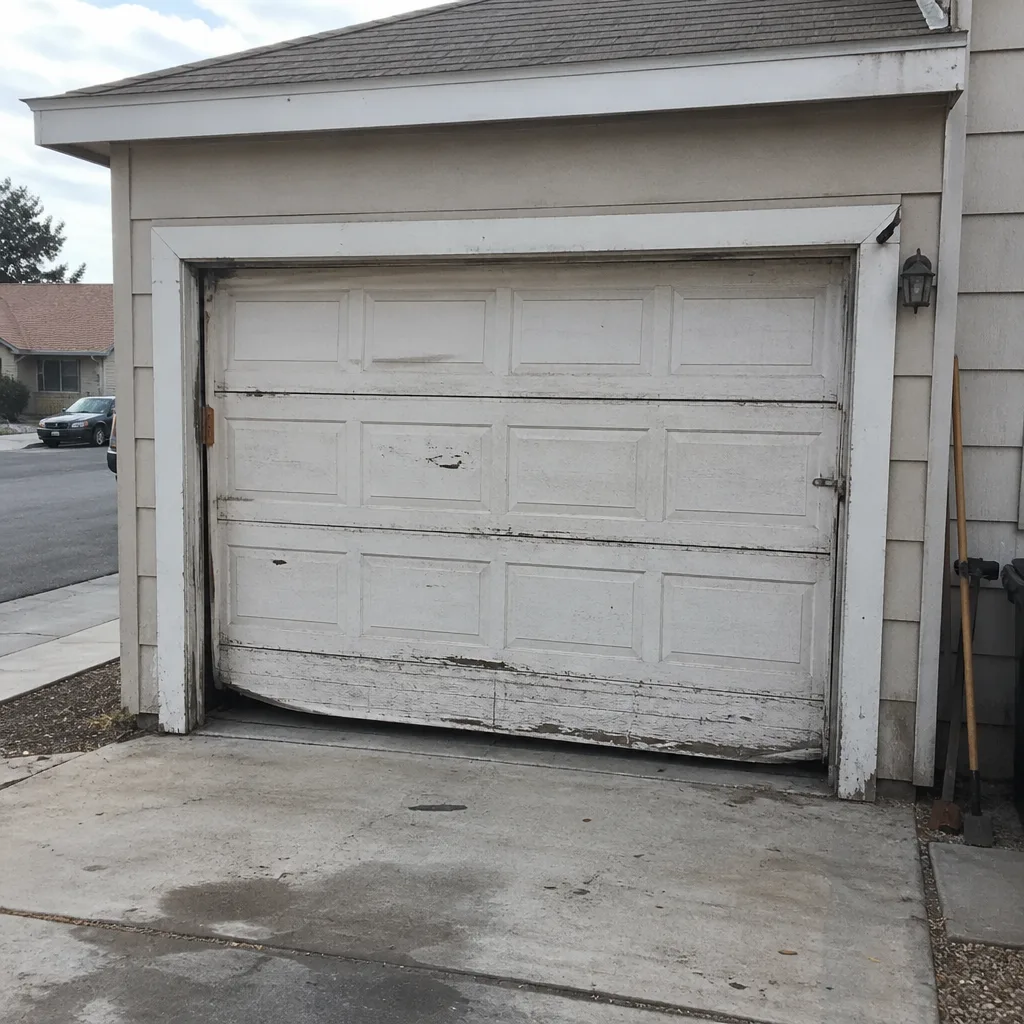 Before
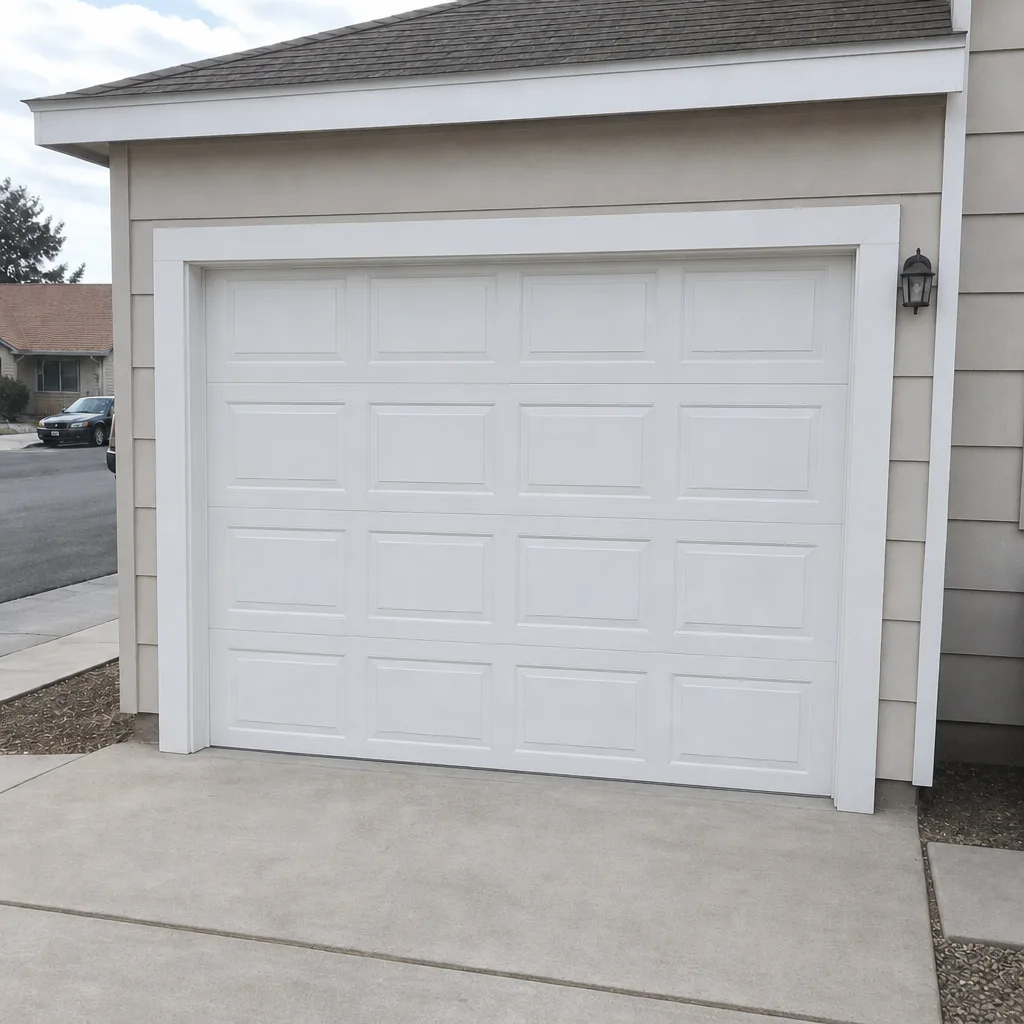 After
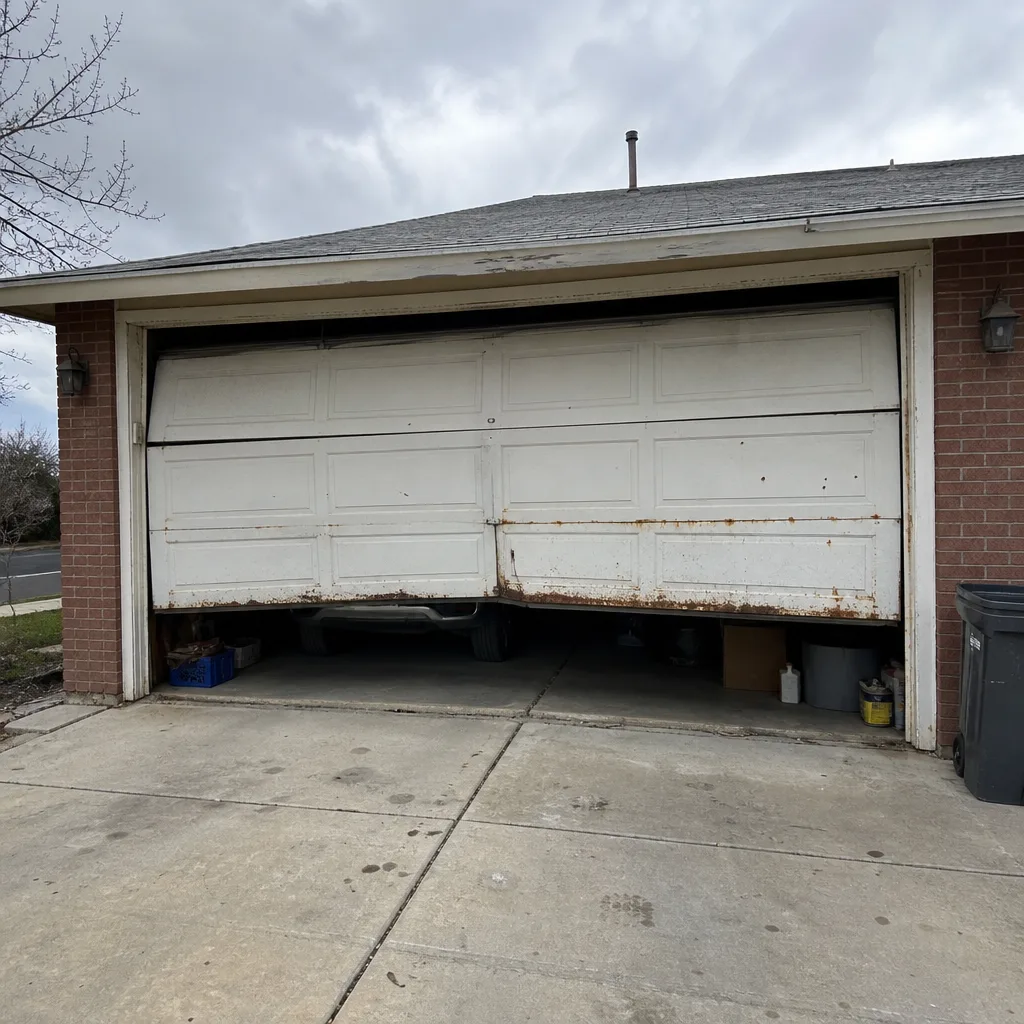 Before
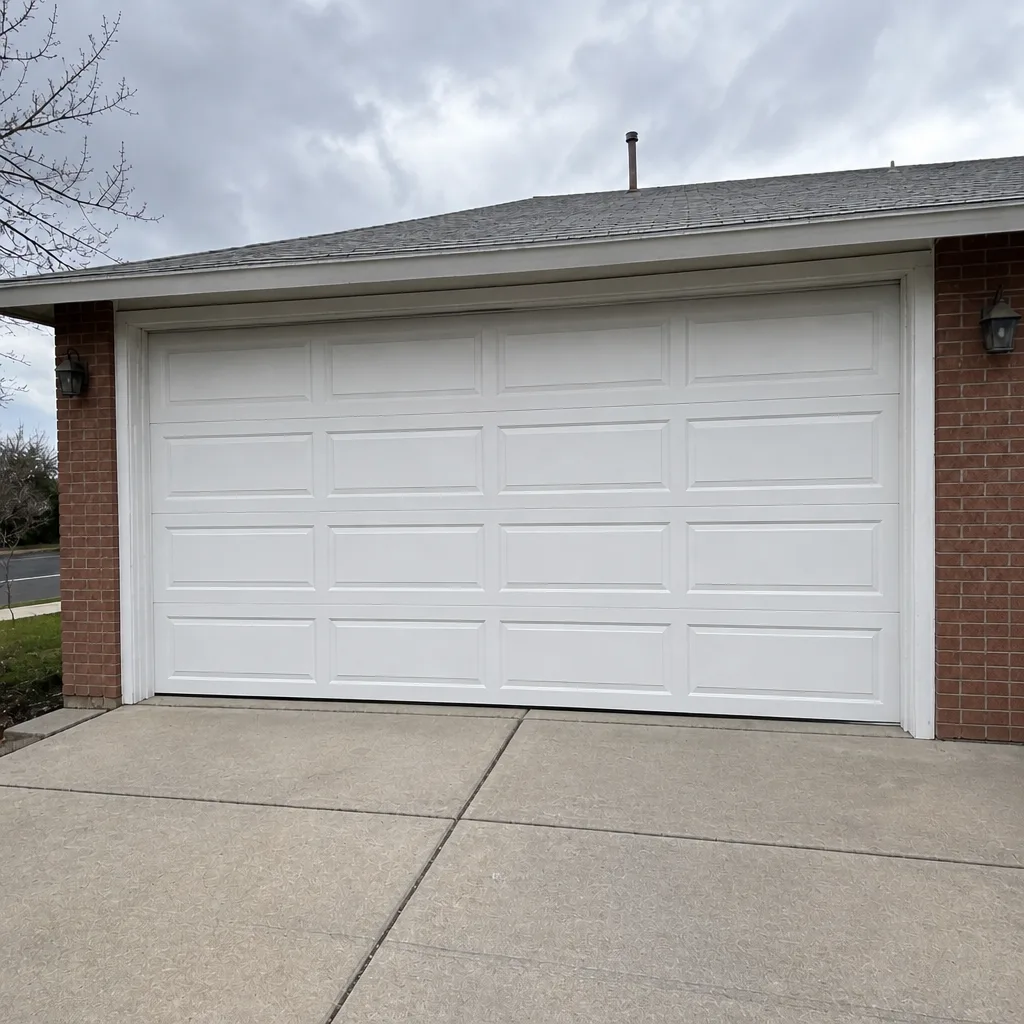 After
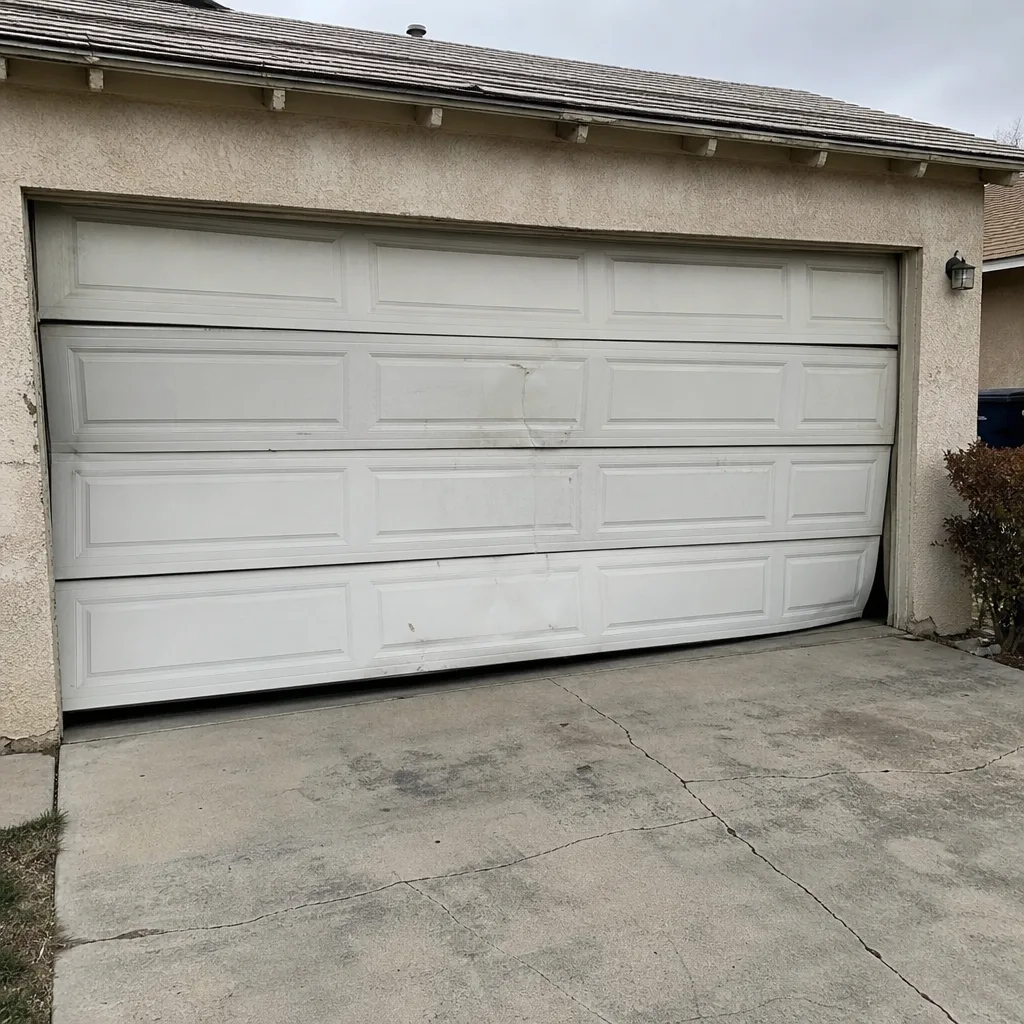 Before
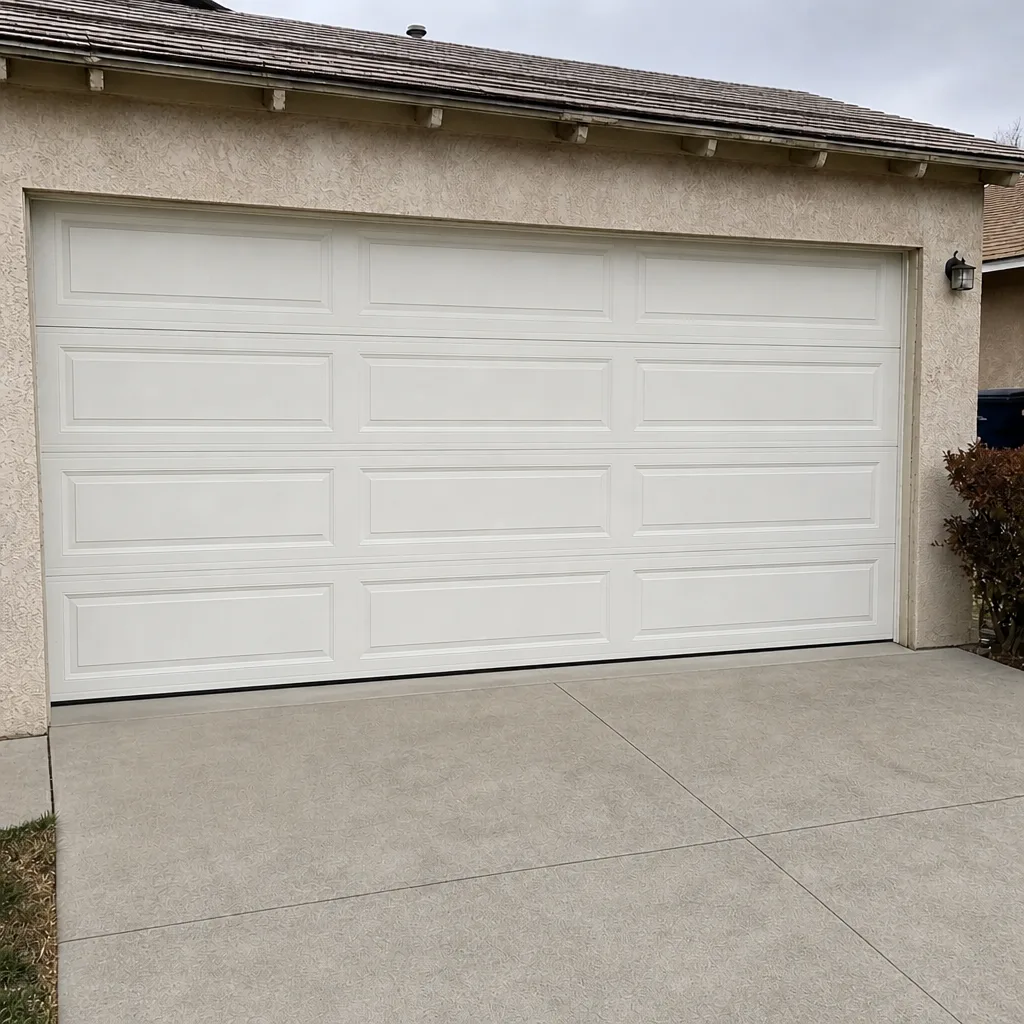 After
When to Call a Professional
Call a professional the moment you see a broken spring, a slack or snapped cable, a bent bottom bracket, or a door that’s hanging visibly uneven. These are load-path failures, and every additional cycle puts stress on parts that were never designed to carry it. Also call if the door has failed the same way twice in a year, if the opener is running hot or clicking off mid-travel, or if the safety reverse test at the floor fails. Springs, cables, and the brackets under tension are always a professional’s work. Our technicians have up to 10 years of experience and arrive with the parts already on the truck, so most calls are finished in one visit. Mainspring Garage Door Co. Whitney offers free estimates in Whitney. Call (844) 797-9248 any hour; a live person answers every call, including nights and weekends.
Frequently Asked Questions
No, and this is the most common mistake we see. When one spring breaks, the other has already been carrying 100% of the load for weeks or longer. It is fatigued. The right fix is to replace both springs together so the load returns to an even split. A single-spring replacement usually fails again within 6 to 12 months, and the second failure often takes the opener with it. Call (844) 797-9248 for a free estimate on a proper two-spring replacement.
A door that moves crooked but still opens is running with a broken spring on one side of a two-spring system, a cable that has slipped its drum, or a jammed roller on one side. All three create asymmetric load. Stop using the door until it’s diagnosed. In Whitney, we can usually trace the exact cause on a single visit and quote the fix on the spot.
Rollers, hinges, weatherstripping, and nylon guide rollers in the opener rail are all homeowner-safe with common tools. Springs, cables, bottom brackets, and drums are not – they carry hundreds of pounds of stored energy and require specific training and tools. When in doubt, call (844) 797-9248 and describe what you’re seeing; we’ll tell you honestly whether it’s a DIY job or not.
If the door lifts by hand easily when the opener is disconnected (with the emergency release pulled and no spring broken), the opener is the problem. If the door feels heavy or won’t stay at the half-open mark, the spring is the problem and the opener is fine. Never pull the emergency release on a door with a broken spring. Call for a free second opinion before replacing any electronics; we’ve saved Whitney homeowners the cost of an unnecessary opener more than once.
Torsion spring replacement on a standard double door in Whitney typically runs $280 to $420 depending on spring size and door weight; single-spring doors run lower. Cables run $180 to $340 per pair. Rollers run $15 to $30 each installed. Every price is quoted flat and agreed before any work starts, so there are no surprises on the bill. Call (844) 797-9248 for an exact quote; estimates are free, and second opinions on an existing written estimate are always free too.
Fifteen to twenty years of un-lubricated hinges, dry rollers, and loose fasteners account for almost all of the noise difference. Two doors installed the same year will diverge based on maintenance history, and one seasonal tune-up usually closes the gap. Our $89 seasonal tune-up covers lubrication, hinge torque, spring balance, and opener adjustment in a single visit.
No. The price is quoted flat before any work begins, and we stand behind it. If the diagnosis during the visit reveals a different root cause than expected, we tell you the new price and get your agreement before proceeding. The final bill matches the quote. Call (844) 797-9248 for a free estimate; no-hassle upfront pricing on every job.
Yes. Our technicians are background-checked, uniformed, and trained as journeymen under our K.E.Y.S. values code: Krafted right, Every time, Your home first, Standing behind it. Up to 10 years of experience on the crew. Every job is backed by the 90-Day Done Right Promise in writing, so if anything we fix isn’t right, we come back and make it right at no charge. Call (844) 797-9248 to schedule.
The Bottom Line
Garage door failures are load-path failures. Identify the pattern first (asymmetric movement, complete refusal, grinding, or noise), trace it to the root part, and inspect the whole system because the second failure is usually already in motion. Springs, cables, and bottom brackets are professional work, no exceptions. Rollers, hinges, and weatherstripping are homeowner-safe if you’re comfortable with a wrench. And when the diagnosis is unclear or the door has failed the same way twice, that’s the moment to call. Mainspring Garage Door Co. Whitney answers the phone live 24/7, quotes the price upfront, and backs every job with the 90-Day Done Right Promise in writing. Whitney doors, done right the first time.
Have a door that’s telling you something? Call (844) 797-9248 for a free estimate. We answer live around the clock, arrive with the parts on the truck, and most jobs are finished in a single visit. Standing offers right now: $50 Off Any Repair Over $250, a Free Second Opinion on any written estimate, an $89 Seasonal Tune-Up, and a permanent 5% discount for seniors and veterans.
Written by the team at Mainspring Garage Door Co. Whitney.