
Last updated November 17, 2026
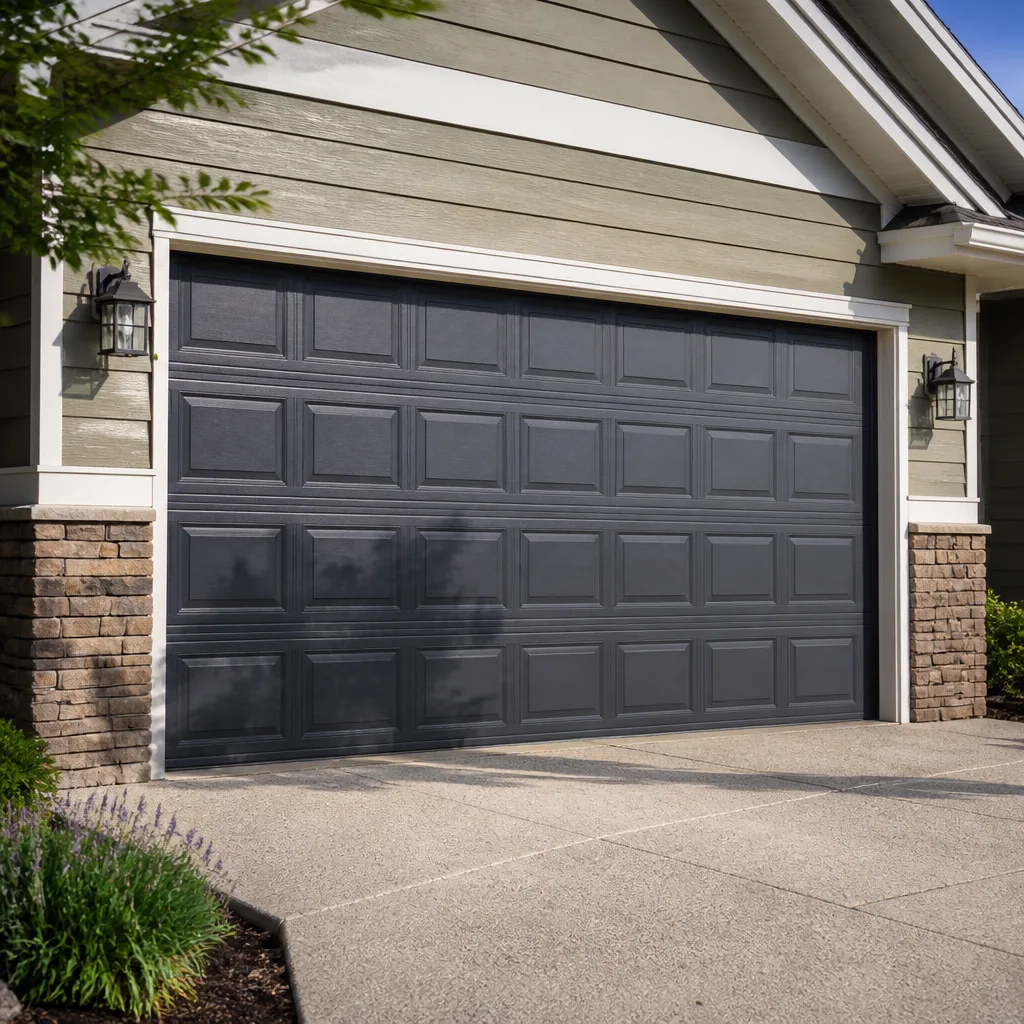 Raised-panel steel
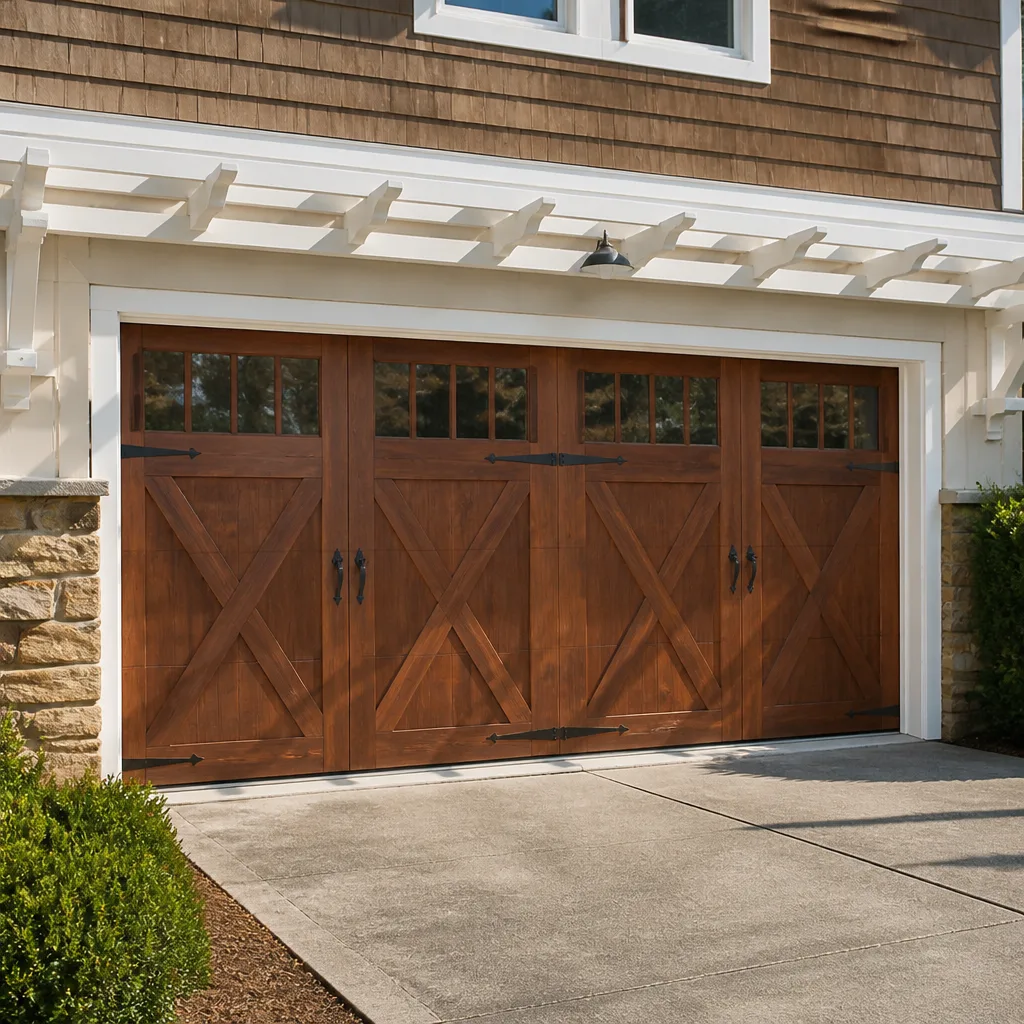 Carriage house
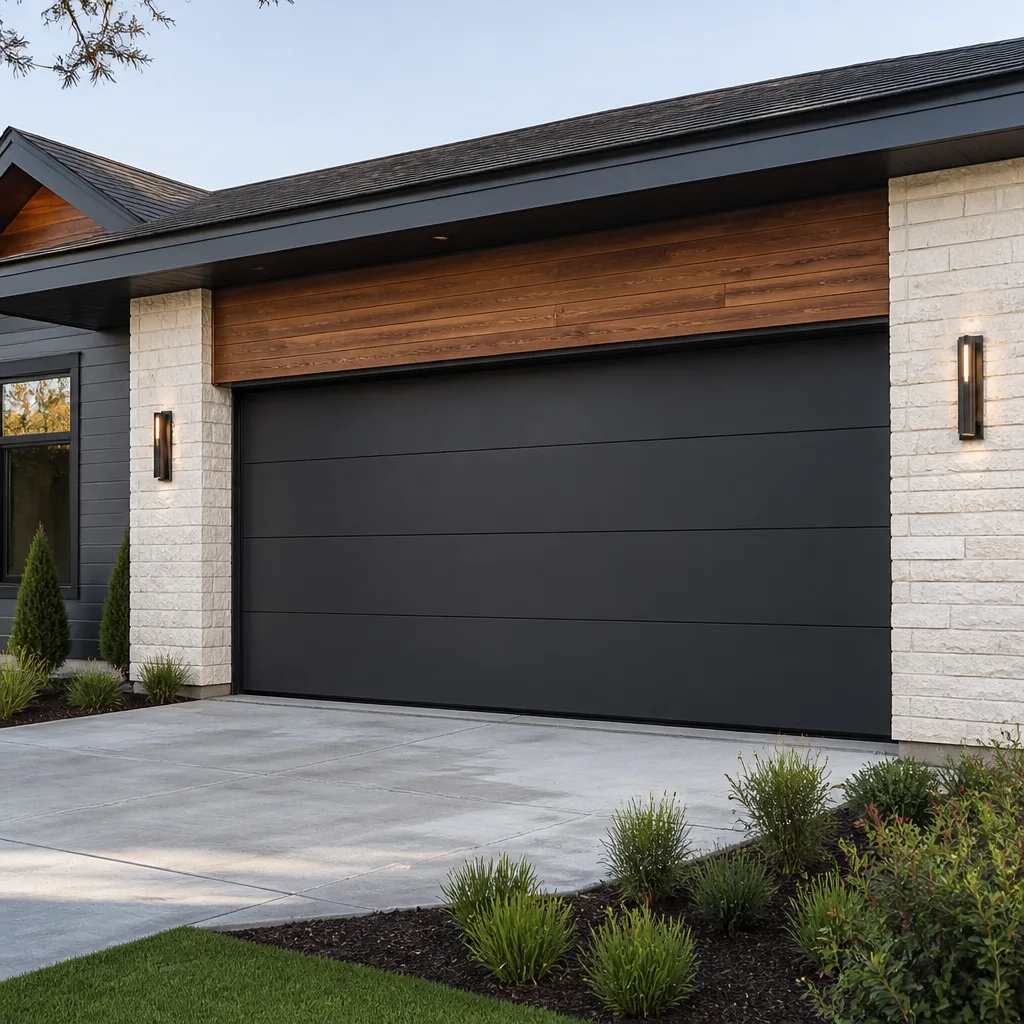 Modern flush
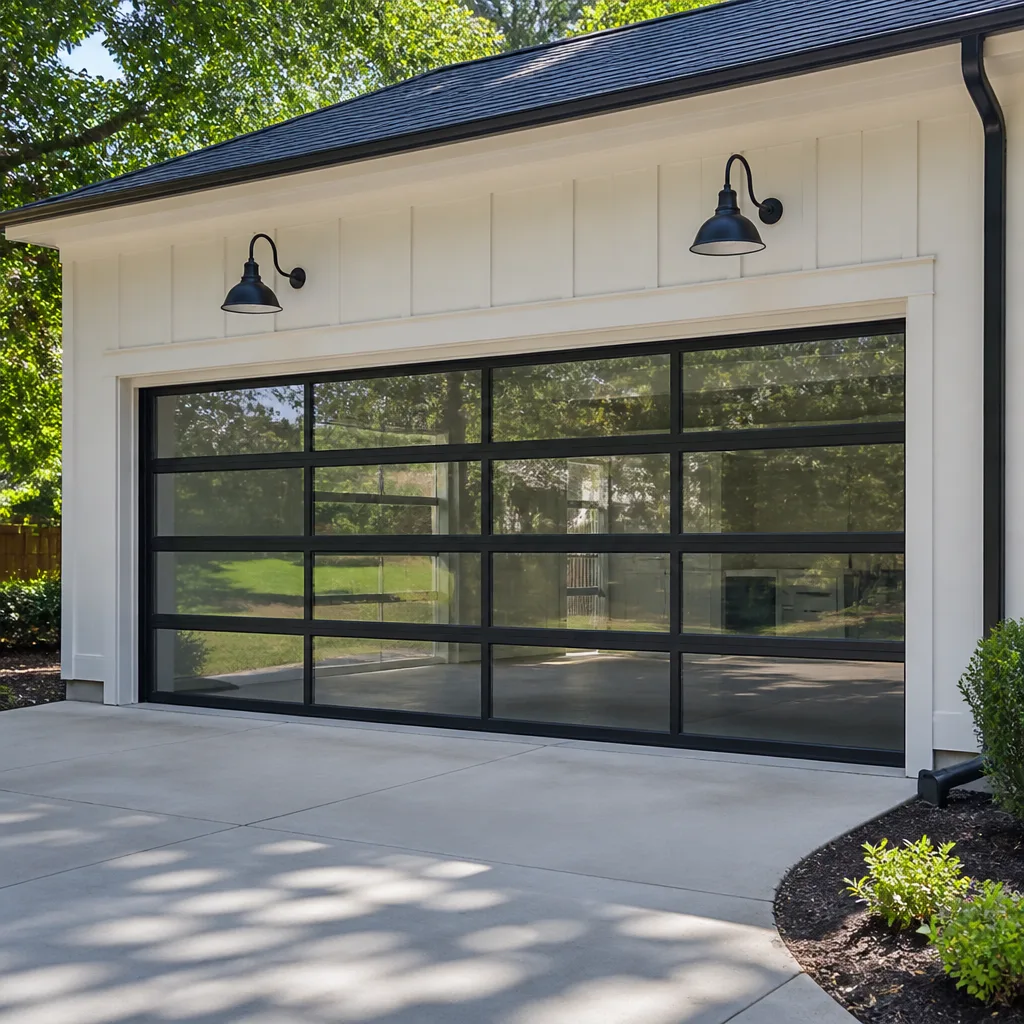 Full-view glass
 LiftMaster openers
 Chamberlain openers
Full 25-point door and opener safety check with every visit - springs, cables, rollers, tracks, and your LiftMaster or Chamberlain opener included
You get a price before we start. It does not change when the pro arrives.
Get your free estimateGarage Door Repair Maintenance Checklist for Whitney Homeowners
The number-one source of premature spring failure in desert-climate garages isn’t wear. It’s dry-cycling. A torsion spring that has never been lubricated contracts and expands through forty-degree daily swings in Whitney, and the metal fatigues in under three years instead of the seven or eight a lubricated spring would give you. Most published checklists were written for a temperate Midwest climate and skip lubrication entirely. This guide is built around the failure sequence that actually plays out on Whitney doors, ranked by which skipped step causes the most expensive repair downstream.
Quick Answer
A garage door maintenance checklist for Whitney homes ranks seven tasks in order of cost prevention: lubricate springs and hinges monthly, check balance and travel every three months, inspect cables and rollers quarterly, test the safety reverse every month, tighten hardware twice a year, clear desert dust from the tracks, and document everything in writing. Skipping lubrication is the single most expensive shortcut in a Southern Nevada garage. It costs about $15 in lubricant and saves $280 or more in early spring replacement.
Styles & brands we work with
- Raised-panel steel
- Carriage house
- Modern flush
- Full-view glass
- LiftMaster openers
- Chamberlain openers
Table of Contents
- The Ranked Maintenance Sequence
- The Right Lubricant for Desert Heat
- Ten-Minute Visual Checks That Predict Failures
- Tasks That Are Safety-Critical
- Whitney Seasonal Calendar
- How to Document Maintenance in Writing
- What a Homeowner Should Do vs. What a Tech Should Do
- What Maintenance and Repair Cost in Whitney
The Ranked Maintenance Sequence
Alphabetical checklists waste your time. The order below is ranked by cost-prevention value. The task at the top prevents the largest downstream repair if you do it consistently. The task at the bottom is still worth doing, but a missed month rarely costs more than a rattle.
- Lubricate torsion springs, hinges, and rollers (monthly). A neglected spring fails at year three in Whitney instead of year seven. Replacement runs $280 to $420 per spring. This is the cheapest insurance on the door.
- Test the safety reverse system (monthly). Place a two-by-four flat on the concrete and close the door. It should reverse on contact. A failed sensor is a safety hazard and, on newer openers, a code concern.
- Check balance and travel (quarterly). Disconnect the opener and lift the door halfway. It should stay put. A door that drifts down needs spring tension adjustment by a tech, not a homeowner.
- Inspect cables and drums (quarterly). Look for fraying, kinks, or slack on the left and right cables. Broken cables dropped a door in a Sun City Aliante garage last year and destroyed the bottom section. Cables are $180 to $260 per pair installed.
- Clear dust from tracks (quarterly). Whitney’s desert air loads tracks with grit that grinds rollers flat. Wipe with a dry cloth. Never grease the tracks.
- Tighten hinge and bracket bolts (twice yearly). Vibration loosens fasteners in every garage. A five-minute pass with a socket wrench prevents most rattles.
- Test the opener’s force settings and light (yearly). A door that strains or hesitates when closing may need a force adjustment or a new gear set in the opener head.
This sequence is what we walk through on an $89 Seasonal Tune-Up, and it’s what a homeowner can get 80 percent of the benefit from doing themselves. For a broader look at what’s involved in Garage Door Repair in Whitney when a task reveals a problem, that page covers the full repair scope.
The Right Lubricant for Desert Heat
Standard white lithium grease fails above 130°F. On a Whitney door in July, the inside face of a south-facing steel panel regularly hits 145°F by two in the afternoon. Lithium grease thins, runs off the spring, and leaves the coils dry. That’s how a spring that should last seven years fails in under three.
Use a silicone-based or lithium-complex lubricant rated for high temperature. Both hold film up to 400°F and won’t attract the desert dust that a sticky grease would. Apply a light coat to the spring coils, the hinge pivot points, and the ball bearings on the rollers. Don’t spray the tracks. Don’t spray the opener rail. Both should run dry.
Two things to watch for:
- WD-40 is not a lubricant for this job. It’s a solvent. It strips the existing film and leaves the metal dry within a week. Fine for freeing a stuck bolt, wrong for a torsion spring.
- Graphite powder works on locks, not springs. It doesn’t stay put on a vertical coil, and it stains the door panels.
Clopay and Amarr both publish high-heat lubricant recommendations in their door maintenance guides. If you’re unsure what’s on your door, we can tell you in a minute on the phone, or a tech can show you on the next visit.
Ten-Minute Visual Checks That Predict Failures
These aren’t repairs. They’re reads. Each one gives you a 60 to 90 day warning before a part fails, which is enough time to schedule a $180 repair instead of a $400 one after the door drops.
- Sagging top panel. Look at the top section from outside, standing ten feet back. If the horizontal line between panels curves down at the ends, the hinges or the top bracket are failing. Common on doors past twelve years in Whitney’s summer heat.
- Hairline cracks in the spring coils. Use a flashlight and look along the length of the torsion spring above the door. A single crack is the warning sign. Two cracks means the spring is close to failing and should be replaced now, not after it drops the door.
- Cable fraying. Run a hand along each cable with a glove on. Any “hairy” texture means wire is breaking and the cable is nearing failure.
- Roller flat spots. Look at each roller in the track. Nylon rollers should be round and smooth. Flat spots or cracks mean they’ll grind the track and eventually bind.
- Weather seal gaps. A gap between the bottom seal and the concrete lets in heat, dust, and scorpions, which is a real concern in Whitney. Daylight under the door means the seal needs replacement.
None of these checks take tools. Do them once a month while the door is closed and the opener is off. We’ve seen a top-bracket failure turn into a $700 repair because the sag went unnoticed for two months.
Tasks That Are Safety-Critical
Some steps on popular DIY checklists should never be attempted by a homeowner. This isn’t caution for its own sake. A garage door is the largest moving object in a house, and every one of these components can cause serious injury when it fails under load.
- Spring adjustment or replacement. The torsion spring carries the entire weight of the door, which on a two-car Whitney door is 180 to 220 pounds. It’s under extreme tension. Loosening the set screws without the right winding bars and training has injured experienced techs. This is not a homeowner job.
- Cable replacement. Cables are also under tension attached to the spring system. A cable that snaps while you’re near it can whip and cut.
- Disconnecting or adjusting the opener’s force settings. A force setting that’s too high defeats the safety reverse. Too low, and the door stops mid-travel. Both are adjust-to-spec tasks, not guess-and-test tasks.
- Bottom bracket replacement. The bottom bracket is where the cable attaches to the door. It’s under tension even when the door is down.
What you can safely do: monthly lubrication, monthly reverse test, quarterly balance check by hand, quarterly visual inspection of cables and springs, and bolt tightening. Everything else belongs to a tech with the right tools, and preferably one who is licensed and insured. Mainspring technicians are background-checked, uniformed, and trained as journeymen. Our techs have up to 10 years of experience each.
Whitney Seasonal Calendar
A Midwest maintenance calendar runs spring-to-fall. Whitney’s pattern is different, and it changes which tasks matter when.
March through May
Whitney’s biggest daily temperature swings hit in spring, with mornings in the 50s and afternoons in the 90s. That’s the 40-degree swing that fatigues a dry spring. If you lubricated the spring once in October and haven’t since, do it in March. This is also the season we see the highest volume of spring failures, all clustered in the first warm week.
June through September
Peak heat. Doors that sat unused all spring get opened and closed constantly for pool season, guests, and summer storage. Watch for opener strain. A LiftMaster or Chamberlain opener pushing a door with a failing spring will burn out its gear assembly, which turns an $80 spring job into a $450 opener replacement. If the door sounds labored in July, get it looked at.
October and November
Pre-winter maintenance window. Lubricate everything, tighten hardware, replace the bottom weather seal before the first cold snap stiffens it, and check the opener’s battery backup if you have one. This is the best month for a tune-up.
December through February
Whitney winters are mild, but a door that was already marginal in fall becomes a problem in the cold. Springs that are 10 degrees colder than they were designed for lose lift capacity. If the door feels heavier than it did in October, the spring is telling you something.
A yearly pattern is what we recommend: a full tune-up in October, monthly homeowner tasks in between, and a call the moment you notice a change. For a new door rather than maintenance, Garage Door Installation in Whitney covers the process and timing.
How to Document Maintenance in Writing
Warranty claims, whether on workmanship or on parts, live or die on documentation. Most homeowners never think about this until they’re filing a claim and have nothing to show. Ten minutes a year prevents that.
- Keep a maintenance log. A simple notebook in the garage works. Date, task done, any notes. Lube, tighten, visual checks, opener test. That’s the log.
- Keep every receipt. Any part you buy (rollers, seal, lubricant) at a Whitney hardware store goes in a folder. A parts manufacturer warranty needs proof of purchase.
- Photograph the spring before and after any professional service. A date-stamped photo of the spring tag is worth more than a verbal claim if a warranty question comes up later.
- Hold onto the written estimate and invoice from any tech visit. Mainspring’s 90-Day Done Right Promise is in writing on every job. If a repair we did doesn’t hold, that piece of paper is all it takes to get us back out at no charge. No arguing.
- Note the date and model of the opener. Openers have a service life, usually 10 to 15 years. Knowing when yours was installed tells you when it’s worth replacing proactively rather than waiting for it to die.
Ask for a written summary at the end of any service visit. Any reputable operator hands one over without being asked. If they don’t, that alone is a useful signal.
What a Homeowner Should Do vs. What a Tech Should Do
Roughly 80 percent of a proper maintenance program is safe for a careful homeowner with a step ladder and thirty minutes a month. The other 20 percent carries real risk. Here’s the split.
- Homeowner: monthly lubricant on springs, hinges, and rollers; monthly two-by-four reverse test; quarterly balance check without adjusting springs; visual inspection of cables, springs, seals, and panels; bolt tightening; track wiping; log keeping.
- Tech: spring replacement or tension adjustment; cable replacement; bottom bracket service; opener gear and force adjustments; roller and drum replacement; full tune-up with tolerance checks; anything involving the door under load.
If your door uses Clopay or Wayne Dalton hardware, the manufacturer’s maintenance schedule assumes a periodic tech inspection. Skipping it doesn’t void the warranty on its own, but it does eliminate any argument you might otherwise have. Having a tech walk the door once a year is what protects the paperwork.
What Maintenance and Repair Cost in Whitney
The pricing below is what we see on Whitney jobs. Every price is quoted and agreed before work starts. No surprises on the bill.
- Seasonal tune-up (full inspection, lubrication, adjustment): $89
- Lubricant, silicone-based, home supply: $12 to $18
- Bottom weather seal replacement: $130 to $190
- Roller replacement (set of ten, nylon): $160 to $240
- Torsion spring replacement (per spring, installed): $280 to $420
- Cable replacement (pair, installed): $180 to $260
- Opener gear and sprocket kit: $180 to $280
- Opener replacement (belt drive, installed): $420 to $680
- Panel replacement (single section): $300 to $550
The pattern is consistent: a skipped $15 lubricant job becomes a $350 spring replacement, and a skipped $350 spring becomes a $450 opener burnout. For help choosing a replacement opener when the time comes, Garage Door Opener in Whitney covers belt versus chain and the smart-opener options.
The $50 Off Any Repair Over $250 standing offer applies to most of the repair lines above. Free Second Opinion on any written estimate if you’ve been quoted something that doesn’t sit right. Senior and veteran discount of 5% is permanent.
Common Mistakes to Avoid
- Using WD-40 or lithium grease on the torsion spring. Whitney heat burns off both within a week. The spring runs dry and fatigues early. Use a silicone or lithium-complex lubricant rated for 400°F.
- Greasing the tracks. This is the most common call we get after a DIY attempt. Greased tracks collect desert dust and turn rollers into grinding wheels within a month.
- Ignoring a single spring crack. In our experience in Whitney, a hairline crack in one coil means the spring fails within weeks, often mid-cycle. Replace it before it drops the door.
- Adjusting spring tension without winding bars. We’ve seen homeowners injured trying this with screwdrivers. The spring holds 200 pounds of stored energy. Call a tech.
- Throwing out the invoice from a repair. No paperwork, no warranty claim. Keep every receipt for anything on the door.
- Skipping the two-by-four reverse test. It’s the single most important safety check and takes ten seconds. A door that doesn’t reverse can close on a person or a pet.
- Waiting until the door fails to call. The most expensive Whitney repairs we perform are the ones where a homeowner heard the sound for two months and hoped it would hold.
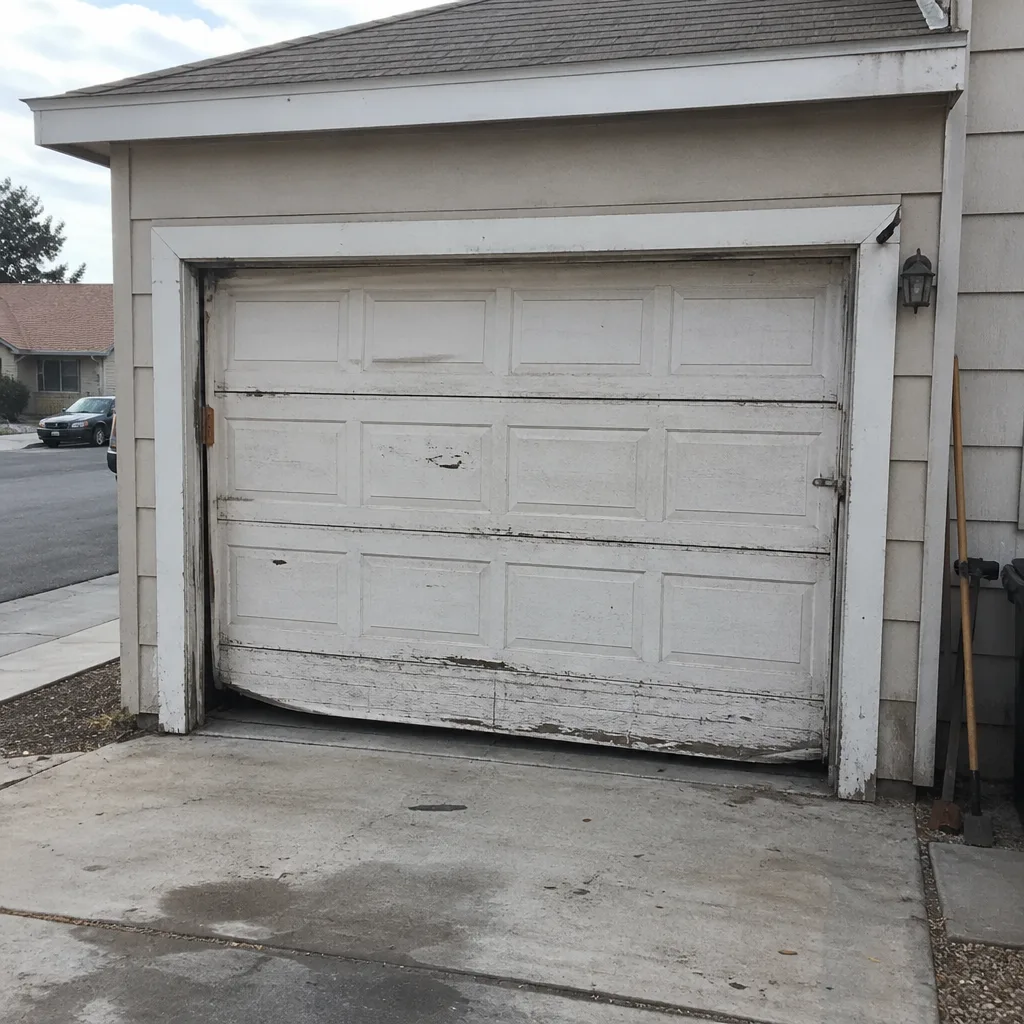
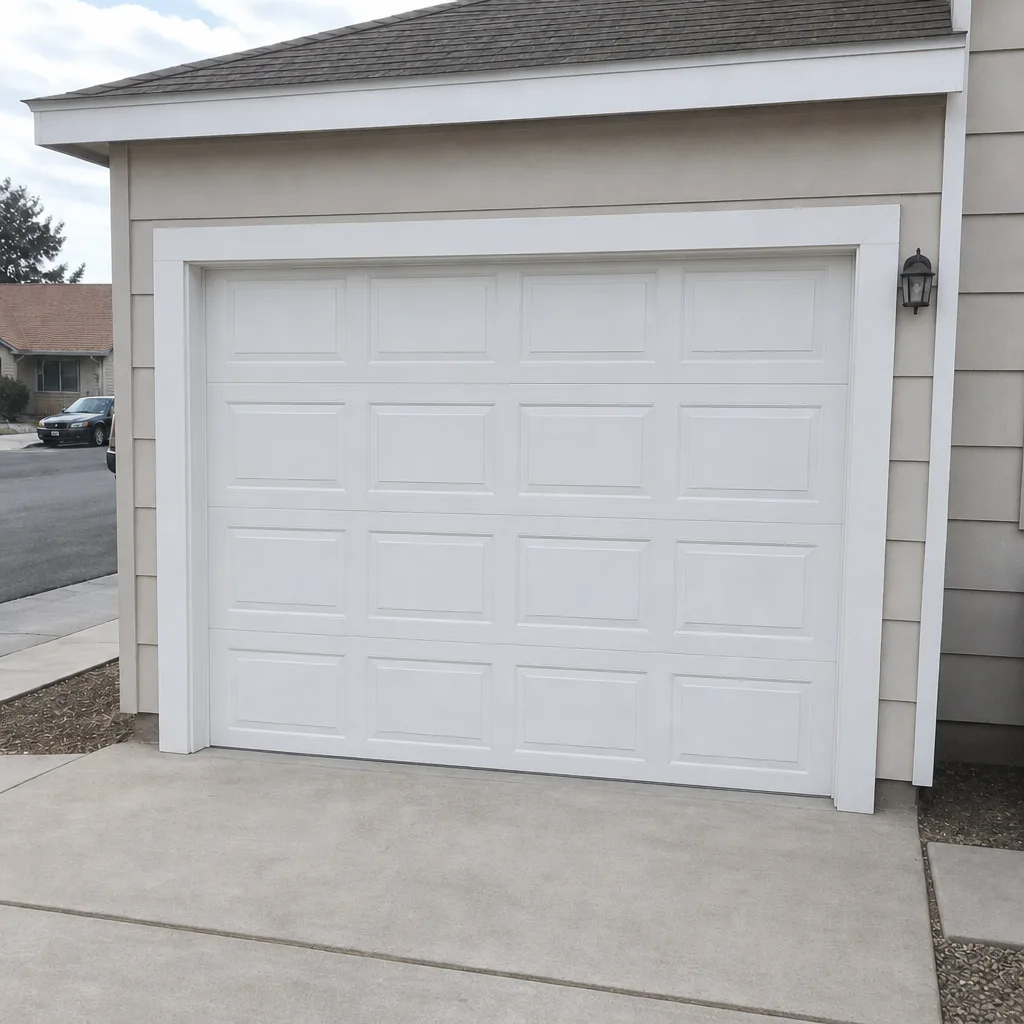
See the difference
 Before
 After
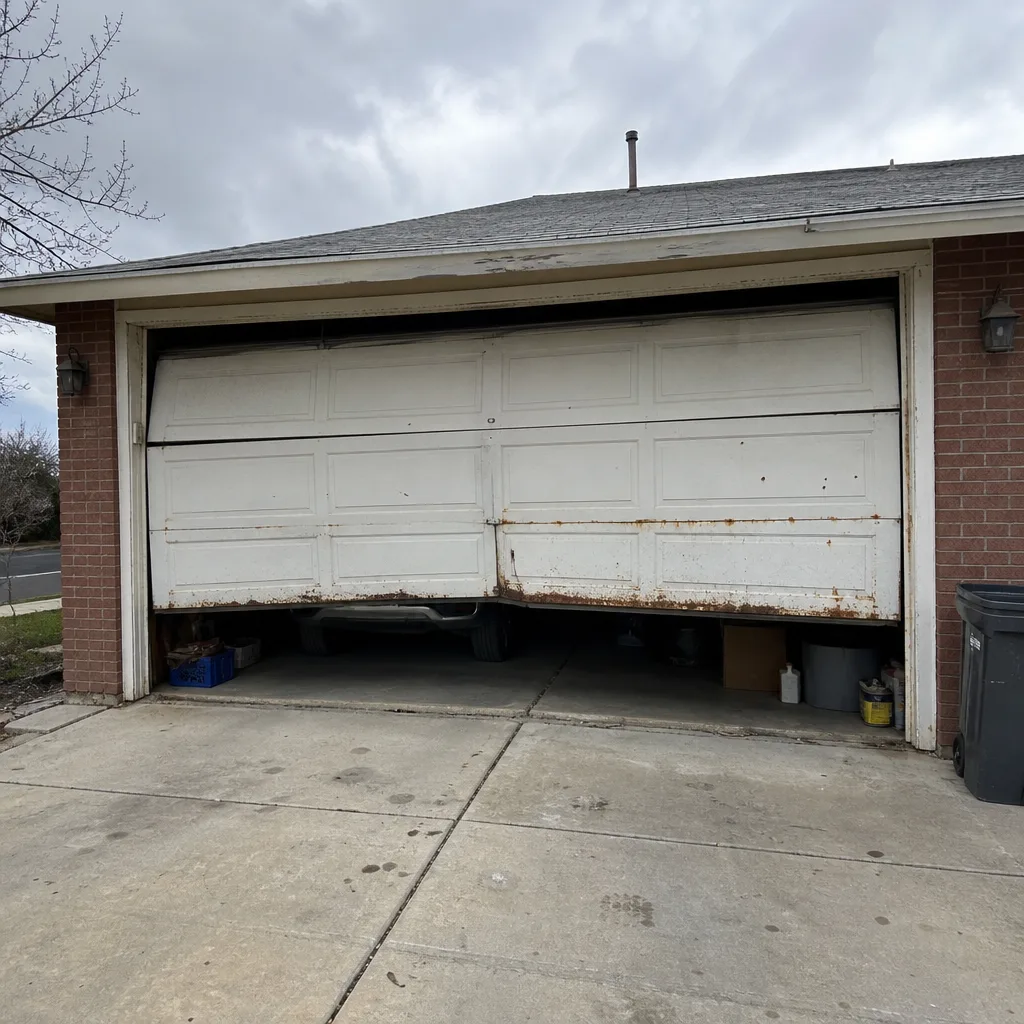 Before
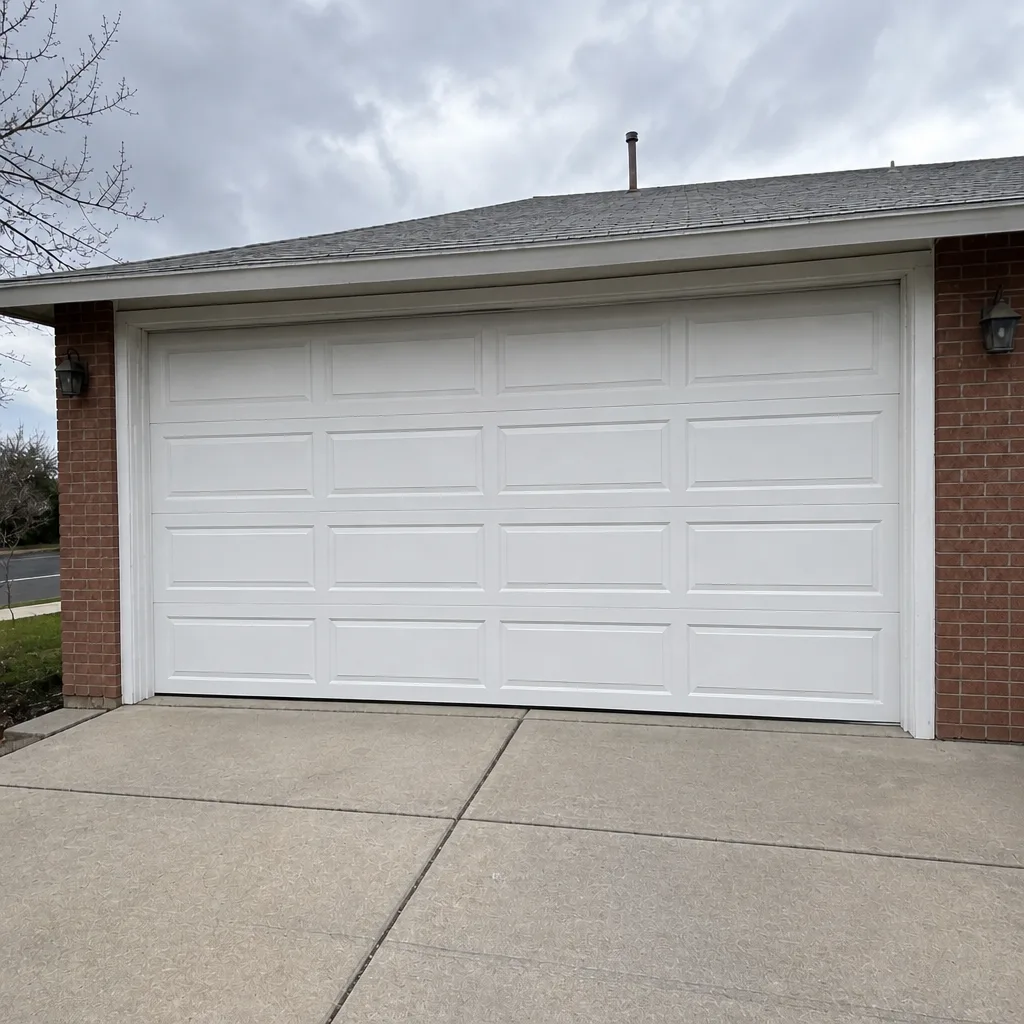 After
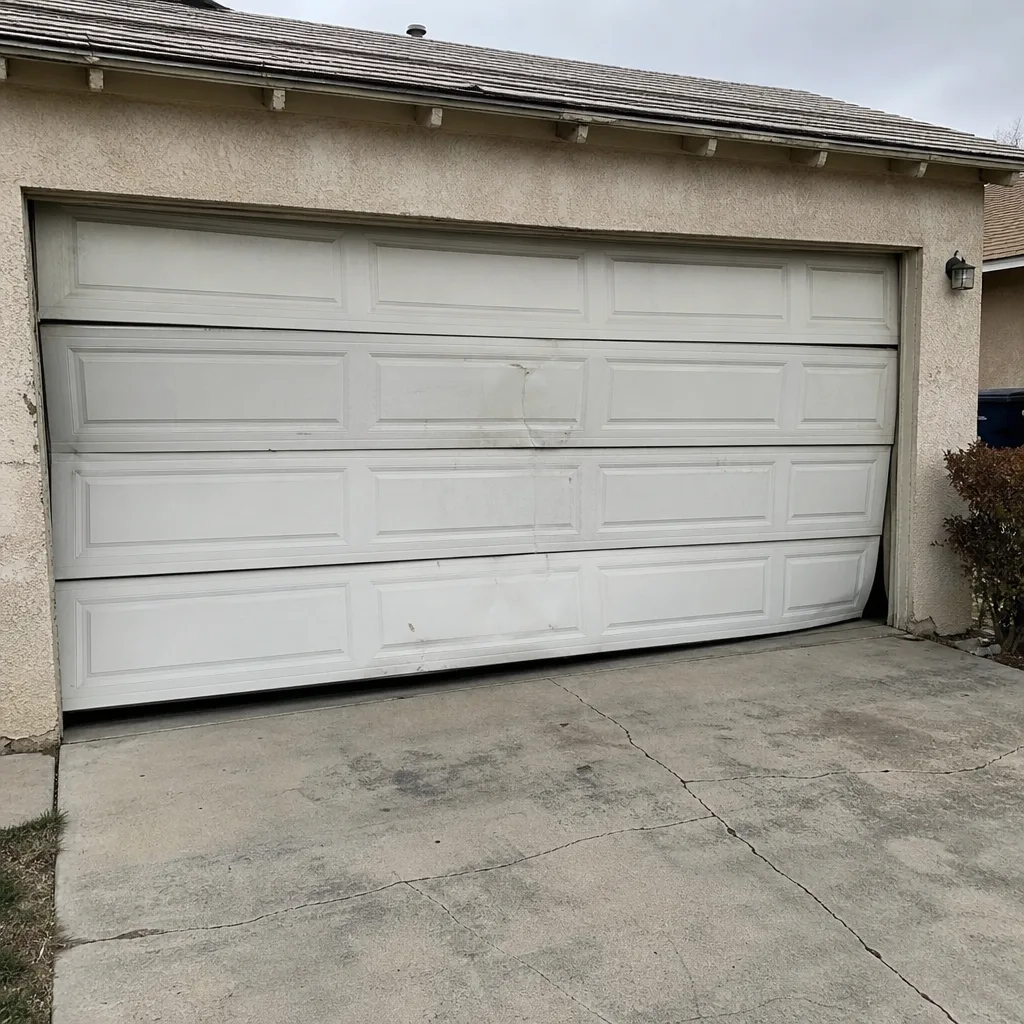 Before
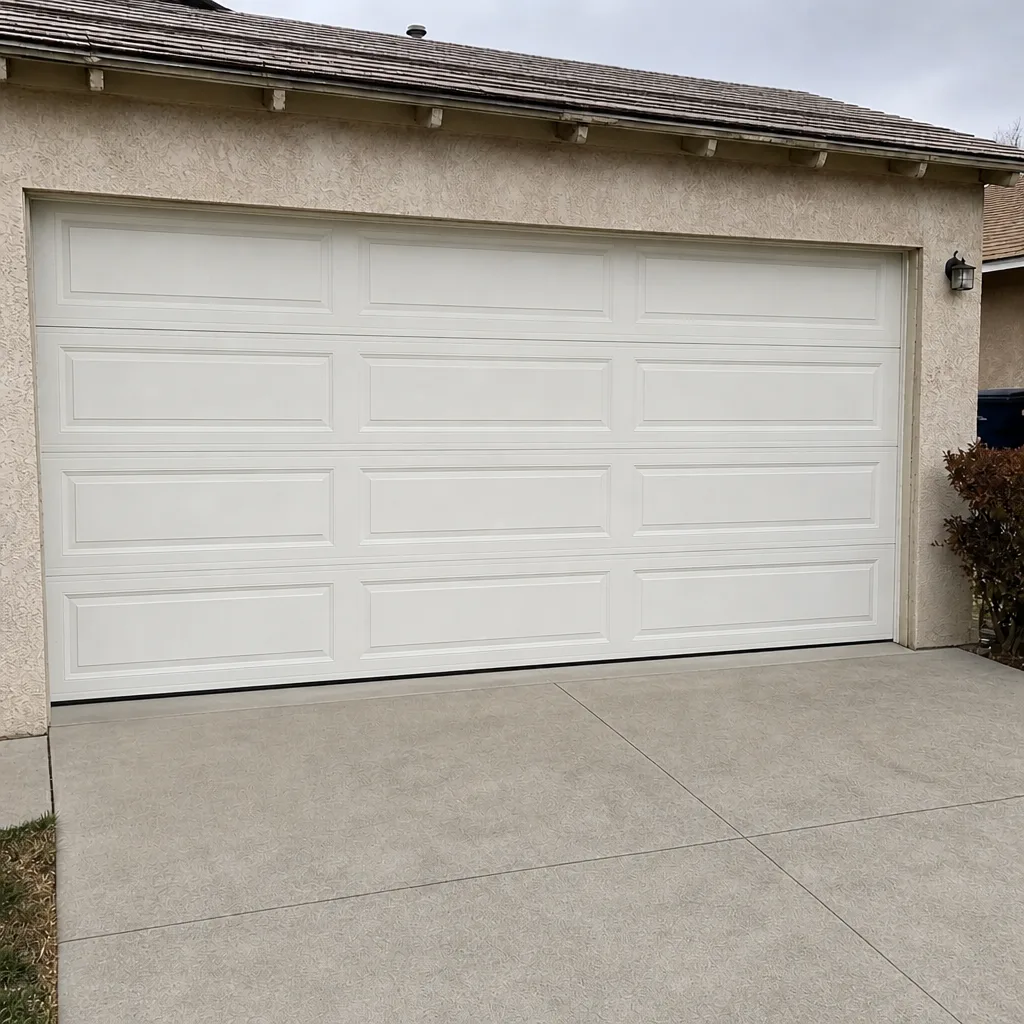 After
When to Call a Professional
Call the moment you notice any of these: the door reverses on its own mid-travel, one side lifts before the other, a spring shows a crack, a cable looks frayed, the door feels heavier than it did three months ago, the opener grinds or stalls, or the door doesn’t sit flush when closed. Each of these is a signal that a load-bearing part is failing, and the repair grows if you wait.
Mainspring Garage Door Co. Whitney offers free estimates in Whitney. Call (844) 797-9248. A live person answers every call, twenty-four hours a day. Most jobs are finished in a single visit because our technicians arrive with springs, cables, and opener parts already on the truck. Every completed job is backed by our 90-Day Done Right Promise in writing. Start with Mainspring Garage Door Co. Whitney home if you want an overview of everything we cover.
Frequently Asked Questions
Monthly, and more often in spring and fall when Whitney’s daily temperature swings are widest. The spring carries the entire weight of the door, and lubrication is the one step that determines whether it lasts three years or seven in a desert-climate garage. Call (844) 797-9248 for an exact quote on a tune-up – estimates are free.
No. Torsion springs are under extreme tension and carry the full weight of a 180 to 220 pound door. Releasing that tension without the right winding bars and training has seriously injured experienced techs. Have any spring or cable work done by a licensed technician. Our techs are background-checked, uniformed, and insured.
Our Seasonal Tune-Up is $89. It covers full inspection, lubrication, spring and balance check, bolt tightening, roller assessment, and opener testing. On repair work over $250, the $50 Off standing offer applies. Call (844) 797-9248 to schedule – estimates are free.
A properly lubricated spring lasts seven to eight years in Whitney. An unlubricated spring often fails in under three because of daily thermal cycling. If your spring is past the three-year mark and has never been lubricated, have it inspected. Replacement runs $280 to $420 per spring installed.
No. Every price is quoted and agreed before any work begins. If the door needs a different repair than expected, we tell you before the wrench comes out. You get the bill that matches the quote, and you get a written record of the job and the 90-Day Done Right Promise on it.
Yes. We service all major brands, including Clopay, Amarr, Wayne Dalton, Craftsman, LiftMaster, Chamberlain, Genie, and Raynor. Trucks carry the common parts for each, which is why most repairs finish in a single visit. Call (844) 797-9248 and we’ll confirm the parts on hand for yours.
The Bottom Line
In Whitney, the maintenance checklist that actually protects your wallet is short: lubricate the springs every month with the right high-temperature product, test the reverse every month, check balance and cables every quarter, and call a tech the moment something sounds different. That’s it. The fifteen-dollar step at the top carries most of the savings. A $89 tune-up once a year, combined with the free tasks you can do yourself, gets most Whitney doors to ten years without a major repair. When something does need a professional, call (844) 797-9248. We’ll tell you what’s wrong, quote a flat price, and stand behind the work in writing for 90 days.
Written by the team at Mainspring Garage Door Co. Whitney.