
Last updated November 17, 2026
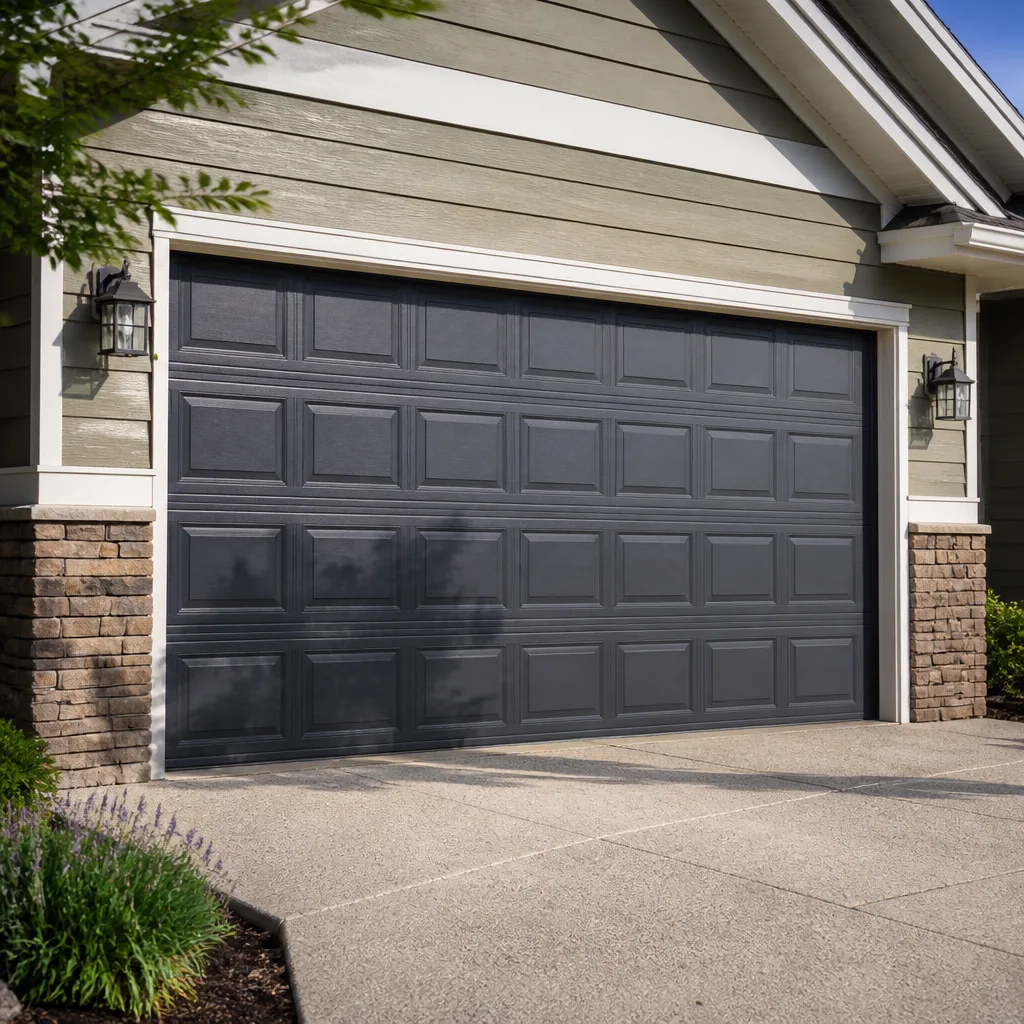 Raised-panel steel
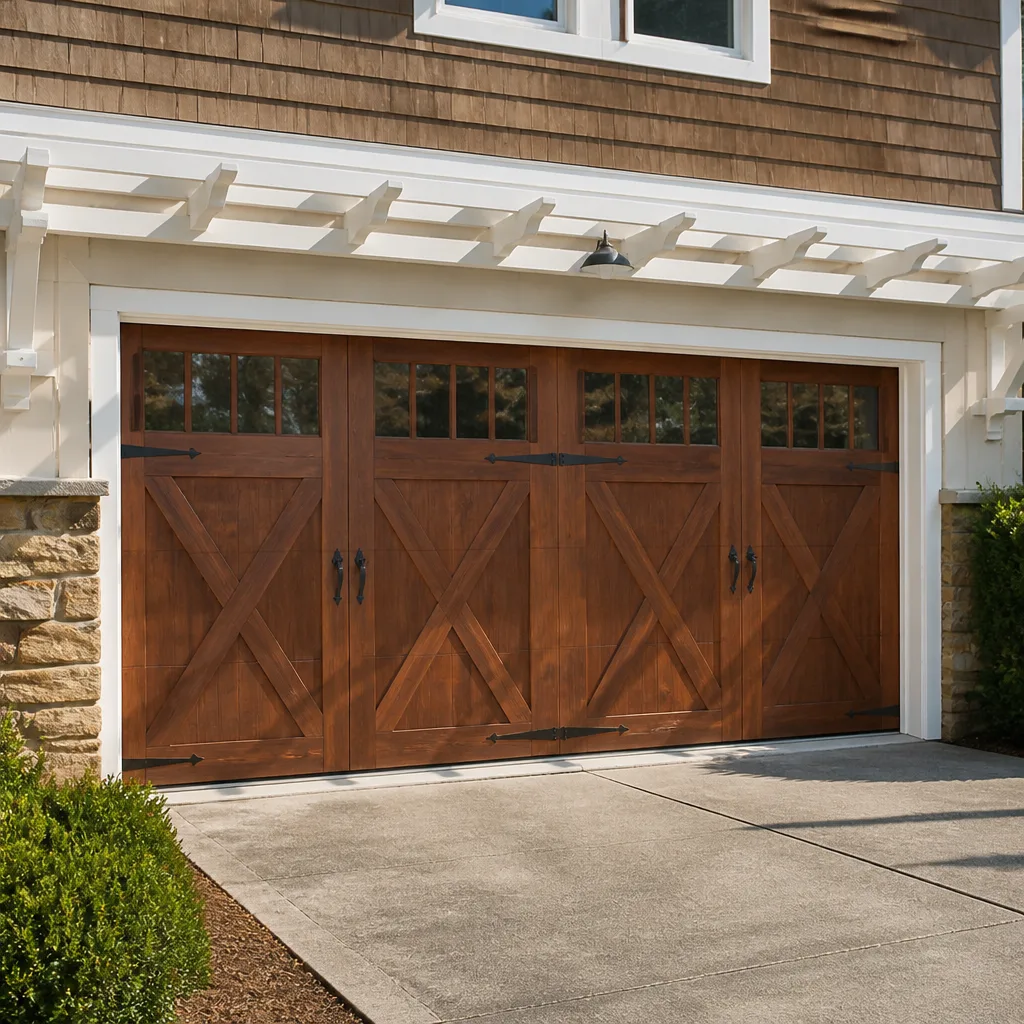 Carriage house
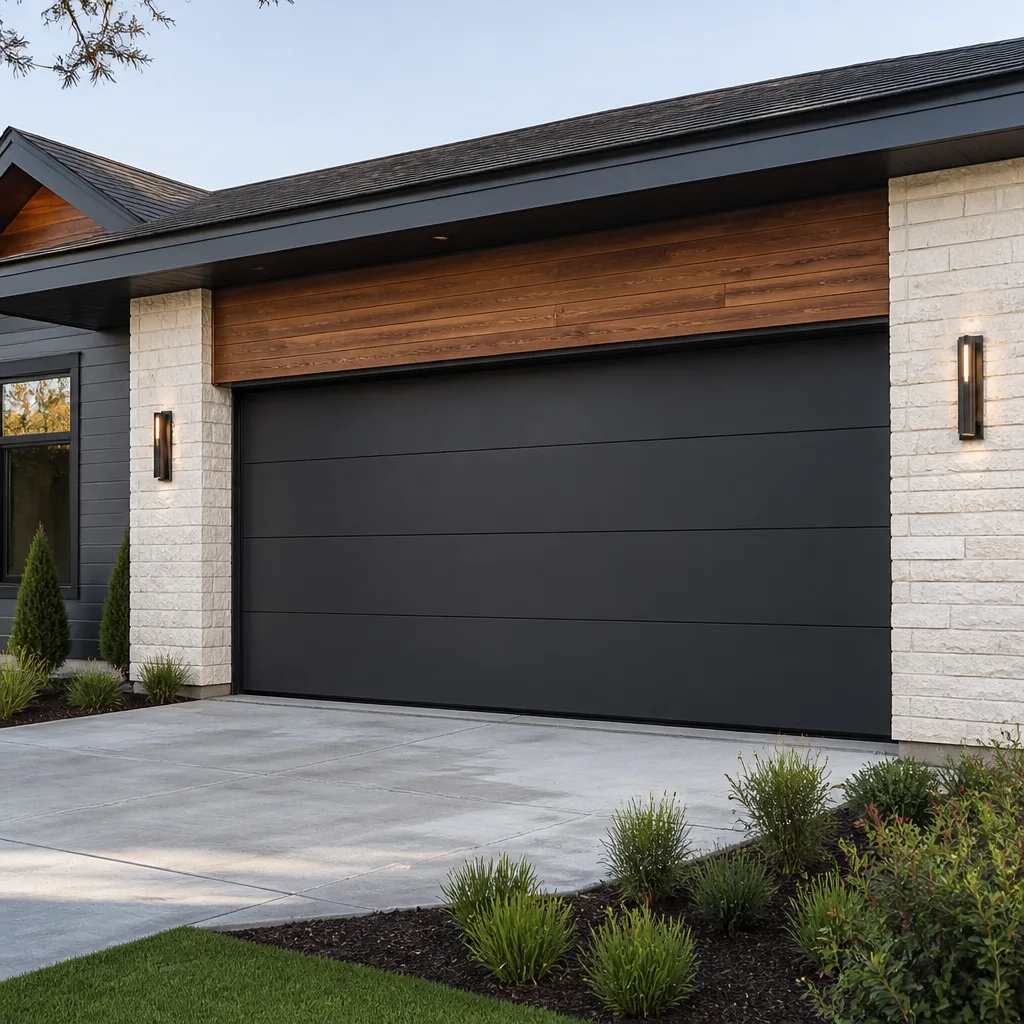 Modern flush
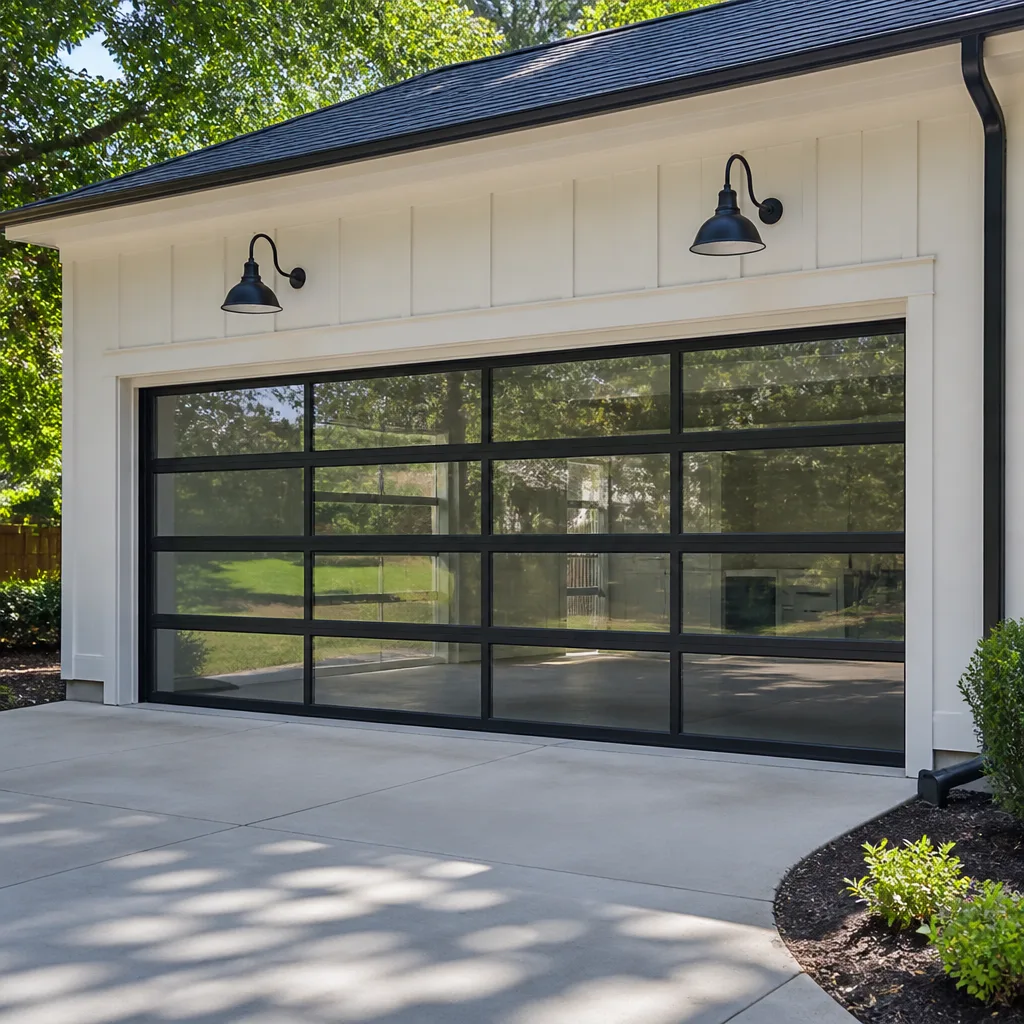 Full-view glass
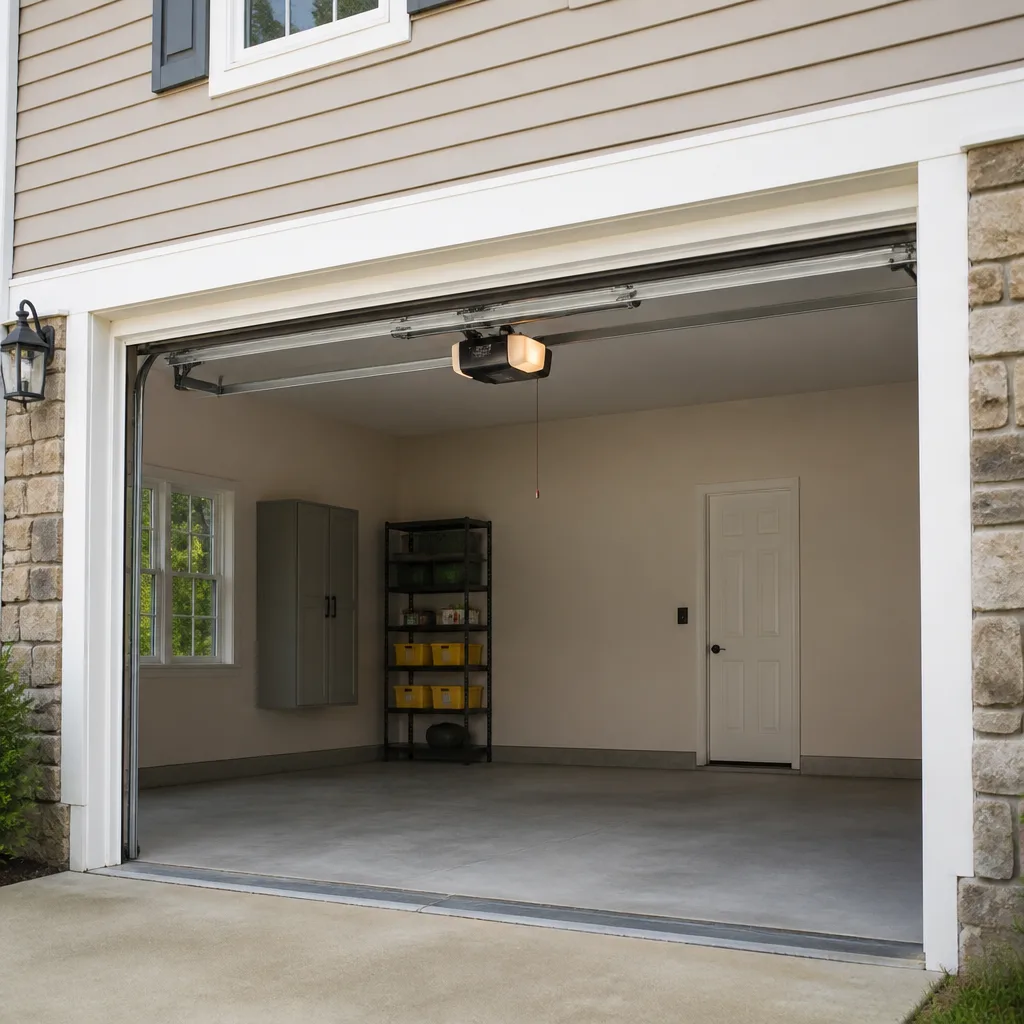 LiftMaster openers
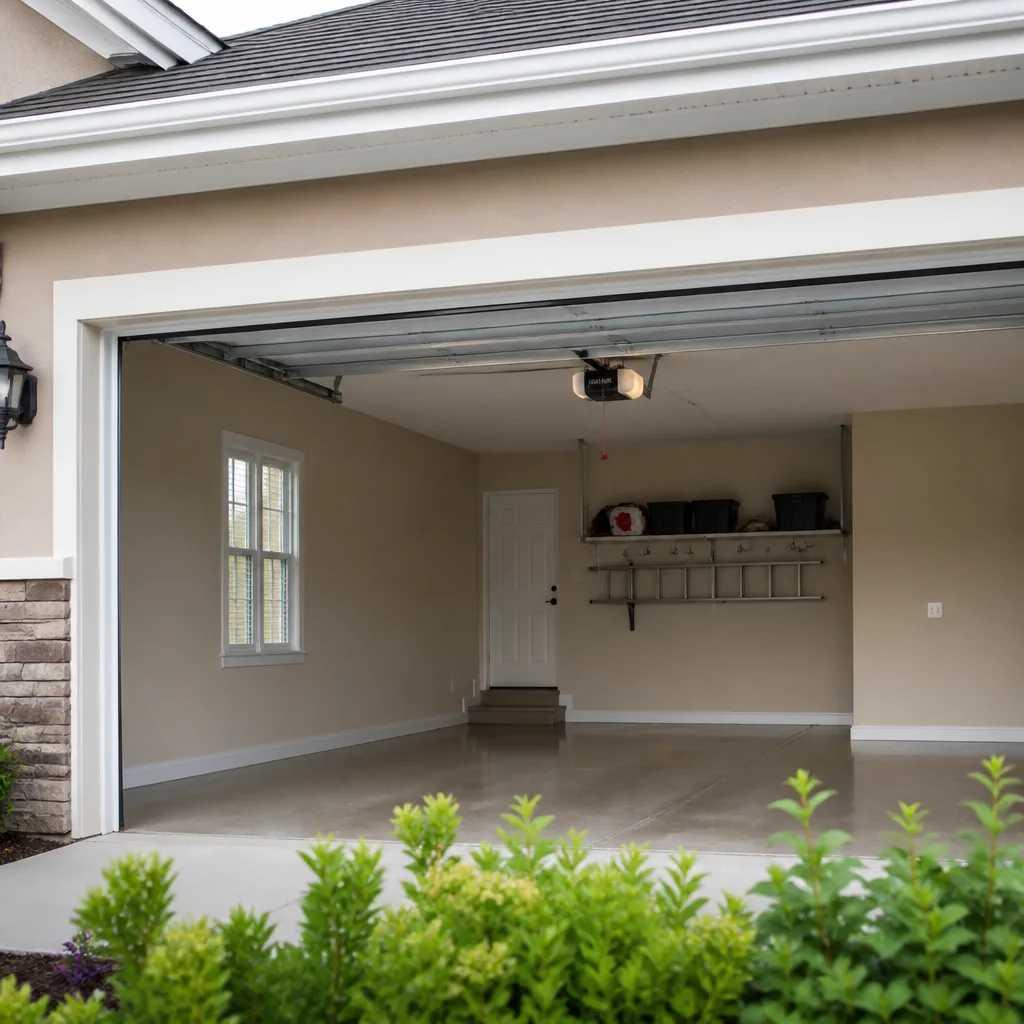 Chamberlain openers
Full 25-point door and opener safety check with every visit - springs, cables, rollers, tracks, and your LiftMaster or Chamberlain opener included
You get a price before we start. It does not change when the pro arrives.
Get your free estimateThe Complete Garage Door Repair Guide for Whitney Homeowners
A garage door in Whitney lives a harder life than the same door in most of the country. On a July afternoon the steel can read well past 130°F in direct sun; by that same night the desert air has dropped 50°F or more. That swing happens hundreds of times a year, and it works on every spring, hinge, and roller in the assembly. Guides written for mild climates don’t account for it, which is why so much of the national maintenance advice you’ll read online doesn’t match what actually fails here. This guide maps the repair patterns we see across Whitney, what they cost, and how to tell a fair fix from a rushed one.
Quick Answer
Garage door repair in Whitney typically runs $150 to $450 depending on the part, with spring replacement as the most common call and the largest single line item at roughly $220 to $340 for a pair. The high-desert climate here – thermal swings, alkaline dust, and distance from supply houses – makes roller and hinge wear and hardware loosening more frequent than national schedules suggest. Get a flat price in writing before any work starts.
Styles & brands we work with
- Raised-panel steel
- Carriage house
- Modern flush
- Full-view glass
- LiftMaster openers
- Chamberlain openers
Table of Contents
- Why Whitney Garage Doors Fail Differently
- How Alkaline Desert Dust Wears Out Rollers and Hinges
- Thermal Expansion and Hardware That Loosens on Its Own
- Stocked Parts vs. Supply Runs: What It Means for Same-Day Repair
- Realistic Flat-Rate Prices for the Five Most Common Whitney Repairs
- How to Read a 90-Day Written Warranty Before You Sign
- A Whitney Seasonal Check You Can Do Yourself, Safely
- What to Know About Your Door and Opener Brand
Why Whitney Garage Doors Fail Differently
Most garage door repair content is written as if every door lives in the same gentle climate. Whitney doesn’t offer that. The valley sits in the high desert, where summer days push past 100°F and the overnight low can fall into the 60s, and winter mornings drop near freezing before warming by 40 degrees before lunch. The door is a large steel panel facing the sun for hours, so it expands and contracts on a scale that a garage in a coastal or humid climate never sees.
That physical reality changes the failure list. In our experience, a Whitney door tends to call for attention in this order:
- Rollers and hinges – the moving joints take the most abuse from grit and heat cycling.
- Torsion springs – they carry the entire door weight and are the first high-stress part to fatigue.
- Lift cables – they fray faster when rollers drag and the door runs out of balance.
- Opener gears and logic boards – heat in an uninsulated garage attic shortens electronic life.
- Weather seals and bottom rubber – sun and dry air crack the seal at the ground line.
None of this means a Whitney door is a problem child. It means the maintenance intervals you’ll read on a national site are too generous for the climate. A door here that goes three or four years without a check can develop a list of small issues that compound into one bill. The Mainspring Garage Door Co. Whitney home team sees this pattern across the valley every summer.
How Alkaline Desert Dust Wears Out Rollers and Hinges
Whitney dust isn’t the soft garden soil of a wetter climate. It’s a fine alkaline grit that finds its way into every exposed moving part and acts like a mild abrasive. The steel rollers and the hinge knuckles are where it does the most damage, because those are the points where metal meets metal under load, thousands of times a week.
What happens: grit lodges in the roller bearing and the hinge pin, the lubrication thins out under summer heat, and the joint starts to bind. A binding roller makes the door drag slightly on one side. A dragging door pulls unevenly on the cables and puts a side load on the torsion spring, which is not designed for it. By the time a homeowner hears a squeal or a grind, the wear has usually spread.
Nylon rollers and sealed bearings hold up far better in this environment than the old open steel rollers, which is one reason a roller upgrade on a Whitney door is often money well spent. The tradeoff is real but modest. It’s a part that rewards you with quiet operation and longer intervals between calls.
This is also why a garage door in this climate benefits from a cleaning step most guides skip. Wiping down the tracks and blowing grit out of the hinge points with compressed air before re-lubricating keeps the abrasive out of the joint instead of grinding it in. Our technicians have up to 10 years of experience reading these wear patterns, and the difference between a door that’s been kept clean and one that hasn’t is visible on the first look.
Thermal Expansion and Hardware That Loosens on Its Own
Every bolt on a garage door is a small tension joint, and tension joints under repeated heat cycling slowly back off. A door that expands 1/8 inch across its width on a hot day and contracts again at night works those fasteners loose over the course of a season. The national maintenance advice – check your hardware once a year – undersells how fast this happens in Whitney.
The parts that loosen first, in order of how often we see them:
- The hinge screws that fasten hinges to the door panel. Loose here and the hinge tears at the panel metal over time.
- The lag bolts holding the torsion spring anchor plate and the bearing brackets to the wall above the door.
- The track mounting brackets, which shift slightly and throw the door out of plumb.
- The opener rail and the header bracket bolts, which develop vibration play.
A quick hand check – gently try each visible bolt with a wrench, never forcing anything – is a reasonable homeowner task. Tightening is where it gets tricky: over-tightening a lag bolt into aged wood or drywall can strip the anchor and turn a five-minute check into a repair. Anything overhead, anything holding tension, and anything on the spring system is a stop-and-call situation, not a DIY tightening project. A door that has come out of balance or a spring under tension can cause serious injury in an instant, and the fix requires the right tools and training.
If you notice a door that thumps, vibrates, or drifts out of level, that’s the signal to get it looked at before a loose bolt becomes a torn panel. The Garage Door Repair in Whitney service handles this kind of adjust-and-tighten visit quickly, and the flat price is set before any wrench comes out.
Stocked Parts vs. Supply Runs: What It Means for Same-Day Repair
Whether a repair finishes in one visit or stretches to two or three comes down to one unglamorous thing: whether the technician’s vehicle has the part on board. Whitney’s distance from the main supply houses in the Las Vegas valley means a missing part can turn a one-hour job into a half-day or worse. A shop that arrives without common parts is a shop that will be back.
The parts that most Whitney repairs call for, and whether they’re realistically stocked:
- Torsion springs, standard sizes – commonly stocked. These are the majority of spring calls, so a well-equipped truck carries the common wire gauges and lengths.
- Rollers (nylon and steel) – commonly stocked. A cheap, fast replacement that solves a lot of noise and drag issues.
- Hinges and hinge screws – commonly stocked across the common sizes.
- Lift cables and cable drums – usually stocked in standard lengths.
- Bottom seals and weather seals – often on hand, sometimes cut to length on site.
- Opener gears, belts, and logic boards – stocked for the big brands like LiftMaster, Chamberlain, and Genie; less common for older or off-brand units.
- Non-standard spring sizes or matched pairs for unusual doors – frequently need a supply run or an order, which pushes the job to a second visit.
One detail that catches homeowners: a properly matched spring pair should be replaced together, even if only one has failed. The good news is a shop that stocks common springs can usually finish the job the same day. The reason to ask “do you have it on the truck?” when you call isn’t to test anyone – it’s to set your own expectation for the day.
Realistic Flat-Rate Prices for the Five Most Common Whitney Repairs
Homeowners in Whitney want a straight answer on cost, and they deserve one. Here’s a realistic range for the five most common calls, based on the local repair market. Treat these as planning numbers, not a quote – every door is different, and a technician who hasn’t seen the door can’t give you a firm figure.
| Repair | Typical Range | What It Covers |
|---|---|---|
| Torsion spring replacement (pair) | $220 – $340 | Both springs, matched, with a tension reset and balance check |
| Roller replacement (whole door) | $140 – $220 | All rollers, often upgraded to nylon, with track cleaning |
| Hinge and hardware tighten/replace | $120 – $200 | Loose or worn hinges, lag bolts, and track brackets re-secured |
| Cable and drum replacement | $160 – $280 | Frayed lift cable, drum, and rebalance, one side or both |
| Opener repair (gear, belt, or board) | $150 – $350 | Diagnostic plus the failed component, brand depending |
A repair over $250 currently comes with $50 off through our standing offer, and there’s a free second opinion on any written estimate from another shop, so you can compare without pressure. There’s also a permanent senior and veteran discount of 5%.
The critical detail: the price is quoted and agreed before any work starts. On a repair call, you’ll get the flat number up front, and the invoice matches it. There are no surprises on the bill. If the job turns out bigger than the diagnostic showed, the agreed number is what holds, and we’ll talk to you before anything changes.
How to Read a 90-Day Written Warranty Before You Sign
A warranty clause is only as good as its specificity. “Satisfaction guaranteed” means whatever the shop decides it means. A clear 90-day written warranty tells you exactly what’s covered, for how long, and what the shop does when something fails. Before you sign, read these lines carefully.
- What’s covered. Does the warranty name the specific parts and labor from this job, or does it wave vaguely at “the work”?
- What’s excluded. Weather damage, unrelated wear, and homeowner adjustments are common exclusions. That’s fair, as long as they’re spelled out.
- How you trigger a service call. Does calling the shop within the period bring a technician back at no charge, and is that stated in writing?
- Whether it follows the part or the house. If you sell the home mid-warranty, does the coverage transfer? It matters when you plan to stay put and matters again when you don’t.
- Who stands behind it. A warranty backed by the shop that did the work is different from a tag that points to a manufacturer only.
Our 90-Day Done Right Promise is on every job in writing: if the work is not right, we come back at no charge, no paperwork, no arguing. Read the clause on any estimate you’re handed and ask the technician to walk you through it. It’s the single best way to know whether the shop will be there when it matters – the way a Whitney homeowner with twenty years in the same house expects.
A Whitney Seasonal Check You Can Do Yourself, Safely
There are a handful of checks a homeowner can make safely between professional visits. They cost nothing, take ten minutes, and catch small problems before they become bills. What you don’t do is loosen, adjust, or remove anything. The torsion spring and the cables above the door hold enormous energy and can cause severe injury in a fraction of a second – leave that to a trained technician, always.
- Try the balance test. Disconnect the opener by pulling the release handle (with the door closed), then lift the door about halfway by hand. It should stay put. If it drifts down or springs up, the door is out of balance – call for a technician, don’t adjust it yourself.
- Listen for the door. A door that grinds, squeals, or thumps is telling you something. Note where the sound comes from, and tell the technician.
- Look at the rollers and hinges. From ground level, without reaching over the track or above the door, check for visible cracks, flat spots, or rust.
- Wipe the tracks with a dry cloth. Clear grit and dust build-up, which in Whitney is the number one cause of roller drag.
- Check the weather seal along the bottom. Look for cracks, tears, and gaps when the door is down. A worn seal lets in dust, water, and pests, and it’s a simple replacement.
- Test the safety reverse. Lay a roll of paper towels flat under the closing door; the door should reverse on contact. Test the photo-eye (the beam across the opening) by interrupting it while the door is closing.
There’s an $89 seasonal tune-up if you’d rather have the door checked by a technician, and the visit includes lubrication and hardware inspection that the DIY check can’t cover safely. It’s not urgent on a well-maintained door and it isn’t a hard-sell item. It’s a regular rhythm, like a checkup.
What to Know About Your Door and Opener Brand
Whitney doors and openers tend to fall into a handful of brands, and knowing yours helps when you call about a repair. The common openers are LiftMaster, Chamberlain, Genie, and Craftsman, and the common door brands are Clopay, Amarr, Wayne Dalton, and Raynor. Each brand has its quirks – a Clopay door panel from a specific era, for instance, may need a specific hinge offset that a generic hinge won’t match.
There are two places where brand matters most:
- Opener repairs. A technician familiar with the brand can match a gear, belt, or logic board to the right unit faster, and has a better shot at having the part on hand. A Clopay or Amarr door and a LiftMaster opener are a familiar pairing in Whitney.
- Replacement decisions. If a garage door in this climate is old enough that a repair is a patch on a long list, a full replacement is often the better math. We handle that within Garage Door Installation in Whitney – measured, ordered, and scheduled, not a same-day call. A free measure and a written price come first, which is how a replacement should work.
For any opener issue, the same rule applies: get a diagnosis before you decide to repair or replace, and make sure the flat price is agreed before work begins. The Garage Door Opener in Whitney service covers repair and replacement for all the major brands.
Common Mistakes to Avoid
- Spraying lubricant on the tracks. Tracks are meant to run dry. Lubricant attracts the alkaline Whitney dust and turns it into a grinding paste. Lubricate the rollers, hinges, and spring – never the track surface.
- Assuming a slow-closing door just needs a new opener. Nine times out of ten, a door that runs slowly or pops is a balance problem, not an opener problem. Replacing the opener first wastes money and leaves the real cause in place.
- Skipping the annual hardware check because the door seems fine. Thermal expansion loosens the bolts on a Whitney door well before you’ll hear a sound. The door can run perfectly while a lag bolt backs out of the wall.
- Fixing one spring when the pair has reached the end of its life. Spring pairs are matched – if one has failed, the other is not far behind. Replacing one and leaving the other usually means a second call.
- Signing a warranty that doesn’t say in writing who stands behind it or what’s covered. “Satisfaction guaranteed” is not a warranty. Read the clause before anyone touches the door.
- Opening a door with a frayed cable by hand. A cable under tension that snaps can cause serious injury. Stop using the door and get a technician out – this is an emergency, not a weekend project.
- Taking a lowball bid without a written scope. A bid without a partial list of parts and a labor figure isn’t a bid. It’s a number that will move.
See the difference
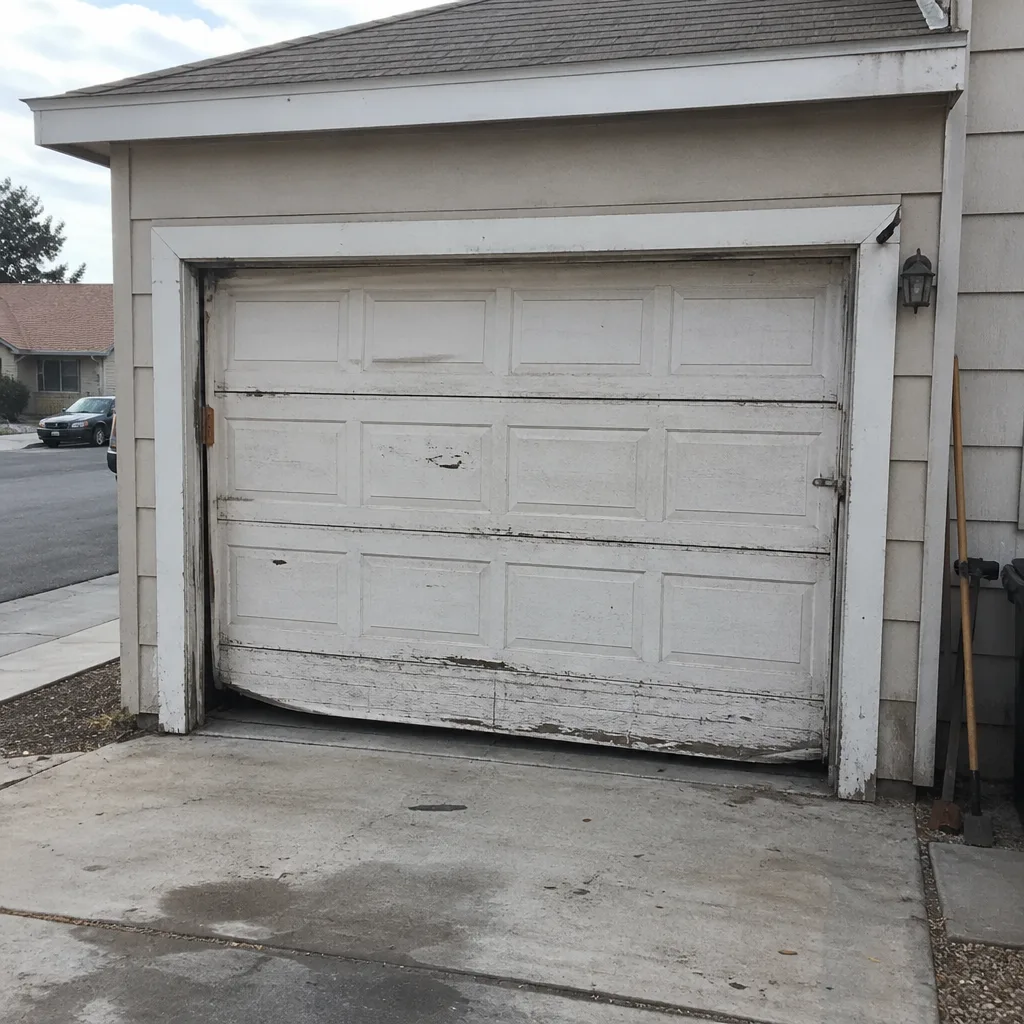 Before
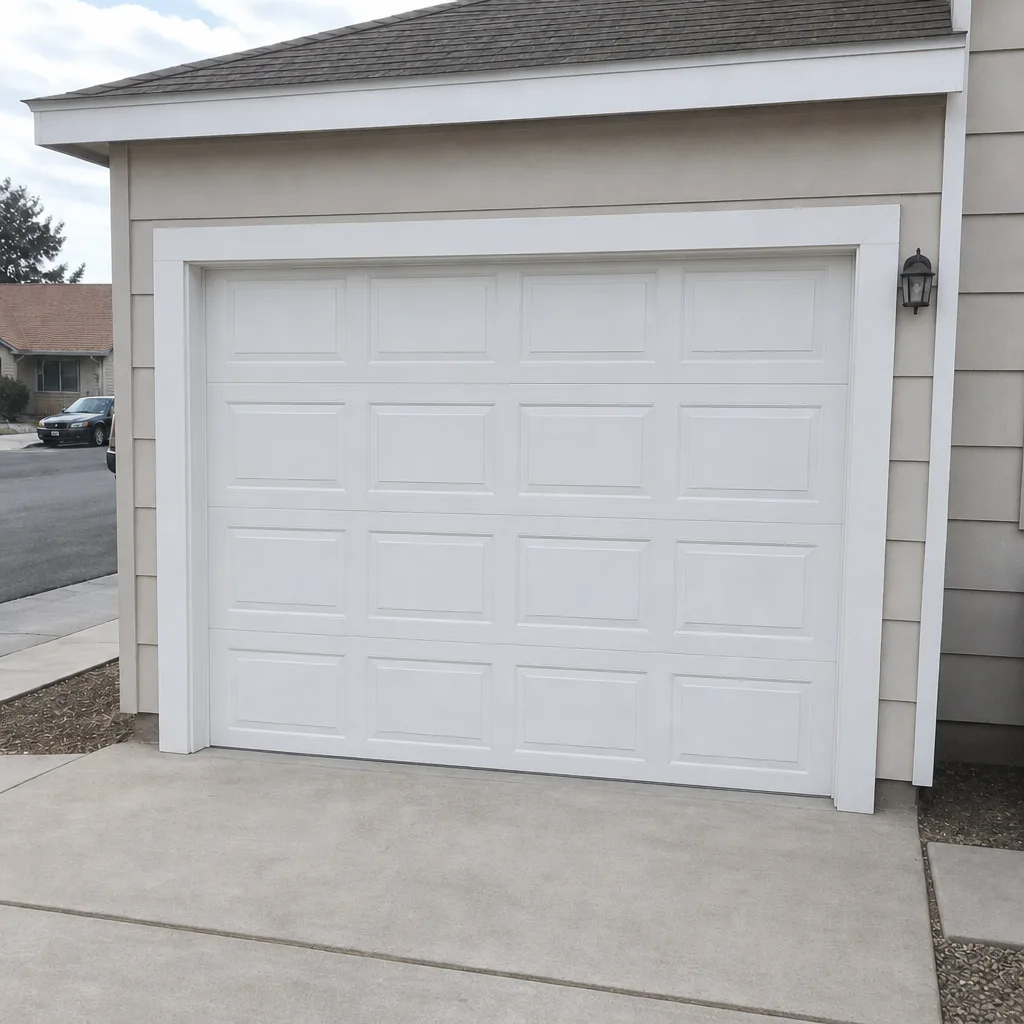 After
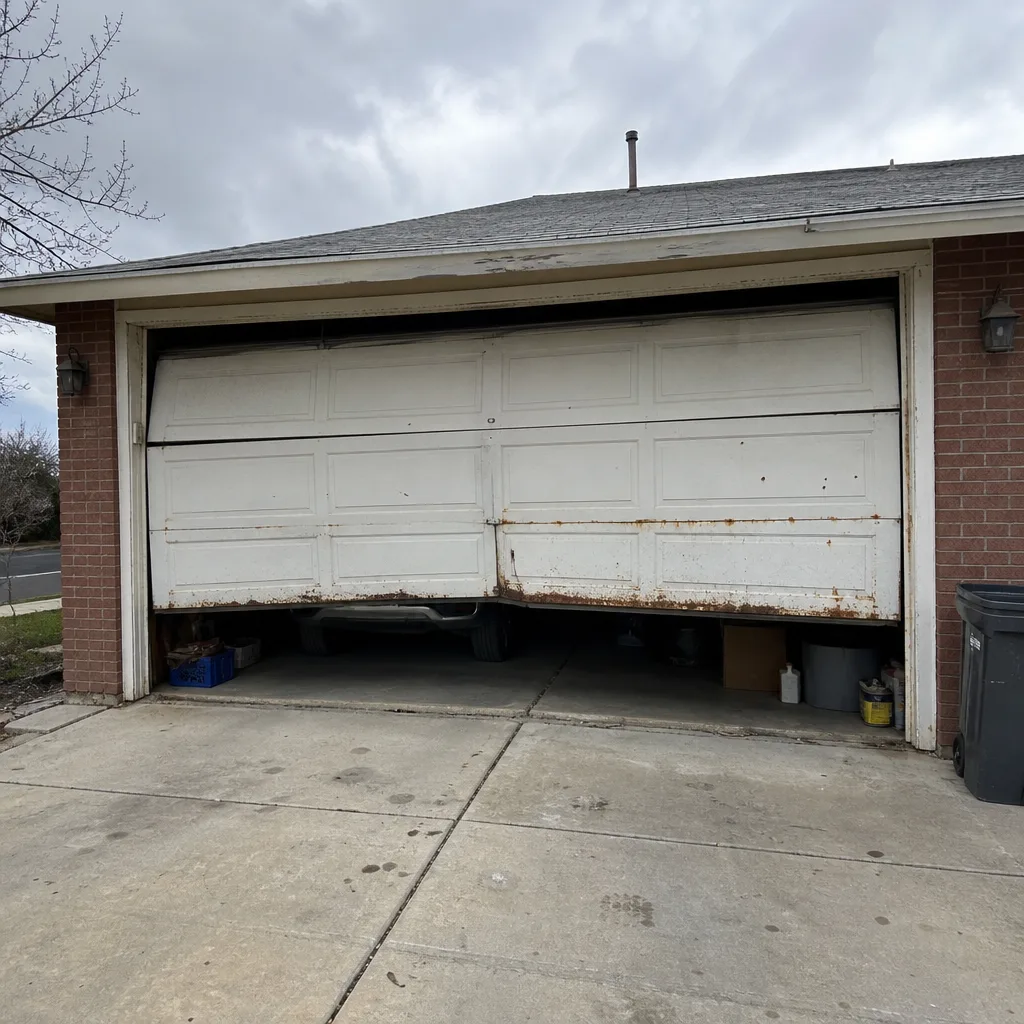 Before
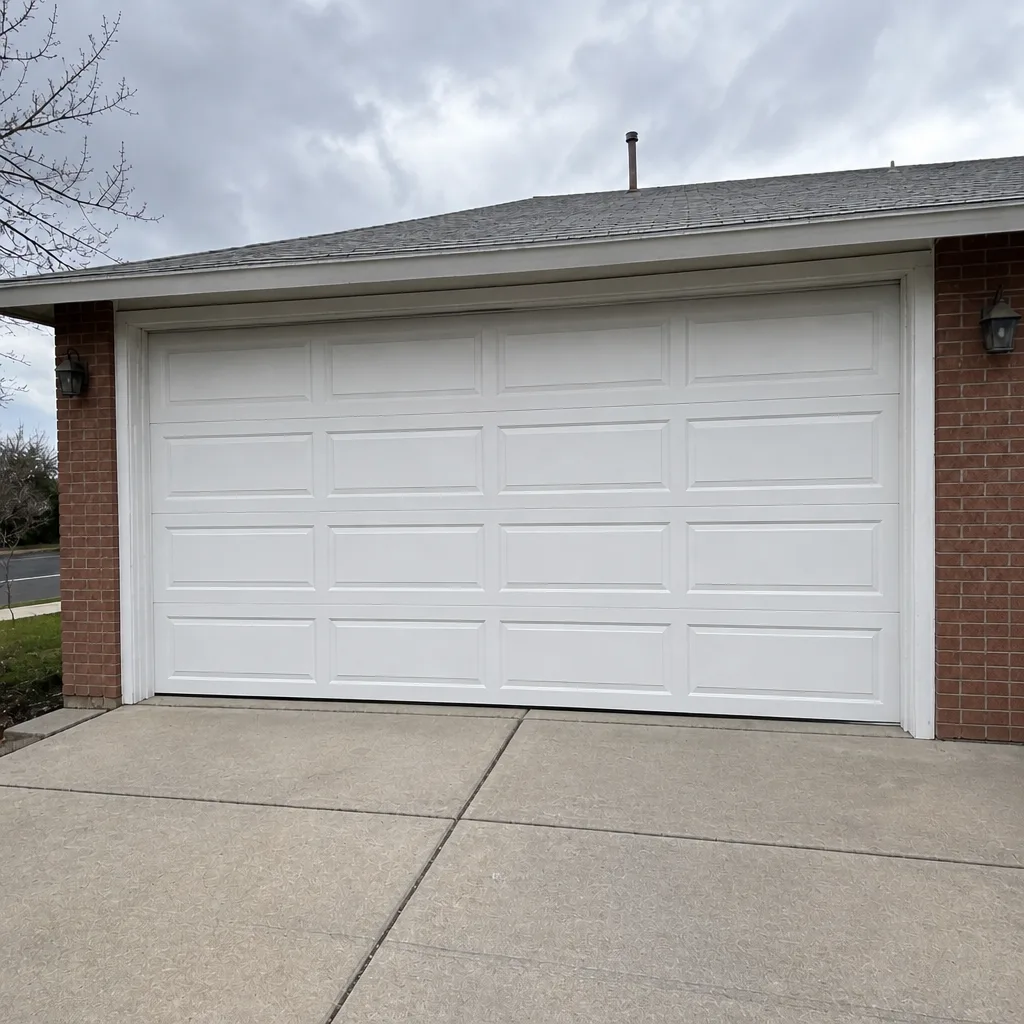 After
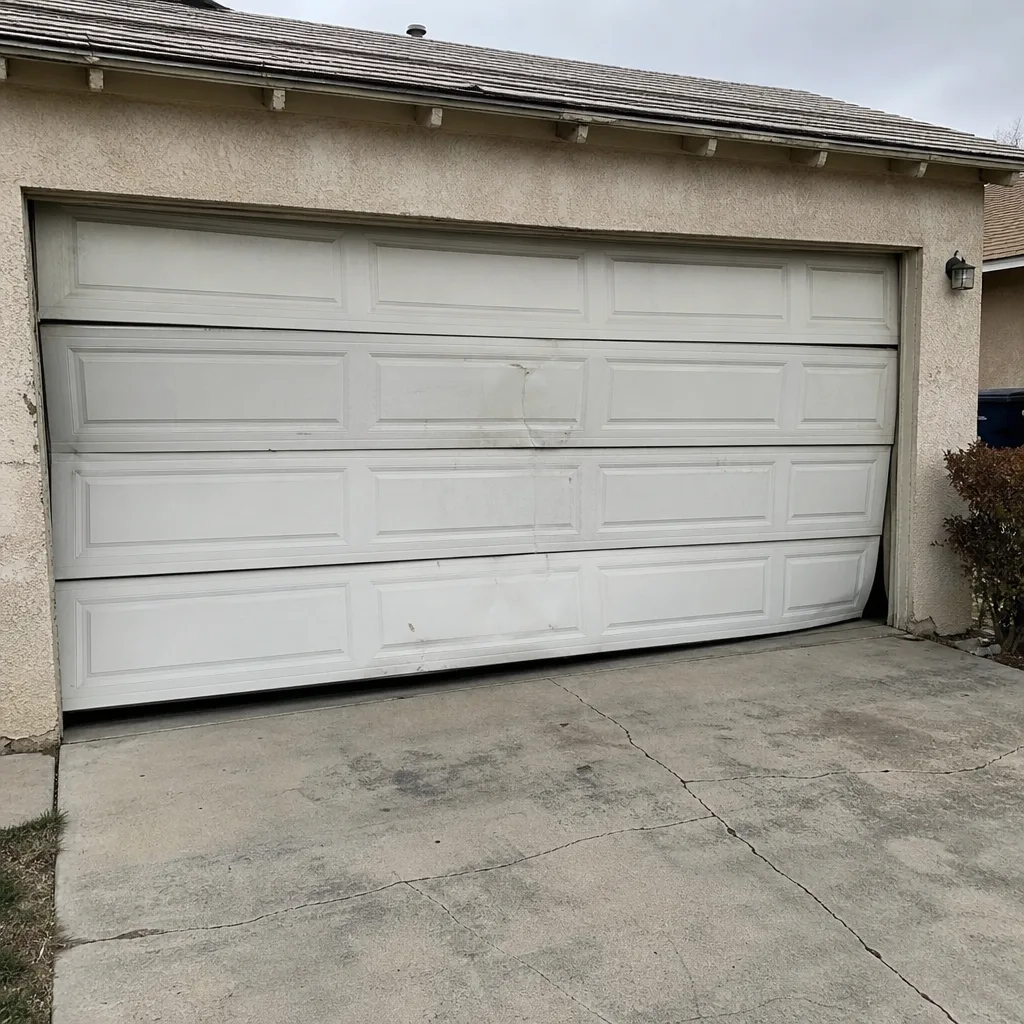 Before
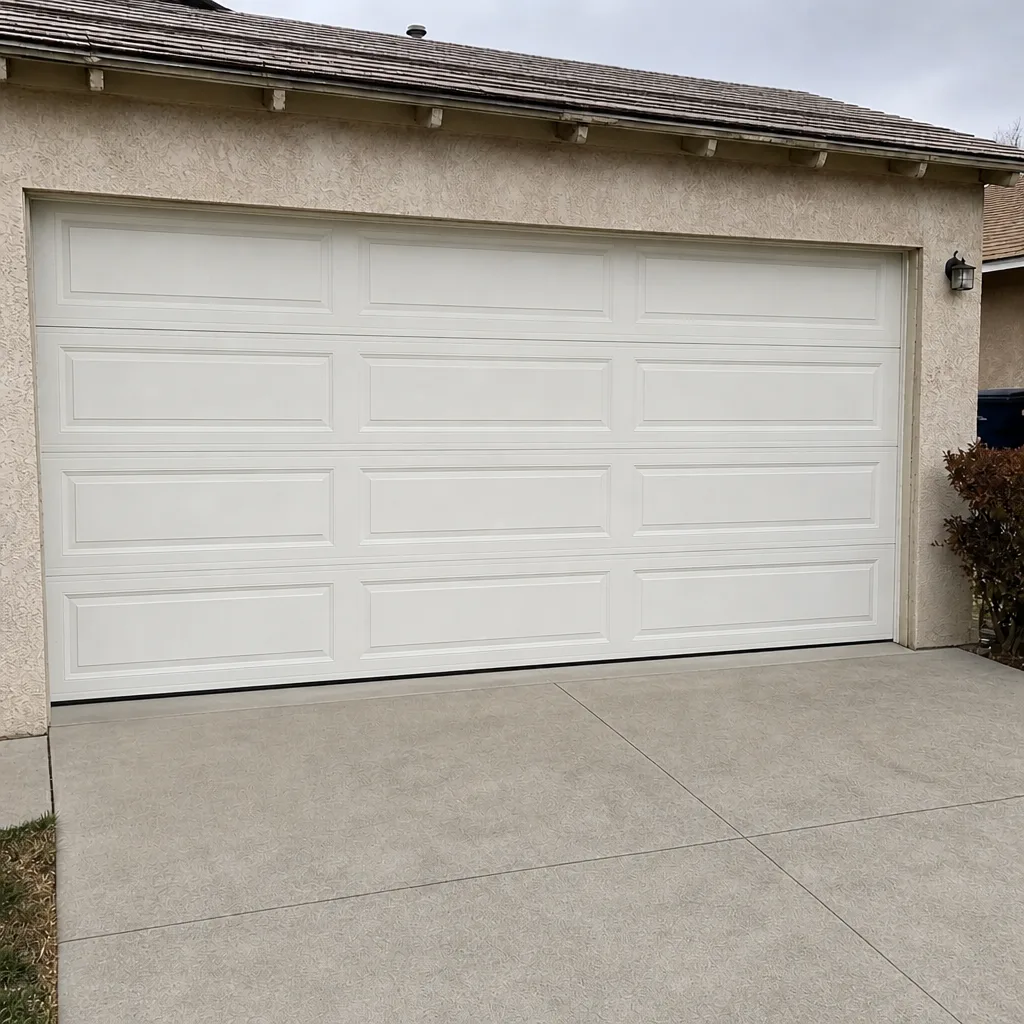 After
When to Call a Professional
Some garage door problems are a nuisance; some are a genuine hazard, and it’s important to know the difference. Call a professional immediately if a torsion spring or lift cable has broken, if the door is stuck open or hanging off one track, if the opener pulls the door awkwardly or the cables are slack, or if the door slams down or fails the balance test. These are not jobs to try to fix yourself – the spring and cable system holds enough energy to hurt someone seriously. Any repair call on an emergency basis gets a live person on the line, day or night, and the technician arrives with common parts stocked so most of these resolve on a single visit. For non-emergency work, get a written flat price first. Mainspring Garage Door Co. Whitney offers free estimates in Whitney – call (844) 797-9248.
Frequently Asked Questions
Most Whitney garage door repairs run between $150 and $450, with a torsion spring pair the most common big-ticket item at roughly $220 to $340. Roller replacement, hinge work, and cable replacement sit at the low to middle end, and opener repair depends on the brand and component. Call (844) 797-9248 for an exact quote – estimates are free.
In most cases, yes. Repair and emergency calls are typically handled same day because technicians carry common springs, rollers, hinges, and cables on the truck, and the phone is answered by a live person around the clock. If your door needs a non-standard part, we’ll tell you up front so you know the timeline before anyone comes out. Call (844) 797-9248 to check availability.
No. The flat price is quoted and agreed before any work starts, and that’s the number on the invoice. The only reason a price would change is if the diagnostic reveals something that requires new parts and you approve them first – you’ll never get a surprise line item. Call (844) 797-9248 for a quote.
Springs fail faster here because they absorb the swinging weight and the thermal expansion of the door through hundreds of heat cycles a year, from 100°F-plus days down to 60°F nights. The metal fatigues sooner than it would in a mild climate. A door in Whitney can go through a spring pair in a shorter interval than the national average, which is why the balance test is worth doing. Call (844) 797-9248 to schedule a spring inspection.
Yes. Every technician is background-checked and works to the K.E.Y.S. values code – Krafted right, Every time, Your home first, Standing behind it – and our technicians have up to 10 years of experience. The work is covered by the 90-Day Done Right Promise in writing, and the price is agreed before work starts. Call (844) 797-9248 for a free estimate.
Repair makes sense when a single failure – a spring, a set of rollers, a cable – is the whole problem. Replacement is the better math when several parts are wearing out at once, the door is old and out of balance, or the panels are showing heat damage. Start with a diagnosis and a written price for both paths before you decide. Call (844) 797-9248 for a free estimate.
The Bottom Line
Whitney’s high-desert climate changes what breaks on a garage door and how fast. The thermal swing, the alkaline dust, and the distance from supply houses put rollers, hinges, and springs on a harsher schedule than national guides suggest, and they mean the shop you call should arrive with the right part on the truck. Get the flat price agreed in writing before work starts, ask what the warranty covers and who stands behind it, and don’t touch a spring or cable yourself. A door that gets a regular check runs quieter, lasts longer, and costs less to keep.
Call Mainspring Garage Door Co. Whitney at (844) 797-9248 for a free estimate. A live person answers every call, day or night, and most jobs finish in a single visit with the price stated upfront.
Written by the team at Mainspring Garage Door Co. Whitney.