
Last updated November 17, 2026
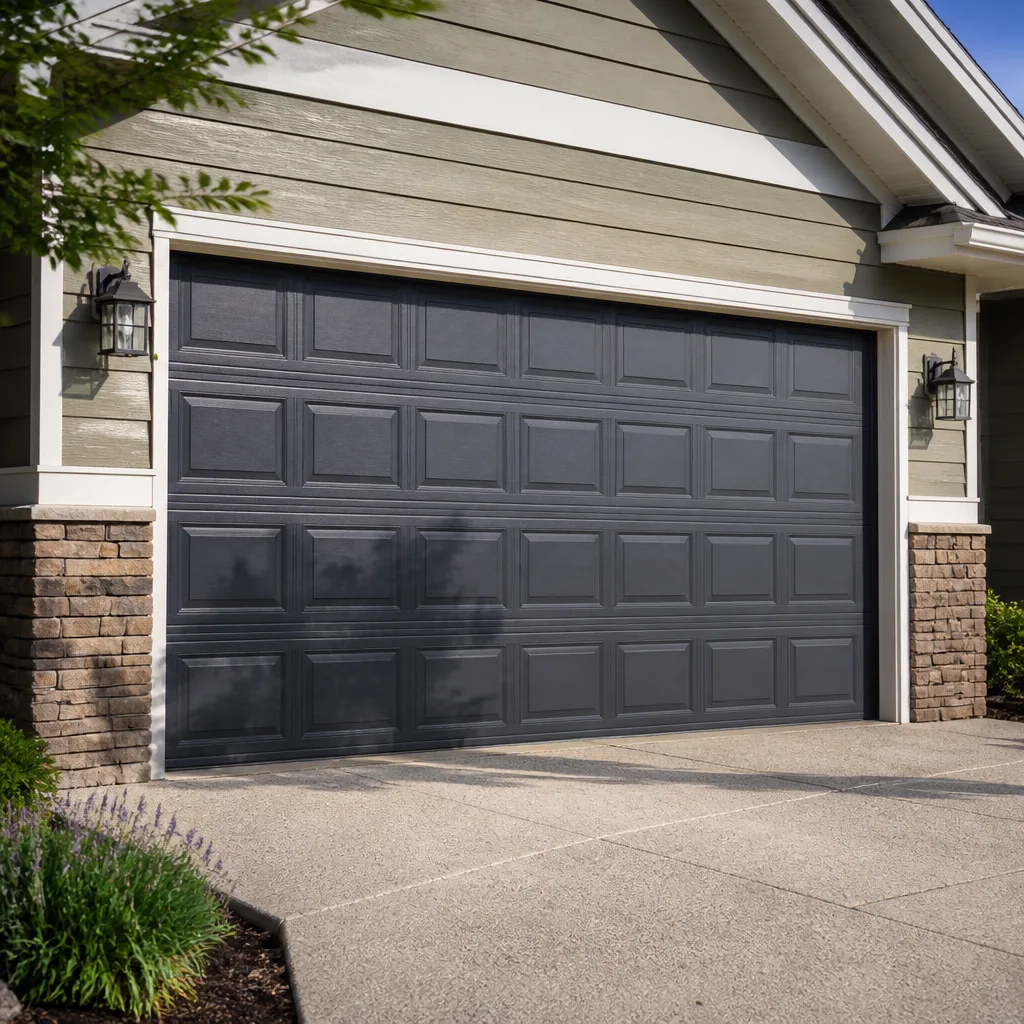 Raised-panel steel
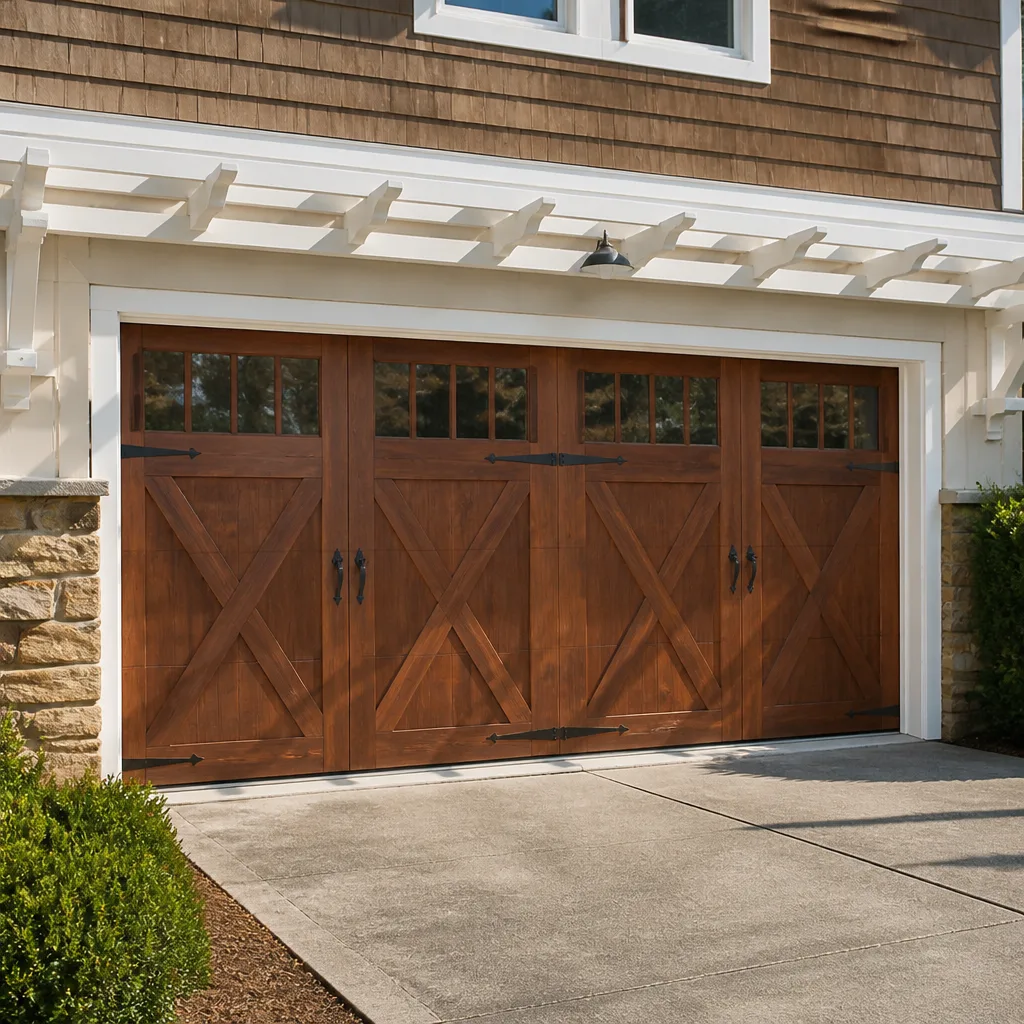 Carriage house
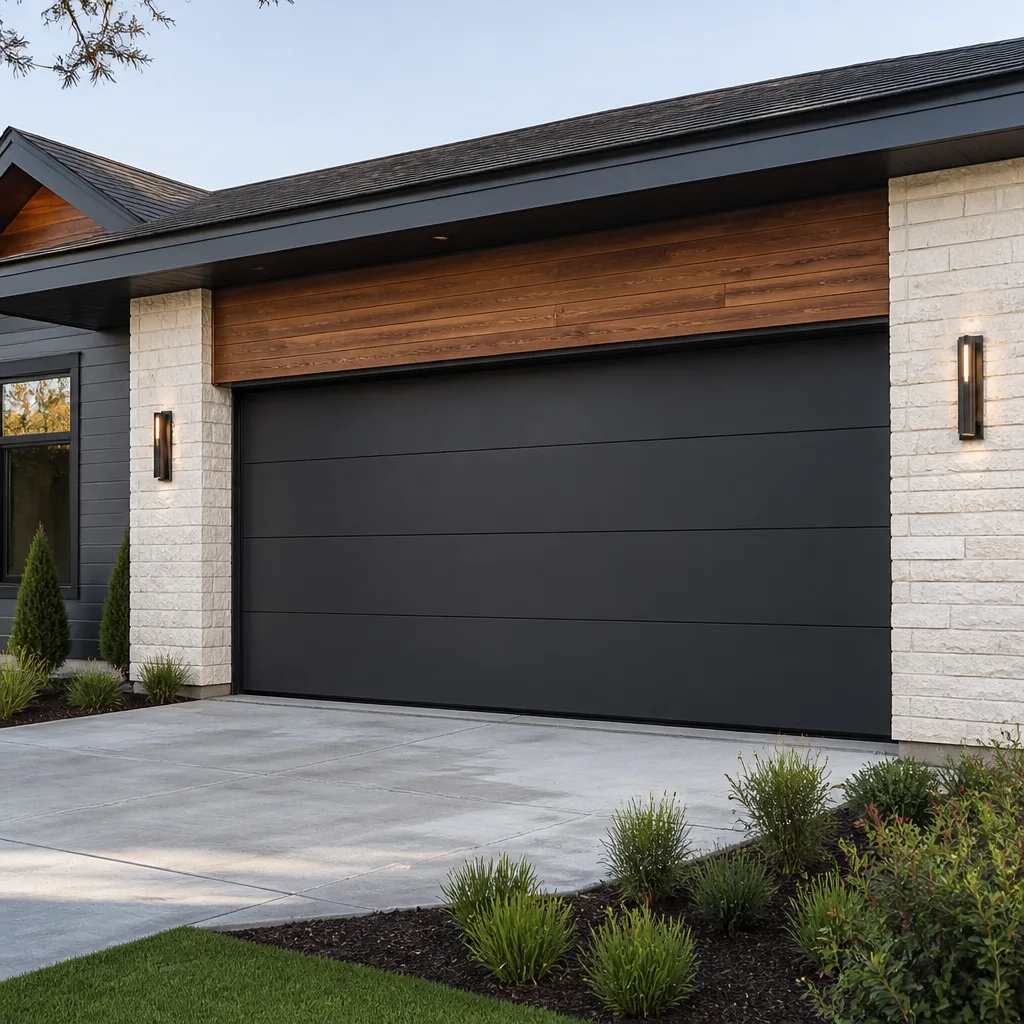 Modern flush
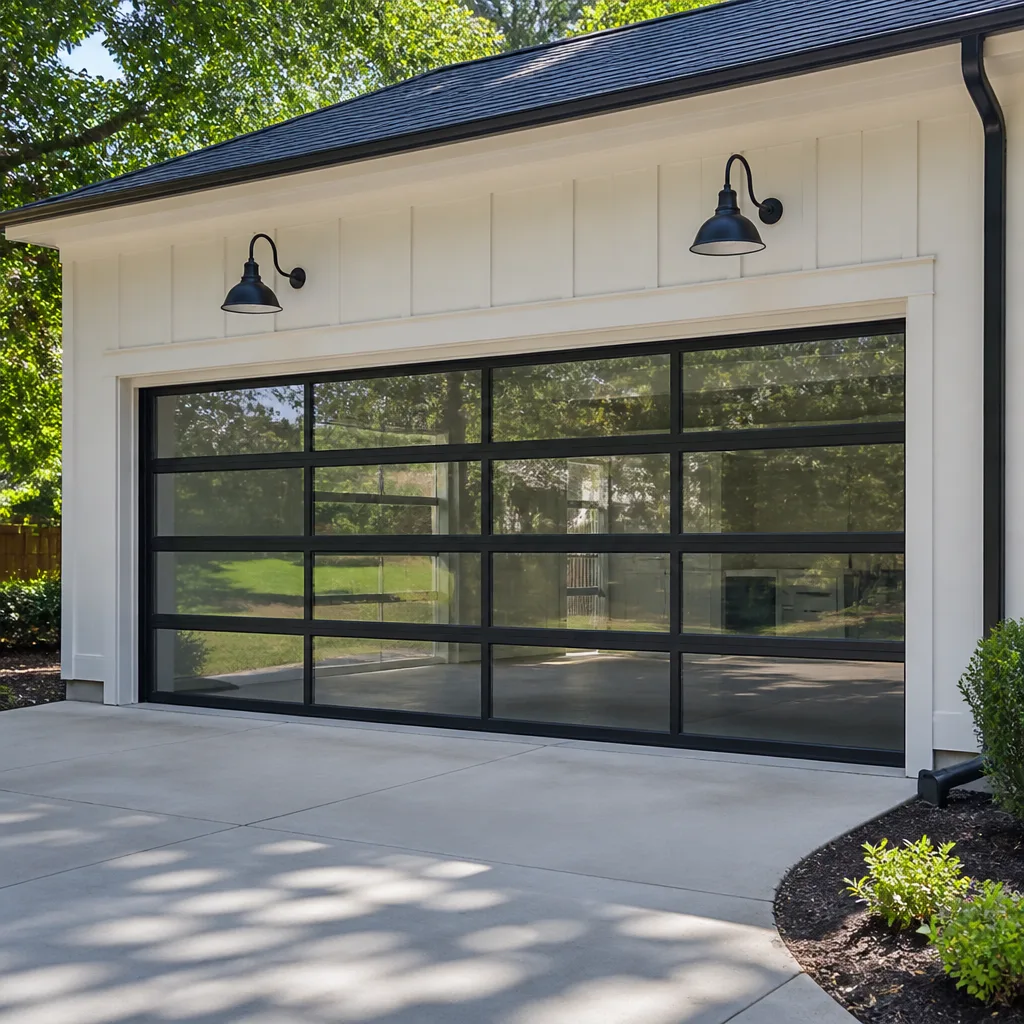 Full-view glass
 LiftMaster openers
 Chamberlain openers
Full 25-point door and opener safety check with every visit - springs, cables, rollers, tracks, and your LiftMaster or Chamberlain opener included
You get a price before we start. It does not change when the pro arrives.
Get your free estimateEmergency Garage Door Maintenance Schedule: What to Do and When
Emergency garage door calls cluster in two seasons here in Nevada: late spring, when the heat returns and the grease that thickened over winter starts to gum up the works, and late fall, when the door takes its first sustained cold shock. Neither failure is random. Both are preventable. Most of the emergencies we roll out to in Whitney were set in motion months earlier, in a hinge nobody oiled or a cable nobody looked at. What follows is the maintenance schedule that heads those failures off before they strand your car inside a shut garage. It covers what to do pre-summer, what to do pre-winter, and how to tell whether a technician actually performed the work.
Styles & brands we work with
- Raised-panel steel
- Carriage house
- Modern flush
- Full-view glass
- LiftMaster openers
- Chamberlain openers
Quick Answer
An “emergency maintenance schedule” isn’t a contradiction. Three tasks done once a year eliminate most garage door emergencies before they happen: a full lubrication of springs, hinges, and rollers; a balance-and-travel test; and a cable-and-hardware inspection. Time them to Nevada’s two stress points. Do the pre-summer round in April or May, and the pre-winter round in October or November. Everything else on a standard checklist is secondary to those three.
Table of Contents
- Why Nevada Garage Doors Fail on a Schedule
- Pre-Summer Maintenance: The April Round
- Spring-Tension Inspection: A Visual Check, Not a DIY Job
- The Annual Cable Inspection Most People Skip
- Mechanical Safety Vs. Security: Two Different Checklists
- The One-Year Appointment Checklist
- Pre-Winter Maintenance: The October Round
- Common Mistakes to Avoid
- When to Call a Professional
- Frequently Asked Questions
- The Bottom Line
Why Nevada Garage Doors Fail on a Schedule
Garage doors don’t care about the calendar. They care about temperature swings and the condition of the parts that carry their weight. In Whitney, we get both ends of that problem. Summer afternoons in the valley push metal components through real expansion, and winter nights drop cold enough to contract them again. A door that gets no attention between those swings works its fasteners loose, dries out its grease, and wears its rollers unevenly.
The failure pattern isn’t guesswork. It falls into two reliable clusters:
- Late spring. The grease you applied last year has thickened or gummed up over the cold months. When the heat returns, that stiff grease turns rollers and hinges into drag. The opener works harder, the springs take more load, and something gives. This is the season for snapped springs and burned-out opener gears.
- Late fall. The first real cold snap shocks a door that spent summer loosening its own hardware. Rollers that ran fine in August start to bind. Cables that were slightly frayed in June choose November to let go.
Whitney sits at an elevation that makes these swings sharper than they’d be at sea level, and the dry air doesn’t help. Low humidity is kind to some materials and hard on others. Wood-composite door panels and older steel doors with thin paint take a beating, and the same dryness quietly ages your cables. The point is this: your door has a seasonal rhythm, and the emergencies line up with it. Match your maintenance to that rhythm and you get ahead of the calls. Ignore it and you’ll meet us on the worst possible morning. If you’d rather not track the schedule yourself, a seasonal tune-up from Mainspring Garage Door Co. Whitney home puts the whole thing on someone else’s calendar.
Pre-Summer Maintenance: The April Round
The pre-summer round is about reducing friction before the heat arrives. Do it in April or May. This is the round that prevents most of the mechanical emergencies we see in Whitney once the temperatures climb.
- Lubricate the moving metal. Hinges, rollers, and the torsion spring coils get a proper garage-door lubricant (not WD-40, which cleans more than it protects). Tracks get a light wipe-down, not grease. Grease in the tracks collects grit and turns into a grinding paste.
- Run the balance test. Disconnect the opener, lift the door halfway by hand, and let go. A balanced door stays put. A door that drifts down or races up is telling you the springs are out of adjustment or wearing out.
- Test the auto-reverse. Put a roll of paper towels in the door’s path and close it. The door must reverse on contact. Then test the photo-eye by waving an object through the beam. This is one of the two tasks that protects against a security and safety emergency rather than a mechanical one.
- Tighten visible hardware. Bolts and brackets loosen over a winter of vibration. A loose bracket is a rattle now and a bent panel later.
- Listen. Run the door and pay attention. A door that ran quiet in the fall and grinds in the spring is dragging, and dragging is the first chapter of a breakdown.
In Whitney, the April round also catches the dust and grit a dry winter leaves in the tracks. High-desert wind carries fine sand, and that sand finds its way into the track channels and roller bearings. A quick clean-out before summer makes the whole lubrication round last longer. For homeowners on a fixed schedule, this pairs naturally with the pre-winter appointment later in the year.
Spring-Tension Inspection: A Visual Check, Not a DIY Job
We want to be blunt about this one. A torsion spring or a set of extension springs carries the entire weight of your door, and those springs are under heavy tension every second of the day. Adjusting or replacing them is not a homeowner task. A wound torsion spring holds enough stored force to cause serious injury in an instant, and the tools involved make it worse. We don’t walk homeowners through spring work, and no responsible shop should.
What you can do is a careful visual check. You don’t touch the spring. You look, and you describe what you see when you call.
- A visible gap. In a torsion spring, a clean break often shows as a small gap in the coil. A door that suddenly opens only a foot and stops usually means a snapped torsion spring.
- Stretched or twisted extension springs. On a door with springs running parallel to the tracks, look for a spring that’s noticeably longer or more stretched than its neighbor, or one with a stretched, deformed hook at the end.
- Rust or fraying on the coil. Surface rust weakens the wire. A spring that’s pitted or corroded is a candidate for replacement even if it hasn’t broken yet.
- Color-coding legibility. The paint stripe on a torsion spring tells a technician the wire gauge and initial tension. If you can read the color when you call, the technician can arrive with the right spring already on the truck.
That last point is the practical payoff. When you call Garage Door Repair in Whitney and can describe what you saw, the technician arrives prepared. If you’d rather leave the diagnosing to us, a free second opinion on any written estimate lets you check someone else’s spring recommendation before you commit. Just don’t put your hands on a wound spring to speed things along.
The Annual Cable Inspection Most People Skip
Cables are the most overlooked item on every standard maintenance checklist, and in our experience they’re the most common cause of a door that drops without warning. Two lift cables run from the bottom corners of the door, wrap around the drums at the top, and work with the springs to raise and lower the door. When one fails, the door falls crooked and can bind hard in the tracks.
The trouble is that fraying is nearly invisible in poor garage lighting. Most garages have one dim bulb or none. Under that light, a cable that’s down to a few good strands looks like a dark line. Here’s what to actually look for:
- Broken strands. A healthy cable is a smooth, tight braid. Frayed cable shows hair-thin wire ends poking out of the braid, usually near the drums at the top corners.
- Bird-caging. If the braid has opened into a loose spiral, the cable is failing.
- Kinks or flat spots. A sharp bend that won’t straighten is a weak point waiting to snap.
- Drum winding. When the door is closed, the cable should sit in neat, even wraps on the drum. Overlapping or crossed wraps are a warning sign.
Shine a good flashlight along the length of each cable once a year. Do it in the fall round if you only do one. A cable that shows any of the above needs replacement, and cable work carries the same tension hazard as spring work, so we handle it. This is exactly why the annual visit matters more than the average 15-minute “inspection” you’ll get from the lowest bidder. When you book, ask specifically whether the technician will inspect both cables end to end and report on what they found.
Mechanical Safety Vs. Security: Two Different Checklists
Most maintenance advice lumps everything into one list. That’s a mistake. Some maintenance keeps your door from breaking down. Other maintenance keeps your home secure and your family safe. They’re related, but they’re not the same job, and if you only do one, do the safety side.
Maintenance that prevents a mechanical emergency
- Lubricating springs, hinges, and rollers
- Running the balance test
- Tightening loose bolts and brackets
- Cleaning and aligning the tracks
- Inspecting cables and checking spring tension
- Testing the opener’s force and travel settings
Maintenance that prevents a security or safety emergency
- Testing the auto-reverse so the door reverses on contact
- Testing the photo-eye beam at floor level
- Checking the manual release so it works if the power goes out
- Inspecting the weather seal at the bottom for gaps
- Checking any exterior or interior lock cylinder so the door secures properly
The distinction matters because the security items can fail silently. A photo-eye knocked out of alignment by a bicycle doesn’t make noise. The door still opens and closes. But the protection is gone until someone tests it, and that someone should be you once a year at minimum. The mechanical items, by contrast, announce themselves with noise and drag. In Whitney, where a lot of homes are on the same two or three opener brands, we hear these failures in patterns, and the security ones are always the quiet ones. The opener’s manual should walk you through the auto-reverse test, and a seasonal tune-up covers both checklists in the same visit. If your opener itself is the weak link, Garage Door Opener in Whitney covers the replacement and adjustment side.
The One-Year Appointment Checklist
A technician can spend 15 minutes walking around a door and call it an inspection. That’s not the same as the full appointment. Use this checklist when you book, and check it against the report you get back. If a technician can’t tell you the result for each line, they didn’t do the work.
- Both lift cables inspected end to end, with a note on fraying, kinks, or drum winding.
- Spring condition reported, including color code and any visible gap or rust. No homeowner contact with the spring.
- All hinges and rollers lubricated with garage-door lubricant, not spray oil.
- Balance test performed with the opener disconnected, and the result reported.
- All visible bolts and brackets checked and tightened.
- Auto-reverse tested on contact, with the paper-towel result confirmed.
- Photo-eye beam tested, including alignment after any track adjustment.
- Manual release verified so the door can be opened by hand in an outage.
- Opener force and travel settings checked against the manufacturer’s spec.
- Weather seal inspected at the bottom of the door for gaps.
- Tracks cleaned and checked for alignment.
- Written report or written estimate for anything that needs work, with the price stated before any of it begins.
On a Clopay or Amarr door, the manufacturer’s spec for the balance and travel settings is worth confirming so the settings are set to the door, not to whatever worked on the last job. Our own standard is that the price is stated flat before the wrench comes out, and the technician arrives with the parts already on the truck, which is why most visits finish in a single trip. You shouldn’t have to rebook for a part.
Pre-Winter Maintenance: The October Round
The fall round is shorter than the spring round because you’ve already done the heavy lifting. Its job is to catch what the summer loosened before the cold arrives. Do it in October or early November, ahead of the first real cold shock.
- Re-run the balance test. Summer heat and vibration loosen things. A door that was balanced in May may not be now.
- Re-tighten hardware. Bolts that held in spring often back off over a summer of use.
- Re-lubricate lightly. A thin fresh coat going into winter keeps the grease from gumming. This is the single most effective thing you can do to head off a winter failure.
- Check the bottom seal. A worn bottom seal lets cold air in and lets a small gap open up, which is a security issue as much as a comfort one.
- Look at the cables again. Cables that seemed fine in spring get one more checkout before the cold. This is the round to replace a worn cable, not the morning it snaps.
The dry air and cold that define a Whitney winter make a stiff, unlubricated door more likely to fail on the first cold morning. That’s when the calls come in. Get the October round done and you skip the December emergency entirely. Wayne Dalton and Craftsman doors tend to hold their settings well, but even those reward a fall service. If your garage has been through twenty winters without a real check on the cables, book the pre-winter appointment Garage Door Installation in Whitney specialists use to assess whether the door and its parts are at the end of their service life.
Common Mistakes to Avoid
- Using WD-40 or spray oil on the moving parts. It cleans and displaces water; it doesn’t hold up as a door lubricant. The right lubricant is what keeps rollers turning through a Nevada summer.
- Skipping the cable inspection because the door “looks fine.” Cables fray invisibly in poor garage lighting, and a snapped cable drops the door. Shine a light on it once a year.
- Adjusting the springs yourself. A wound torsion spring is under heavy load and can cause serious injury. This is a job for a trained technician every time.
- Forgetting the photo-eye test. A knocked-out eye leaves the door working but unprotected. Test it once a year, minimum, and after any track adjustment.
- Letting grease build up in the tracks. Grease catches Whitney’s fine dust and turns into a paste that grinds the rollers. Wipe the tracks clean instead.
- Doing both rounds in spring. Spreading the work across the two seasons is what prevents both clusters of emergency. A single spring visit misses the winter failure modes.
- Accepting a 15-minute “inspection.” Ask for the checklist results. If a technician can’t report the cable and balance test findings, they didn’t do the work.
When to Call a Professional
Some of this you can do yourself. The lubrication, tightening, and the two tests are within reach for most homeowners. Some of it you shouldn’t touch. Call a professional if a spring appears broken or you see a gap in the coil, if a cable looks frayed or caged, if the door drops crooked or won’t stay up, if the opener grinds or strains against the weight, or if any track or roller issue has you wondering whether the door is still safe to use. Never operate a door with a broken spring or a damaged cable. Leave it in the closed position and call. Mainspring Garage Door Co. Whitney offers free estimates in Whitney – call (844) 797-9248. Calls are answered by a live person, day or night, and every job is backed in writing by our 90-Day Done Right Promise.
Frequently Asked Questions
Once a year is the minimum for most homes, and twice a year is better in a climate like Nevada’s. Split the two visits across spring and fall so you catch both seasonal stress points. In our experience, the annual visit is the difference between a small tune-up and an emergency call.
No. A wound torsion spring is under heavy tension and can cause serious injury in an instant, and extension springs fail the same way. Do the visual check and describe what you see, then let a trained technician do the work. Call (844) 797-9248 for a free estimate.
A proper visit covers both the mechanical and the security checklists: lubricating all moving parts, the balance test, inspecting both cables end to end, tightening hardware, testing the auto-reverse and the photo-eye, and reporting the spring condition by color code. If you don’t get results for each item, it wasn’t a full visit.
Late spring failures come from grease that thickened over winter and then drags when the heat returns. Late fall failures come from the first cold shock on a door that spent summer loosening its own hardware. Nevada’s temperature swings make both clusters predictable and preventable.
Look for broken strands poking out of the braid, a loose spiral or “bird-cage” in the cable, kinks that won’t straighten, or crossed wraps on the top drums. Fraying hides in poor garage lighting, so use a flashlight. If you see any of it, stop using the door and call for a look.
Yes. An $89 seasonal tune-up covers both the spring and fall rounds, and free estimates on repair are available. We also offer a permanent 5% discount for seniors and veterans and $50 off any repair over $250. Call (844) 797-9248 for an exact quote – estimates are free, and the price is agreed before any work starts.
The Bottom Line
An emergency maintenance schedule isn’t a contradiction. It’s the only maintenance that actually saves you an emergency. Do three things a year: lubricate all the moving metal, run the balance and travel tests, and inspect both cables end to end. Time the first round to late spring, before the heat builds, and the second to late fall, before the first cold shock. Keep the auto-reverse and photo-eye tests on the same calendar, because a door that works but is no longer safe is the worst kind of failure. Then use the one-year checklist to confirm a technician actually performed each item. Do that and the emergencies you read about in Whitney stop being a matter of luck.
Written by the team at Mainspring Garage Door Co. Whitney.
For a free estimate on a tune-up, a spring or cable repair, or a second opinion on any written quote, call Mainspring Garage Door Co. Whitney at (844) 797-9248. A live person answers every call, day or night.
See the difference
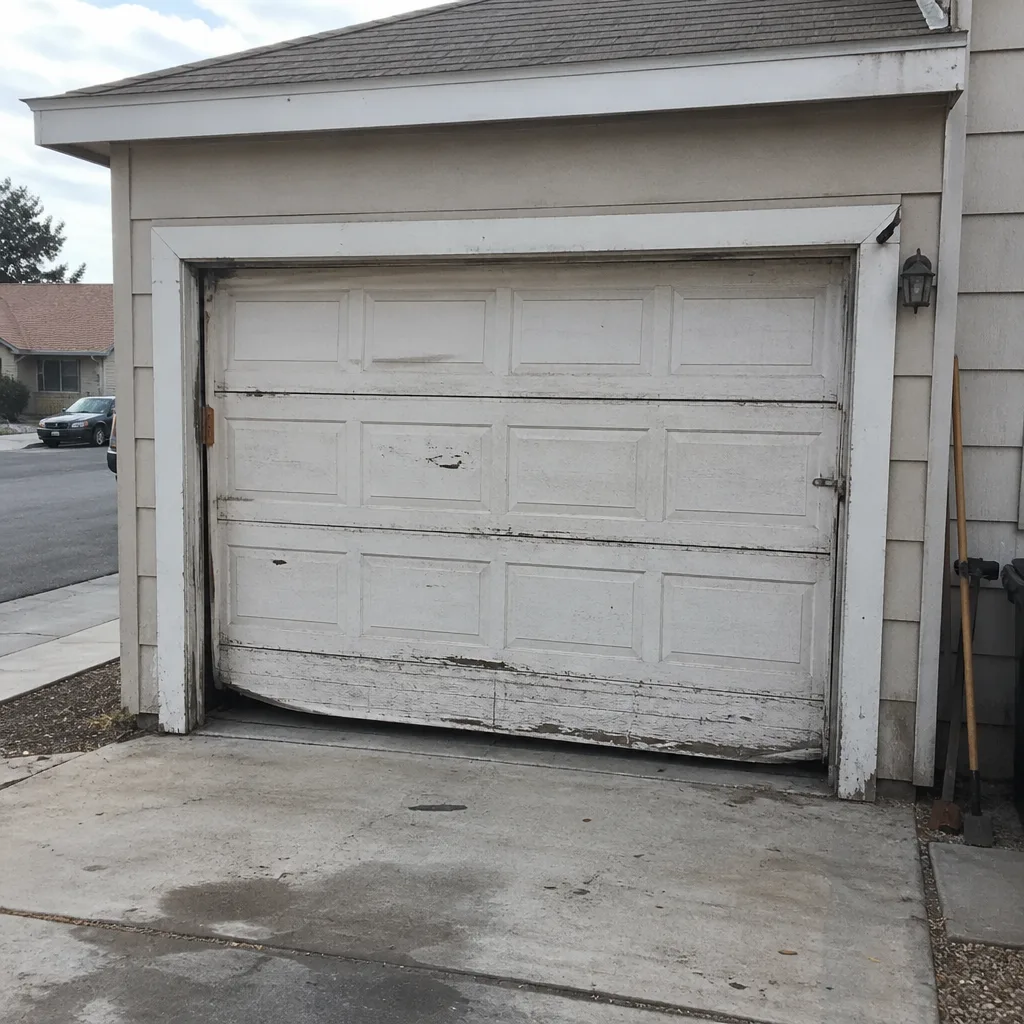 Before
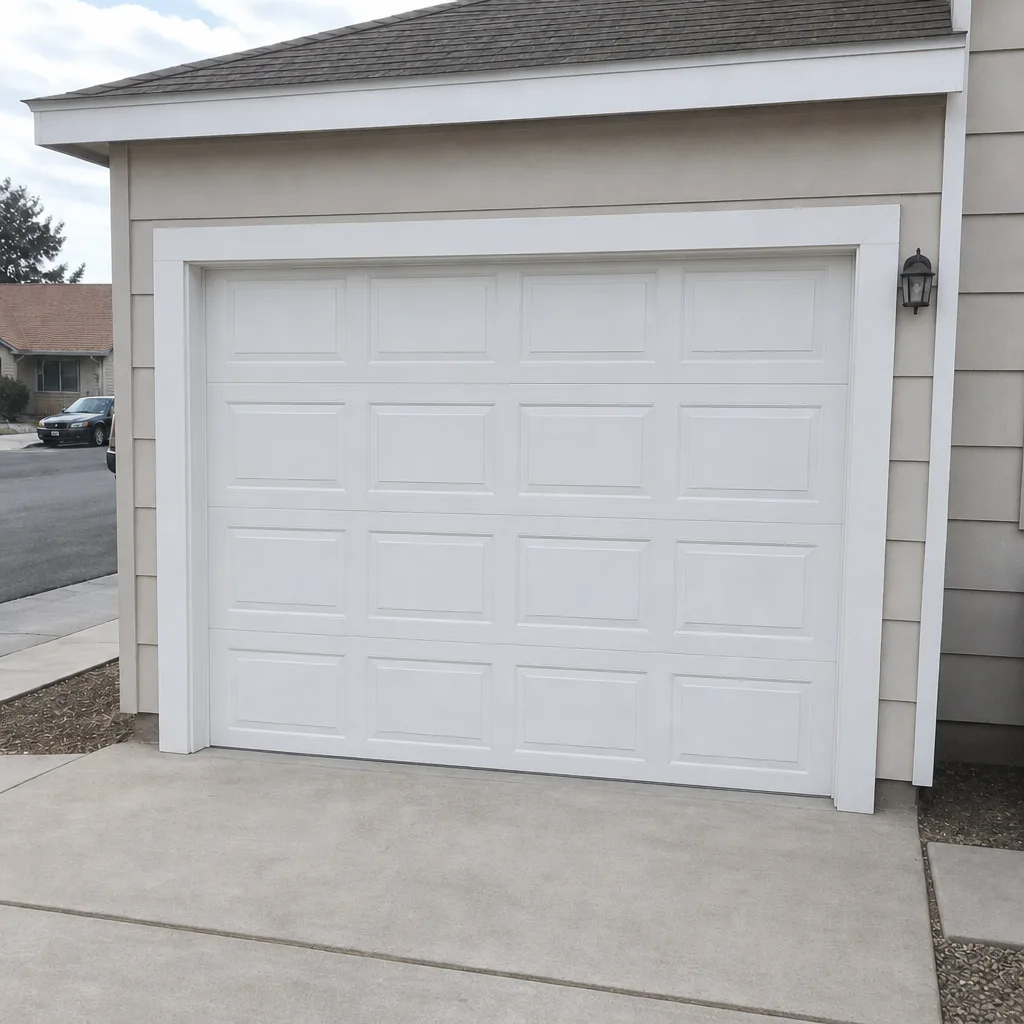 After
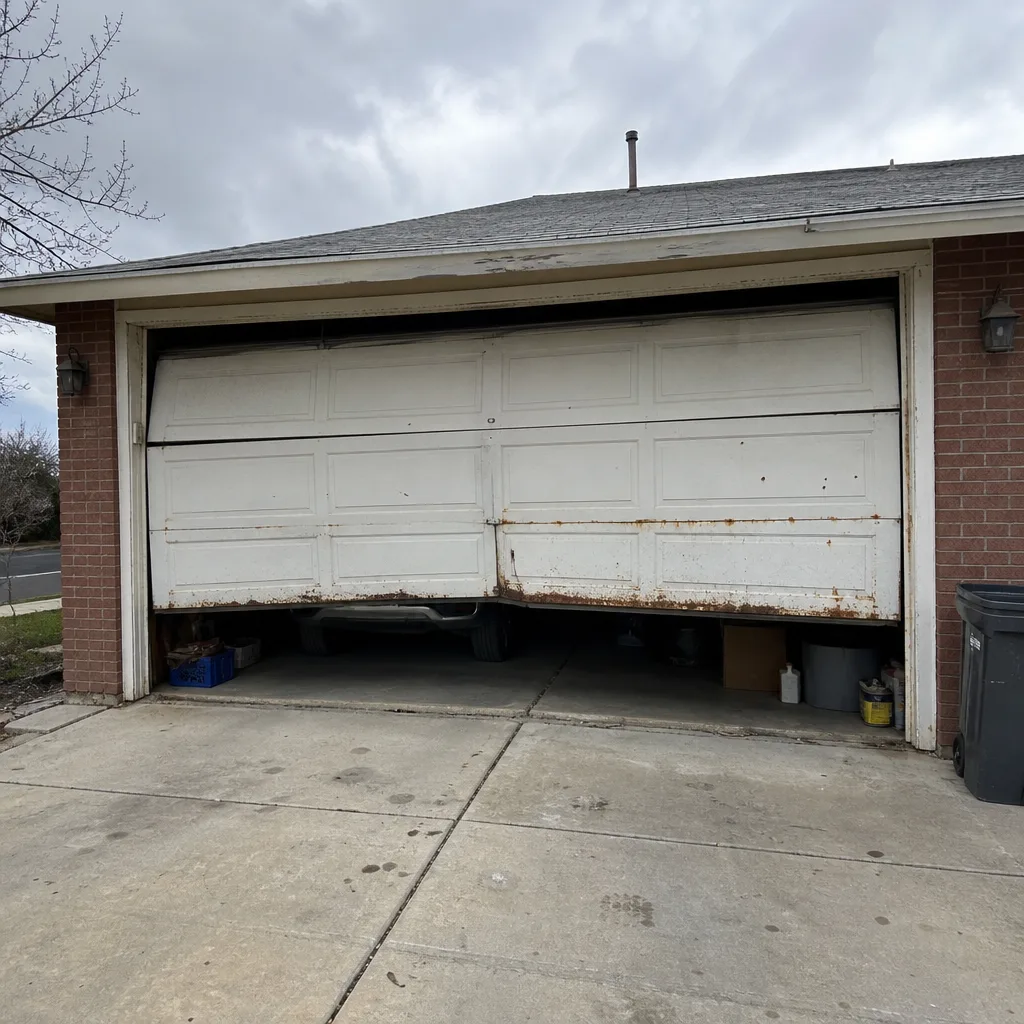 Before
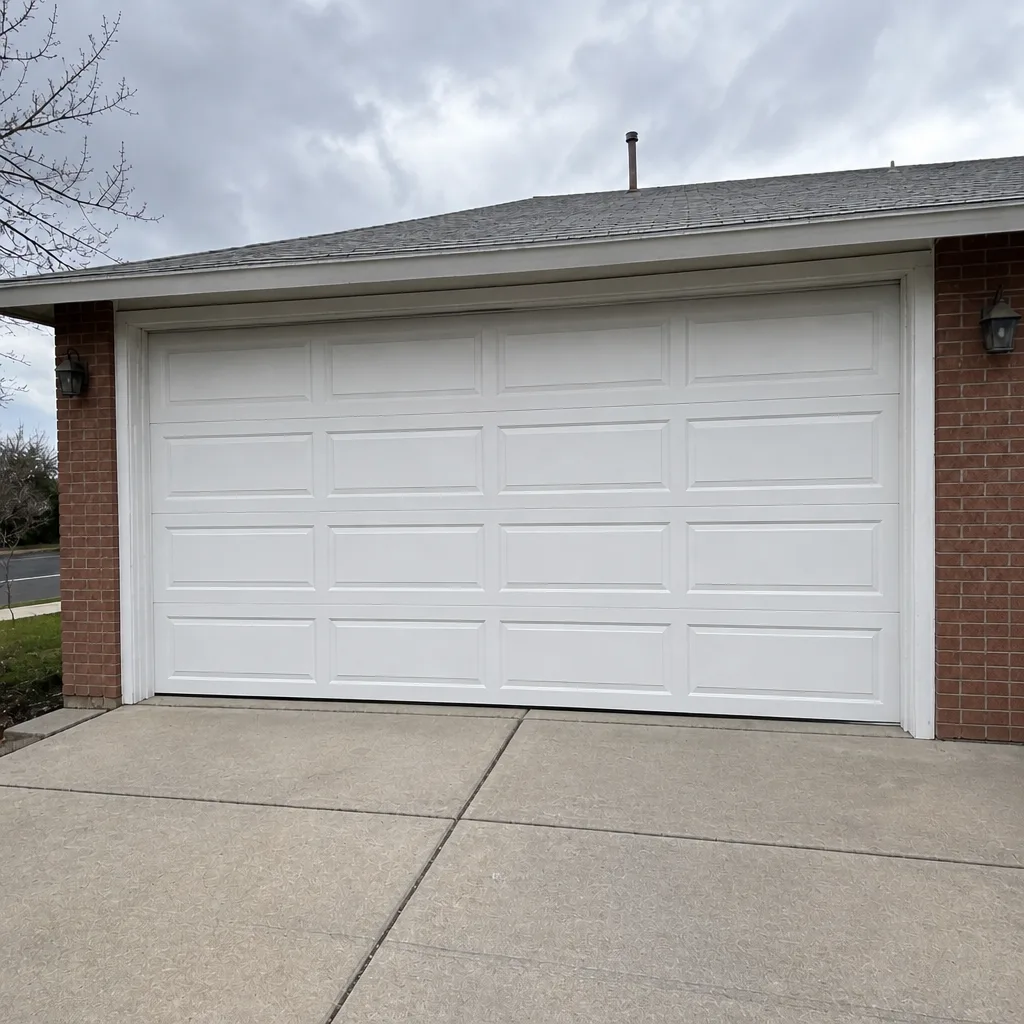 After
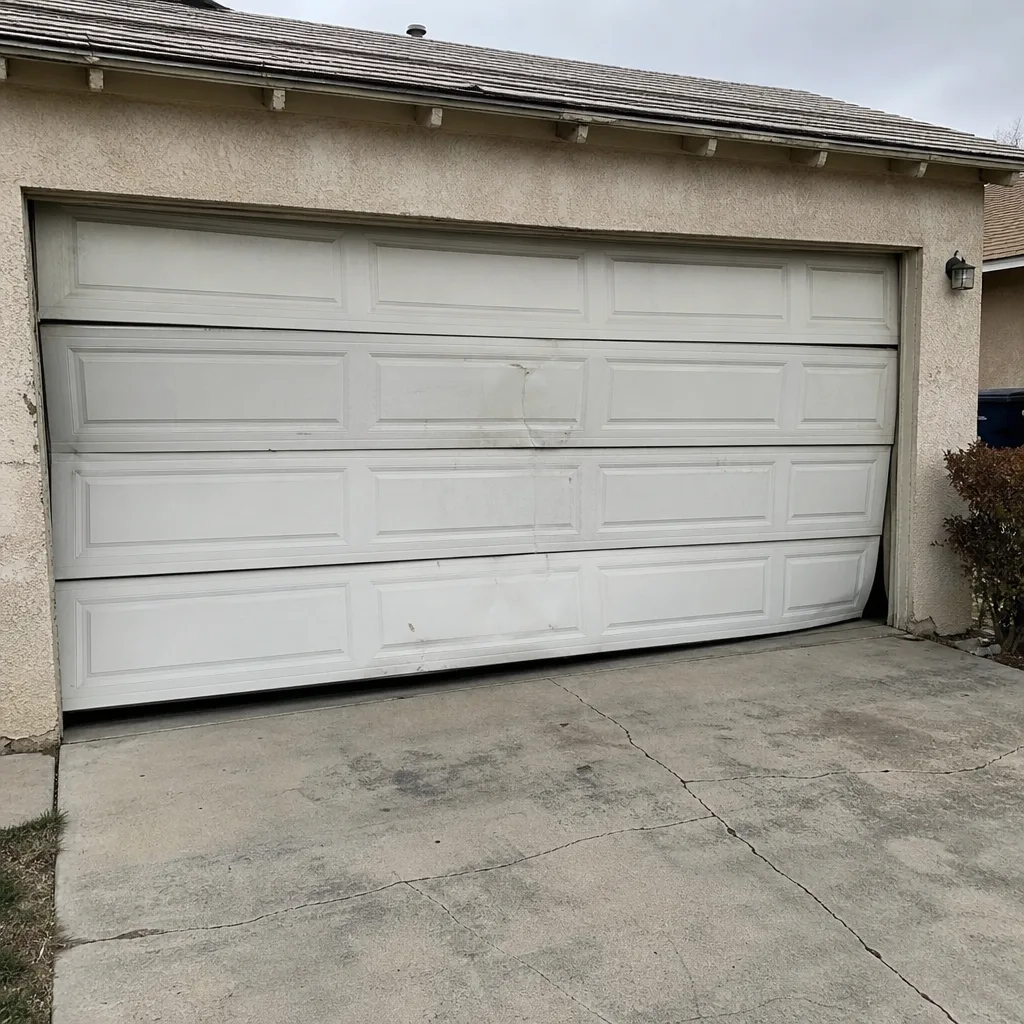 Before
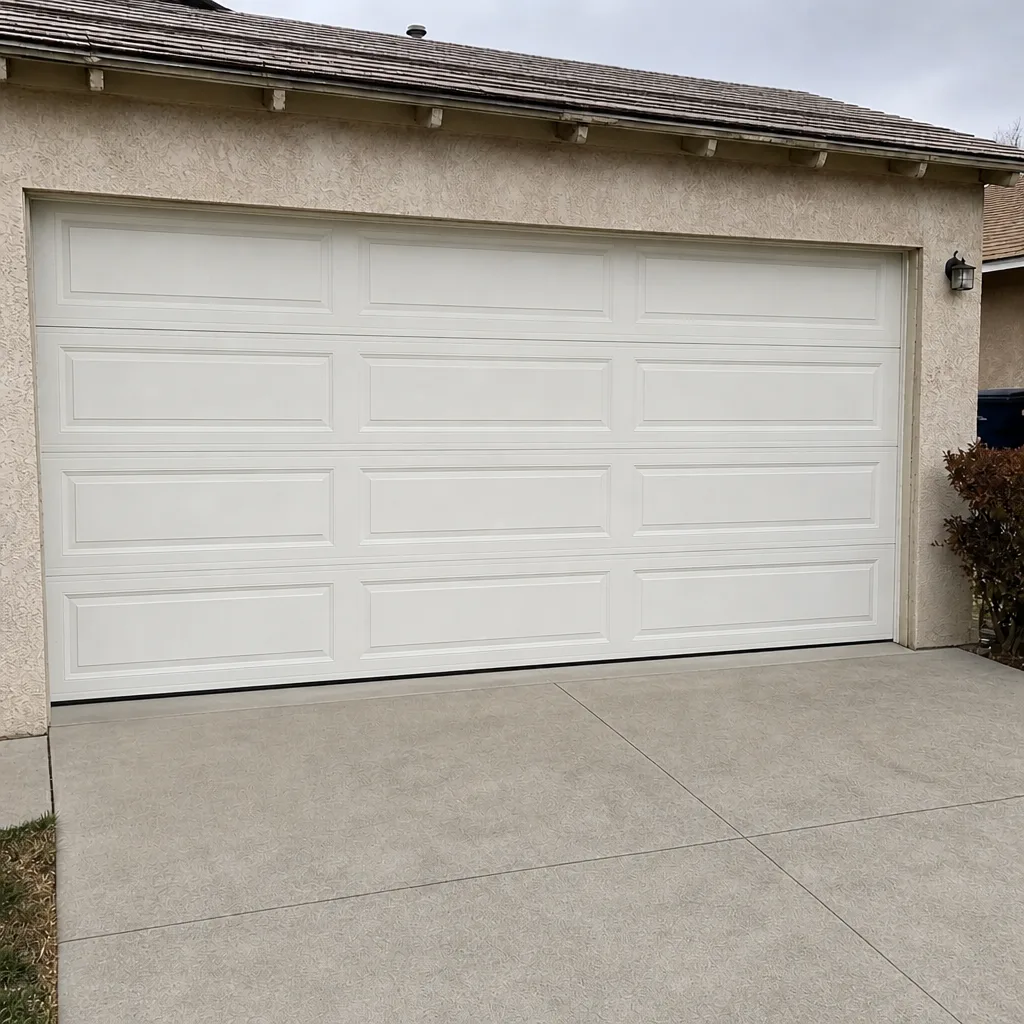 After