
Last updated November 17, 2026
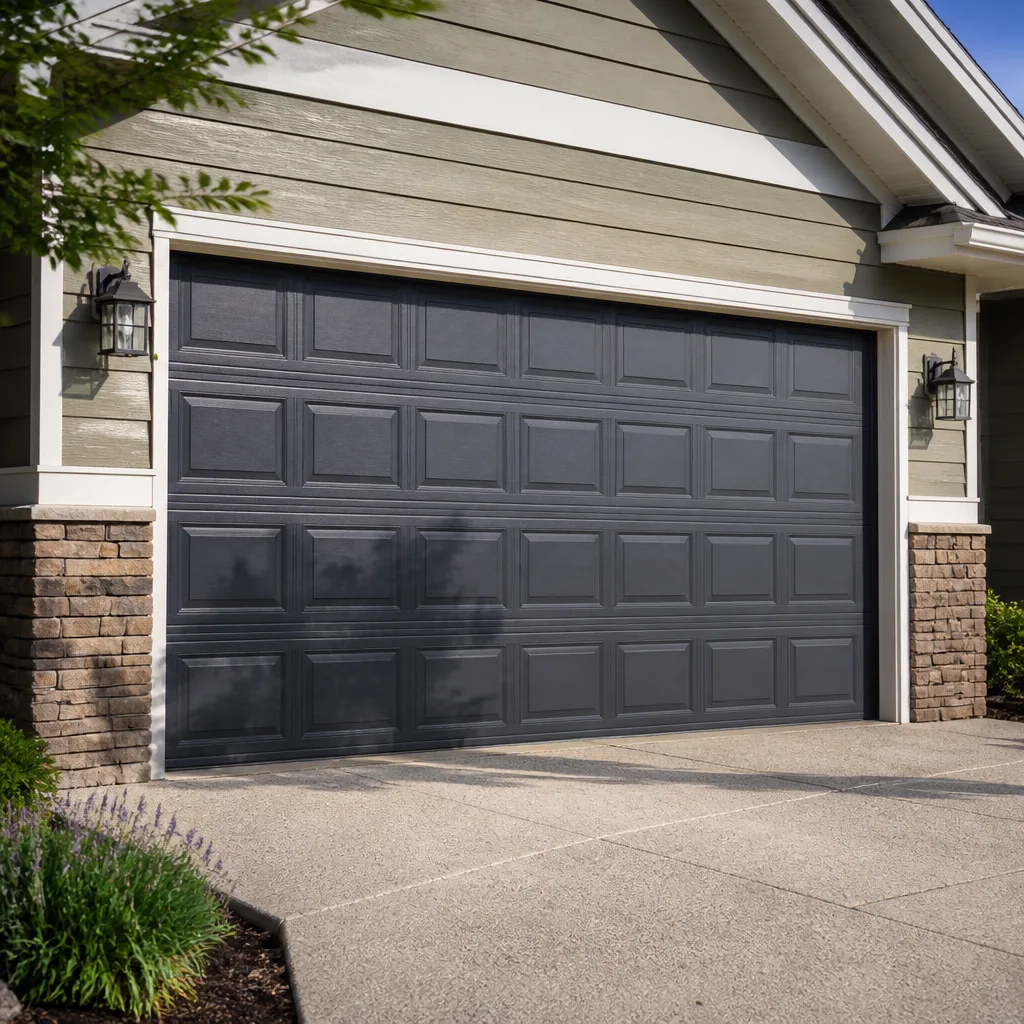 Raised-panel steel
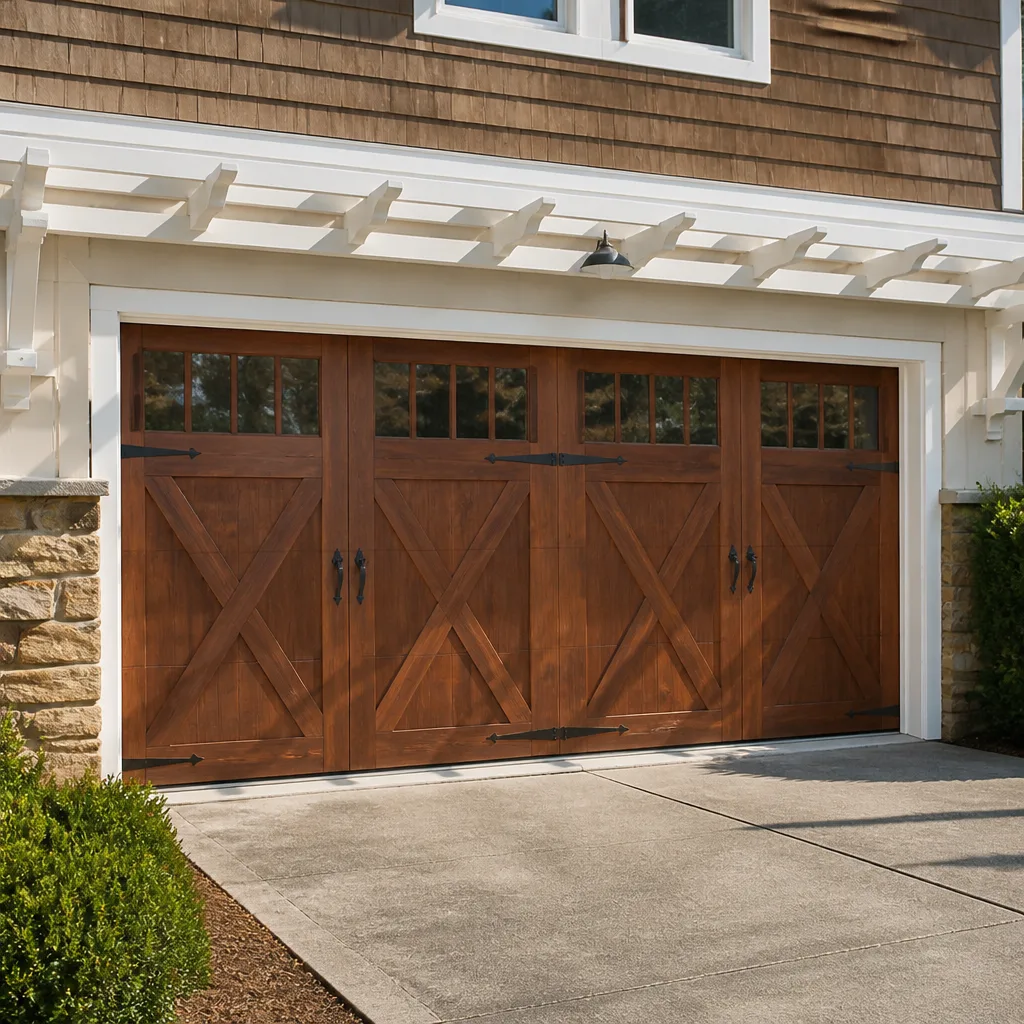 Carriage house
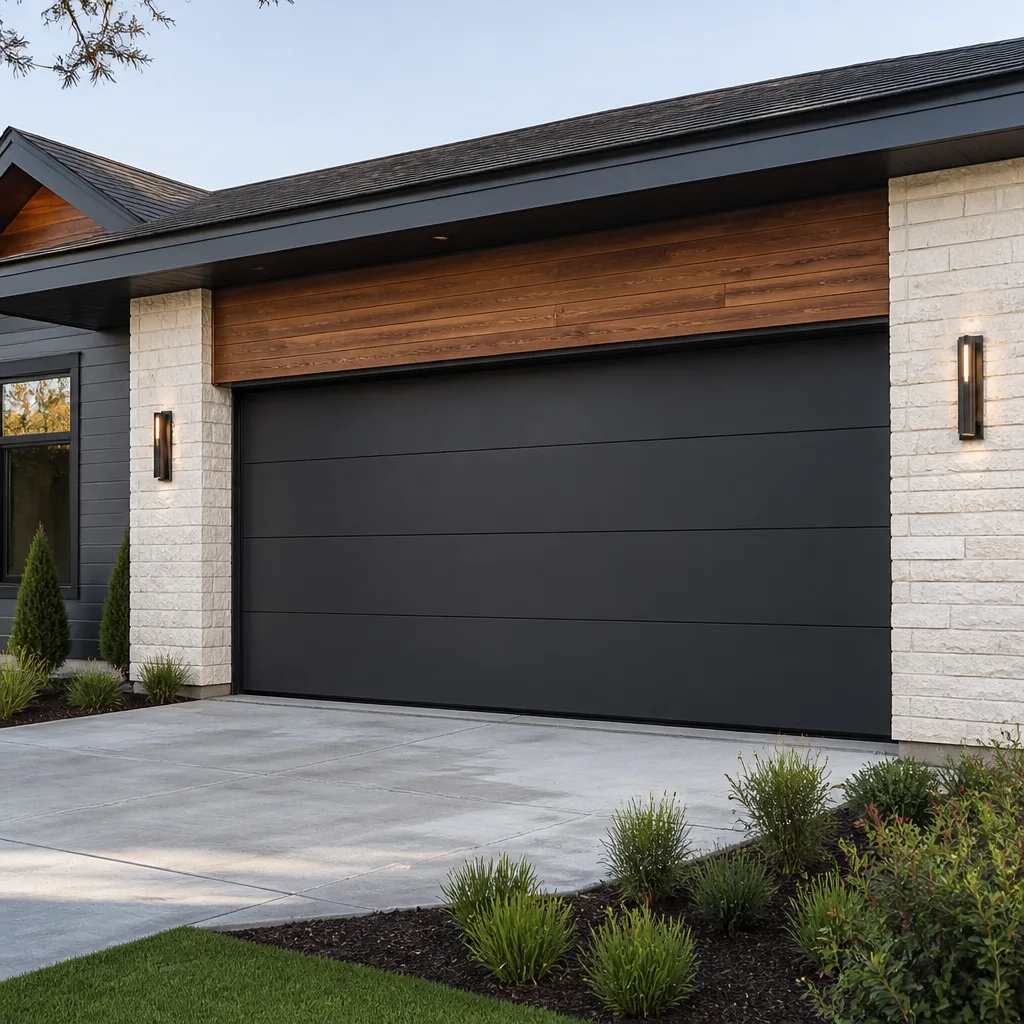 Modern flush
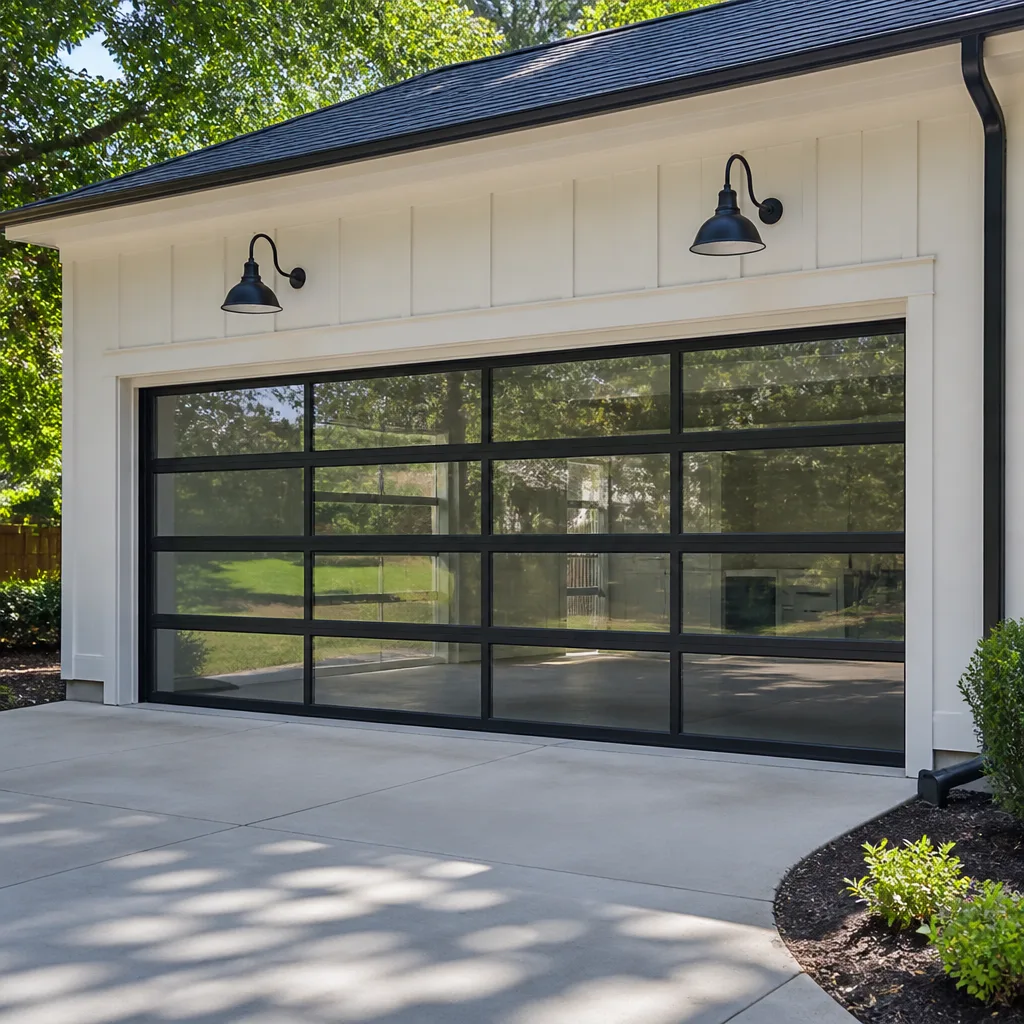 Full-view glass
 LiftMaster openers
 Chamberlain openers
Full 25-point door and opener safety check with every visit - springs, cables, rollers, tracks, and your LiftMaster or Chamberlain opener included
You get a price before we start. It does not change when the pro arrives.
Get your free estimateGarage Door Warning Signs: A Whitney Homeowner’s Reference Guide
Most garage door failures aren’t sudden. In our experience servicing doors across Whitney, the spring that snaps on a Tuesday morning started complaining six weeks earlier. It told you. It just didn’t use words you recognized. A door that takes two extra seconds to open than it did last month isn’t “getting old” – it’s a measurable symptom of a specific mechanical condition, usually a failing torsion spring or a worn roller bearing, that will produce a full stop within 30 to 60 days if nothing is done. This guide maps each sound, movement, and visual change to the component behind it and tells you how urgent it actually is.
Quick Answer
The most important garage door warning signs are a door that opens unevenly or slows down, grinding or snapping noises during operation, a door that won’t stay halfway when you lift it by hand, visible sagging or bent panels, and springs that look stretched or show a visible gap. Any sign that affects balance, cables, or springs is an active safety hazard and warrants same-day service – call Mainspring Garage Door Co. Whitney at (844) 797-9248. Noise that comes and goes is usually a monitor-it sign; anything involving cable fraying is a stop-using-it sign.
Styles & brands we work with
- Raised-panel steel
- Carriage house
- Modern flush
- Full-view glass
- LiftMaster openers
- Chamberlain openers
Table of Contents
- The Symptom-to-Cause Matrix: What Each Sign Predicts
- The Balance Test: The Single Most Diagnostic Check
- Monitor Signs vs. Active Hazards: The Line That Matters
- Why Whitney’s Temperature Swings Mimic Mechanical Failure
- The Noise Decoder: Grinding, Snapping, and Rumbling
- What to Look At Without Touching Anything
- How to Call a Technician and Get the Right Parts First Time
- The Spring and Cable Rule: Why This Is Not a DIY Job
The Symptom-to-Cause Matrix: What Each Sign Predicts
Different warning signs carry very different clocks. We’ve built this matrix from years of calls in Whitney, where the desert heat cycles a door two or three times as hard as coastal climates do. Match your symptom to the row below to understand what’s likely failing and how long you probably have.
| Symptom | Most Likely Cause | Typical Time-to-Failure |
|---|---|---|
| Door opens slower than before | Worn roller bearings or failing torsion spring | 2 – 8 weeks |
| Loud grinding during travel | Dry or worn rollers, bent track | 4 – 12 weeks |
| Loud snap or bang at the start of a cycle | Torsion spring break in progress | Days to 2 weeks |
| Door won’t stay halfway when lifted | Spring losing tension or a loose spring | 2 – 6 weeks |
| Door drifts down on one side | Uneven spring tension or a bent track | 2 – 4 weeks |
| Visible gap in either spring | Broken torsion spring | Immediate – stop using the door |
| Frayed cable visible on either side | Cable wear or a stretched drum | Immediate – stop using the door |
Use the ranges as a guide, not a promise. In Whitney’s heat, an already-stressed spring can fail faster than the estimate suggests. A door that snaps audibly at the start of a cycle is worth checking the same day, not next week.
The Balance Test: The Single Most Diagnostic Check
If you do one thing on this list, do this. The balance test tells you more about your door’s mechanical health in 30 seconds than any other homeowner-accessible check. It measures whether the spring system is still carrying the door’s weight evenly, or whether the opener motor is doing work it was never built to do.
- Close the door fully. Make sure no one is standing under it and nothing is in the path.
- Pull the red emergency release cord hanging from the opener carriage. This disconnects the door from the motor so you can move it by hand.
- Lift the door halfway by hand and let go gently at about waist height.
- Watch what it does. A healthy, balanced door stays put where you left it, or drifts very slightly. A door that drops more than a few inches on its own has lost spring tension. A door that sails upward on its own is over-sprung.
Either result is a warning sign. A door that drops says the torsion spring is weakening and the opener motor has been quietly compensating – until it can’t. In our experience, when a door fails to pass the balance test, the failure follows within weeks, not months. Re-engage the release by pulling the door up until it snaps into the carriage, then run one full open-and-close cycle to confirm normal operation.
Monitor Signs vs. Active Hazards: The Line That Matters
Not every warning sign carries the same weight, and treating them all the same wastes your time and money. Some symptoms are worth writing on the calendar, and some mean you don’t use the door again until someone has looked at it.
Monitor signs
- Gradual slowdown in travel speed
- Intermittent grinding or squealing that comes and goes
- Photo-eye lights flickering near sundown – often just a calibration issue
- A single loose hinge or roller
- Weather stripping peeling at the bottom edge
Active hazards – stop using the door
- Any visible gap in the torsion spring – the spring has already broken
- Frayed, kinked, or snapped lift cable
- Door hanging crooked or sitting off the track
- A door that falls to the floor when half-lifted
- Opener motor straining loudly and the door not moving
Torsion springs store an enormous amount of energy, and a broken spring or frayed cable can release that energy without warning. This is the safety line: any sign on the active-hazard list means the door stays closed until a trained technician has seen it. If you’re unsure which list your symptom belongs on, call (844) 797-9248 and describe it – a live person answers around the clock and can tell you in seconds whether to hold off or go ahead.
Why Whitney’s Temperature Swings Mimic Mechanical Failure
Whitney sits in a high-desert pocket where the daytime heat and the overnight cooling fight over your garage door every day. Steel expands in the afternoon and contracts at night, and torsion spring steel behaves the same way. That movement means some symptoms that look like failure are actually calibration drift – and telling the two apart saves you a needless service call.
In our experience, doors in Whitney develop two specific seasonal patterns. First, the opener’s photo-eye and limit switches can lose their reference point as humidity and heat swing, and the door stops at the wrong height or reverses for no clear reason. That’s a calibration issue, not a mechanical failure. Second, rollers and hinges dry out faster in the dry desert air, producing squeals and groans that sound worse than they are. A $89 seasonal tune-up with fresh lubrication and a limit-switch reset usually silences both.
Calibration drift vs. mechanical failure
- Calibration drift: the door travels fully but stops slightly high or low, or reverses near the top. Same symptom at every time of day.
- Mechanical failure in progress: the door slows down over weeks, sags on one side, or grinds louder the longer you run it. Symptoms get worse with each cycle.
- Normal heat behavior: door is slightly noisier in the afternoon but returns to normal overnight.
If your symptom only shows up in the heat or only in the cool of morning, call it in as a possible calibration issue. If it’s there every cycle, treat it as mechanical.
The Noise Decoder: Grinding, Snapping, and Rumbling
The specific sound coming from your garage door is one of the best diagnostic tools you have. A trained ear can usually narrow the cause to two or three components before leaving the house. Here’s how to translate what you’re hearing.
A metallic snap or bang at the start of a cycle
This is the sound of a torsion spring breaking in slow motion. It’s the most urgent warning sign on the list. Stop using the door and call for same-day service. Don’t try to lift it by hand after the snap.
Grinding that gets louder each cycle
Usually worn roller bearings or a bent section of track the rollers are scraping against. Left alone, this wears the hinges thin and can eventually jump the track. A roller replacement and track adjustment typically solve it.
A drum-like rumble
Often a loose opener mount or worn opener bushing. On LiftMaster and Chamberlain openers specifically, a loose rail can create this sound even when the door itself is fine. Sometimes it’s the opener, not the door.
A squeal or high-pitched squeak
Dry rollers, hinges, or springs crying out for lubrication. This is the least urgent sound but the one most easily fixed. A $89 seasonal tune-up is exactly for this.
Rhythmic clicking that stops when the door stops
Usually a small object trapped in the track or a broken hinge pin tapping as the door passes. Safe to inspect for, not safe to ignore for long – a hinge pin can drop out entirely and bind the door.
What to Look At Without Touching Anything
Some of the most important warning signs are visual, and you can spot them without touching anything under tension. A two-minute walk-around each season catches most of what we see on service calls in Whitney. Look, don’t grab.
- Springs: Look at the coil above the door. A healthy torsion spring looks tightly wound along its length. A visible gap in the middle means it has already broken. Same story on extension springs: a stretched-out coil or one that hangs longer than the other means replacement is due.
- Cables: Run your eyes (not your hands) along each cable. Fraying, kinks, or a cable drum that’s lost its wrap are all stop-using-the-door signs. Never reach into a cable under tension.
- Rollers: Check each roller where it meets the hinge. A flat spot, chipped nylon, or a roller that looks off-angle needs replacing.
- Panels: A small dent is cosmetic. A crack running from a panel edge toward a hinge is structural and can lead to a panel failing at some point.
- Seal at the floor: A gap along the bottom edge invites wind, dust, and – in Whitney especially – the occasional scorpion and pack rat. A torn seal is a sign to replace the weather strip, not the door.
- Hardware: Look for hinge plates that have pulled loose, brackets that have loosened their paint, or a track that’s separated from the jamb.
If you spot anything on this list, take a photo with your phone and send it in when you call. That visual shortens the diagnosis phone call considerably.
How to Call a Technician and Get the Right Parts First Time
Most second visits happen because the first call didn’t give the technician enough to work with. When you call Mainspring Garage Door Co. Whitney at (844) 797-9248, a live person answers – around the clock, not a phone tree – and the right questions get asked. Here’s what helps you help them.
- Door age and brand. “Clopay, installed sometime in the 90s” narrows the parts catalog fast. LiftMaster, Chamberlain, Genie, Clopay, Amarr, Wayne Dalton, Craftsman, and Raynor all have well-known failure patterns.
- The exact symptom, in plain words. “Grinds and slows down, worse in the afternoon” is better than “it doesn’t work right.” Afternoon-only problems point to heat expansion; consistent problems point to mechanical wear.
- Where the door stops. Does it fail at the same spot each time or only at the top? Limit-switch issues stop at a fixed point; balance issues show up everywhere.
- What you hear. Snap, grind, squeal, rumble – the noise decoder above gives you the words.
- What you can see. Photo of the springs, cables, and any visible gap.
- Door size. Most Whitney doors are 7 or 8 feet tall, but knowing the width (single vs. double) tells the technician which spring weight and roller count to bring.
When those six things come through on the call, the technician arrives with the right parts already loaded and most jobs finish in a single visit. No diagnostic trip, no waiting on a special order. That’s the whole point of our stocked vans and single-visit commitment.
The Spring and Cable Rule: Why This Is Not a DIY Job
Torsion springs and lift cables are the two components on any garage door that will hurt you if you try to handle them without training. The spring above your door carries the door’s entire weight, sometimes 200 pounds or more, under constant tension. When that tension releases incorrectly – as it can if you try to unwind a spring, adjust a cable, or force a wind-up – the energy lets go all at once, and the injuries we’ve heard about from homeowners in Whitney who tried it themselves are not minor.
The rule is simple: look with your eyes, listen with your ears, test the balance with the red release cord, and stop there. Springs, cables, drums, and any part of the door under tension belong to a trained technician. This is not caution for its own sake – it’s the difference between a scheduled repair and an emergency room visit.
Common Mistakes to Avoid
- Waiting for the door to fail completely. A grinding roller is a $40 fix in our shop; a failed door that’s been running on a bad roller for two months is a full track and hinge job. Catch it early.
- Skipping the balance test because the door “still opens.” The opener can mask a failing spring for weeks. By the time it stops opening, you’re already past the warning window.
- Adjusting the torsion spring yourself. Repeating this because it matters: the spring above your door holds enough tension to break a winding bar and break a wrist. Leave it to a journeyman.
- Assuming desert heat means a mechanical problem. A door that only fails in the afternoon is usually calibration drift, not a broken component. A tune-up solves it for $89 – cheaper than a full repair.
- Ignoring a frayed cable. In Whitney’s dry air, cables oxidize and fray faster than most people expect. A frayed cable is a stop-using-the-door signal, not a “call when you get around to it” signal.
- Calling the cheapest bid you can find. The low bid usually arrives without the right spring weight on the truck, and you get a second visit and a second bill. Ask what’s included before you commit.
- Not telling the technician what you’ve observed. A three-sentence description of the sound, timing, and location of the failure is worth ten minutes of diagnosis. Say it on the call.
See the difference
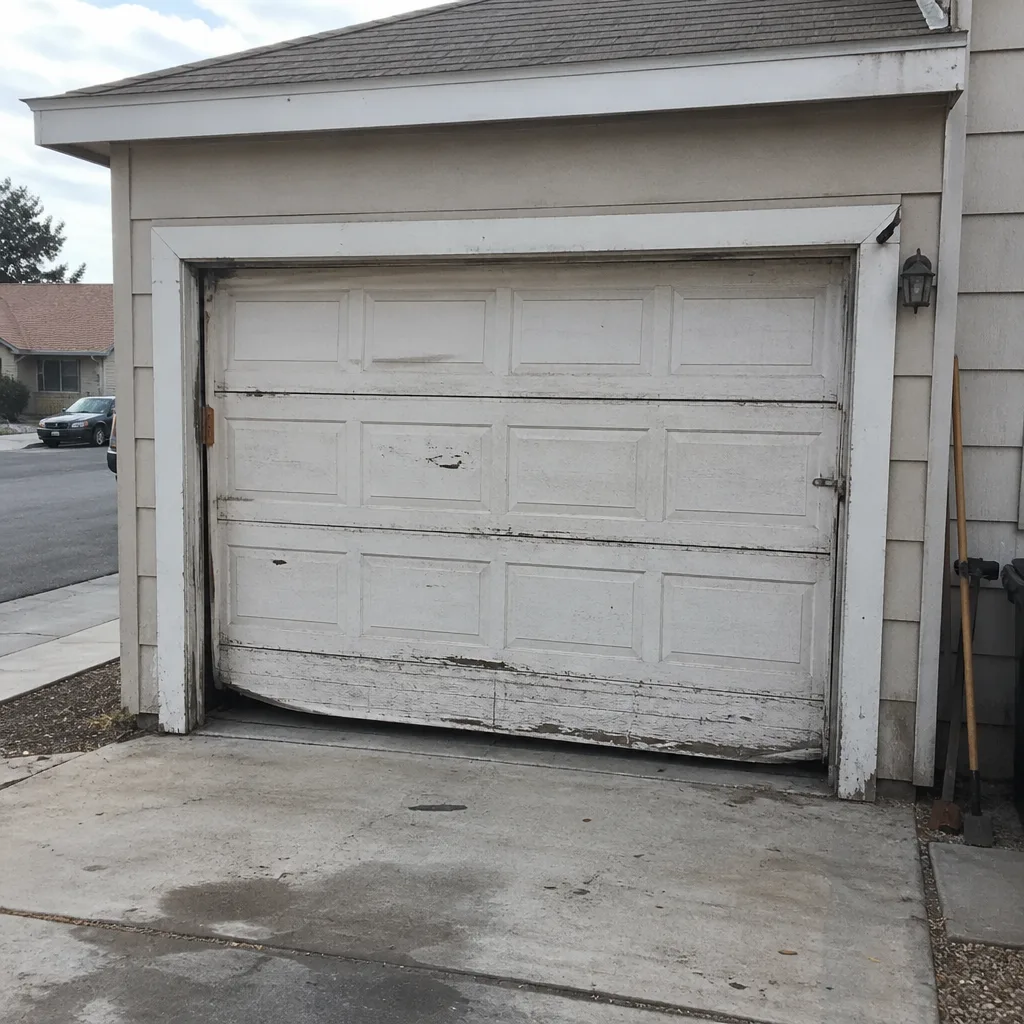 Before
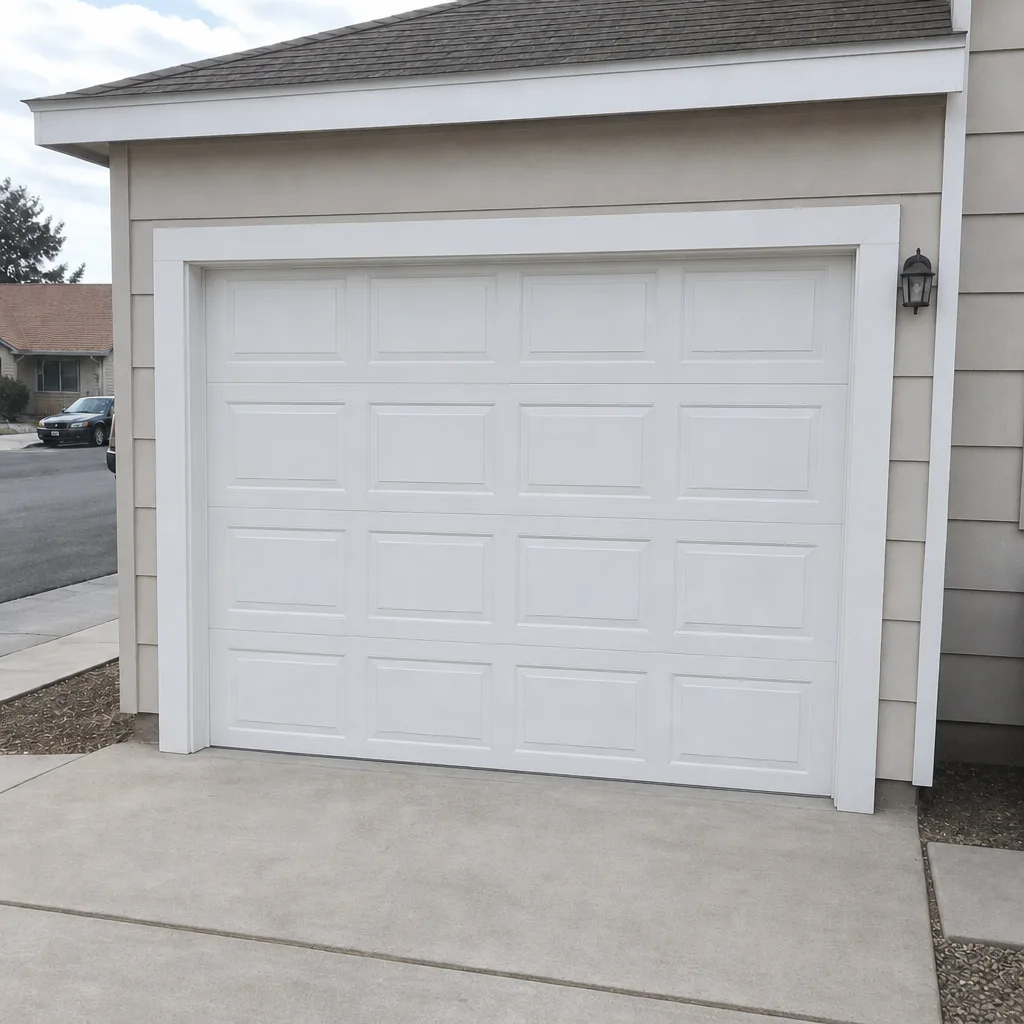 After
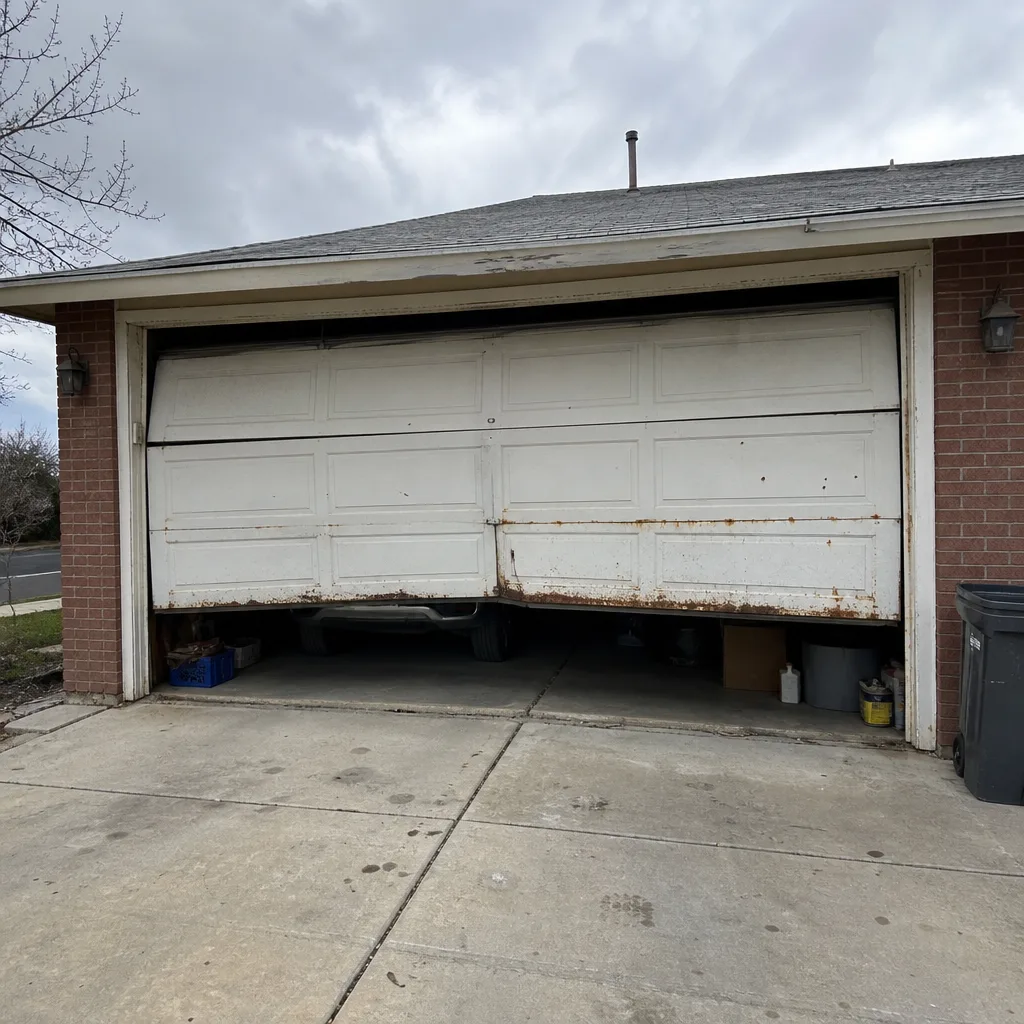 Before
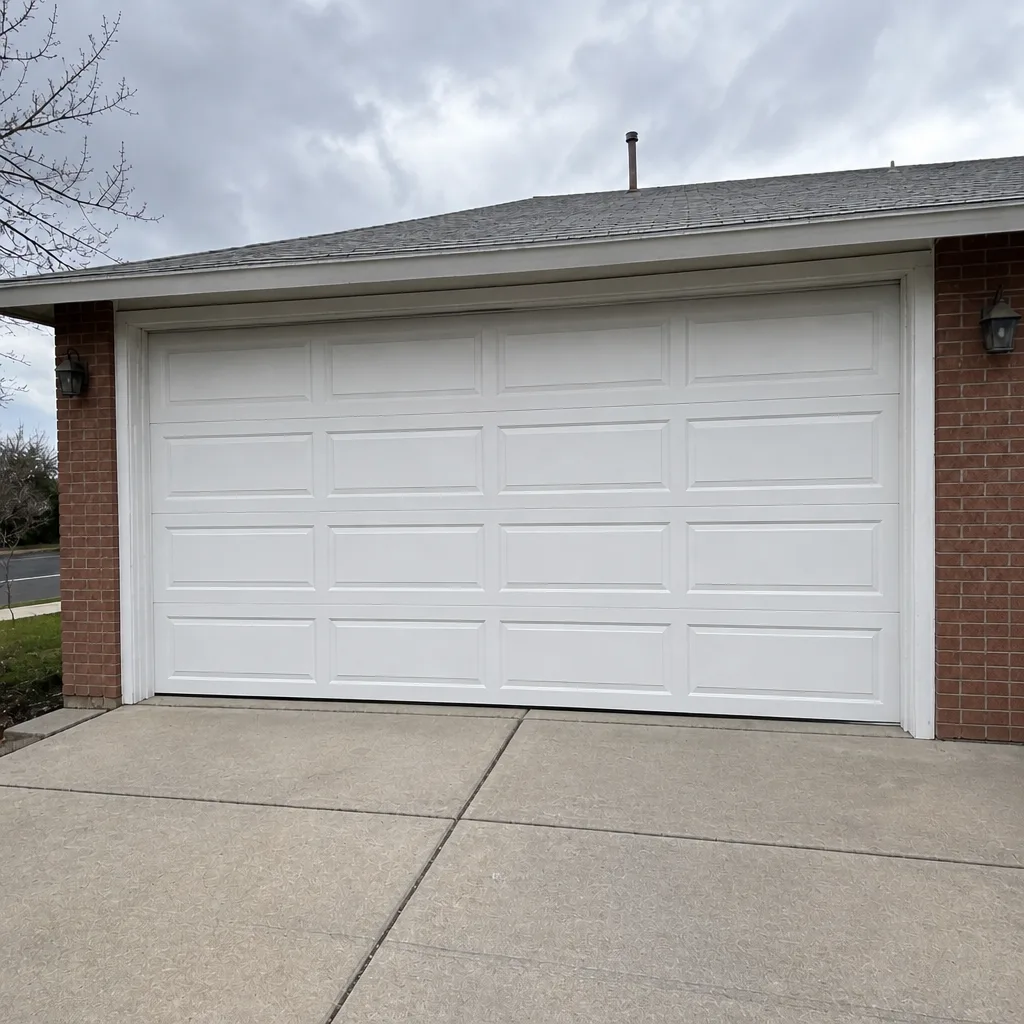 After
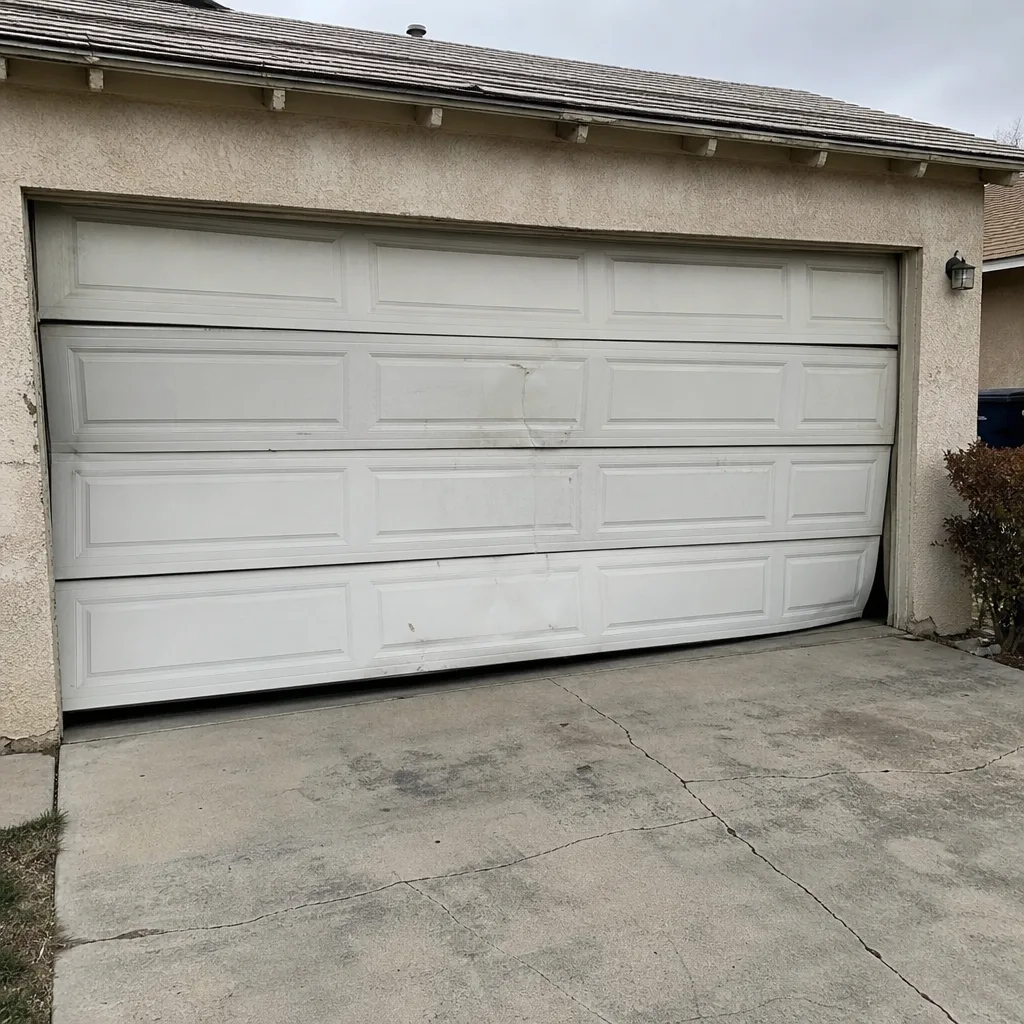 Before
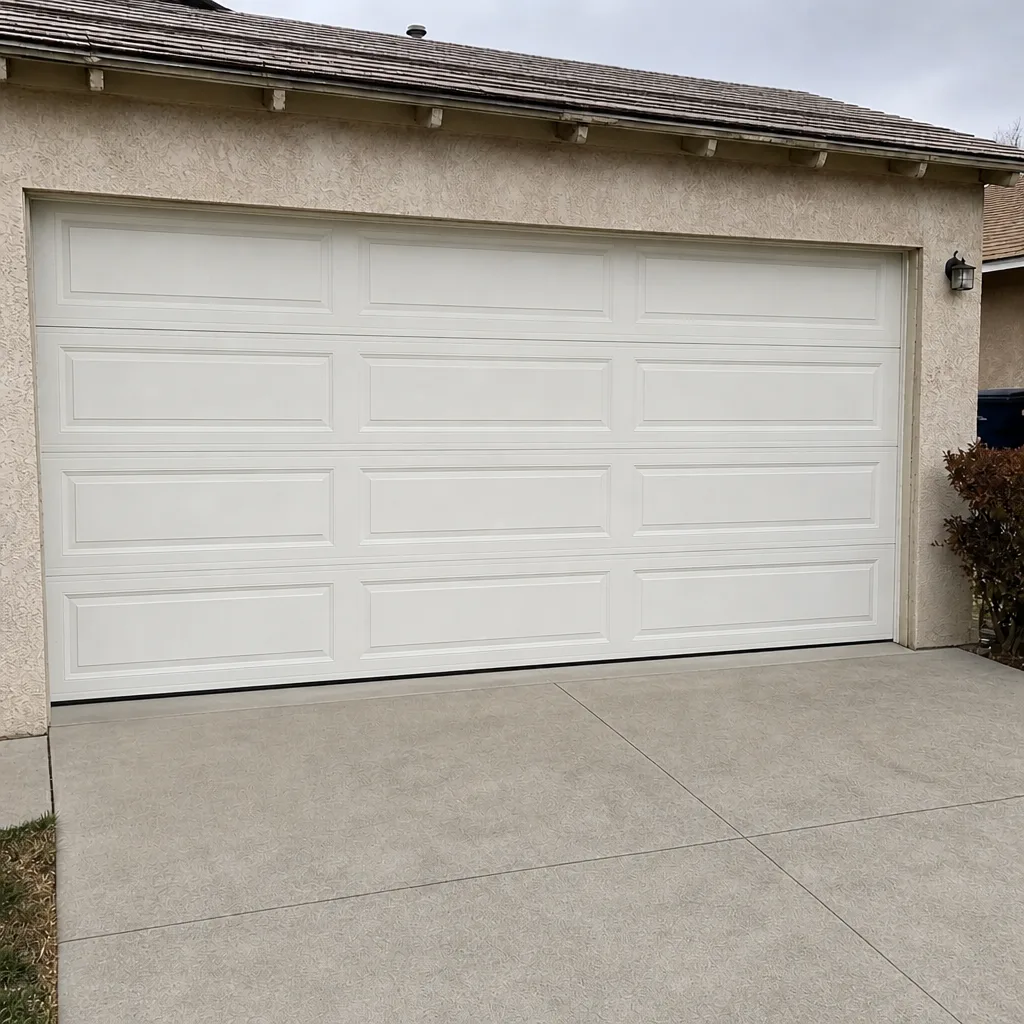 After
When to Call a Professional
Call a professional the same day for: any broken spring, any frayed or snapped cable, a door hanging off its track, a door that falls when lifted, or an opener that runs without moving the door. Call within the week for: grinding that gets louder each cycle, a door that drifts more than a few inches in the balance test, a panel crack at a hinge, or a door that’s slowed down noticeably over a month. For the second group, a scheduled repair is far cheaper than an emergency call at 11 p.m. Mainspring Garage Door Co. Whitney offers free estimates in Whitney – call (844) 797-9248. We answer live around the clock, and the price we quote is the price on the bill.
Frequently Asked Questions
Torsion spring replacement in Whitney typically runs $280 – $420 for a standard two-spring double door, and $180 – $320 for a single-door spring. The price includes the pair (replace both springs, not one), labor, and a written 90-day guarantee on the work. Call (844) 797-9248 for an exact quote – estimates are free.
Yes, for safety-hazard symptoms – broken springs, snapped cables, doors off the track, and openers that won’t move the door – we offer same-day service in Whitney and around-the-clock response. Call (844) 797-9248 and describe the symptom; a live person will tell you whether your door should be left alone until we arrive.
No. The flat price is quoted and agreed before any work begins, and that’s the price on the bill. If we find something additional during the work, we stop and tell you before doing anything that adds cost.
Yes. Every technician is background-checked, insured, and trained as a journeyman – technicians with up to 10 years of experience. Most carry the parts for a full repair already loaded, which is why most Whitney jobs finish in a single visit.
Sometimes yes, sometimes no. A slowdown that shows up in July and August but vanishes in the evenings and winter months is usually calibration drift, and a $89 seasonal tune-up with a limit-switch reset and fresh lubrication will solve it. A slowdown that stays steady across every cycle is mechanical wear, most often a worn roller bearing or a torsion spring losing tension. Call us with the timing – that’s the give-away – and we’ll tell you which one you’re dealing with.
We’re factory-familiar with LiftMaster, Chamberlain, Genie, Clopay, Amarr, Wayne Dalton, Craftsman, and Raynor, along with most other major brands. Whether you have a mid-90s Clopay panel, a newer LiftMaster belt opener, or a Genie chain drive, we can source the right parts and fit them the same day in most cases.
The Bottom Line
Your garage door is the largest moving object in your home, and it will tell you when something is wearing out – in sound, speed, or balance – usually two to eight weeks before it stops moving entirely. Trust the balance test. Read the noise. Keep cables and springs strictly on the “look, don’t touch” list. In Whitney’s heat, catch the small symptoms early and you’ll spend $89 on a tune-up instead of $450 on a mid-summer emergency. Read our Mainspring Garage Door Co. Whitney home page for how we work, see garage door repair in Whitney for the full repair menu, and browse garage door installation in Whitney if your door is past its service life. If the opener is the symptom rather than the door, start with garage door opener in Whitney.
Ready to Get a Straight Answer?
When a warning sign turns into a real repair, call (844) 797-9248 for a free estimate. A live person answers around the clock, the flat price is quoted before any work begins, and every job is backed by our 90-Day Done Right Promise in writing. A square deal, no surprises on the bill – that’s how we’ve been doing it in Whitney, and how we’ll be doing it the next time your door needs us.
Written by the team at Mainspring Garage Door Co. Whitney.