
Last updated November 17, 2026
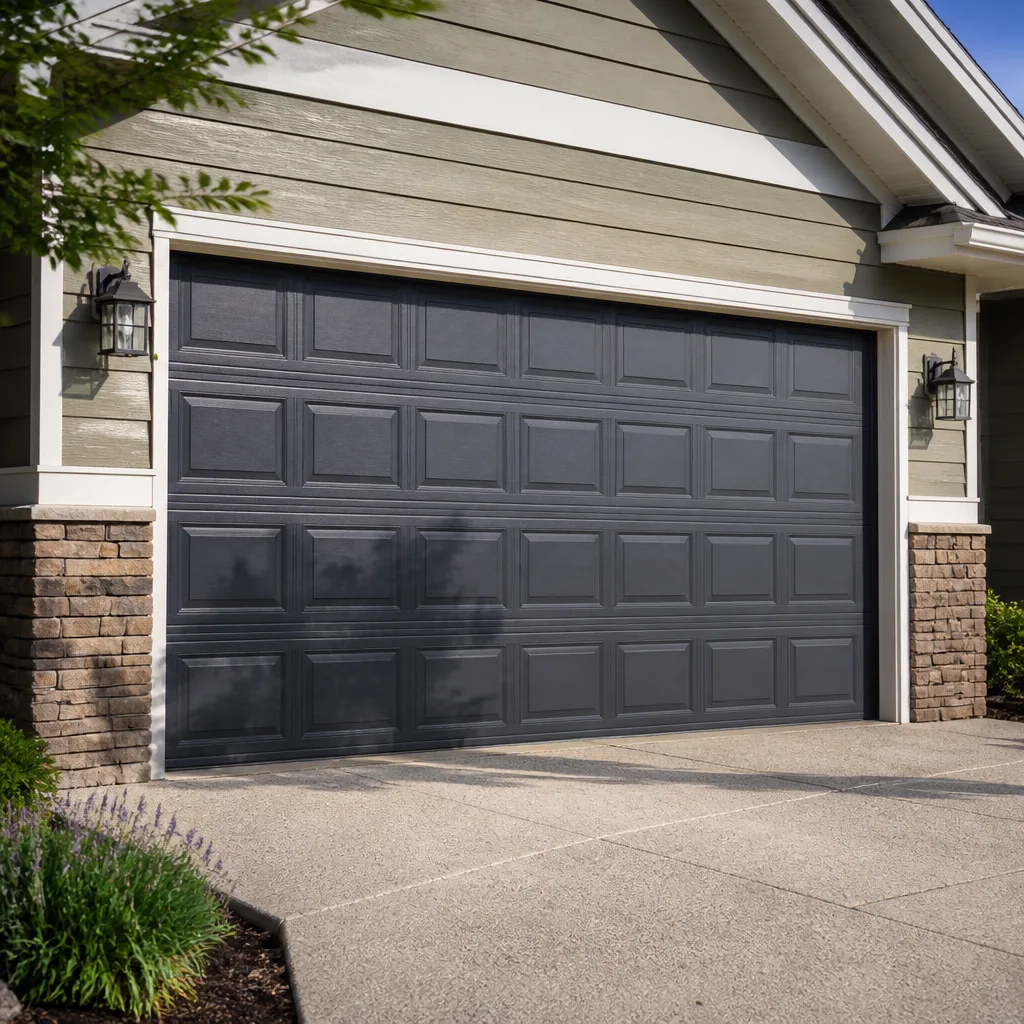 Raised-panel steel
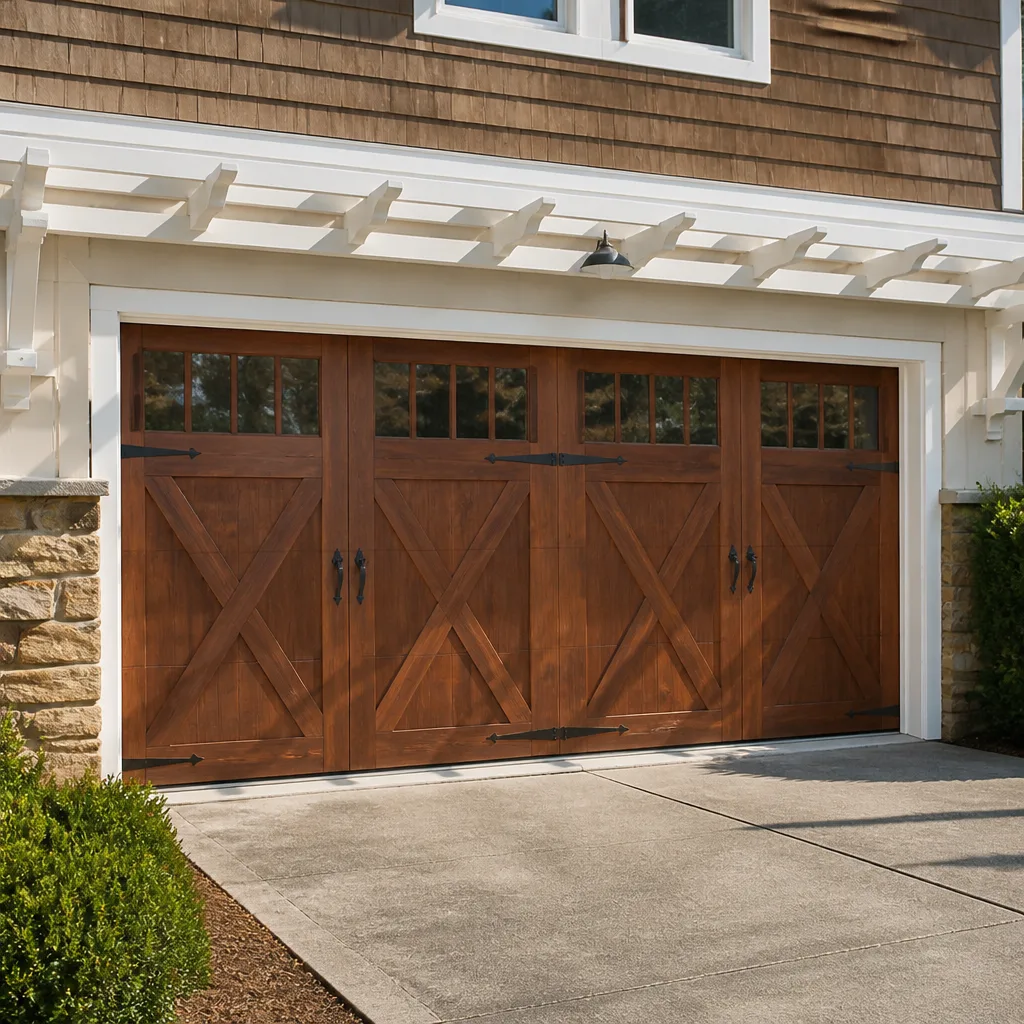 Carriage house
 Modern flush
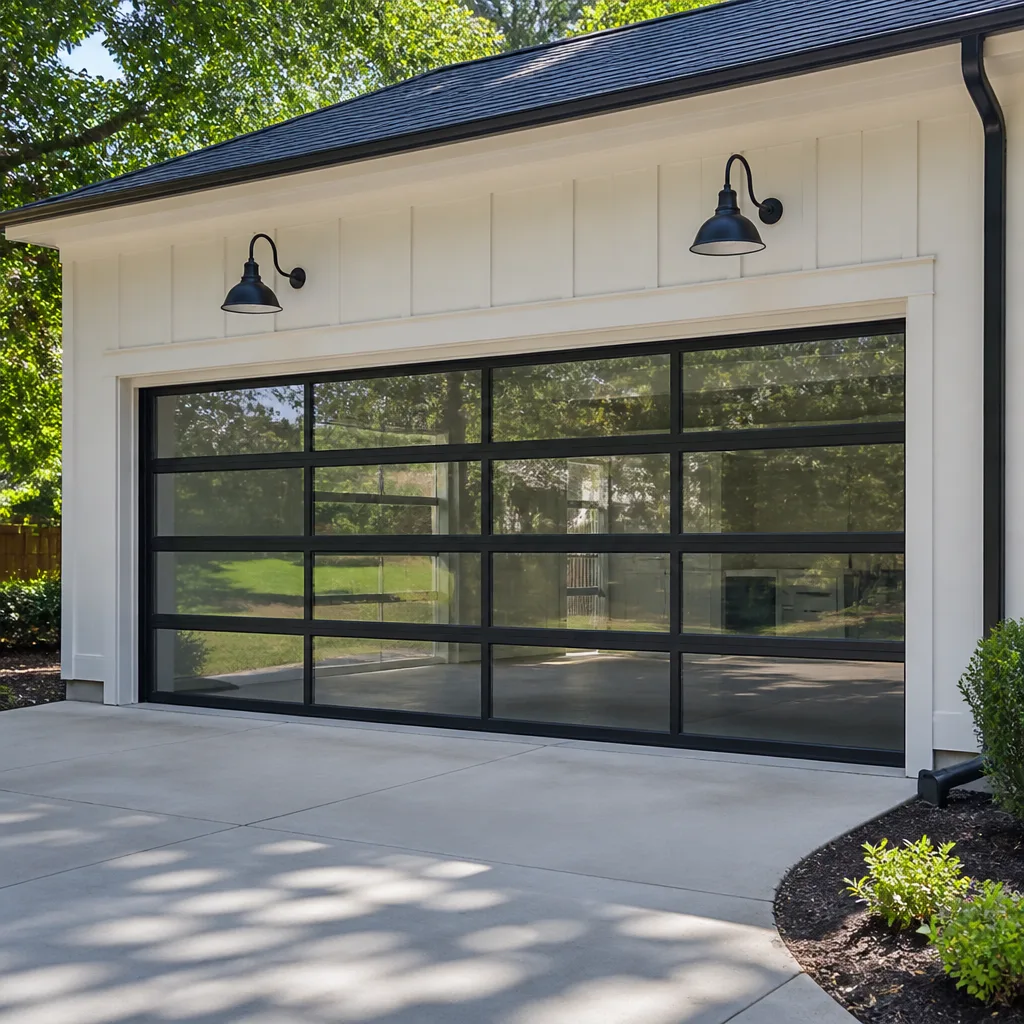 Full-view glass
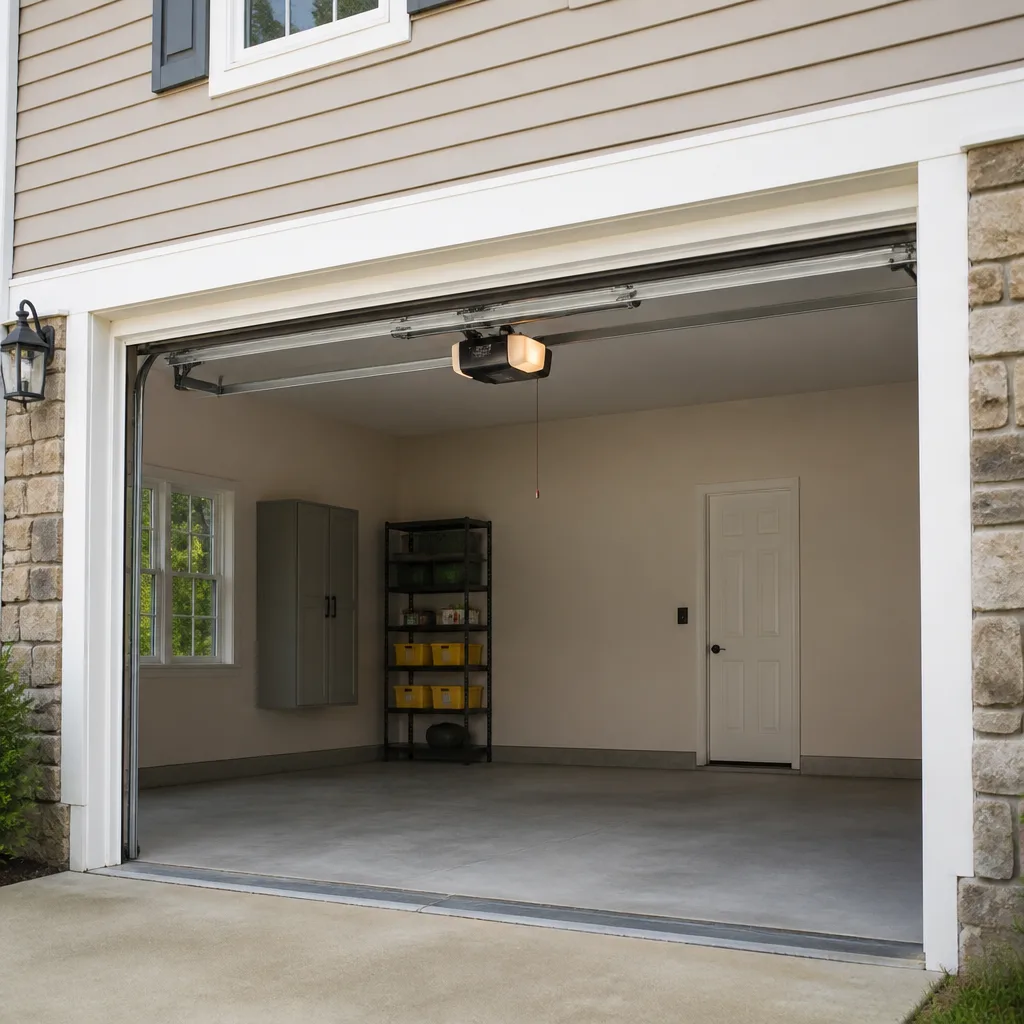 LiftMaster openers
 Chamberlain openers
Full 25-point door and opener safety check with every visit - springs, cables, rollers, tracks, and your LiftMaster or Chamberlain opener included
You get a price before we start. It does not change when the pro arrives.
Get your free estimateDIY vs Professional Garage Door Repair: What’s Safe to Do Yourself
A fully wound torsion spring holds roughly the same stored energy as a rifle round. That is not a scare tactic. It is the reason the serious injuries in this trade happen to people who had done it a hundred times before, not to beginners. Comfort is the hazard. Your garage door is a system under constant tension, and the question of what you should handle yourself has almost nothing to do with how handy you are. It has to do with what’s holding the load. This guide draws that line clearly, so you can self-triage in Whitney or anywhere else with a clear head: what to touch, what to leave alone, and what a mistake costs.
Quick Answer
Any task that puts you in contact with the springs, cables, or the brackets that hold them is professional work, full stop. A careful homeowner can safely handle the door’s travel path: lubricating rollers, tightening bolts, replacing a weather seal, aligning a safety eye, or swapping a battery in the remote. In short, if a component stores energy or the door’s weight rides on it, call a trained technician. Everything else is fair game.
Styles & brands we work with
- Raised-panel steel
- Carriage house
- Modern flush
- Full-view glass
- LiftMaster openers
- Chamberlain openers
Table of Contents
- Why Stored Energy, Not Skill, Sets the Line
- What a Careful Homeowner Can Safely Do
- What Requires a Trained Technician
- Tools for Safe DIY Work, and the One Bad Substitute
- Inspecting and Tightening Hardware Without Touching the Springs
- What a Homeowner-Caused Mistake Costs vs. Doing It Right
- How to Verify Spring Work Without Touching Anything
- Common Mistakes to Avoid
Why Stored Energy, Not Skill, Sets the Line
A torsion spring does one job: it carries the entire weight of the door. When you raise a 150-pound sectional door up a track, your arm is only strong enough because the spring is doing most of the lifting. Winding that spring packs energy into the steel. When you release that energy on purpose, it moves the door smoothly. When you release it by accident, it moves whatever is in its path.
That is the whole thesis. The DIY question is not “am I skilled enough?” It is “does this part hold load?” A spring, a cable, and the brackets anchored to the wall plate all hold load. The rollers, hinges, and track do not hold the door’s weight the same way. They carry it along the path, but they don’t store it. That distinction lets any homeowner self-triage with confidence.
Here in Whitney, the dry desert air and summer heat work against you. Heat cycles expand and contract the steel; springs lose tension faster, and the metal fatigue shows up in the summer months. In our experience, the calls that come in during July and August are often doors that were already under extra strain by June. A door that suddenly feels heavy or won’t stay closed is telling you something has slipped. Don’t push it until you know what.
What a Careful Homeowner Can Safely Do
These are jobs a reasonably careful homeowner can take on. They keep you clear of stored energy and respect the door’s load. We’ve seen plenty of Whitney homeowners handle all of them without a call, and the doors run quieter when they do.
- Lubricate moving parts. A few drops of garage-door lubricant on the rollers, hinges, and track keep things quiet and slow wear.
- Tighten bolts and track fasteners. Loose hardware rattles and wears. Hand-tighten what you can reach with a socket set. Check with a torque spec if you have one.
- Replace the bottom weather seal. A worn seal lets desert dust and wind-blown sand into the garage. It’s a simple swap that needs no load removal.
- Adjust the door’s travel limits. On a LiftMaster or Chamberlain opener, the up and down limit screws are accessible and safe to adjust once you know how.
- Replace the opener remote or battery. No tension involved. Just match the brand and follow the manual.
- Align the safety photo-eye. If the door reverses for no reason, the eyes are often misaligned or dusty. Wipe them off and re-aim.
- Clean the tracks. Wipe dirt and debris off the track surfaces. Don’t bend or force them.
Nothing on that list stores a spring’s worth of energy. The moment you reach for a winding bar or start loosening a bracket, you’ve crossed out of this column.
What Requires a Trained Technician
These parts store or transfer the door’s full weight. That makes them a job for someone trained to work under load with the right tools and a spotter. Whitney’s building codes and the physical demands of the job combine here, but physics is the real reason.
- Replacing torsion or extension springs. The spring is the single most dangerous part on the door. Any spring replacement needs proper winding bars and a controlled release. Never do this yourself.
- Adjusting spring tension. Even a small tweak means handling stored energy. If the door feels heavy or slams, a technician needs to balance it.
- Replacing or tightening cables. Cables are under tension the moment the spring is wound. They can snap and whip without warning.
- Replacing the wall plate or spring anchor. The bracket that holds the spring to the wall carries the full load. Loosening the wrong bolt drops the whole system.
- Replacing the center bearing plate or shaft. These hold the torsion shaft in place. They are load-bearing and must be supported before removal.
- Replacing the opener drive assembly. On a Genie or LiftMaster, the opener itself carries some load and needs proper adjustment and safety testing once installed.
- Replacing drums and the bottom bracket. The bottom bracket is where the cables attach to the door. It’s under constant tension and is a known hazard for amputations if mishandled.
We’ll be straightforward: garage door springs and cables are the parts that hurt people. The homeowner who touches them, even carefully, is gambling with the highest stored energy on the property. Mainspring Garage Door Co. is named for that spring because it carries the door’s weight. We know the physics viscerally.
Tools for Safe DIY Work, and the One Bad Substitute
The right tools make safe jobs safer. These are the basics for the homeowner tasks above:
- A socket and wrench set that fits the door’s hardware
- Garage-door lubricant (not WD-40 for the tracks, use a proper lubricant)
- A sturdy stepladder, rated for your weight
- Work gloves with grip
- Safety glasses always, even for a quick job
- A flashlight or headlamp for the dark corners of the garage
- Manufacturer manual for your opener brand (LiftMaster, Chamberlain, Genie all publish theirs)
And the one improvised substitute that causes most amateur injuries: using a screwdriver or a modified bar instead of a proper winding bar. When the spring lets go under a screwdriver, the tool slips and the uncontrolled energy goes wherever the spring takes it. If a job needs a winding bar, it is a technician’s job. That tool substitution is the moment most of the survivable-but-serious injuries in this trade begin.
Inspecting and Tightening Hardware Without Touching the Springs
You can do a safe monthly inspection with a flashlight and your eyes. The rule is simple: look at and touch only what you can reach without going near the spring, cable, or wall plate. This is the same pass we do on a tune-up in Whitney.
- Open the door fully and check the rollers. Wobbly rollers or flat spots need tightening with a socket.
- Check the hinges where the door panels meet. Loose hinge screws will pull loose from the panel over time. Hand-tighten.
- Look at the track for dents, bends, or gaps. Don’t try to straighten a bent track with a pry bar. That deforms it further.
- Inspect the bottom seal and weather stripping. Replace if cracked or torn.
- Wipe the safety photo-eyes with a soft cloth. Make sure they’re aimed at each other across the door opening.
- Tighten any wall-mounted brackets that are not load-bearing (like the opener rail supports). Leave the spring anchor plate alone.
Nothing here gets within arm’s length of the springs. If a bolt doesn’t move easily, or you hear a clunk when you take hold of it, stop and call. The Whitney heat loosens some fasteners faster than you might expect, so it’s worth looking at every spring.
What a Homeowner-Caused Mistake Costs vs. Doing It Right
Say a spring replacement from a professional runs a typical price range. If a homeowner tries it and the wound spring releases wrong, the resulting damage is rarely limited to the spring. A snapped cable can take a panel with it. A dropped door can bend a track. A bent shaft can shear the bearing plates. The repair cost then covers the original job plus all the collateral.
We’ve seen it in Whitney: the homeowner who tried spring work and wound up needing a full door replacement because a panel was crushed and a track was torn out. The professional cost would have been one service call. The mistake made it two, plus new parts. Here’s a rough look at the math:
- Original professional spring repair: one job, one price, done right.
- Homeowner spring attempt: original job + collateral panels + track + cables + possibly a whole new door.
- Additional repair fees: often the biggest line item after the original failed attempt.
This is the case where no-surprises pricing from a real pro beats an over-the-weekend attempt. When we quote a repair, we state the flat price before any work begins, so the bill is never a surprise. And if we get it wrong, the 90-Day Done Right Promise is written on the job: we come back at no charge, no arguing. That’s a square deal that an amateur can’t offer because an amateur doesn’t have the parts on the truck.
Need a written estimate? Call us for a free second opinion on any written estimate, and we’ll tell you plainly what’s a homeowner task and what isn’t. Or if you’ve found a failed spring, that’s straight to a repair visit.
How to Verify Spring Work Without Touching Anything
After a technician works on your springs, there’s a safe way to check the job without touching a thing. Here’s the visual checklist, and it works for any door in Whitney:
- The door opens and closes evenly, without a bang or a jerk.
- The spring looks like it’s holding tension and hasn’t pushed the door up on its own.
- The cables run straight and tight against the drums, with no slack or fraying.
- The bottom bracket and wall plate are solid and not leaning or loose.
- The door stays open at mid-height when you let go. If it drops, the spring is unbalanced.
- You hear no grinding, squealing, or screeching on the way up or down.
If any of those items is off, don’t touch anything. Call a trained technician. And ask for the written warranty before the job closes: Mainspring’s 90-Day Done Right Promise is printed, not remembered.
If you’re unsure what brand or model your door is, a look at your opener housing and the door’s panel label often tells you. We’re factory-familiar with all major brands, including LiftMaster, Chamberlain, Genie, and Clopay, so we can tell you a lot from a phone description.
Common Mistakes to Avoid
- Using a screwdriver in place of a winding bar. This is the single most common amateur injury. The tool slips, and the stored energy goes uncontrolled.
- Loosening the wrong bolt near the spring anchor. That plate holds the whole system and releases if disturbed. Leave it alone and measure the tension by eye.
- Skipping the safety glasses. A cable under tension can snap and spray. The eyes are the first thing to protect.
- Using the wrong lubricant. WD-40 on the tracks attracts dust; proper garage-door lubricant does the work. Whitney’s dusty air worsens the problem.
- Over-tightening the hardware. A strip of a screw thread is a pain to fix and often costs more than the original tighten. Snug, not gorilla.
- Ignoring a bent track. Forcing it back into place with a pry bar destroys the profile. It’s a technician job for a reason.
- Assuming the door stays put at mid-height. If it drops, the spring is unbalanced and under-tensioned. That’s a repair call, not a wait-and-see.
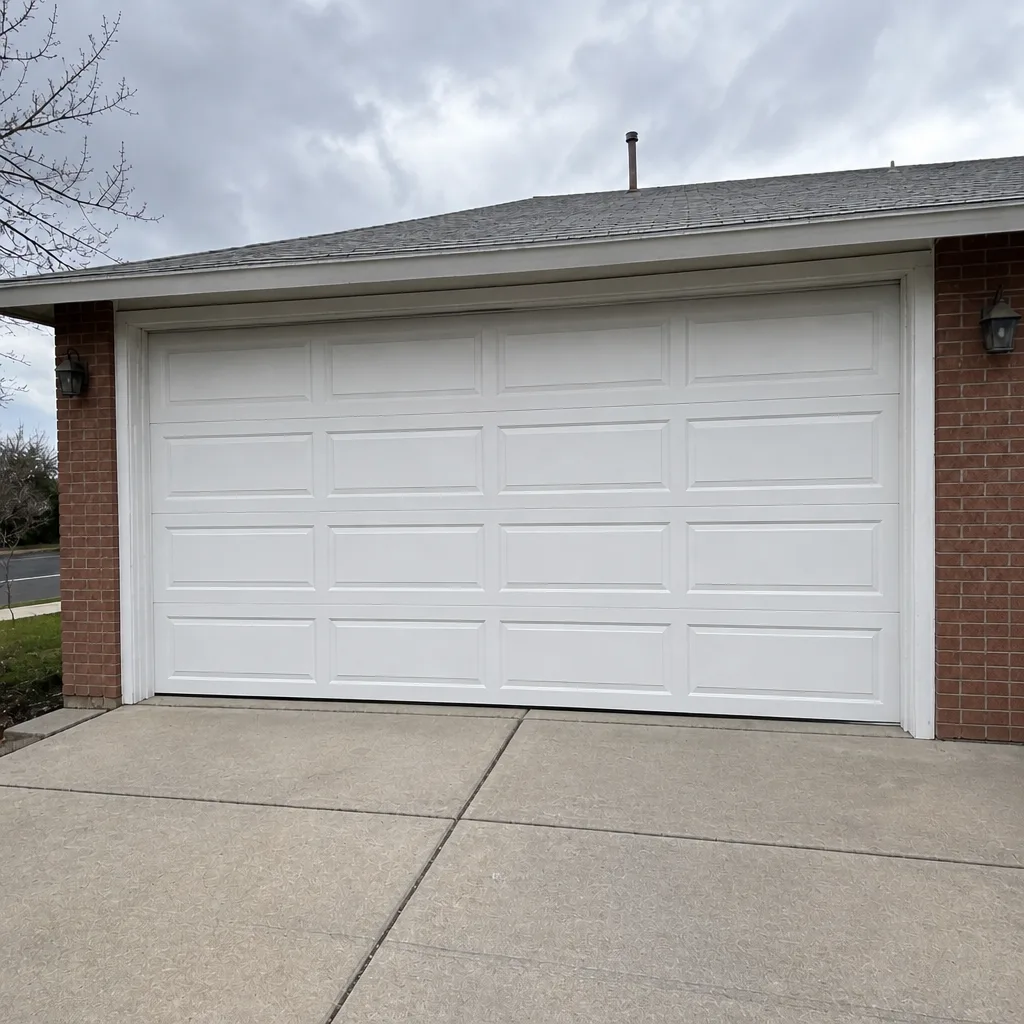
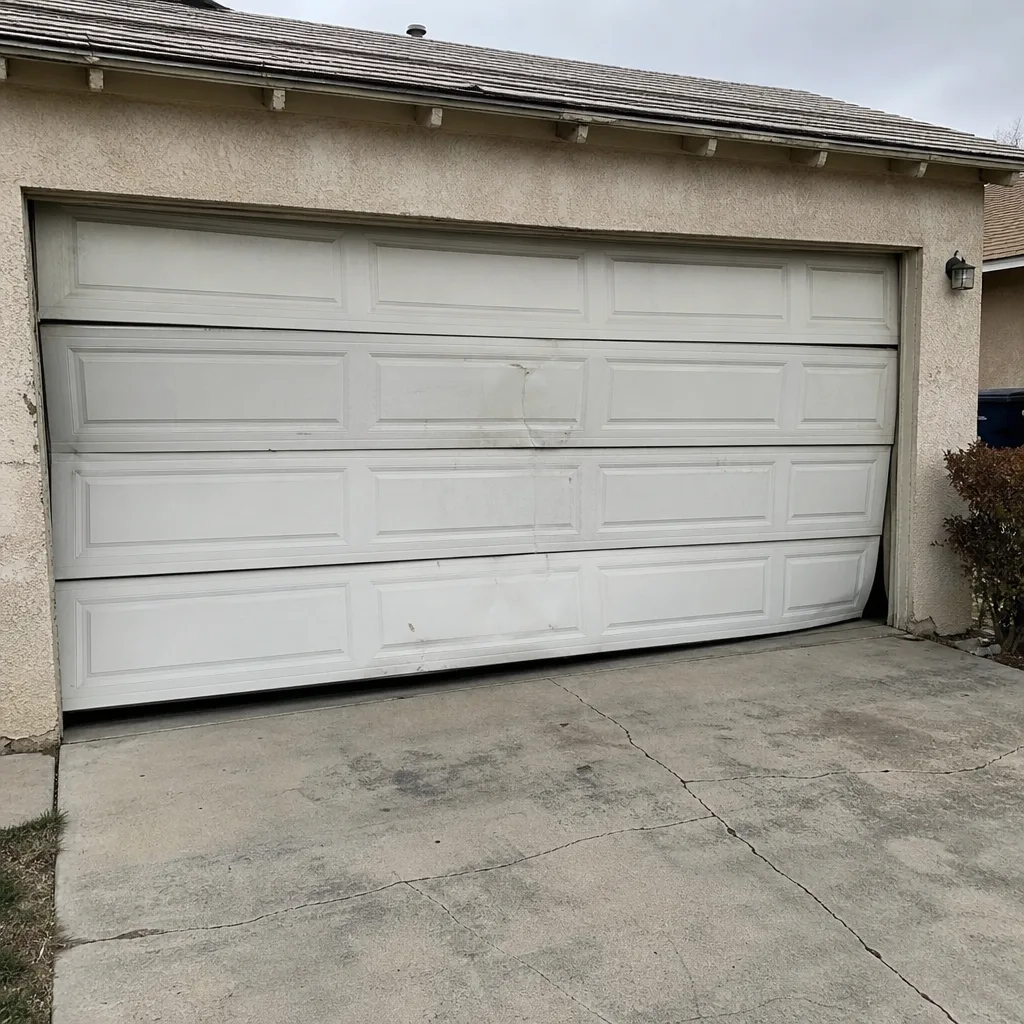
See the difference
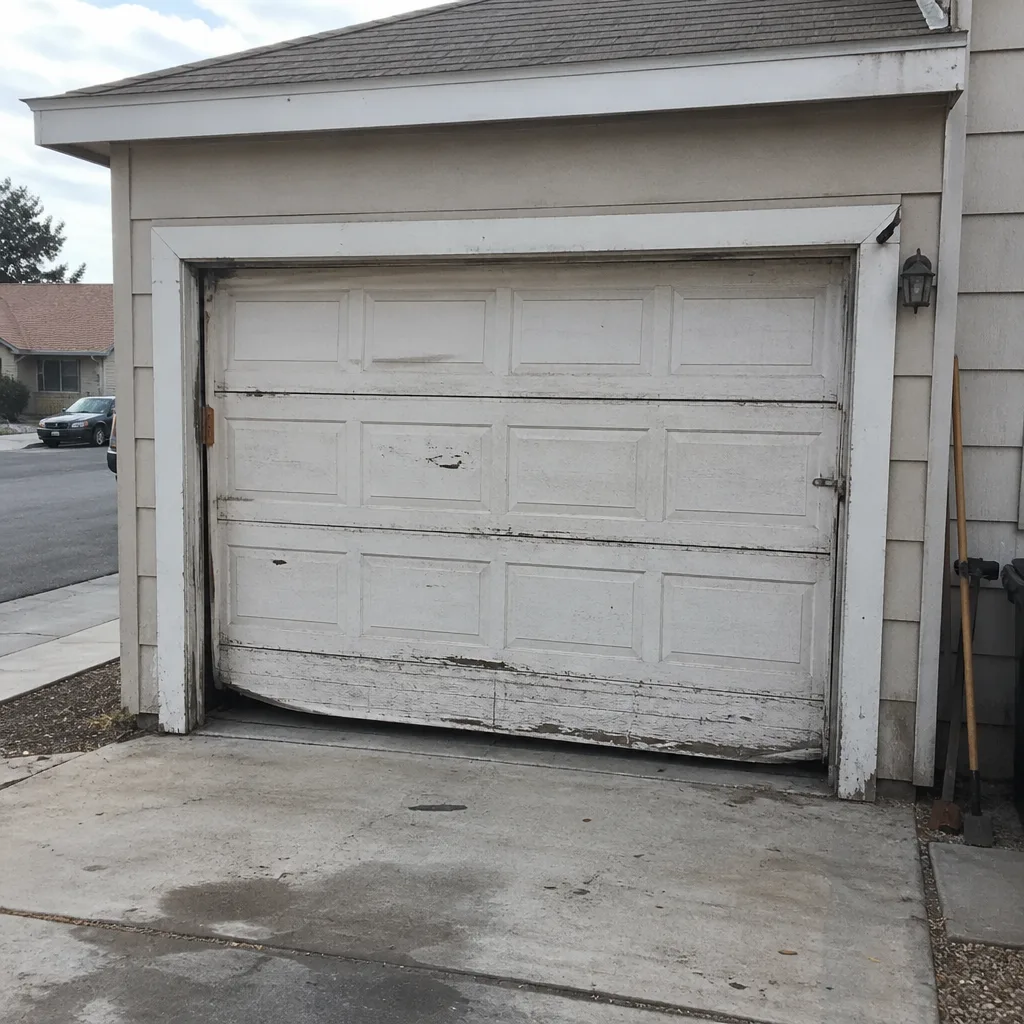 Before
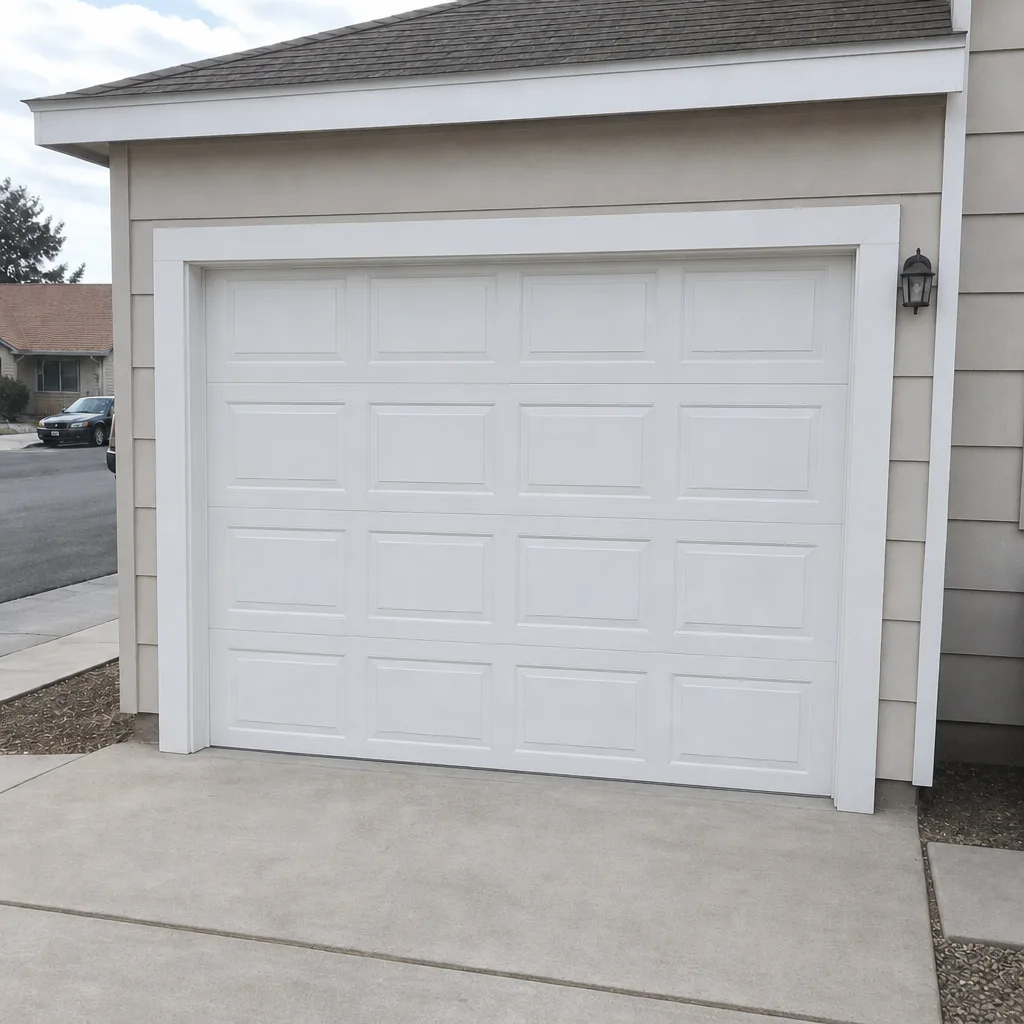 After
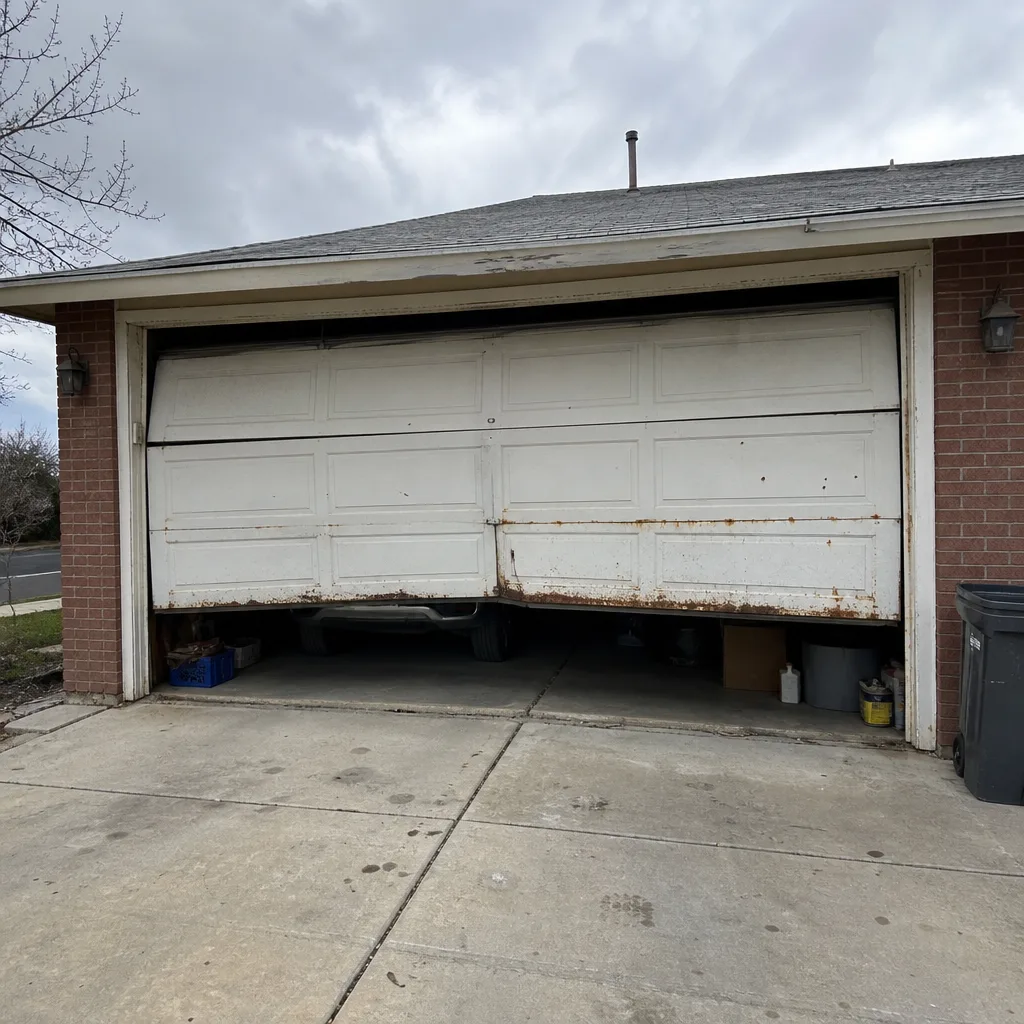 Before
 After
 Before
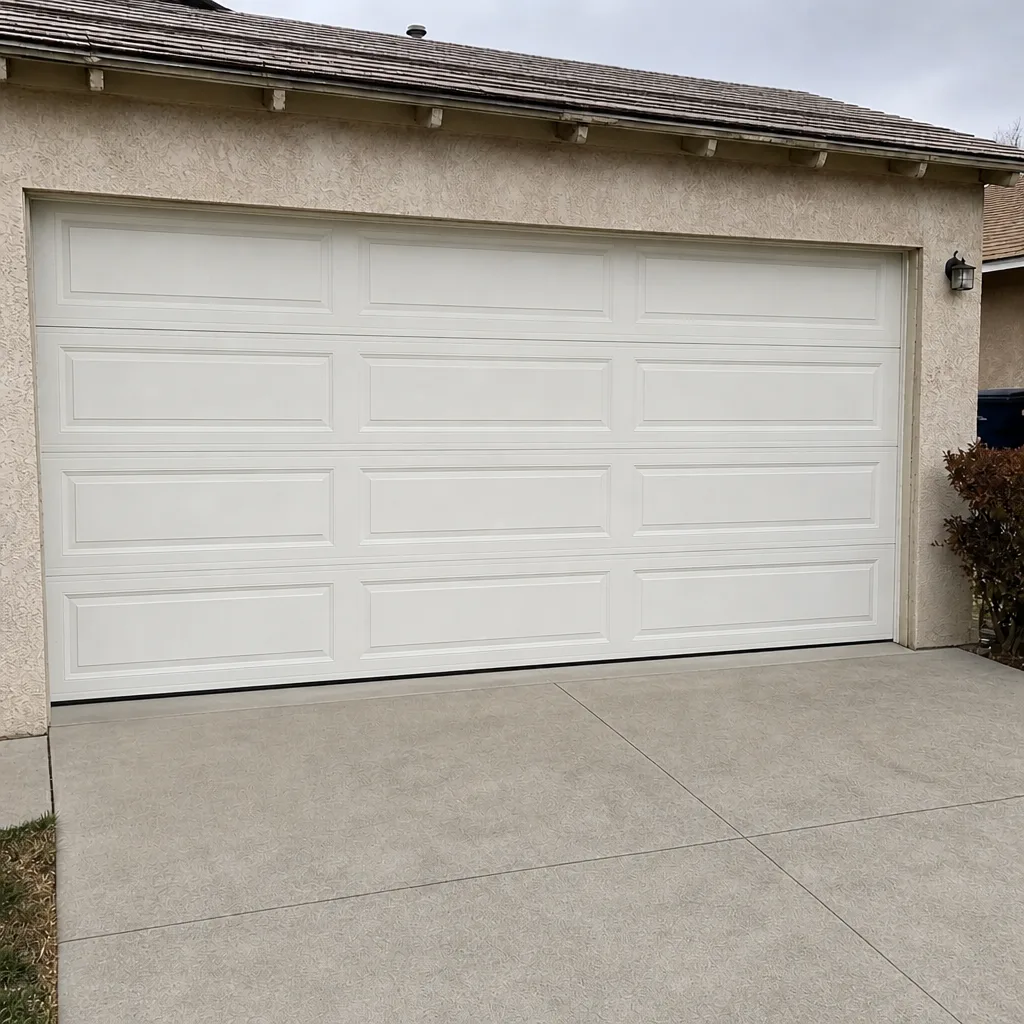 After
When to Call a Professional
Call a trained technician for anything involving a spring, cable, wall plate, center bearing, or bottom bracket. Call immediately if the door falls fast, if you hear a loud snap, if the opener reverses for no reason, or if the door won’t stay open at half-height. In Whitney, the summer heat adds strain, so a door that’s suddenly heavy in July is a repair signal. Mainspring Garage Door Co. Whitney offers free estimates in Whitney – call (844) 797-9248. Live person answers every call, and most repairs finish in a single visit because we arrive with springs, cables, and openers already on the truck. Our technicians are background-checked, uniformed, and trained as journeymen; they carry up to 10 years of experience on this trade.
Frequently Asked Questions
No. Torsion and extension springs store the door’s full weight, and the release is dangerous even for people who’ve done it before. The first-amateur-injury cause isn’t lack of skill; it’s using a screwdriver instead of a winding bar. Call (844) 797-9248 for a safe spring replacement.
Safe tasks: lubricating rollers, tightening hinge bolts, replacing the bottom seal, cleaning tracks, aligning the safety eyes, and changing a remote battery. Any part that carries load (springs, cables, wall plate) belongs to a trained technician. Unsure? A free second opinion settles it.
Usually yes. A failed spring attempt can add collateral damage: panels, tracks, and cables. The original professional price bracket is a single job; a mistake makes it two-plus parts. Get a written estimate first by calling (844) 797-9248.
No. We state the flat price before any work begins, so the bill is never a surprise. If the free estimate turns up more, you’ll know it upfront, and the 90-Day Done Right Promise covers our work in writing. Call (844) 797-9248 for your quote.
For repairs, often yes, and most jobs finish in one visit because the truck carries the parts. For a spring snap or a door that won’t close, call (844) 797-9248 right away – a live person answers around the clock.
Yes. The technicians are trained as journeymen under the K.E.Y.S. values code (Krafted right, Every time, Your home first, Standing behind it) and are background-checked and uniformed on every job. Every completed job is covered by the 90-Day Done Right Promise, in writing.
The Bottom Line
The line between safe and professional isn’t about skill. It’s about stored energy. Lubricate, tighten, clean, and aim your safety eyes; those are homeowner tasks. Leave the springs, cables, and load-bearing brackets to a trained technician with the right winding tools. A homeowner mistake on a spring can cost far more in collateral than the original repair. In Whitney, the summer heat makes strain worse, so a door that suddenly feels heavy is a call worth making. Mainspring Garage Door Co. Whitney offers free estimates and no-surprises upfront pricing. Call (844) 797-9248 for a free estimate, and we’ll be there when we say.
For related work, see our Garage Door Repair in Whitney page for service details, our Garage Door Opener in Whitney guide for opener fault-finding, and our Garage Door Installation in Whitney page when a door is past repair. Start from the Mainspring Garage Door Co. Whitney home page to see the full service list, including 24/7 emergency response and parts supply. Our technicians carry up to 10 years of experience and are factory-familiar with LiftMaster, Chamberlain, Genie, Clopay, Amarr, Wayne Dalton, Craftsman, and Raynor. For current standing offers, ask about the $50 Off Any Repair Over $250, the Free Second Opinion on any written estimate, the $89 Seasonal Tune-Up, and the permanent 5% Senior and Veteran discount.
Call (844) 797-9248 for a free estimate. We’ll quote the flat price before any work begins, and the 90-Day Done Right Promise keeps it right in writing: if the work isn’t right, we make it right with no arguing. A square deal, done right, is the whole point.
Written by the team at Mainspring Garage Door Co. Whitney.