
Last updated November 17, 2026
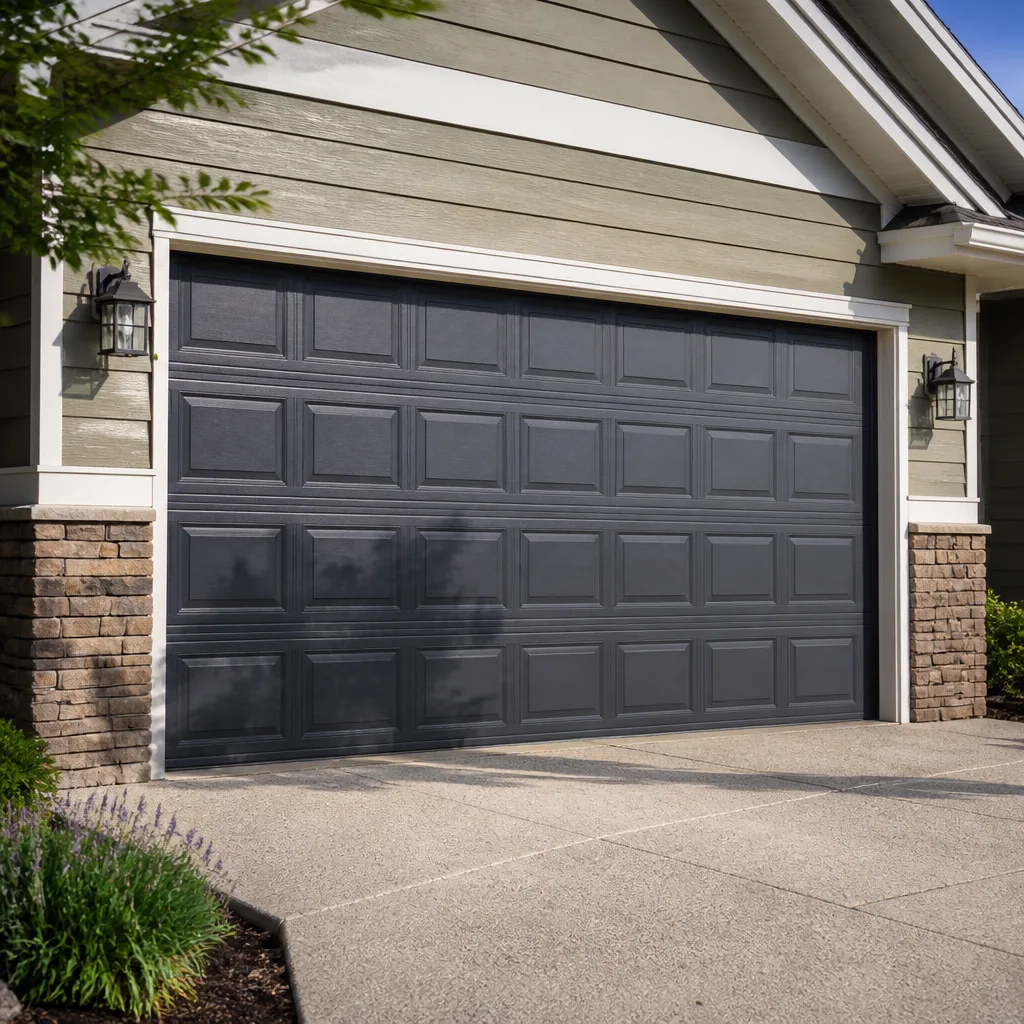 Raised-panel steel
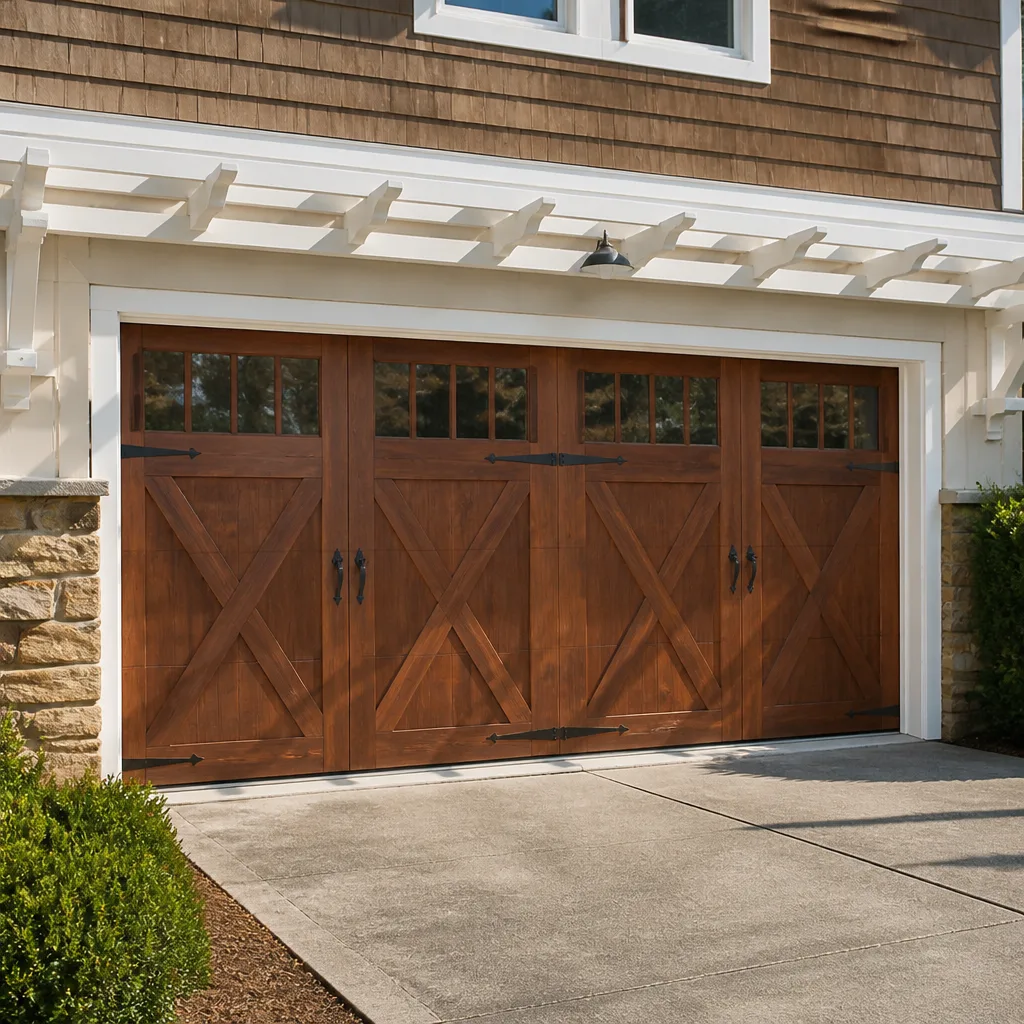 Carriage house
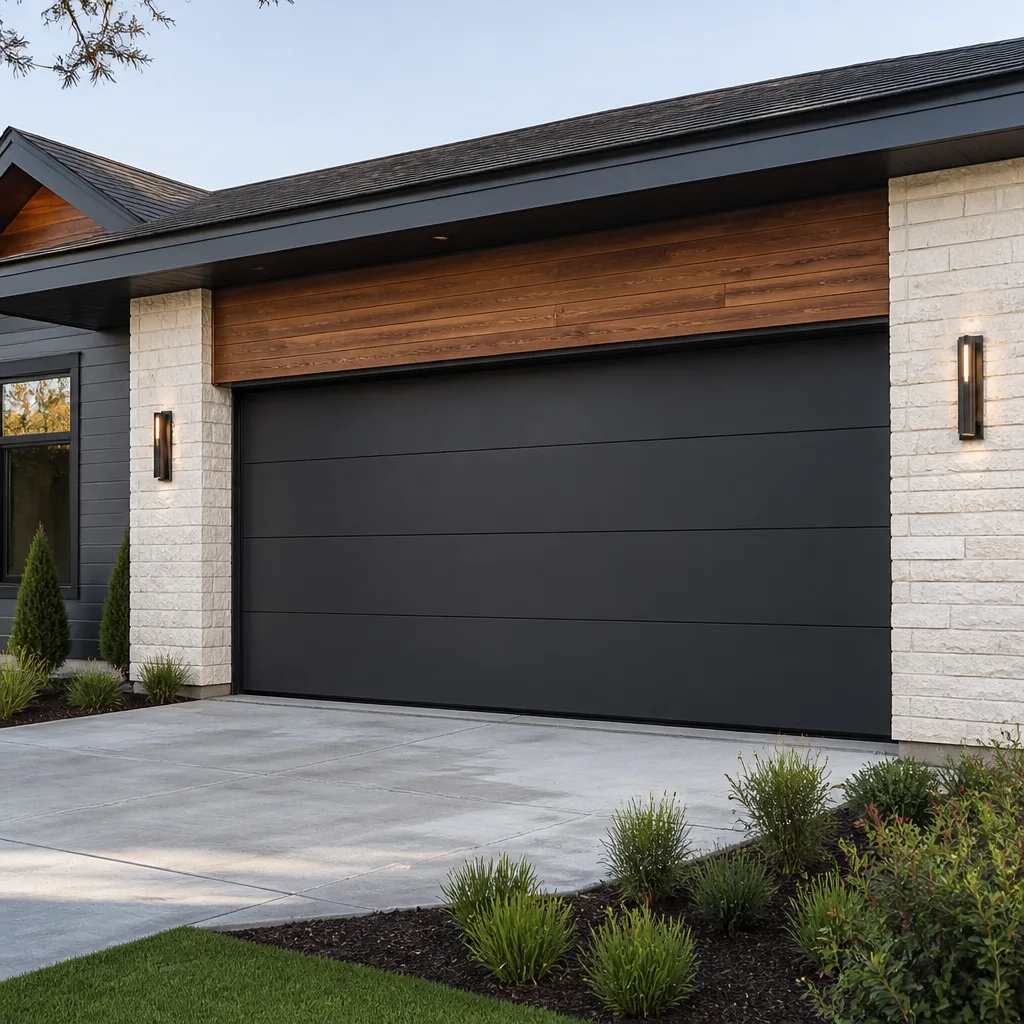 Modern flush
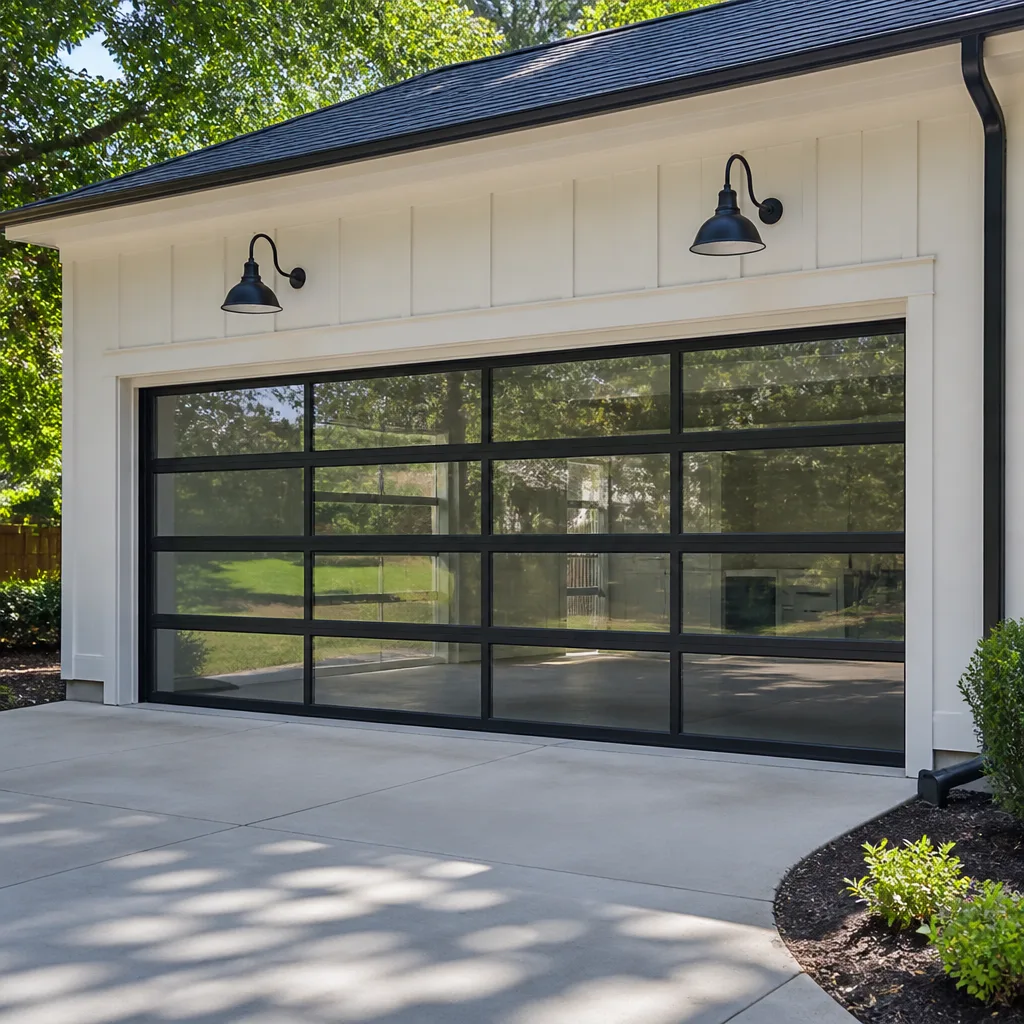 Full-view glass
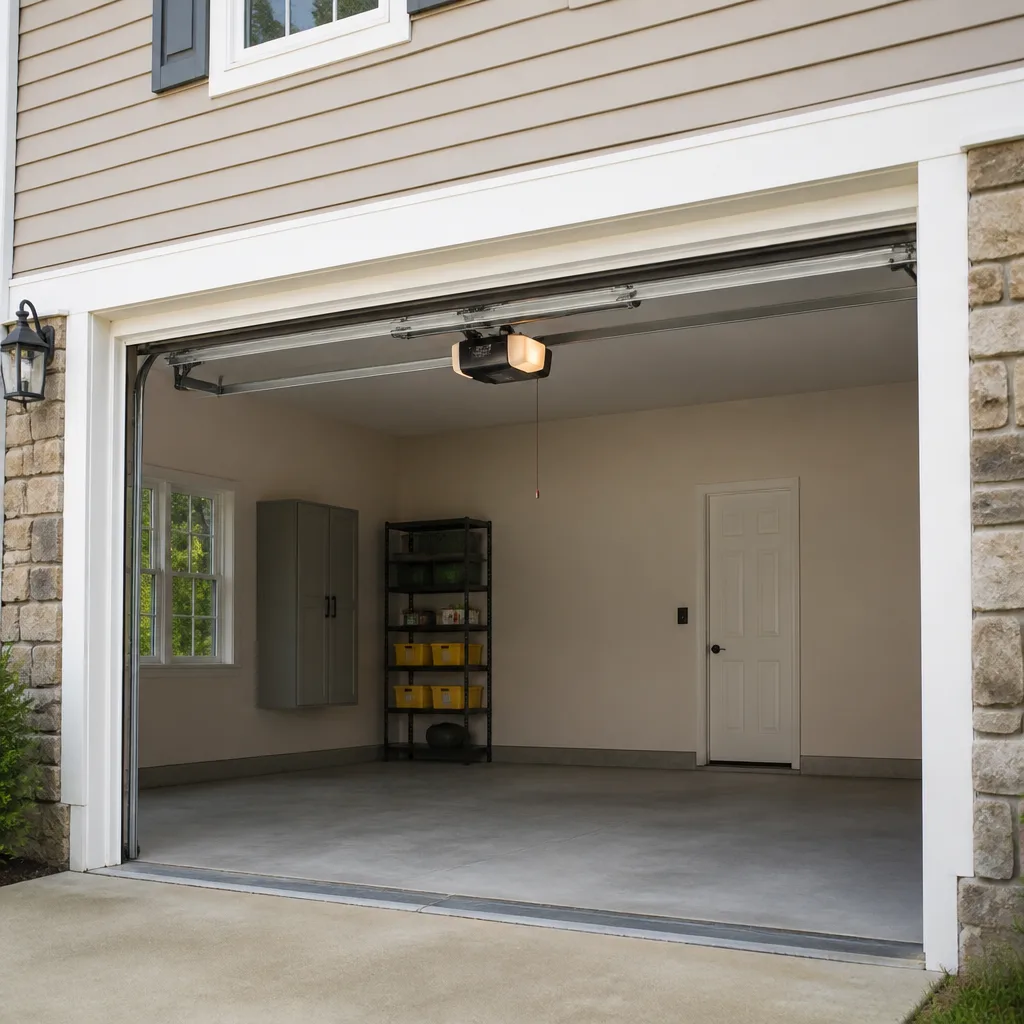 LiftMaster openers
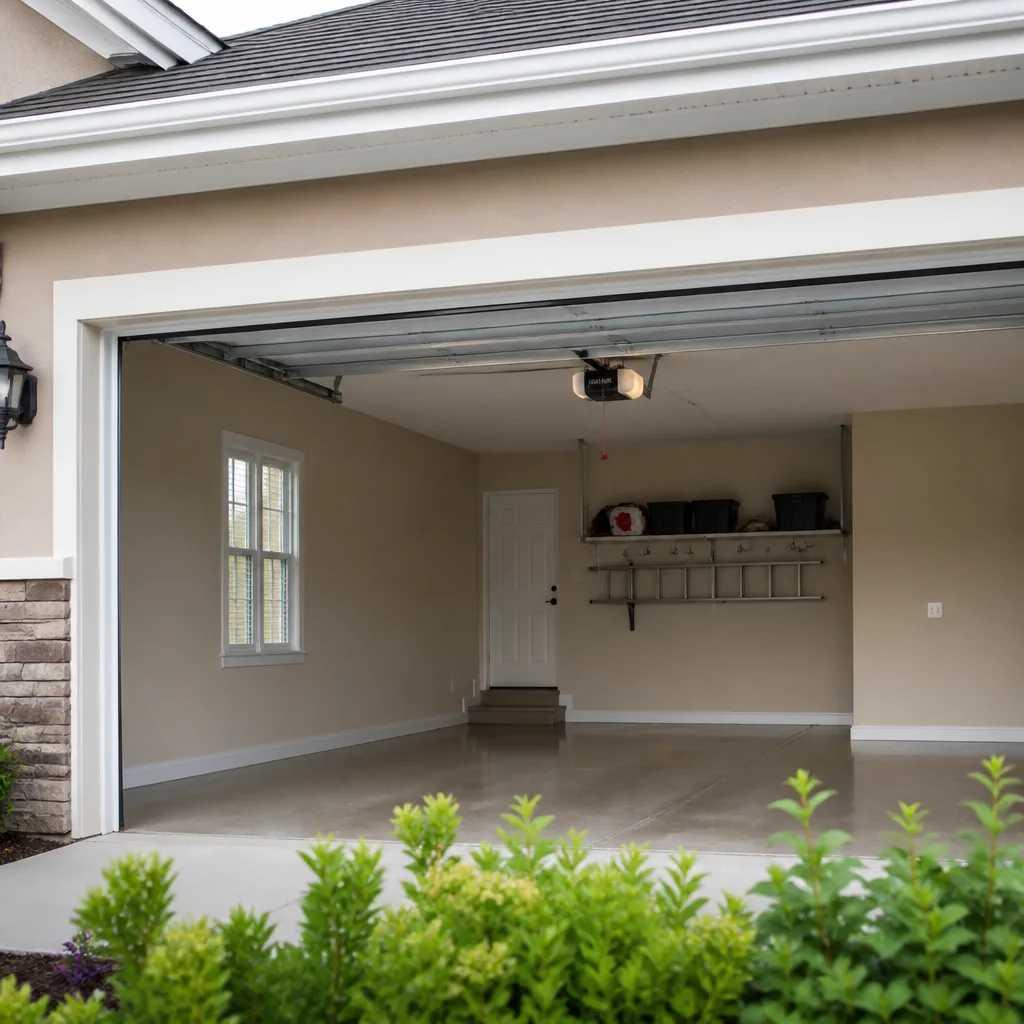 Chamberlain openers
Full 25-point door and opener safety check with every visit - springs, cables, rollers, tracks, and your LiftMaster or Chamberlain opener included
You get a price before we start. It does not change when the pro arrives.
Get your free estimateThe Complete Garage Door Opener Guide for Whitney Homeowners
Summer temperatures in the Whitney area routinely climb past 100°F, and most residential garage door openers are rated for ambient temperatures up to 104°F. That leaves almost no margin before thermal cutouts start tripping, and when they do, homeowners tend to blame the opener rather than the climate. Choosing the right opener here is a heat, dust, and power-outage decision before it’s a horsepower decision. This guide connects opener specs to the conditions Whitney actually delivers, so you can pick a unit that fits your door and your weather instead of picking on price and hoping.
Quick Answer
For most Whitney homes, a belt-drive opener with 1.25 to 1.5 horsepower, a backup battery, and at least 8 inches of clearance above the door is the right fit. Belt drive runs quieter and handles dust better than chain, battery backup matters during Nevada wind outages, and higher horsepower is worth it for the heavier insulated doors now common in high-desert homes. Get the measurements first, then match the unit to them.
Styles & brands we work with
- Raised-panel steel
- Carriage house
- Modern flush
- Full-view glass
- LiftMaster openers
- Chamberlain openers
Table of Contents
- Drive Types and Whitney Dust
- Battery Backup and Nevada Wind Outages
- Wi-Fi Connectivity and Signal Reality
- Horsepower Sizing for Insulated Doors
- What a Correct Installation Looks Like
- Cold Mornings and Annual Service
- What Opener Service Costs in Whitney
- Common Mistakes to Avoid
Drive Types and Whitney Dust
The drive type decides how your opener sounds, how often it needs attention, and how long it lasts in dusty air. Whitney sits in high-desert country where fine dust settles on everything, including the rails and gears inside your garage. That matters more than most product pages admit.
- Belt drive: A reinforced rubber belt runs quieter than any other type and seals out grit better. This is what we recommend for most Whitney homes, especially those with a bedroom above the garage.
- Chain drive: Durable and less expensive, but louder. In dusty conditions the chain needs periodic lubrication or it stiffens and drags.
- Screw drive: A threaded rod moves the door. Smooth when new, but grit works into the threads over time and the noise creeps up.
- Direct drive: The motor travels along a fixed rail with fewer moving parts. Quiet and compact, though fewer units are built this way and parts are less common.
If your garage is attached and shares a wall with a living space, belt drive is the honest choice. If it’s a detached shop or a door you open twice a day, chain will do the job for less. We’ve seen belt units run ten years in Whitney dust with an annual wipe-down, and we’ve seen neglected chains start groaning in half that time. The drive type matters, but the maintenance does too.
Battery Backup and Nevada Wind Outages
Nevada wind events knock out power with some regularity, and a garage door opener without a battery backup becomes a dead weight when the grid is down. For homes where the garage is the main point of interior access, this is not an optional feature.
Here’s how it works. A backup battery sits inside the opener housing and keeps the motor running for a set number of cycles after the power fails, usually enough to get you in and out a dozen or more times. It needs to be tested and replaced on a schedule, because a battery that sat unused for three years won’t carry the door when you need it.
- Check that the opener you’re buying is rated for battery backup, not just “backup compatible.”
- Confirm the battery is included or budget for it separately.
- Test the backup twice a year by cutting power at the breaker and cycling the door.
- Replace the battery on the manufacturer’s schedule, and don’t wait for a failure to do it.
In Whitney, a windstorm that takes down a line at 2 a.m. is a real scenario. If your garage is your way into the house, a backup battery pays for itself the first time you need it. LiftMaster and Chamberlain both make backup models and both are worth a look; we’re factory-familiar with either. You can read more about opener service and selection on our Garage Door Opener in Whitney page.
Wi-Fi Connectivity and Signal Reality
Smart openers let you open the door from your phone, check whether it’s closed, and get an alert if it’s been left up. That’s genuinely useful, but the value depends on the signal reaching your garage, and in parts of Whitney the garage is the weakest spot on the property.
Before you pay extra for Wi-Fi, walk out to the garage and check how many bars your phone shows there. If the signal is thin, the opener’s radio will be too, and you’ll spend more time troubleshooting the app than using it. In that case, a keypad on the outside wall or a simple remote is the more honest solution.
- When Wi-Fi adds value: the garage door is your main entry, you want alerts, or you’re away from home often.
- When it adds frustration: weak signal in the garage, a router far from the house, or no real need to open the door remotely.
- Middle ground: a unit with a wired keypad and a good safety-reverse system covers most households without the app.
A smart opener is a convenience, not a requirement. Buy it because it does something you’ll actually use, not because the spec sheet makes it sound important.
Horsepower Sizing for Insulated Doors
Homeowners in Whitney are increasingly moving to insulated garage doors to keep the house cooler in summer and warmer in winter. An insulated door is heavier, and the opener has to carry that weight reliably for years. This is where horsepower sizing earns its keep.
Most single-car doors do fine with a half-horsepower unit. For a double door, especially an insulated steel or composite model, 1.25 horsepower is the more sensible starting point, and 1.5 horsepower is right for the heaviest doors. Undersizing the opener is a common mistake, and it shows up as a door that strains, jerks, or reverses at the top of its travel.
The weight of the door also affects the spring system, which is what actually carries most of the load. A heavy door with tired springs forces the opener to work harder than it should, and no amount of horsepower fixes a spring problem. If you’ve added an insulated door, have the balance checked as part of the opener decision. Our Garage Door Installation in Whitney page covers how we measure for a door that matches its opener.
What a Correct Installation Looks Like
A good opener and a rushed installation are two different things, and the second one causes most of the problems we see. Here’s what a correct professional installation should involve, so you can judge the work and not just the box.
- Measure the clearance. The installer confirms the space above the door and the door’s weight before mounting anything.
- Check the balance. The door is opened halfway by hand and should hold its position. A door that won’t stay put needs spring work first.
- Align the rail and hang the motor. The rail is set level and the motor is mounted to solid framing, not just the ceiling drywall.
- Set the safety reverse. The door must reverse when it meets an obstruction, and a photo-eye or equivalent system must be tested and working.
- Set and test the force limits. The open and close force is adjusted to the door, then tested through a full cycle.
- Program the remotes and keypad. Every remote in the house is paired and tested before the installer leaves.
- Walk you through the backup battery and the emergency release. You should know how to use both.
A rushed installation skips the balance check and the force setting, and the door works for a month before it starts reversing on its own or failing to close. The parts are the same; the difference is whether the installer measured first.
Cold Mornings and Annual Service
Desert nights get cold, and a garage door that ran quietly in July can stiffen and groan on a January morning. Cold thickens lubricants and stiffens springs, so the opener works harder at exactly the moment it’s least forgiving. An annual service catches the small things before they turn into a call-out.
- Lubricate the rail, rollers, and hinges with a product made for garage doors.
- Test the safety reverse by placing a board under the door and cycling it closed.
- Check the backup battery and the emergency release.
- Inspect cables and springs for wear or fraying. This is a visual check only; springs are under extreme tension and are dangerous to touch.
- Tighten the hardware that dust and vibration have loosened.
Our $89 seasonal tune-up covers exactly this kind of checklist, and we’ll flag anything that looks like it’s heading for a failure. If we spot a worn spring or cable, we’ll tell you plainly and quote the flat price before any work starts. Never attempt to adjust tension on a spring or cable yourself. Those components carry the full weight of the door, and a failure can cause serious injury.
What Opener Service Costs in Whitney
Prices in the Whitney market fall into a fairly predictable range. These are the numbers we quote, and they’re stated before any work begins so there are no surprises on the bill.
- Seasonal tune-up: $89 standing offer.
- Opener repair (board, gear, or sensor): typically $150 to $350, depending on the part.
- New opener installation: typically $350 to $750, including the unit for most standard doors.
- Battery backup unit, installed: often an additional $60 to $120 over a comparable unit without backup.
- Spring or cable repair alongside opener work: quoted separately after a balance check.
- Discounts: $50 off any repair over $250, a permanent 5% senior and veteran discount, and a free second opinion on any written estimate.
We quote flat prices and agree them with you before we touch the door. If the job turns out to need more than the quote, we stop and talk to you before doing anything extra. Our technicians have up to 10 years of experience, and every job carries our 90-Day Done Right Promise in writing.
Common Mistakes to Avoid
- Choosing on price alone. The cheapest unit often lacks battery backup and undersizes the horsepower. In Whitney heat and wind, that’s false economy.
- Skipping the balance check. A heavy door with tired springs will wear out a new opener fast. Check the springs before the opener.
- Skipping battery backup. Homes with interior garage access need it. A wind outage is not the moment to discover the opener is dead.
- Ignoring garage Wi-Fi signal. If your phone shows one bar in the garage, a smart opener will frustrate you. Test the signal first.
- Assuming horsepower fixes everything. A 1.5-horsepower unit on a sagging door still struggles. The door has to be right before the opener can be.
- Forgetting the safety reverse test. This is the one function that protects people and pets. Test it monthly and fix it if it fails.
- Not asking for the price in writing. A flat quote before the work is your protection. Don’t accept vague language about “estimates” after the fact.
See the difference
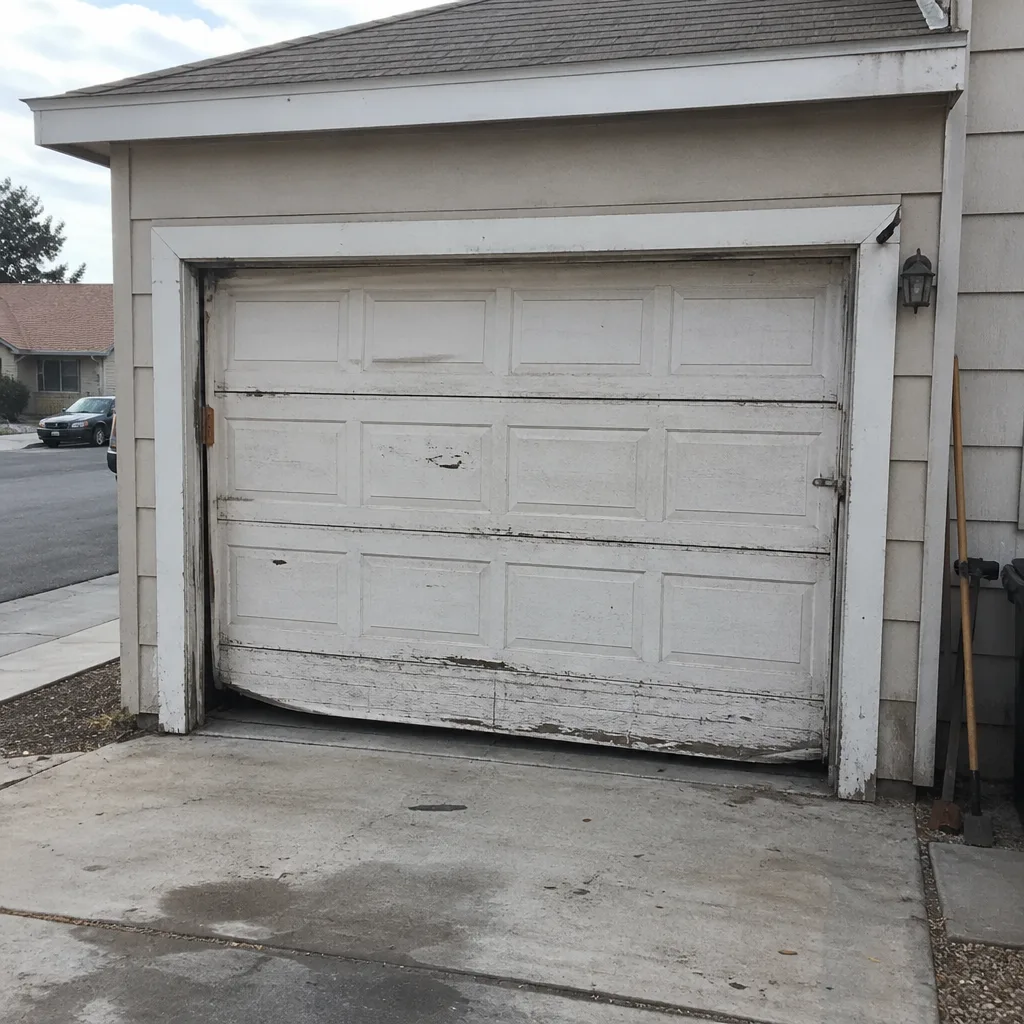 Before
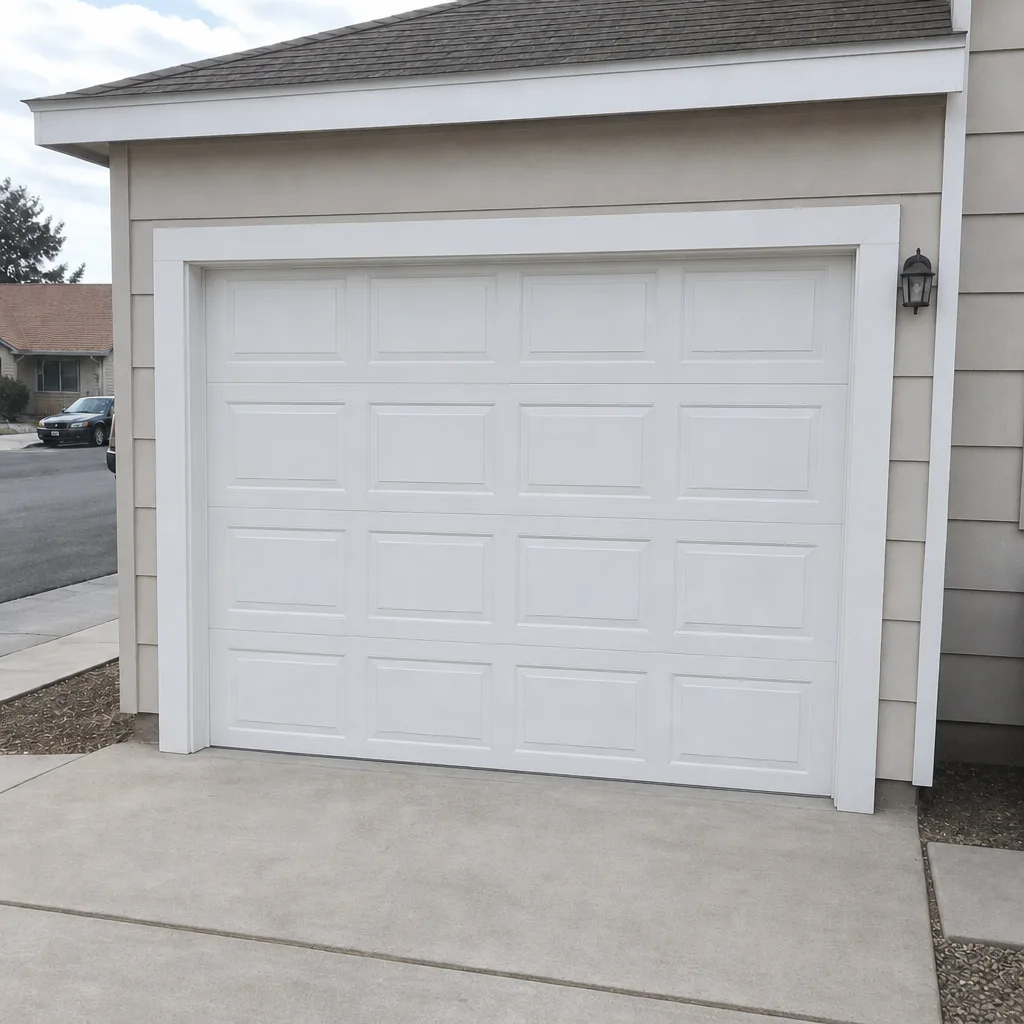 After
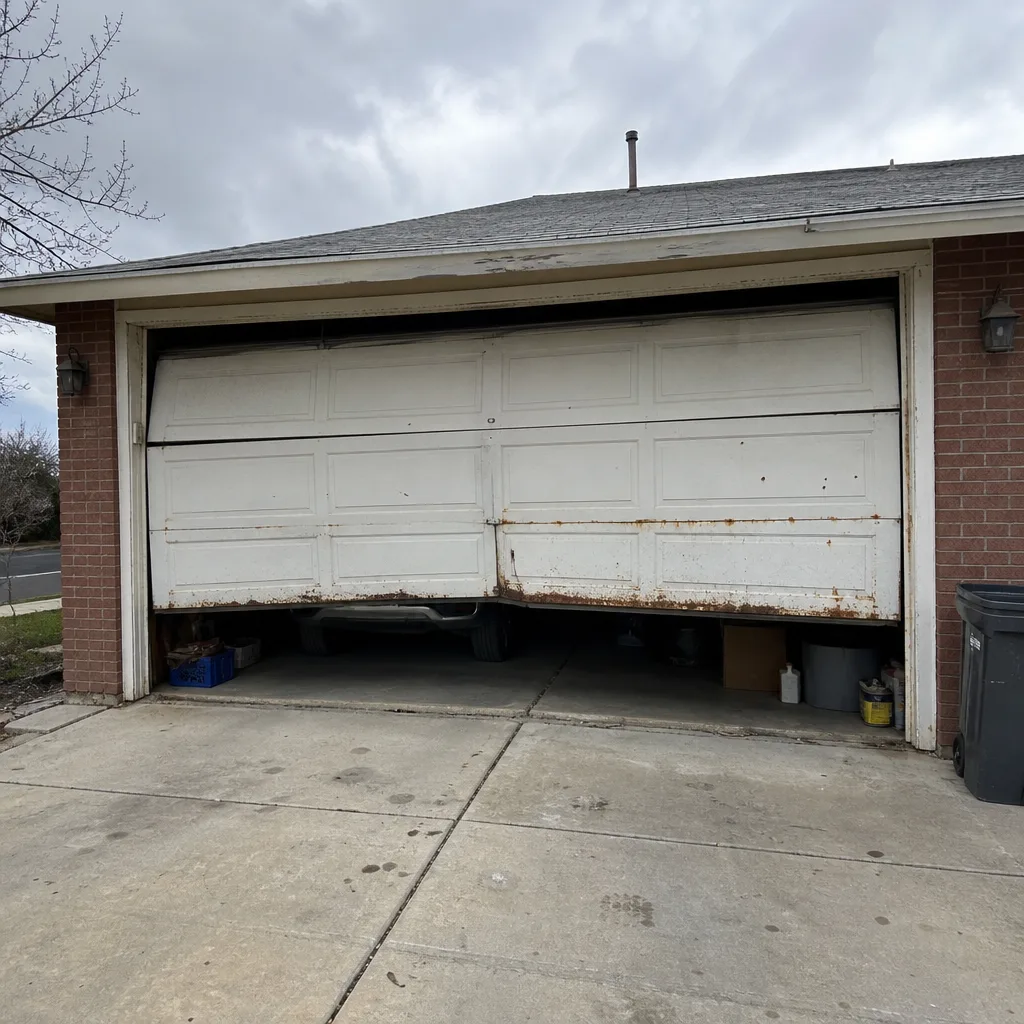 Before
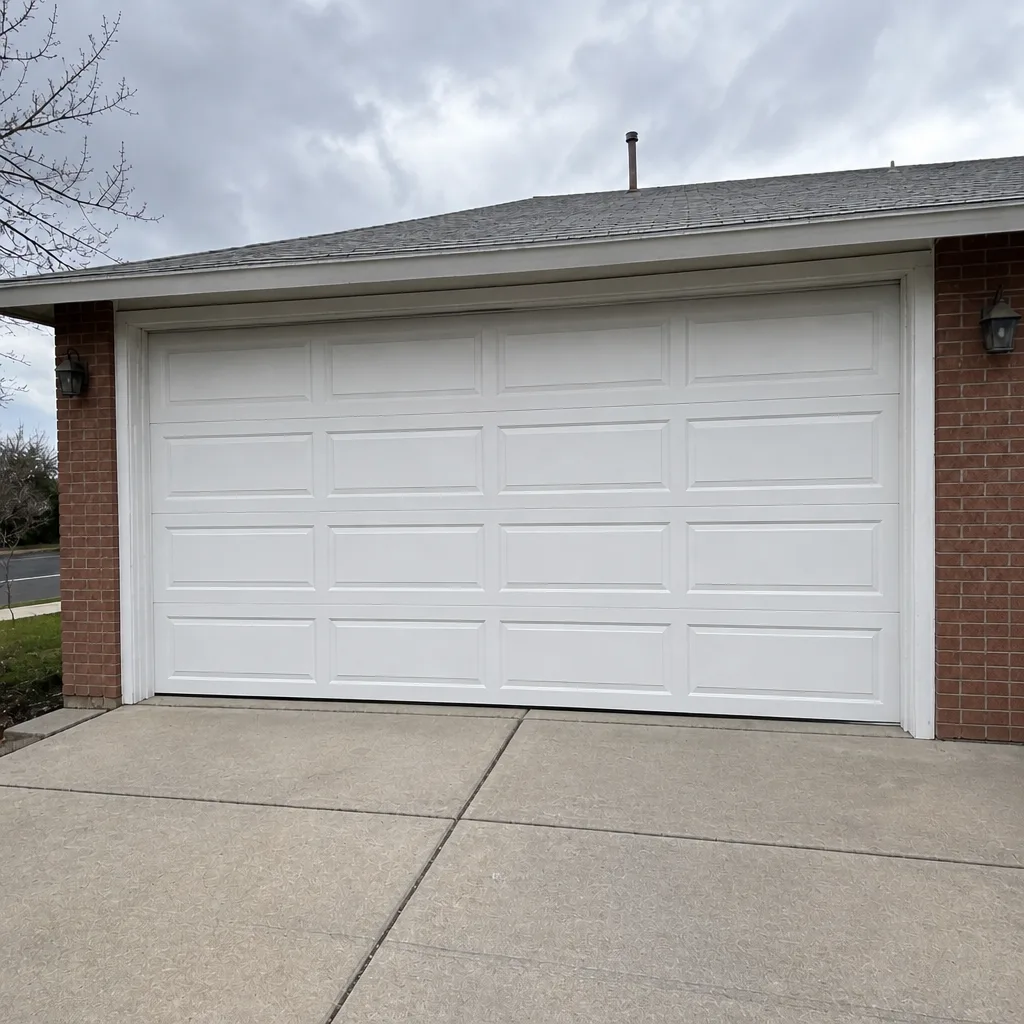 After
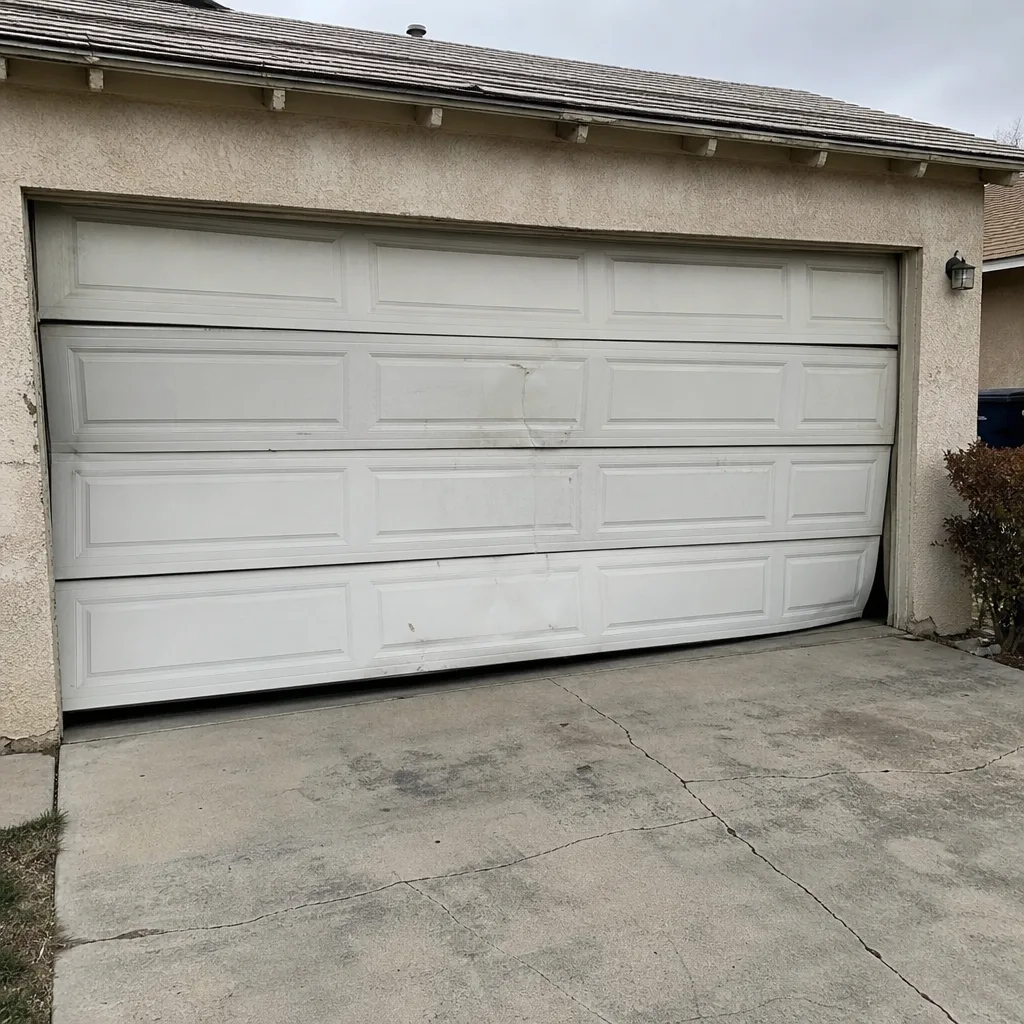 Before
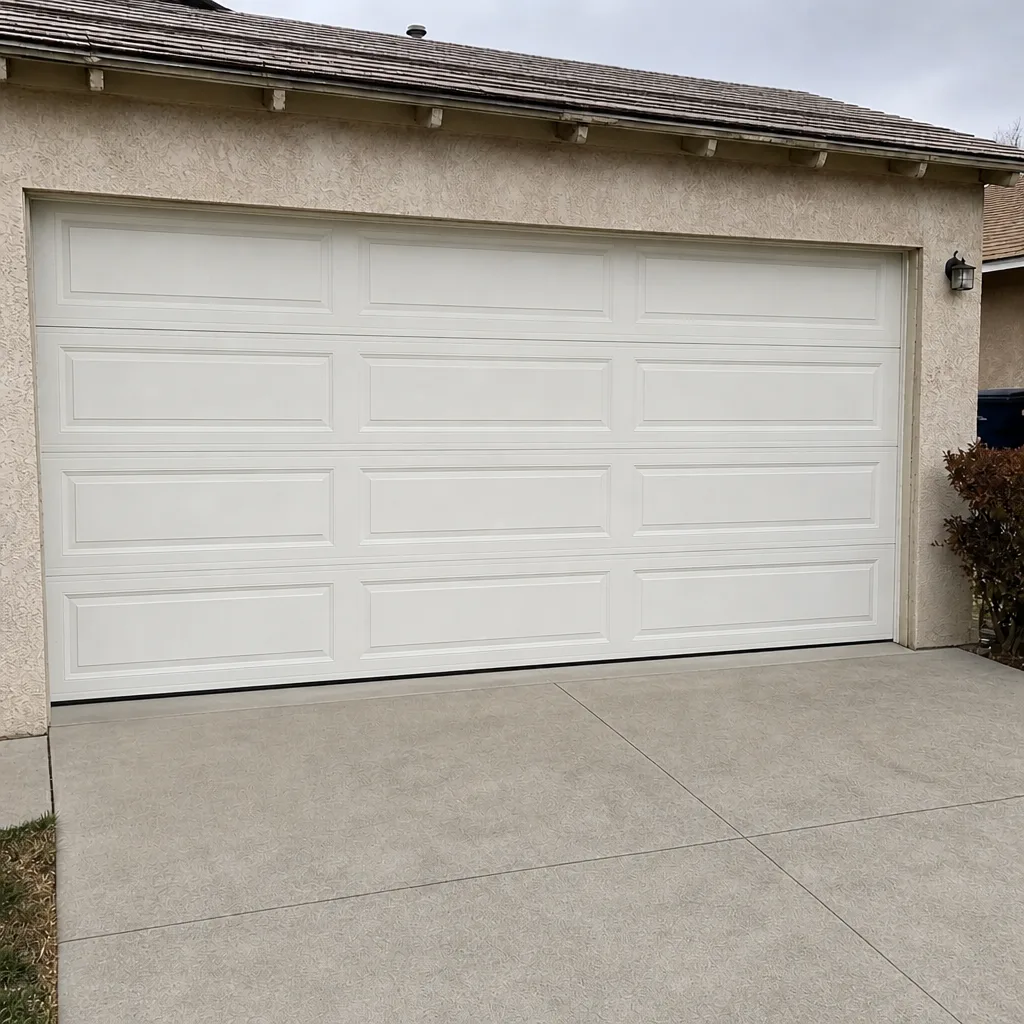 After
When to Call a Professional
Call a professional when the door reverses on its own, when the opener strains or stops mid-travel, when the door won’t balance by hand halfway up, or when you hear a bang from the spring area. Call sooner if you’ve just added an insulated door and the old opener isn’t keeping up. We handle opener repair and installation throughout Whitney, along with spring, cable, and door work. Mainspring Garage Door Co. Whitney offers free estimates in Whitney – call (844) 797-9248. Our phones are answered by a live person around the clock, and our technicians are background-checked and arrive with the parts on hand so most jobs finish in a single visit. Visit our Garage Door Repair in Whitney page for repair specifics, or the Mainspring Garage Door Co. Whitney home page for an overview.
Frequently Asked Questions
Most opener installations in Whitney run about $350 to $750, including the unit for a standard door. Factors include horsepower, drive type, and whether you add a backup battery. Call (844) 797-9248 for an exact quote after we measure your door – estimates are free.
Repair is often same-day because we carry common parts on hand, but installation is scheduled the same week because the unit has to be matched to your door. We’ll give you a realistic time when you call. Reach us at (844) 797-9248 to check availability.
If your garage is the main way into your house, yes. Nevada wind events knock out power, and a backup battery keeps the door working until the grid comes back. Most homes with interior access should have one.
For a double insulated door, 1.25 horsepower is a sensible starting point, and 1.5 horsepower is right for the heaviest doors. We measure the door’s weight and balance before recommending a unit, so the sizing is right for your door and not a guess.
No. We quote a flat price and agree it with you before work starts. If we find something extra during the job, we stop and discuss it first. The price you agree to is the price on the bill. Call (844) 797-9248 for a free estimate.
Our technicians are background-checked, uniformed, and have up to 10 years of experience. Every job is backed by our 90-Day Done Right Promise in writing. Call (844) 797-9248 to schedule service in Whitney.
The Bottom Line
The right opener for a Whitney home is one sized for the door, built for heat and dust, and able to run on battery when the power fails. Belt drive handles the dust, 1.25 to 1.5 horsepower handles an insulated door, and a backup battery earns its place the first wind outage. Measure first, pick the unit to match, and have it installed by someone who checks the balance and sets the safety reverse. If you’d like a second look before you buy, start with a free estimate.
Call Mainspring Garage Door Co. Whitney at (844) 797-9248 for a free estimate. We quote the flat price before any work begins, most jobs finish in a single visit, and everything we do is covered by our 90-Day Done Right Promise. If it isn’t right, we come back. That’s the whole deal.
Written by the team at Mainspring Garage Door Co. Whitney.