
Last updated November 17, 2026
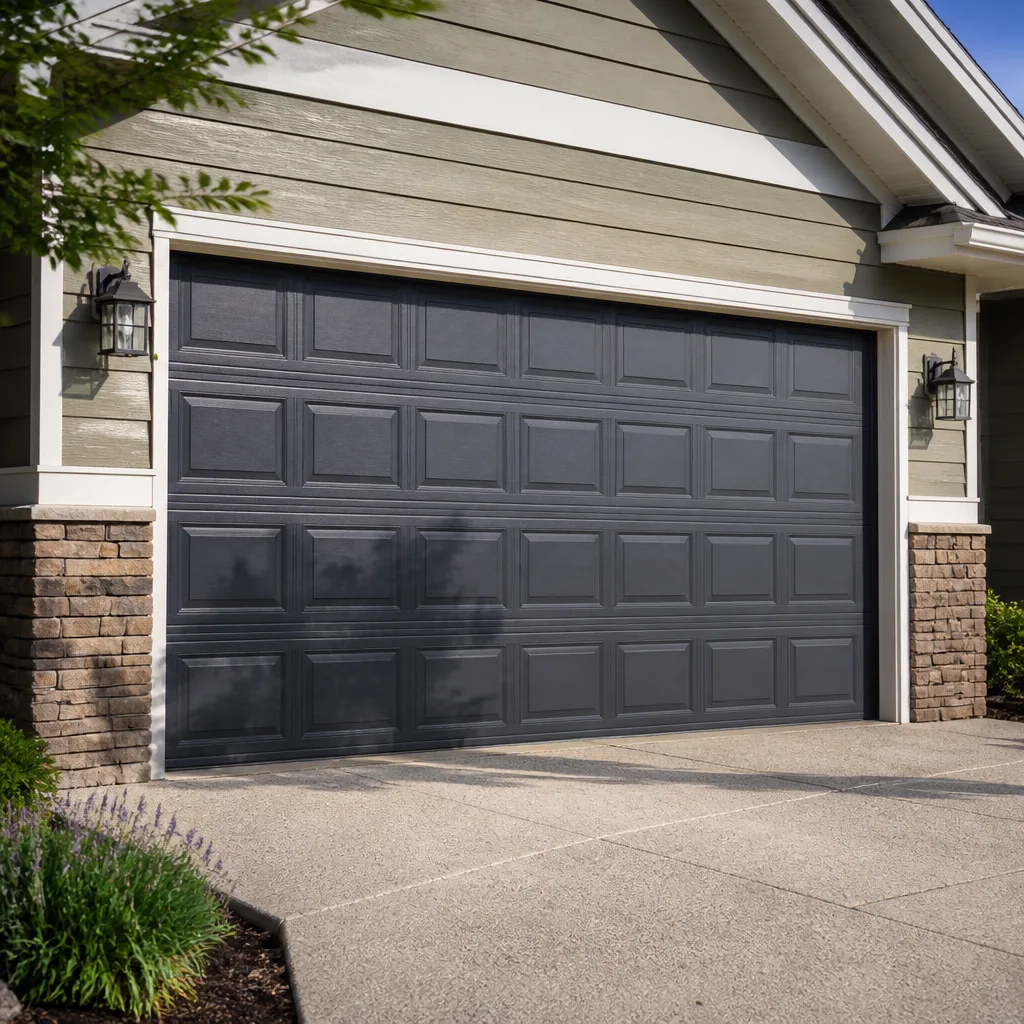 Raised-panel steel
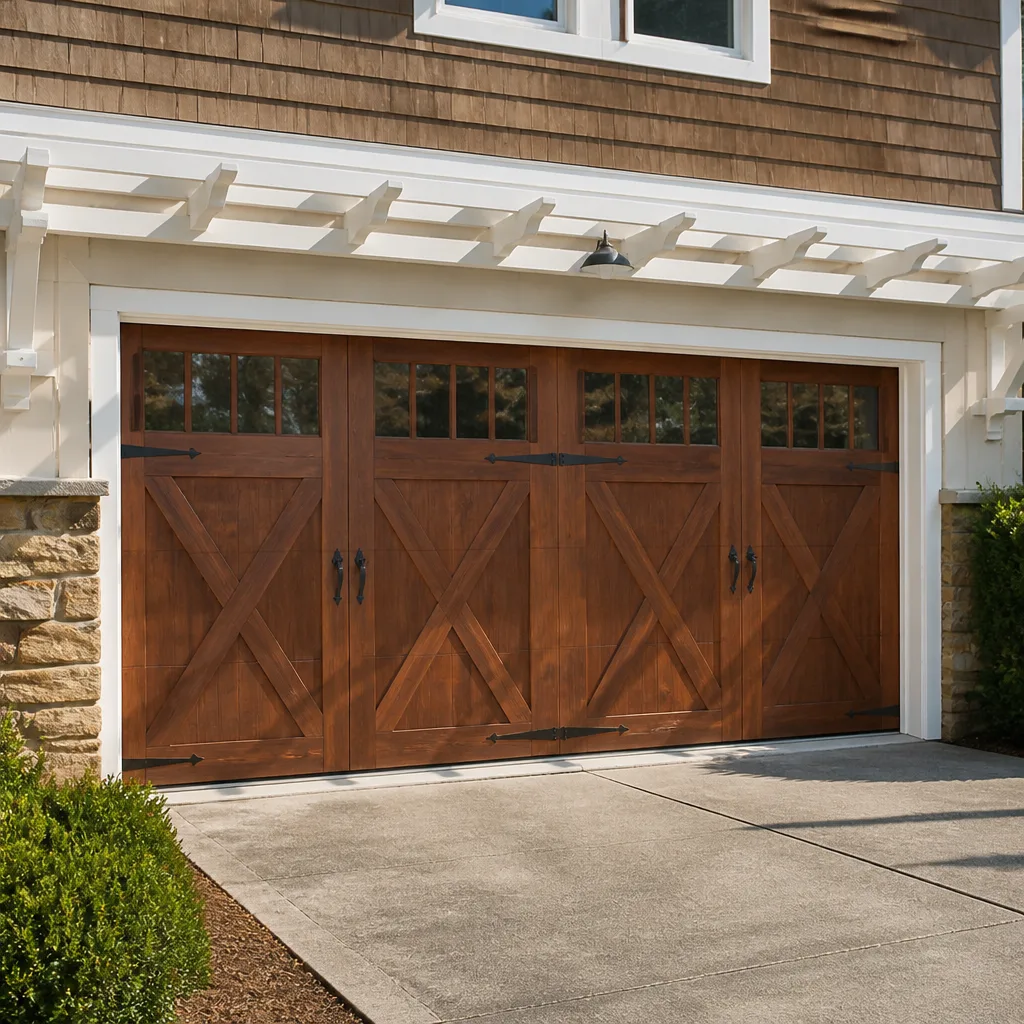 Carriage house
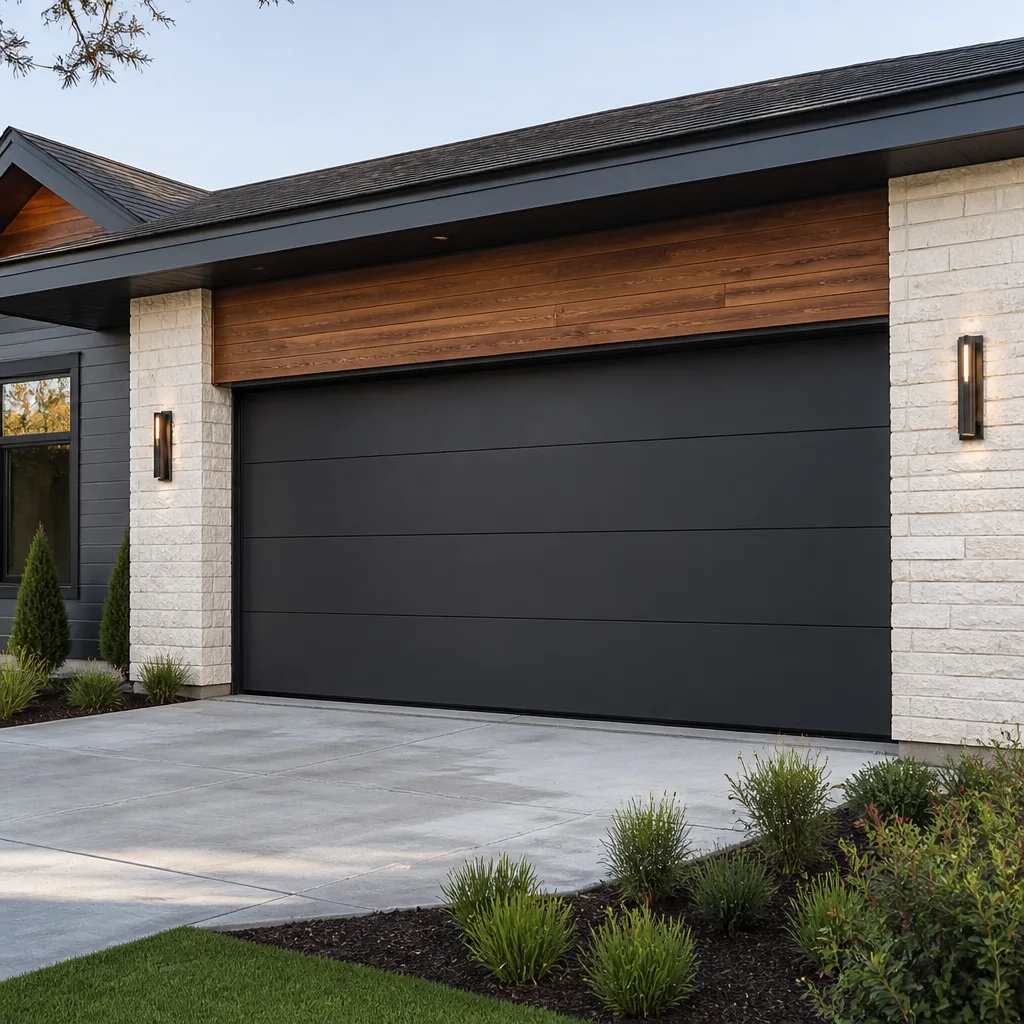 Modern flush
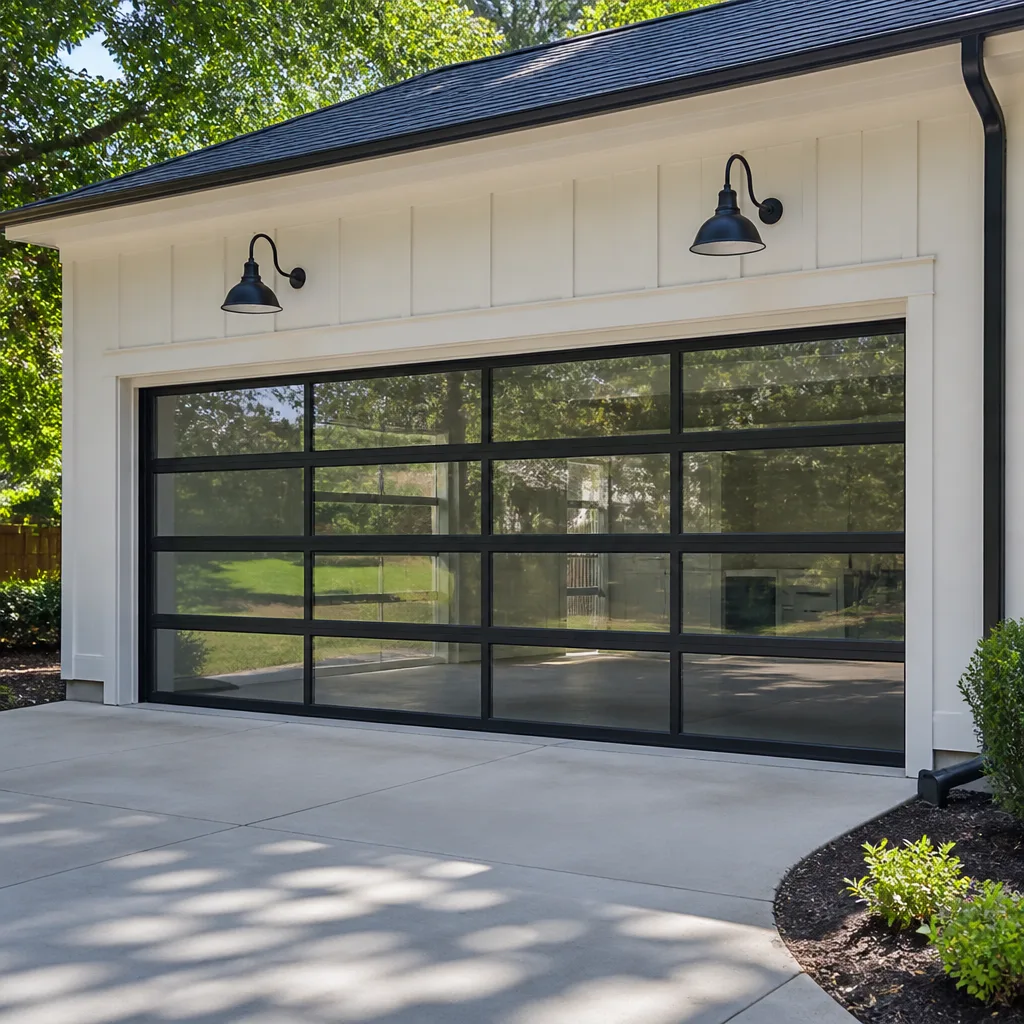 Full-view glass
 LiftMaster openers
 Chamberlain openers
Full 25-point door and opener safety check with every visit - springs, cables, rollers, tracks, and your LiftMaster or Chamberlain opener included
You get a price before we start. It does not change when the pro arrives.
Get your free estimateThe Complete Garage Door Parts Guide for Whitney Homeowners
The bottom bracket is a small piece of hardware where the cable meets the door. When a standard torsion spring is wound, that bracket carries roughly 150 pounds of tension. It is the most commonly ignored part on a residential garage door, and in our experience it is the most common starting point for a sudden cable failure. Most homeowners can name the spring and the opener. The hardware between those two components is where trouble actually begins. This guide names every part, explains what it does, and shows you what failure looks like before it happens, so a Whitney homeowner can plan instead of react.
Quick Answer
A garage door is four systems working together: the spring system, the track system, the panel system, and the operator system. The spring and cable assembly stores dangerous energy and needs a trained technician. Rollers, hinges, weatherstripping, and sensors are parts a homeowner can inspect and often replace without risk. In Whitney’s dry desert climate, zinc-coated hardware and nylon rollers last longest and hold up best against heat and dust.
Styles & brands we work with
- Raised-panel steel
- Carriage house
- Modern flush
- Full-view glass
- LiftMaster openers
- Chamberlain openers
Table of Contents
- The Spring System: The Part That Carries the Weight
- The Track System: Keeping the Door on Course
- The Panel System: Sections, Hinges, Rollers, and Seals
- The Operator System: Opener, Rail, Trolley, and Safety Sensors
- Which Parts Are Under Load and Which Simply Wear
- Choosing Parts for Whitney’s Climate
- How Long Parts Last: A Realistic Replacement Table
- What You Can Check Yourself and What Needs a Technician
The Spring System: The Part That Carries the Weight
Every garage door is heavy. A standard single-car door runs around 130 to 150 pounds, and a double-car door can pass 200. The spring system does the lifting so your opener doesn’t have to. Mainspring takes its name from that spring for a reason: it carries the whole weight of the door, and when it fails, everything else is affected.
The spring system has five main parts:
- Torsion springs – mounted on a bar above the door. Most Whitney homes have two, wound in opposite directions. They do the heavy lifting through torque.
- Torsion bar (or shaft) – the steel rod the springs mount on and that transfers force to the drums.
- Cable drums – spool the lift cables at each end of the bar. A drum that slips or wears lets the cable jump its groove, and a jumped cable is a door that drops.
- Cables – run from the drums down to the bottom brackets. They are under constant, extreme tension.
- End cones and center bearing plate – hold the springs in place and let the bar spin freely. A worn bearing plate makes a door groan and drag.
Some older Whitney doors use extension springs, which run along the horizontal tracks. Those should always have a safety cable running through the middle, because a broken extension spring can fly across a garage.
Safety note: springs, cables, drums, and bottom brackets are under stored energy that can maim or kill. Never try to adjust, remove, or wind a torsion spring yourself. This is work for a trained technician with the right winding bars and the knowledge to use them. The spring system is the one part of your door we ask you never to touch.
The Track System: Keeping the Door on Course
The track is the door’s road. Two vertical tracks guide the door up, two horizontal tracks carry it back along the ceiling, and curved sections connect them at the top corners. It looks simple, but a bent or misaligned track is one of the most common causes of a door that binds, jerks, or stops halfway.
What makes up the track system:
- Vertical tracks – bolted to the door jambs. These take the most sideways force if a car or a mower bumps the door.
- Horizontal tracks – run back toward the opener. Usually hung from the ceiling with angle iron and perforated straps.
- Curved track sections – the corners where the door changes direction. These wear and can crack at the seams over time.
- Jamb brackets and flag brackets – hold the tracks to the wall and ceiling.
- Track hangers – the straps and angle that keep the horizontal track from sagging. In a hot Whitney garage, a sagging track is easy to overlook until the door starts catching.
You can check a track yourself with a level. Run a finger down the inside edge of each vertical track and feel for dents or debris. A small bend you can see is usually a small bend a technician can straighten. A track that’s been hit hard enough to buckle needs to be replaced, not bent back, because once steel loses its shape it never tracks true again.
The Panel System: Sections, Hinges, Rollers, and Seals
The panels are what you see, and the hardware between them is what you feel. Each section of the door connects to its neighbor with hinges, and each section rides the track on rollers. The bottom of the door meets the ground through weatherstripping, and the sides meet the frame through more seals. This is the part of the door a homeowner can inspect closely without risk.
The panel system parts:
- Sections (panels) – steel, aluminum, or wood. Steel is the Whitney standard. A cracked or dented section can sometimes be replaced on its own, which is cheaper than a whole new door.
- Hinges – numbered by position, and they are not interchangeable. Hinge #1 goes at the bottom, hinge #3 higher up, and end hinges hold the rollers at the door edges. A door re-hinged with the wrong number will bind.
- Rollers – steel or nylon wheels that ride in the track. Nylon runs quieter and holds up better in heat. Steel lasts longer in heavy use but is louder.
- Bottom brackets – the cast piece at each lower corner where the cable attaches. This is the part in the opening hook. It carries roughly 150 pounds of tension and it should never be repaired with a drill or a homemade fix.
- Weatherstripping (bottom seal) – the rubber or vinyl strip along the floor. It keeps out dust, insects, and the desert wind. A split seal also lets water under the door during monsoon season.
- Perimeter seals and threshold – the side and top stops that close the gaps around the door.
In our experience, cracked hinges and worn rollers cause more “the door is broken” calls than people expect. The door isn’t really broken. It’s just riding on small parts that wore out quietly over five or six years.
The Operator System: Opener, Rail, Trolley, and Safety Sensors
The opener is the muscle that moves the door, but the operator system includes everything from the motor to the sensors at the floor. When a door reverses on its own or stops halfway, the problem is often in the operator, not the door.
The operator system parts:
- The opener unit – the motor and gearbox. Belt-drive openers run quietest and suit a bedroom above the garage. Chain-drive is louder but tougher. Screw-drive sits in between. We work with all the majors: LiftMaster, Chamberlain, Craftsman, Genie, and more.
- The rail – the long track the trolley runs on, from the motor to the door header.
- The trolley and carriage – the piece that rides the rail and connects the opener to the door via the release arm.
- The emergency release cord – the red handle. If a door can’t be pulled free by hand, the release is stuck or the door is in bind.
- Safety sensors (photo eyes) – two small units at the bottom of the tracks, one sending an invisible beam to the other. If the beam is broken, the door won’t close. Dust on the lenses does this constantly in Whitney. Wipe them once a month.
- Wall control and remotes – the buttons and openers you use. A remote that stops working is often a battery, not a board.
One operator note for older homes: if your opener is a Chamberlain or Craftsman from the 1990s, it may predate modern rolling-code security. Replacing just the unit, not the whole door, is a fair option and costs far less. Our Garage Door Opener in Whitney page covers how replacement works in detail.
Which Parts Are Under Load and Which Simply Wear
This is the distinction that matters most, and it’s the one most guides skip. Some parts of your door hold stored energy. Others just wear down over time. The two need different handling.
Parts under constant load (higher risk – technician only)
- Torsion springs and extension springs – store enough force to move a door, and release it suddenly when they fail
- Lift cables – under hundreds of pounds of tension from top to bottom
- Cable drums and end cones – transfer that full tension to the bar
- Bottom brackets – the anchor point carrying the cable tension at the floor
- Center bearing plate – takes bending force every cycle
Parts that wear gradually (lower risk – homeowner inspectable)
- Rollers – wear slowly, get noisy, then start to flat-spot
- Hinges – loosen and crack after years of flexing
- Weatherstripping – dries, cracks, and pulls away from the floor
- Track bolts and hangers – loosen and droop over time
- Safety sensor lenses – dust and dirt build-up
- Open/close limits on the opener – drift out of adjustment
If you remember nothing else from this guide, remember the split. Load-bearing parts are the ones that hurt people. Gradual-wear parts are the ones you can look at, listen to, and keep ahead of. Our Garage Door Repair in Whitney page covers the repair side in full if you’d rather have someone look.
Choosing Parts for Whitney’s Climate
Whitney sits in the Las Vegas Valley, which means three things for your garage door hardware: very low humidity, punishing summer heat, and blowing dust. Each one changes which parts make sense.
Low humidity cuts rust risk, so zinc-coated hardware is plenty. You don’t need premium stainless hardware unless the door is on the coast or a pool room. Standard zinc-coated hinges, brackets, and track hardware will hold up for years in Whitney. Spending extra on stainless is money you don’t recover.
Heat is harder on nylon rollers and weatherstripping than rust ever would be. A cheap nylon roller can soften and expand against the track in a summer garage, which makes the door grunt and drag. Good-quality nylon rollers made for hot climates will actually run better and quieter than steel. On weatherstripping, use vinyl or rubber rated for desert heat. Cheap foam seals turn to powder in a couple of summers.
Dust gets into everything. Blowing dust settles on the track and rollers, so a light dry wipe of the tracks every couple of months is worth more in Whitney than most tune-up steps. Lubricating the rollers and hinges with a lithium or silicone spray, not grease, stops dust from sticking.
Springs and cables don’t care much about climate, but the cycle count matters. A door opening twice a day runs about 730 cycles a year. A standard torsion spring is usually rated for 10,000 cycles, so plan on the spring giving out roughly every 8 to 14 years depending on how often you use the door.
How Long Parts Last: A Realistic Replacement Table
Giving a homeowner a realistic lifespan is the best way to avoid an emergency call. Here is what we see in Whitney homes. Use it to budget and plan rather than react.
- Torsion springs – 8 to 14 years, tied to cycles used. High-use doors fail sooner.
- Extension springs – 7 to 12 years. Replace both at the same time, always.
- Cables – 10 to 15 years, but replace whenever they fray or show rust at the bottom bracket.
- Rollers (nylon) – 6 to 10 years. Inspect every 2 years for flat spots and wobble.
- Rollers (steel) – 8 to 12 years, and louder throughout.
- Hinges – 5 to 10 years. Bottom hinges wear fastest.
- Weatherstripping (bottom seal) – 3 to 6 years in Whitney heat, sooner if it faces full afternoon sun.
- Bottom brackets – usually last the life of the door, but they must be inspected any time the cable is serviced.
- Safety sensors – 10 to 15 years. Replace the pair when one fails.
- Opener motor unit – 10 to 15 years for a quality unit. LiftMaster and Chamberlain units commonly reach 15 with a tune-up every year.
Aging parts don’t all fail at once, but they tend to fail in clusters, especially in Whitney where the door runs through a lot of heat cycles. If two or three parts on this list are past due, ask a technician to look at all of them together. It’s cheaper than three separate visits over six months.
What You Can Check Yourself and What Needs a Technician
The line between “do it yourself” and “call a pro” is the stored-energy line. Here’s a simple way to separate the two.
Safe homeowner checks and replacements
- Wipe the safety sensor lenses with a dry cloth once a month. That’s the top cause of “door won’t close” calls.
- Look at your rollers. If you can see flat spots, cracks, or wobble, they’re due. Replacing rollers on a properly supported door is a reasonable homeowner job.
- Check hinges for cracks and looseness, especially the bottom pair. Match the number stamped on the old hinge when you replace it.
- Pull the bottom weatherstripping away from the floor and check for splits. Replace the vinyl seal once it crumbles.
- Run a finger down the inside of the vertical track for dents or debris. Wipe the track dry.
Leave these to a technician
- Replacing, adjusting, or winding torsion or extension springs. Stored energy can kill. No homeowner should try this.
- Replacing or tensioning lift cables. Cables are under the same force as springs.
- Replacing bottom brackets. That’s where the cable tension ends and 150 pounds of force meets a small cast piece.
- Straightening or replacing drums, end cones, or the torsion bar.
- Realigning a sagging or buckled track that has been hit hard enough to bend.
When a part on the “leave it” list is suspected, that’s a call to a technician, not a YouTube tutorial. Our team is background-checked and uniformed, and our technicians have up to 10 years of experience. The part and the labor come with a stated price before any work begins, so there are no surprises on the bill.
Common Mistakes to Avoid
- Ignoring the bottom brackets. They are the least glamorous part on the door and the most common source of sudden cable failure. Have them checked any time a technician touches the cables.
- Replacing one spring when the other is old. Torsion springs are installed in pairs and wear on the same schedule. Replacing one leaves the door out of balance and the older one ready to snap. Replace both.
- Greasing the track. Track grease collects dust in Whitney, and the dust turns into grit that grinds your rollers. Lubricate the rollers and hinges only, and wipe the track dry.
- Buying the cheapest rollers. Low-grade nylon rollers soften in a Whitney summer garage and start to bind against the track. Spend the few dollars more on heat-rated nylon.
- Using a mismatched hinge number. Hinges are numbered by position and won’t align the door correctly if swapped. Match the number that’s stamped on the part you removed.
- Ignoring a frayed cable because the door “still opens.” A frayed cable is a warning, not a quirk. It can snap on the next open with the door up. That’s an emergency call, not a someday call.
- Bending a buckled track back into shape. Once steel loses its shape, it never tracks true again. It will wear your rollers and your door faster, and it’s money spent twice.
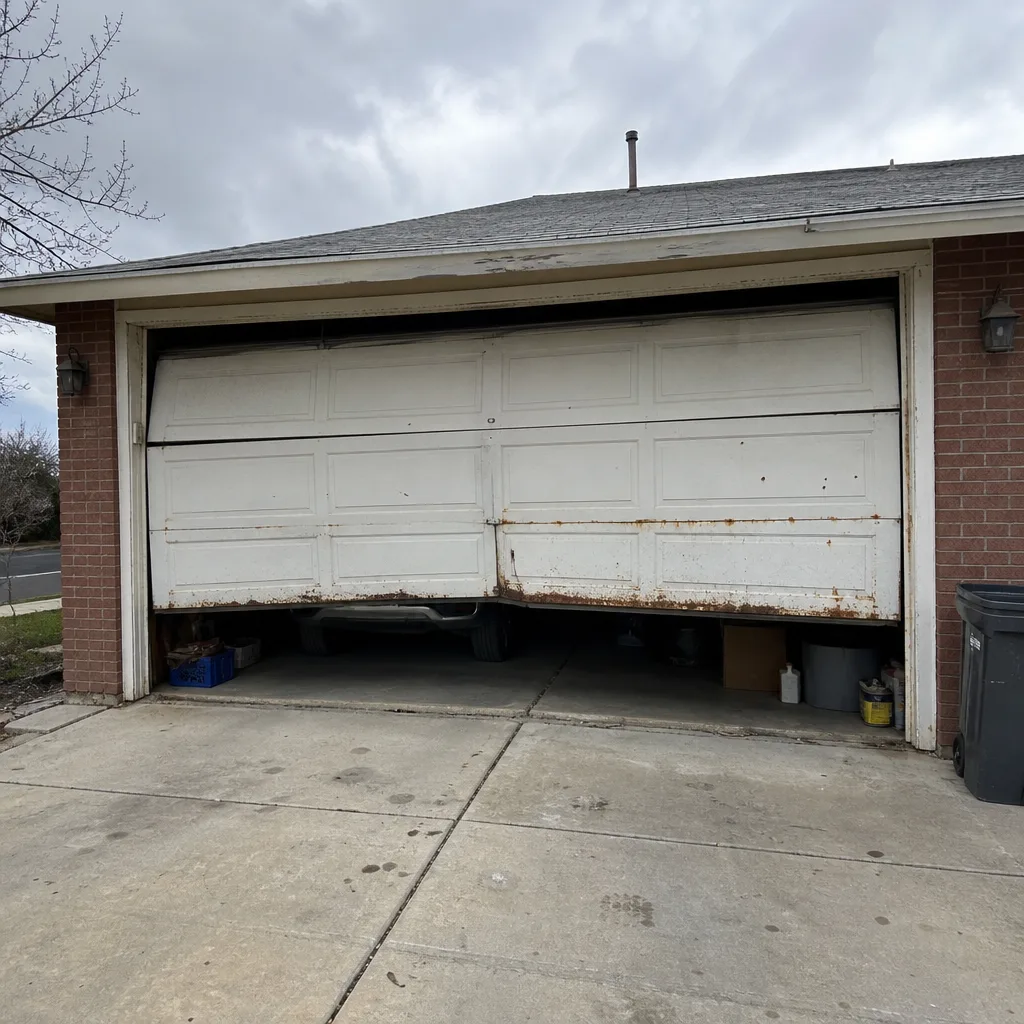
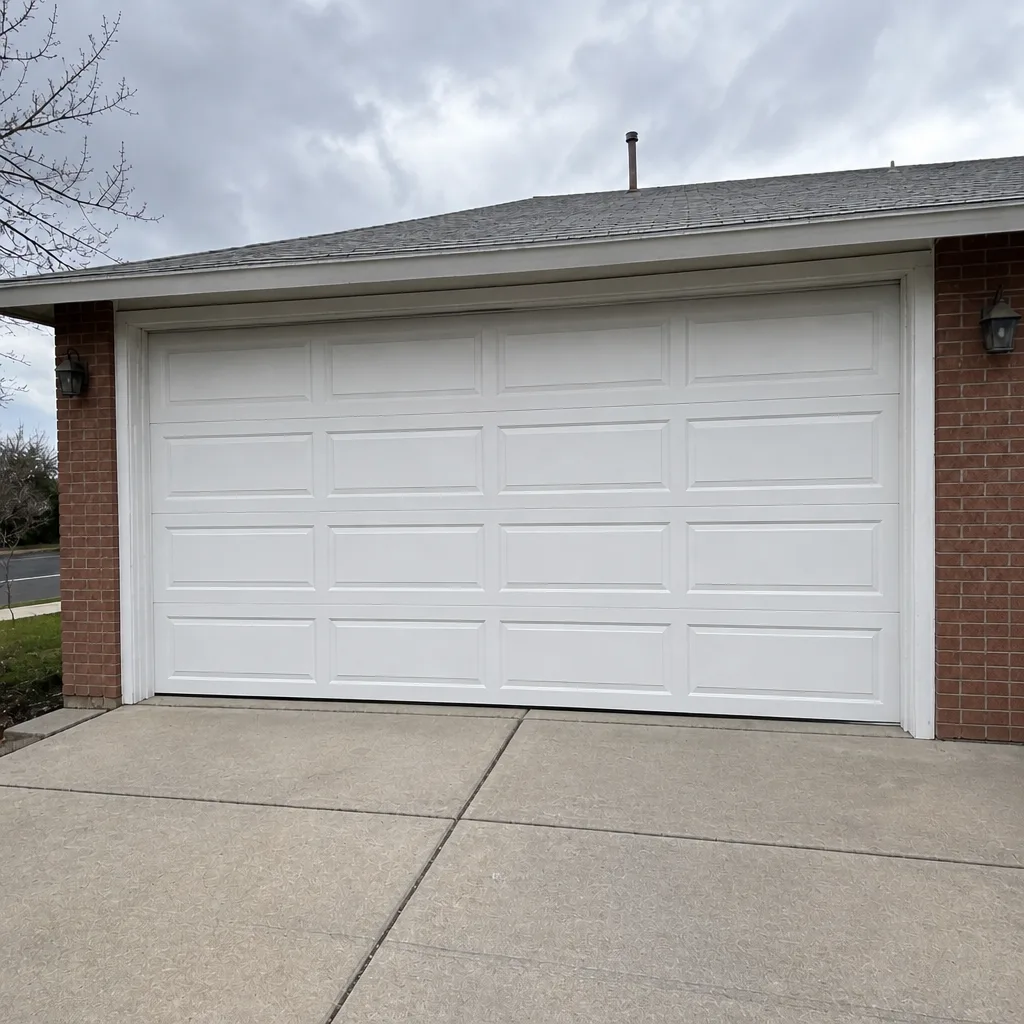
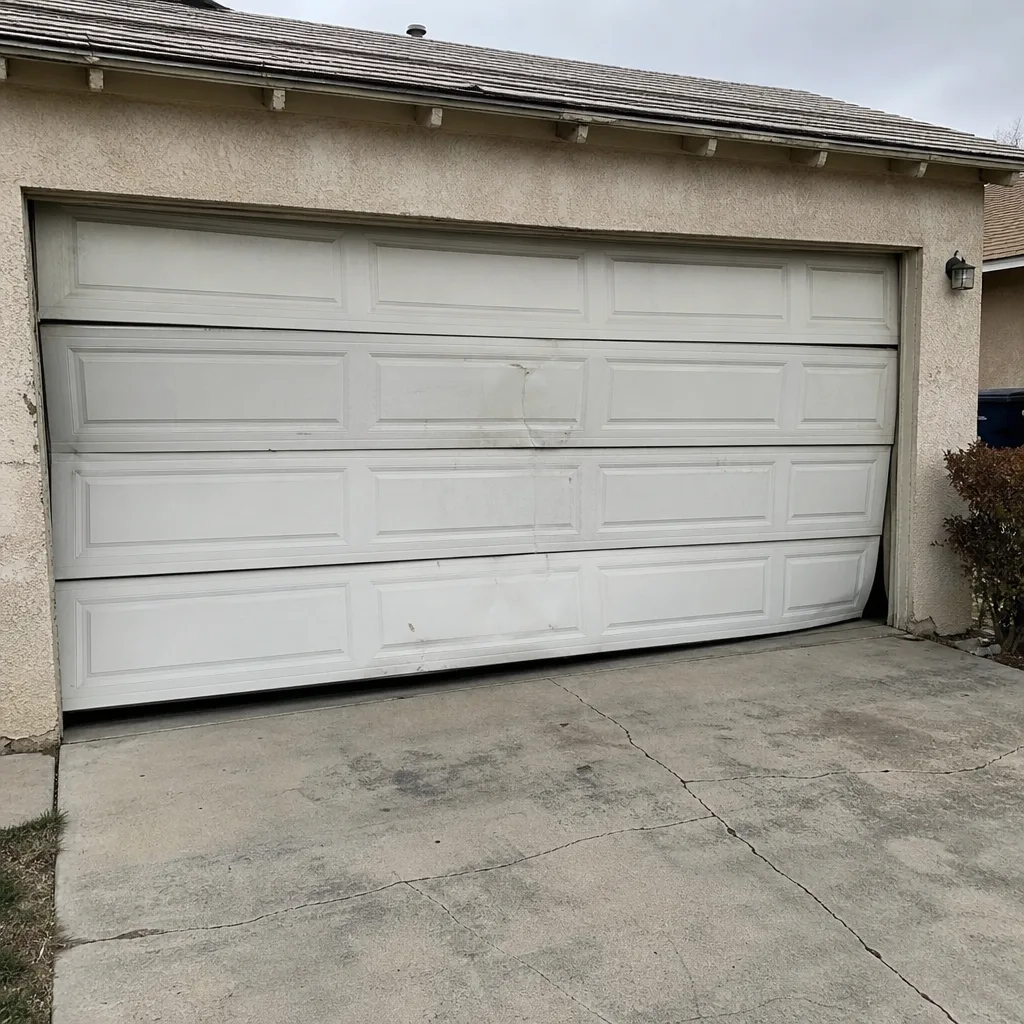
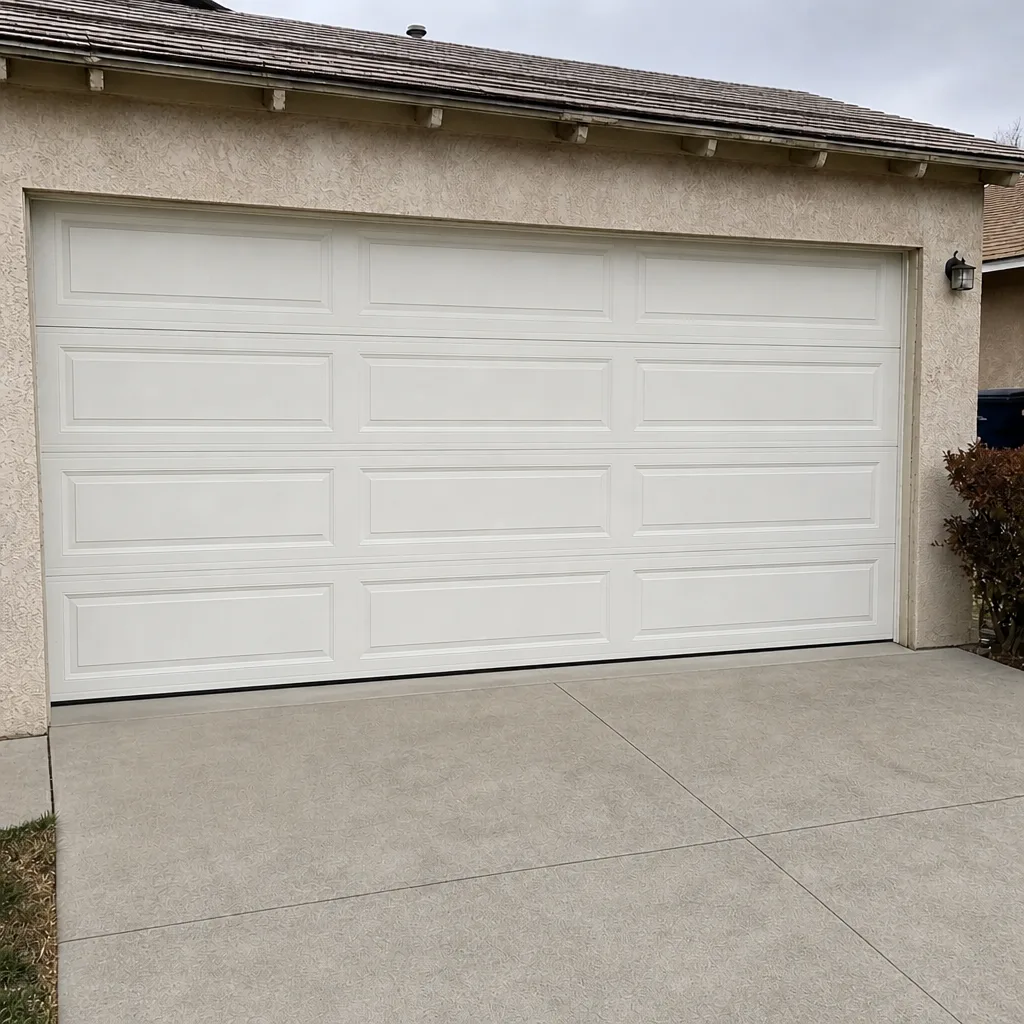
See the difference
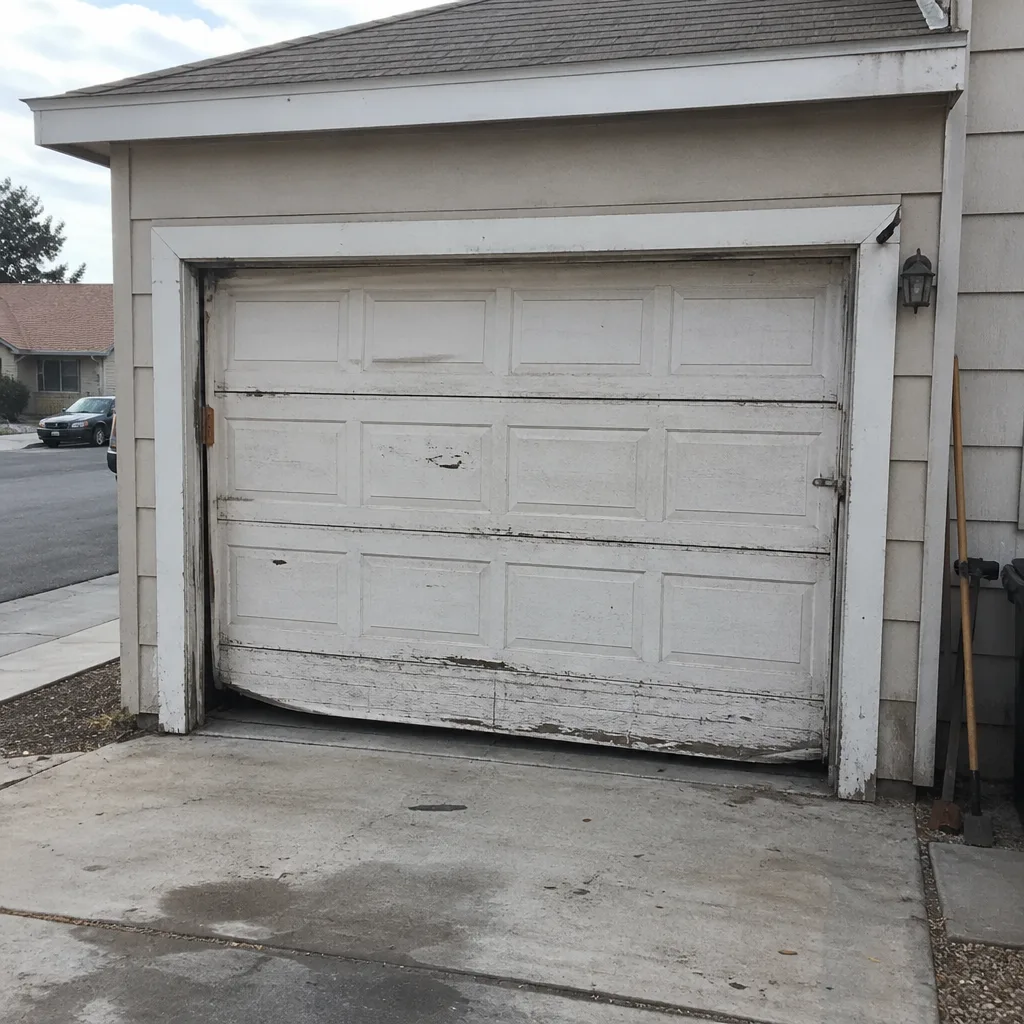 Before
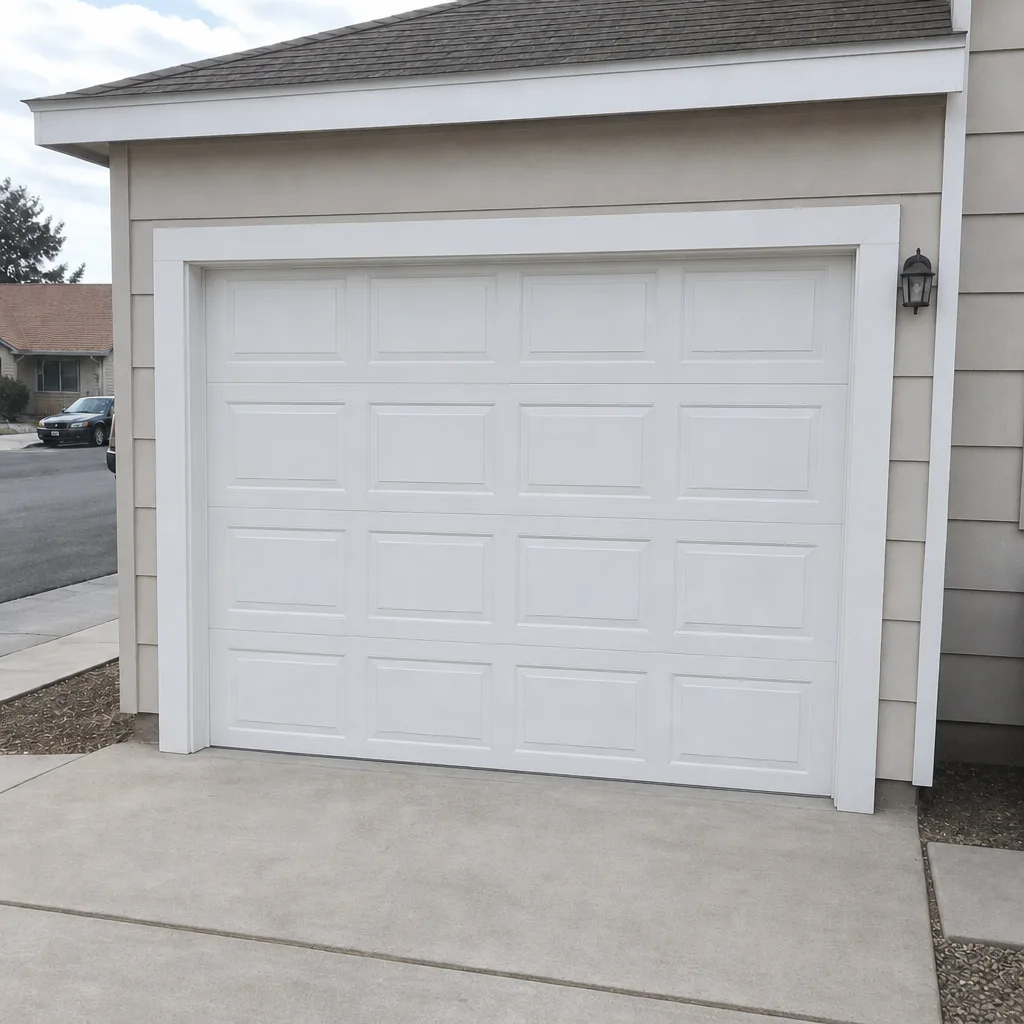 After
 Before
 After
 Before
 After
When to Call a Professional
Call a professional any time the part in question is under stored tension. That means springs, cables, drums, end cones, and bottom brackets, without exception. Call the same day if you see a frayed or rusted cable, if the door slams down, if one side hangs lower than the other, or if the door comes off the track. Also call when you’re honestly not sure; a $150 service call today is cheaper than a broken door tonight. Loading-bearing parts fail suddenly, and the surprise is what costs you. Mainspring Garage Door Co. Whitney offers free estimates in Whitney, and a live person answers our phone around the clock. Call (844) 797-9248 to schedule. Every part and every labor hour is quoted before work starts, and the job is covered in writing by our 90-Day Done Right Promise.
For the full scope of what we do, including installation and new doors when a door is past repair, start at Mainspring Garage Door Co. Whitney home, or see Garage Door Installation in Whitney for the replacement side of the decision.
Frequently Asked Questions
Replace torsion springs, cables, and rollers on a schedule rather than waiting for failure. Springs and cables should be replaced in their expected lifespan window, usually 8 to 14 years for springs and 10 to 15 years for cables. Rollers should be inspected at year five and replaced every six to ten years. Replacing on the schedule avoids the emergency call and typically costs less than an after-hours repair.
No. Torsion and extension springs store enough energy to cause serious injury or death, and replacing them without the correct winding bars and training is not a homeowner job. Every reputable door technician will tell you the same thing: springs, cables, drums, and bottom brackets stay with the professional. A door that isn’t right after an amateur spring job can drop without warning, and no door is worth that risk. Call (844) 797-9248 for an exact quote; estimates are free.
Spring replacement in the Whitney area typically runs a few hundred dollars for the pair, including labor, with the exact figure depending on which spring the door uses and whether the cables or bottom brackets need replacing at the same time. The flat price is stated and agreed before any work begins, so there are no surprises on the bill. Call (844) 797-9248 for an exact quote; estimates are free.
Steel rollers last longer and suit heavy use, but they run louder. Nylon rollers run quieter and, in Whitney’s heat, that trade-off favors nylon because quality nylon rollers won’t expand against the track the way cheap ones will. For a typical Whitney home, heat-rated nylon rollers are usually the right choice. Our technicians can tell you which ones your door was built for.
Once a year is the right interval for a full inspection, and twice a year if your door is facing a hot south or west wall. Blowing dust and summer heat are hardest on rollers, hinges, and weatherstripping, so an annual tune-up catches small failures before they strand your door. Our $89 Seasonal Tune-Up covers the full check, and we’ll tell you honestly which parts are close to due.
Yes. Our technicians are background-checked, uniformed, and trained as journeymen under our K.E.Y.S. values code: Krafted right, Every time, Your home first, Standing behind it. They arrive with parts on the truck, so most jobs finish in a single visit and you don’t wait on a second trip. Every completed job is covered in writing by our 90-Day Done Right Promise, and the price is agreed before work begins.
The Bottom Line
Your garage door has four systems, and the small hardware between the spring and the opener is where most failures start. Springs, cables, drums, and bottom brackets carry dangerous stored energy and belong with a technician. Rollers, hinges, and weatherstripping wear gradually and can be watched, checked, and often replaced by a homeowner. Pick parts for Whitney’s heat and dust (zinc-coated hardware and heat-rated nylon rollers), use the lifespan table to budget ahead, and call when a load-bearing part is in question. That plan alone eliminates most emergency calls.
If you want a second set of eyes on your door’s hardware, our team at Mainspring Garage Door Co. Whitney offers a free estimate, and a live person answers the phone around the clock. Call (844) 797-9248 to schedule a visit or ask a question about a specific part.
Written by the team at Mainspring Garage Door Co. Whitney.